Clinton Township has something most suburbs its size do not: its own full acute-care hospital, inside its own borders. Henry Ford Macomb Hospital sits on Nineteen Mile Road in 48038, out past the Romeo Plank subdivisions and near Chippewa Valley High School, with a cancer center on the same campus. That single fact makes get-well the most geographically simple occasion on this grid — a large share of township get-well orders travel a handful of miles from bench to bedside. The second inpatient address is McLaren Macomb on Harrington Street in Mount Clemens, the long-standing county-seat hospital that older residents still call by its former Mount Clemens name, roughly four minutes from Kraatz Flowers at 301 Cass Avenue. Beyond those two the radius reaches the East Twelve Mile Road hospital campus in Warren, which is the natural run for Warren Florist on Ryan Road; the Moross Road campus at the Grosse Pointe line, closest to Numberone Florist on Mack Avenue and Connerpark on Greater Mack; and at the Oakland County end, the Royal Oak and Troy hospital campuses that sit nearest Dbg Flowers in Madison Heights. Pediatric inpatients from Macomb County are typically referred into Detroit, to Children's Hospital of Michigan on Beaubien Street, which is outside our 18-mile radius — for a child there, send to the family's Clinton Township home instead, which is usually the better gift anyway since a parent is driving back and forth and the house is where the exhaustion lives.
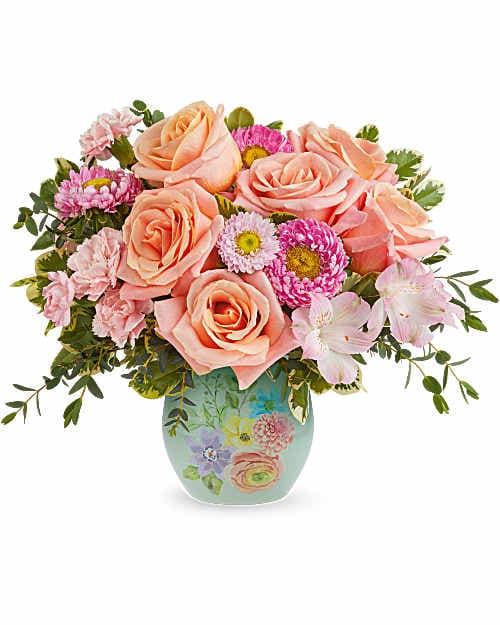
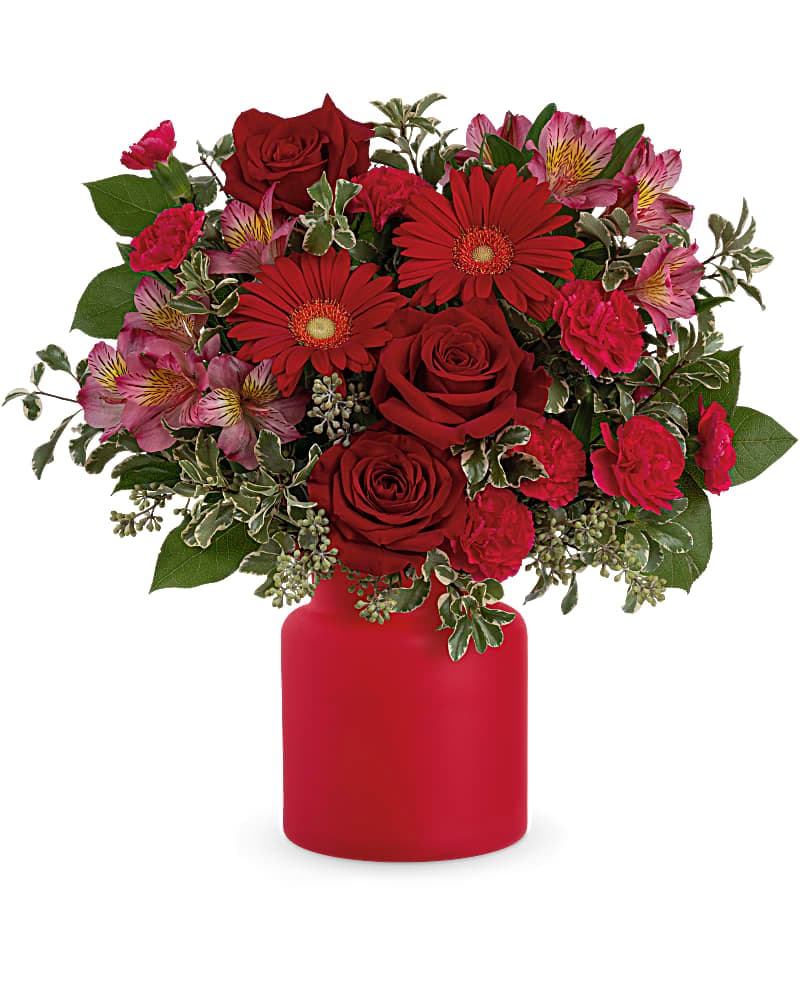
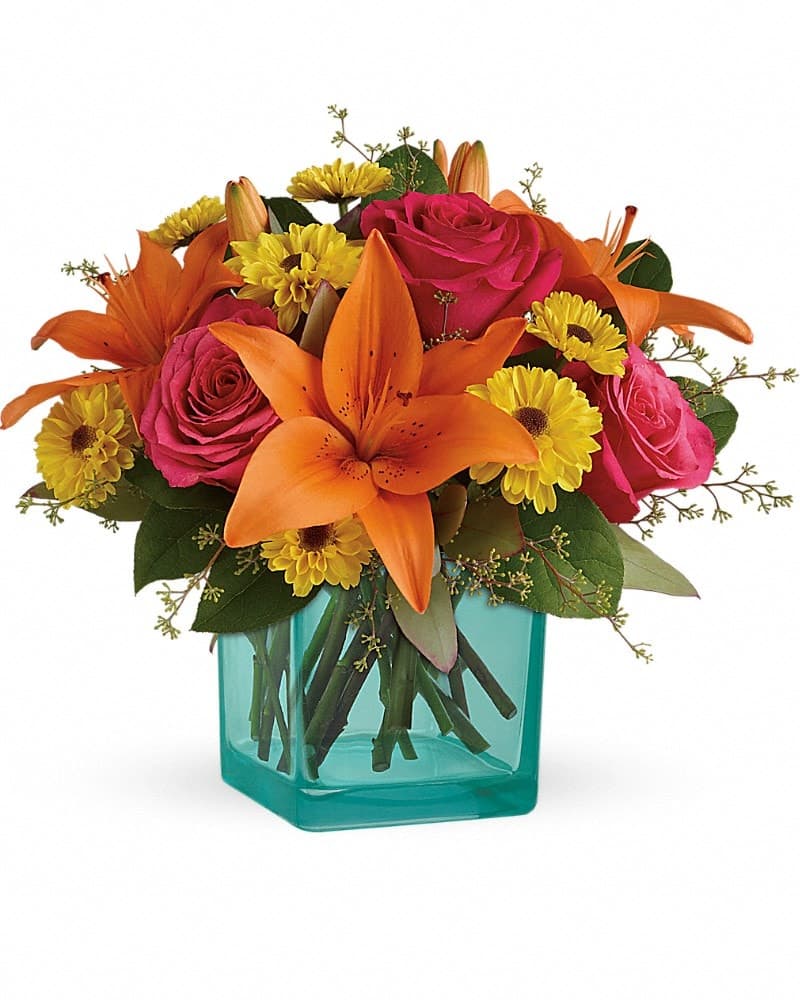
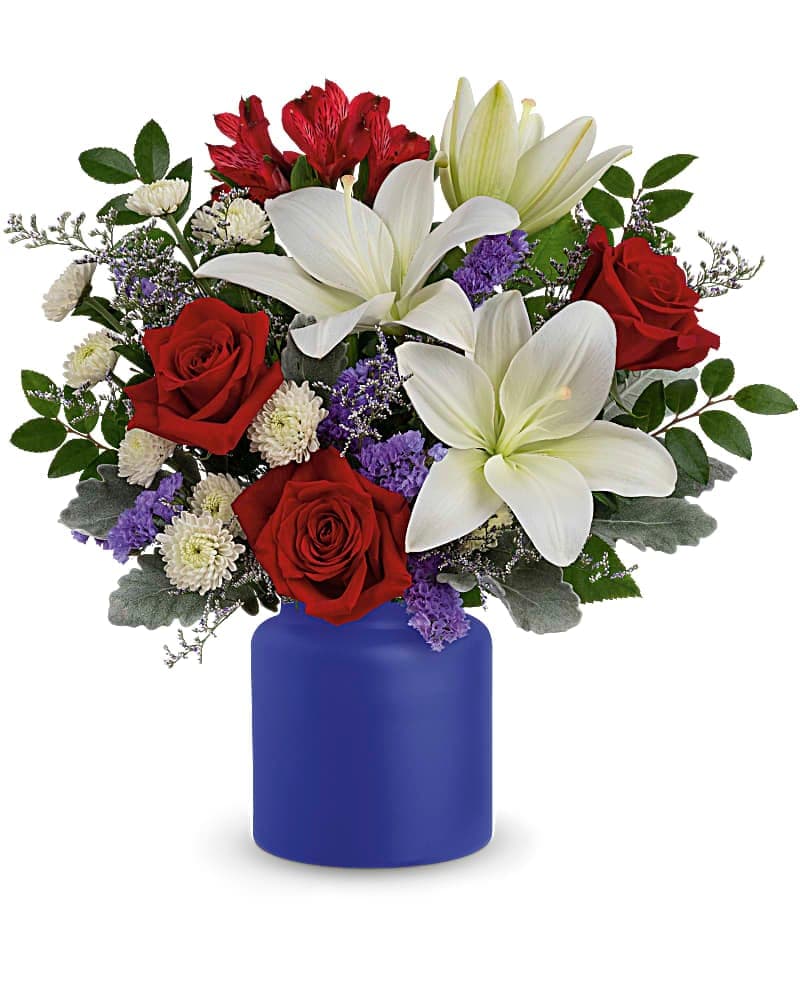
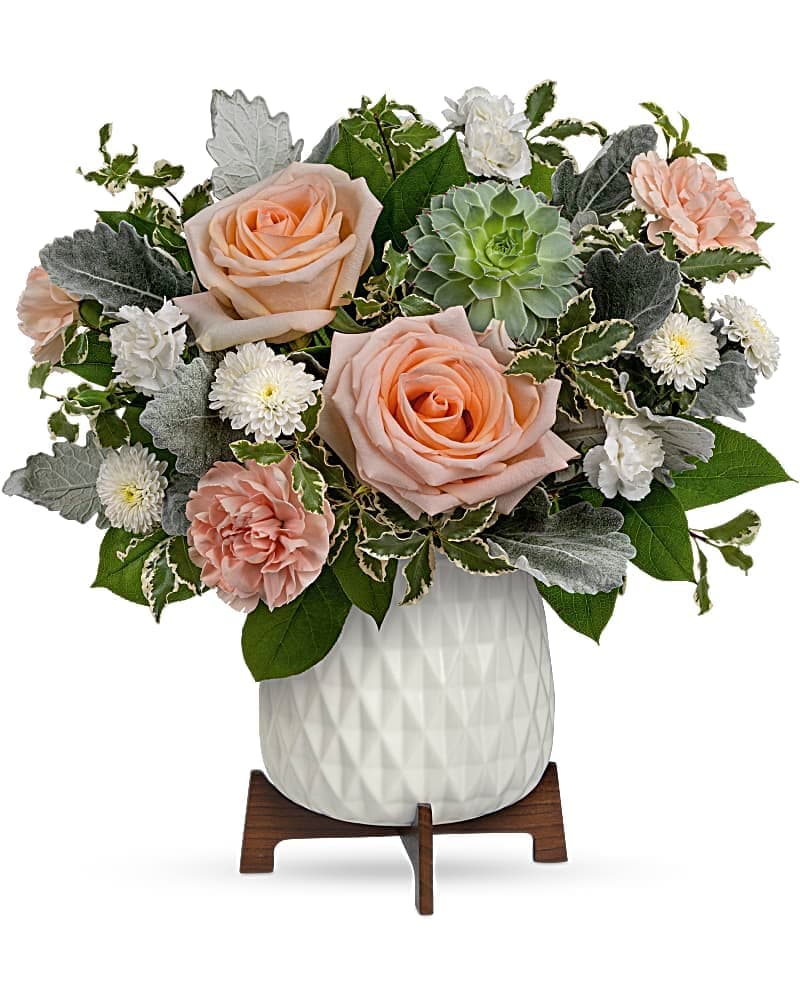
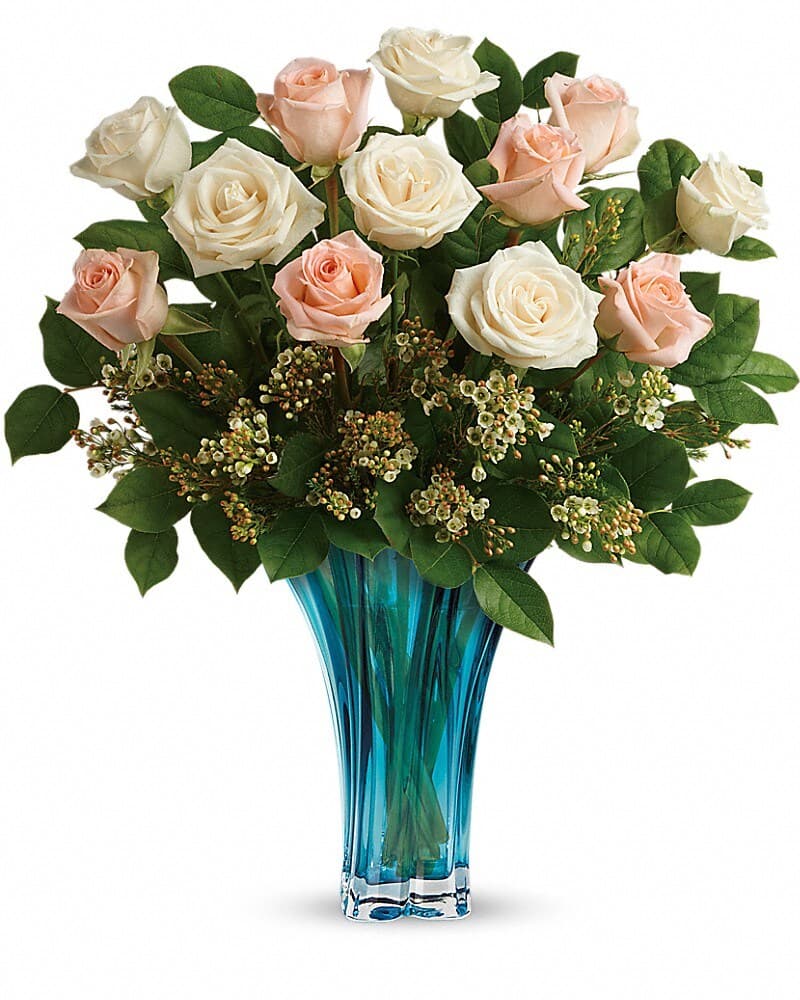
Floor rules are where get-well orders fail, and they are not uniform building to building. Three restrictions hold nearly everywhere in southeast Michigan. No lilies. They are the single most-refused flower on oncology and infusion units — the pollen stains everything it touches, the scent carries the length of a corridor, and the stems are toxic to cats if the arrangement goes home. No heavy fragrance. Intensive care, neurology, burn and post-transplant units refuse scented work because patients on those floors are frequently nauseated and cannot move away from it. No height. An arrangement has to live on a rolling tray table beside a water pitcher, a phone and a call button, which in practice means under about fourteen inches in a stable, unbreakable vessel — not a tall glass cylinder that tips when the table is moved. Beyond those, unit policy varies: many intensive care, cardiac-surgical and transplant units are flower-free entirely, with a lobby handoff to a family member the only way in. Neonatal intensive care generally accepts nothing at all, flowers or plants. Behavioral-health units accept no glass and often no deliveries. Labor and delivery, orthopedic and general post-surgical floors are the most permissive in the county and take nearly anything. Safe defaults across every local system: alstroemeria, lisianthus, spray roses, carnations, gerbera, stock and solidago.
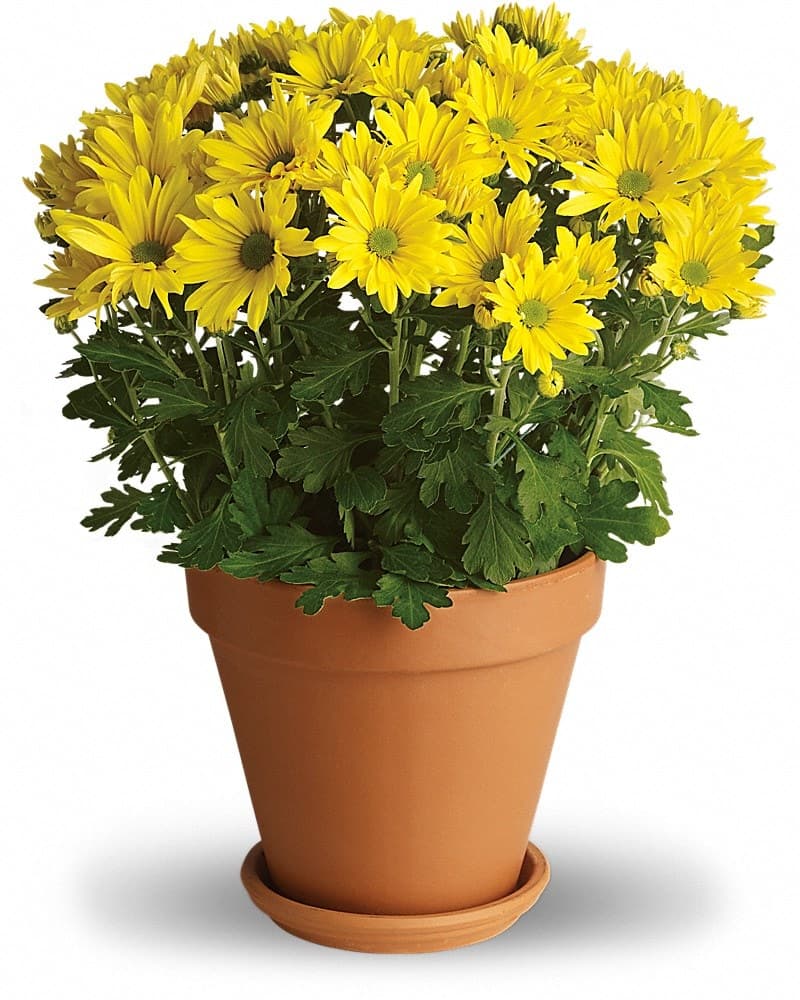
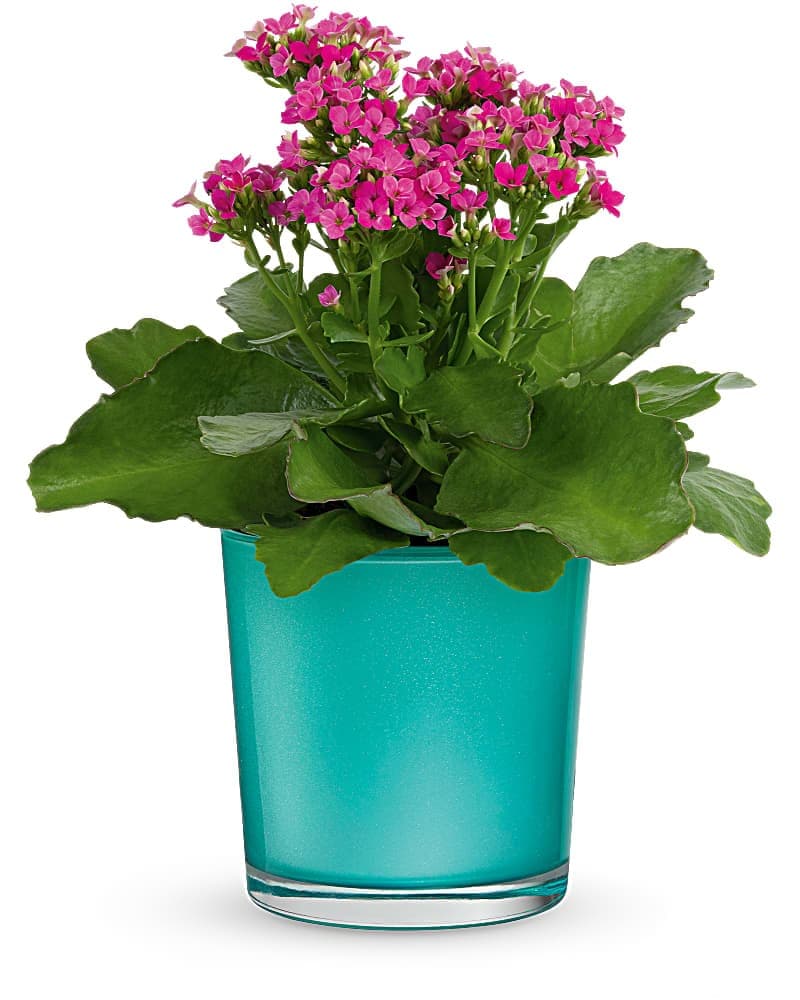
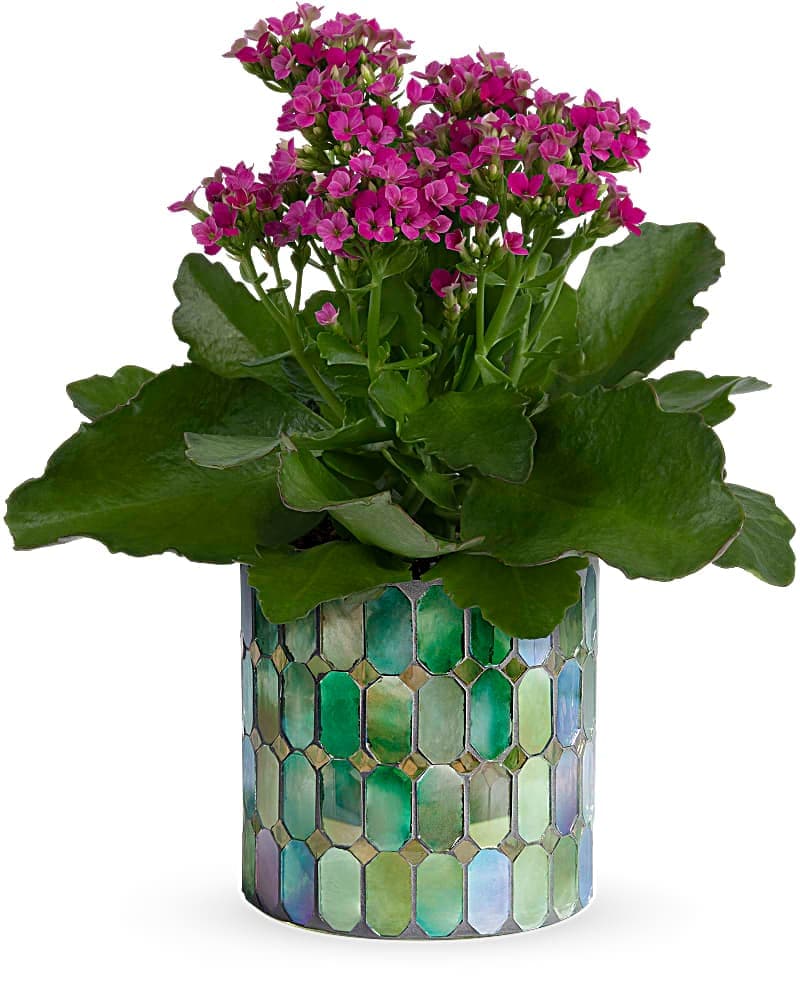
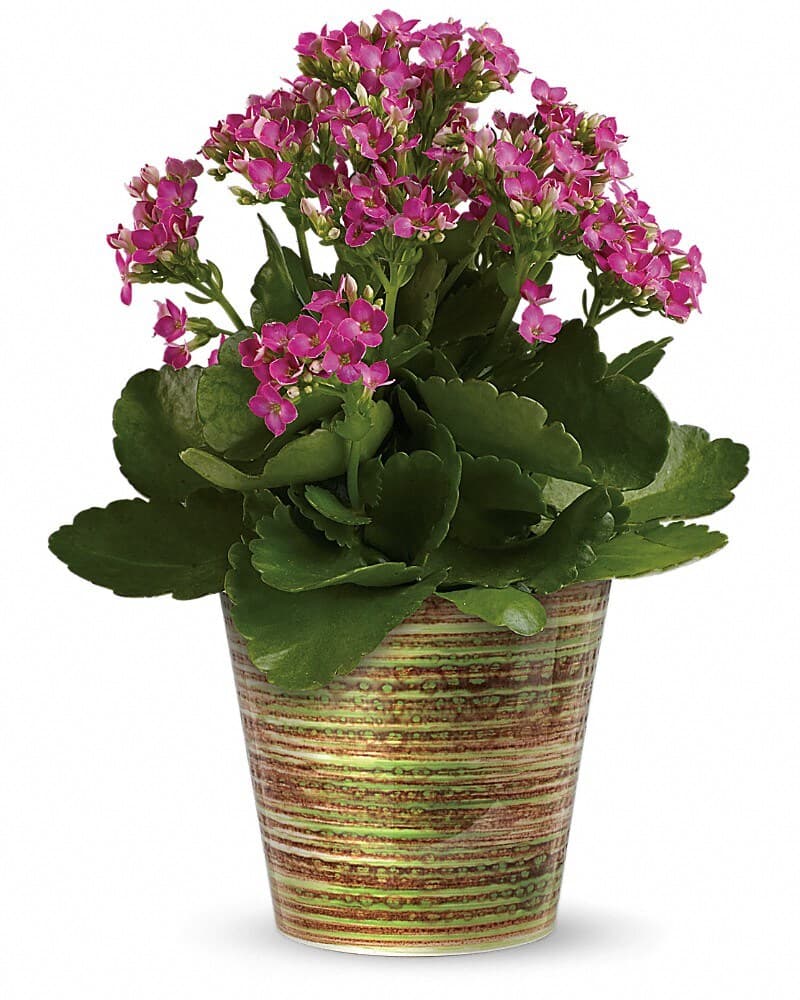
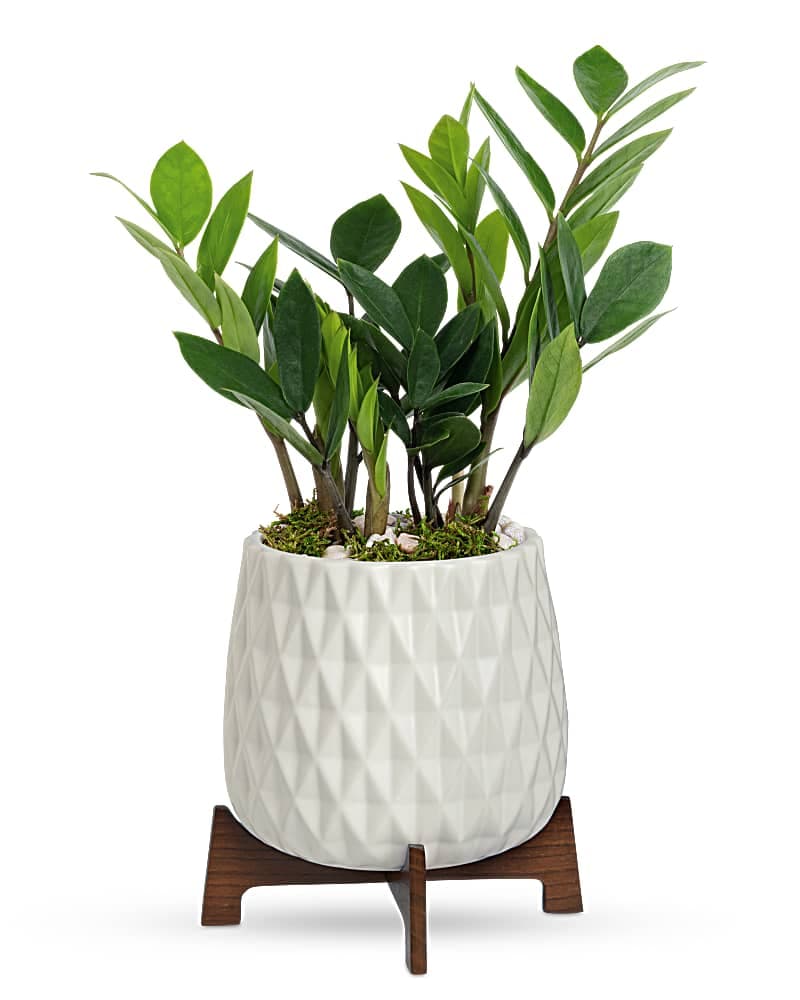
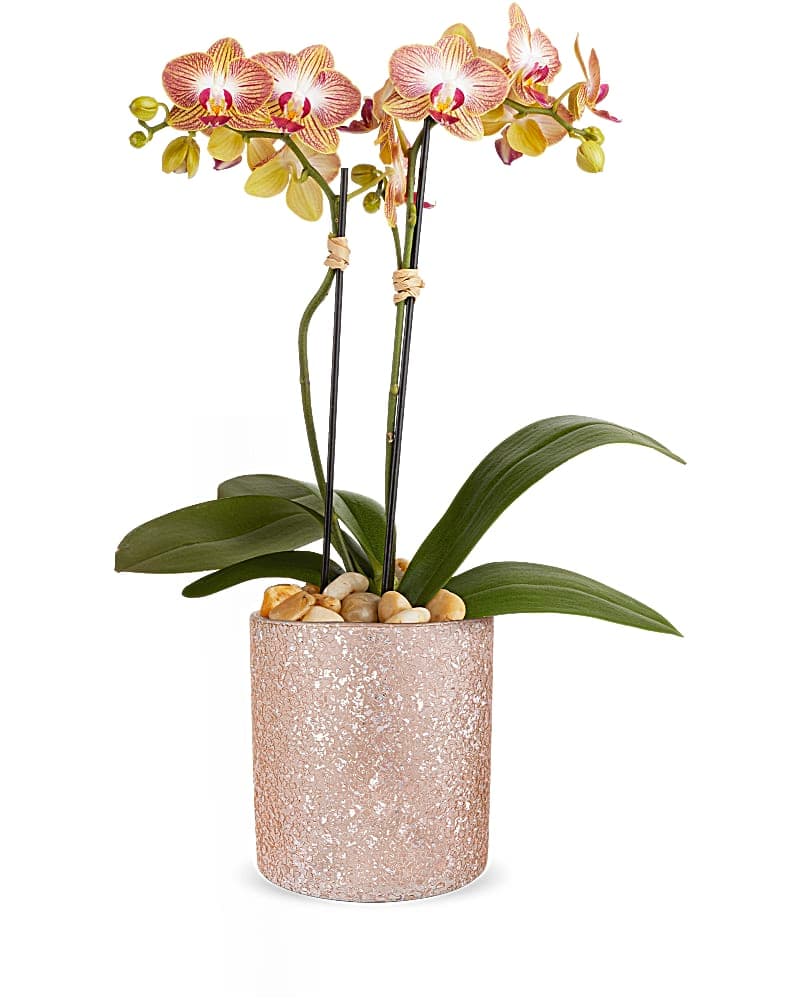
A plant is frequently the better gift here and almost nobody thinks of it — but it needs the right destination and the right month. A pothos or a dracaena survives the ride home, survives a Michigan February on a windowsill, and is still alive when the treatment is a memory, which is the opposite of a cut arrangement delivered on discharge day and crushed in a footwell on I-94. Two warnings specific to this market. First, many oncology and immunocompromised units restrict live potting soil in a patient room, which rules out a plant during treatment even though it is the better long-run gift — save it for the house or the discharge. Second, southeast Michigan winters are hard on plants in transit. From December through March a tropical plant can chill in twenty minutes of exposure, so a winter plant delivery should go to a house where someone is home to take it inside, not to a porch. Our shops sleeve and stage for cold, but physics is physics. If nobody will be home, say so in the notes and the studio will hold for a re-attempt or hand off to a neighbor you name rather than leave it in the snow.