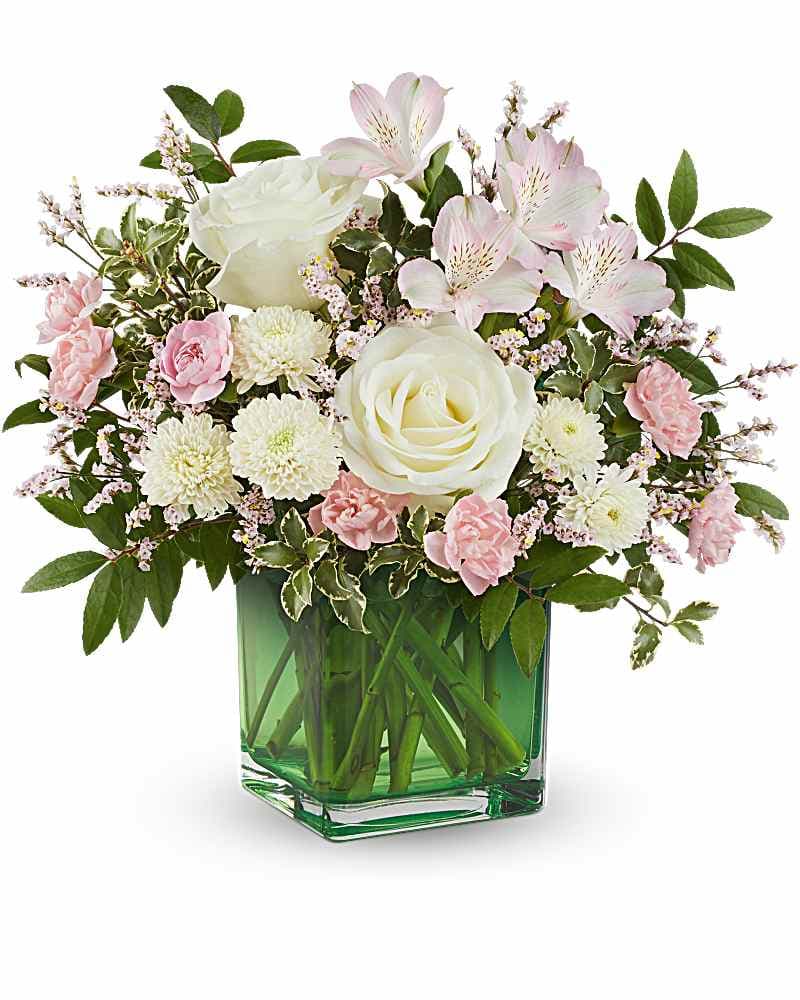
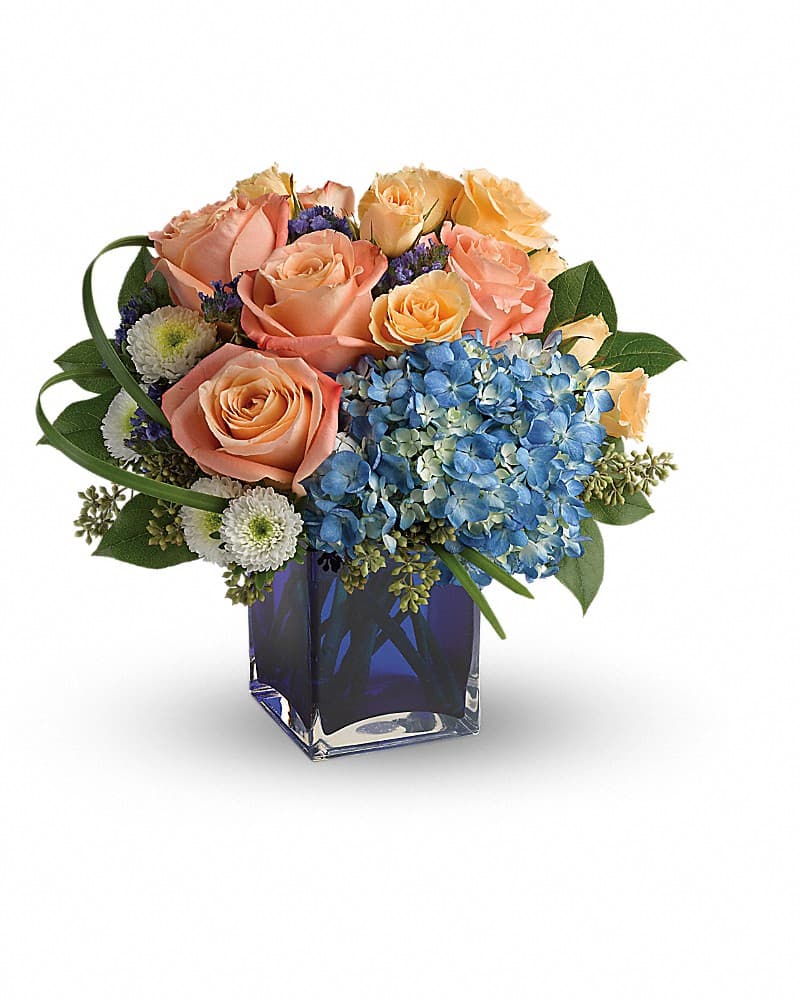
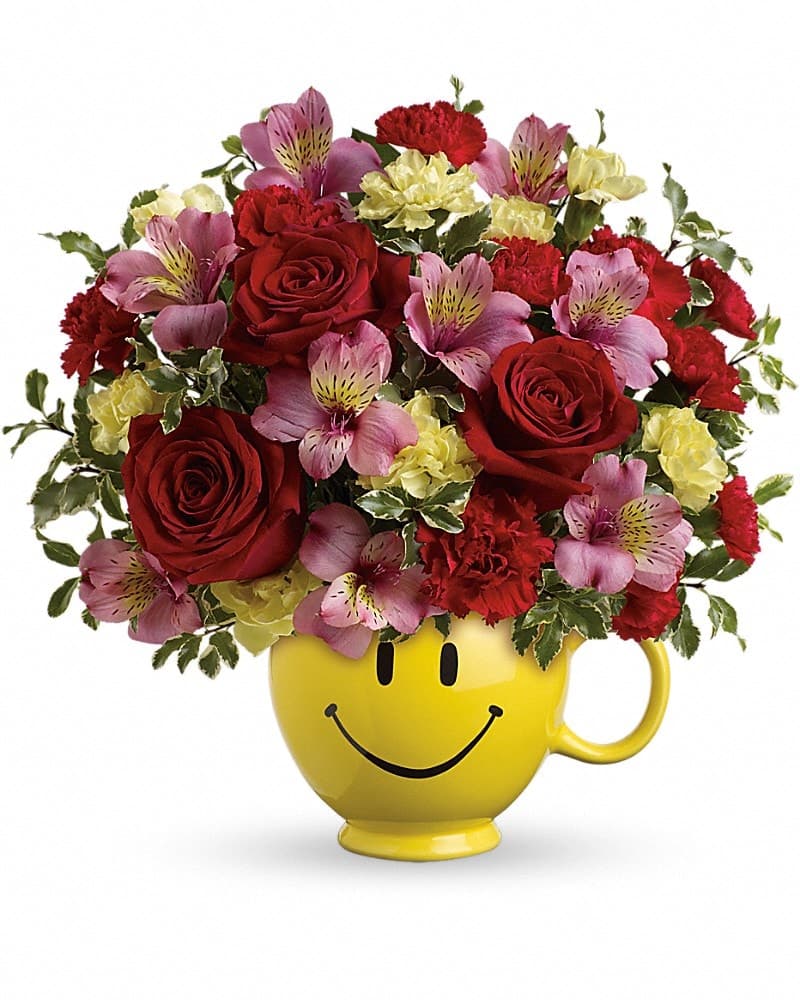
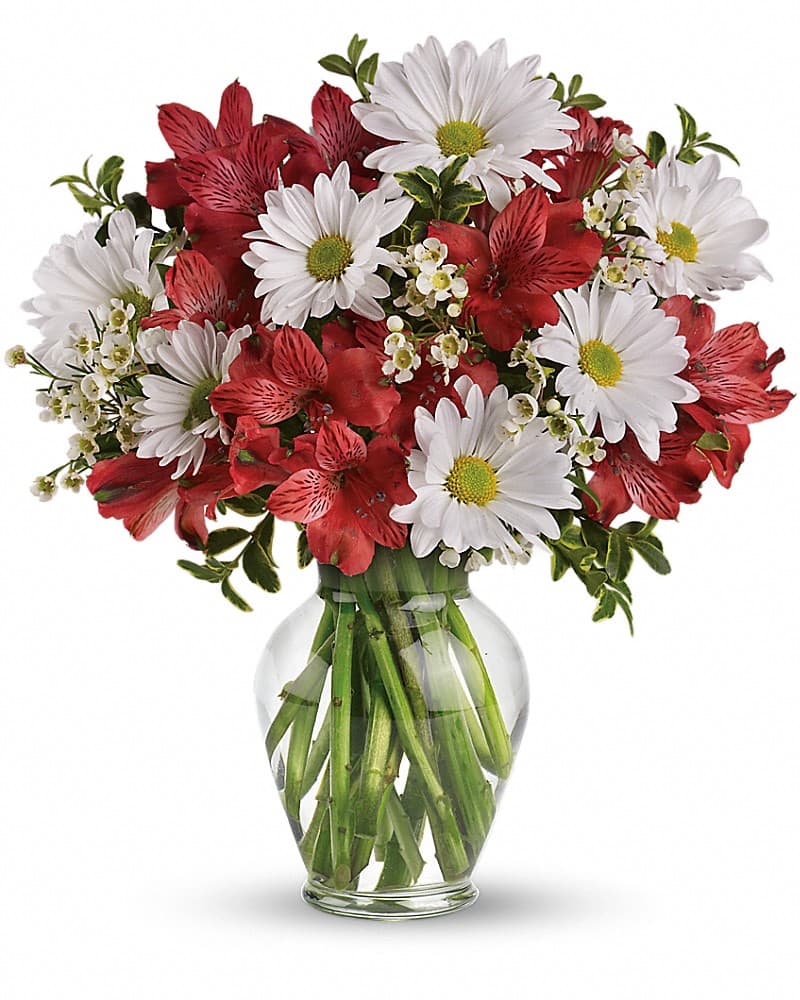
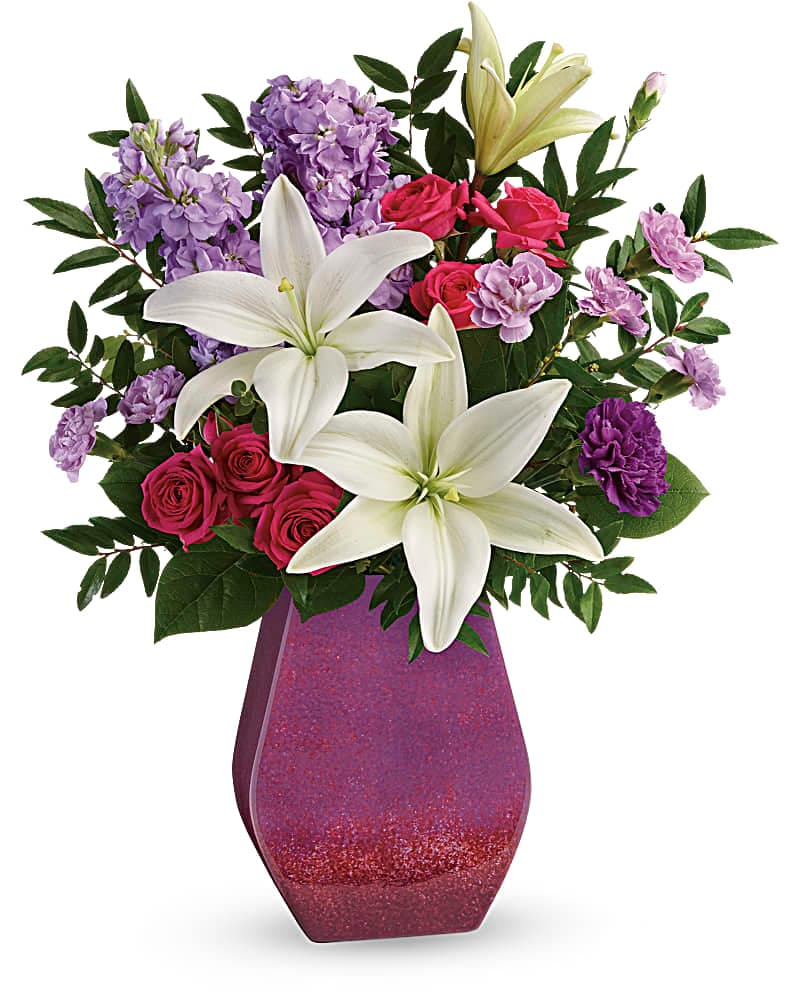
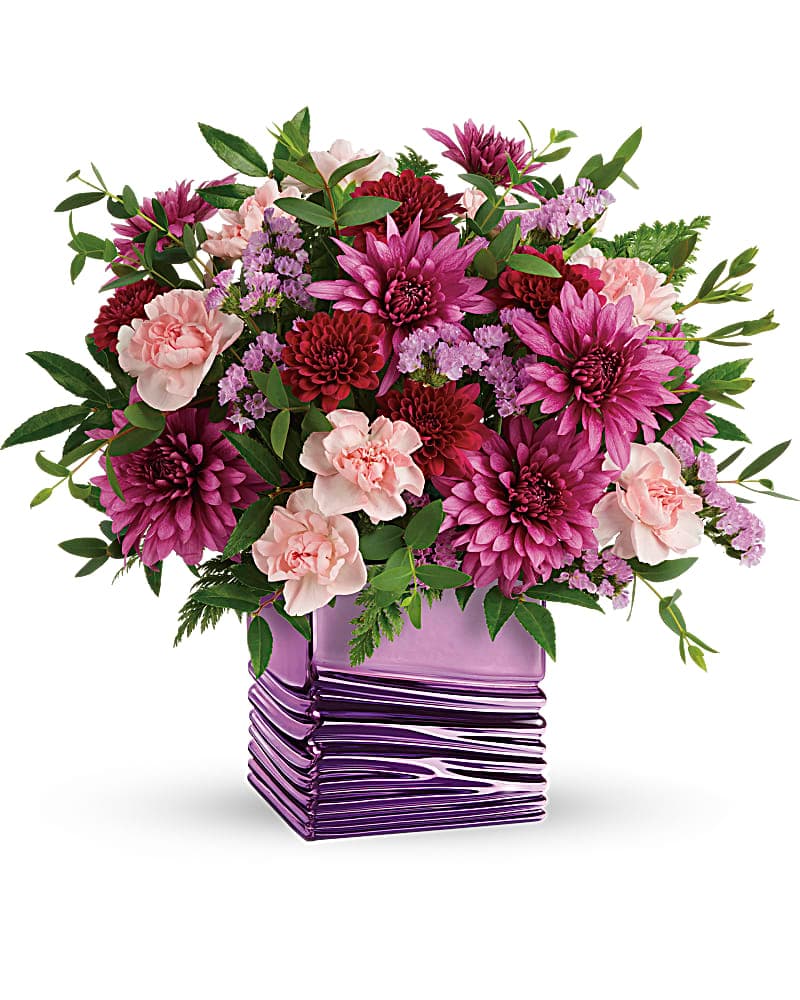
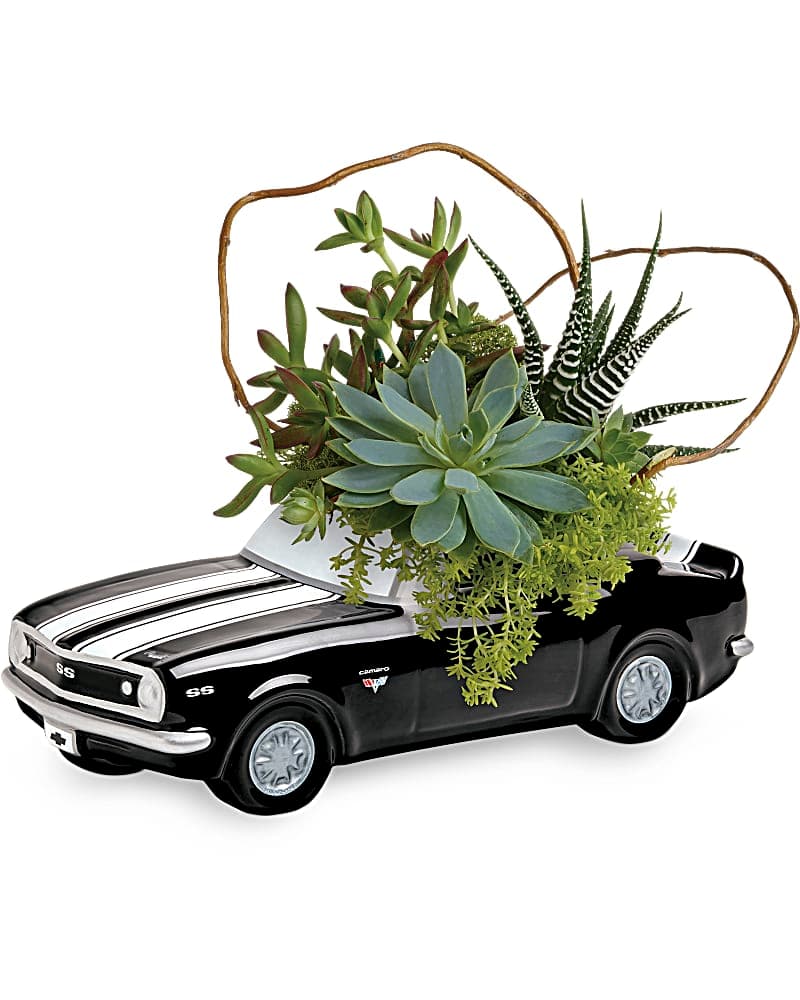
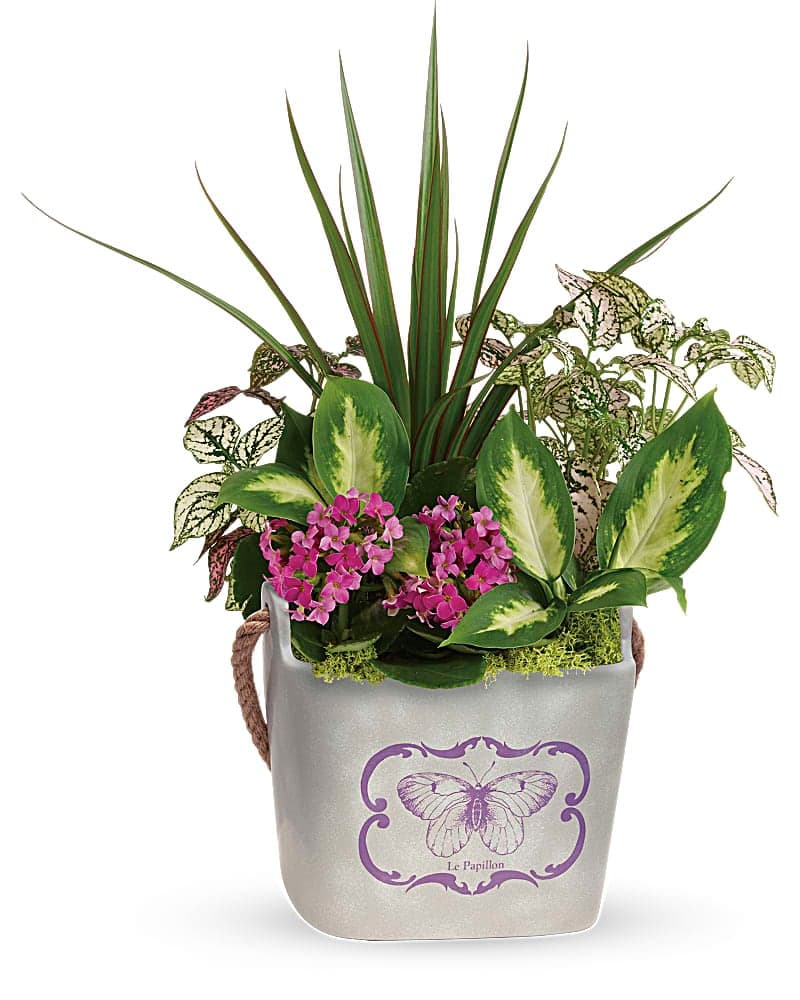
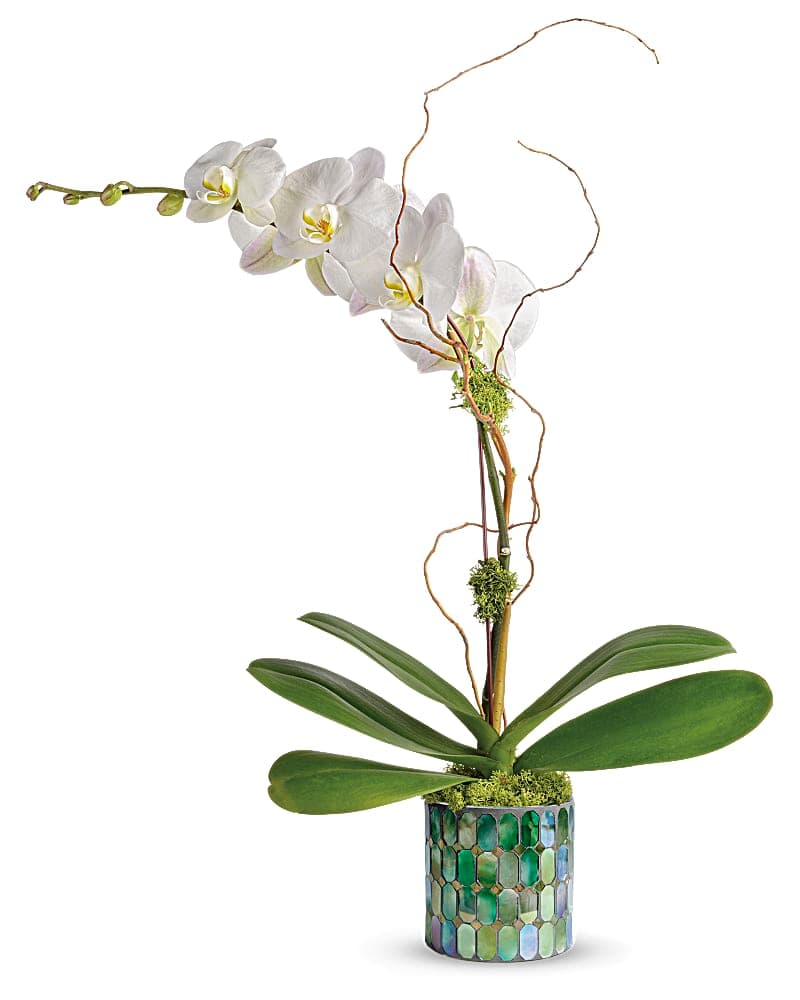
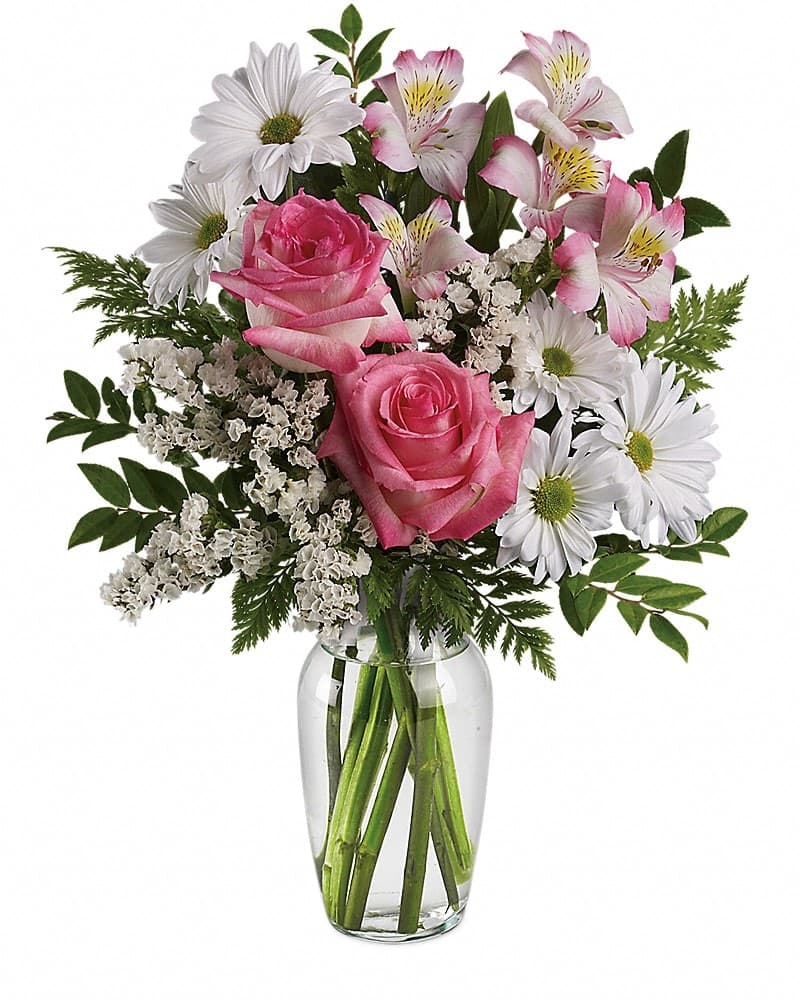
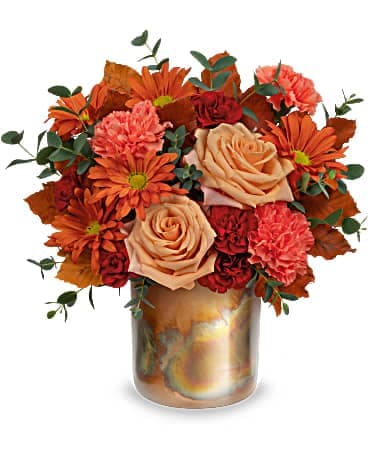
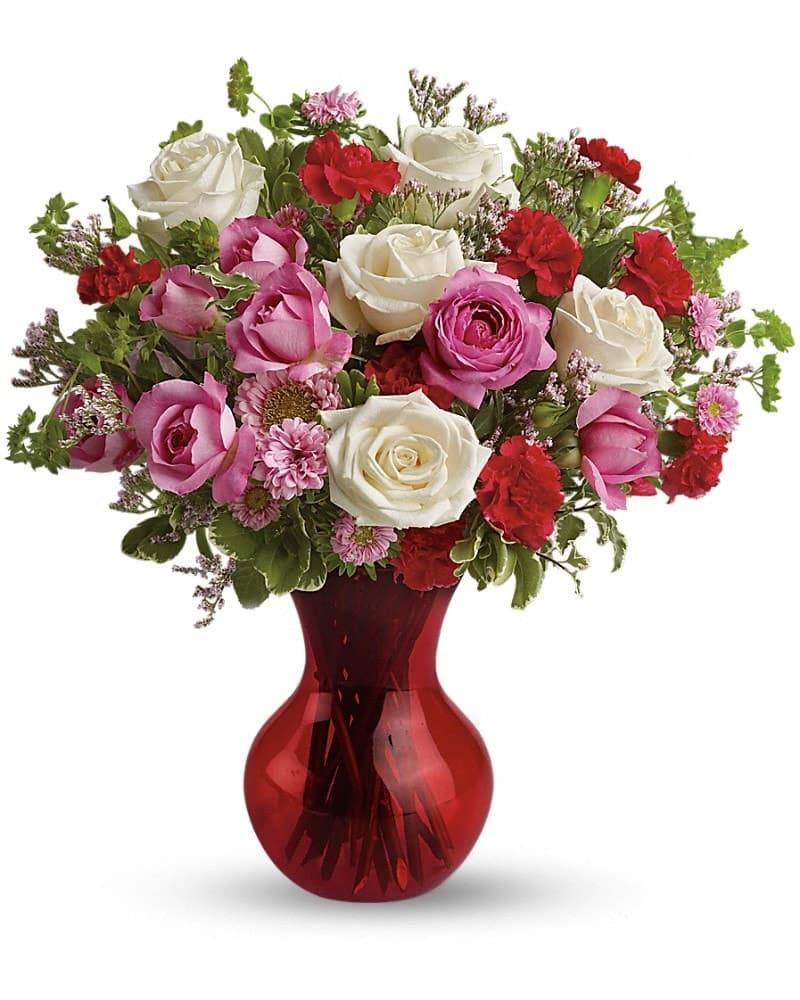
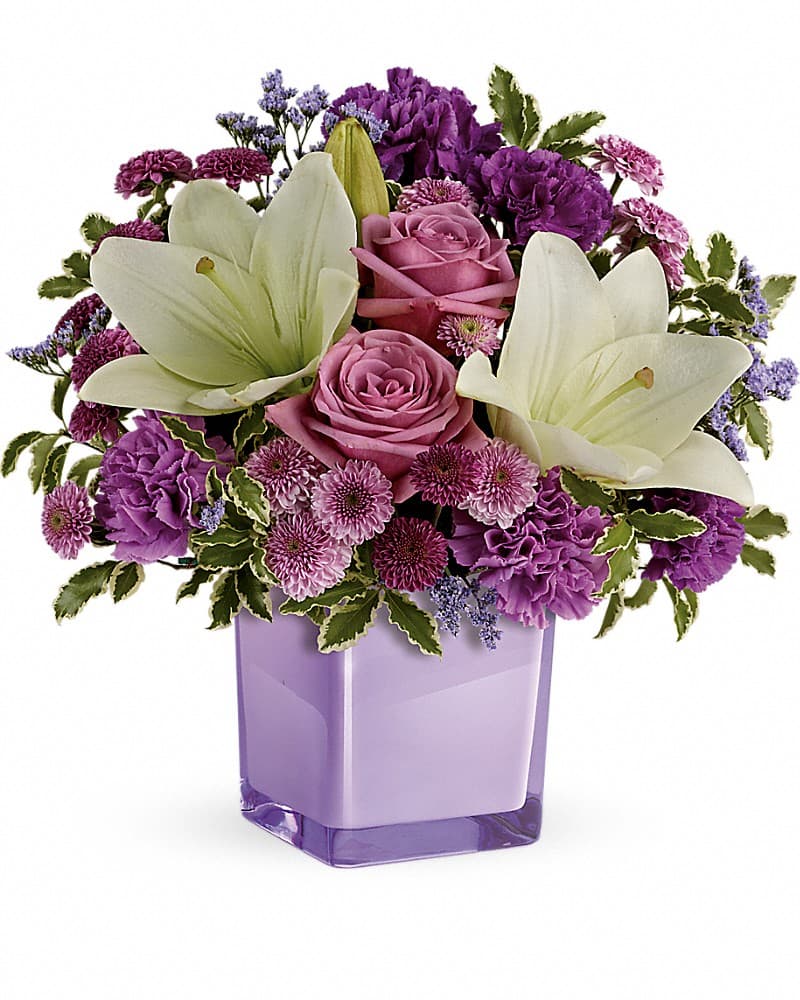
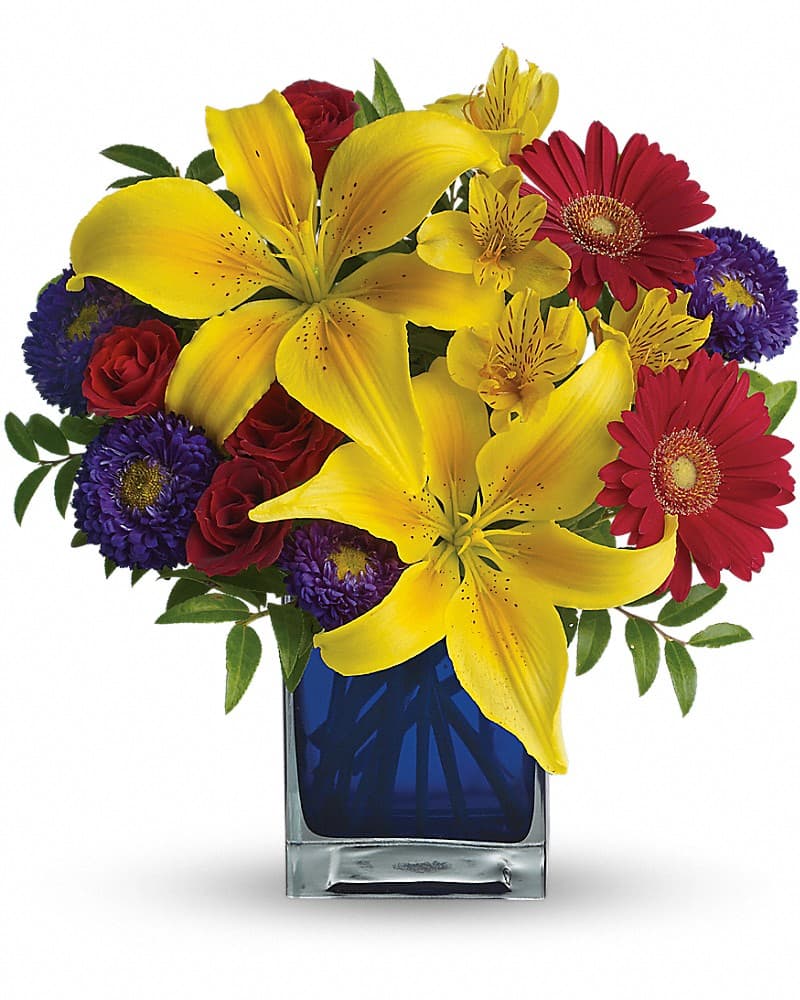
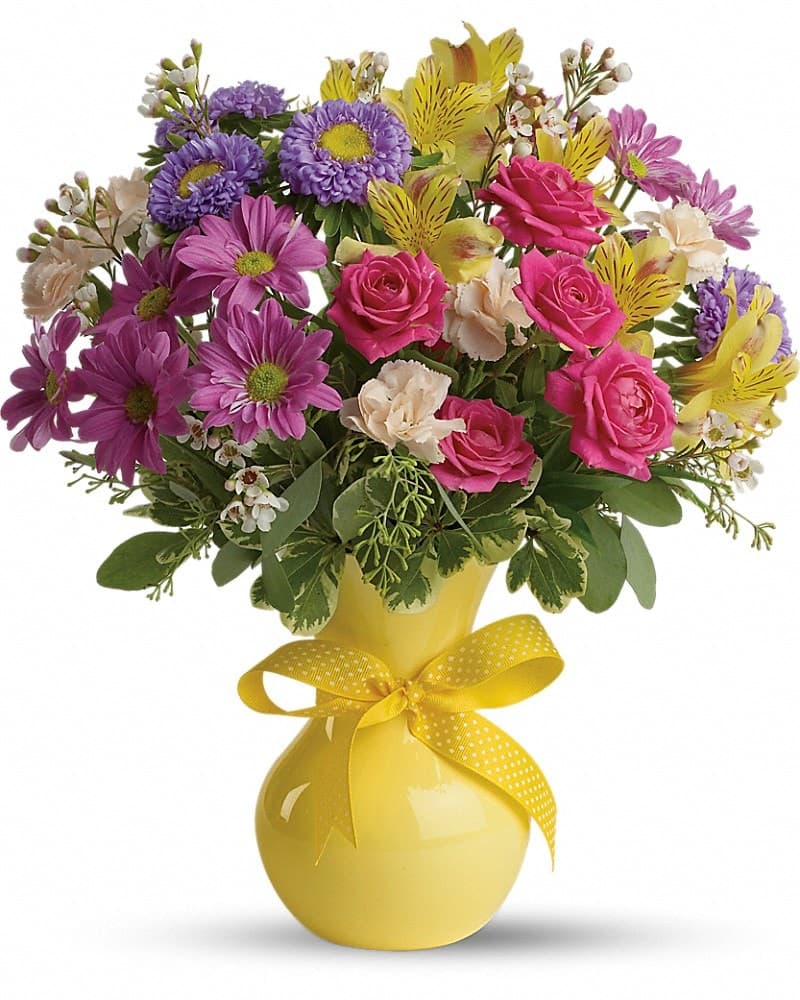
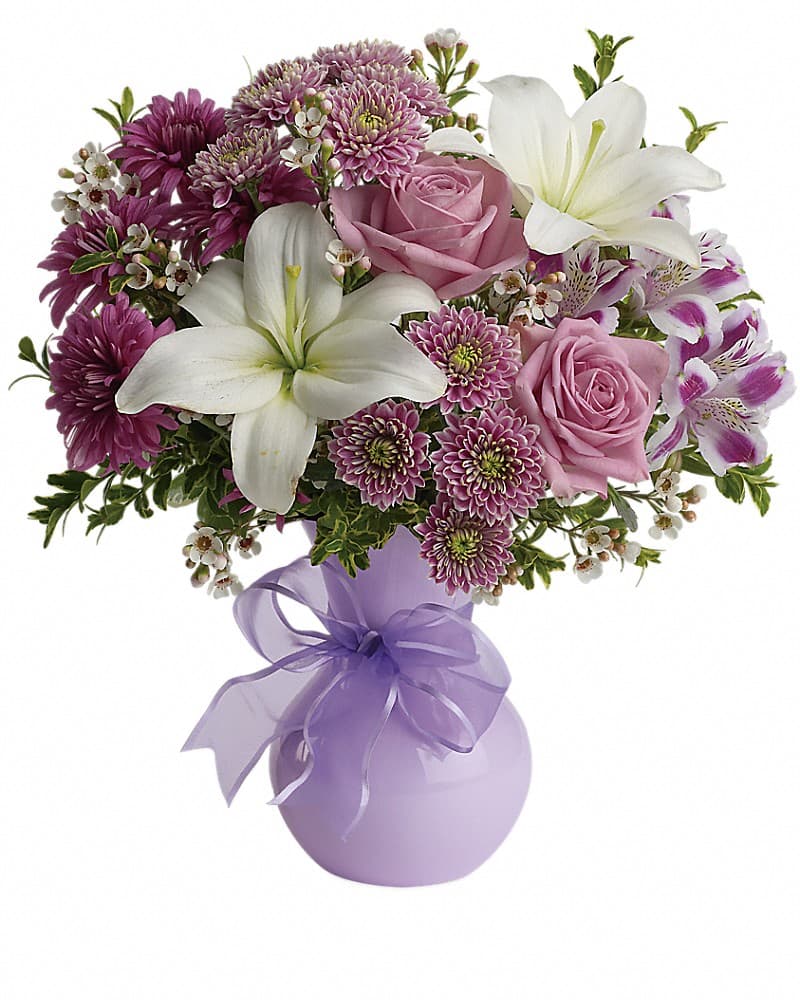
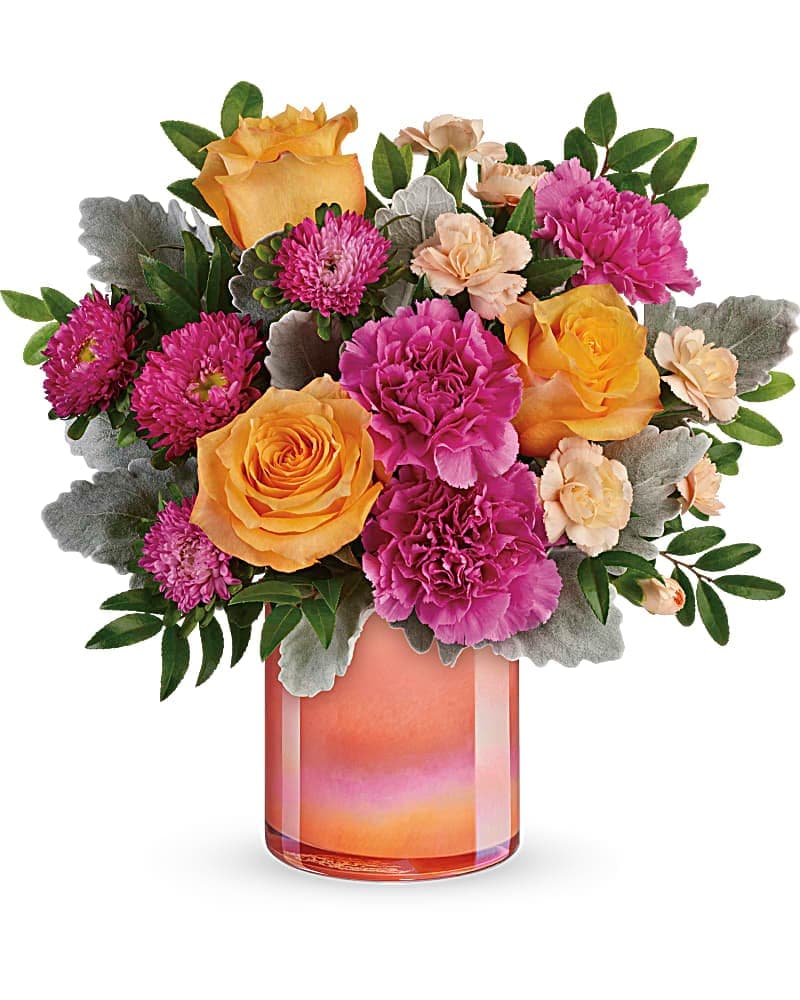
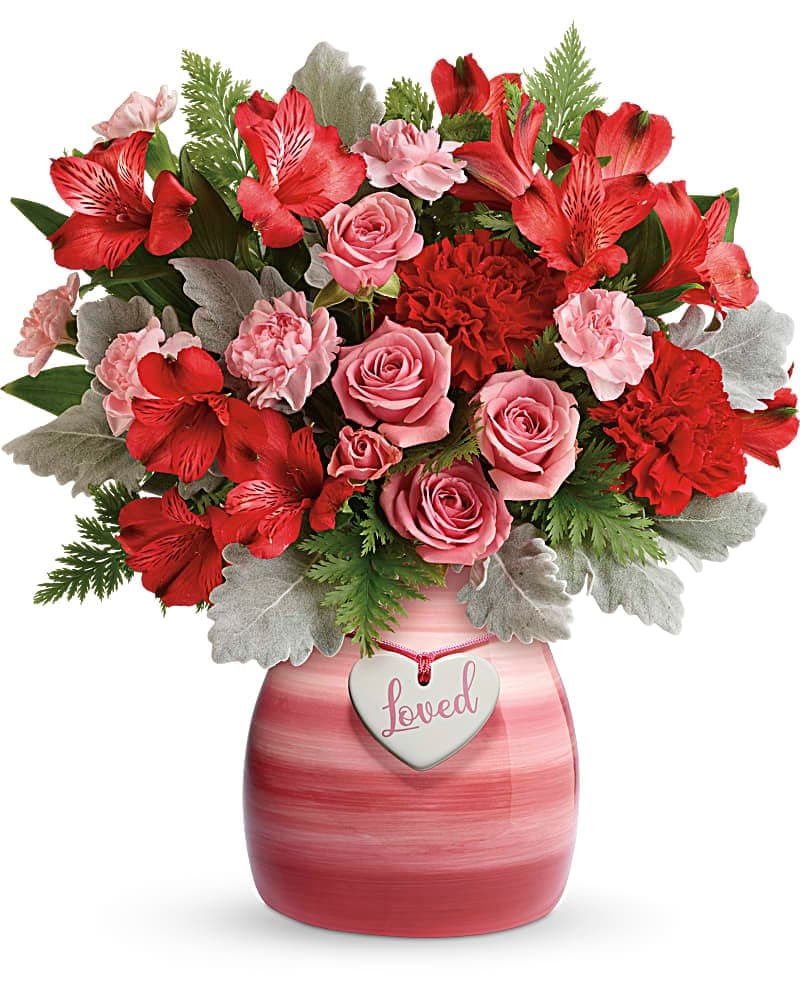
Sort the rest of the no-reason sends by who receives them, because each receiving point wants a different line on the label. A teacher: front office, never a classroom. Orange High School on Lincoln Avenue, Orange Preparatory Academy and the elementary buildings on Cleveland Street, Park Avenue, Oakwood Avenue and Heywood Avenue all route by full name and building — a main office cannot go door to door hunting a first name, and will not guess at a grade. A public servant: the Orange Public Library at 348 Main Street and City Hall at 29 North Day Street both take front-desk deliveries, and both are short runs from the half-mile bench. A shopkeeper: the Main Street and Central Avenue businesses — the barbershop that has cut three generations of the same family's hair, the salon, the bodega, the corner restaurant — need the business name and a delivery inside opening hours, because a bouquet left at a shuttered roll-down gate is money thrown away. A neighbour: a porch, and the Seven Oaks blocks in the north-west have the deepest and shadiest ones in town, which is where a bouquet can sit out an afternoon nobody is home for. A grandmother on a second floor: a vestibule buzzer and a phone number, since most of this city is two- and three-family houses with a shared bell and the apartments along the corridors sit over storefronts. A nurse or a home aide: the unit desk at East Orange General on Central Avenue or one of the Newark hospitals, and there it has to be a small, lily-free, low-scent build that a staff room can actually keep. One line of detail on the label covers all six cases: the person's full name, and the name of the place that will take delivery.
It is worth knowing what register a card should aim for in this city, because the card is the whole gift on this occasion and an expensive bouquet with a generic greeting is a worse present than a modest one with a real sentence in it. The City of Orange has rebuilt itself on the same ground more than once. The valley on its western side was a hat-manufacturing centre in the nineteenth century, prolific enough that the trade shaped the street plan and the workforce; John B. Stetson was born here in 1830, the son of a hatter, and took what he learned in his father's shop west with him before the hat that carries his name ever existed. The factories went, and the converted industrial blocks of Orange Valley now hold the studios and workspaces that gave the arts district its name. That history is useful to you as a sender in one specific way: this is a city where long service in one place is normal and noticed. The barber who has been on the same block for twenty years, the crossing guard at the same corner for fifteen, the aunt who raised half a street, the school secretary who knows every family by name — those are the people no-reason flowers are actually for, and what they want to read is the specific thing. Name the afternoon they watched your kids. Name the year they got your son through. Name the fact that you drove down their block last week and thought of them. Then sign it in full: a lone first name leaves somebody standing in a doorway working out who you are, which is not the feeling you paid for.