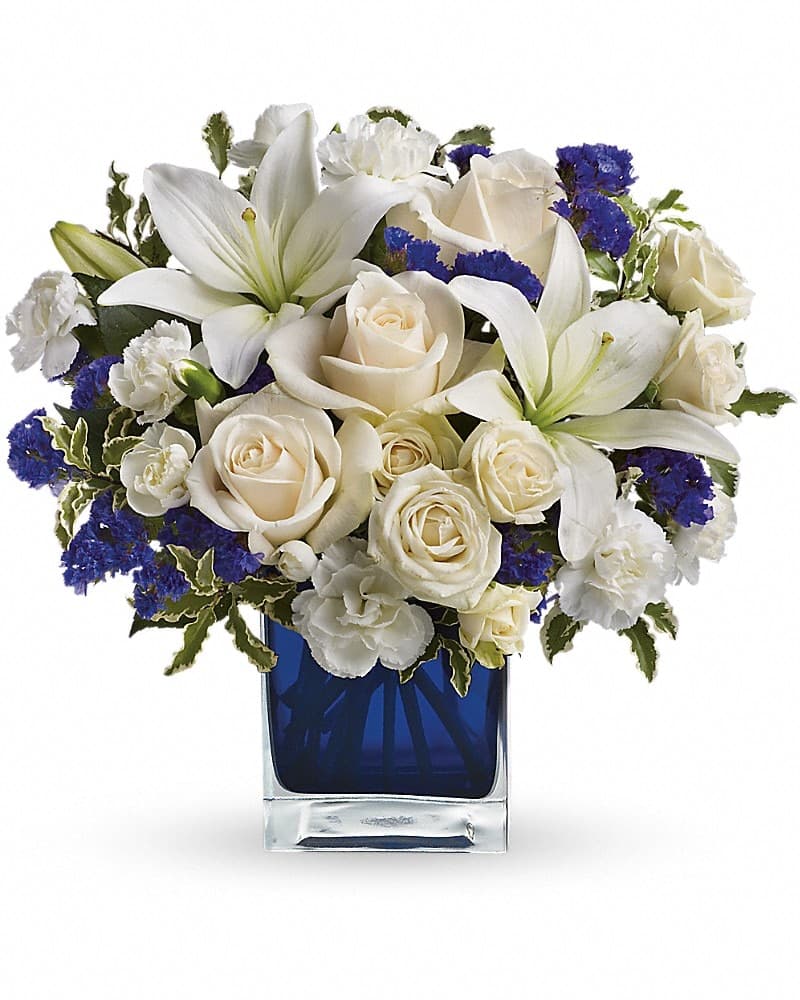
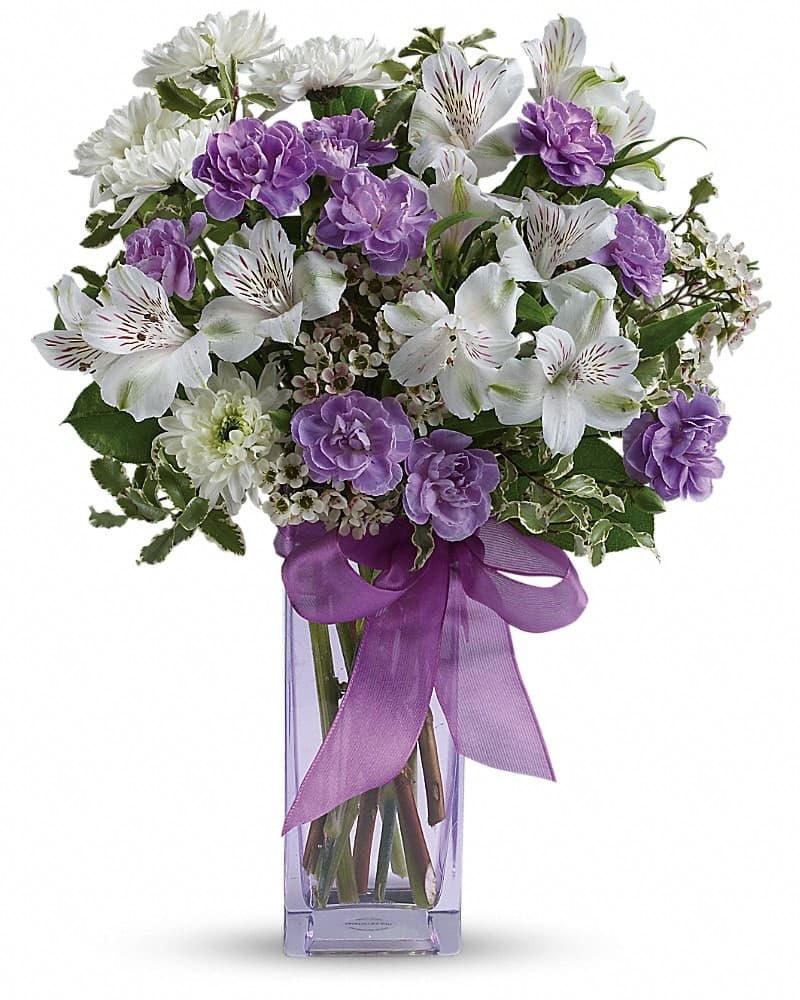
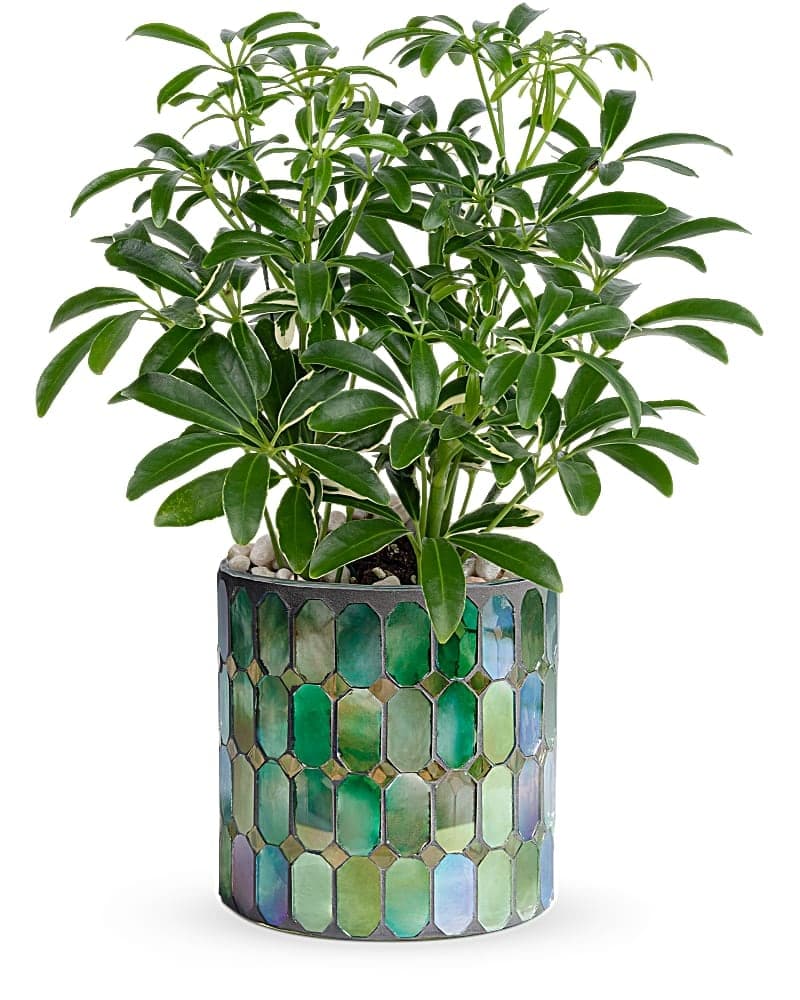
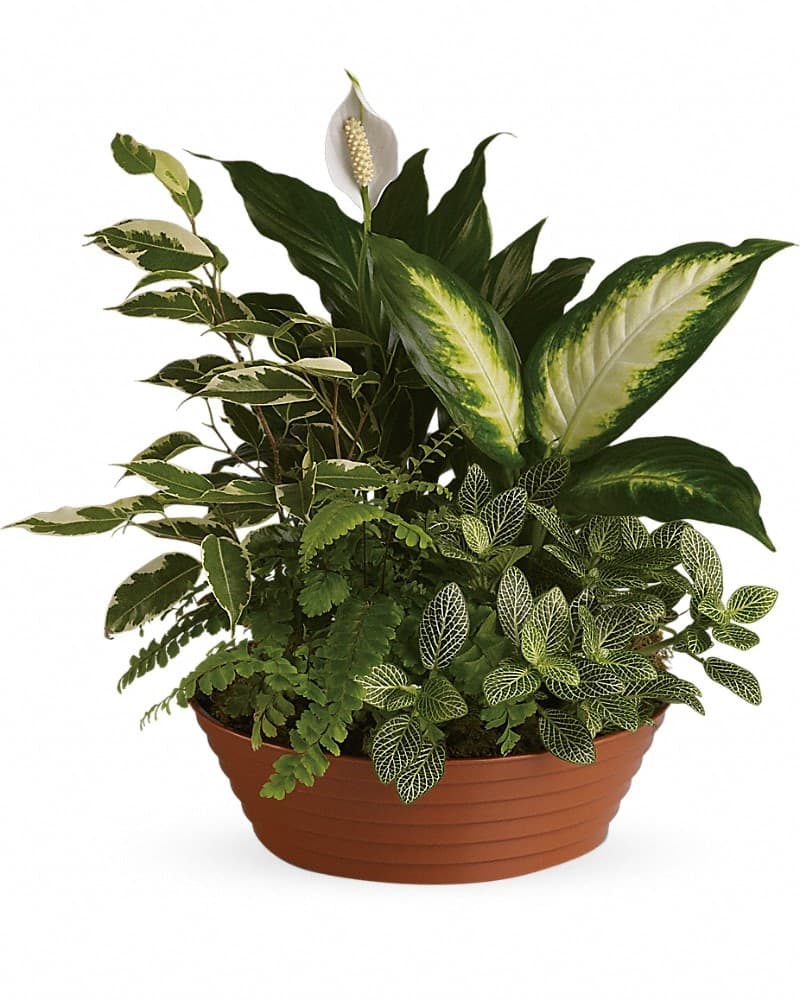
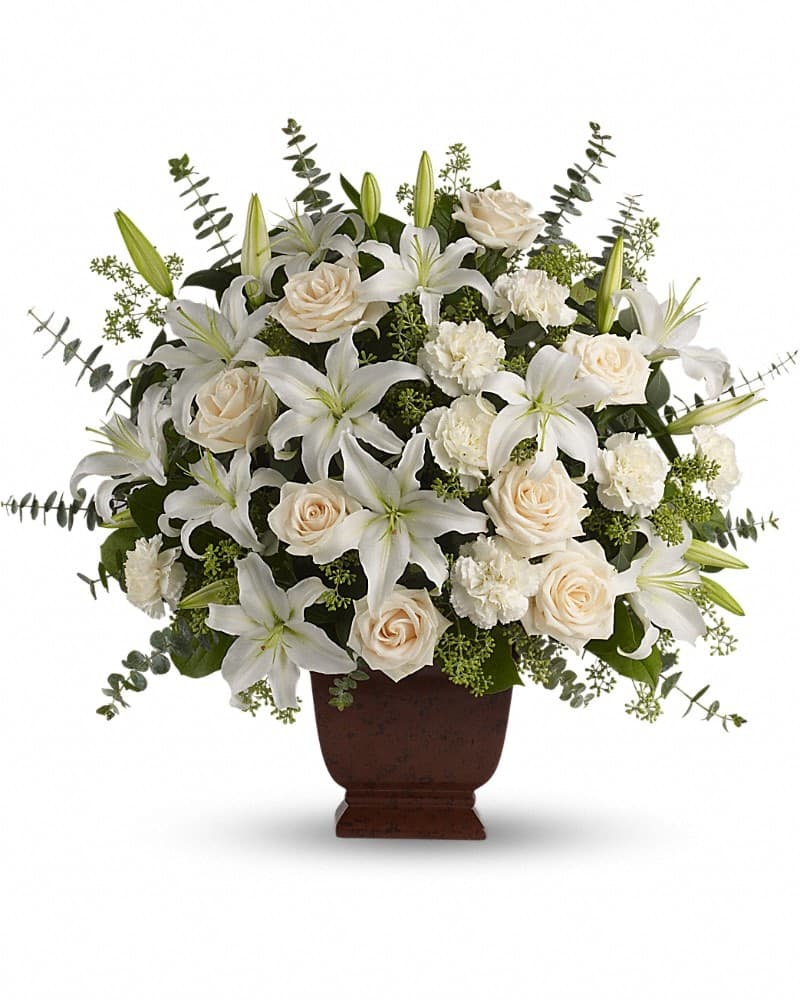
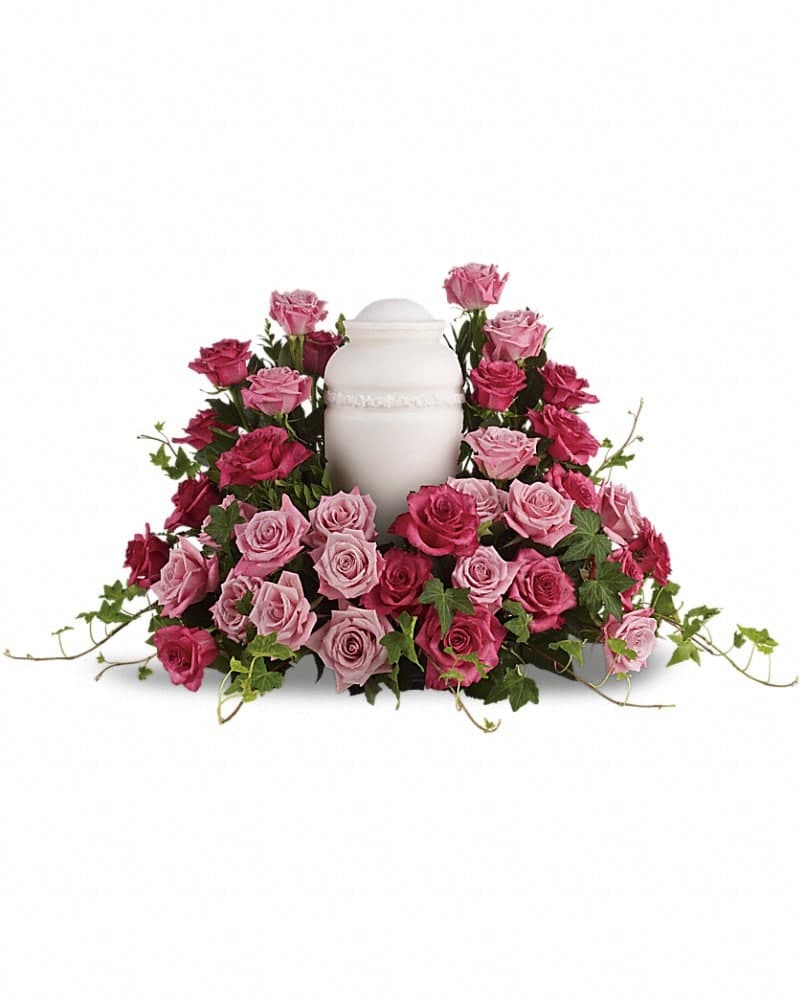
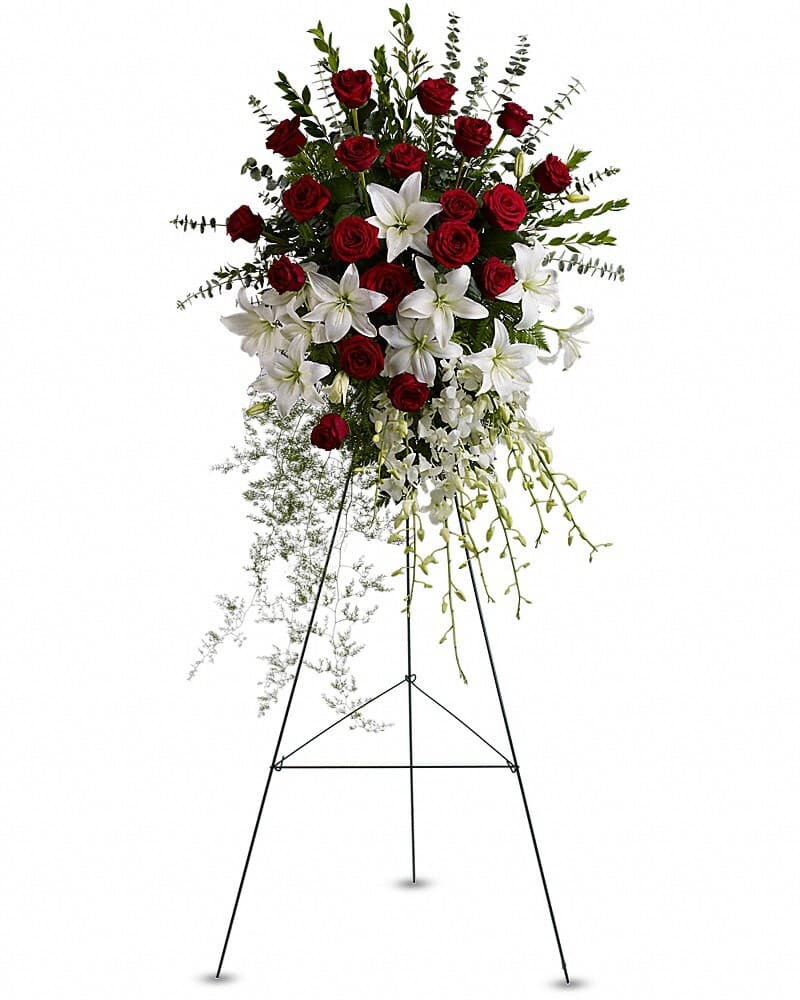
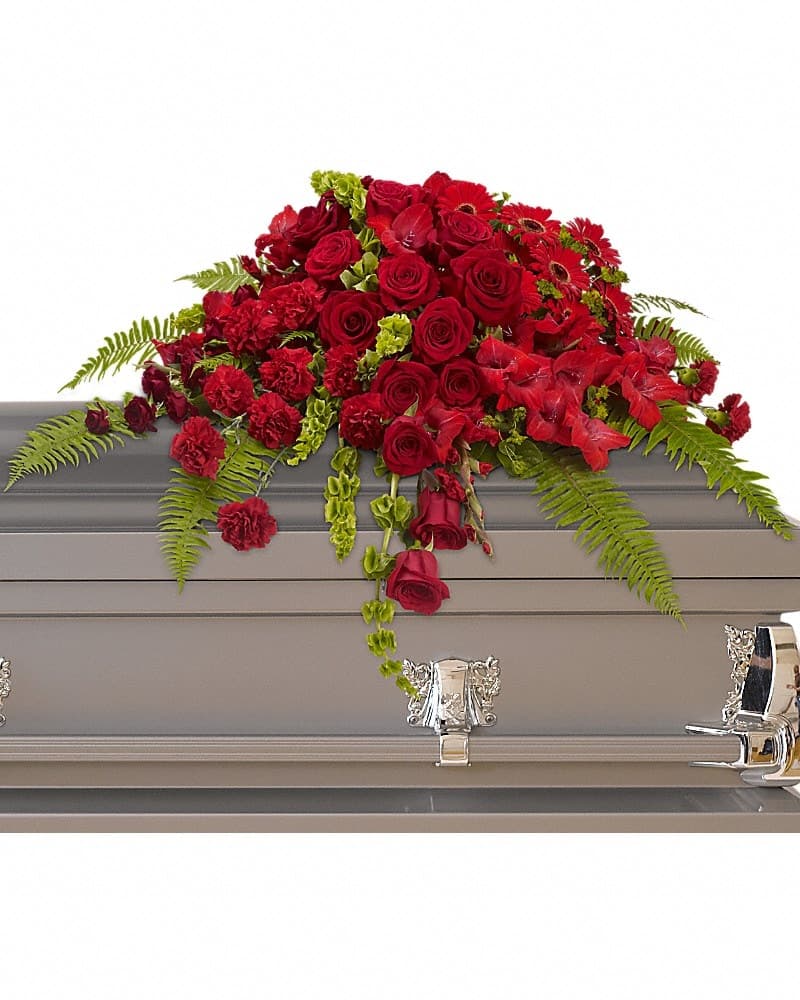
Sympathy work in Chesapeake is unusual in one specific way: the city has no funeral district. Because Chesapeake was stitched together in 1963 from South Norfolk and Norfolk County and then sprawled across 351 square miles, families here scatter their arrangements across chapels in the city and just over three municipal lines — and a great many Chesapeake funerals are held in Norfolk, Portsmouth or Virginia Beach because that is where the family's church, or the family's funeral home of three generations, happens to sit. Oman Funeral Home serves Chesapeake directly; Altmeyer Funeral Homes operates chapels across the Southside; Sturtevant Funeral Home works the Portsmouth and Virginia Beach side; Metropolitan Funeral Service covers Norfolk and Portsmouth; H.D. Oliver Funeral Apartments in Norfolk has been in business since 1865 and is among the oldest funeral firms in Virginia; Hollomon-Brown Funeral Home runs the Virginia Beach chapels. If the chapel your family chose is not one of those, it makes no difference to the order — write the funeral home name and street address in the notes and the covering shop delivers there. What the shops need from you is the place, the date and the hour the room opens, not the name of a brand.
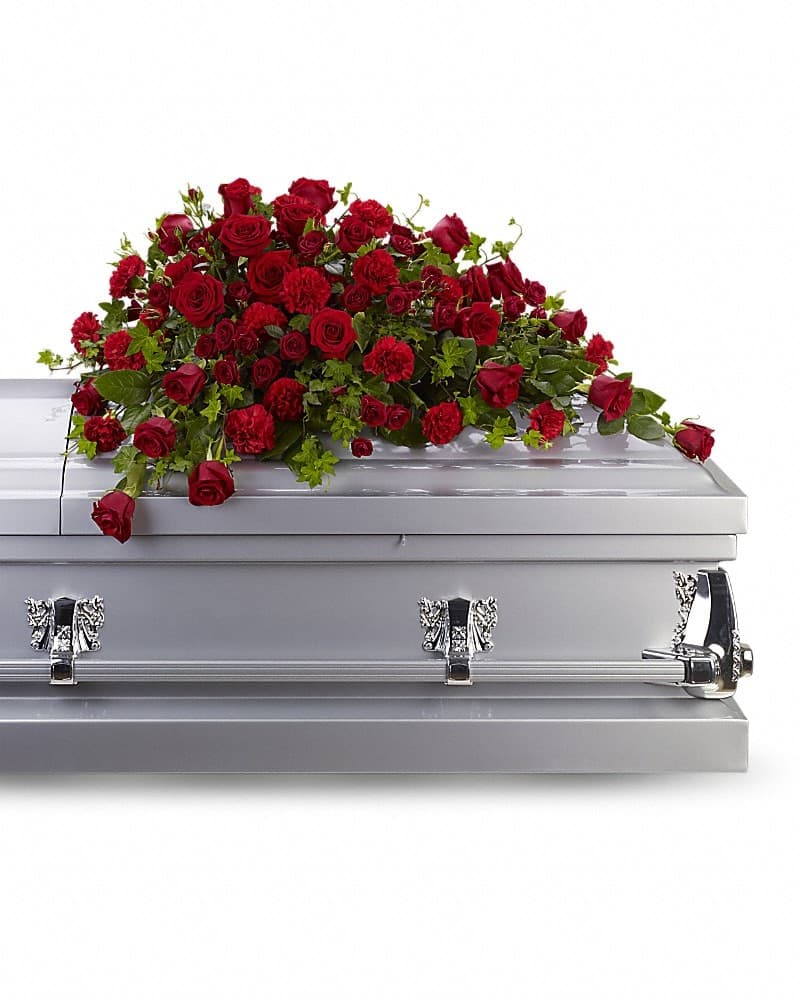
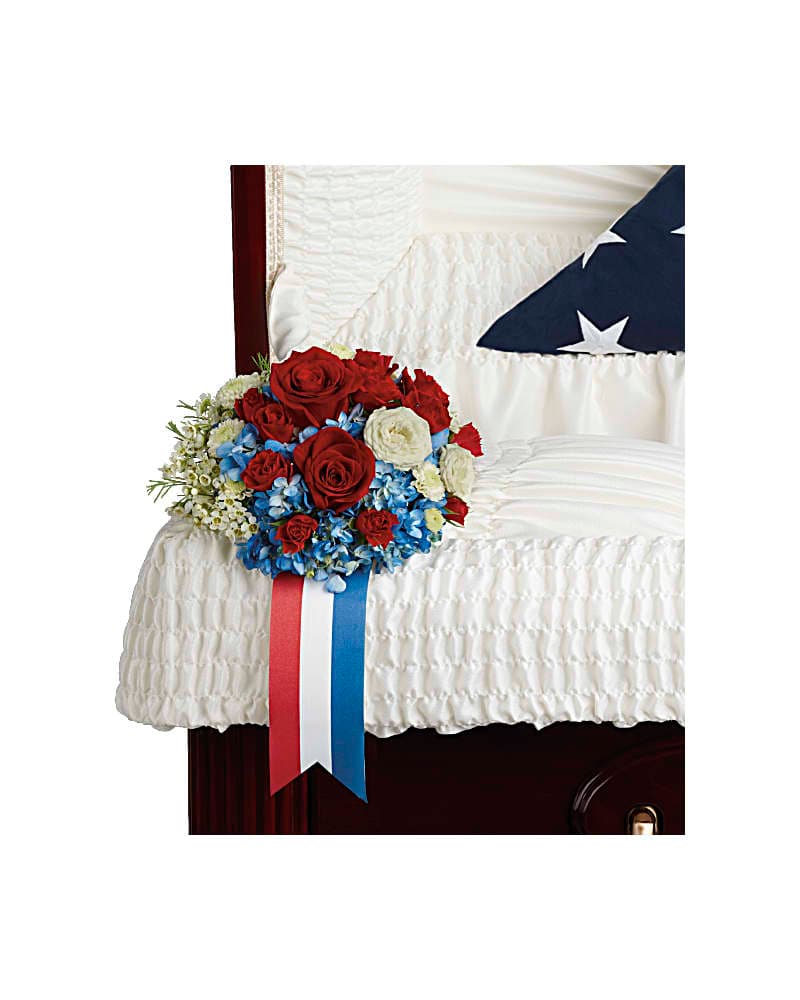
Graveside is its own logistics problem here and the Chesapeake map makes it a spread-out one. The Albert G. Horton Jr. Memorial Veterans Cemetery in Suffolk is Virginia's state veterans cemetery for this region, and given that Hampton Roads holds the largest naval concentration in the world — Naval Station Norfolk, the Norfolk Naval Shipyard in Portsmouth, NAS Oceana, NALF Fentress here in Chesapeake — an enormous share of funerals in this city are veterans' funerals with military honors, a folded flag, and a committal that runs to a published schedule the cemetery controls. Hampton National Cemetery sits across the water. On the Norfolk side, Forest Lawn Cemetery on Granby Street is the large one, with Elmwood, Cedar Grove and the historic West Point Cemetery in the older ground. Rosewood Memorial Park serves Virginia Beach and Olive Branch Cemetery serves Portsmouth. Out at the farmland end of 23322 and 23323, toward the Great Dismal Swamp, Chesapeake still buries people in church graveyards and family plots that have no street number at all. For any graveside delivery, tell us the section or plot if you have it and the committal time; most cemetery offices will not hold an arrangement overnight, so a piece has to land in a tight window or not at all.
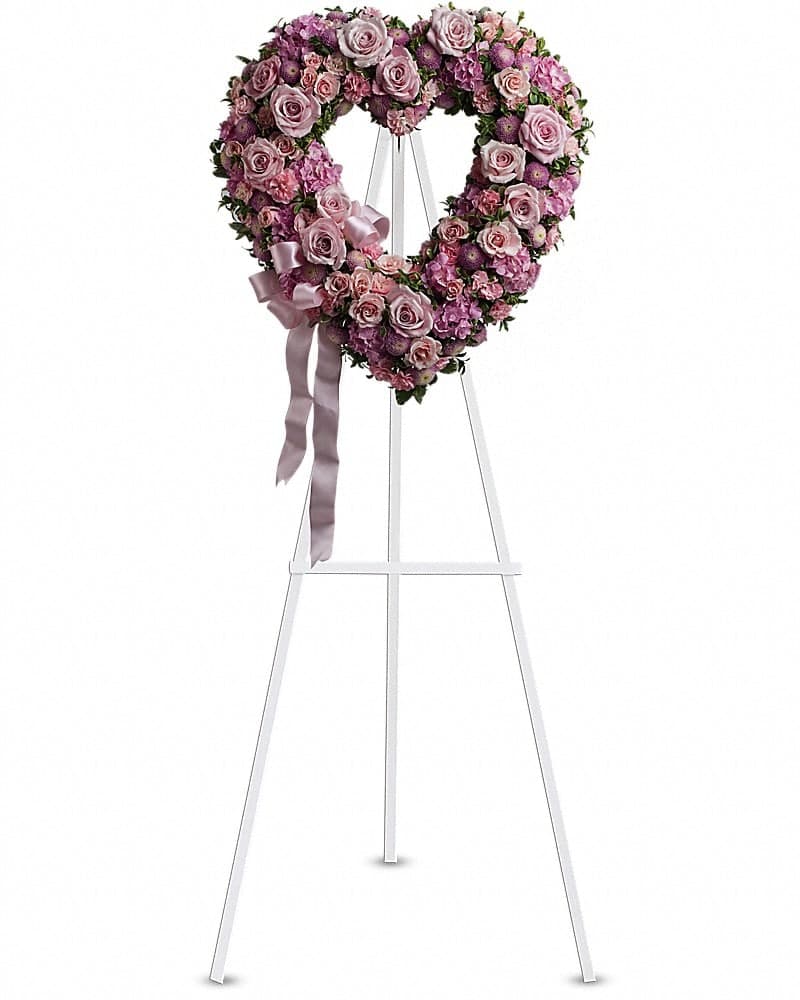
Hampton Roads is more religiously and culturally specific than its size suggests, and the conventions differ enough to matter. The Black church tradition is deeply rooted in South Norfolk, Portlock, Deep Creek and across the Norfolk and Portsmouth lines — Baptist, AME, AME Zion and COGIC congregations, homegoing services that are celebrations rather than hushed events, and standing tributes that are welcomed generously. Catholic families across the region belong to a network that includes the Basilica of Saint Mary of the Immaculate Conception in Norfolk, the oldest Catholic parish in Virginia; flowers for the vigil and the funeral Mass are conventional, though some parishes limit arrangements on the altar itself during Lent. Hampton Roads also holds one of the largest Filipino-American communities in the country, a direct legacy of Navy recruitment, and Filipino Catholic wakes here often run several nights with flowers arriving across the whole span rather than on one day. Episcopal and United Methodist services are typically restrained — one tasteful arrangement rather than a wall. Greek Orthodox families in Norfolk follow full Orthodox funeral practice, including the forty-day memorial. For Jewish families in the Norfolk congregations, flowers are generally not sent to the service at all; a donation and a plant or a food delivery to the shiva home is the appropriate gesture, and the shops here know that distinction without being told twice.