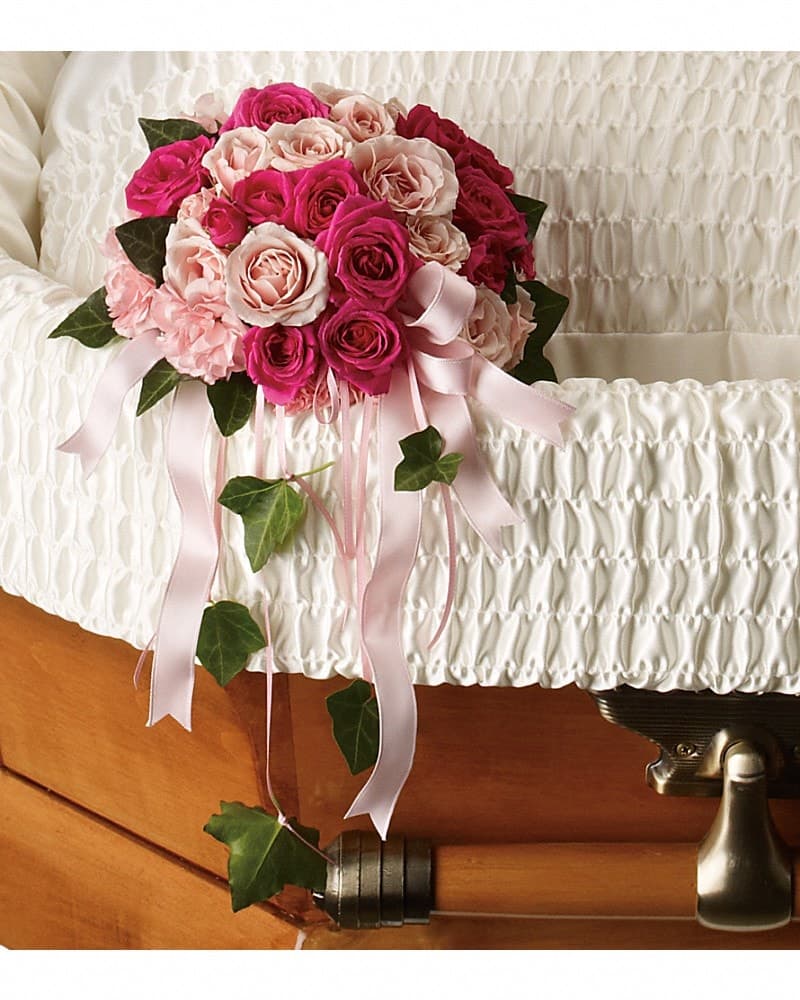
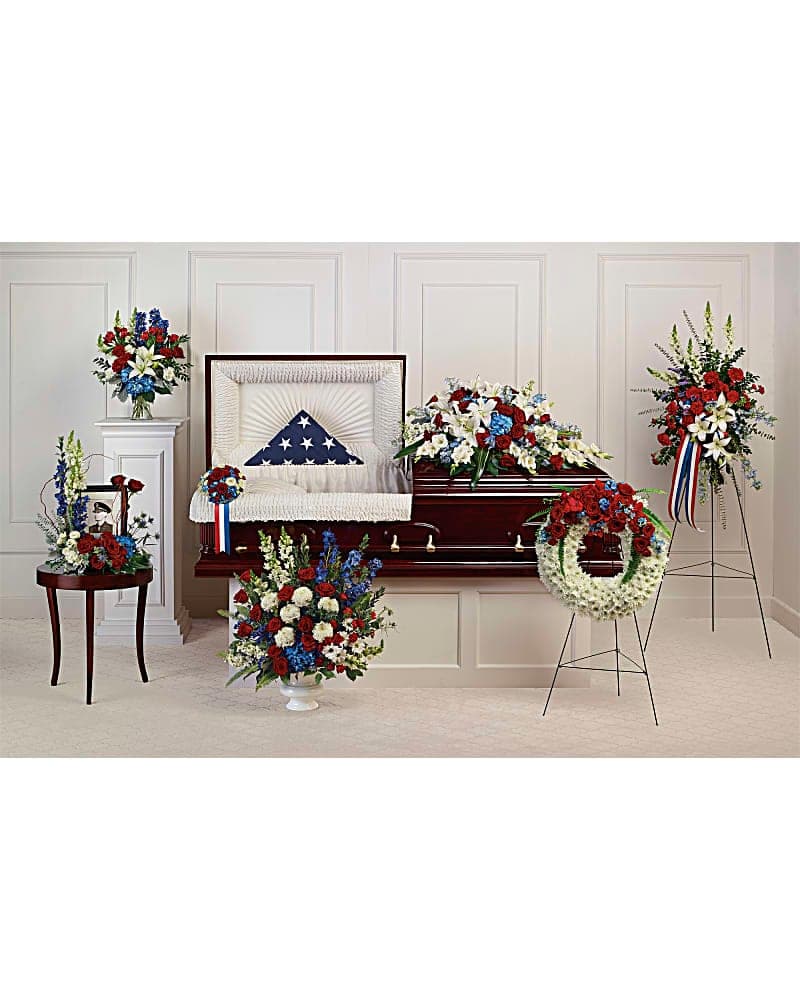
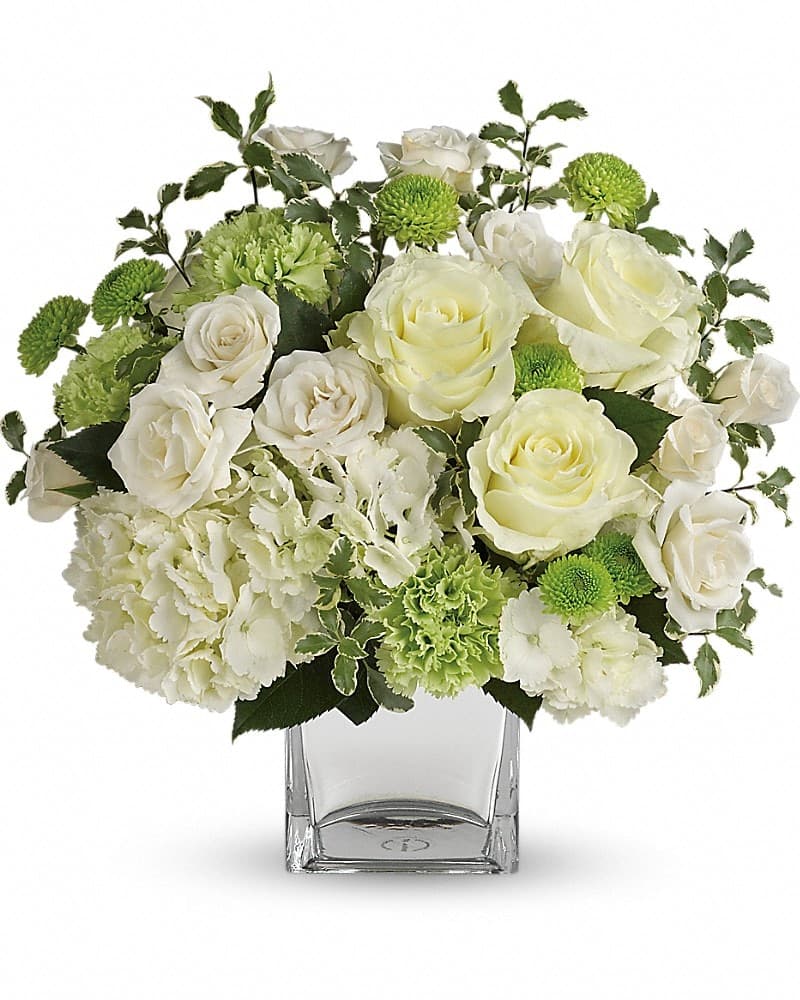
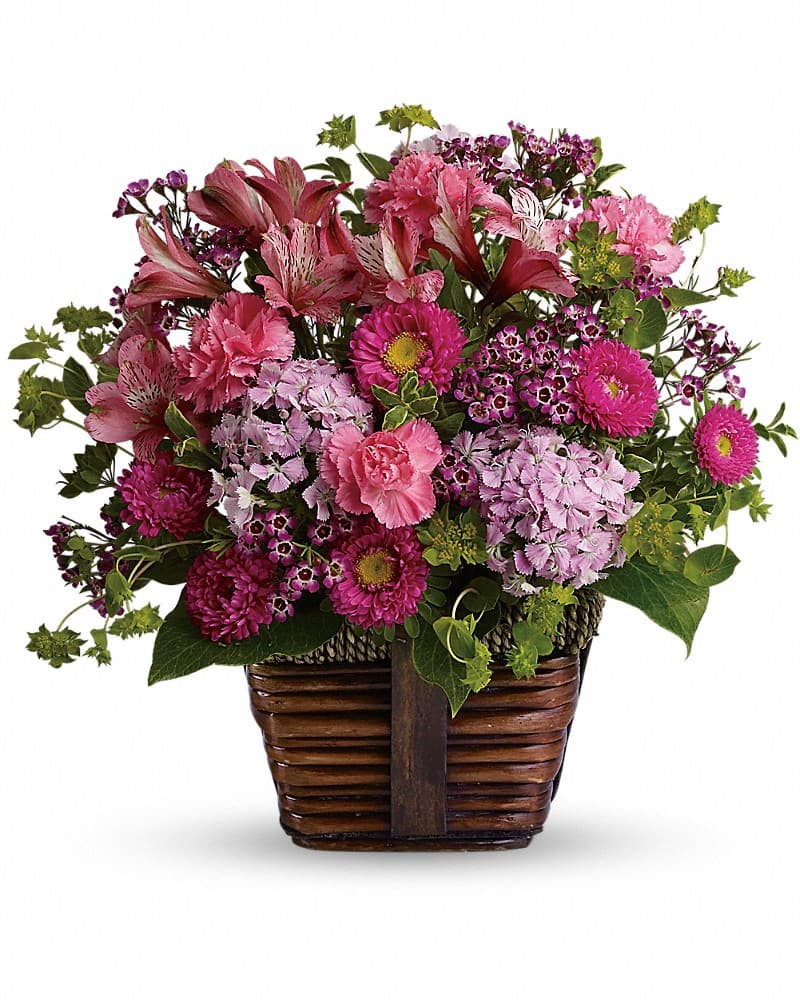
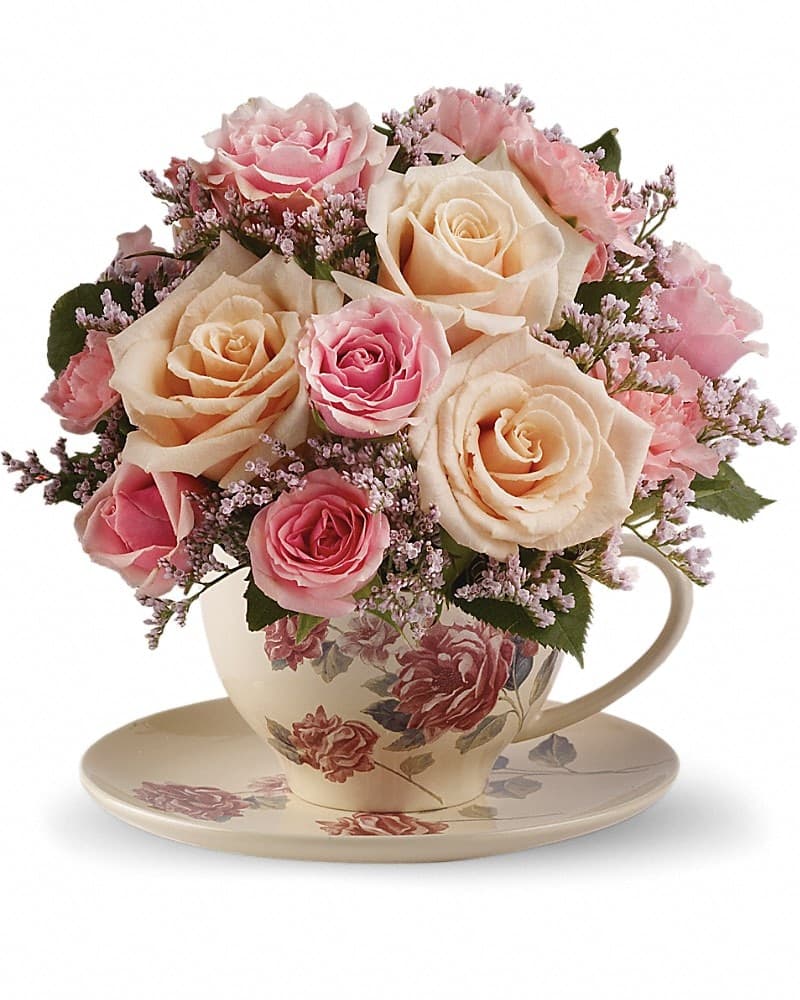
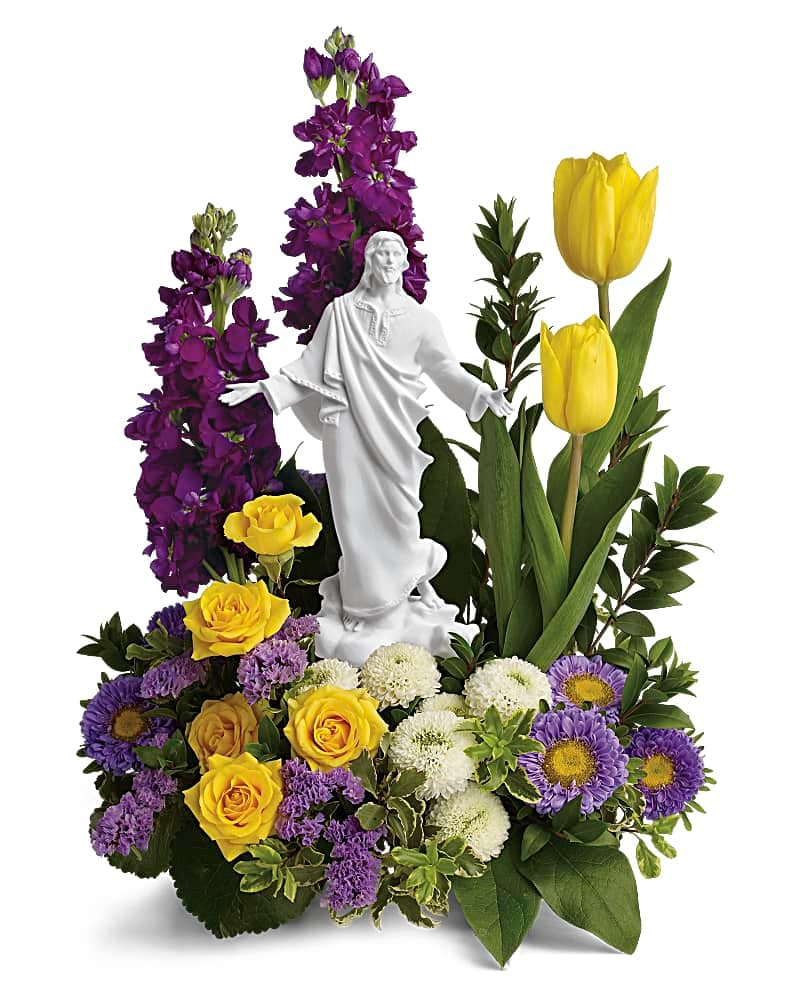
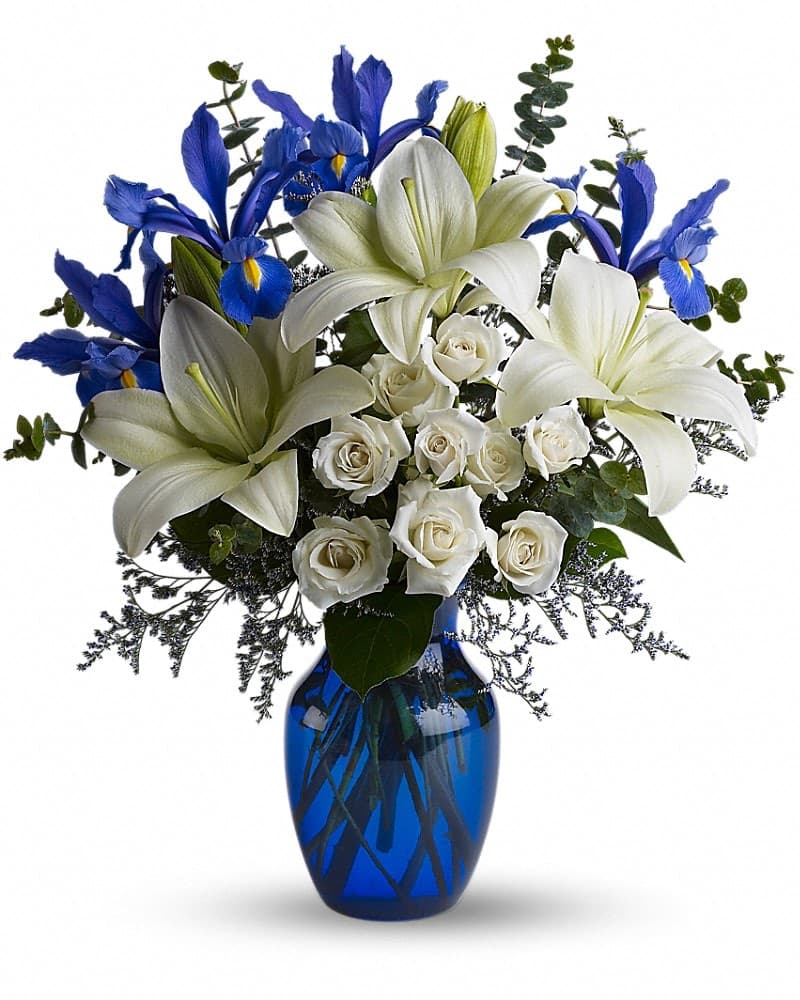
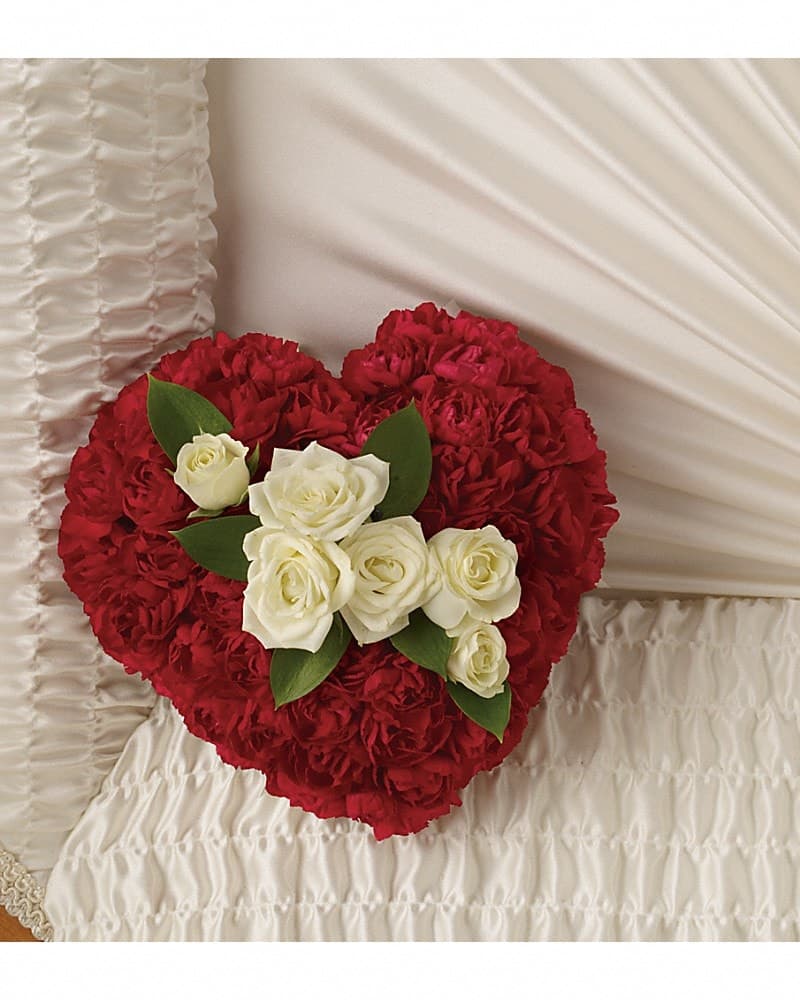
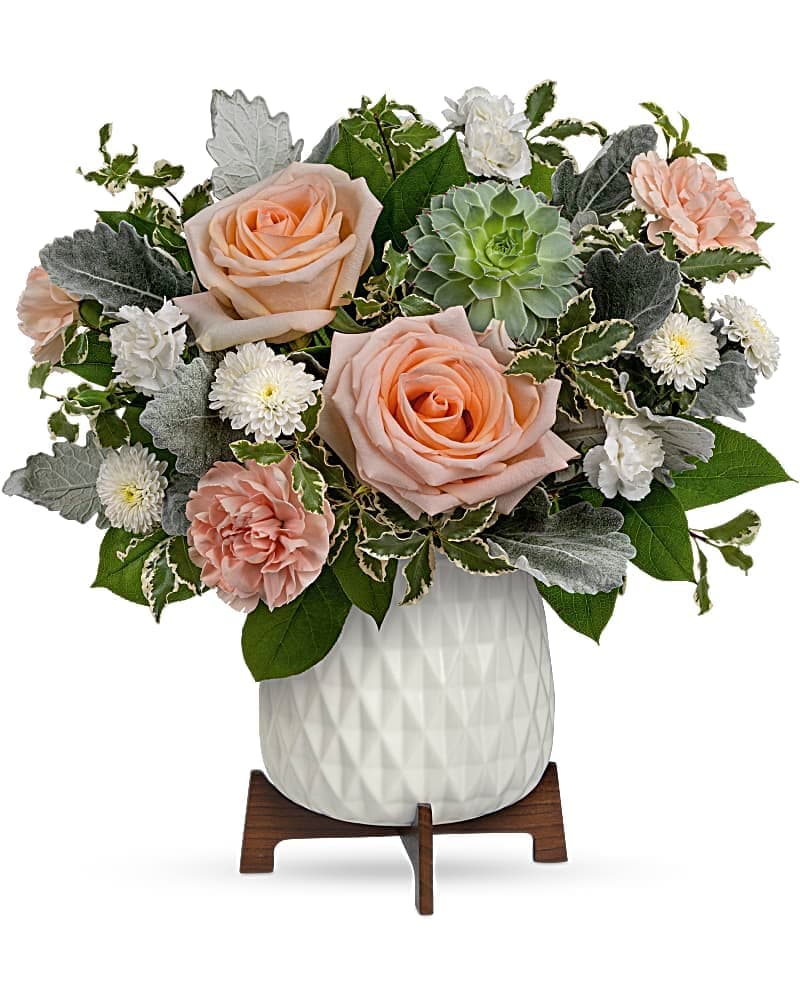
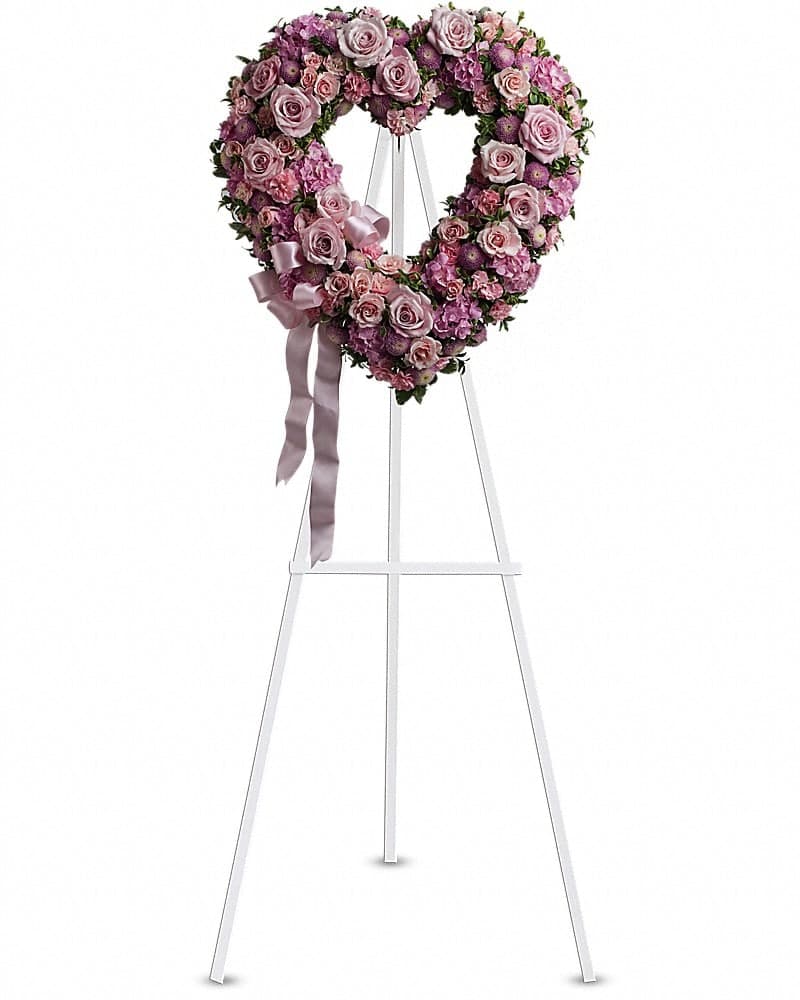
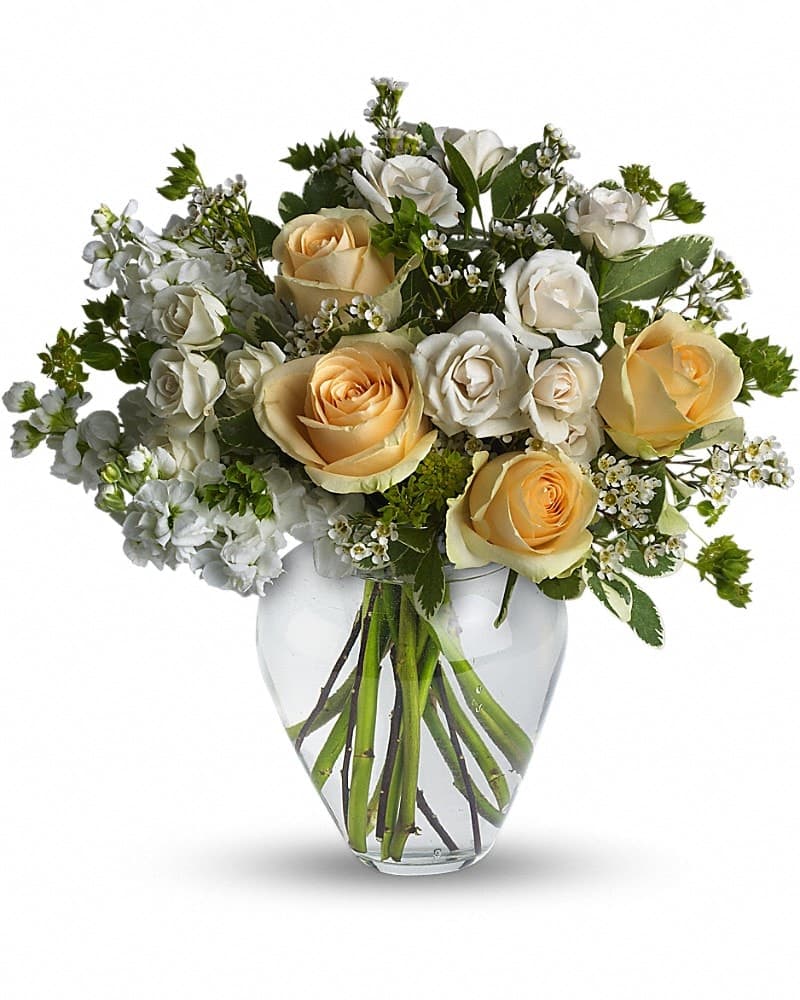
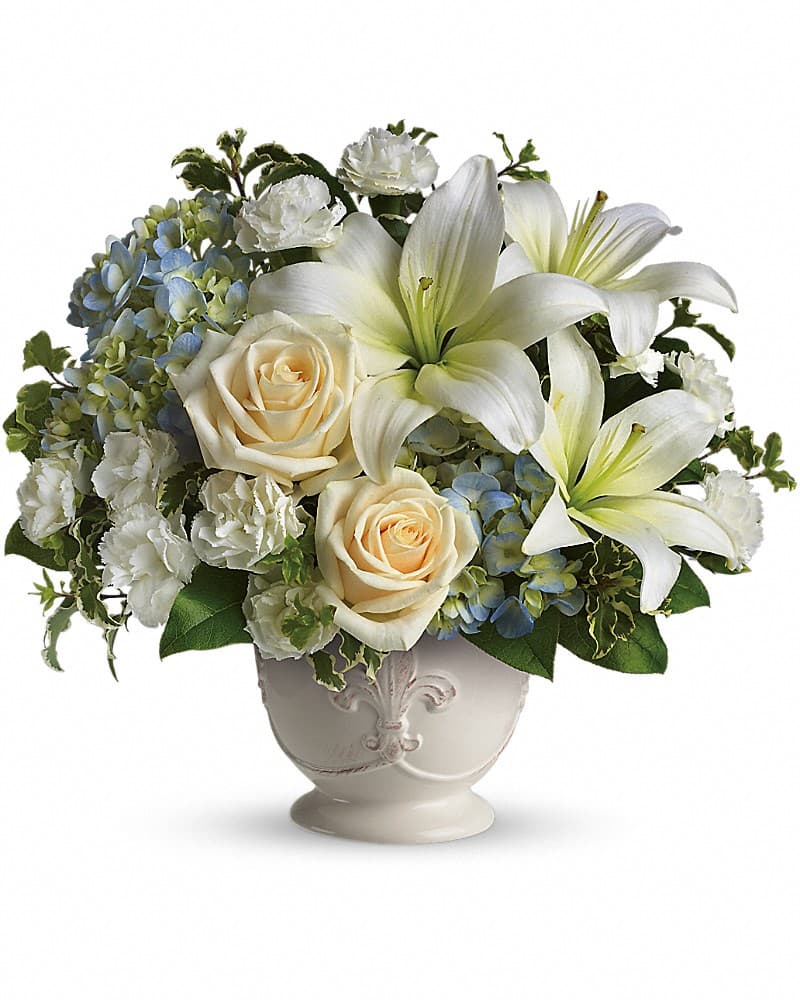
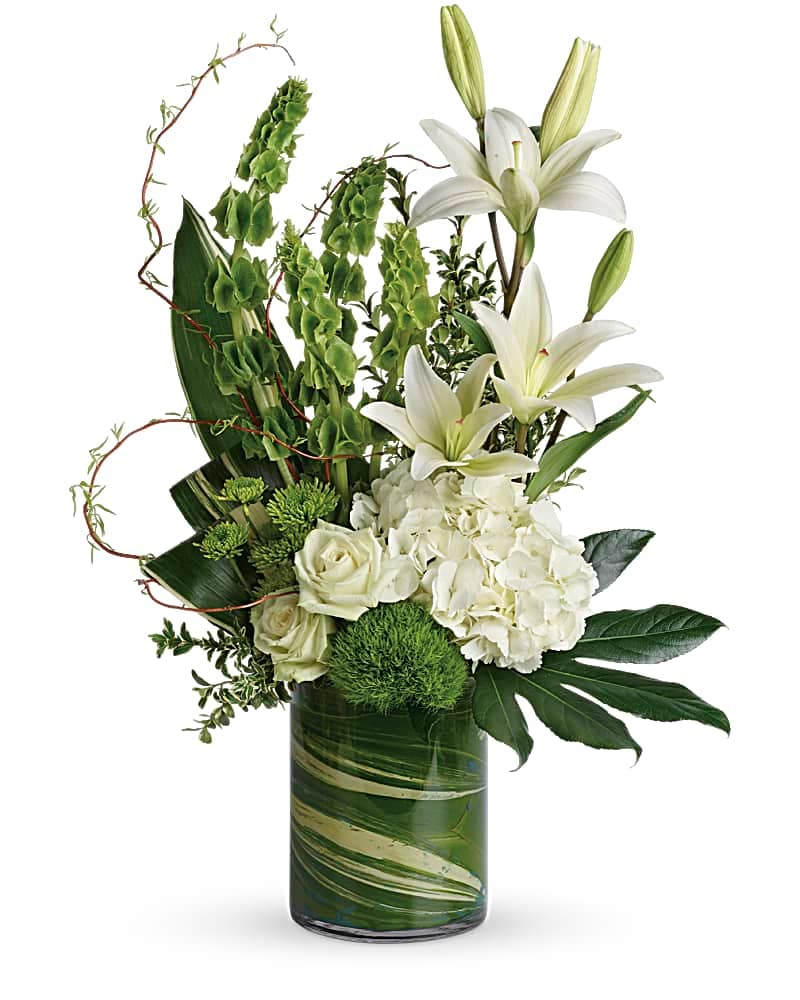
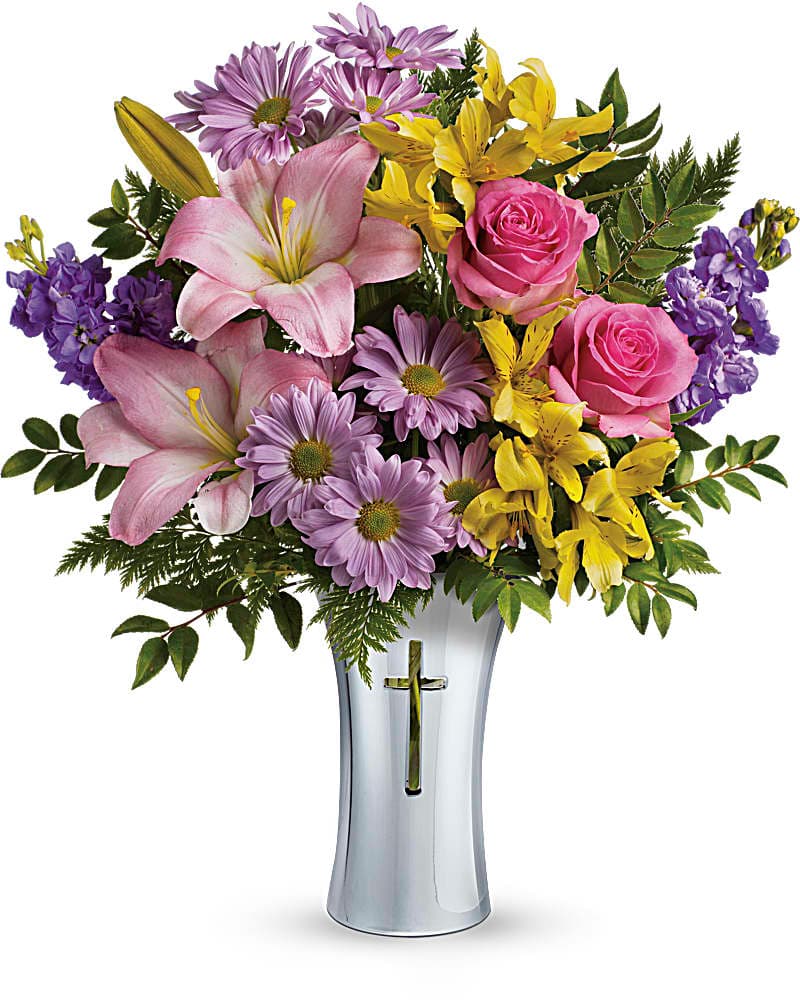
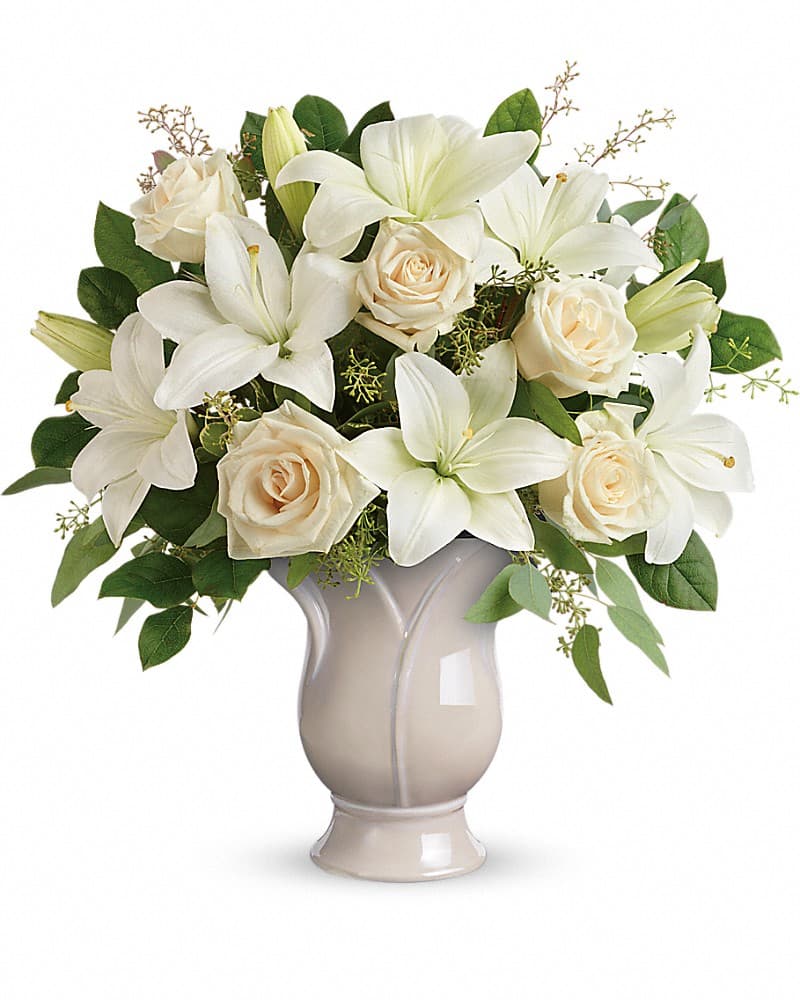
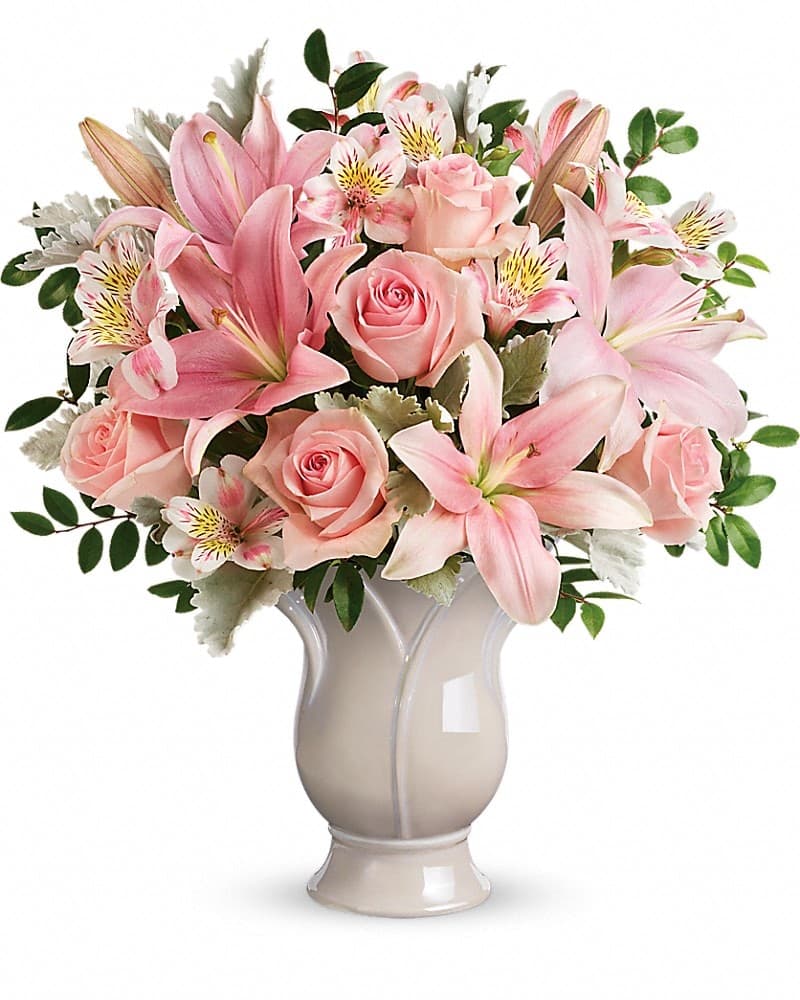
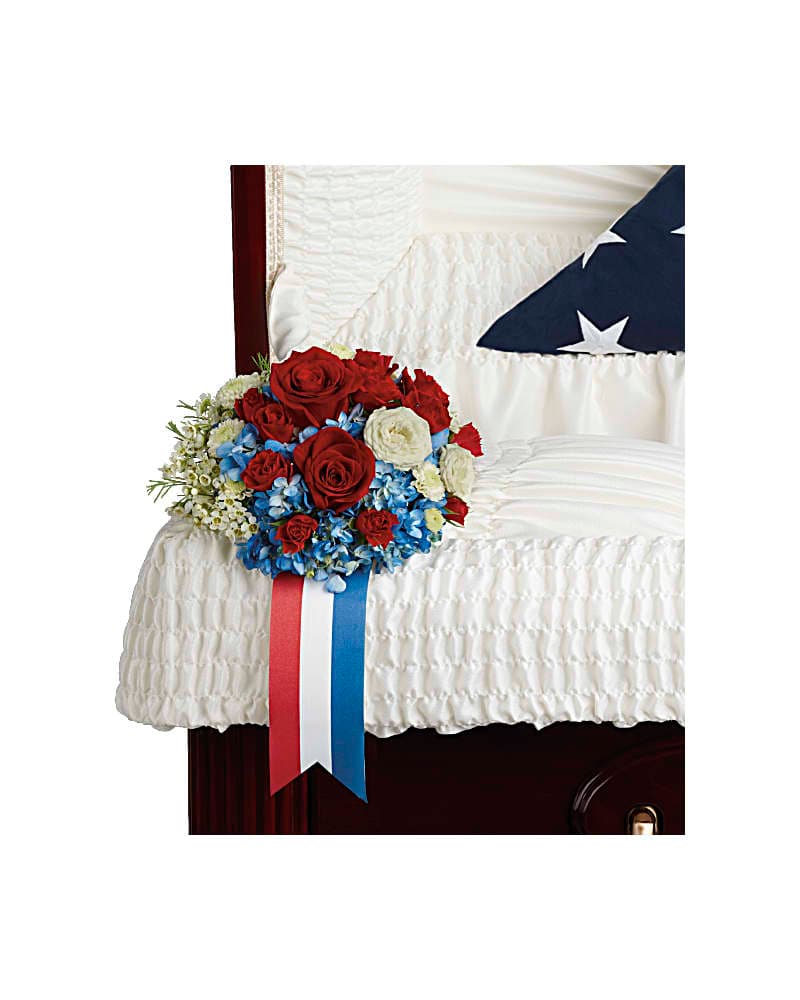
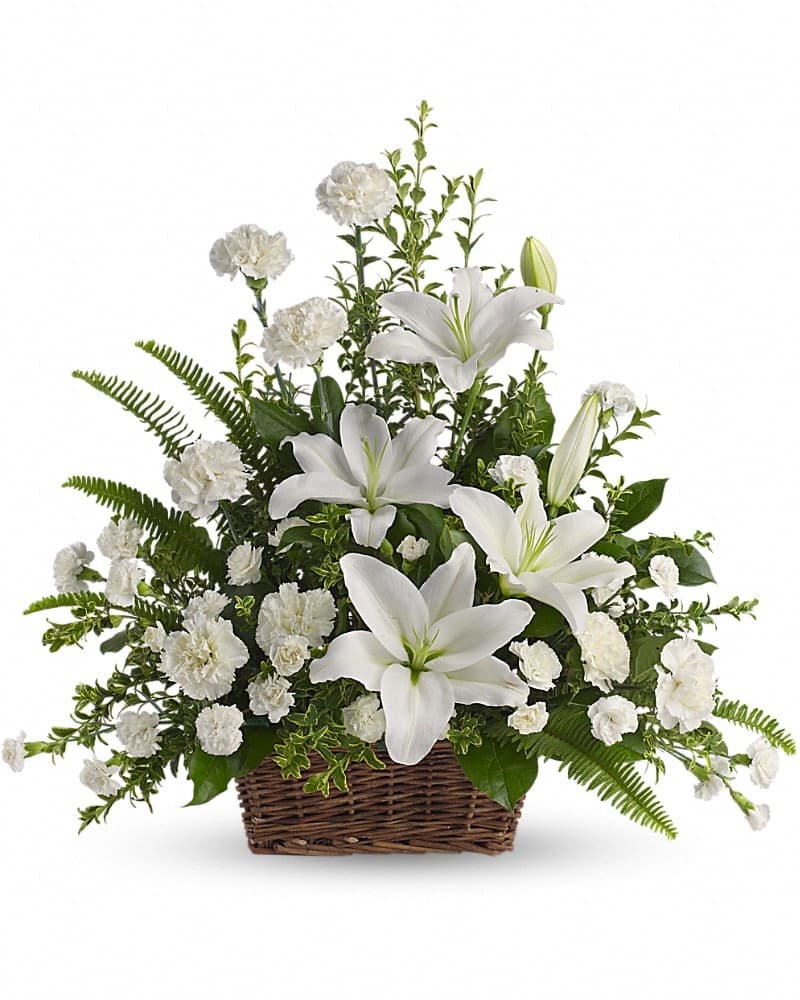
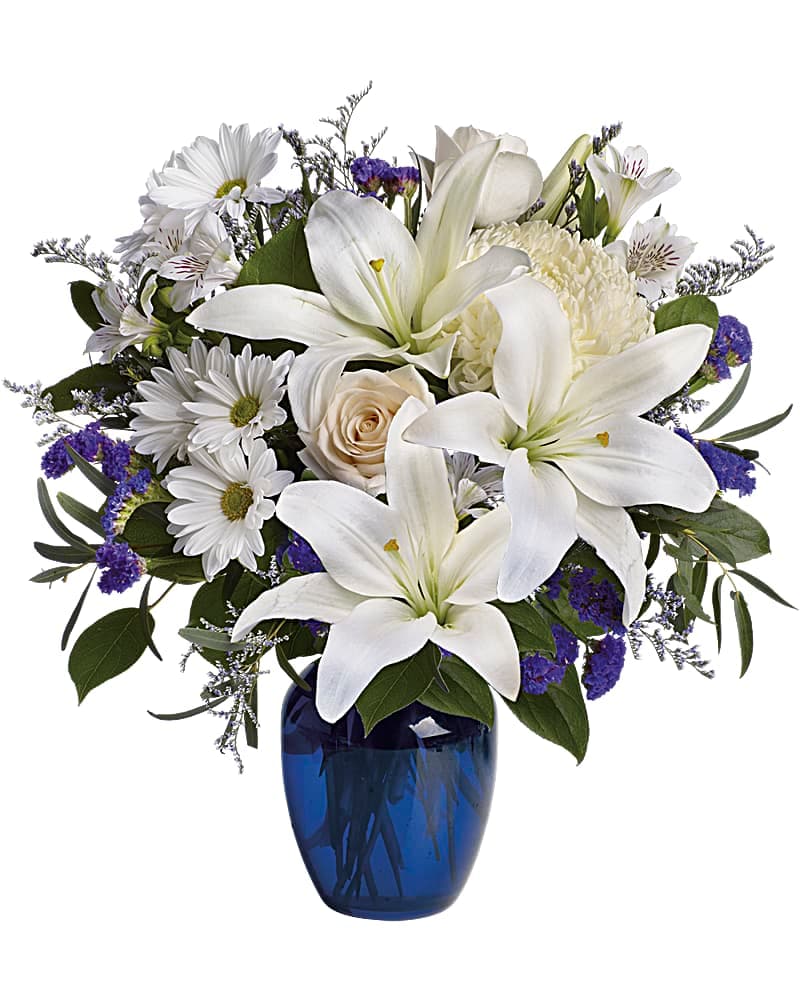
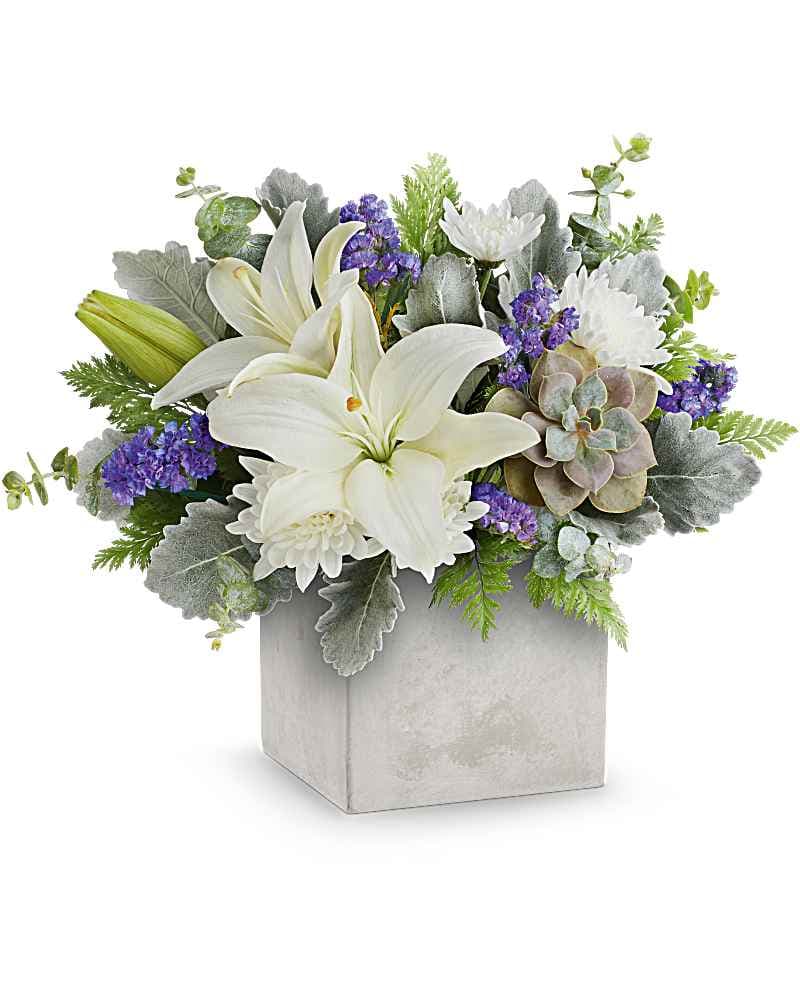
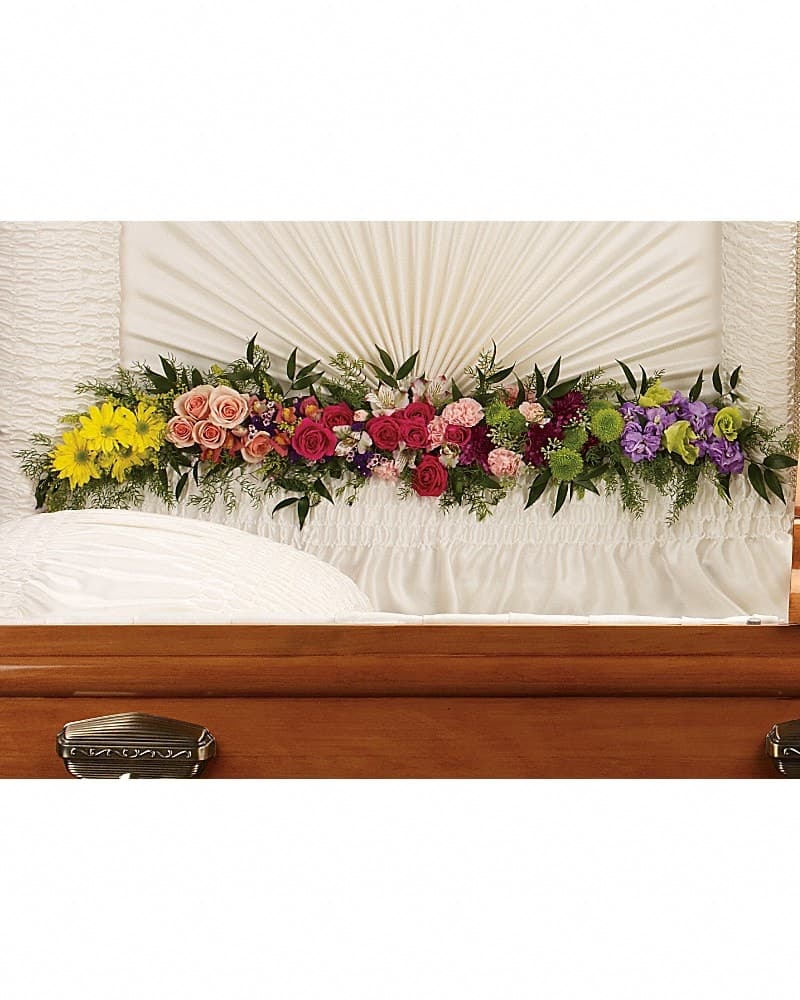
Grief in a university town keeps an unusual schedule, and it is the first thing to understand before ordering. A death in Chapel Hill often produces two separate events rather than one. There is the funeral or graveside service, held within days, arranged through Walker's Funeral Home at 120 West Franklin Street or one of the Durham and Hillsborough chapels, attended by family. And then there is a memorial service weeks or months later — in the Chapel of the Cross on East Franklin, in Memorial Hall, at the Carolina Club in the alumni center, at the North Carolina Botanical Garden — organized by a department, a lab, a class year or a congregation, for the hundred colleagues and former students who could not get to the first one. Flowers behave differently at each. The first wants a piece that reads at a chapel or a graveside; the second is often an intentionally simple room where a single arrangement near a photograph does more than a wall of stands. Ask which event you are sending to.
The local geography of services is compact. Walker's Funeral Home of Chapel Hill on West Franklin is the town's long-standing chapel and the address most Chapel Hill families give; Walker's Funeral Home of Hillsborough serves the northern half of Orange County and the county seat twelve miles up 86. Across the line in Durham, Hall-Wynne Funeral Service on West Main Street and Clements Funeral and Cremation Service on Broad Street handle a large share of Chapel Hill families as well, particularly those with Duke ties, and Brown-Wynne in Cary picks up the southeastern edge. For burial, the Old Chapel Hill Cemetery sits right against the campus between South Road and Country Club Road — a small historic ground holding generations of university faculty and students, with an older section containing the graves of enslaved and free Black residents of the town. The town's working cemetery is Chapel Hill Memorial Cemetery on Legion Road. In Durham, Maplewood Cemetery and the historic Beechwood Cemetery take most of the remaining graveside work inside this radius.
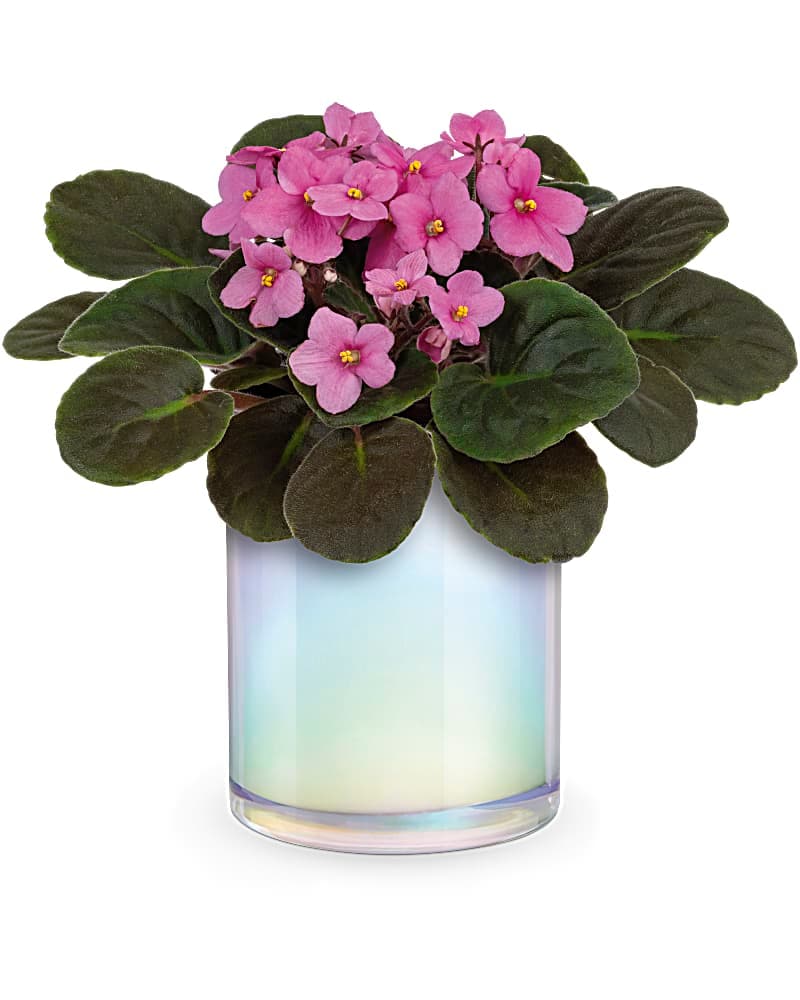
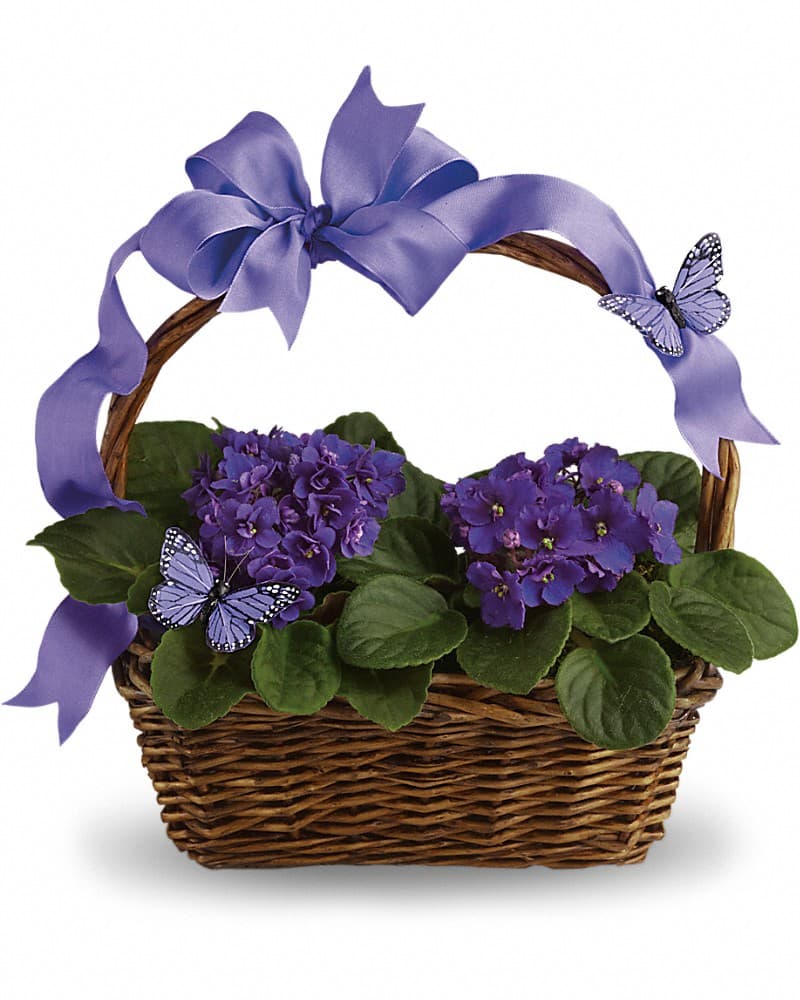
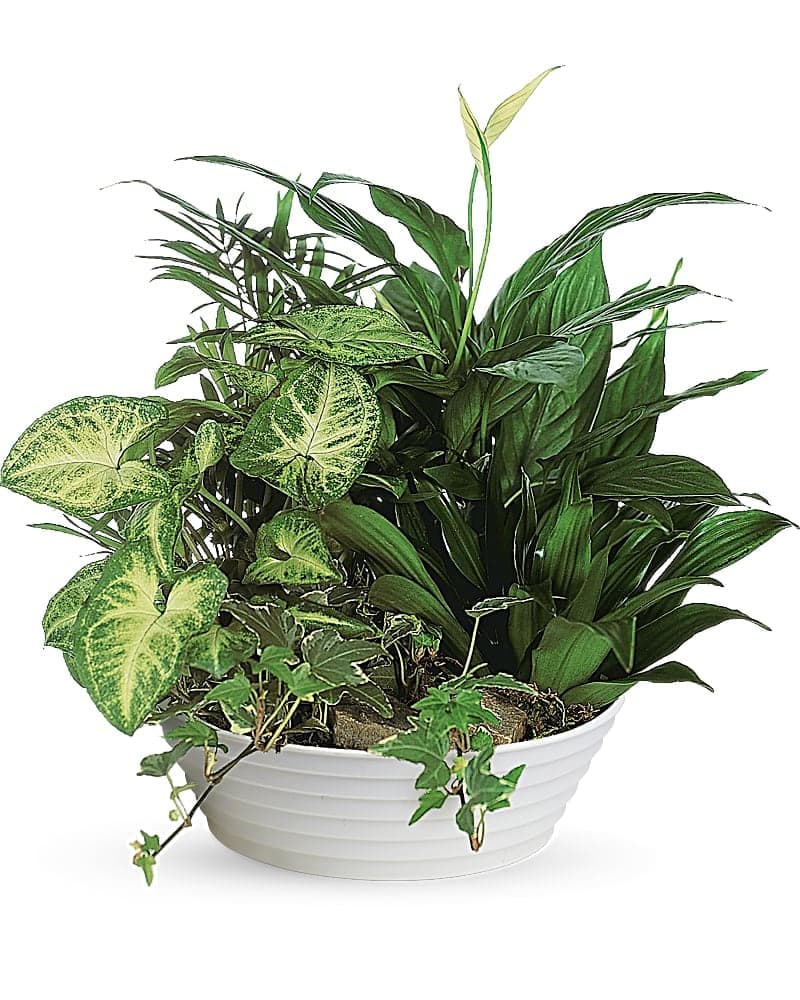
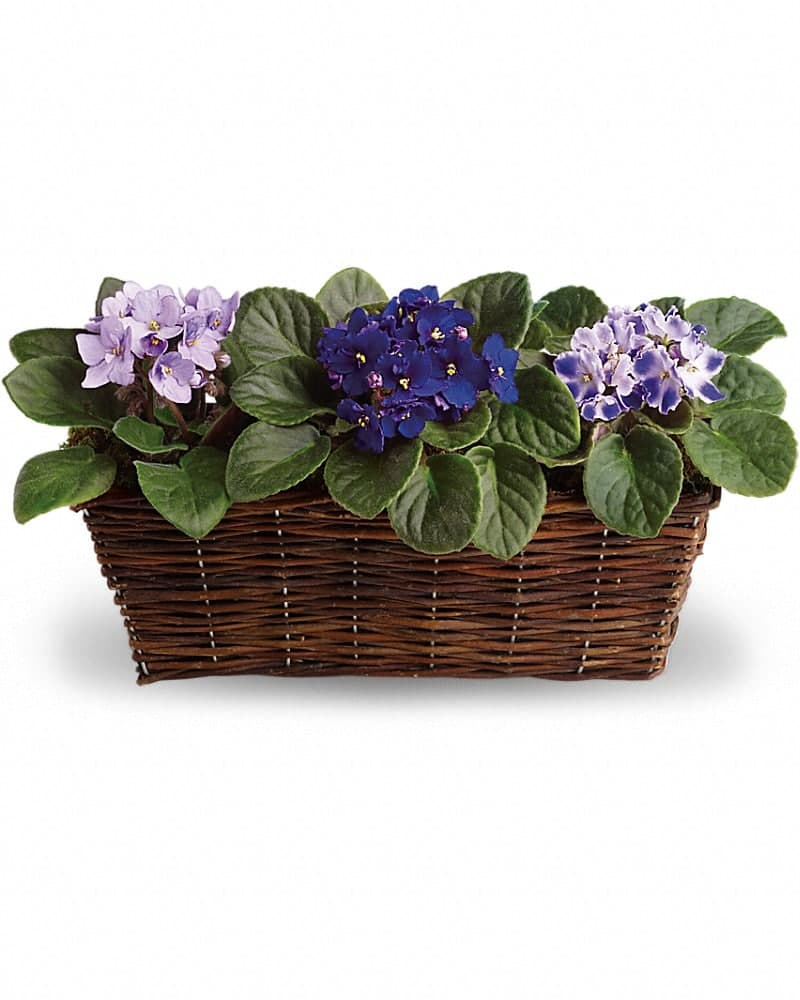
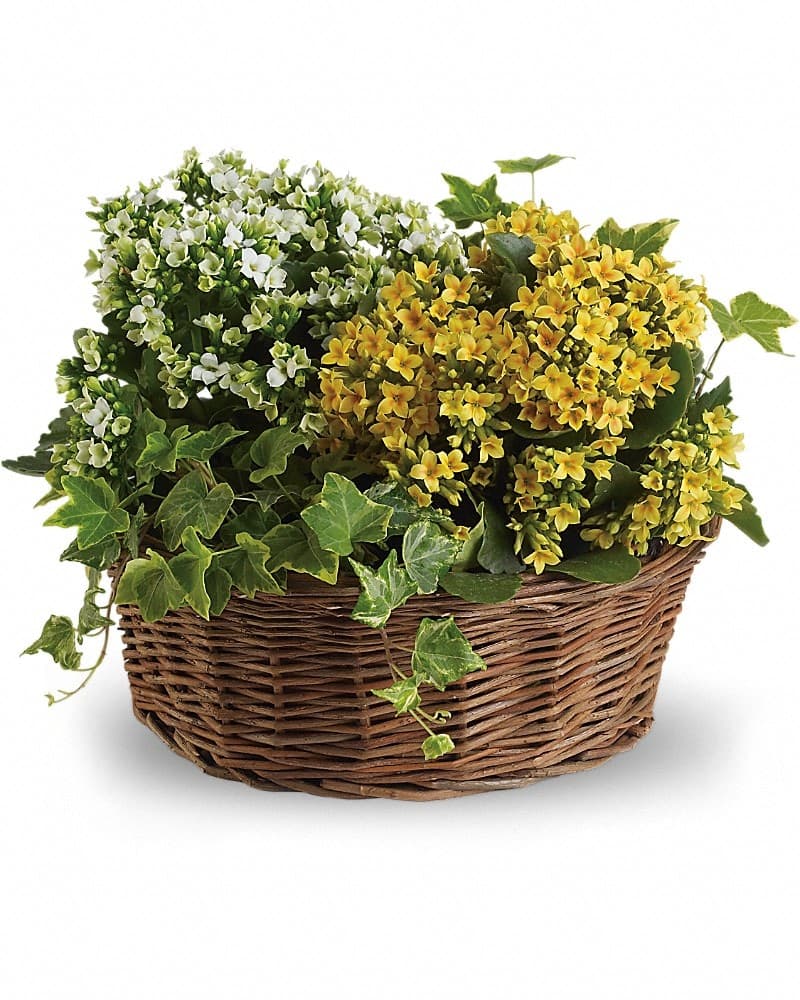
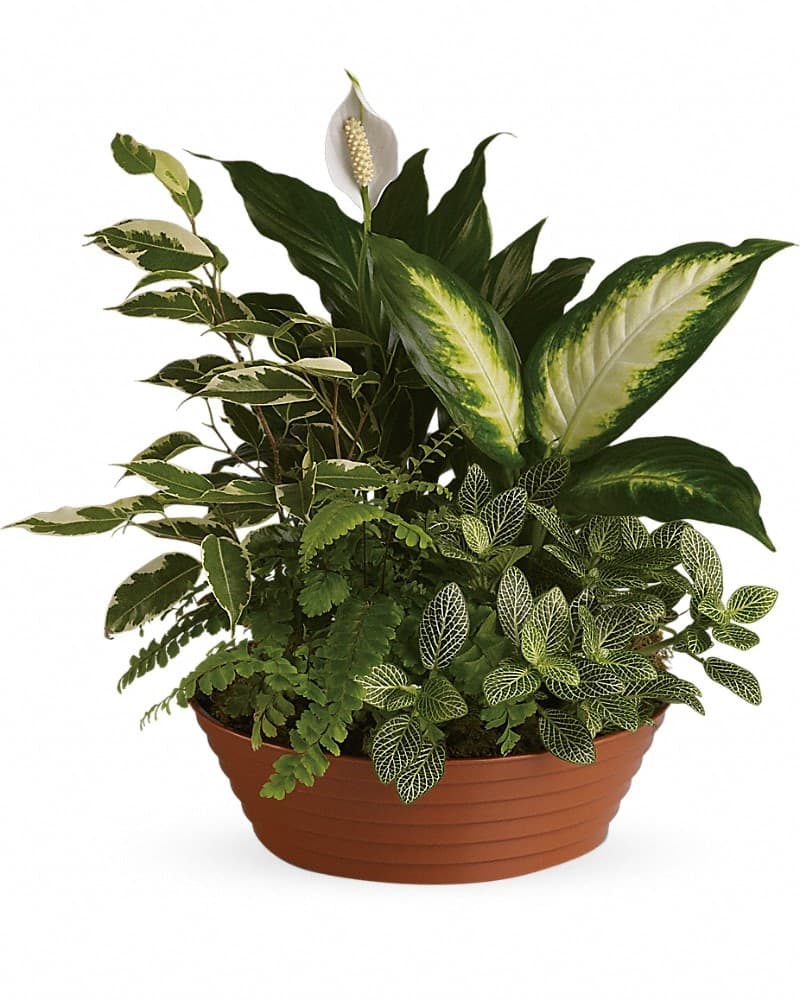
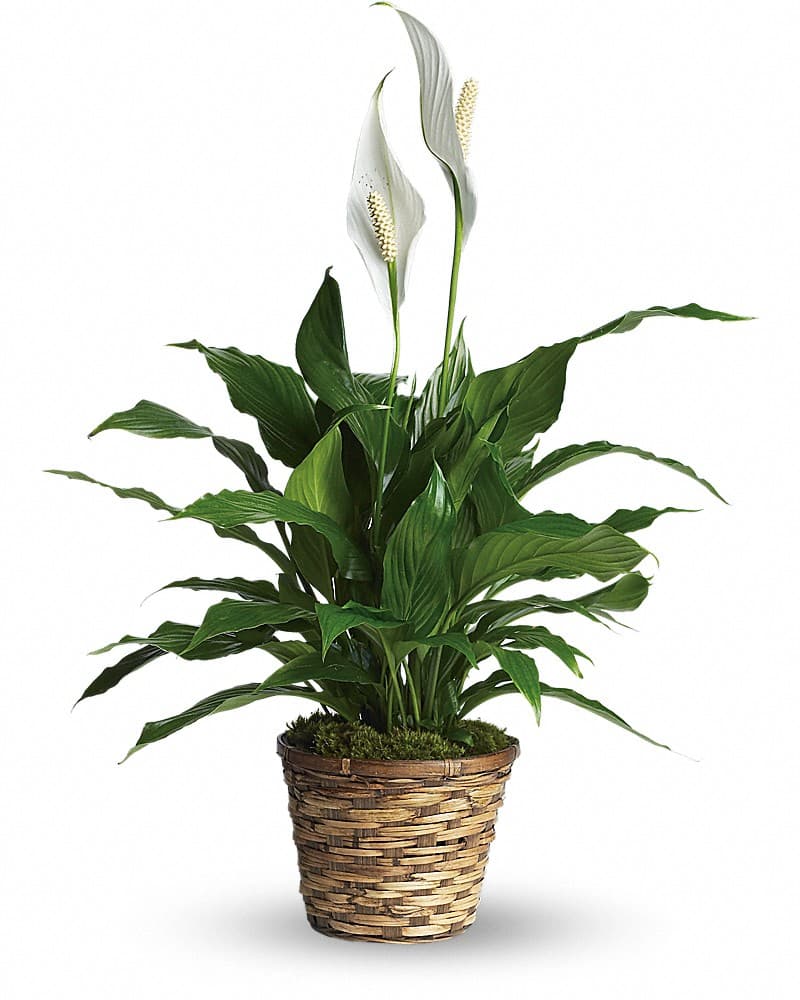
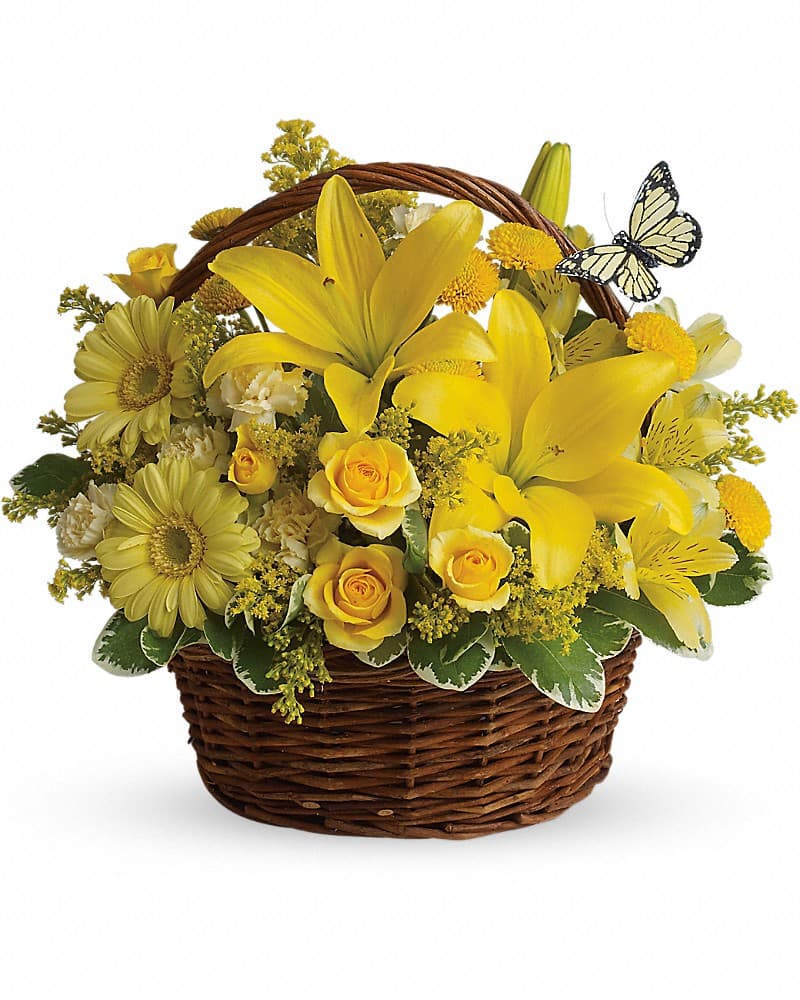
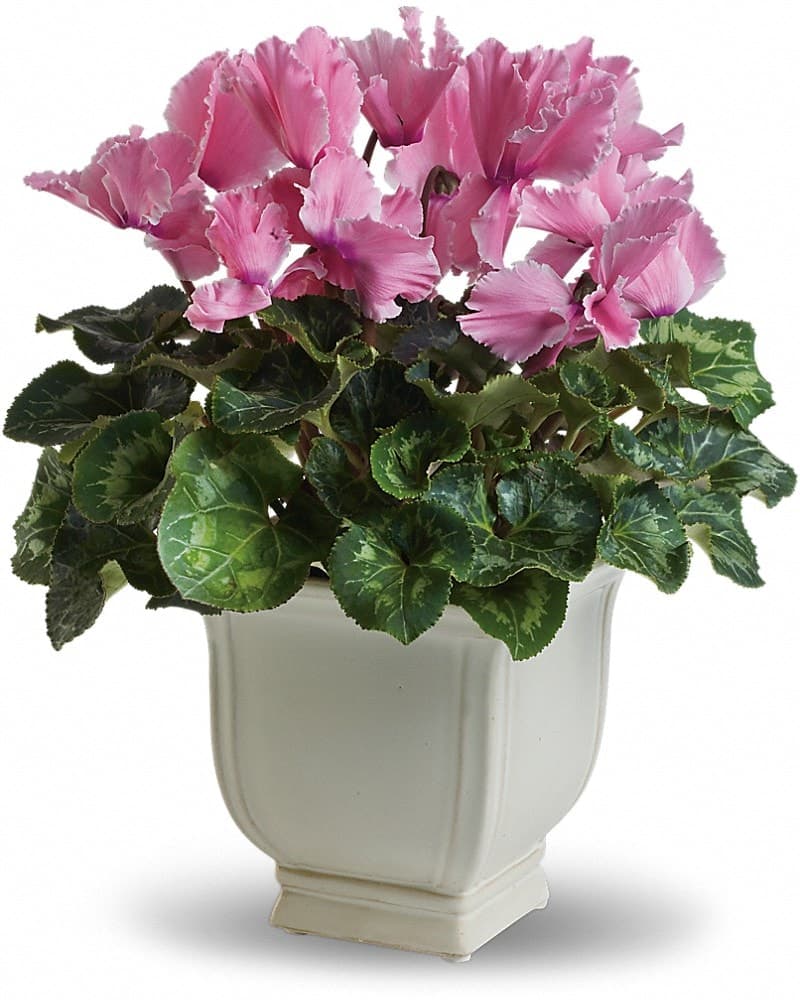
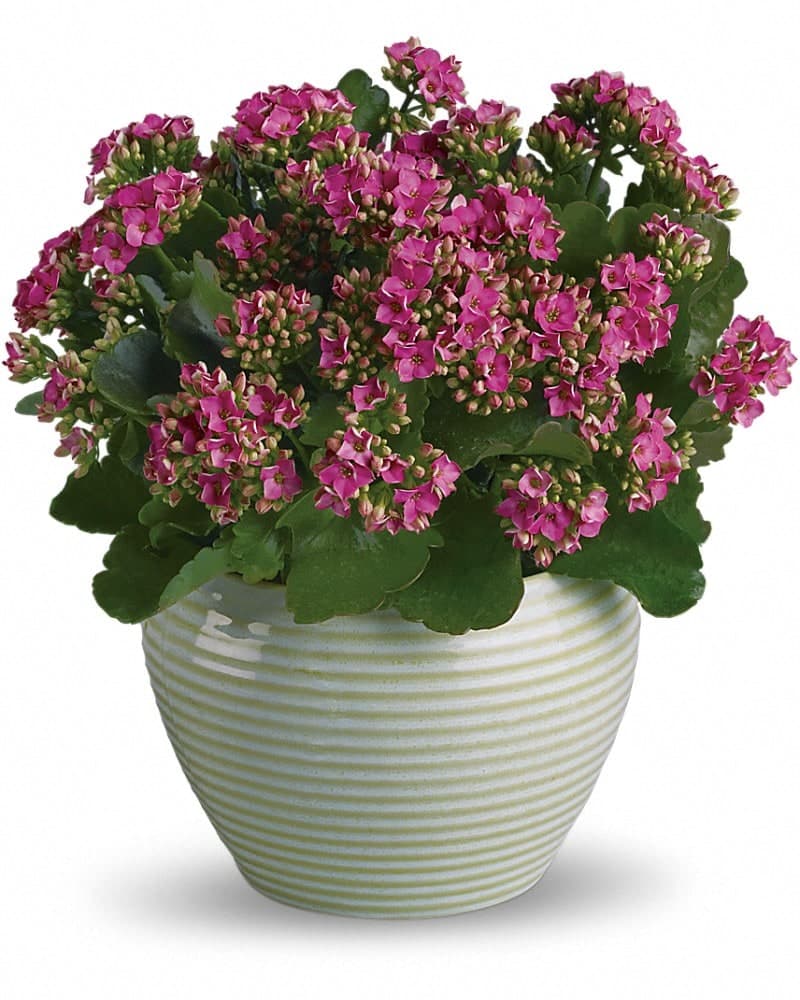
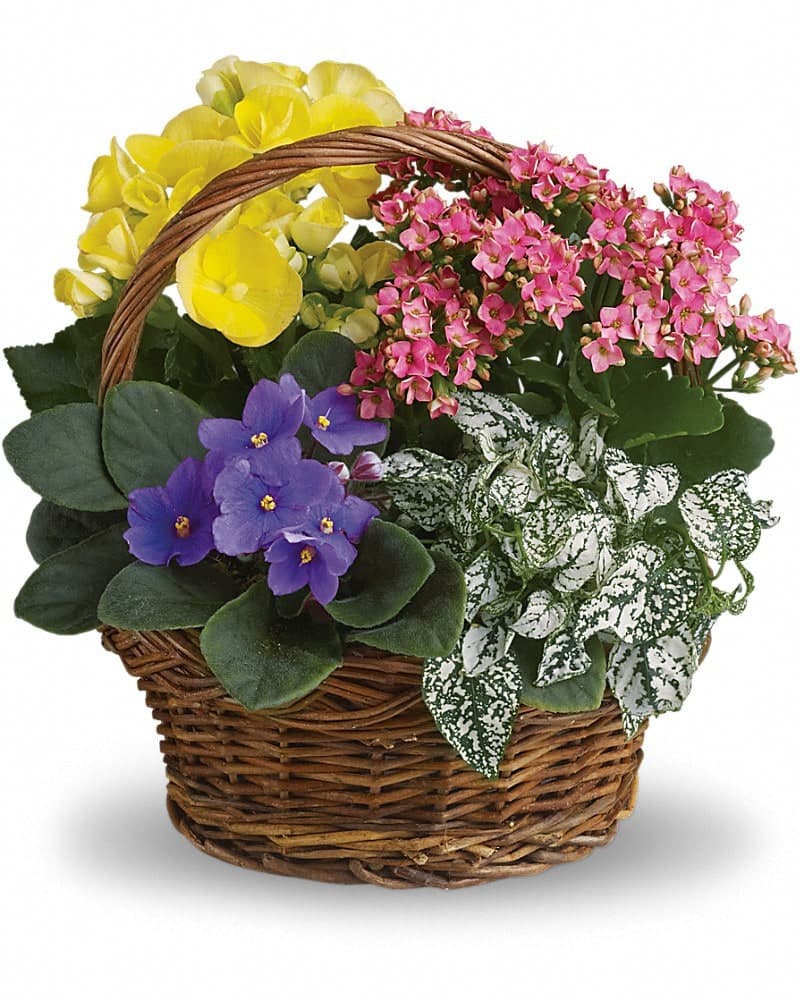
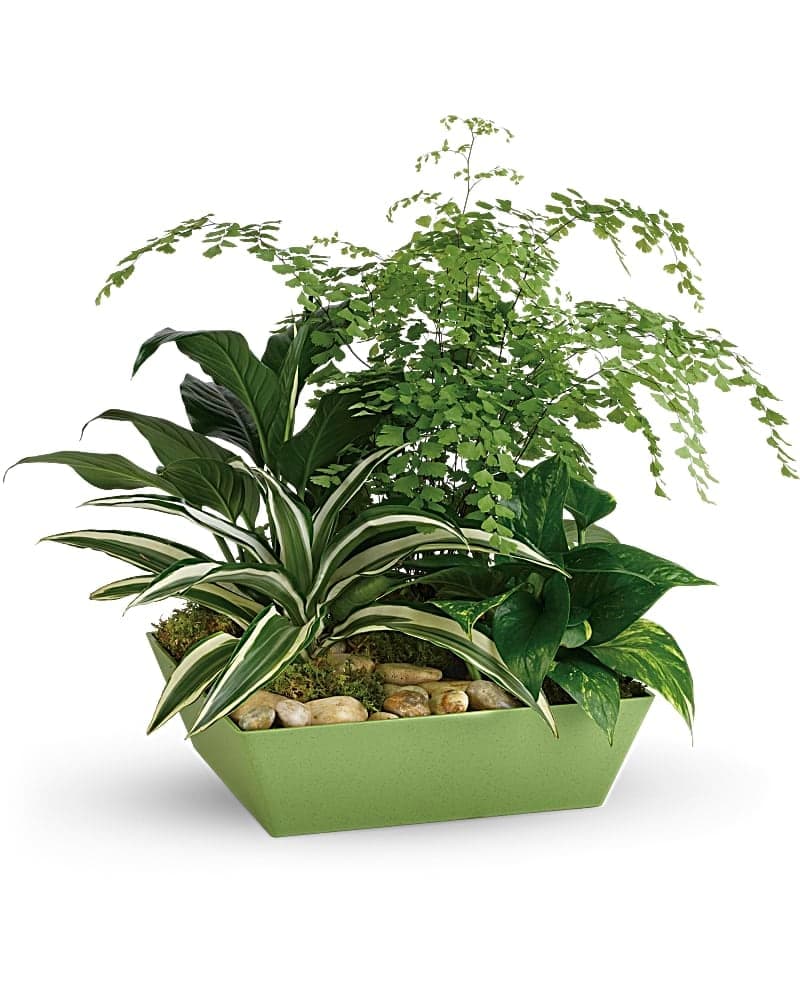
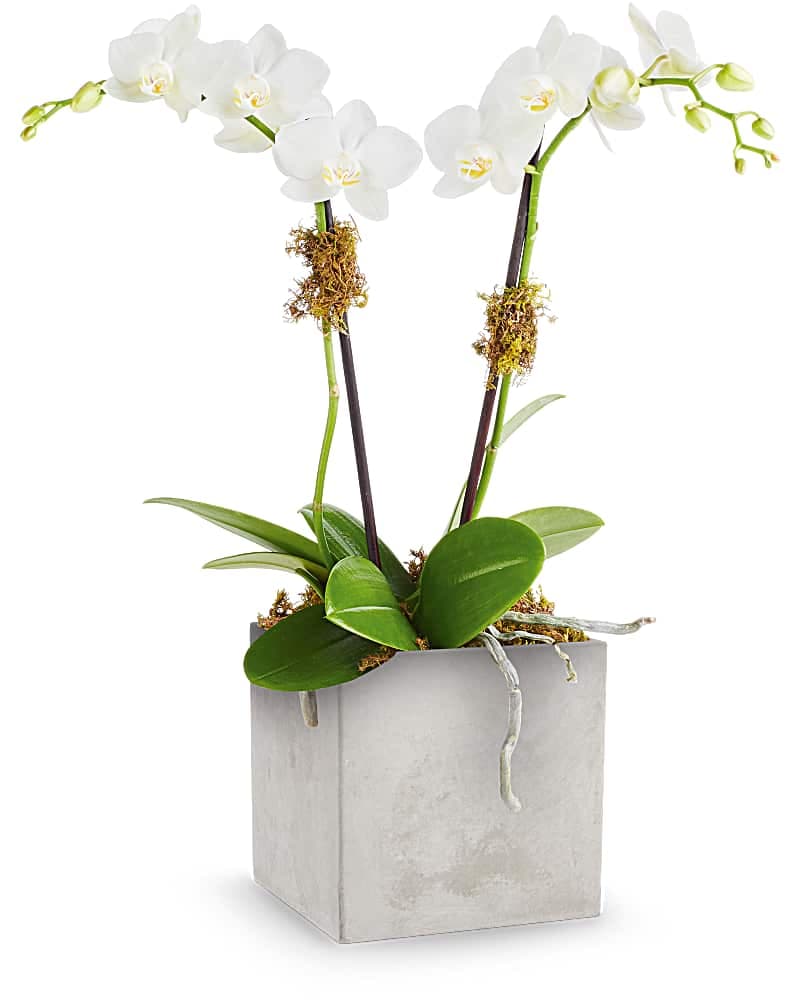
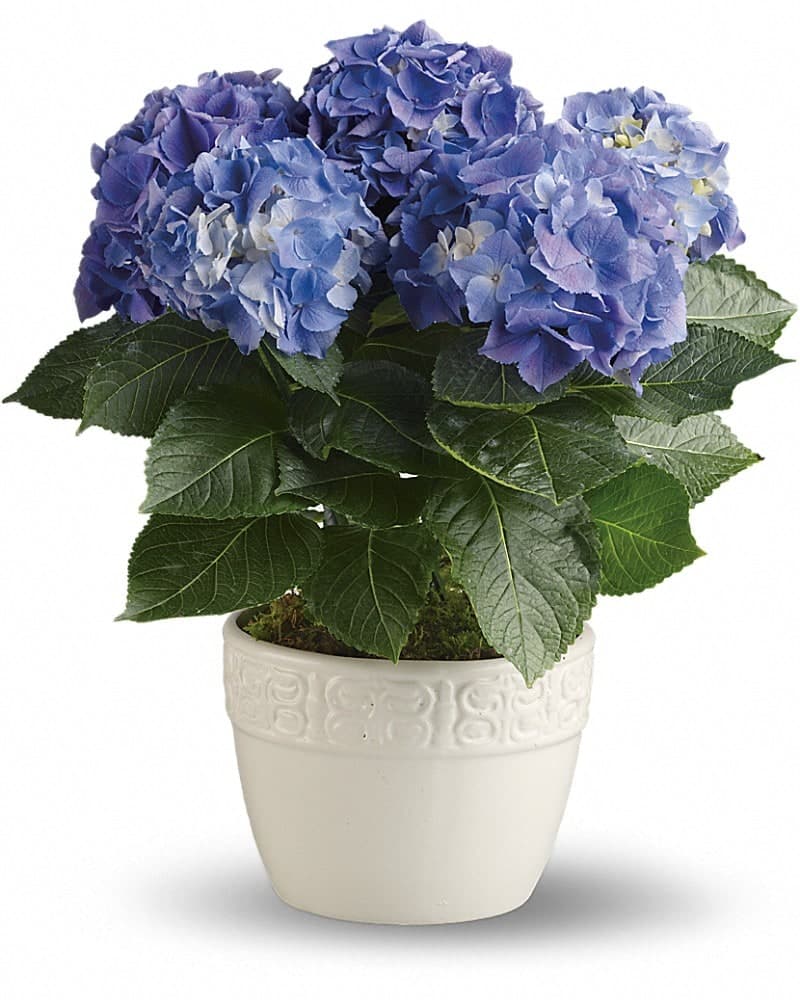
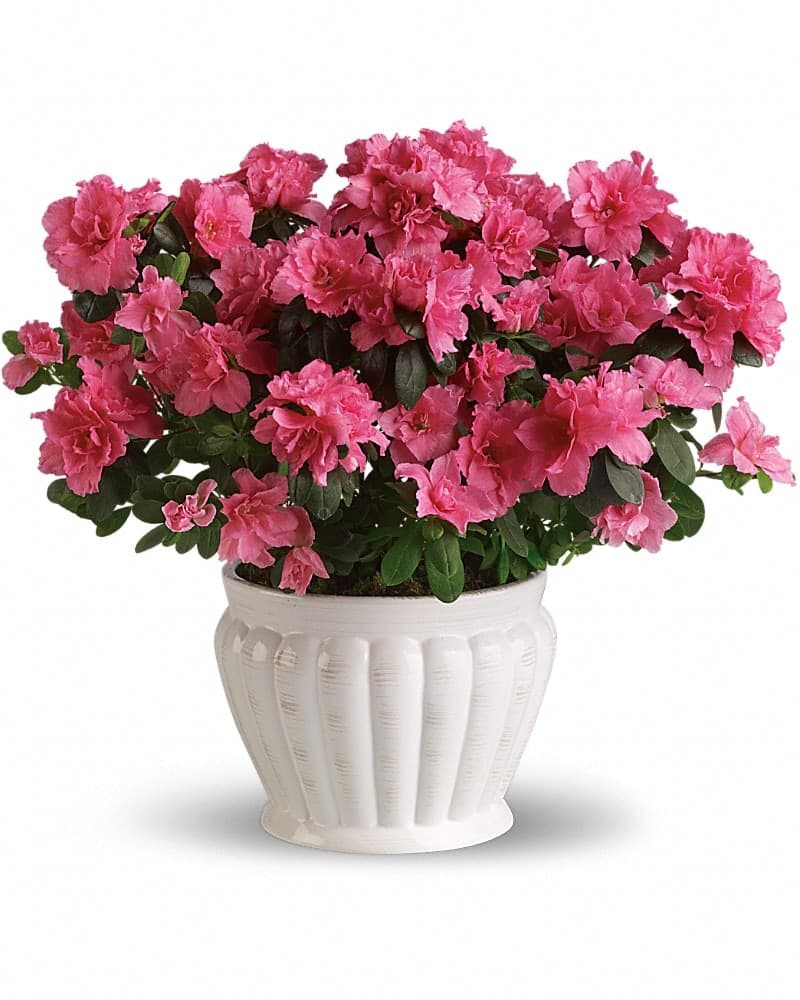
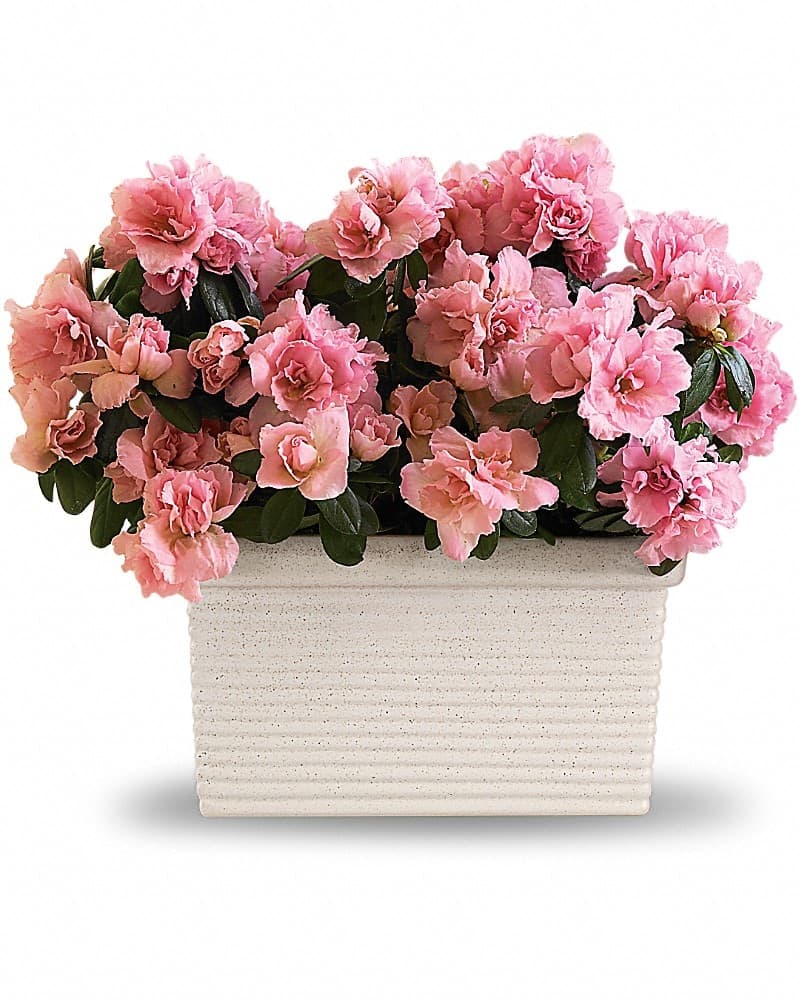
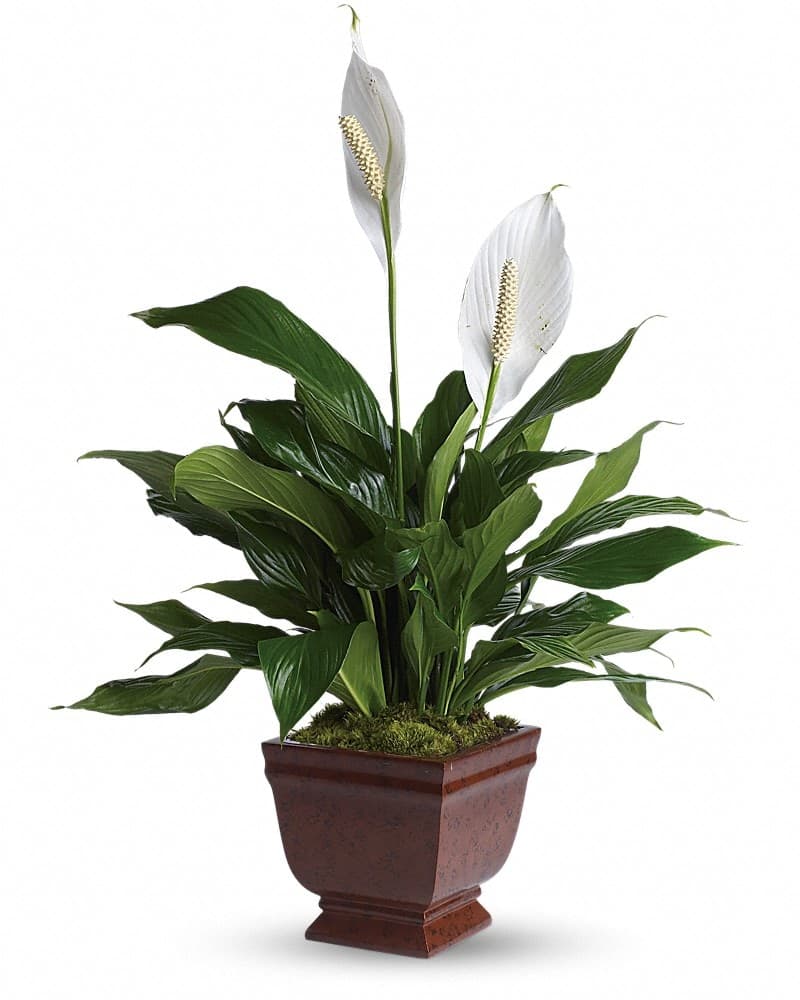
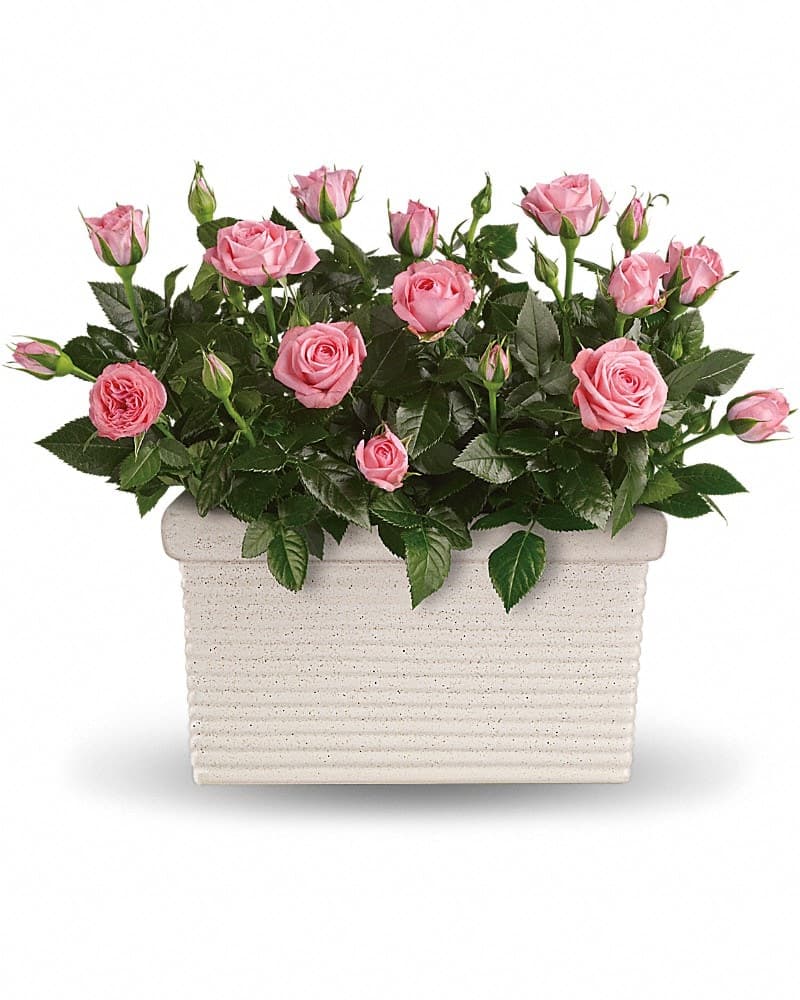
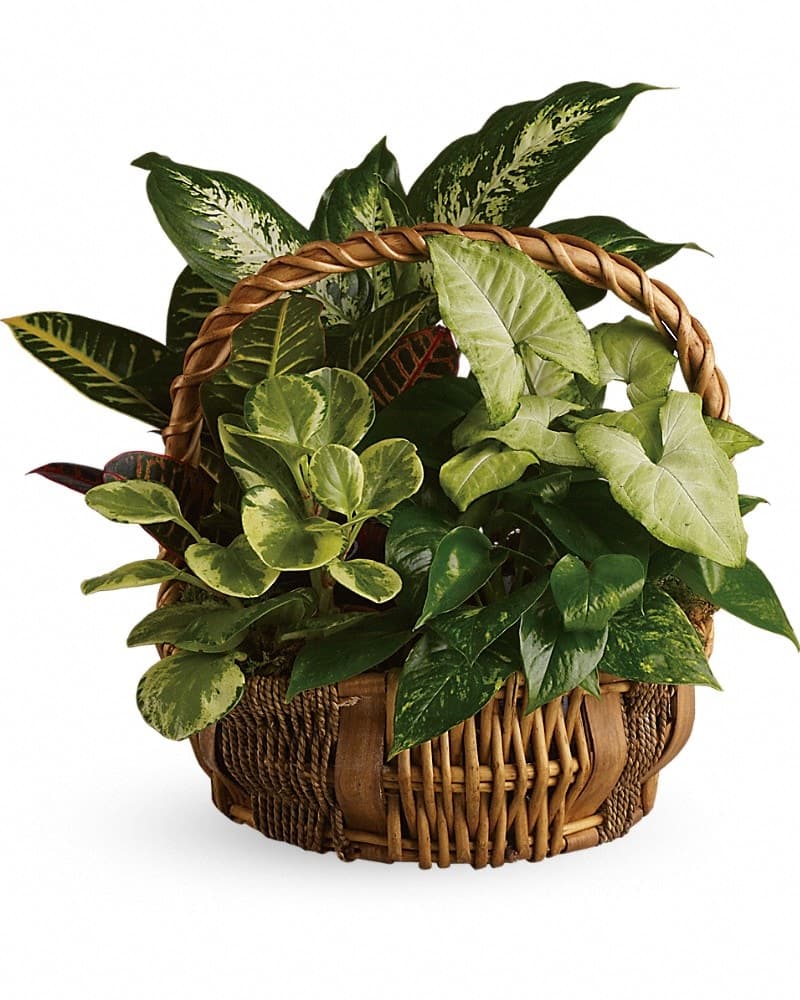
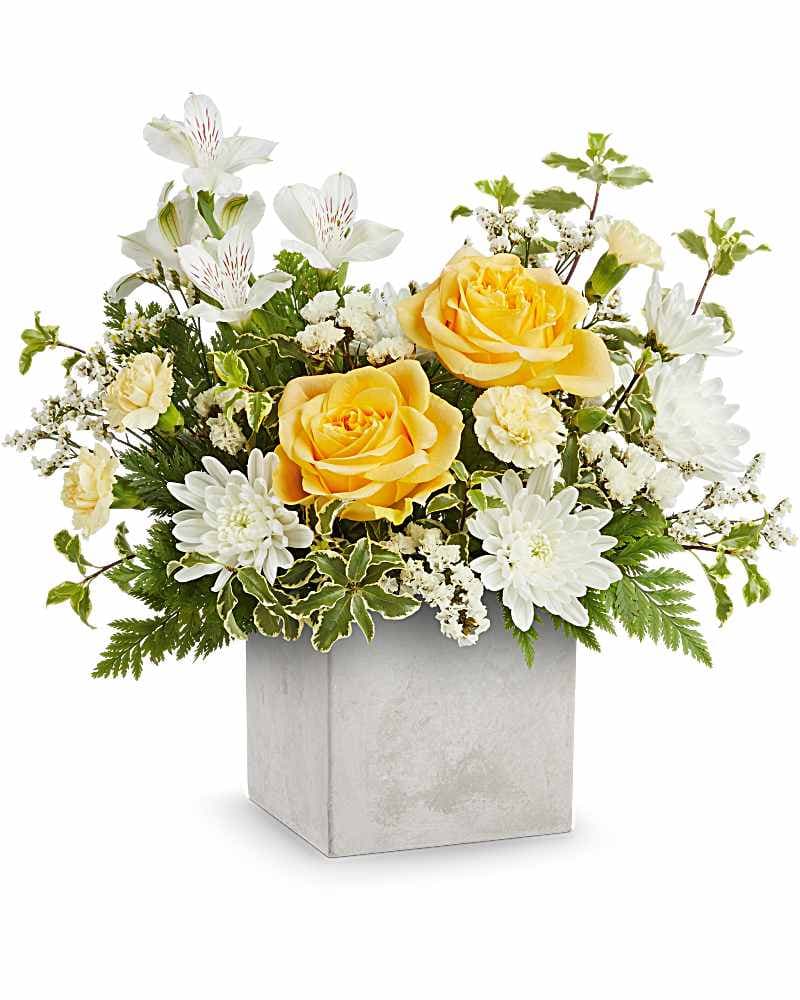
Now the convention that catches out-of-town senders more than any other: in Chapel Hill, obituaries very frequently say in lieu of flowers. This is an academic and professional community, and the line almost always directs gifts to a named fund — a scholarship, a UNC Lineberger cancer program, a department endowment, a hospice, a church. Honor it. But read it precisely, because it is a request about the *service*, not a prohibition on kindness. What remains entirely appropriate, and is often more welcome, is a modest arrangement or a living plant sent to the family's home a few days after the service, when the casseroles have stopped and the house is quiet. That second wave of attention is the one people remember. If the obituary names a fund, make the gift and send the plant; doing both is not a contradiction, and the card should mention the gift only if you would say it out loud.
Religious and cultural practice across this radius is genuinely varied, and it changes what to send. Episcopal, Methodist and Presbyterian services at the Chapel of the Cross, University United Methodist and University Presbyterian on East Franklin accept standing pieces and altar arrangements in the ordinary way. St. Thomas More on Carmichael Street runs Catholic funeral Mass protocols, and the parish office will say what the altar will hold. Binkley Baptist on Willow Drive and the Chapel Hill Bible Church on Erwin Road are comfortable with flowers at a service. The historic Black congregations rooted in Northside — First Baptist on North Roberson among them — have strong floral traditions and generally welcome them. Jewish families in the Triangle, whose congregational life centers on Judea Reform and Beth El in Durham, traditionally do not bring flowers to the funeral; the appropriate gesture is a donation, a shiva basket or a plant sent to the shiva home. Hindu families, well represented across the Triangle's academic and research community and served by the Hindu Society of North Carolina in Morrisville and the Sri Venkateswara Temple in Cary, do use flowers — garlands and loose blooms, often in specific colors — so ask the family rather than guessing. Muslim funerals proceed within about a day, and flowers are not customary; food or a donation is the usual expression.