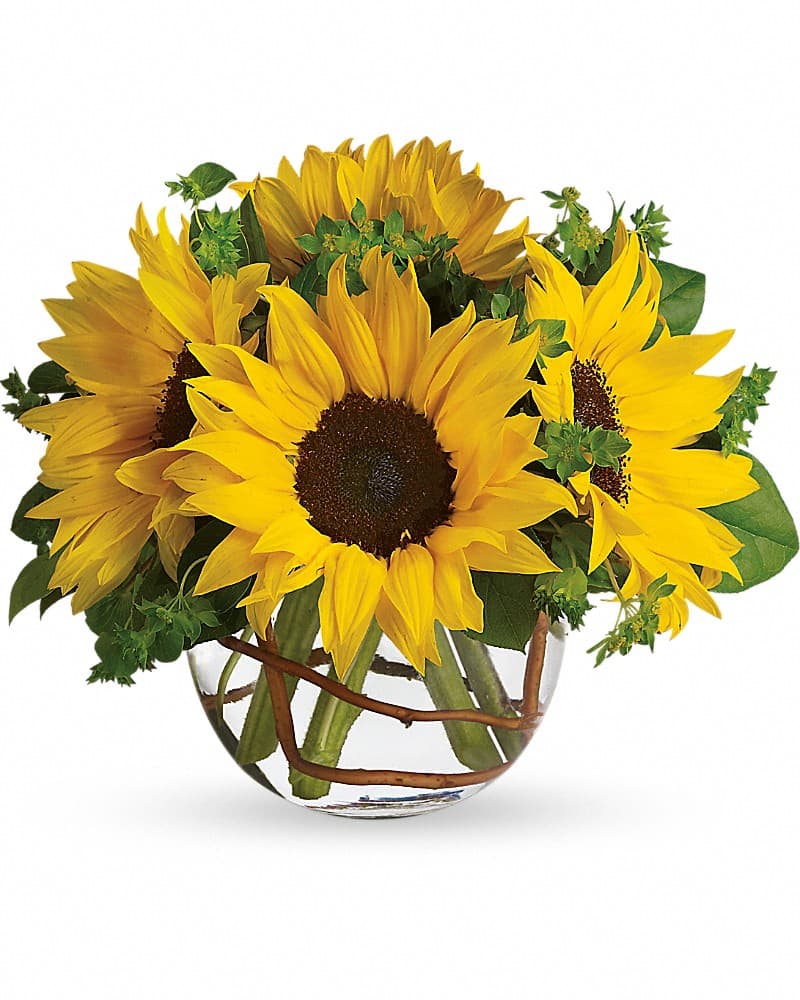
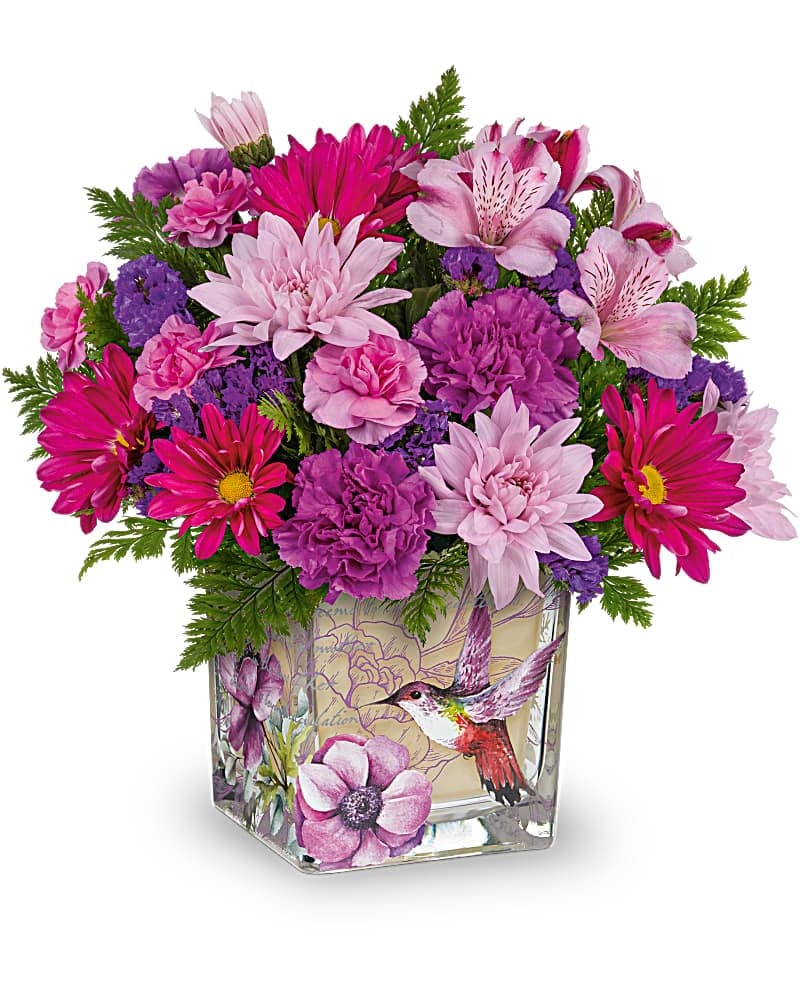
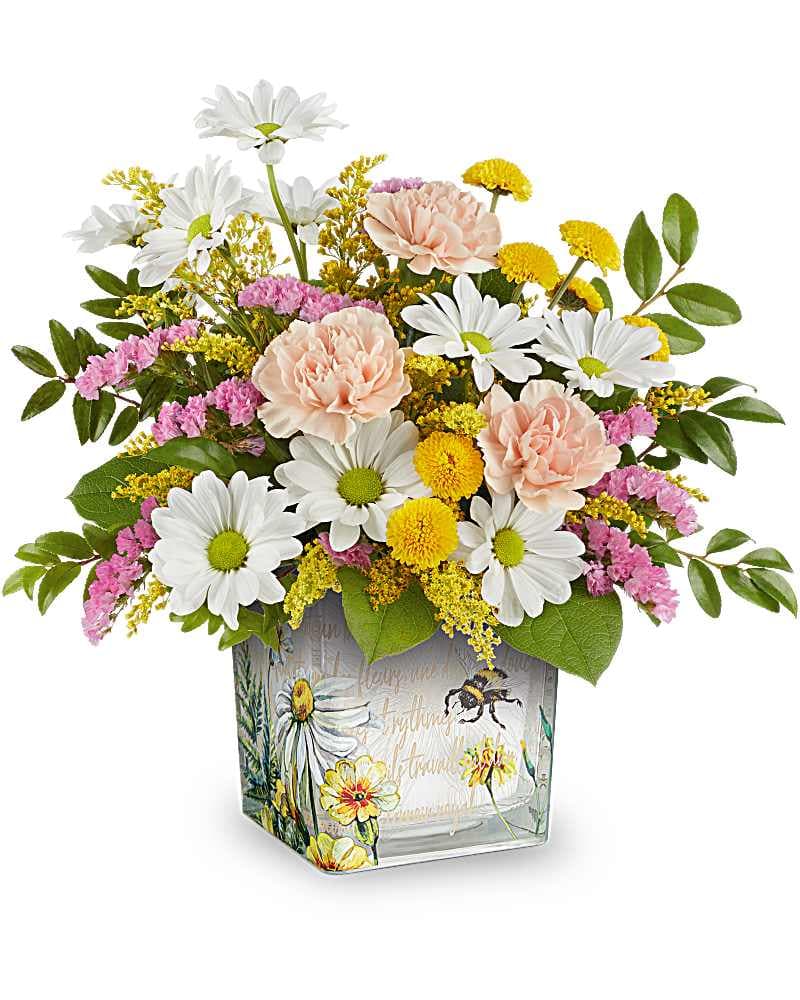
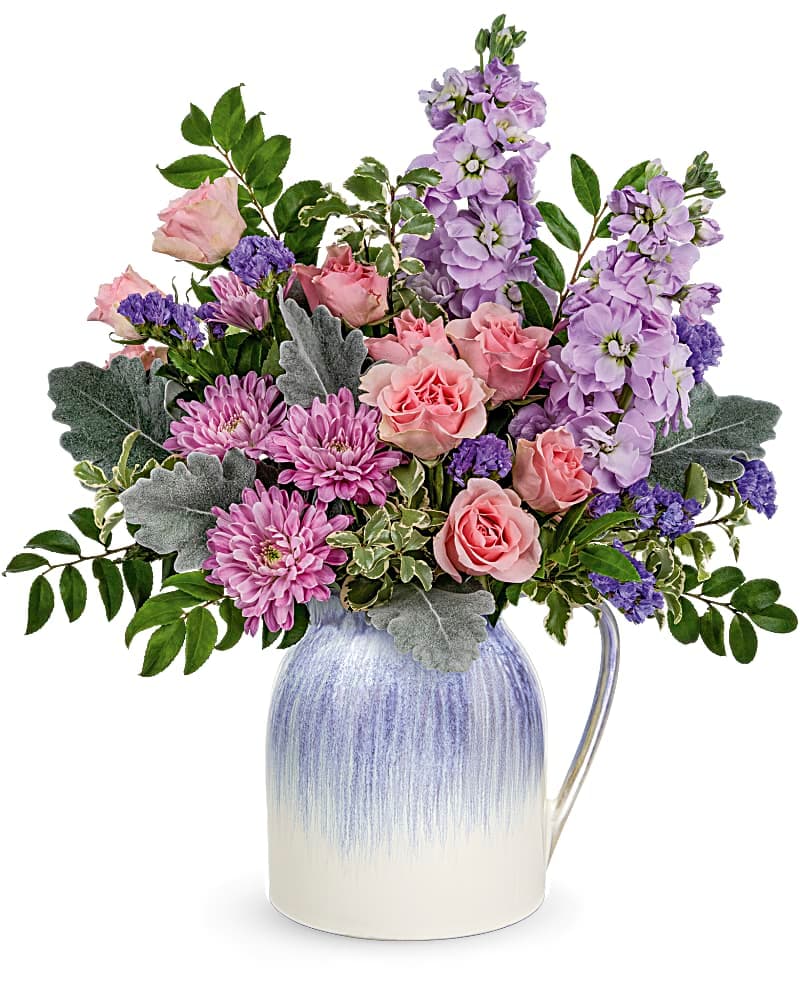
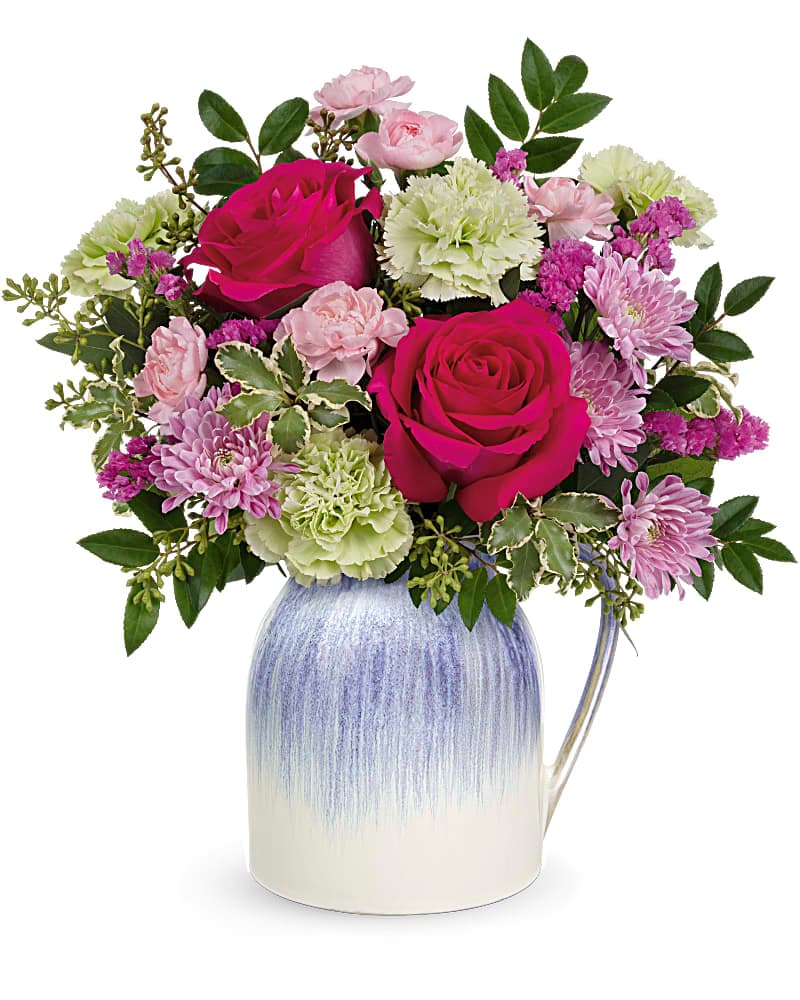
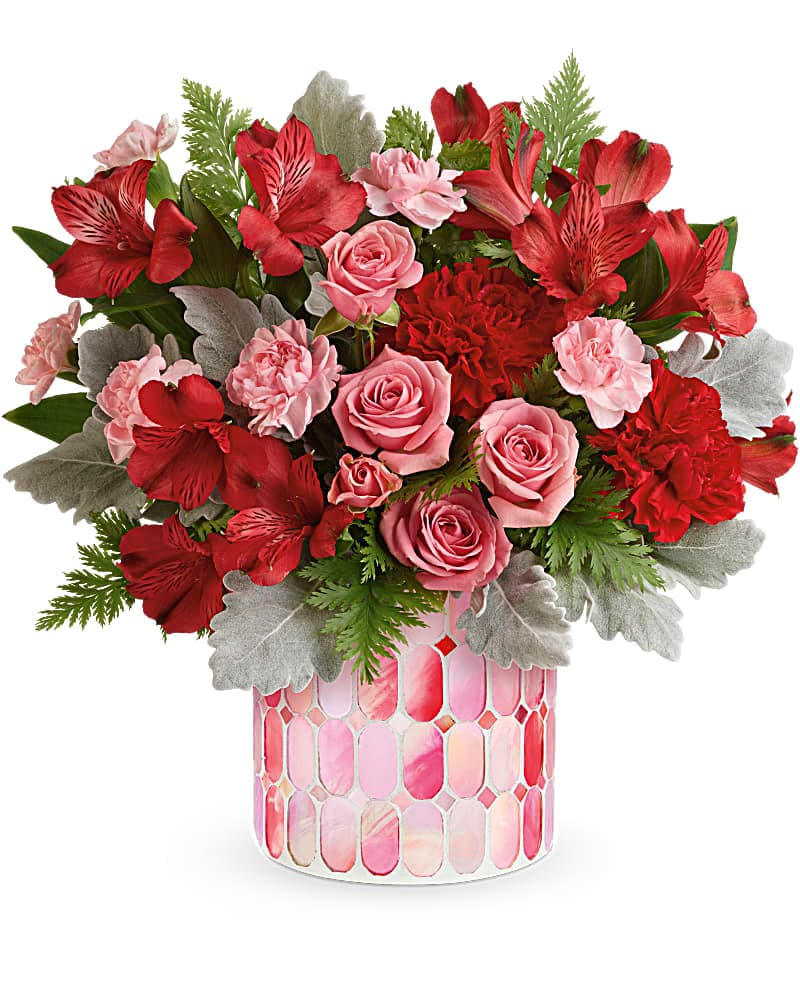
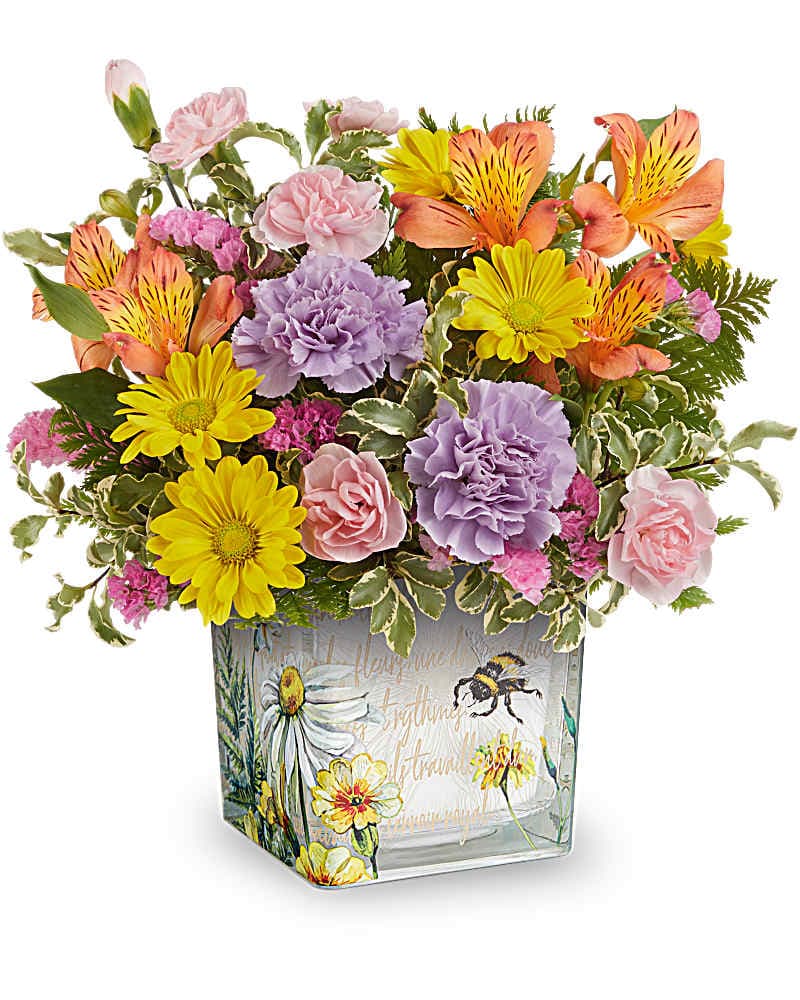
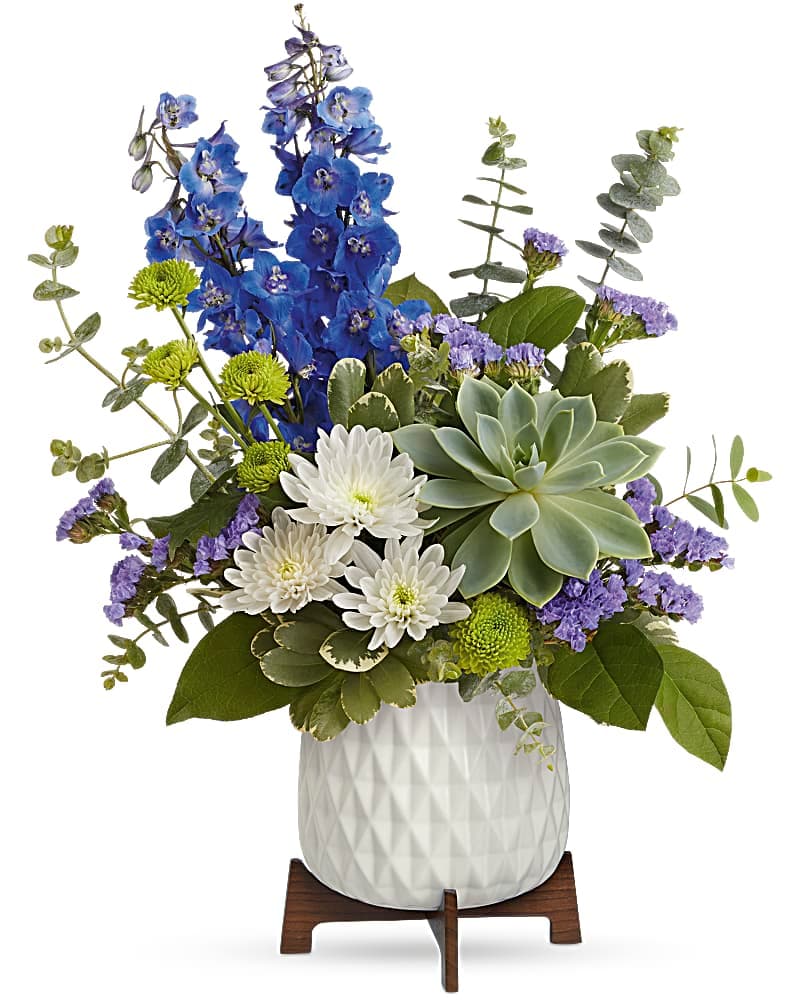
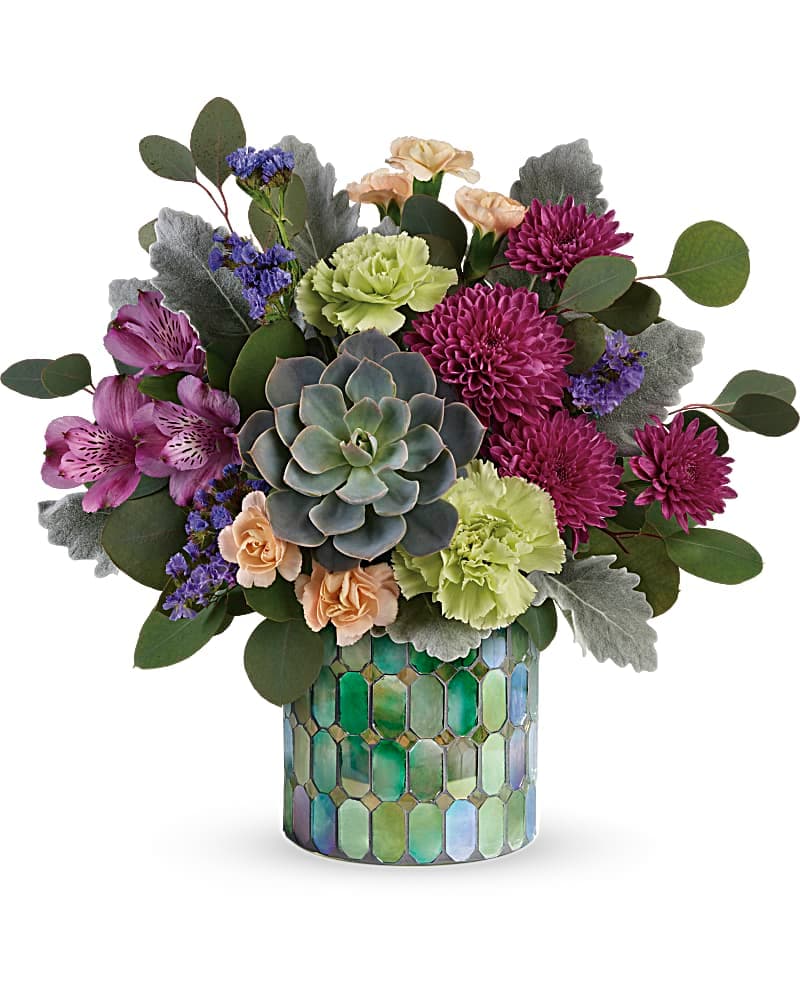
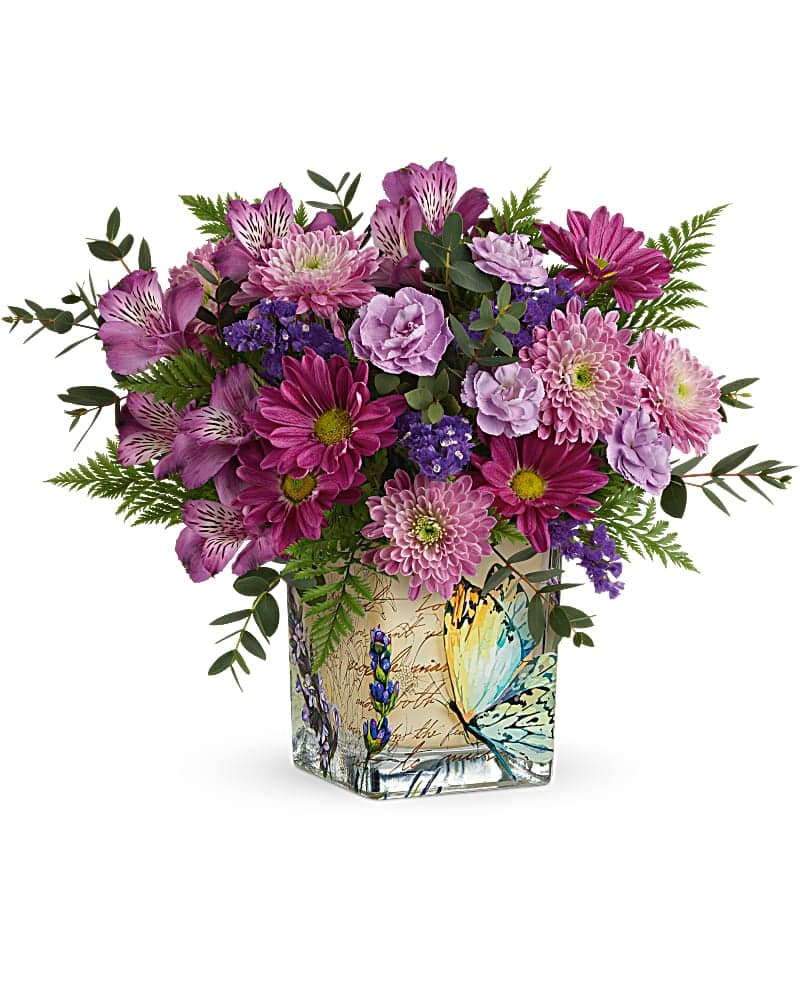
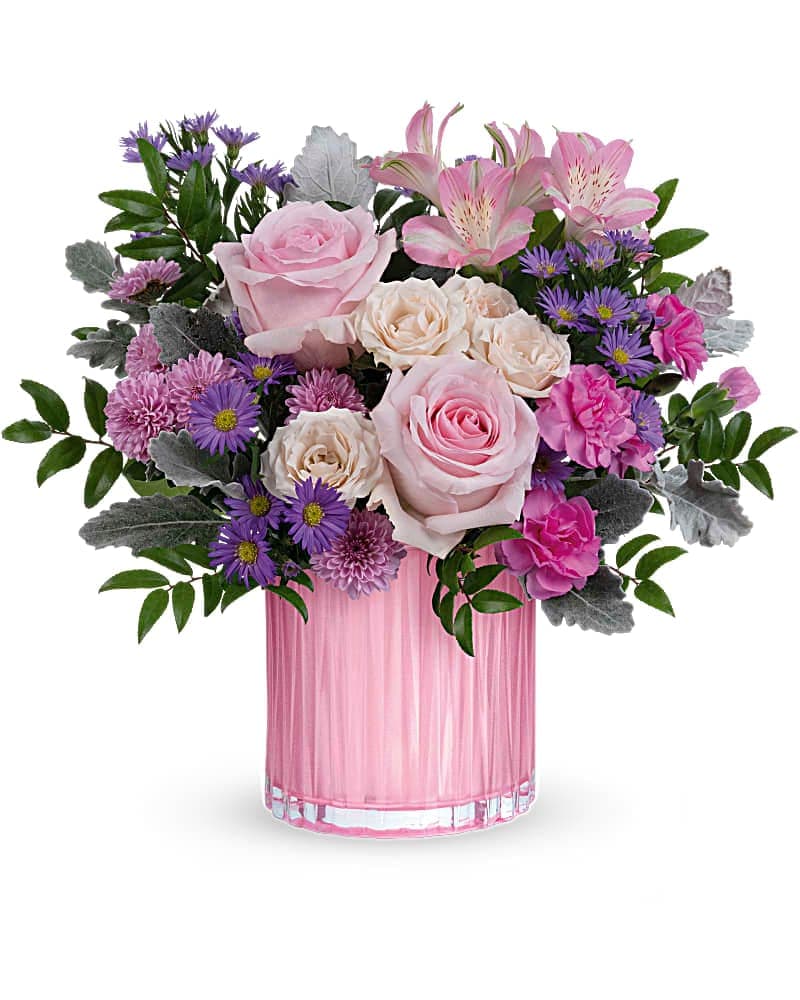
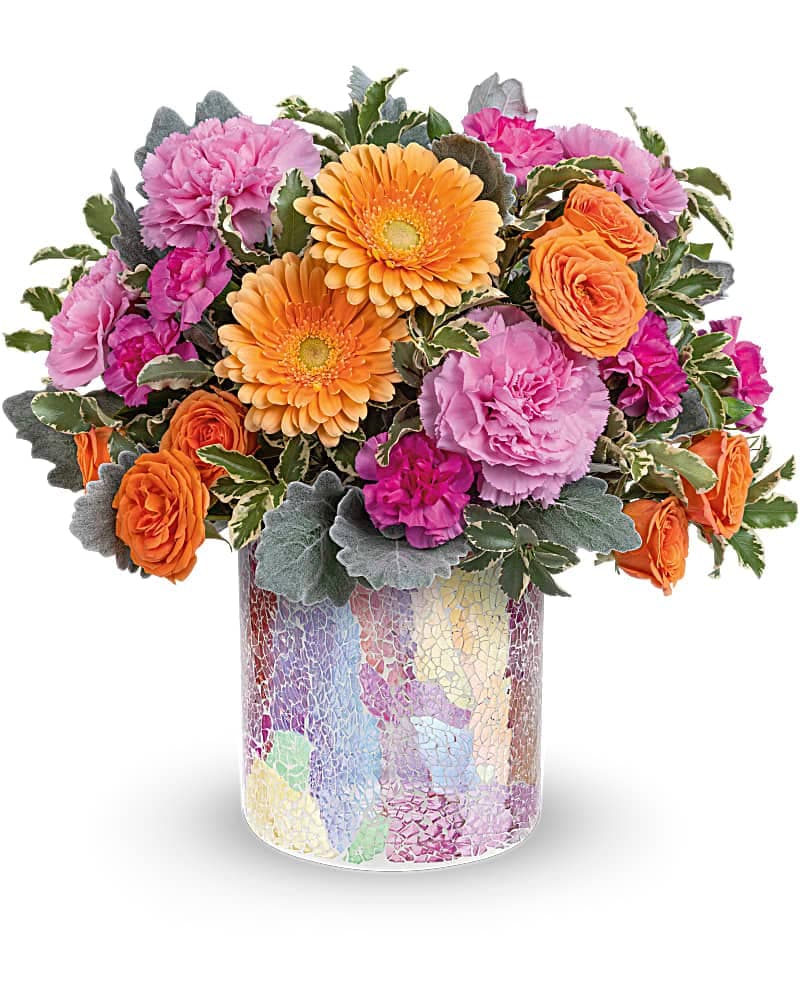
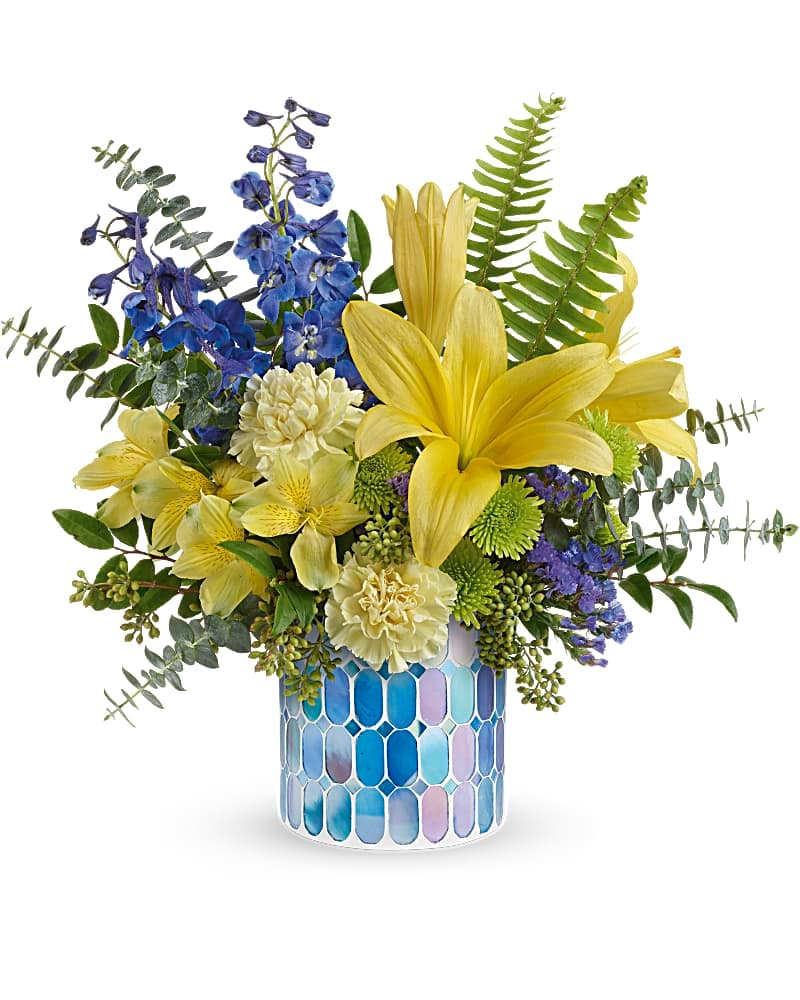
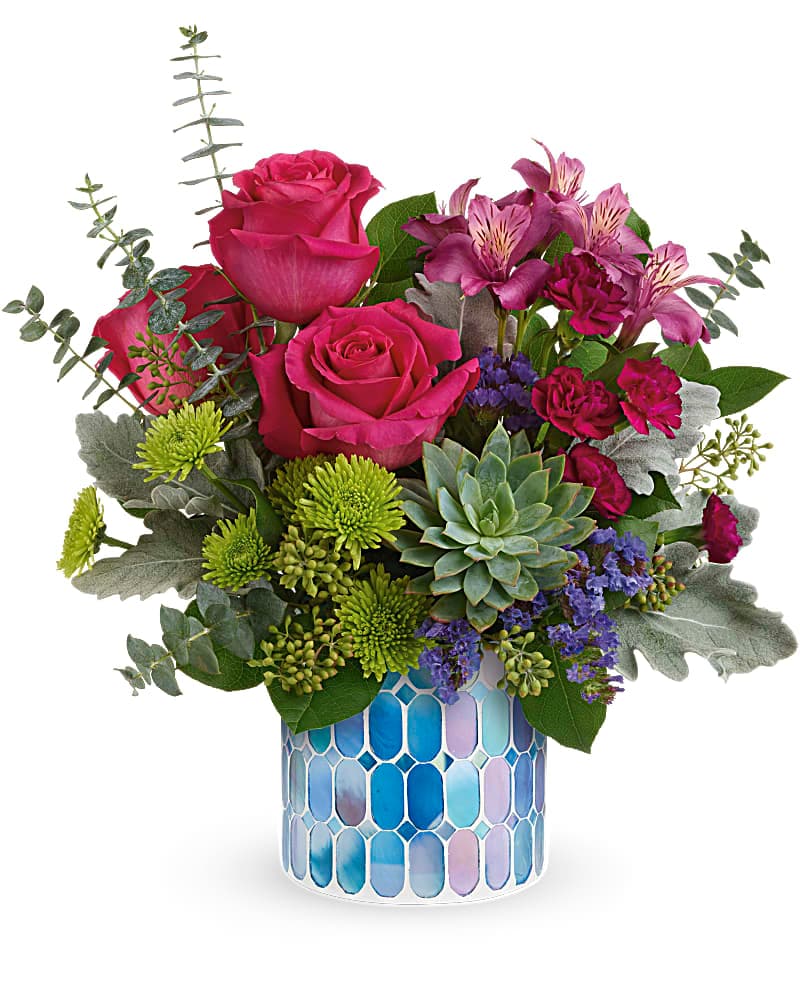
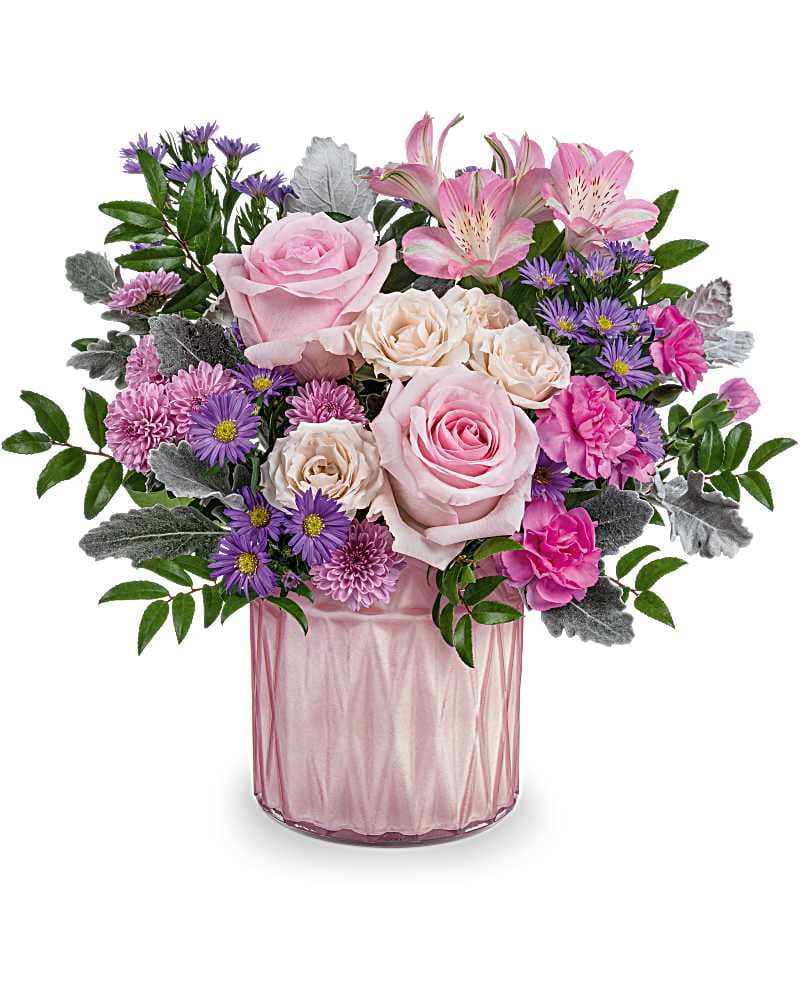
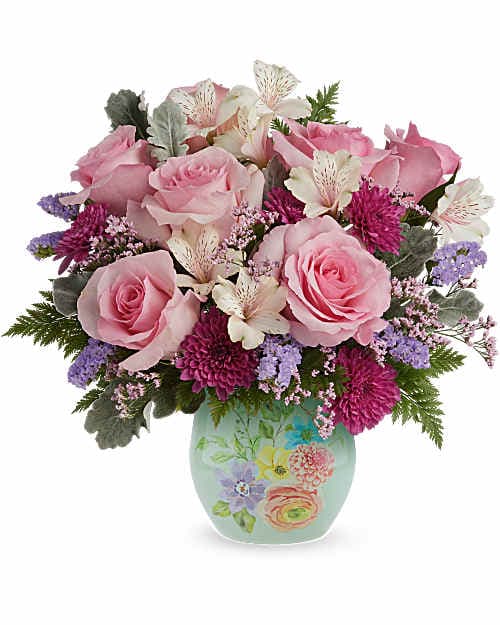
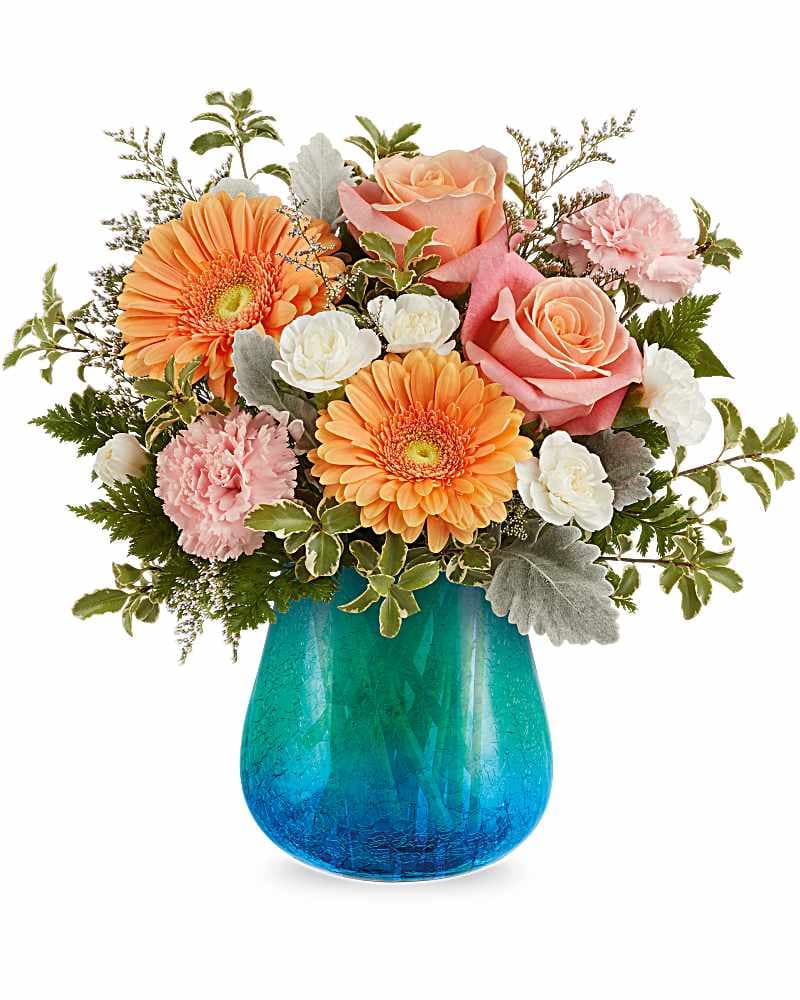
Bridgeville is small enough that a bouquet arriving for no stated reason gets noticed, and that is the argument for sending one. Under six thousand people live inside the borough line, the business district on Station Street is walkable end to end, and a good share of these houses have had the same family in them for thirty years. There is also a shared memory here that explains why neighbours in this valley keep an eye on each other: in September 2004 the remnants of Hurricane Ivan put Chartiers Creek over its banks and through the first floors and basements of the low streets, and the people who shovelled out each other's cellars that autumn are largely still on those streets. A no-occasion delivery works in a place like that in a way it does not in a subdivision where nobody knows who lives two doors down. The commonest versions on this grid are not romantic at all: the neighbour who ran a snowblower down your pavement without being asked, the person who took the dog for four days, the friend whose mother is ill and who has not been asked how she is doing in a fortnight, the colleague who covered a shift. None of those has a card aisle. All of them are better served by a bouquet on a Tuesday than by a text message.
Everyday deliveries succeed or fail on who is at home, and the honest answer in this borough is: more people than you would guess. Retired households, people working from a spare bedroom, second-shift workers asleep at eleven in the morning — a weekday drop here is far less likely to sit unattended than in a commuter subdivision. Where it does sit, the borough's older streets are forgiving: most have a covered front porch, which handles a bouquet fine for a few hours in mild weather. The exceptions are the two ends of the year. Above about 85 degrees an arrangement left in the sun for an afternoon is finished, and below freezing the water in the vase will do the same job, so in July and in January ask for a hand-over or pick a day somebody is in. It is also worth knowing which door is real. On plenty of these houses the side or back door off the driveway is the one the household actually uses and the front porch is for show, and a bouquet left where nobody walks can sit until it wilts. One line in the delivery notes — *use the side door*, *ring the bell twice*, *the neighbour at 412 will take it* — is worth more than any premium tier. Out in the township stretches of 15017 the house usually presents a garage door and nothing else, which leaves a phone call as the only dependable way in.
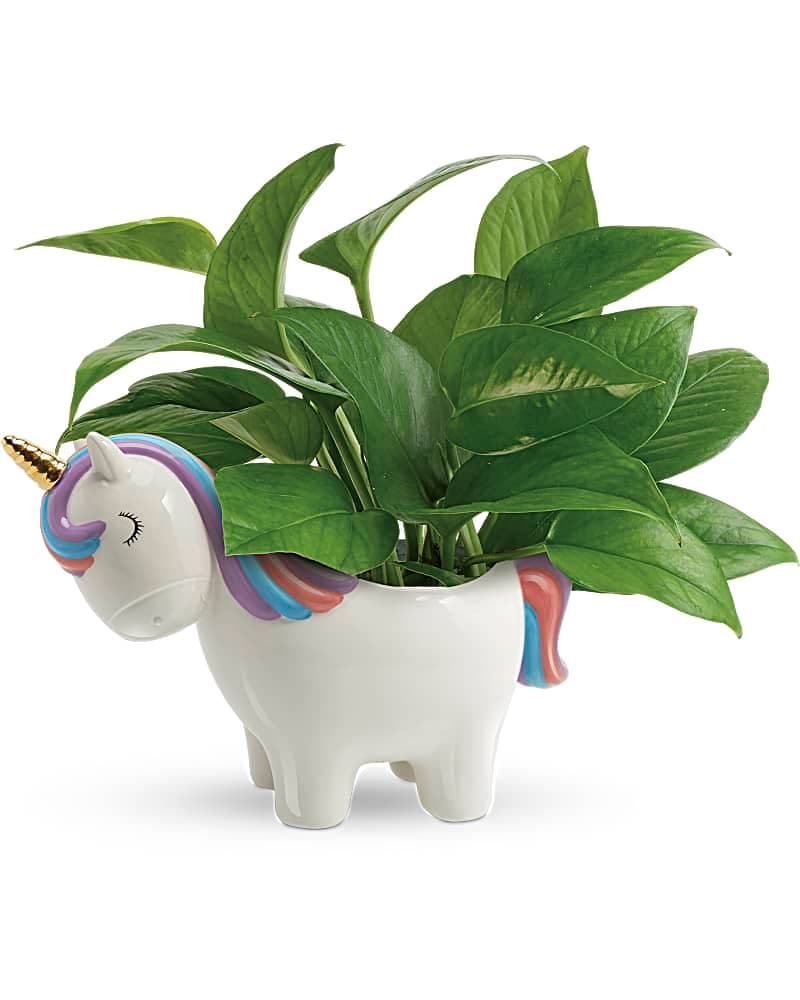
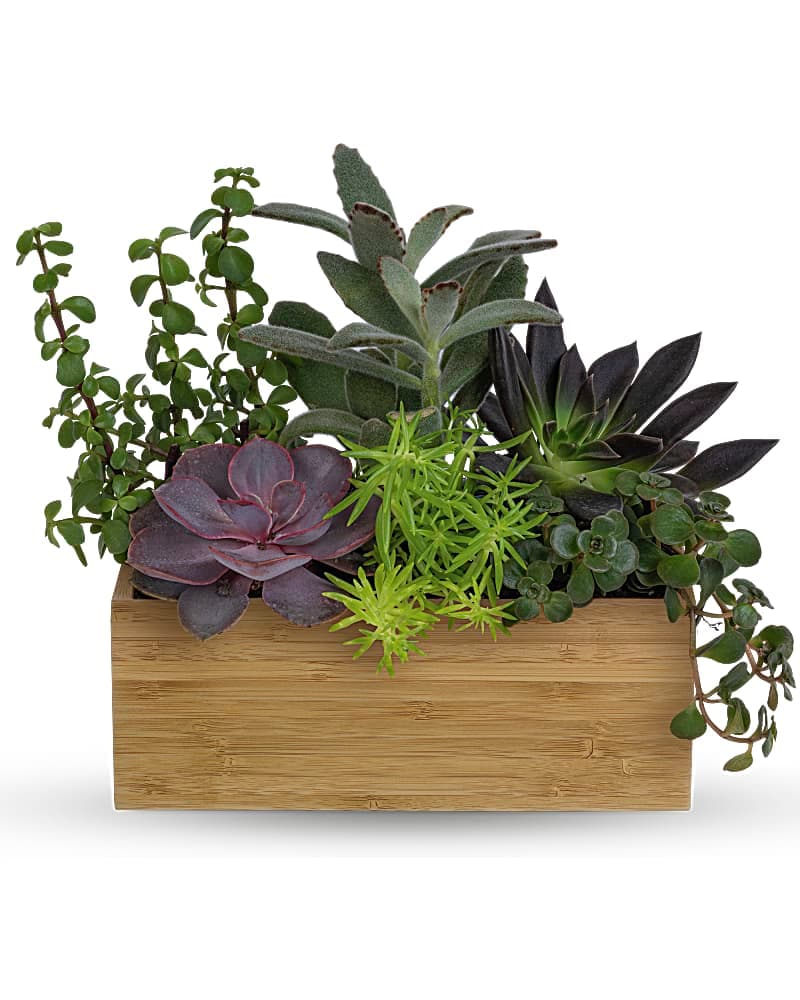
Some specific uses of this page that come up constantly around here. Thank-yous to people who are not thanked: the office staff at the Chartiers Valley schools on Thoms Run Road, the desk at the Bridgeville Public Library, a volunteer fire company, the crew at a garage on Washington Pike who got your car back on the road the same day. Send it to the building with a name on the card and it will be read by more people than you intended, which is the point. Standing orders: you can set the same address up for a delivery every month, which is the single kindest thing available on this site for someone living alone — a widow on a hill street, a parent in a residence up on Bower Hill Road, a friend going through a long treatment. Twelve small bouquets across a year outlast any one large arrangement, and the effect is cumulative in a way a single send never is. Plants over cut stems where the recipient has no interest in fussing: a pothos, a dracaena, a peace lily or a mixed dish garden costs the same inside this band and is still alive next winter, though if there is a cat in the house ask for anything other than a lily — true lilies cause kidney failure in cats and it is not worth the risk. And the card matters more here than the flowers. Nobody needs an explanation for a Tuesday bouquet; what lands is one plain sentence naming the thing you noticed. *You have had a rotten month and I noticed.* *Thanks for the driveway.* *No reason.* Handwritten, free, and the reason the whole thing works.