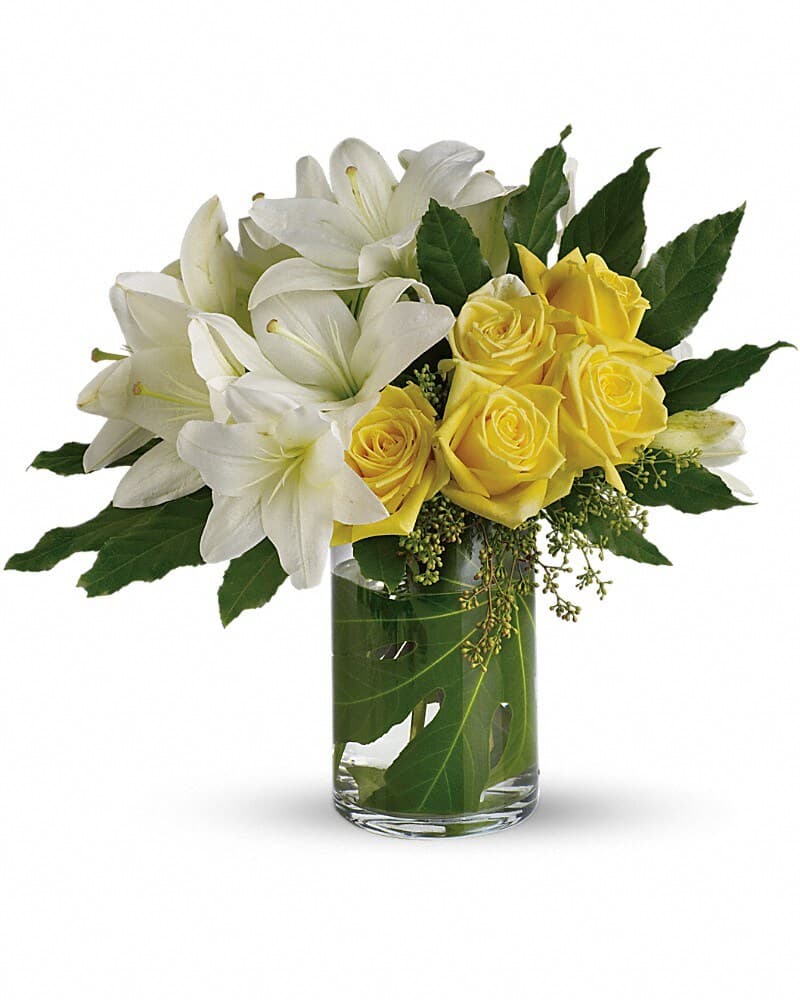
Nearly every get-well order in this city ends up on the same three miles of pavement. Essen Lane, between I-10 and Perkins Road, is Baton Rouge's medical spine: Our Lady of the Lake Regional Medical Center on Hennessy Boulevard, the freestanding Our Lady of the Lake Children's Hospital on Constantin, Mary Bird Perkins Cancer Center on Essen itself, Franciscan Missionaries of Our Lady University teaching the nurses who staff all of it, and the Baton Rouge VA outpatient clinic on Essen Park Avenue. The rest of the map hangs off that spine — Baton Rouge General at the Bluebonnet campus on Picardy and the Mid City campus on Florida Boulevard, which runs the region's burn center; Woman's Hospital on its own campus off Airline Highway, one of the highest-volume birthing hospitals in the South; Ochsner Medical Center on Medical Center Drive out in 70816; Lane Regional on Main Street up in Zachary; St. Elizabeth down in Gonzales. Knowing which of those buildings the patient is in changes the arrangement, not just the address, because the floors do not share the same rules.
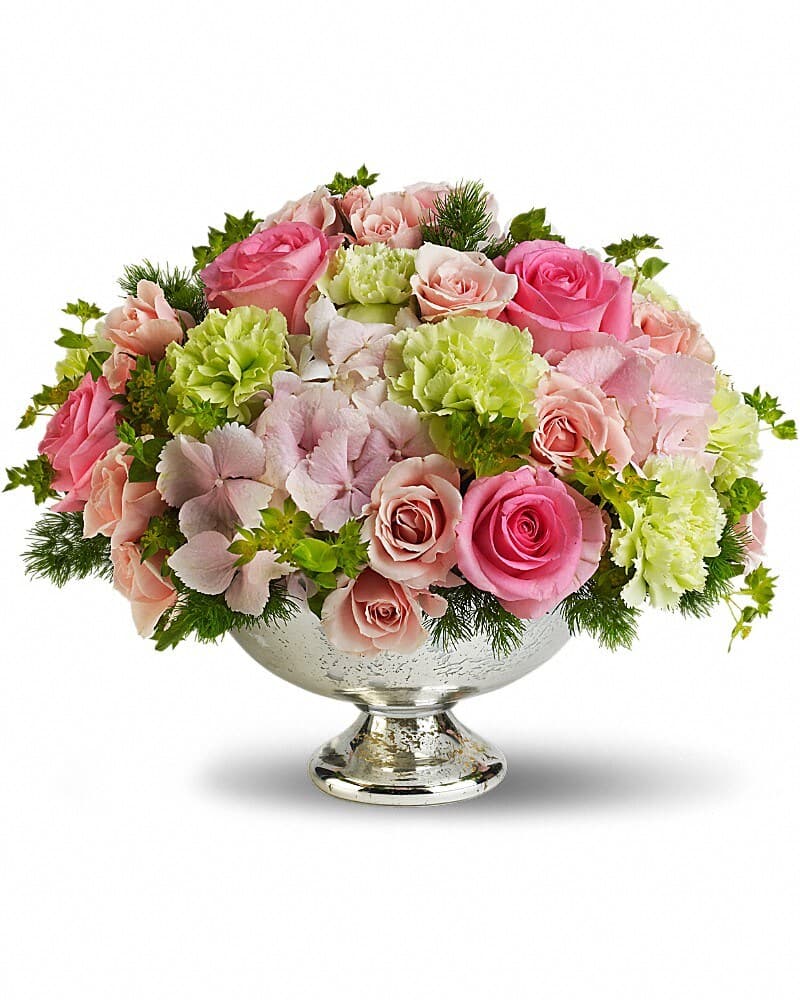
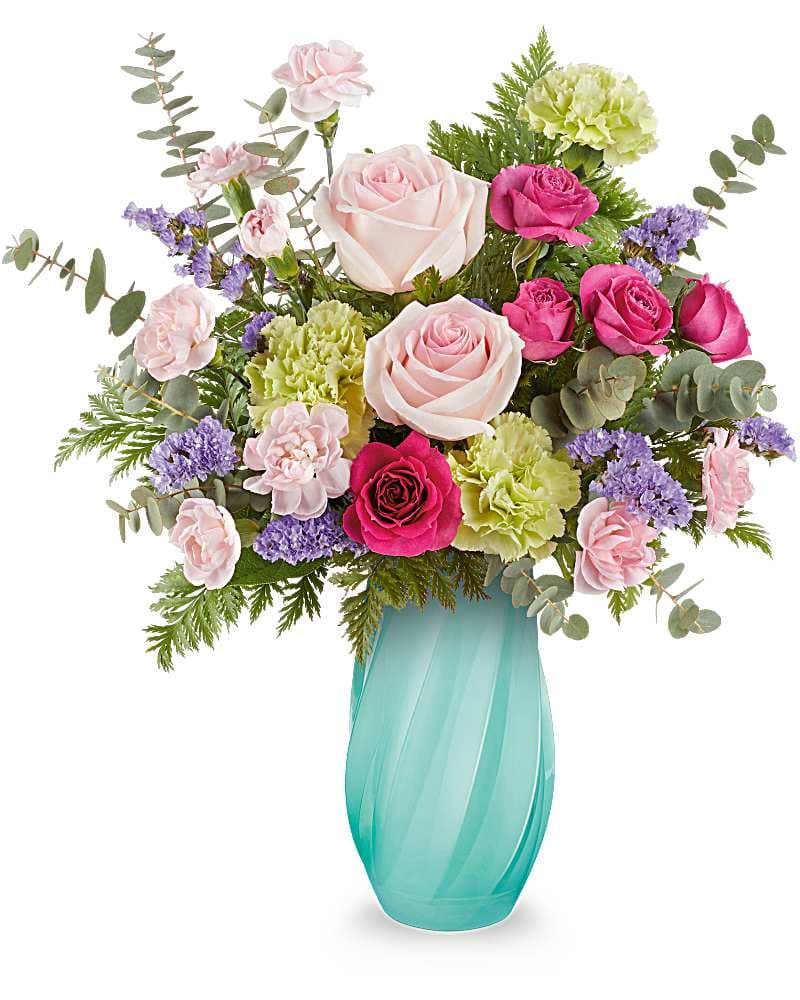
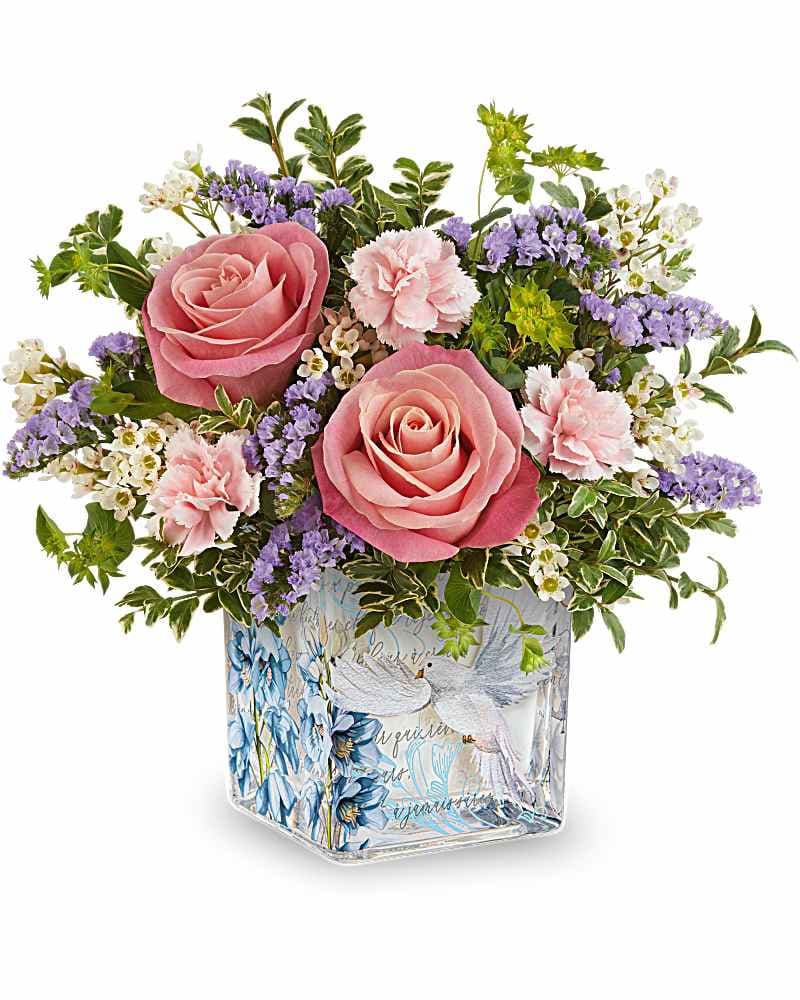
Here is what a Baton Rouge florist actually plans around. Intensive care, cardiac intensive care and neonatal units generally do not accept flowers at all — a bouquet sent to the NICU at Woman's or to an ICU bed at Our Lady of the Lake will be held at the lobby or the unit desk, and the family collects it on the way out. Oncology and transplant floors, including the infusion side of Mary Bird Perkins, restrict fresh flowers and especially potted soil plants, because the soil itself is the concern for a patient whose counts are down, not the petals. Lilies come off the list almost everywhere: the pollen stains, the scent fills a small room, and on a floor where several patients are nauseated from treatment the smell is the opposite of a kindness. Latex balloons are banned in most hospitals for allergy reasons, mylar generally permitted. What passes anywhere is a compact, low-fragrance, lily-free arrangement in a vessel a nurse can move with one hand, short enough to sit on a crowded window ledge or the narrow shelf beside a sink, and light enough to travel home in a car with a discharge bag.
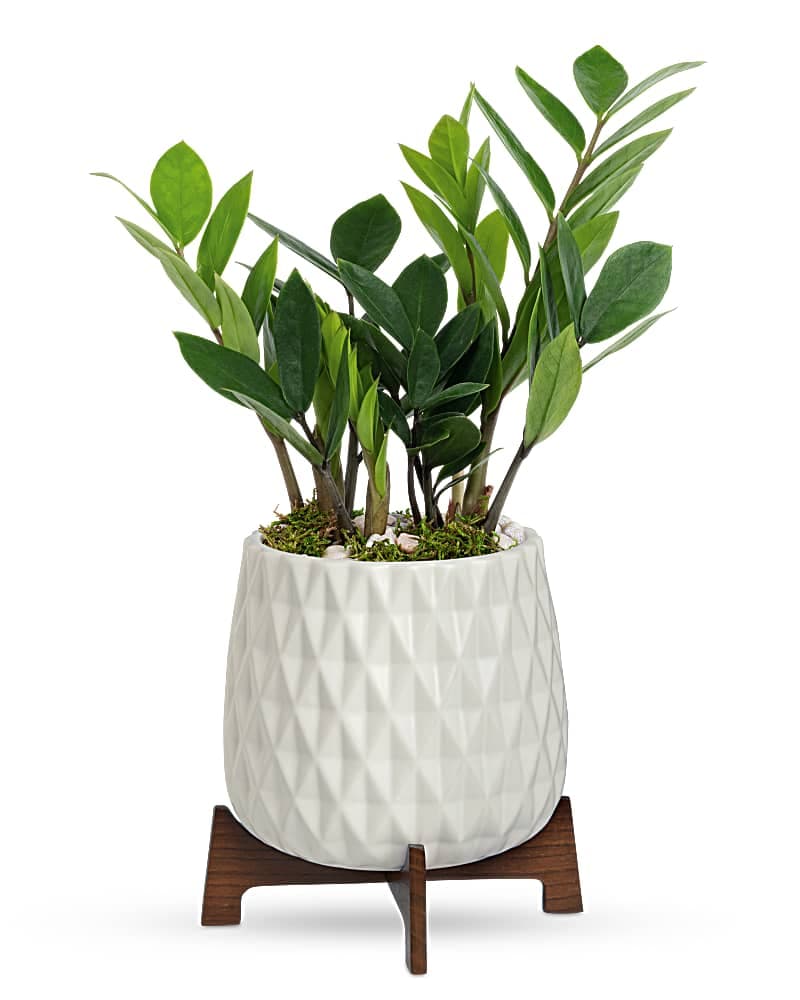
Most recovery, though, does not happen in a hospital at all, and the best get-well orders in this city reflect that. A knee replacement means six weeks in a recliner in Shenandoah. Chemotherapy at Mary Bird Perkins means a cycle: a few rough days after each infusion, then a stretch of feeling human again. A long illness means a caregiver who is more exhausted than the patient and whom nobody thinks to send anything. Three pieces of timing advice follow from that. Send after discharge rather than during admission, because the house is where the recovery actually happens and where a vase will be seen every day. For someone in treatment, send between cycles rather than immediately after one — flowers land better on a day they can enjoy them. And send twice if you can: the first week of an illness produces a flood of attention, and week six produces almost none, which is when a small delivery does the most work. If the patient cannot manage a vase, a bromeliad or a peace-lily plant needs almost nothing from them. Write the card plainly, skip the advice, and avoid promising a visit you are not sure you can make. If the recovery address is in Zachary, Central, Denham Springs, Prairieville or Gonzales, allow the extra drive time — the 60-mile live radius covers it, but a morning order gets there in better shape than one placed on the cutoff.