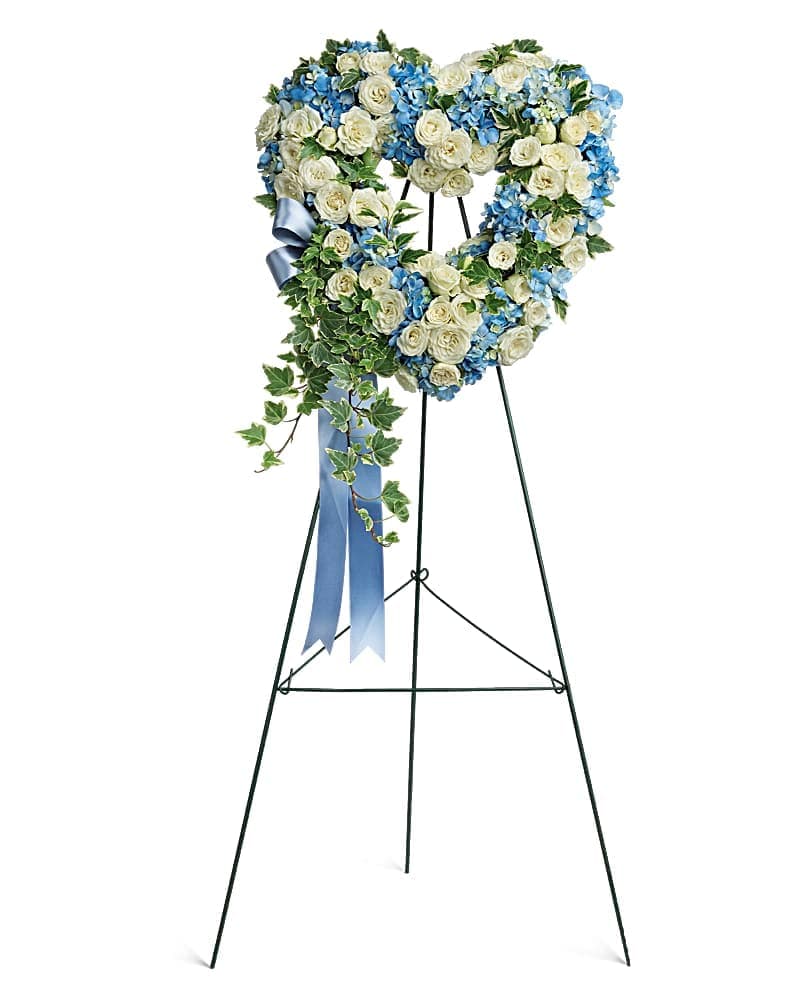
Augusta's funeral homes are spread across the city in a way that tracks its history, and each director runs on his own timetable. Platt's Funeral Home on Crawford Avenue is one of the long-established houses on the Summerville side. Thomas Poteet & Son Funeral Directors sits out on Davis Road, which is the short run from both of our benches — a matter of geography, not of any arrangement between them. Elliott Sons Funeral Home serves the Wrightsboro Road side of the city. In the historically Black neighborhoods around Laney-Walker and Bethlehem, C.A. Reid Sr. Memorial Funeral Home and May & Smith Funeral Directors carry a great deal of the city's homegoing work and have been part of those neighborhoods' civic life for generations. Across the Savannah in North Augusta, Posey Funeral Directors handles the South Carolina side, and families frequently split the difference — service in Georgia, burial in South Carolina, or the reverse. Always give us the funeral home name plus the service or visitation date and time; the studio calls the director to confirm the delivery window and where in the room the piece is meant to stand, because chapel layouts differ and a spray built for an easel needs an easel waiting.
The churches matter as much as the funeral homes here, because a large share of Augusta services are held in the sanctuary rather than the chapel. Downtown, Saint Paul's Episcopal on Reynolds Street stands on the ground of colonial Fort Augusta and runs a restrained Episcopal liturgy where flowers are placed with the altar guild's direction rather than crowded around it. First Presbyterian on Telfair Street — the church where Woodrow Wilson's father was pastor, with the boyhood home still standing a block away — and Reid Memorial Presbyterian on the Walton Way side keep to the same restraint. Church of the Most Holy Trinity on Telfair, the oldest Catholic parish in the city, and St. Mary on the Hill up on Monte Sano Avenue in Summerville follow the familiar Catholic pattern: sprays and easel pieces at the visitation, arrangements that can be carried to the church, nothing that competes with the altar during the funeral Mass. First Baptist Church of Augusta out on Walton Way Extension — the congregation where the Southern Baptist Convention was organized in 1845 — and the county's many Baptist and non-denominational congregations take fuller work. And in the Laney-Walker district, Springfield Baptist, organized in 1787 and one of the oldest independent Black congregations in the nation, and Tabernacle Baptist anchor a tradition where the visitation tribute is meant to be seen: full, generous, frequently in a color the family has named. Say the church or parish on the order; you do not need to explain further than that.
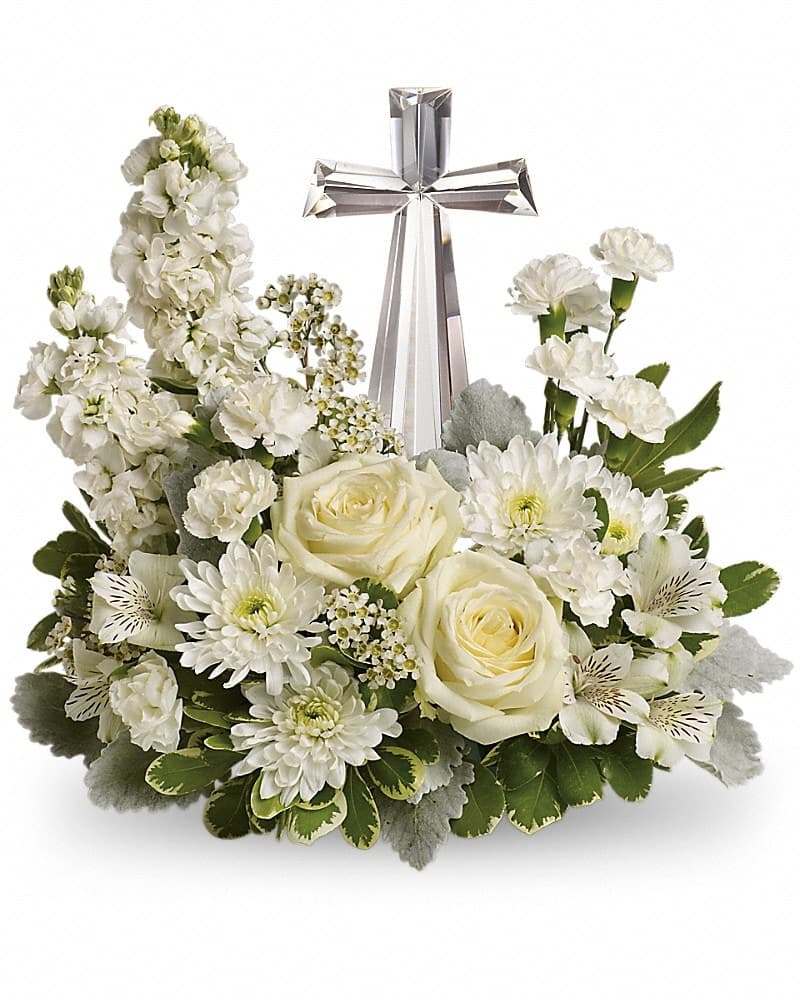
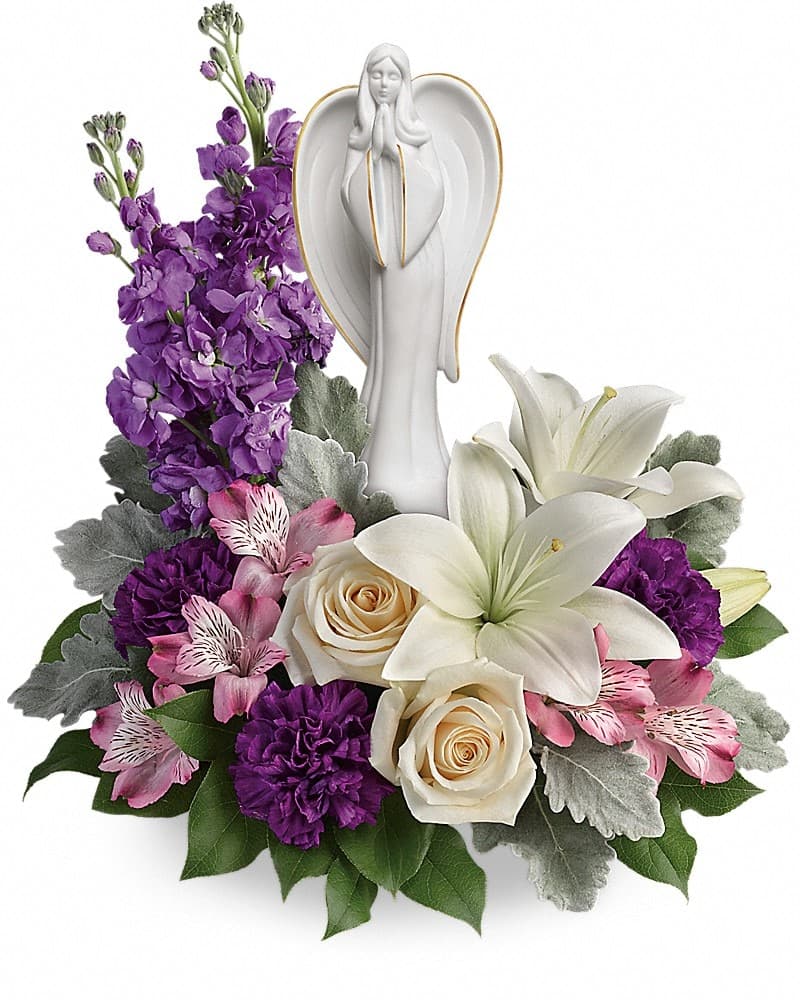
Two Augusta traditions change the order in ways worth knowing before you pick a photograph. Jewish families at Congregation Children of Israel, founded here in 1850, and at Adas Yeshurun follow the convention that flowers are not sent to the funeral — the gesture is a donation, a meal, or a plant sent to the shiva house afterward, and a green plant that outlives the food trays is the version people remember. And Augusta buries a great many veterans. Between the retiree population around Fort Eisenhower and the Charlie Norwood VA Medical Center's two divisions, military honors are a routine part of services here, which means a flag-draped casket, a family piece that reads correctly beside it, and a graveside committal that runs on a schedule set by the honor guard rather than by the family. Cremation has also become far more common across the CSRA, and it changes the piece: a memorial service held three weeks later, sometimes in a church hall or a reception room rather than a chapel, wants something table-scaled beside a photograph and an urn — not a floor-standing spray that will dominate a small room.
Graveside work runs to a different set of addresses. Magnolia Cemetery downtown, laid out in 1818, and the adjoining Cedar Grove Cemetery, the historic burial ground of Augusta's Black community, sit in the 30901 blocks and take committal deliveries timed to the service rather than left early. Summerville Cemetery up on the Hill is small and historic. Westover Memorial Park on Wheeler Road is the west side's main memorial park and is the closest cemetery run from both of our benches. Across the river, Hillcrest Memorial Park in North Augusta draws a large share of Aiken County and North Augusta families, and church graveyards out in Hephzibah, Gracewood, Grovetown, Harlem and the Burke and McDuffie county parishes are reached inside the widened radius. Graveside timing is unforgiving in both seasons here: a July committal at noon in Augusta heat means a piece built to stand in the sun for an hour, and the studios choose tougher material for that — chrysanthemum, carnation, gladiolus, dyed and treated foliage over anything that collapses at 98 degrees. For an outdoor service, tell us it is graveside and not indoor, because it genuinely changes what goes into the arrangement.