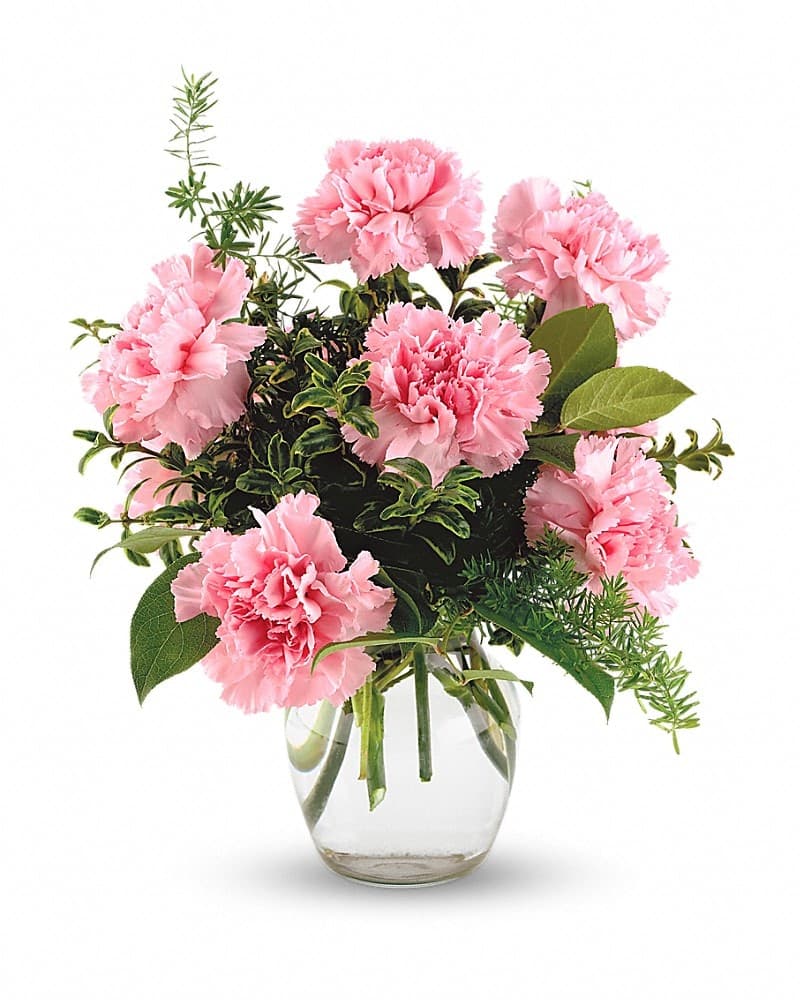
Most get-well flowers sent into Arlington never reach a hospital. They go to a house — to someone home from an outpatient procedure at one of the surgery centers along Matlock or Green Oaks, to a knee that will be on a recliner for six weeks, to a bad flu, a broken wrist, a long recovery in a bedroom in Woodland West or off Sublett Road. That matters because home recovery and hospital recovery want different arrangements. A house can take a full vase and a bit of fragrance and someone to carry it; a hospital room can take neither. Start by asking where the person actually is, because the answer changes the order more than any style preference will. If it is a house, the practical considerations are the Texas ones: nobody wants to lift a heavy vase with a fresh incision, a tall arrangement tips over when a walker goes past, and a west-facing porch from May into September will cook a delivery within the hour. A low, compact design in a vessel that does not need moving, delivered mid-morning to a shaded door, is close to always right. If it is a hospital, everything below applies instead.
Arlington's hospital map is short and the 18-mile search covers all of it plus a good deal of Tarrant County. Texas Health Arlington Memorial Hospital at 800 West Randol Mill Road in 76012 is the city's oldest and most-delivered address, and one of our partners — Arlington Flower Exchange, at 1730 West Randol Mill Road — works from the same stretch of the same road, roughly two miles from the 76011 centroid. Medical City Arlington on Matlock Road in 76015 anchors the south side, and the rehabilitation hospital on West Arbrook Boulevard handles the longer stays where flowers matter most because the room becomes home for weeks. Outside the city line the radius reaches JPS Health Network in Fort Worth, Tarrant County's public hospital and Level I trauma center, plus Cook Children's Medical Center and the Fort Worth hospital cluster around it, Methodist Mansfield Medical Center on East Broad Street, and Texas Health Harris Methodist HEB in Bedford on the north side. Each of those has its own delivery desk and its own rules, and the rules are not consistent between them — which is why the shop asks what unit the patient is on before it builds anything.
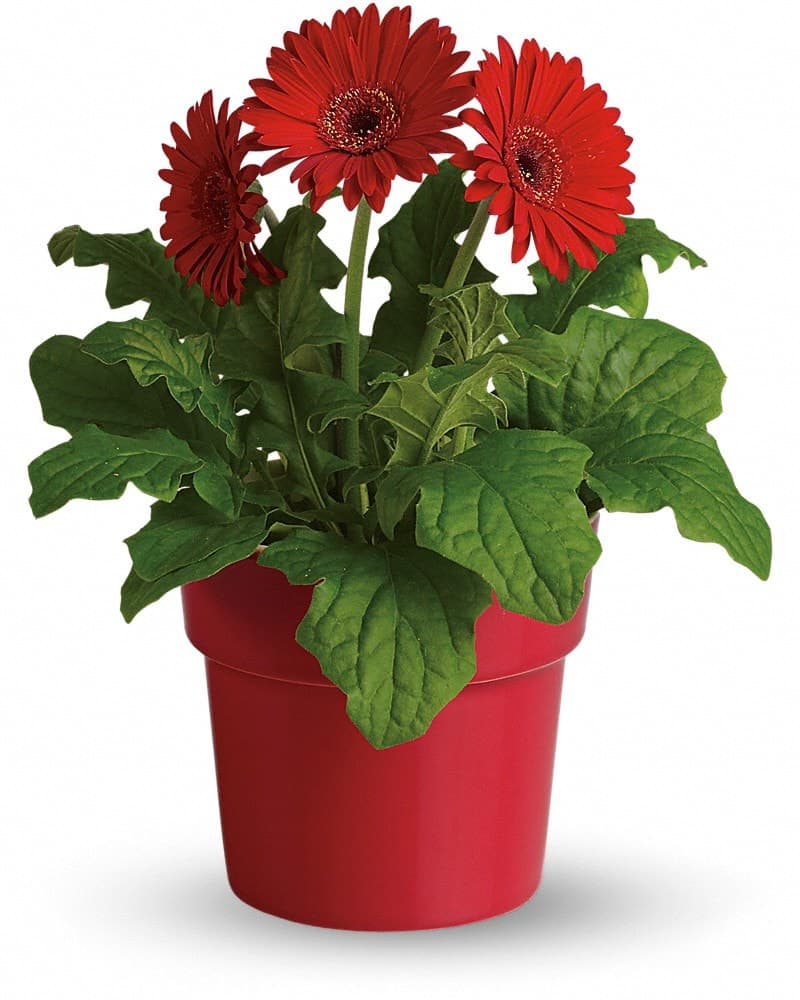
The floor rules are worth stating plainly, because an arrangement that gets turned away at a nurses' station is worse than no arrangement. No lilies, on any floor, anywhere: the pollen is heavy enough to trigger respiratory patients, it stains everything it touches, and in some units it is banned outright. Low or no fragrance in oncology, in the intensive care units, and on any post-surgical floor, where nausea is routine and a strongly scented bouquet in a small room is genuinely unkind. No soil-potted plants in oncology, transplant and other immunocompromised units, because potting soil carries fungal spores that those units will not allow near a patient — a cut-flower arrangement passes where a potted plant does not. Compact only: a hospital over-bed table is small and shared with a water jug, a phone and a meal tray, so a design under about ten inches in a low vessel is the only thing that fits. No latex balloons anywhere near a hospital, because of latex allergy; mylar is usually permitted. And some units — many ICUs, most transplant floors, occasionally a whole oncology ward — accept no flowers at all. When that is the case, the right move is to send the arrangement to the family's home or to the waiting relative rather than to the patient, and the front desk will tell you which situation you are in if you call.