Three miles from Ardmore, on Belmont Avenue in Bala Cynwyd, West Laurel Hill Cemetery has been burying Philadelphia and Main Line families since 1869, and it remains the single most common graveside address on this grid. It matters for a practical reason as well as a historical one: a cemetery of that size and age runs on a schedule, a section-and-lot system and a groundskeeping office, which means a graveside piece has to arrive before the committal rather than during it and has to be built on a stand or in a weighted vessel that will not blow over on an open hillside. The same is true across the ring — Laurel Hill on Ridge Avenue in Philadelphia, Arlington Cemetery in Drexel Hill, SS. Peter and Paul in Springfield on the Delaware County side, Haym Salomon Memorial Park out in Frazer for Jewish burials, and the parish and church burial grounds scattered through Lower Merion and Haverford Township, including the old churchyard at the Church of the Redeemer in Bryn Mawr. Before anything else, read the obituary twice. Chapels change ownership and names more often than families expect, viewings and services are sometimes at different addresses on different days, and a piece sent to the wrong building on the right morning is the one mistake in this category that cannot be undone.
Funeral-home geography on this grid runs south and east rather than along the Main Line itself. The Delaware County side holds the chapels most Ardmore and Havertown families use: D'Anjolell Memorial Home on West Chester Pike in Broomall, Stretch Funeral Home on Eagle Road in Havertown, and Donohue Funeral Home with its Newtown Square and Upper Darby locations. For Jewish funerals, families in Lower Merion generally work with Philadelphia chapels rather than suburban ones — Goldsteins' Rosenberg's Raphael-Sacks and Joseph Levine & Sons are the two names that come up most, and both work from Philadelphia-area addresses rather than Main Line ones. On the parish side, the Catholic churches that carry most of the Mass volume here are St. Colman in Ardmore, St. Margaret in Narberth, Our Mother of Good Counsel in Bryn Mawr and St. Denis in Havertown, and the Episcopal ones are St. Mary's on Montgomery Avenue in Ardmore and the Church of the Redeemer in Bryn Mawr. What a studio actually needs from you is short: the chapel or church name, its street address as printed in the obituary, the date and the hour of the service, and the family surname as it should appear on the ribbon or card. If there is a viewing the evening before, say so — that is usually when the piece should be in place, not the following morning.
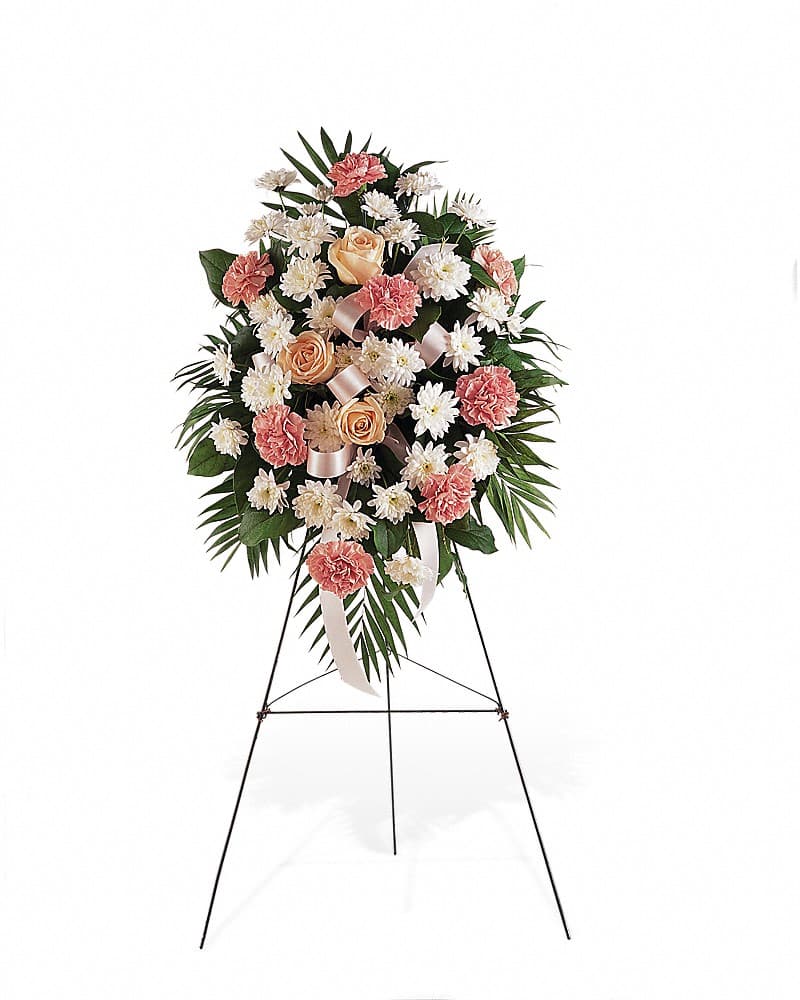
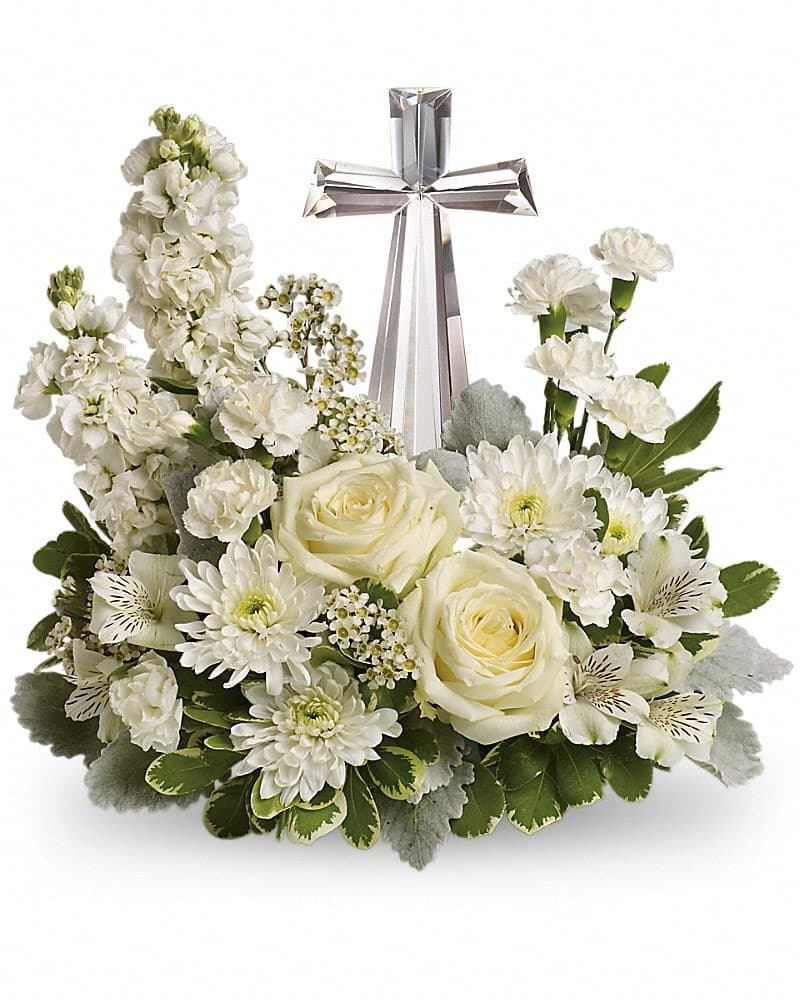
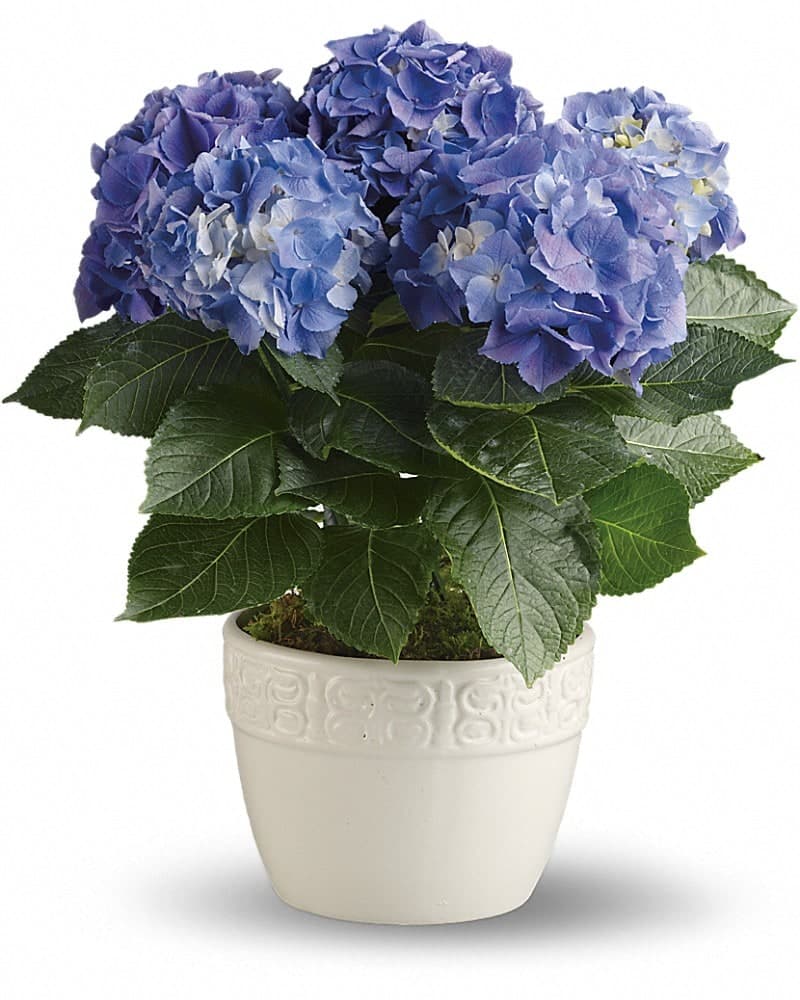
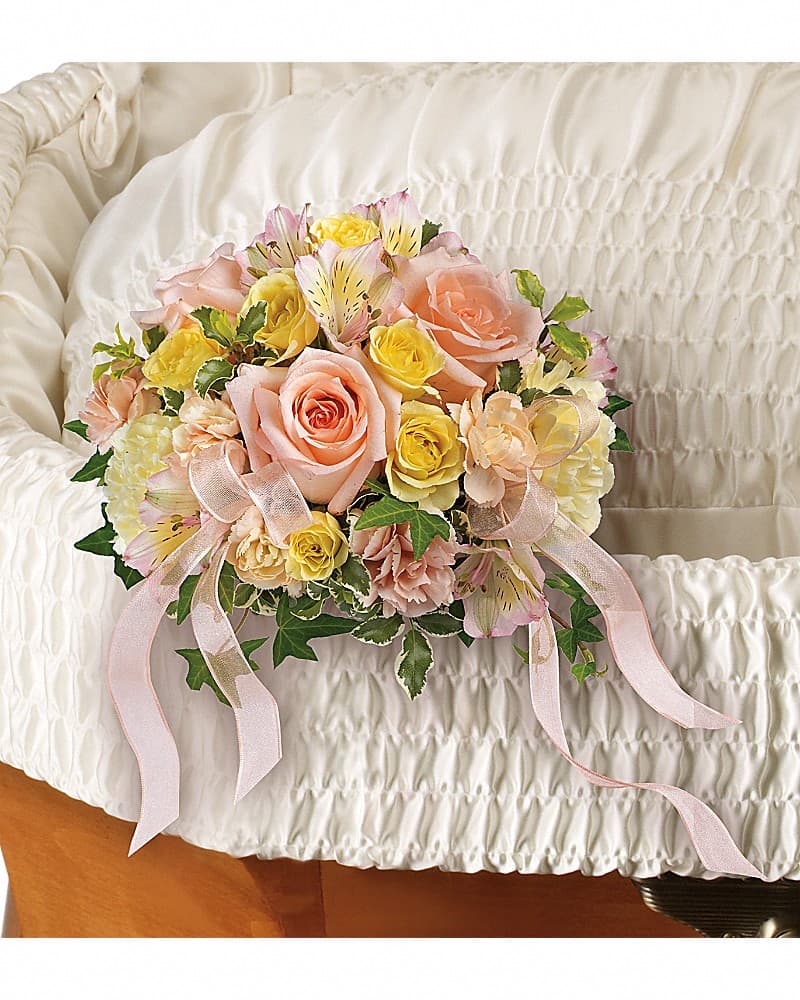
Tradition changes what you should send, and the Main Line holds several side by side. Catholic services here take the widest range: standing easel pieces and cross or wreath forms at the chapel and church, a spray for the casket arranged by the immediate family, and hand-tied or vase arrangements sent to the home afterward. Episcopal services at the Ardmore and Bryn Mawr churches tend toward restrained altar-appropriate work in white and green, and many parishes prefer arrangements that can stay for Sunday rather than elaborate freestanding pieces. For Reform, Conservative and Orthodox Jewish families — and Lower Merion has one of the largest Jewish communities in the Philadelphia region, anchored by Har Zion Temple in Penn Valley, Main Line Reform Temple in Wynnewood, Adath Israel in Merion Station, Beth Am Israel in Penn Valley, Temple Beth Hillel-Beth El in Wynnewood and Lower Merion Synagogue in Bala Cynwyd — flowers at the funeral are generally not the convention, and a charitable donation is. The right gesture is a plant or a fruit-and-flower arrangement sent to the shiva home during the week of mourning, addressed to the household rather than to the chapel. Black church funerals, including in the South Ardmore community that has been here since the late nineteenth century and across the city line in West Philadelphia, tend toward larger, more expressive standing pieces and later service times, and the family often wants the flowers to travel from the church to the cemetery. If you are not sure which of these applies, ask the funeral director rather than guessing; they answer this question several times a day and will tell you plainly.