Two hospitals sit within three miles of the Ardmore centroid, which is an unusual density for a township suburb of this size and the reason get-well is one of the highest-volume orders on this grid. Lankenau Medical Center is at 100 East Lancaster Avenue in Wynnewood, close enough to the city line that it draws patients from both Lower Merion and West Philadelphia; Bryn Mawr Hospital is on South Bryn Mawr Avenue about the same distance the other way, wrapped into the residential blocks around Bryn Mawr College. Both belong to Main Line Health, and so do three more inside the radius: Riddle Hospital in Media, Paoli Hospital out Lancaster Avenue to the west, and Bryn Mawr Rehab Hospital in Malvern, which handles the long stroke, brain-injury and orthopaedic recoveries where a get-well gift matters most and where the vessel rules are strictest. Mercy Fitzgerald in Darby covers the southeast corner. Then the academic centers, all ten miles or less down the Schuylkill Expressway or City Avenue: the Hospital of the University of Pennsylvania and Penn Presbyterian in University City, Children's Hospital of Philadelphia on Civic Center Boulevard plus its King of Prussia campus, the Jefferson hospitals in Center City, Wills Eye, Shriners Children's Philadelphia, and Temple to the north. Penn Medicine's Radnor outpatient campus is six miles west. A get-well order from a 19003 address can reach any of them the same afternoon.
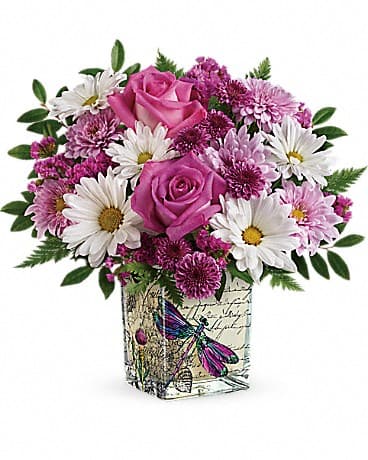
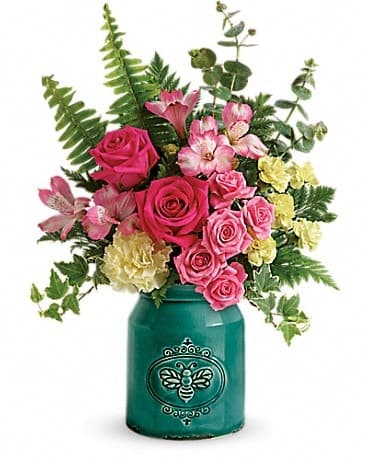
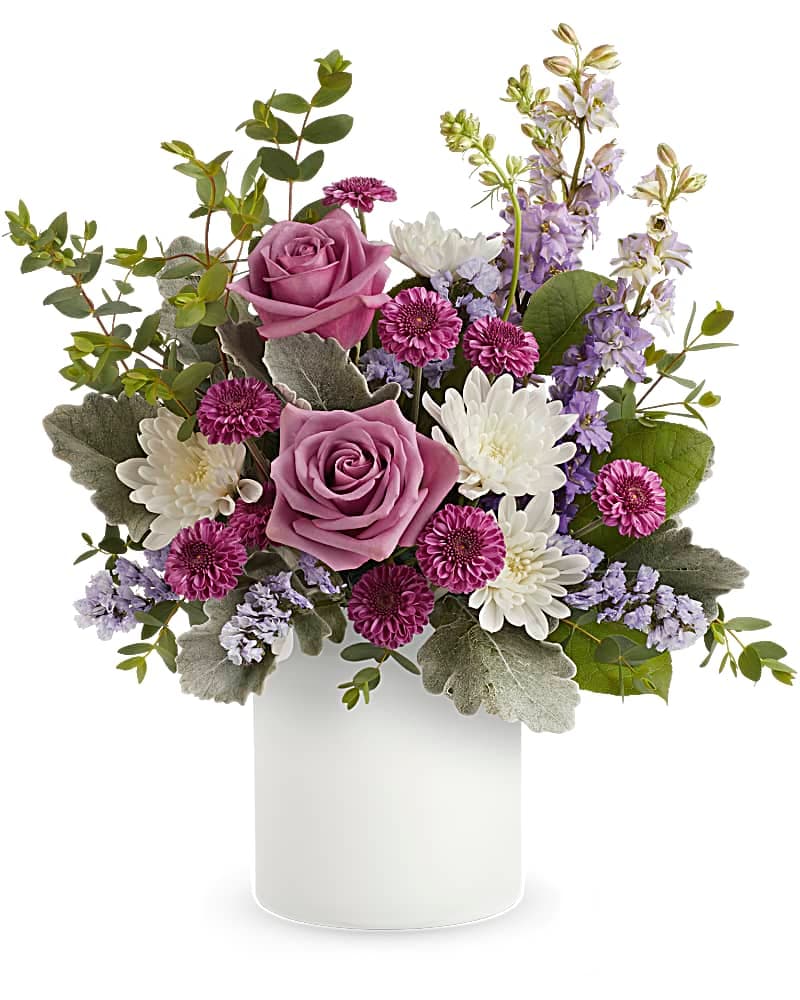
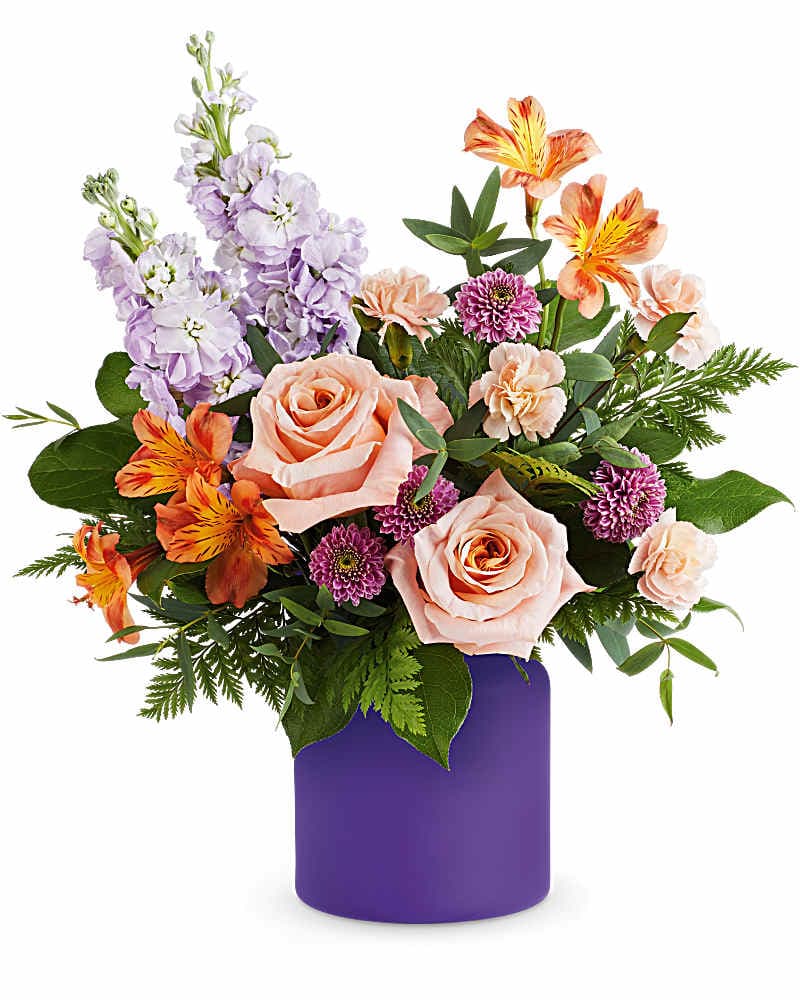
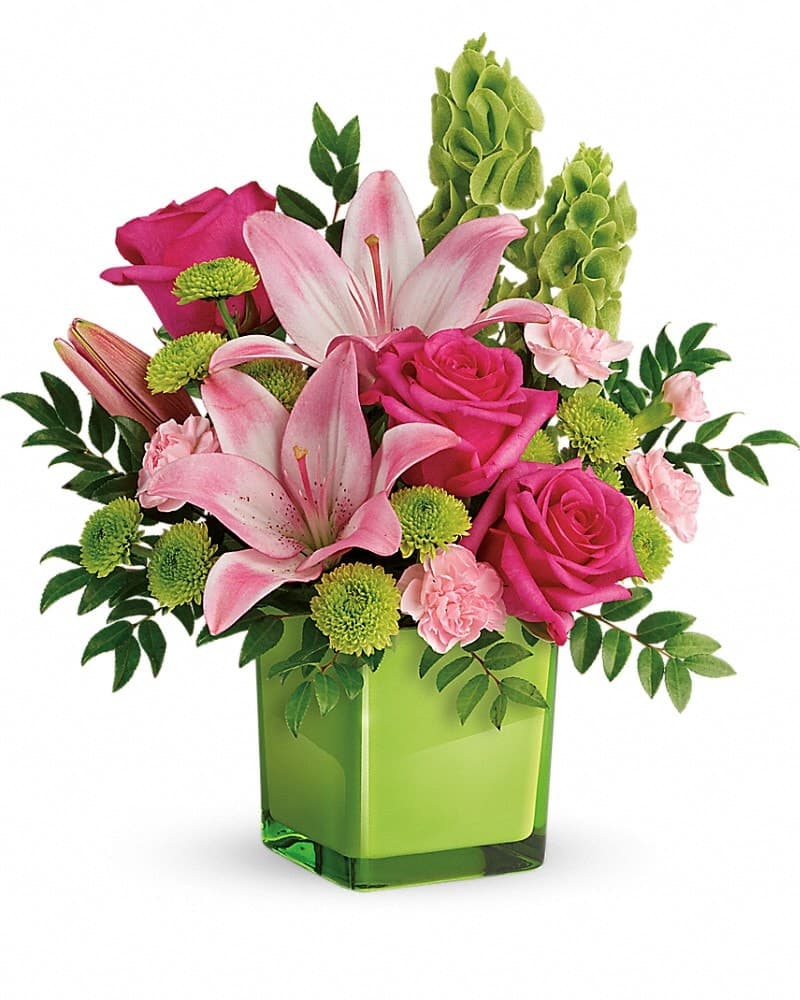
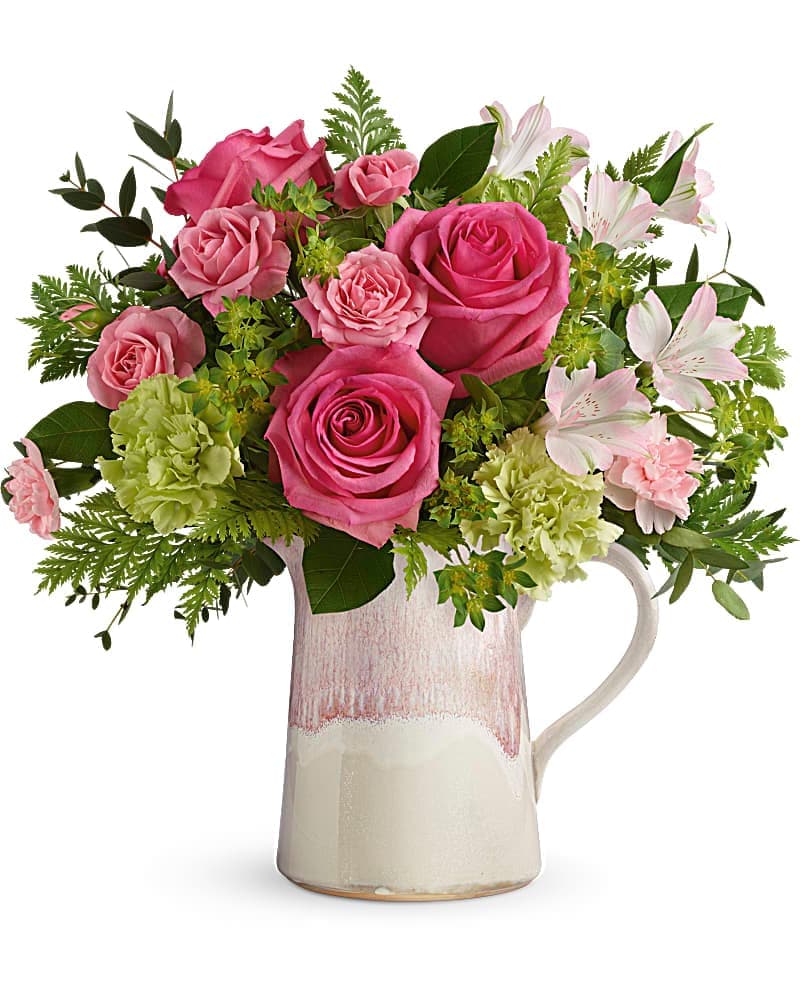
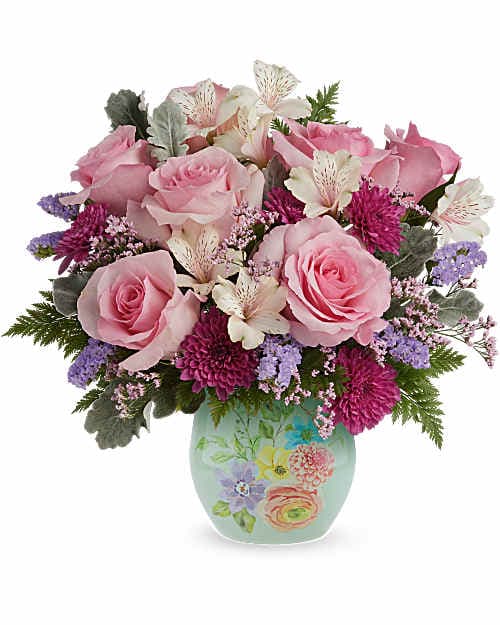
Floor rules are where get-well orders actually fail, and they vary building to building and unit to unit. Oncology, transplant and infusion floors are the strictest adult case: no lilies of any kind, no heavily pollinated stems, no fragrance, and frequently no live potting soil for immunocompromised patients — which rules out the potted plant that would otherwise be the better gift until the day they go home. Intensive care and neonatal intensive care generally take no flowers at all. The working route there is a lobby hand-off to a family member or a delivery to the family's house, and for a NICU family the house is nearly always the right answer, because the parents are living out of a waiting room. Rehabilitation and behavioral health units restrict glass, wire, ribbon and anything that can be broken into a hazard, so a short unbreakable vessel and a design with no decorative wire is the only version that clears. Maternity, post-surgical and general medical floors are the permissive ones and take nearly anything. Many hospitals also ban latex balloons outright because of allergy risk, so skip the balloon and put the money into the arrangement. Safe on every campus in this radius: alstroemeria, lisianthus, spray rose, carnation, gerbera, stock and solidago, in a low ceramic or plastic vessel under about fourteen inches that fits a rolling tray table without being moved twice. Say the unit on the order and the studio builds to it instead of guessing.
Two practical problems come up on this grid more than anywhere else. The first is the address. A hospital will not help you guess where someone is, and if a patient has opted out of the facility directory the hospital cannot confirm they are there at all — a bouquet addressed to a building with no room number and no confirmed full name sits at a lobby desk until someone gives up on it. Before you order, get three things from the family: the hospital, the unit, and the room. Lankenau and Bryn Mawr Hospital both run multiple buildings and pavilions on a single campus, so the unit name genuinely matters. If you can only get two of the three, ask for a mobile number and send to the house instead. The second is the calendar. Philadelphia-area inpatient stays are measured in days, and flowers that arrive on the morning of a discharge travel home in a car footwell and arrive crushed. If surgery was yesterday and discharge is likely tomorrow, send to the house for the day after — it lands during the longer, lonelier half of recovery, when the visitors have stopped coming. Winter adds one more factor: from December into March an arrangement crossing a parking structure in freezing weather needs to be sleeved and moved fast, so our studios wrap heavier in those months and a call-ahead number lets the driver time the trip instead of circling a garage.