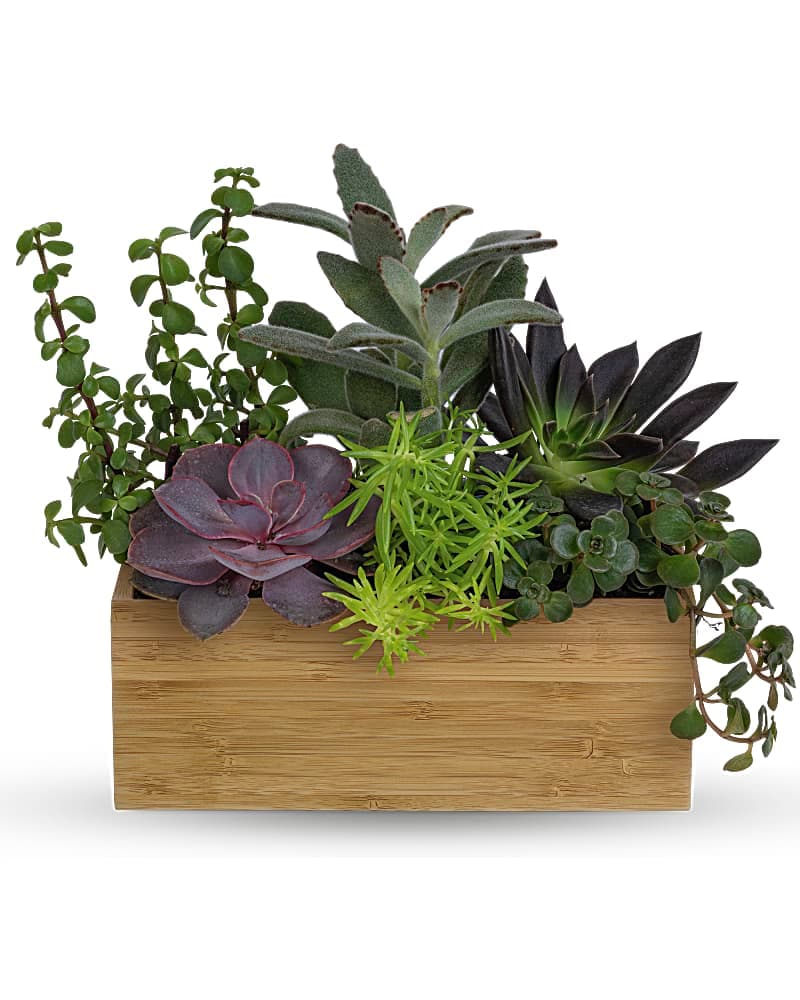
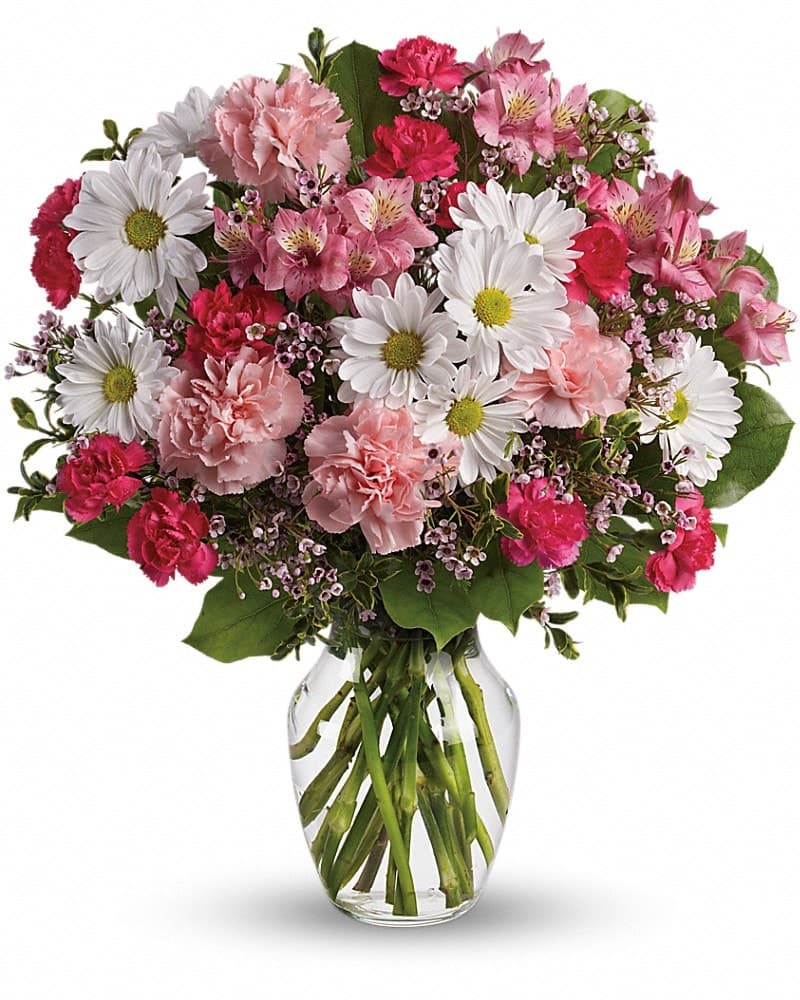
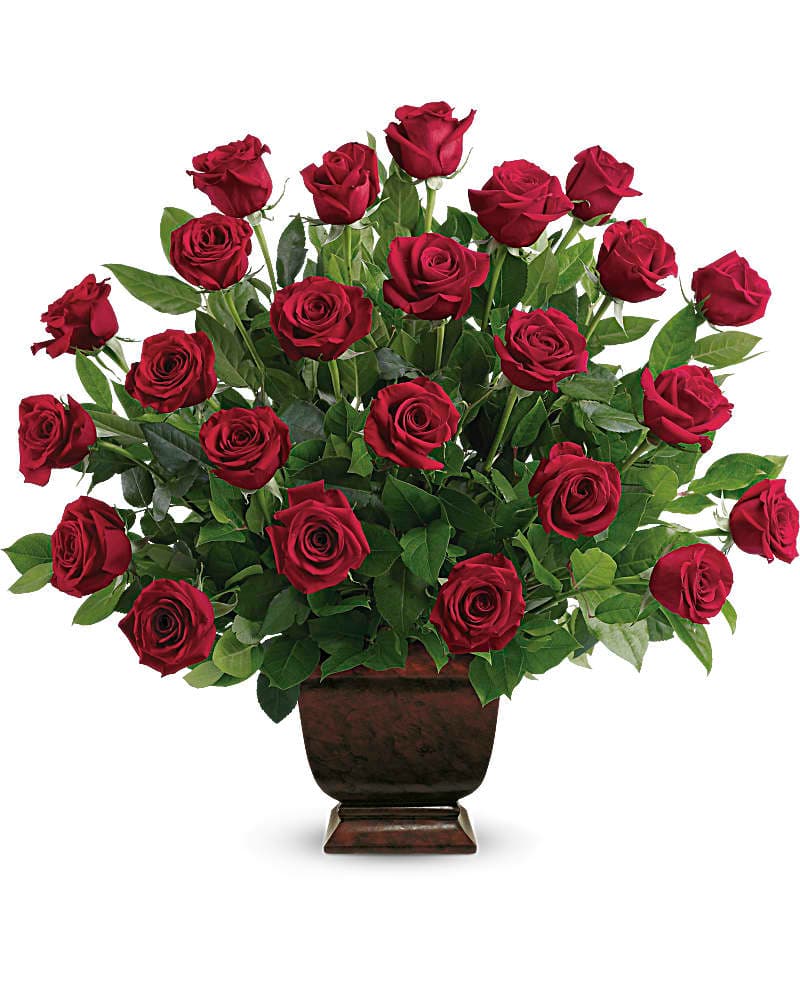
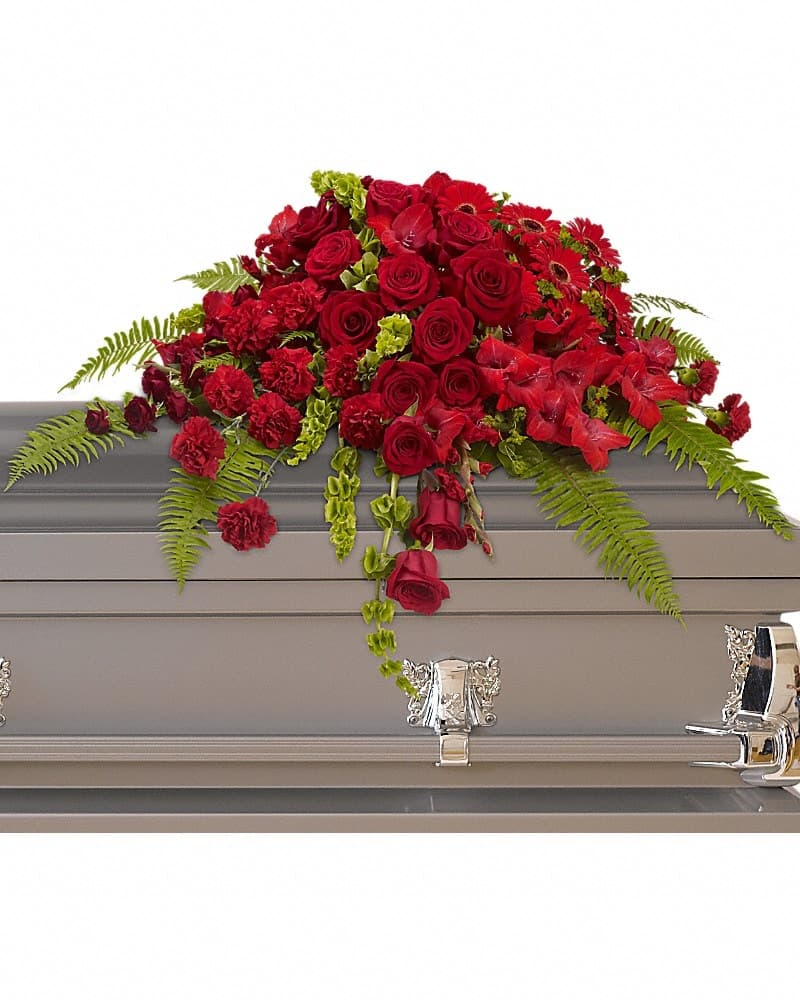
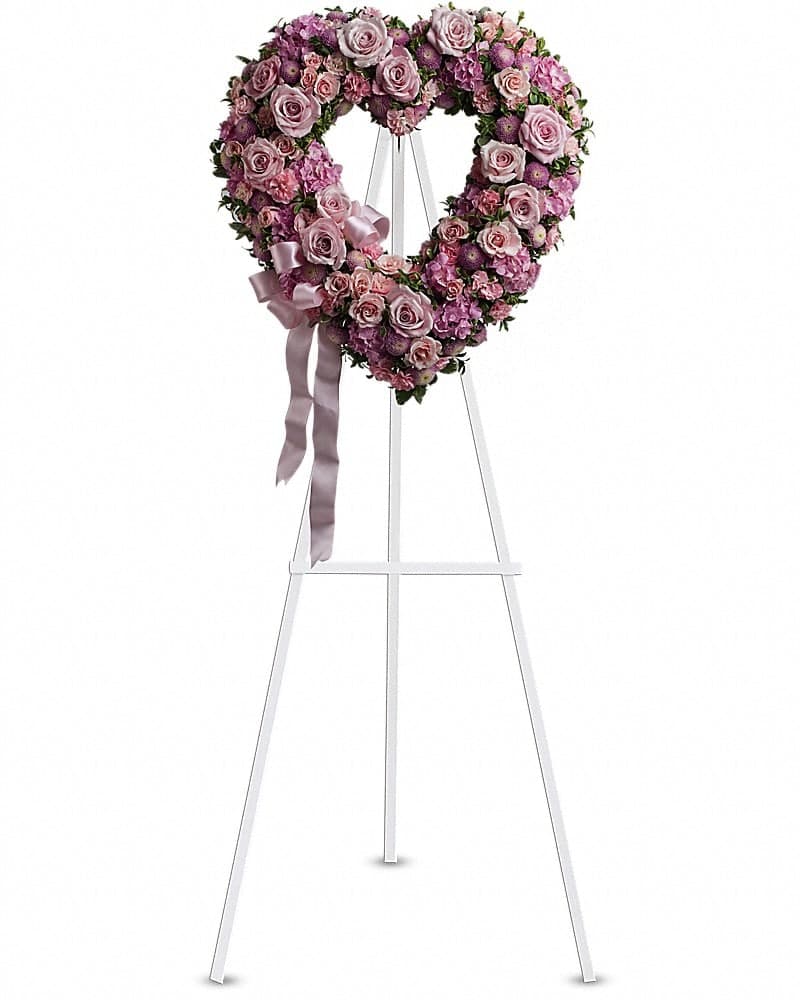
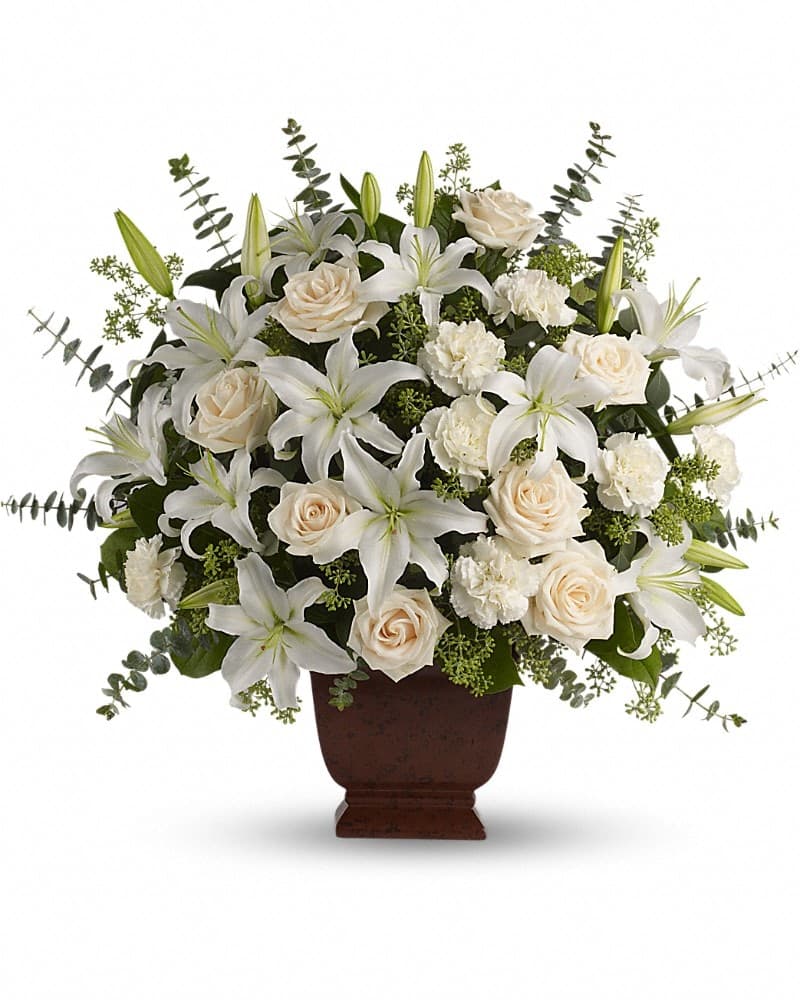
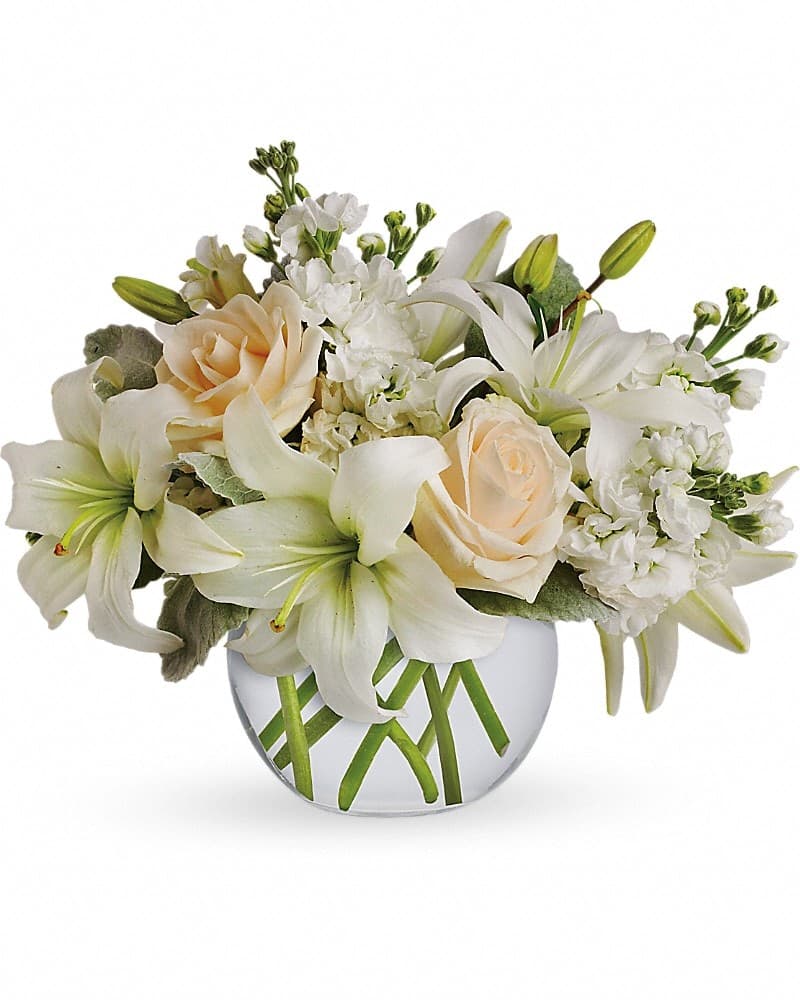
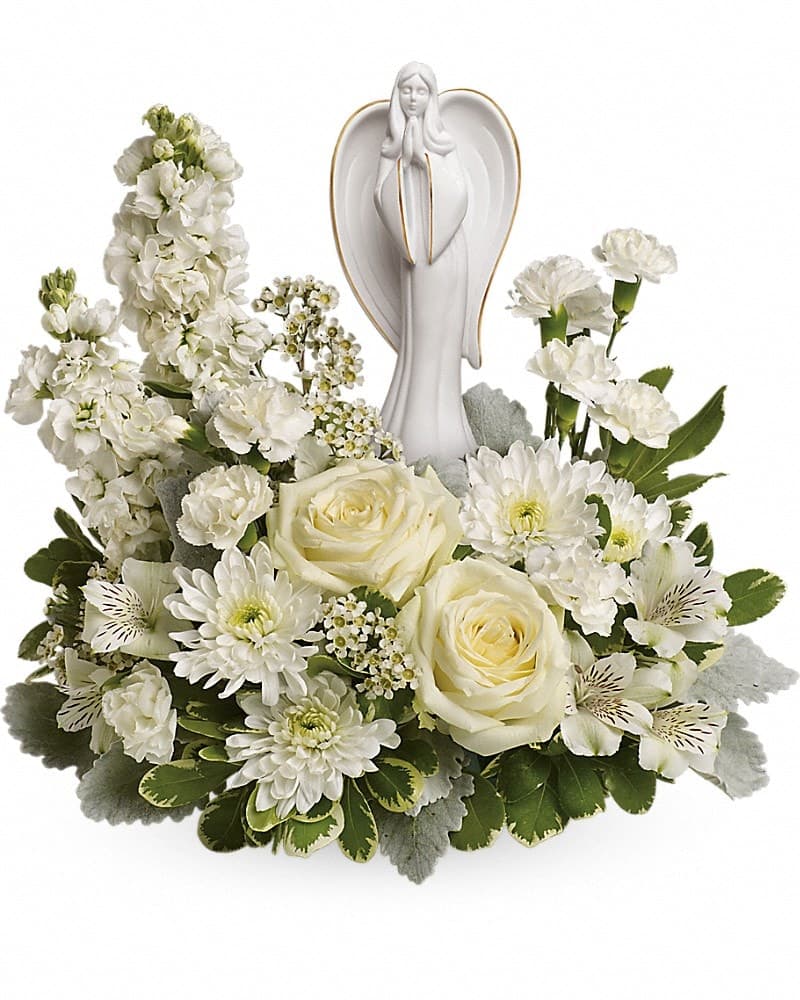
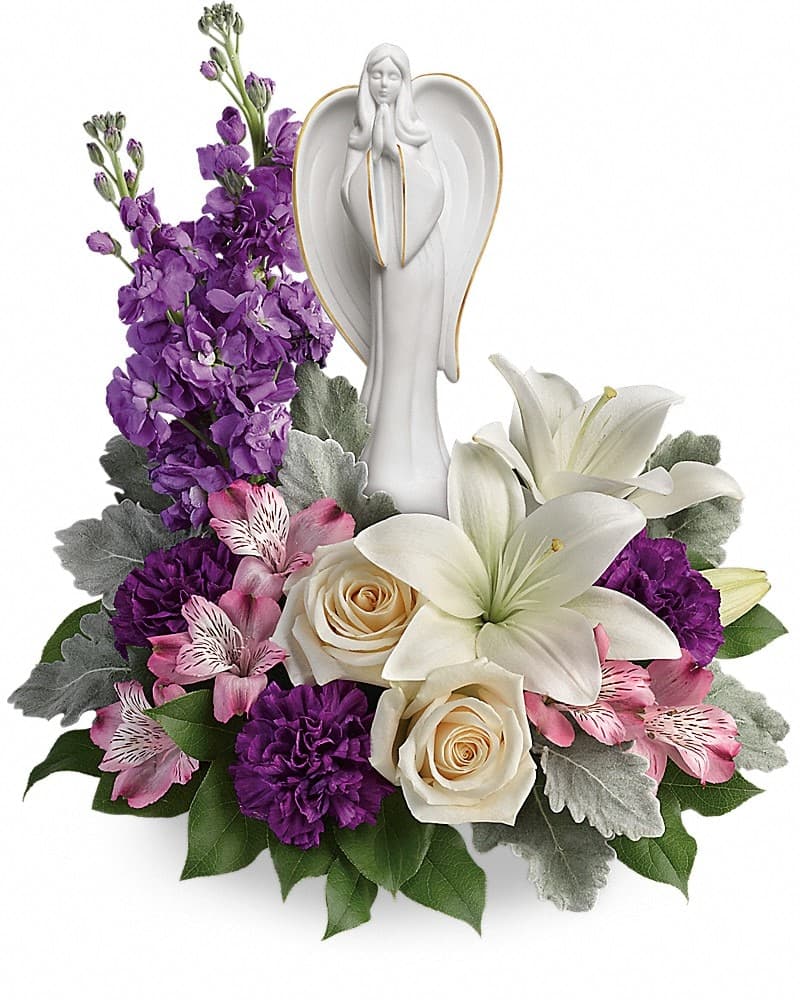
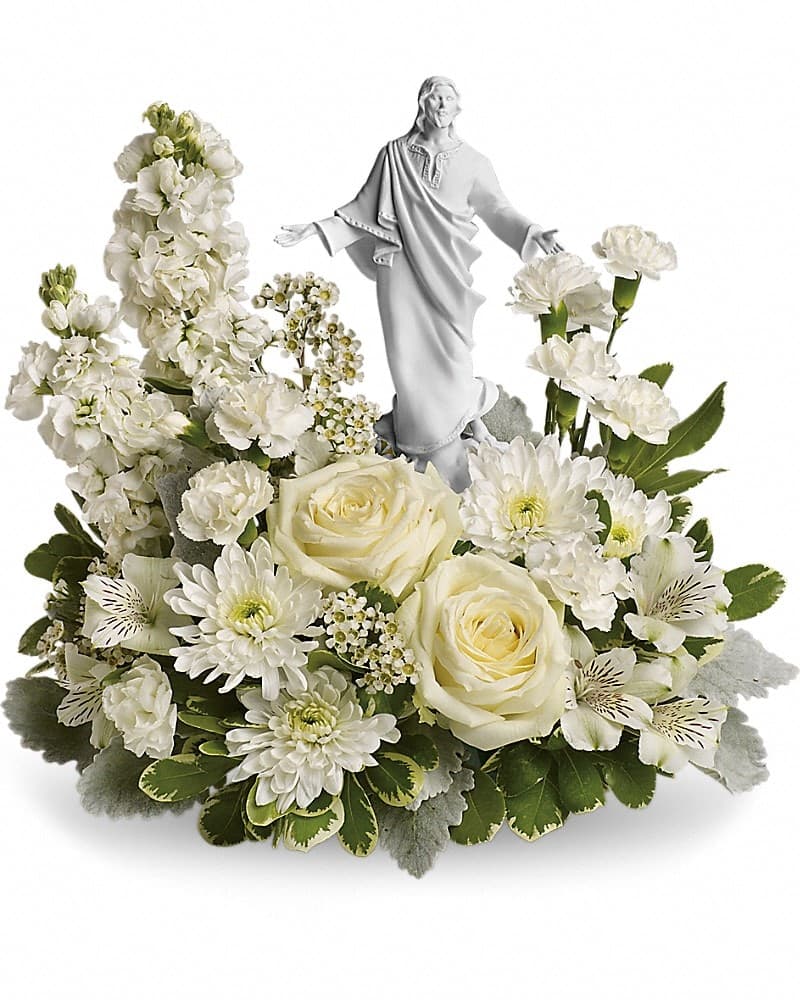
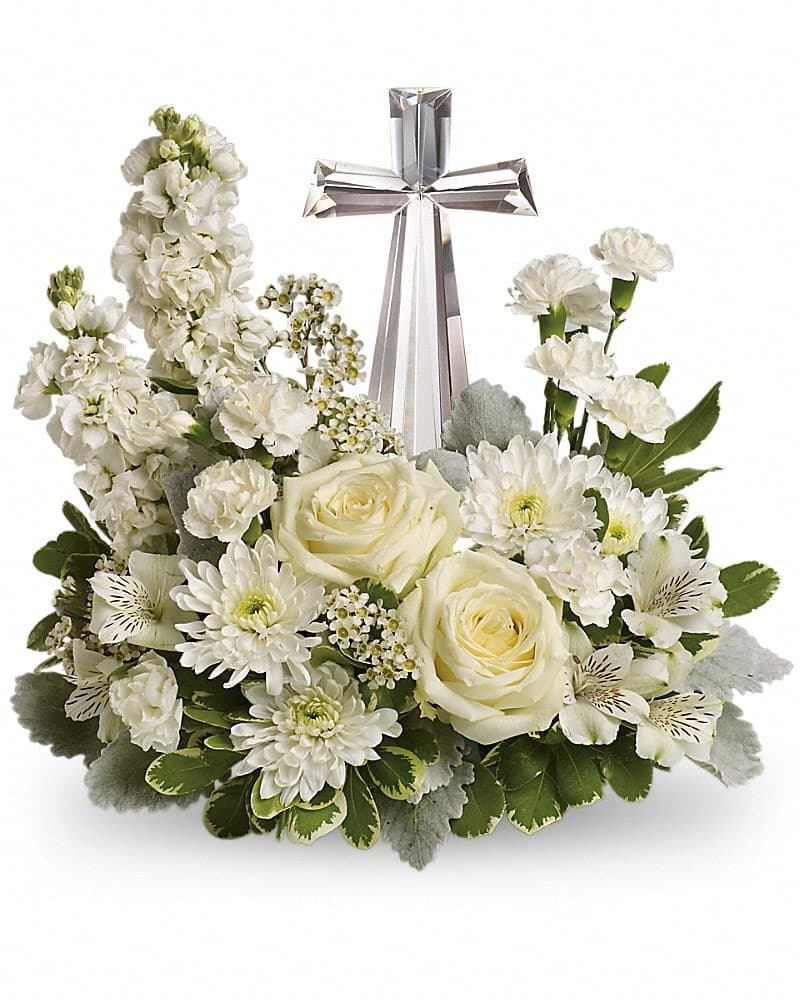
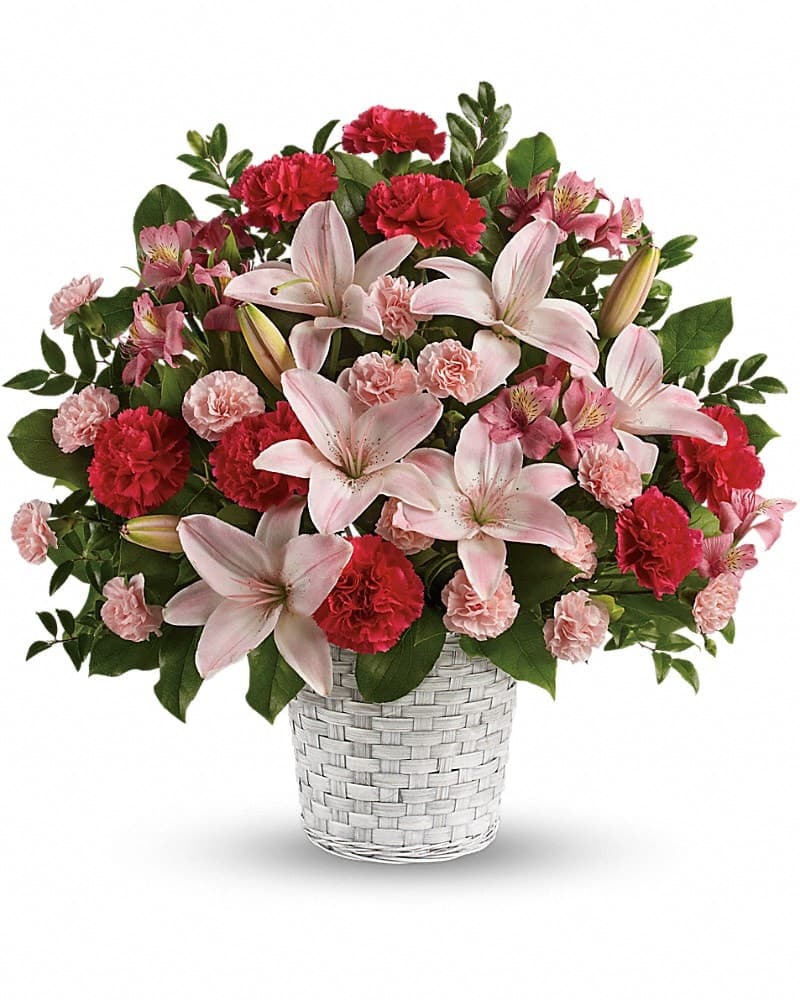
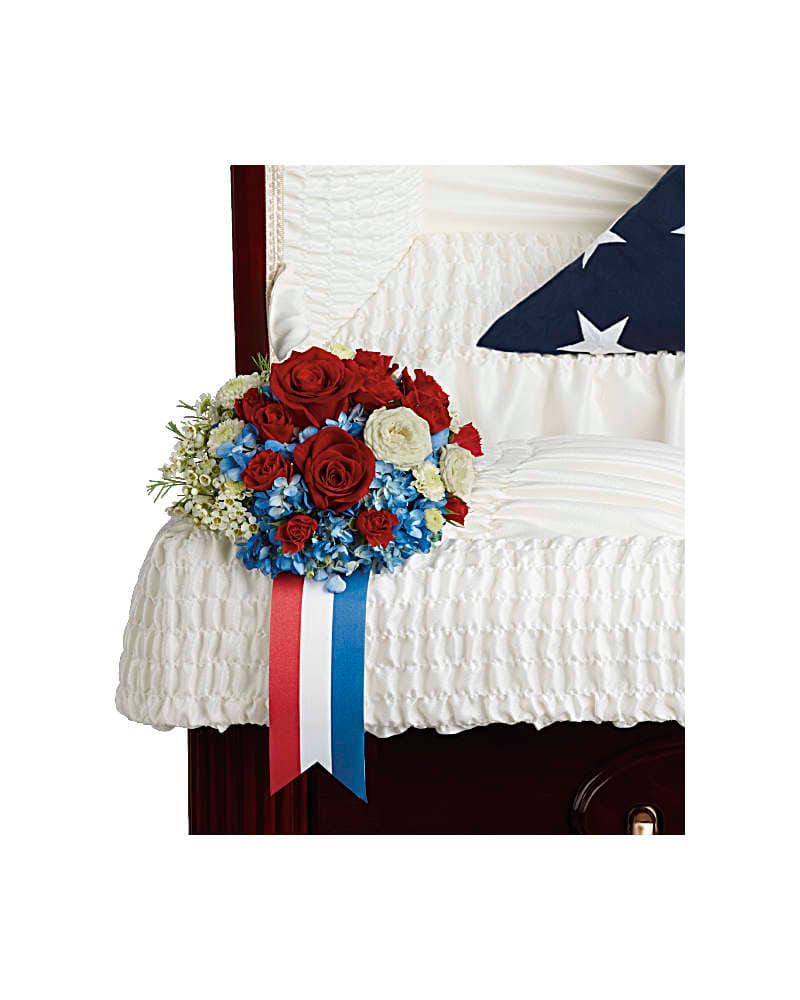
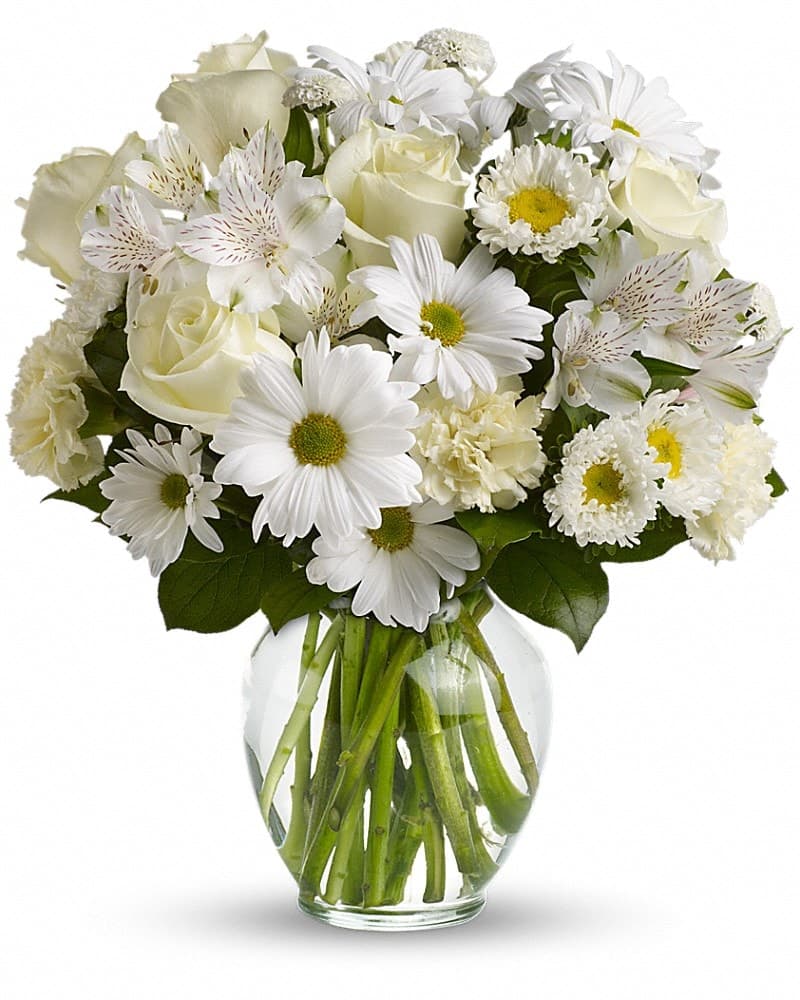
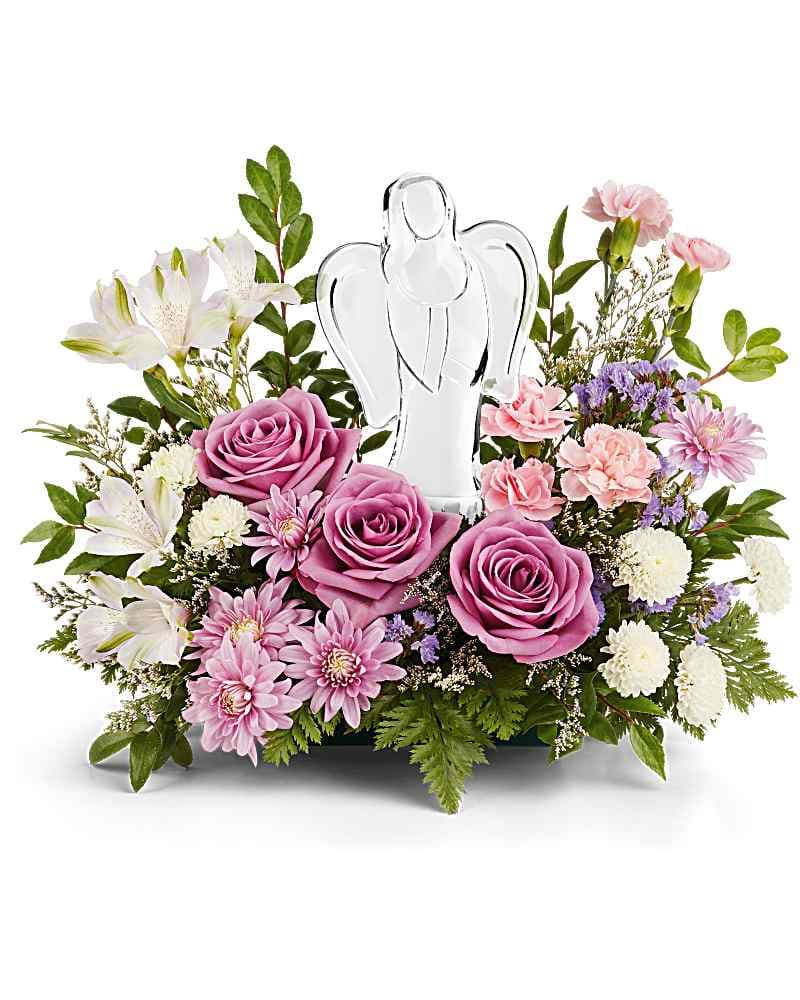
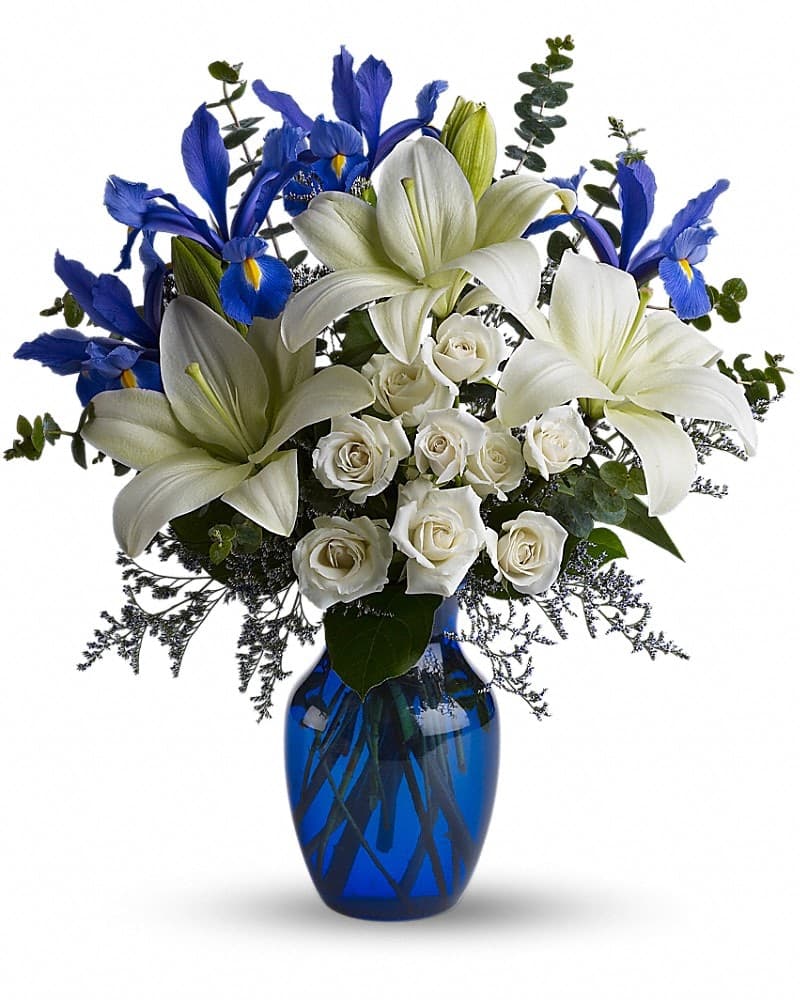
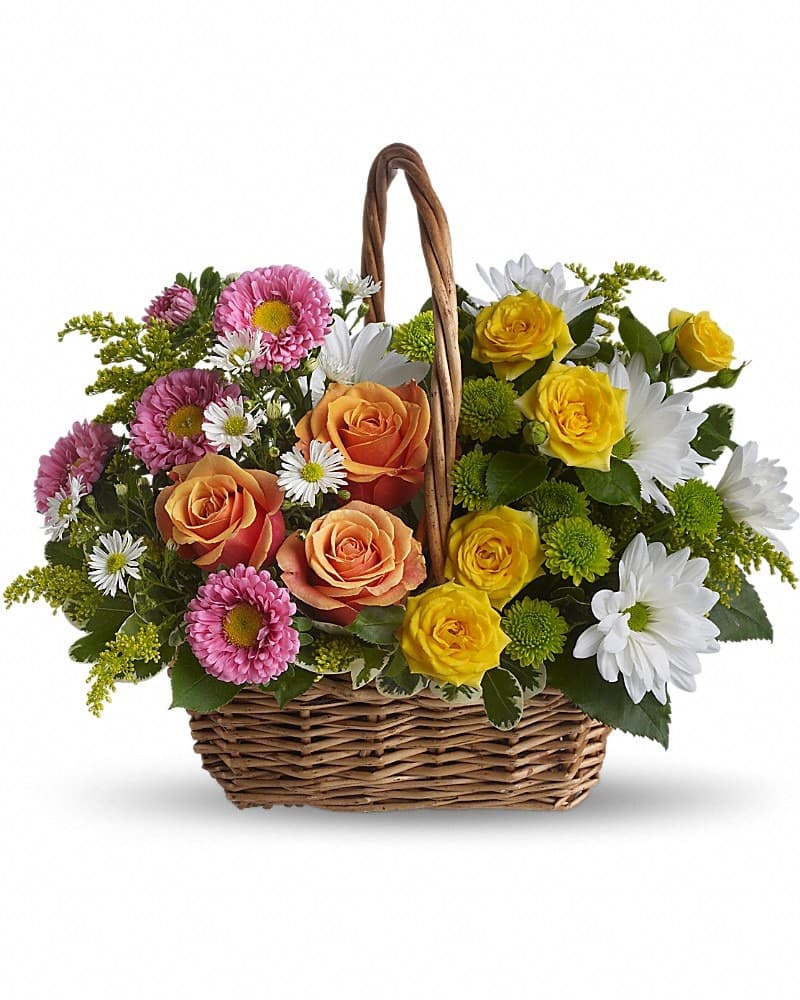
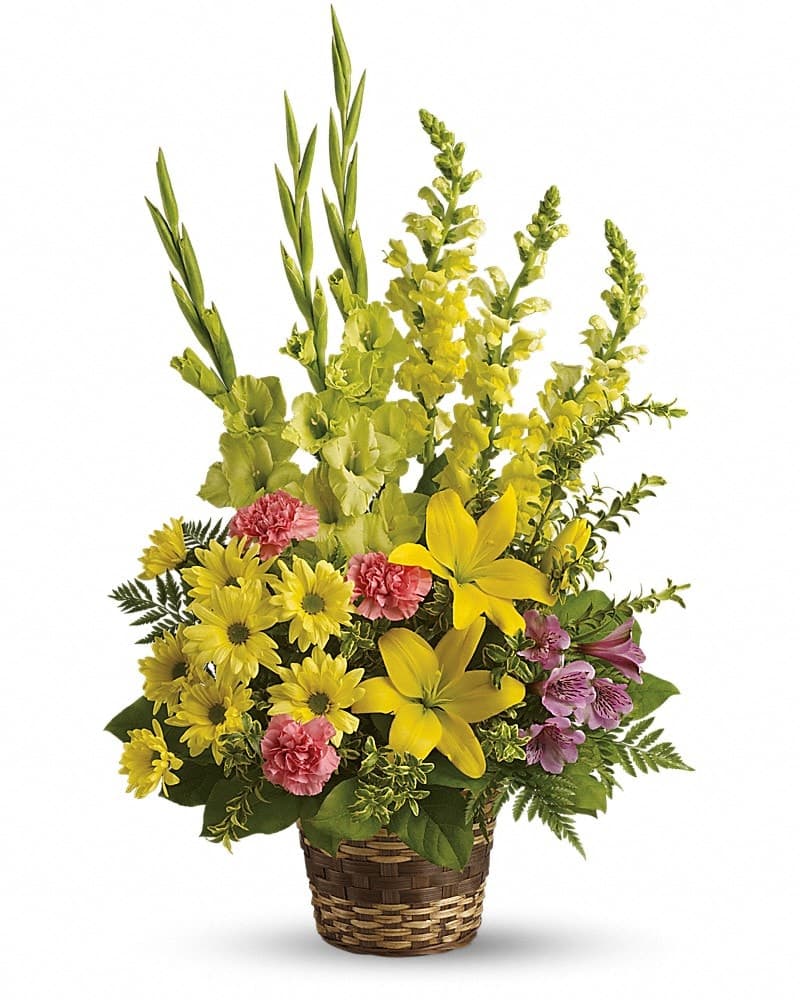
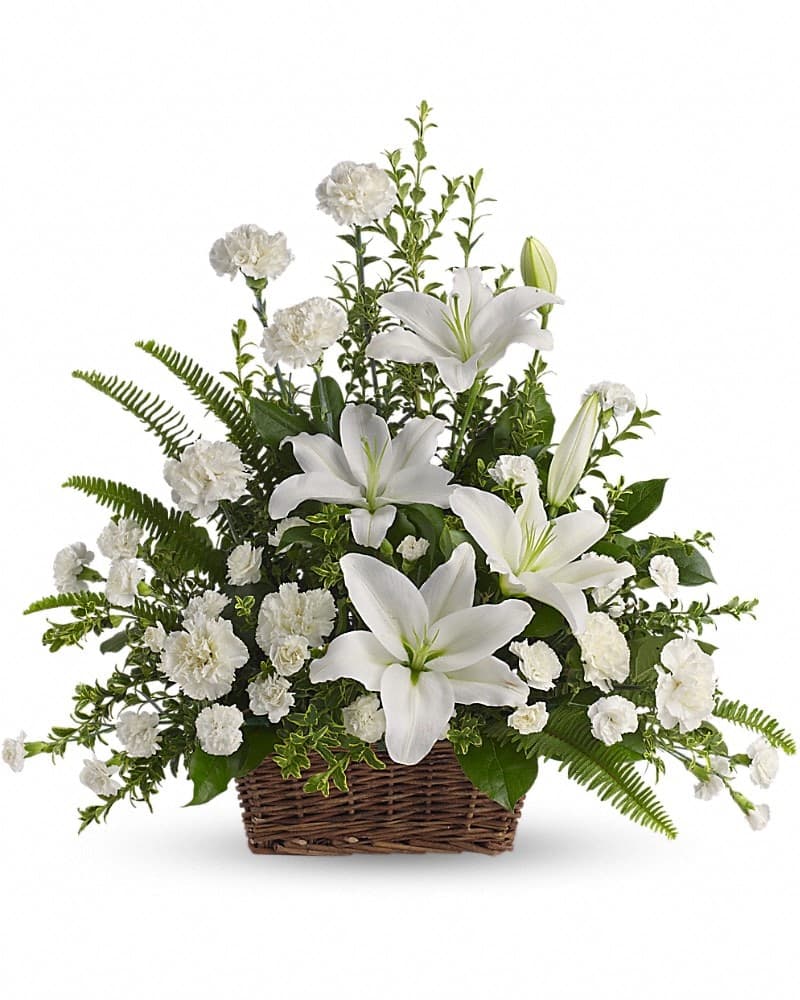
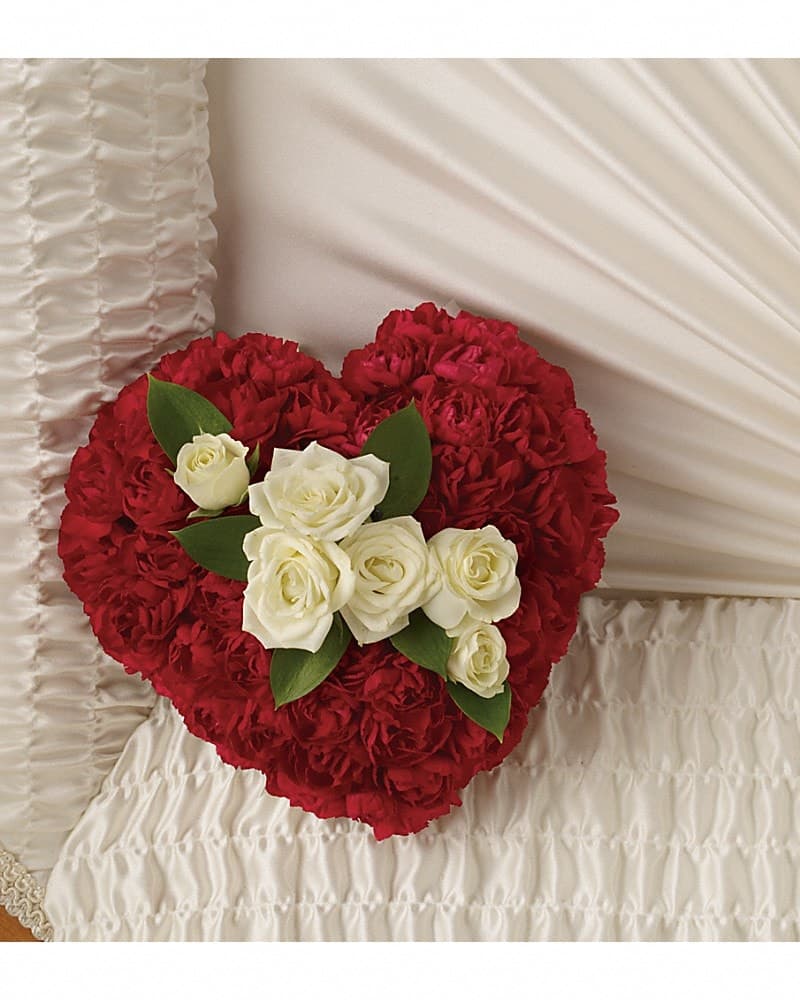
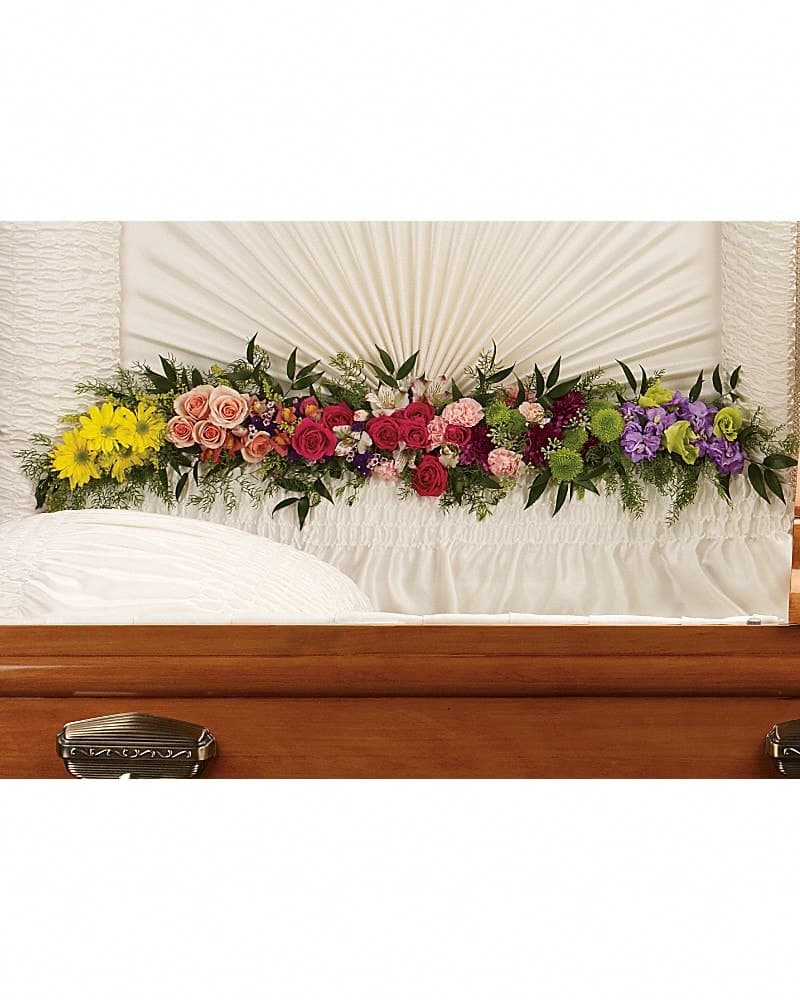
Six miles north of Yardley's Main Street, off Highland Road in Newtown, Washington Crossing National Cemetery is the single most common destination for sympathy flowers on this grid, and it does not work the way a churchyard does. Services at a national cemetery are held in a committal shelter on a fixed schedule rather than at the open grave, and the family leaves after the shelter service while cemetery staff carry out the interment afterward. That changes two practical things about your order. Flowers have to be standing in or beside the shelter before the family's scheduled slot — not late, because the next service follows — and they have to be built to sit low and stable on paved ground in open wind, not to lean on a chapel easel. Glass is the wrong vessel there; grounds crews also clear arrangements from graves on a set cycle rather than leaving them indefinitely. If the committal includes military honors, say so on the order and the studio builds for the shelter rather than for a room. The two shortest runs to Highland Road are Yardley Florist at 175 S. Main St. and Manorlane Florist at 591 Durham Rd. in Newtown — a matter of road distance, not of any arrangement between shop and cemetery.
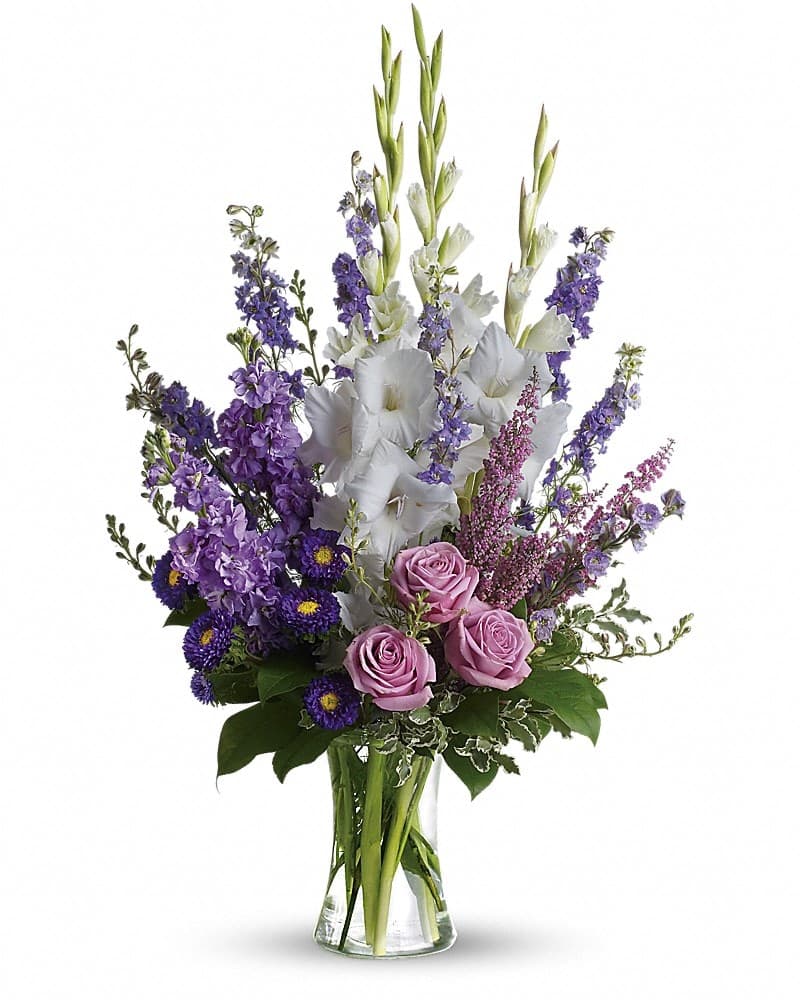
The chapel and parish geography here is split by the river and by an old Quaker grain that still shows. Inside the borough, FitzGerald-Sommer Funeral Home on South Delaware Avenue is the address most Yardley families use, a few hundred feet from the canal towpath. On the Catholic side the Mass volume runs through St. Ignatius of Antioch on Reading Avenue in Yardley, St. John the Evangelist in Morrisville and St. Andrew in Newtown; Yardley United Methodist on North Main Street carries a share of the borough's Protestant services. Across the Delaware, Mercer County families work with chapels our benches reach easily: Wilson-Apple up on Pennington Road, Mather-Hodge in Princeton, and Poulson and Van Hise out on Lawrence Road in Lawrenceville. None of that list is a boundary. What a bench needs from you is four things — the venue name, the street it stands on, the date and the hour — and the nearest one delivers there. Take all four off the obituary rather than out of memory. Ownership and signage on chapels in this county have turned over more than once in the past decade, and a Friday-evening viewing is frequently held in a different building from Saturday morning's Mass. Sympathy is the one category where a correct arrangement at an incorrect address cannot be salvaged later in the day, and the obituary is the document that prevents it.
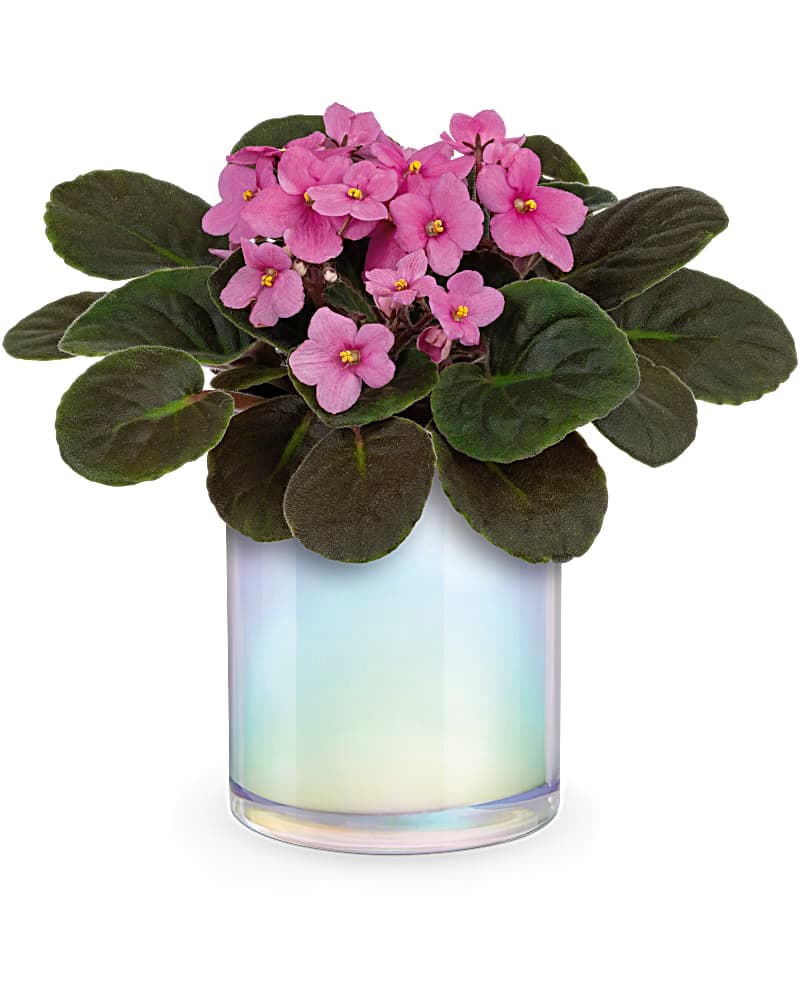
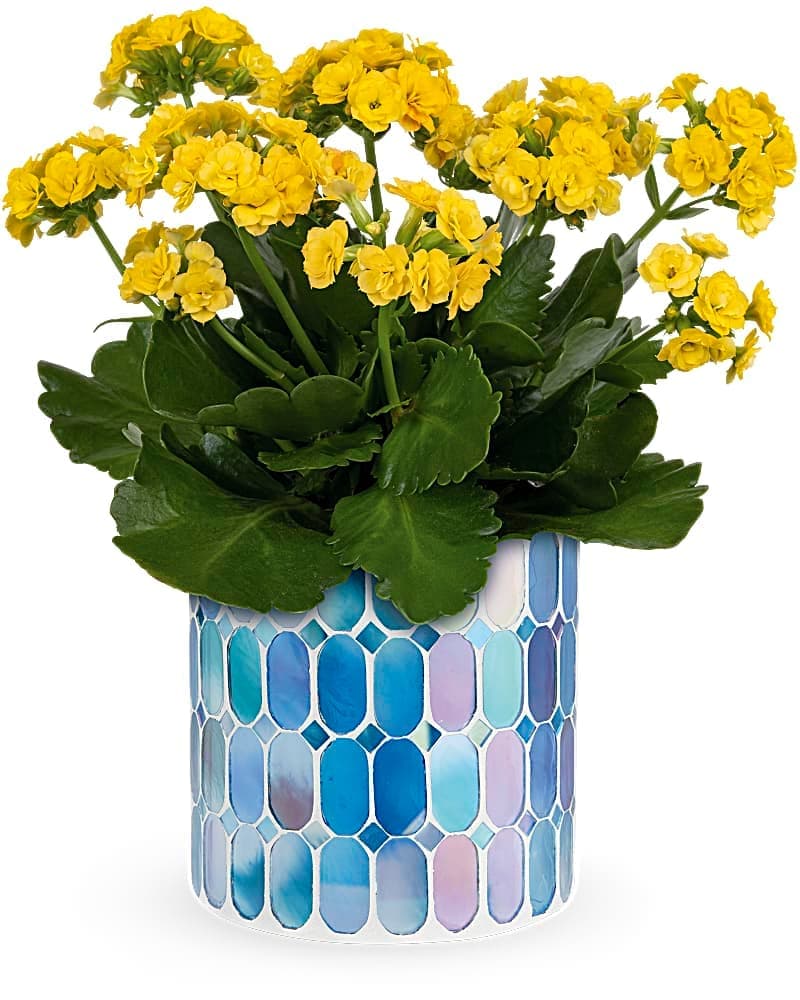
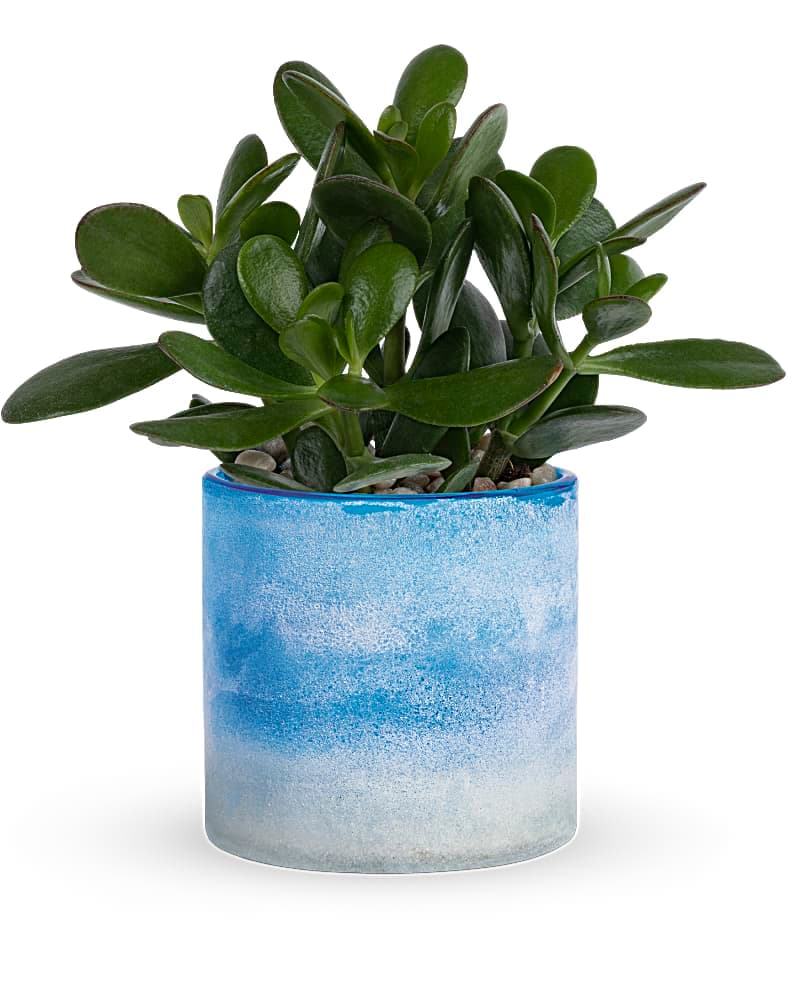
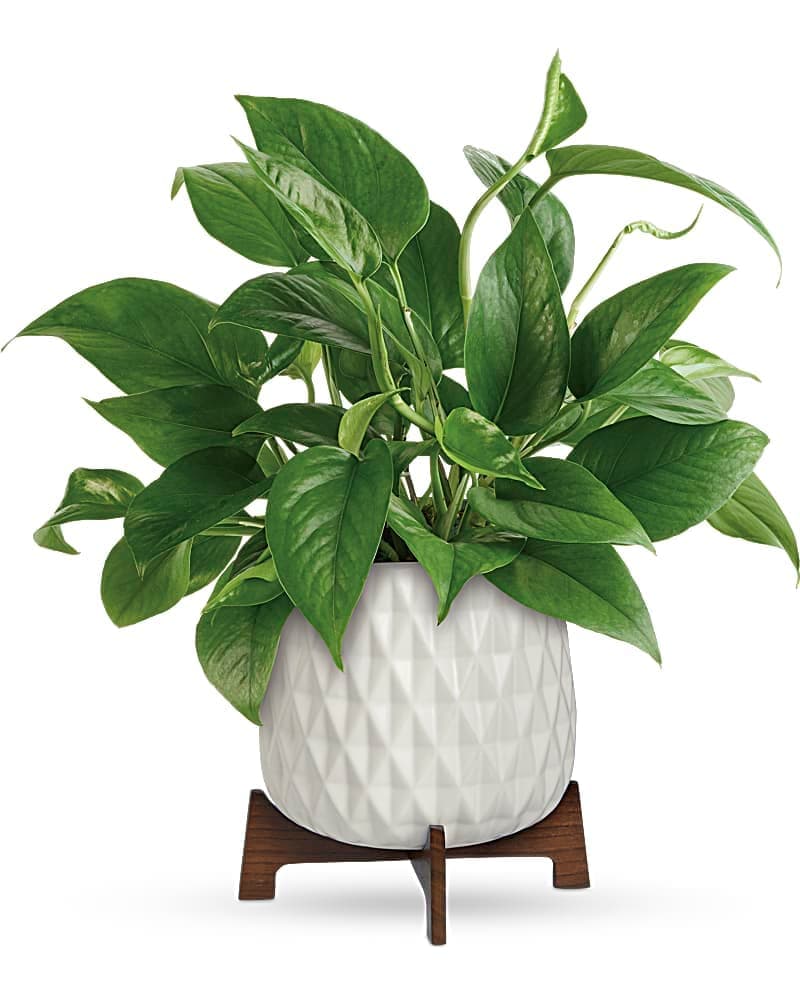
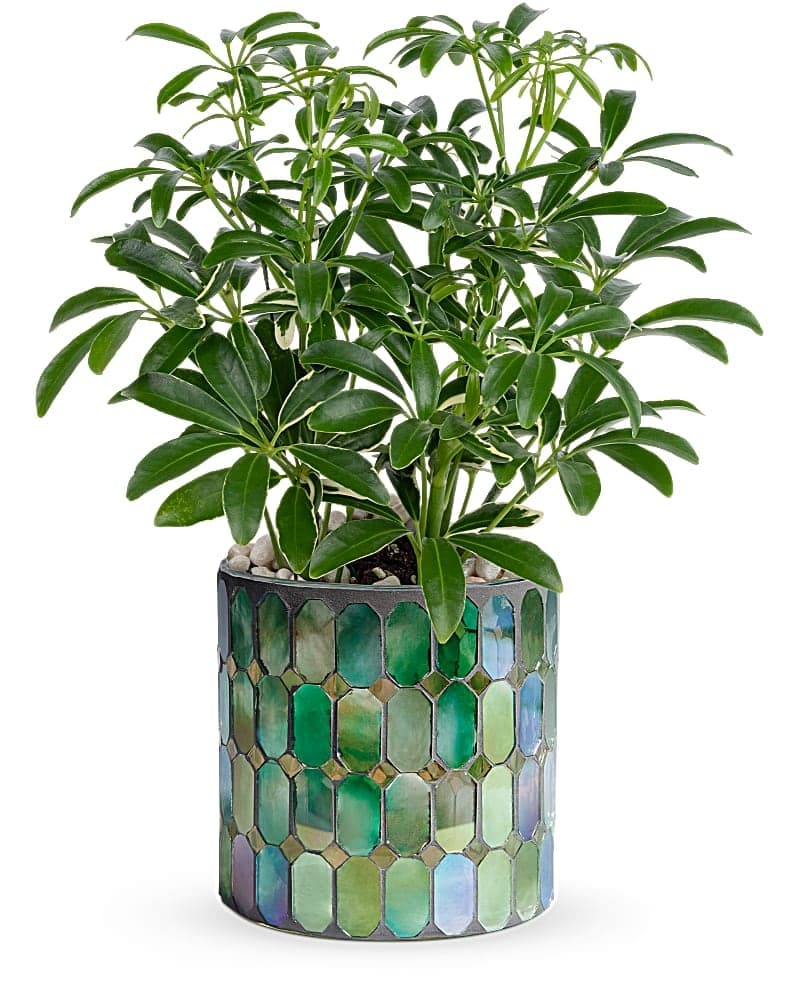
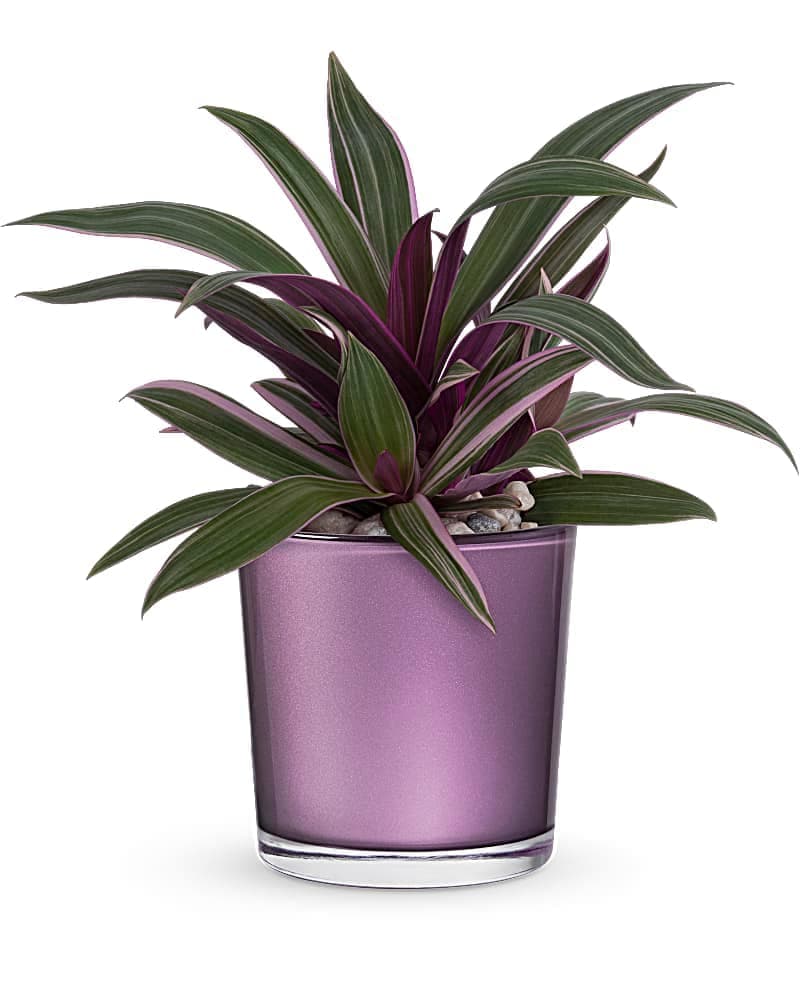
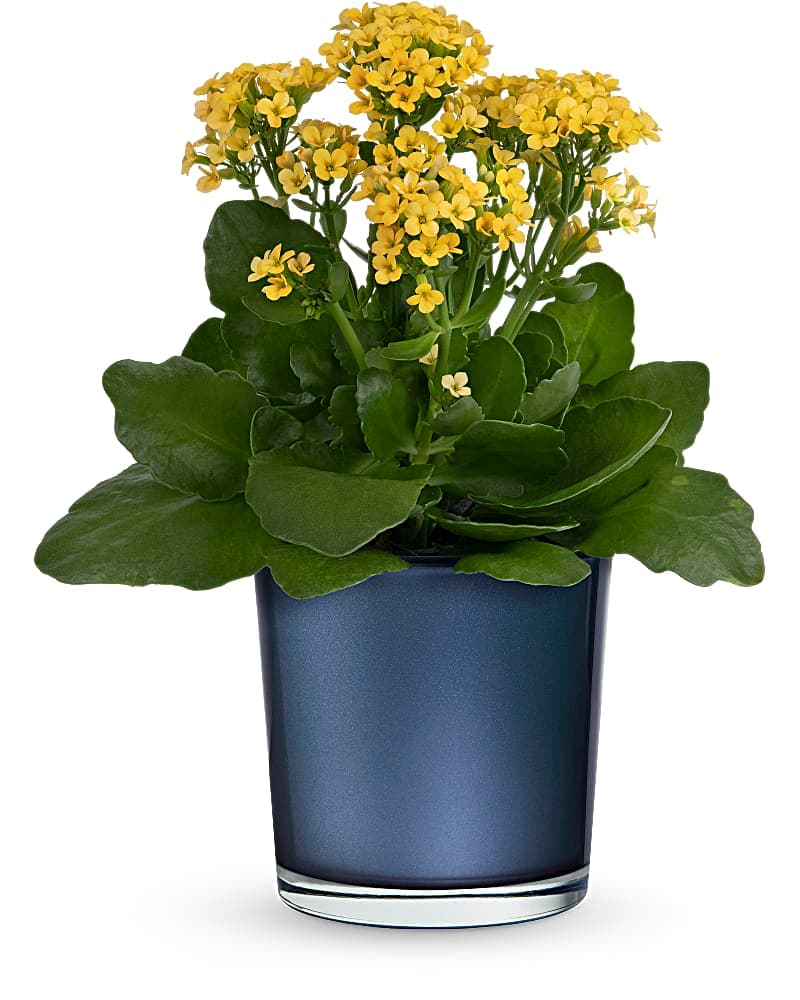
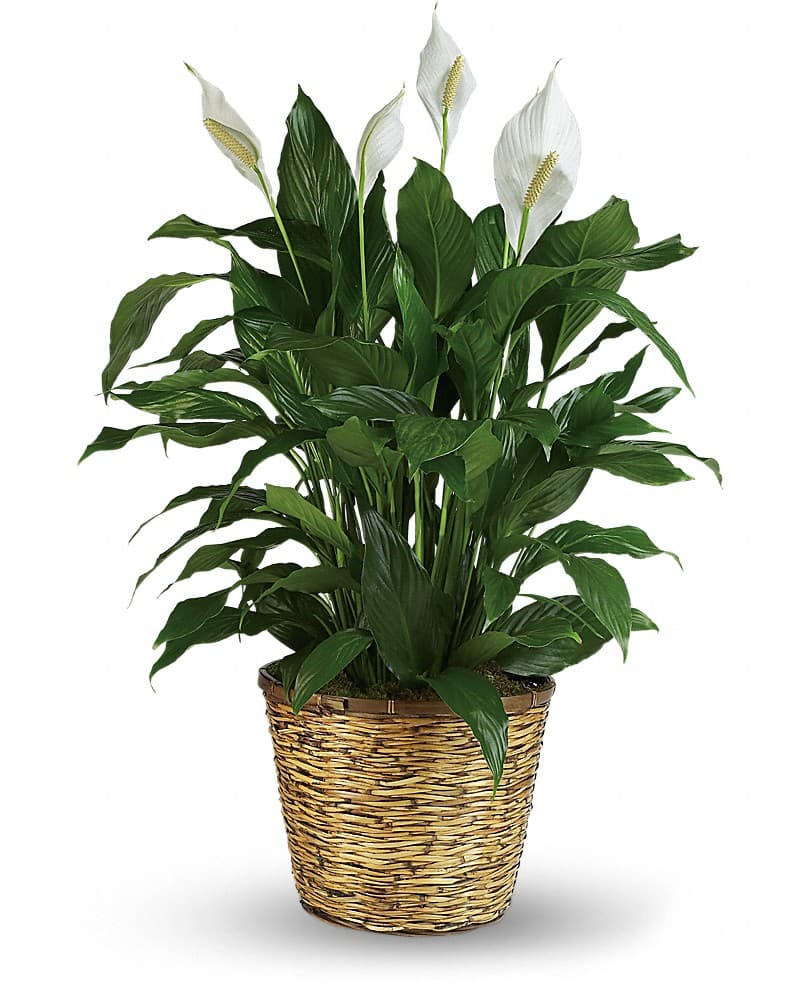
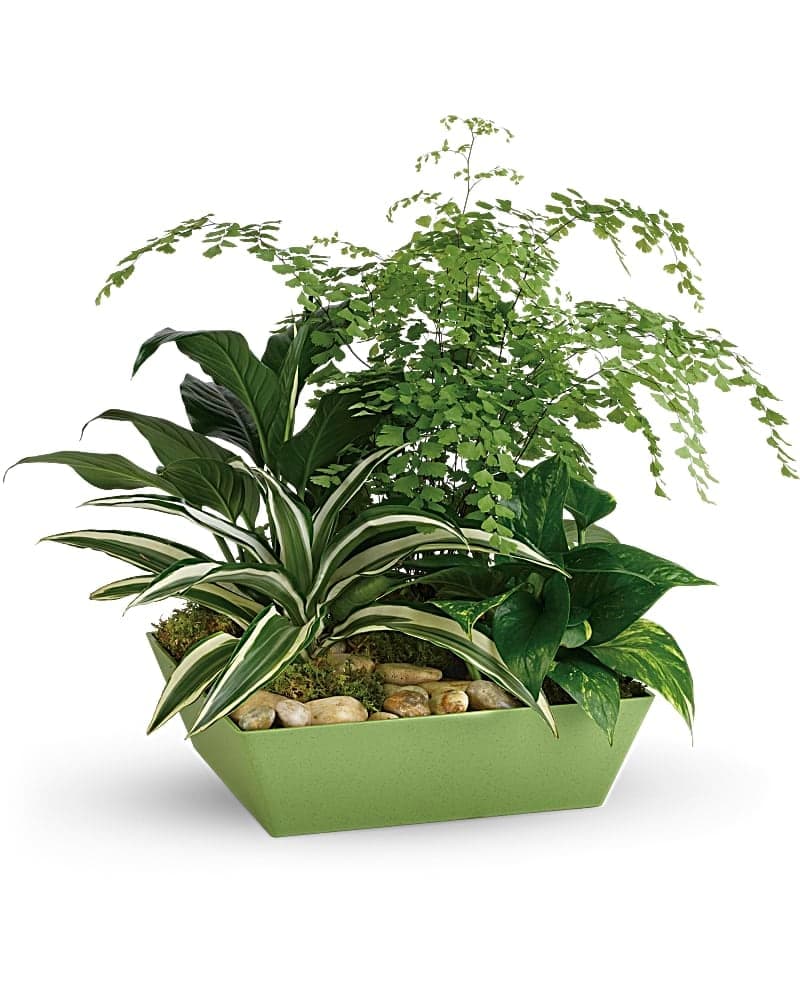
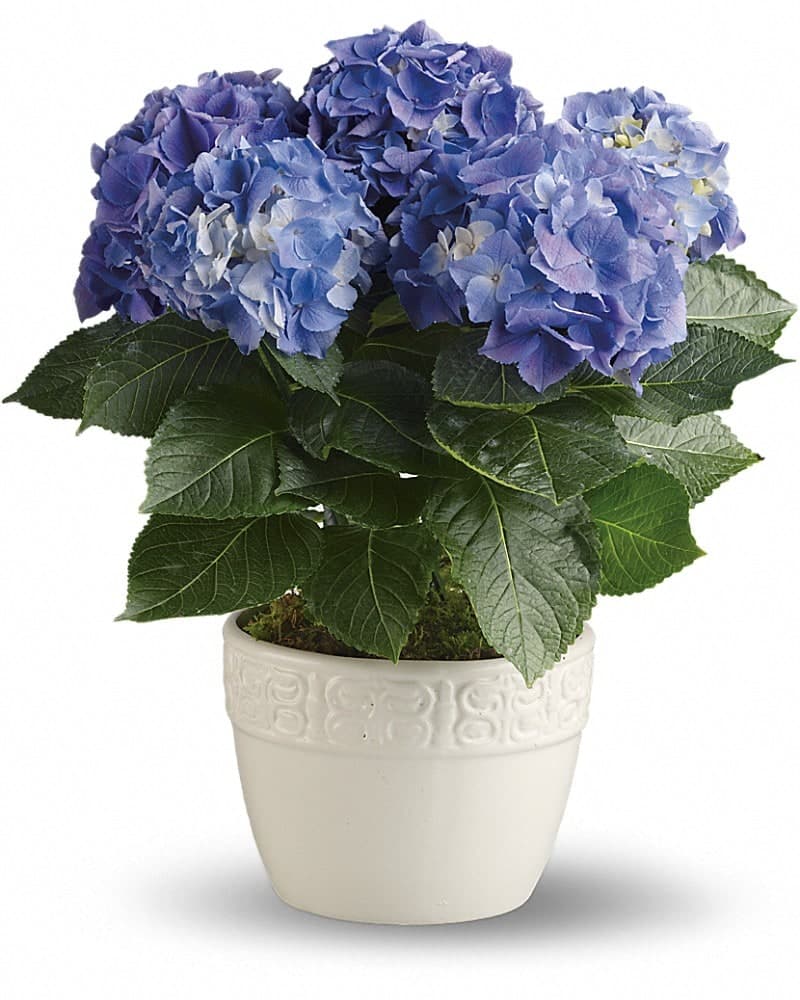
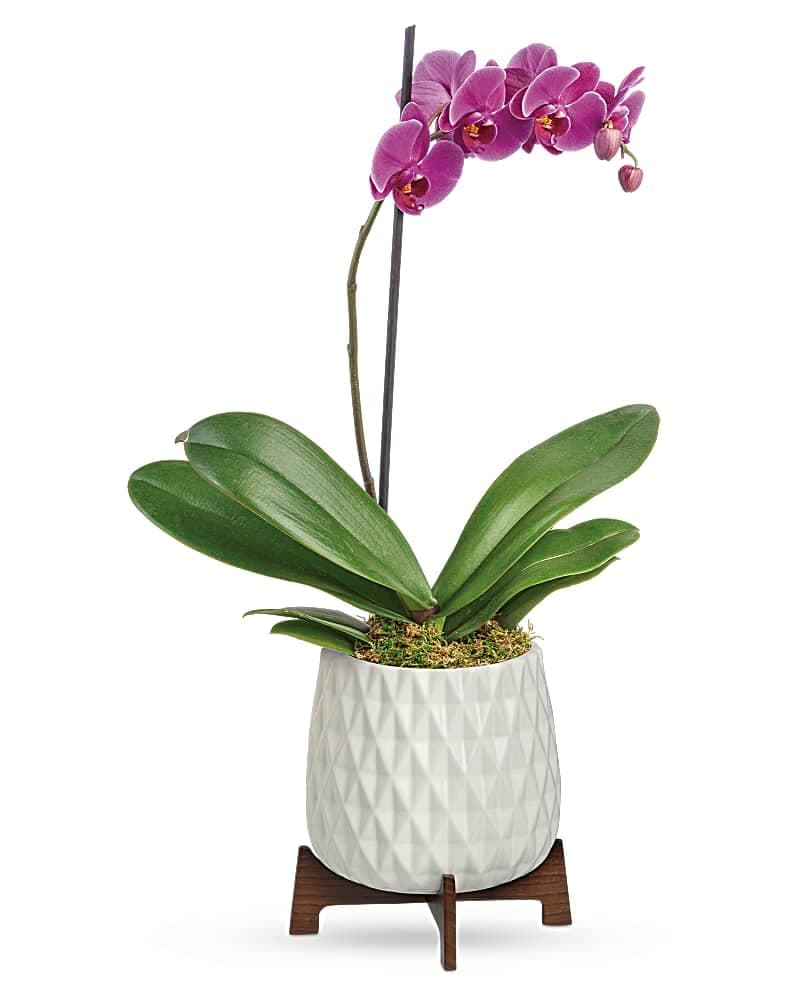
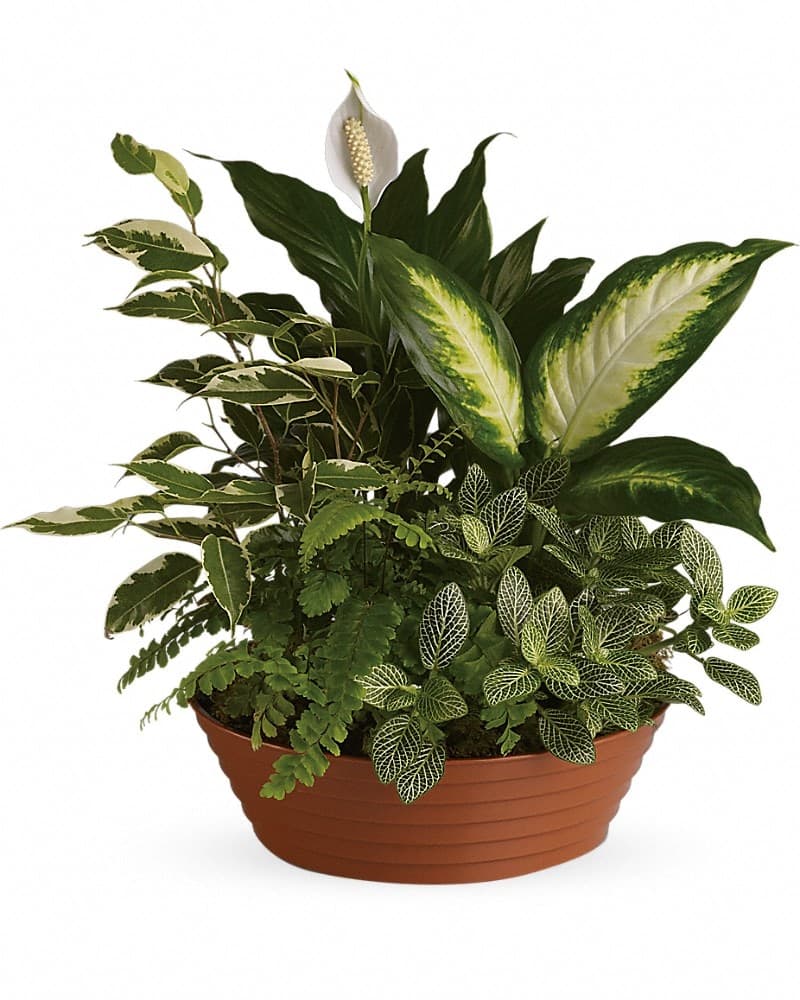
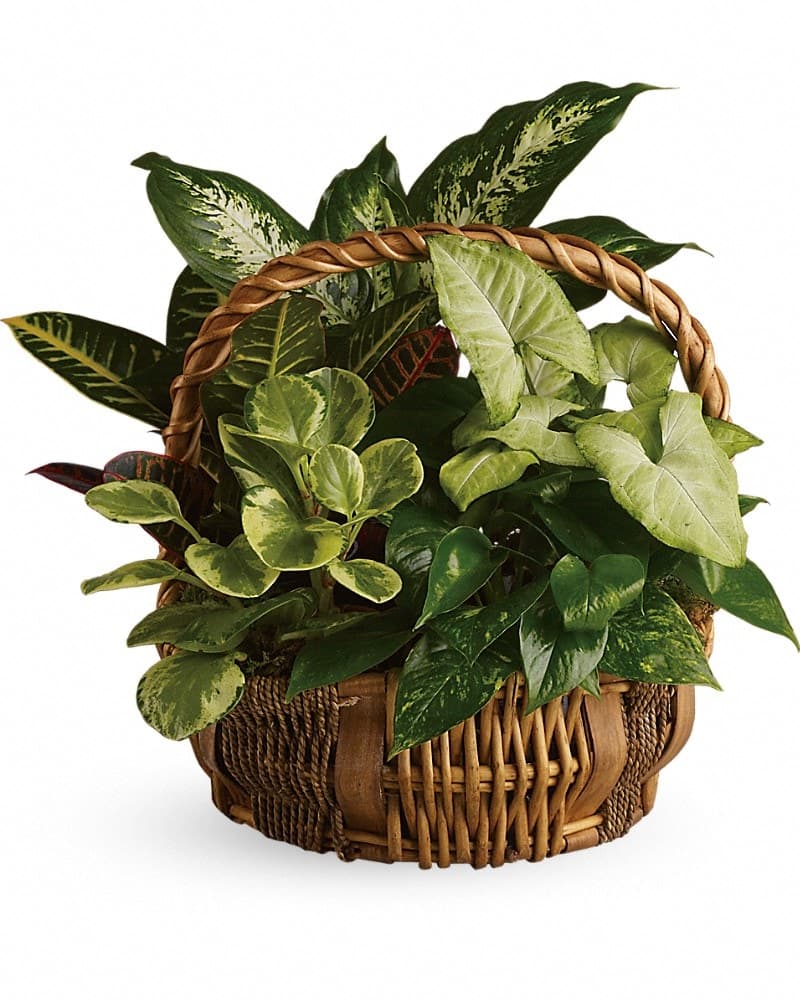
William Yardley was a Quaker who settled this bend of the river in 1682, and the tradition never left Lower Bucks. Falls Meeting in Fallsington, a few miles downriver near Pennsbury Manor, and Newtown Friends Meeting still hold memorial meetings, and a Quaker memorial meeting is a meeting for worship — plain, mostly silent, with spoken remembrance rising from the room. Elaborate floral work is out of key there. What fits is one simple arrangement in a low vessel, or nothing at the meeting house at all and a plant sent to the family's home instead; if you are unsure, ask the family's contact rather than the florist. Two other traditions sit alongside it in the same few square miles. Congregation Kol Emet in Yardley is Reconstructionist and Congregation Shir Ami in Newtown is Reform; in both, the expected gesture at a burial is a gift to a charity in the person's name, and an arrangement sent to the chapel is a well-meant misfire. What belongs instead arrives at the mourners' door during the seven days that follow — a living plant, or fruit with flowers worked through it, addressed to the family as a household and timed to a day they name rather than to the hour of the burial. Chandler Hall on Barclay Street in Newtown, Quaker-founded and running hospice and long-term care, is the place many of these losses actually happen, and flowers sent there before a death are often the ones the family remembers most clearly.