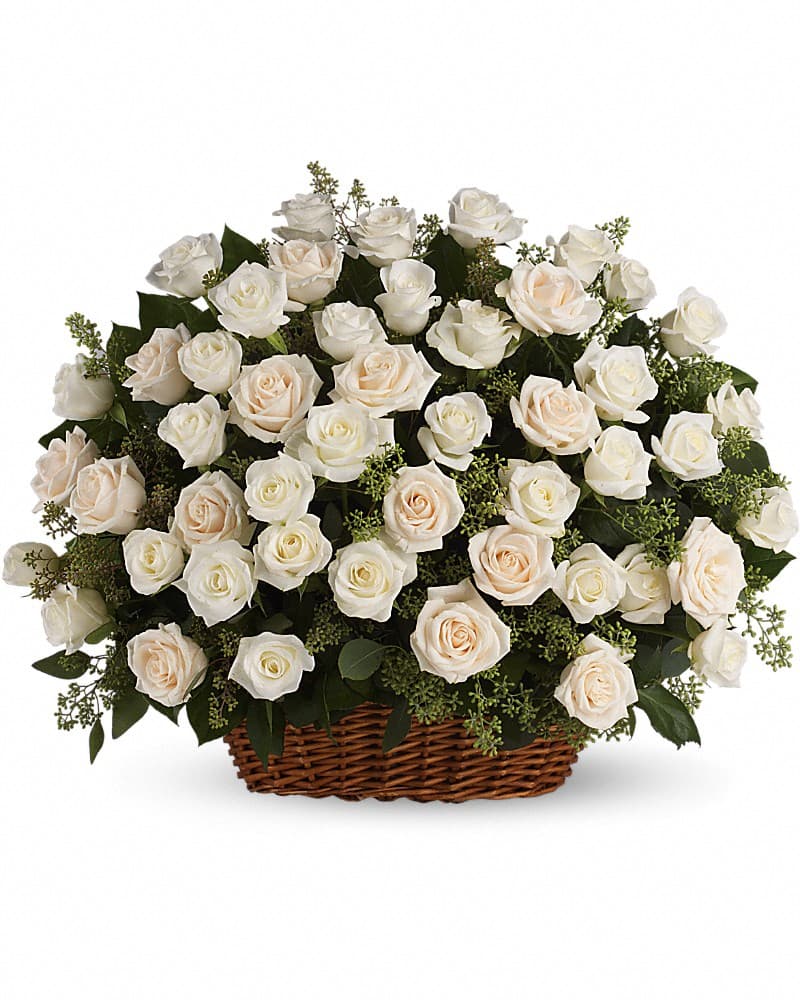
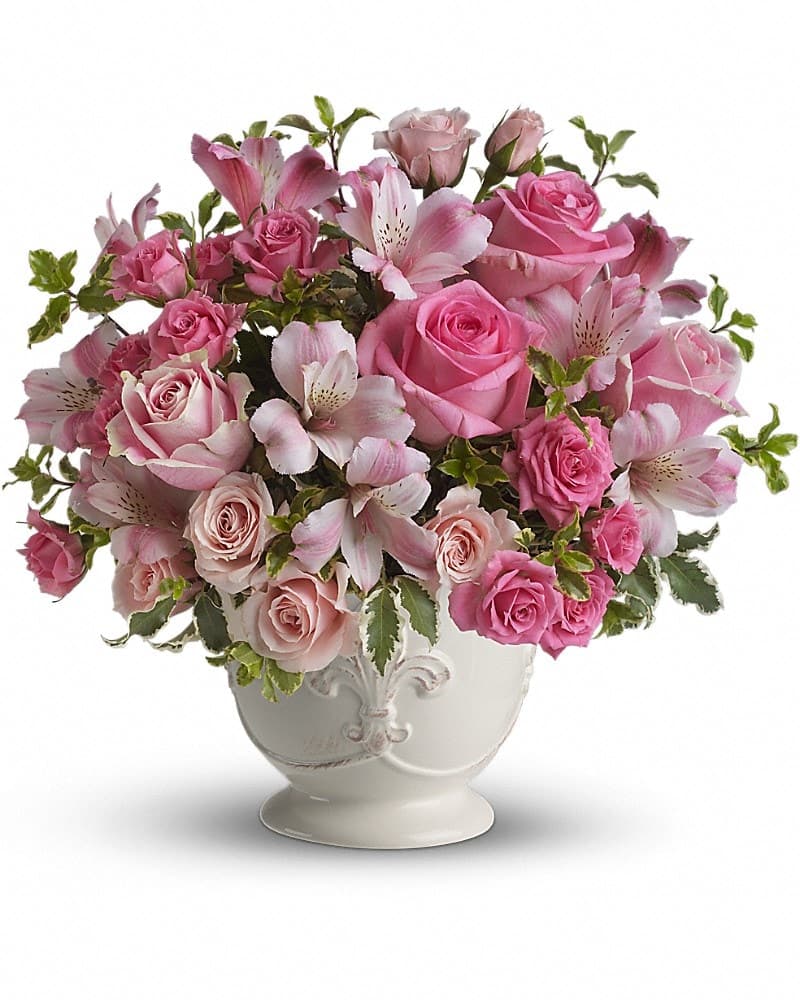
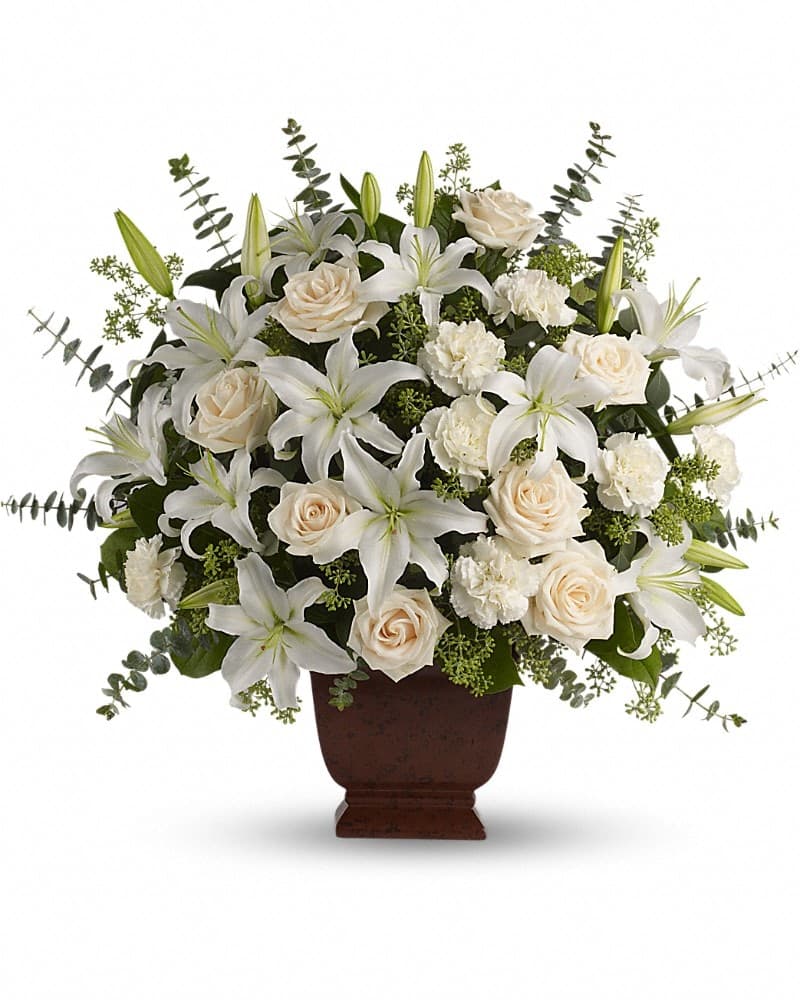
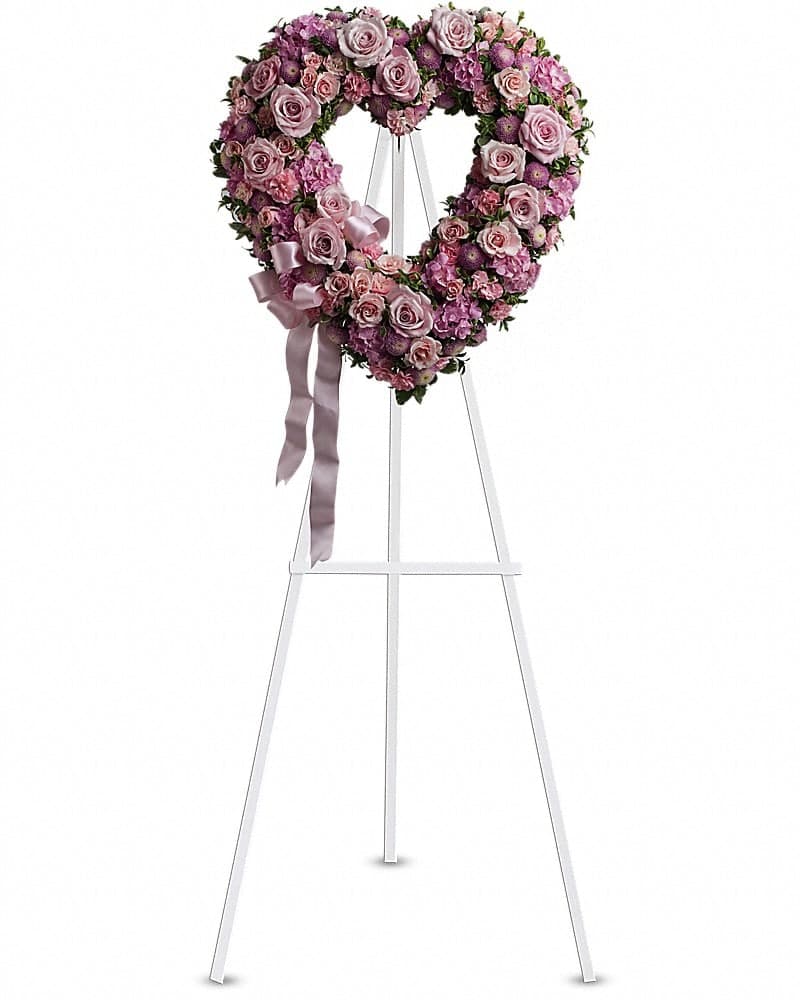
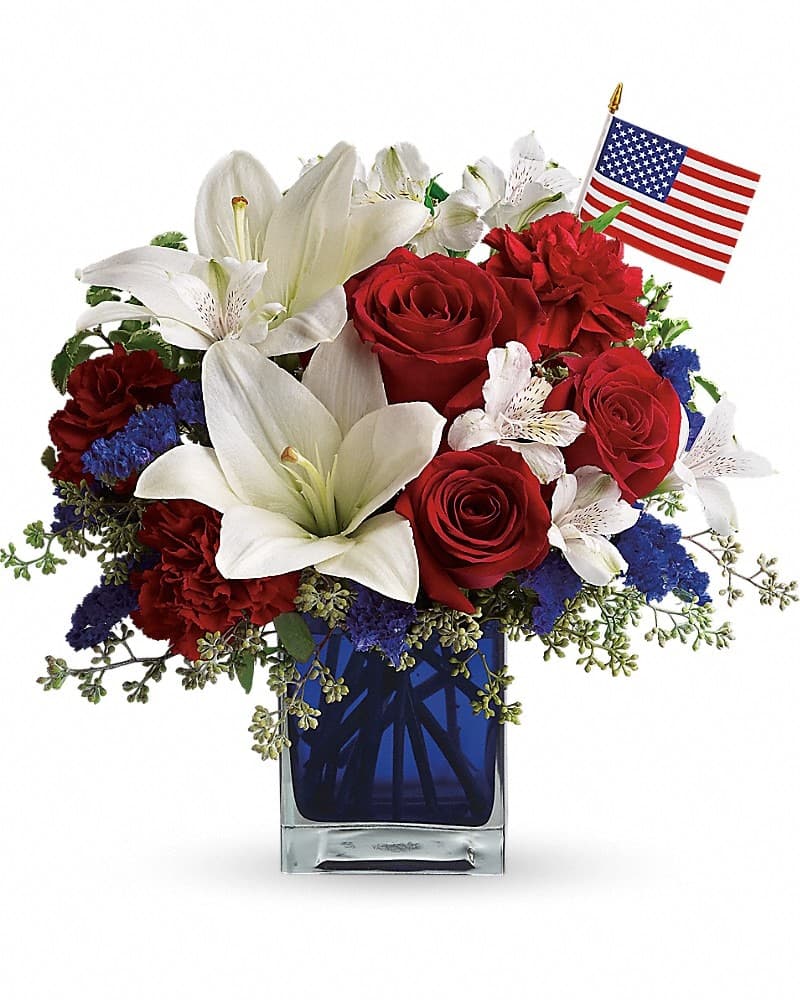
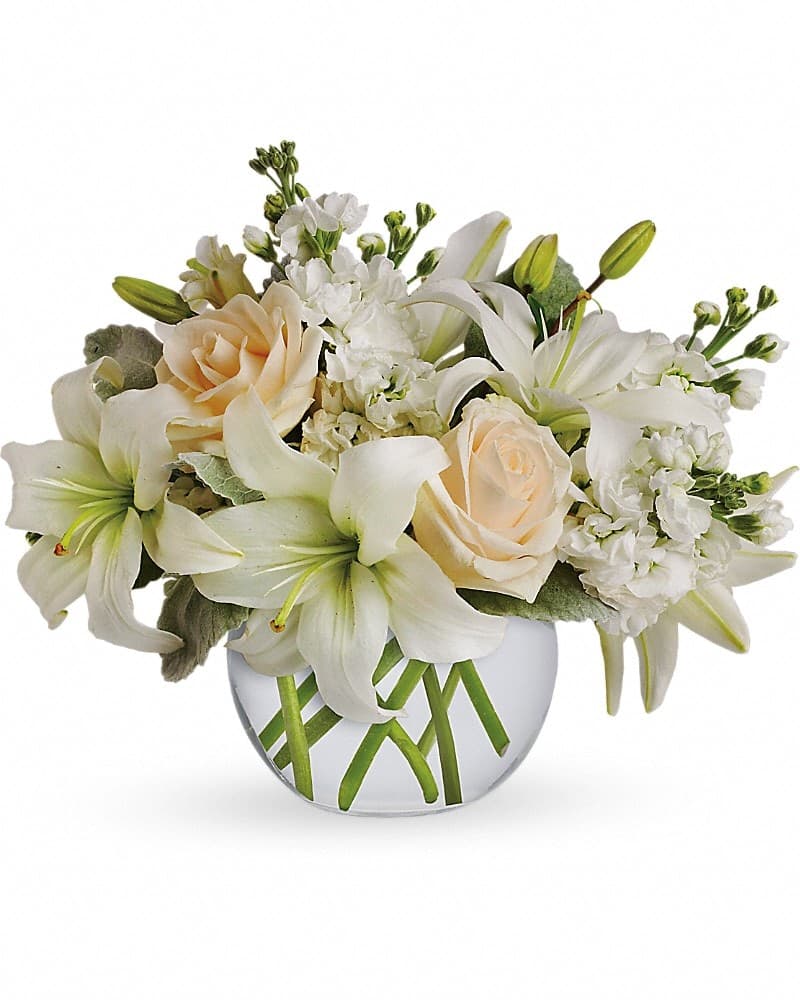
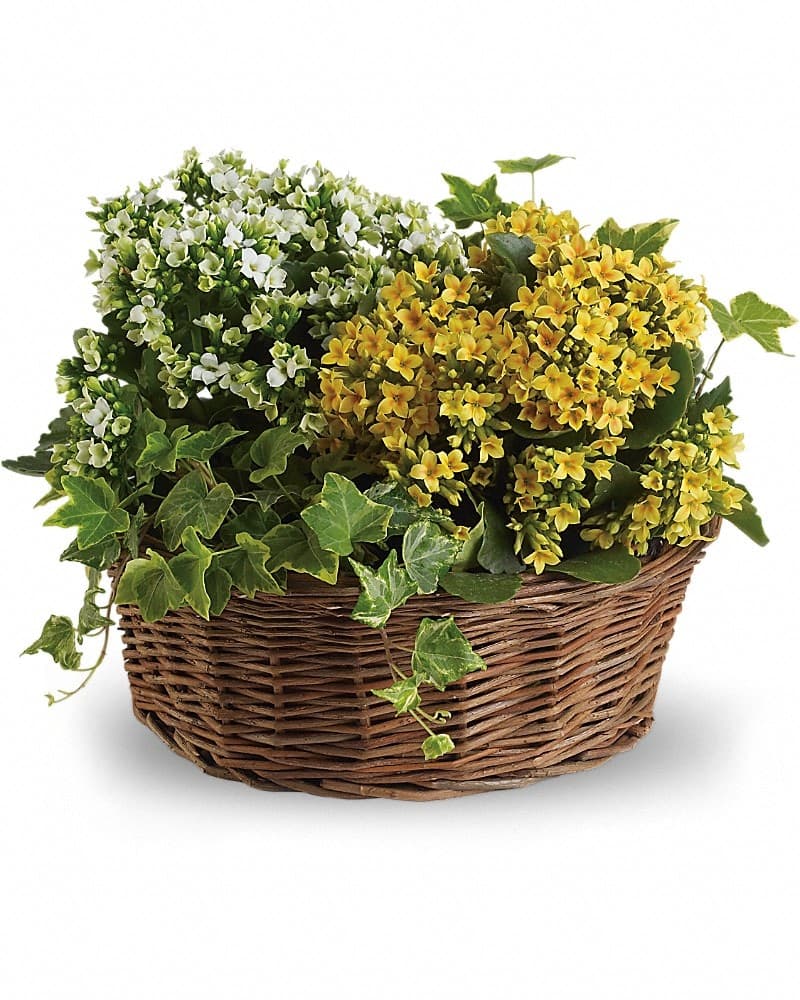
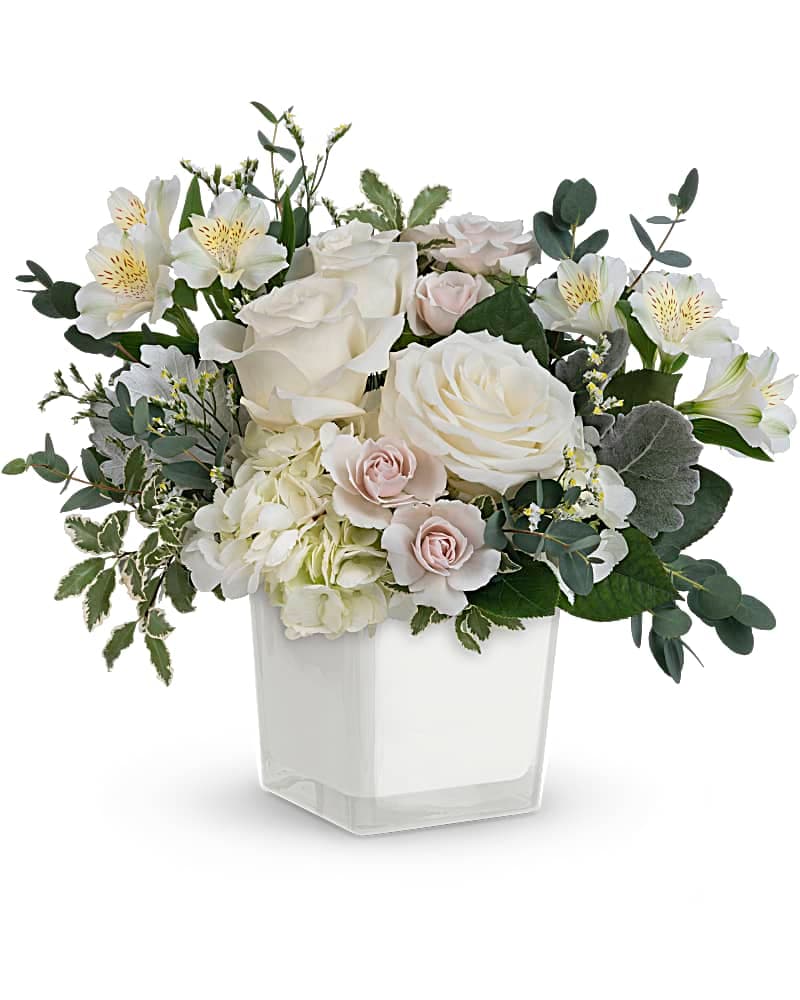
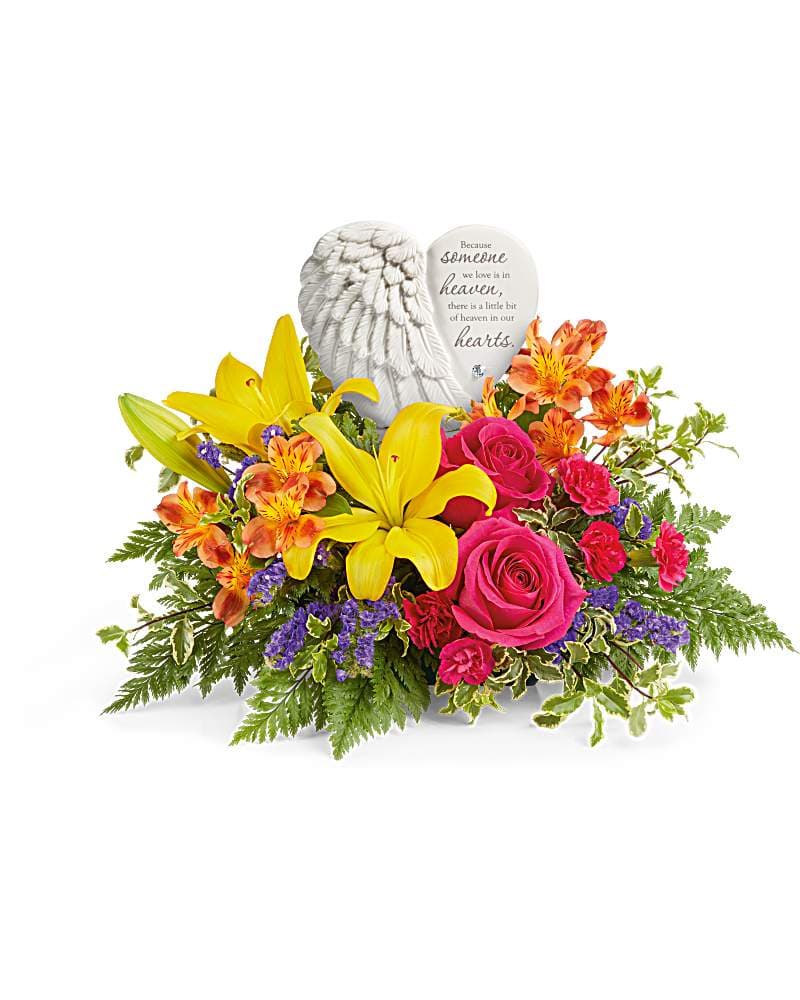
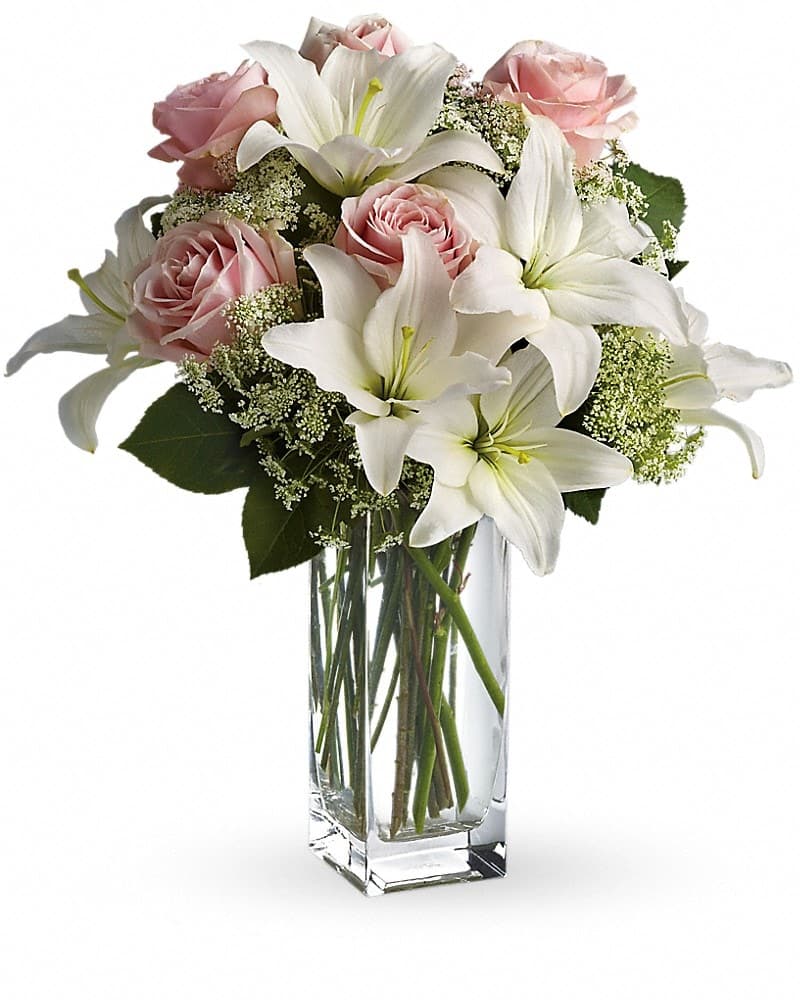
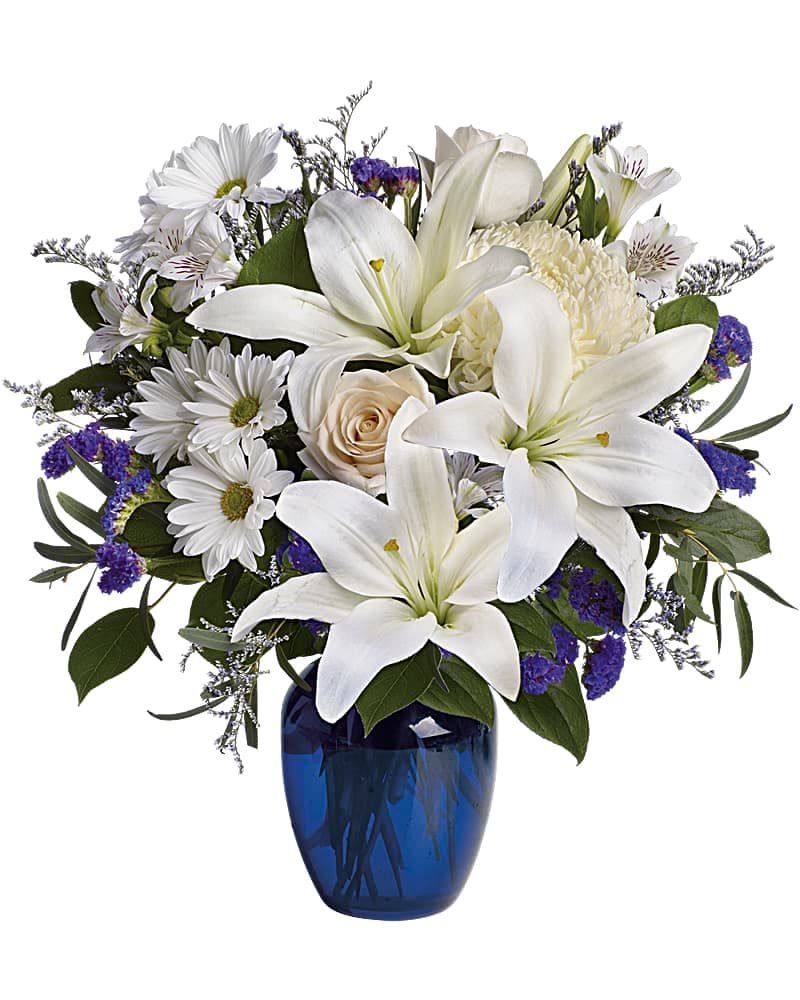
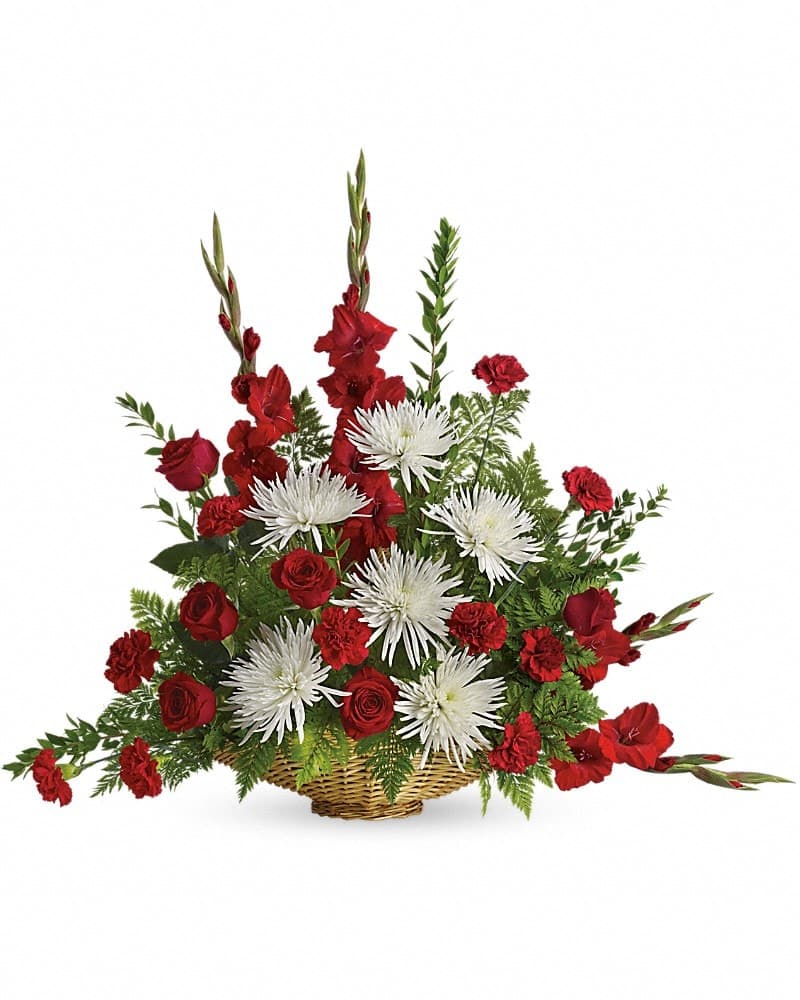
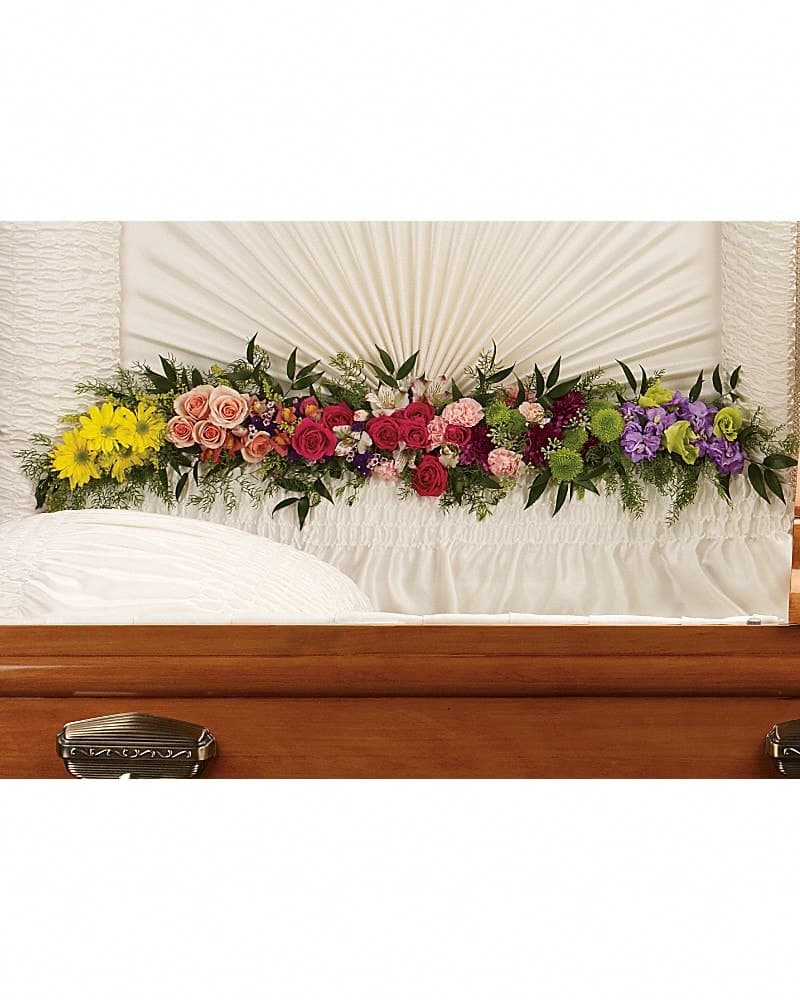
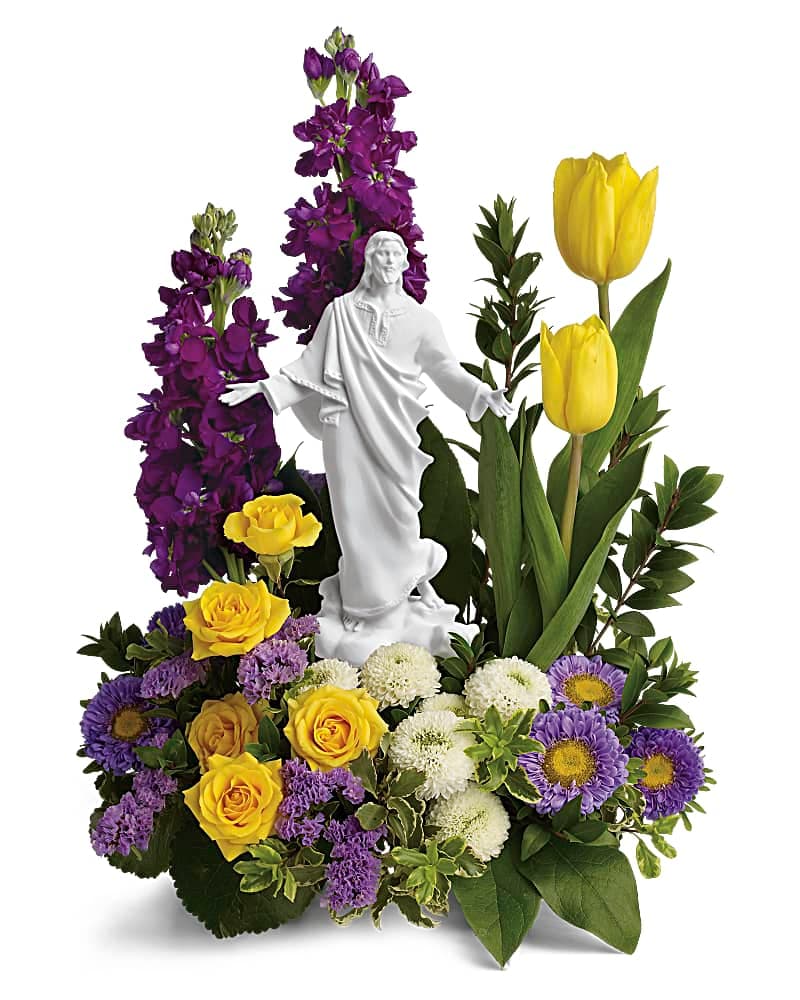
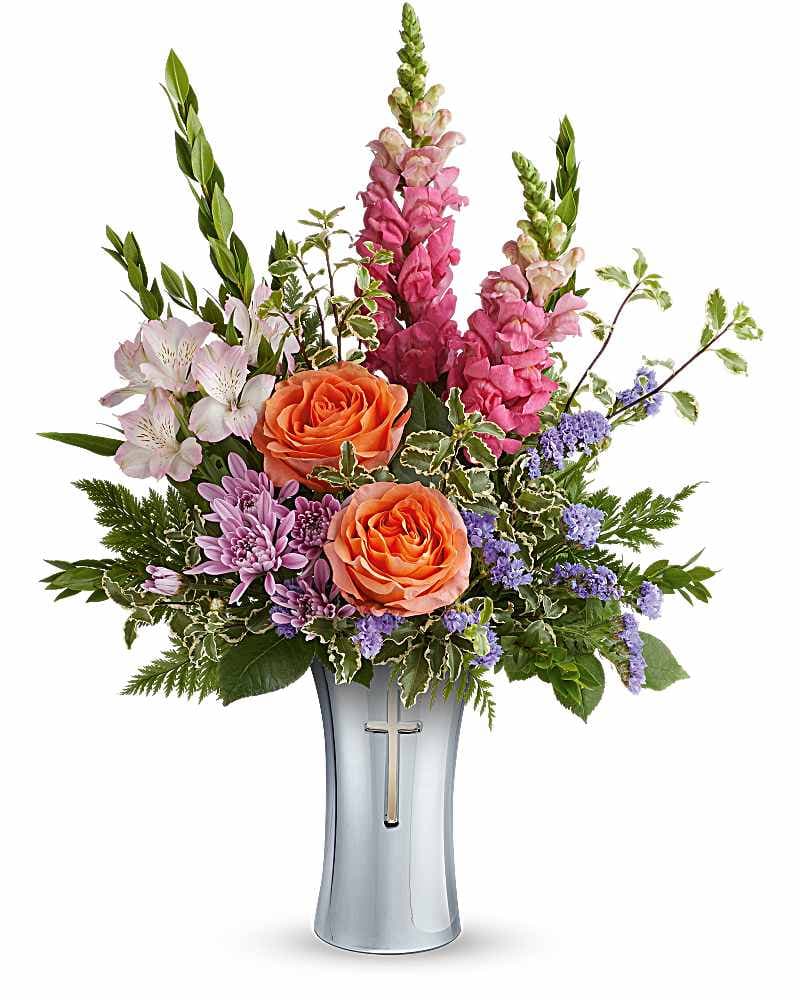
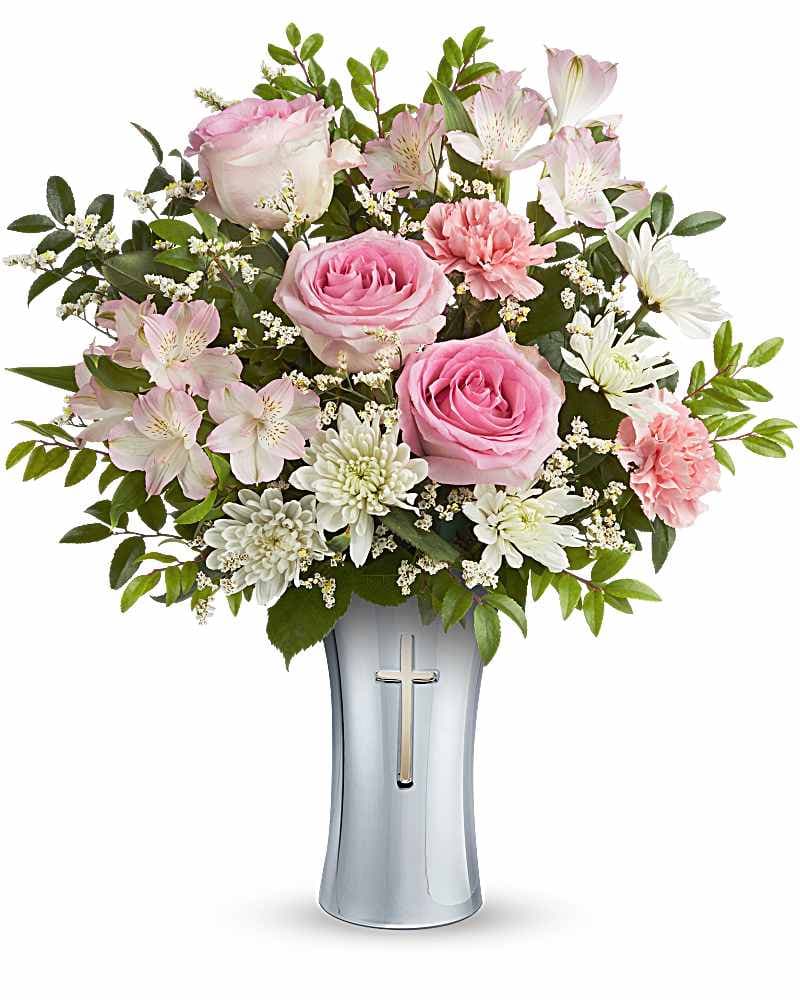
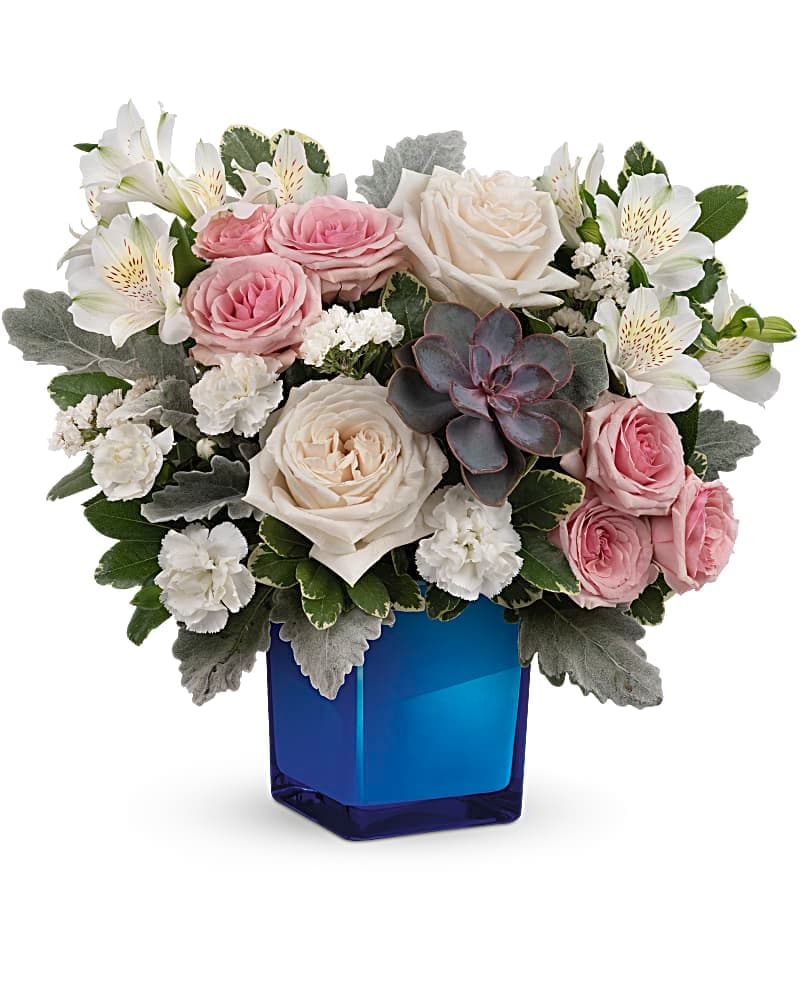
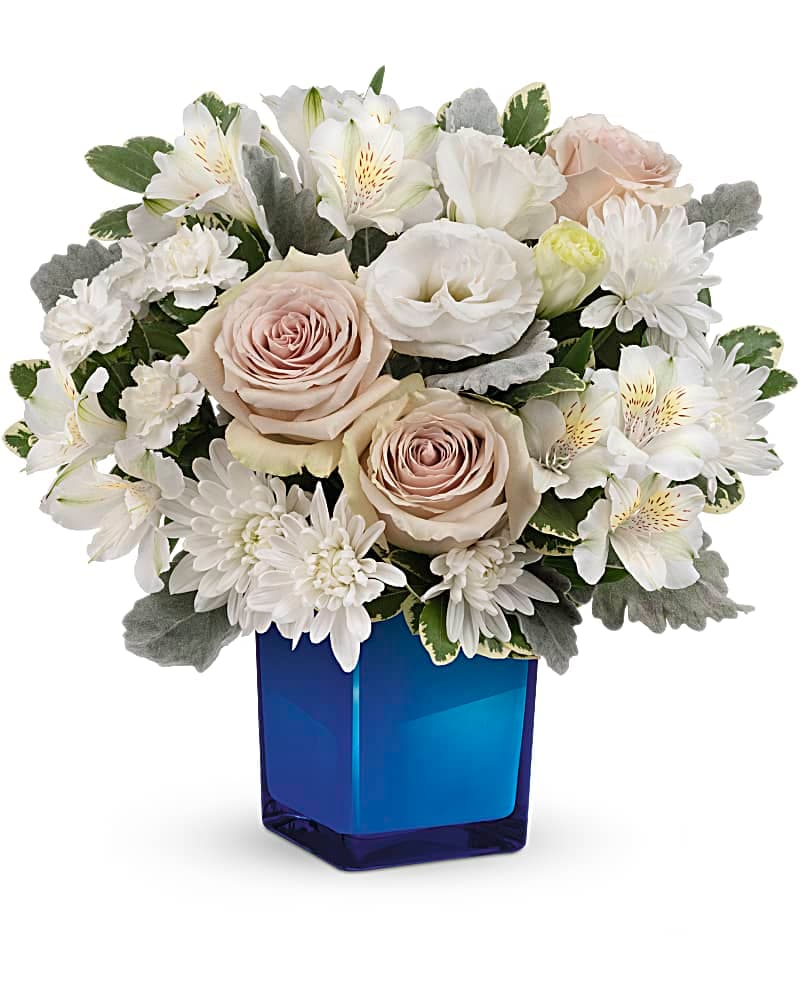
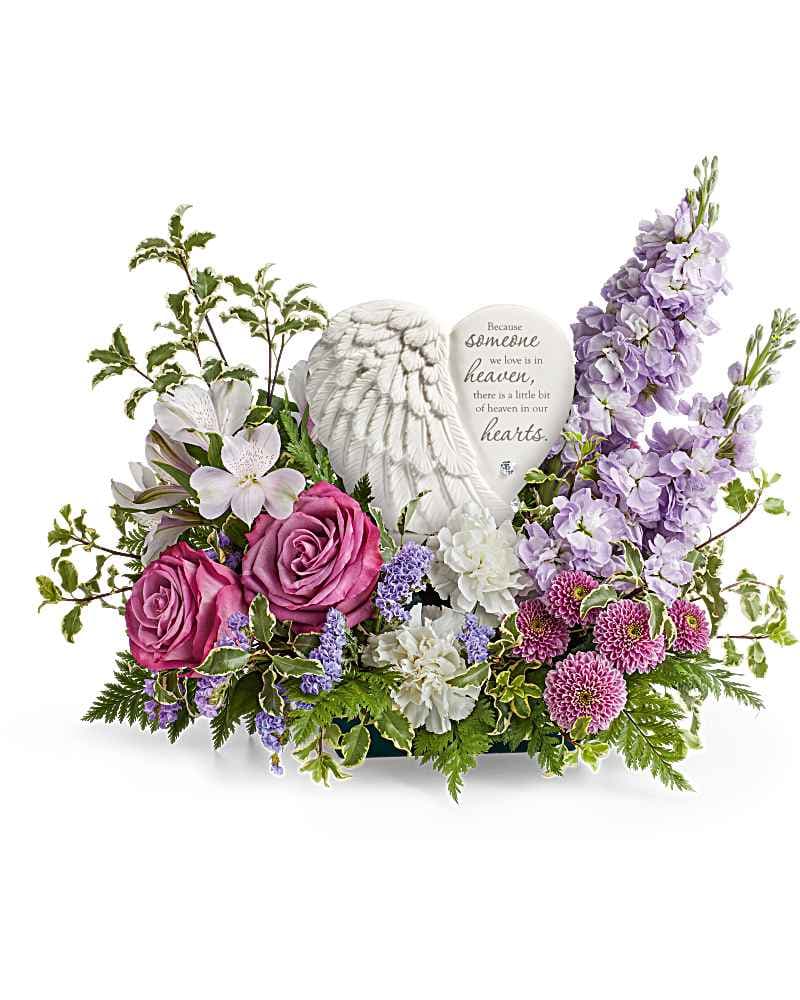
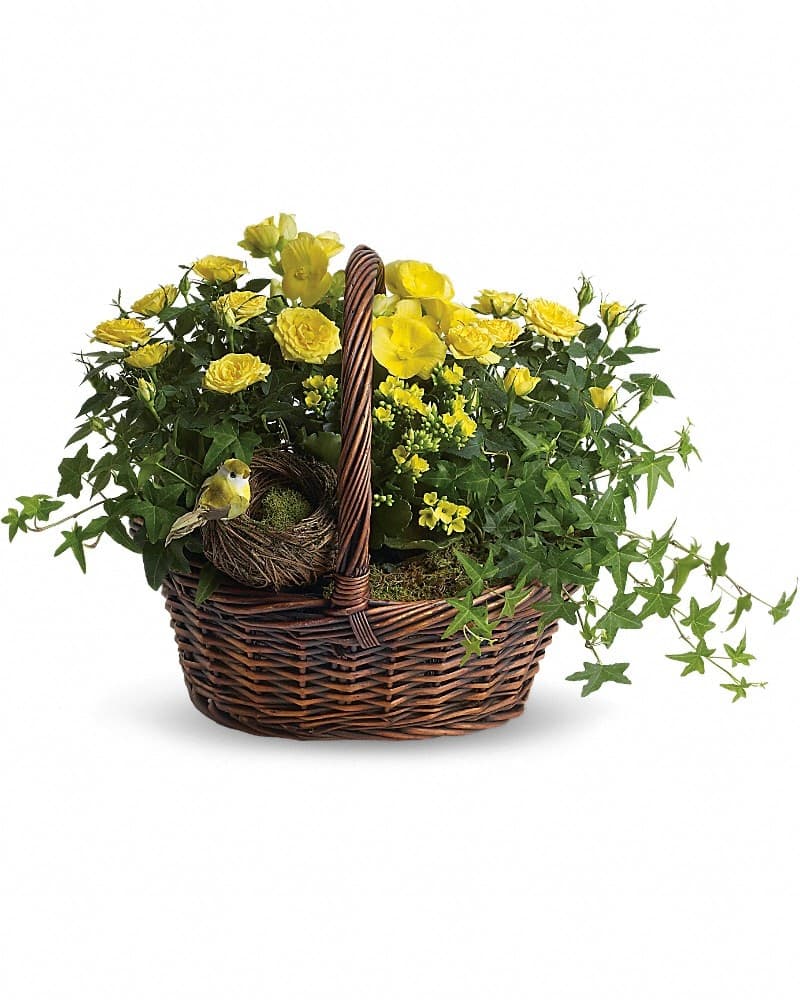
Then there is the question this city answers differently from almost any other place its size: which tradition. Utica has taken in refugees for four decades — Bosnian families in the largest numbers, along with Karen and other Burmese communities, Somali Bantu, Vietnamese, Russian and Ukrainian, Nepali and Bhutanese households — and roughly a fifth of the city was born somewhere else. That is not a demographic footnote when you are ordering funeral flowers; it decides whether flowers are the right gesture at all. For Muslim families, including Utica's large Bosnian community, which worships in a former Methodist church on Court Street, burial happens as quickly as possible, often within a day, and floral tributes at the mosque or the grave are generally not customary — food, a visit, or a plant sent to the family's home afterward lands correctly where a chapel spray would not. For Jewish families, flowers are not traditional at the funeral; a plant or a food basket to the house during the mourning week, and a donation in the person's memory, are the conventional gestures. For Catholic, Orthodox, Baptist and Pentecostal families — which covers the Italian, Polish, Irish, Lebanese, Karen, Vietnamese, Ukrainian and Russian communities here — flowers at the parlor and the church are expected and welcome.
The Catholic geography of Utica is the city's oldest and still its densest sympathy map. East Utica — the historic Italian neighborhood around Jay Street, Bleecker Street and Mohawk Street — carries St. Mary of Mount Carmel and Blessed Sacrament, the parish behind the Mount Carmel tradition; Holy Trinity on Lincoln Avenue is the Polish parish; Old St. John's on Bleecker Street is the city's oldest Catholic congregation; St. Joseph and St. Patrick on Columbia Street downtown is the large stone church that has spent this generation serving the resettled communities as much as the Irish and German families who built it; Grace Episcopal stands at Oneida Square on Genesee Street. Funeral homes sit along Genesee Street, Mohawk Street and in every surrounding village, and the practical instruction is the same for all of them: give the shop the parlor's name, the deceased's full name, and the calling-hours window. A parlor may hold three families in a week, and the name on the card is what gets the arrangement to the right room.
Burial here is seasonal in a way that surprises out-of-town senders. Forest Hill Cemetery on Oneida Street is the city's large historic burying ground, where Roscoe Conkling lies among the nineteenth-century Utica families; the Catholic cemeteries and the village cemeteries in Whitesboro, Clinton, New York Mills and Barneveld take most of the rest. But from December into March the ground and the roads both argue against a graveside committal, and in this part of New York it is common for the burial itself to be deferred to spring while the funeral proceeds in winter. If you are sending flowers for a committal, ask whether there is one. When there is, the arrangement goes to the funeral home rather than the cemetery, and the director carries it out — nothing should be left standing at a grave in a Utica February, and cemetery offices generally will not accept a delivery on a family's behalf.