Her treatment is at Fred Hutch. Do I send to South Lake Union?
+
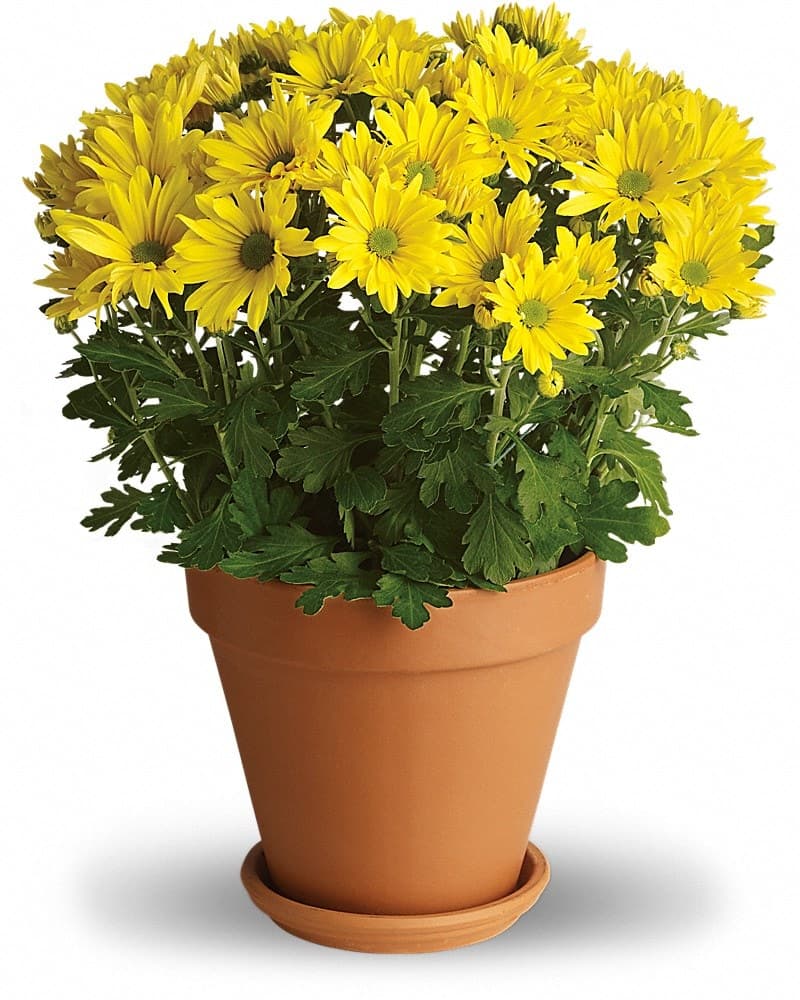
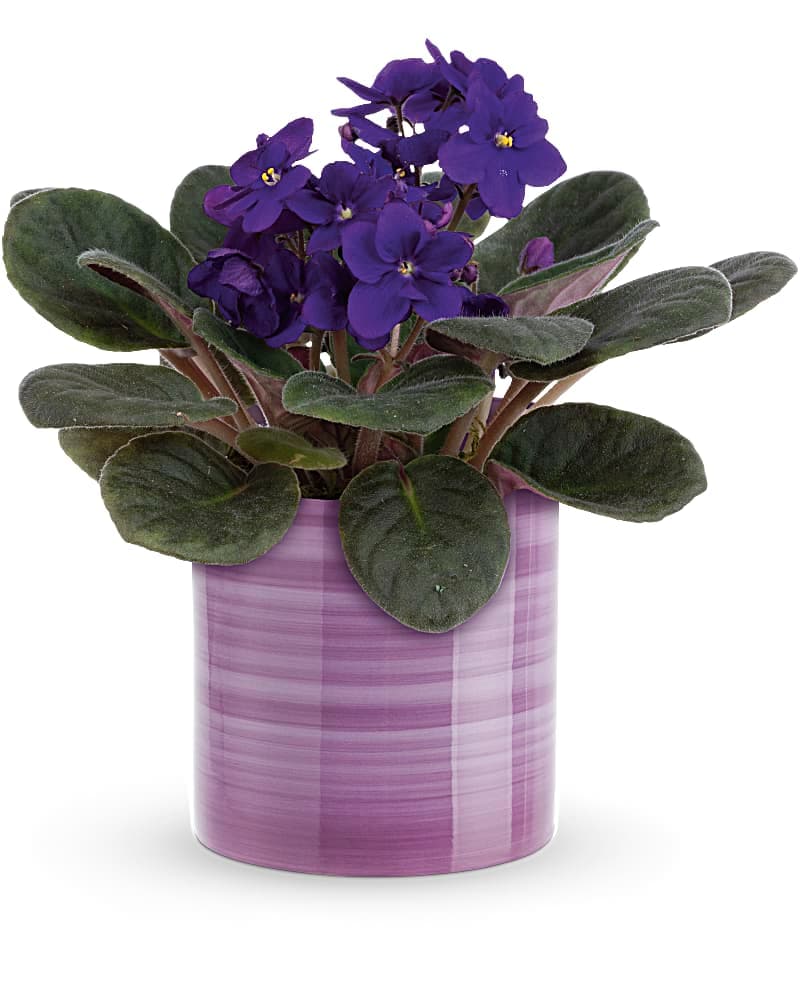
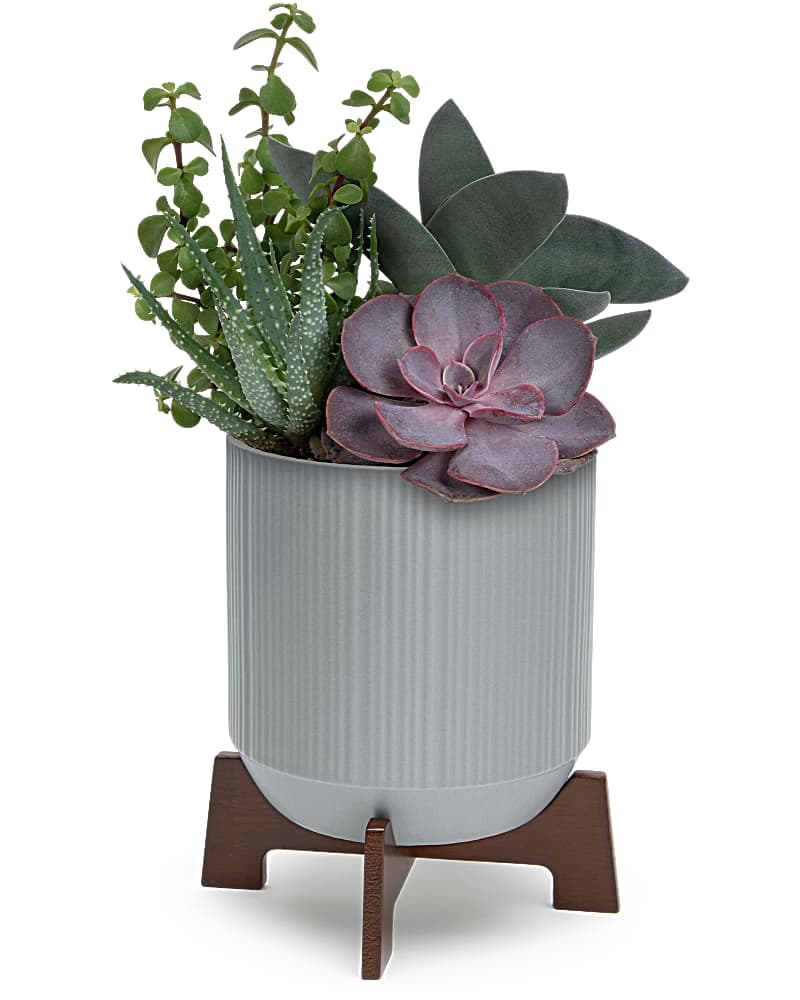
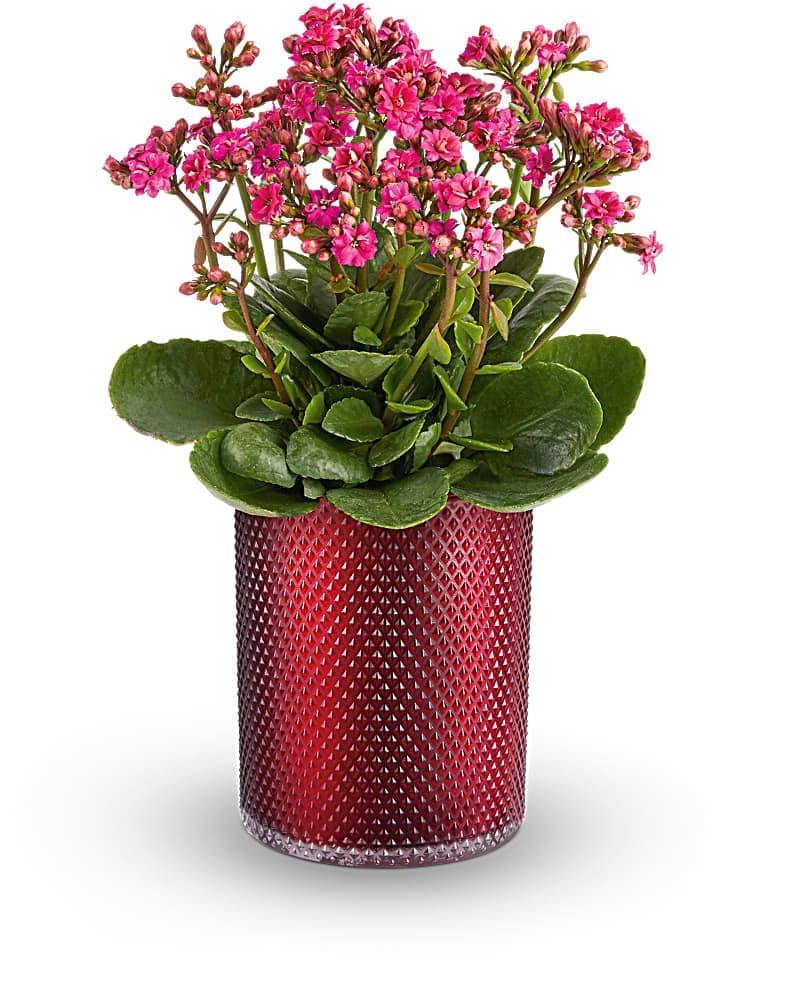
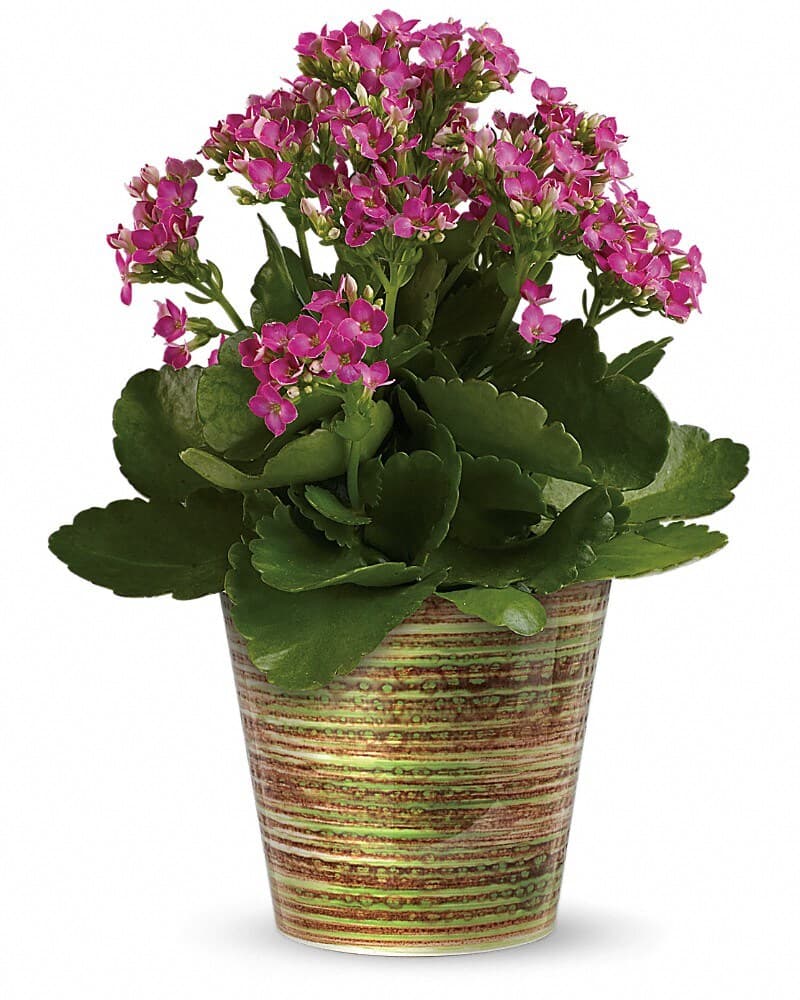
Usually not, and this is the most common misdirection on the page. The Fred Hutchinson Cancer Center campus at 1100 Fairview Avenue North is clinics, infusion and laboratories; the inpatient beds for its patients sit three miles northeast at UW Medical Center in Montlake. If the family says she is at the Hutch and she is staying overnight, ask which building before you order anything. On transplant and hematology-oncology services nothing living comes into the room — the objection is potting soil and a vase of standing water rather than pollen. A lot of Hutch families spend months in patient housing in South Lake Union, Pete Gross House best known among them, and a bouquet sent there is one that actually gets looked at. Seattle Flower Lady on Eastlake Avenue East covers both ends of that trip.
Which of the fourteen shops is nearest the hospital I need?
+
For First Hill — Harborview, Virginia Mason, Swedish First Hill and Swedish Cherry Hill — it is Seattle Flowers at 600 2nd Avenue or Tiffany's Blooms at 507 S Jackson Street, with Floral Masters in Belltown as the northern alternative. For UW Medical Center in Montlake, Fred Hutch on Fairview and Seattle Children's on Sand Point Way, it is Seattle Flower Lady on Eastlake Avenue East. For the VA on Beacon Hill, Hansen's Florist in Georgetown shares the ZIP code. Across the lake: Lawrencethe Florist for Overlake, Fena Flowers for EvergreenHealth, Cugini for Valley Medical in Renton, Fran's and Irisandpeony for St. Anne in Burien. The north end has no close shop and is served from Eastlake or Bothell.
What will Seattle Children's actually allow into the room?
+
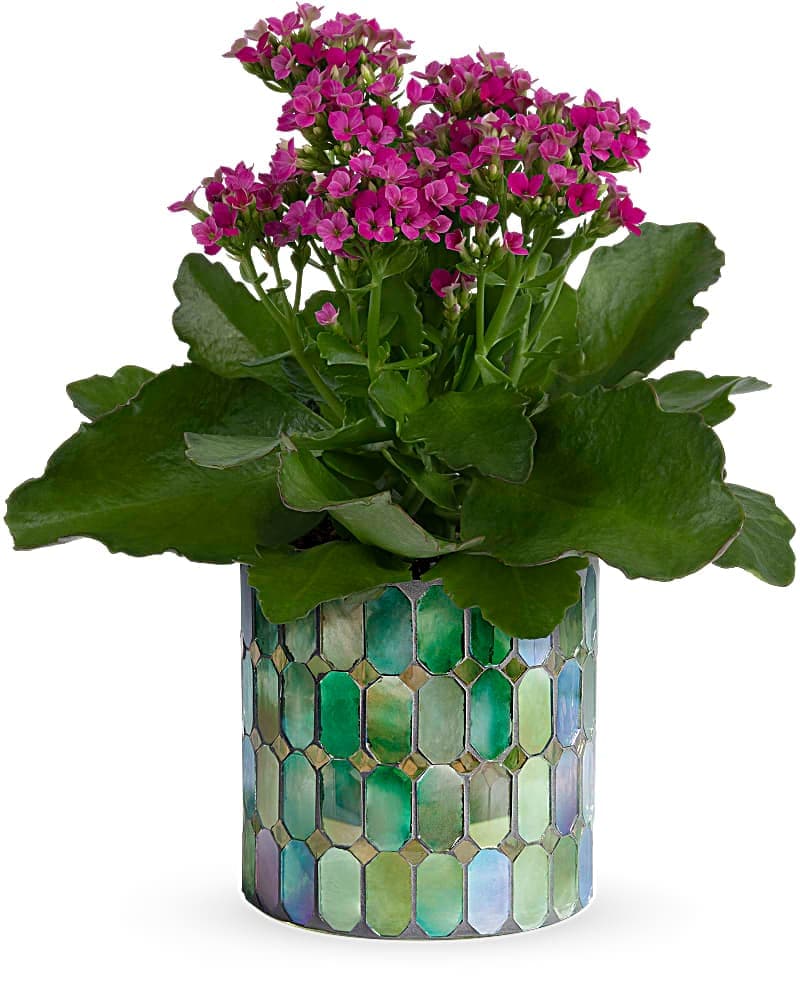
Less than most people assume, and the ward decides rather than the hospital. Seattle Children's is at 4800 Sand Point Way NE in Laurelhurst and names its units instead of numbering them, so ask the parents for the ward name and put it on the order. Hematology-oncology, transplant and the intensive care units work under a no-soil, no-standing-water rule, which rules out potted plants outright and cut arrangements in most cases. General surgical and orthopedic floors are usually content with something small in a glass vessel. Latex balloons are declined on allergy grounds while mylar is normally fine, and anything with small parts that can work loose is a problem in a crib. We build low and bright and the shop rings the ward first.
Why is every hospital build lily-free and unscented?
+
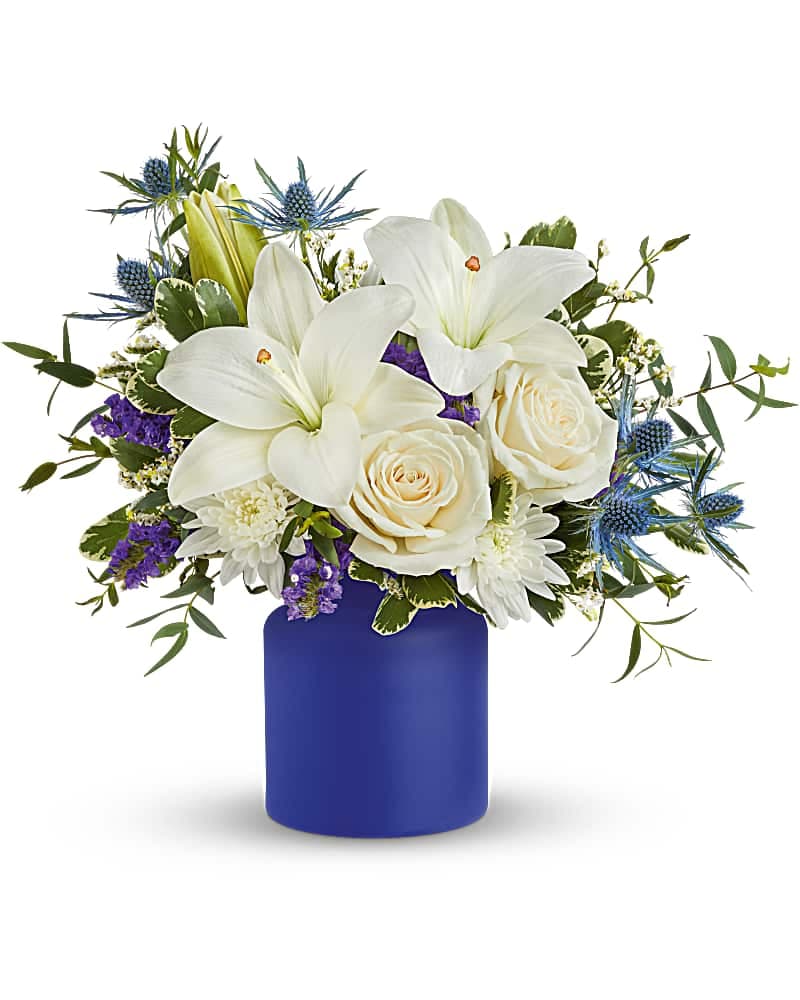
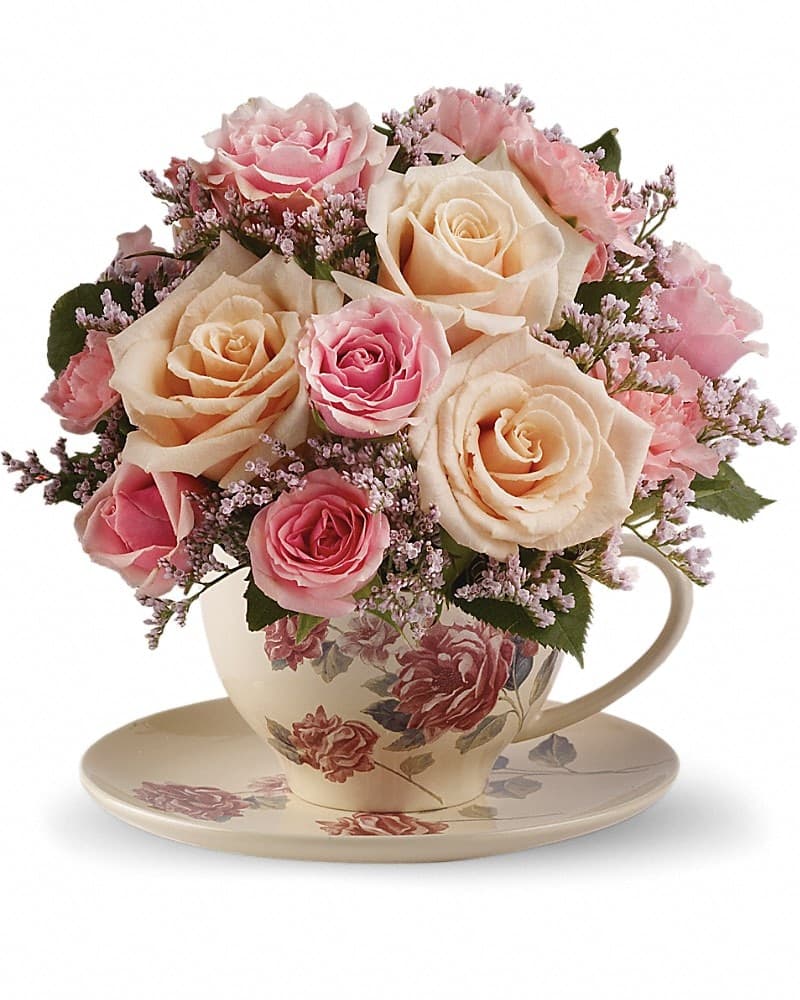
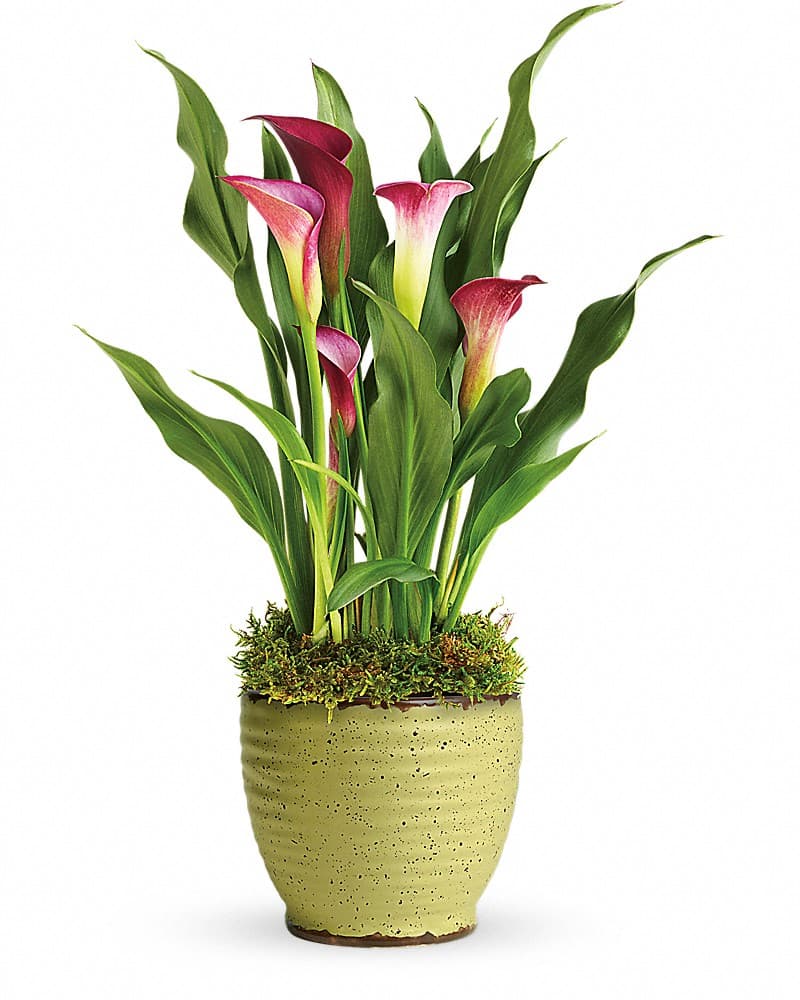
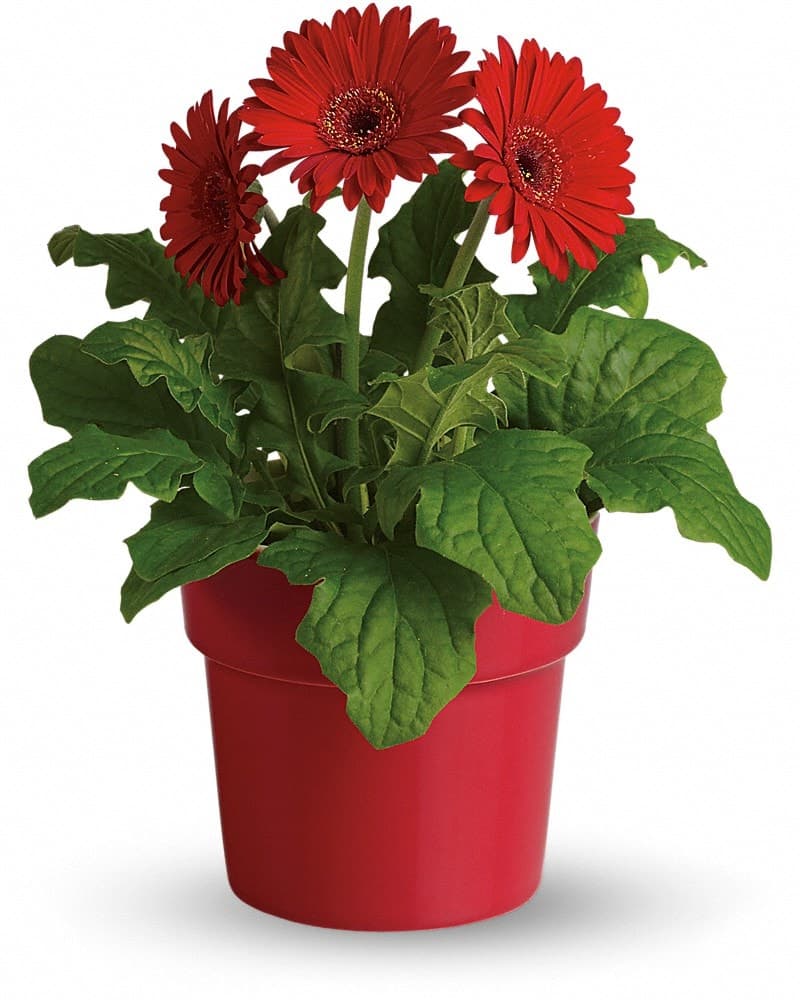
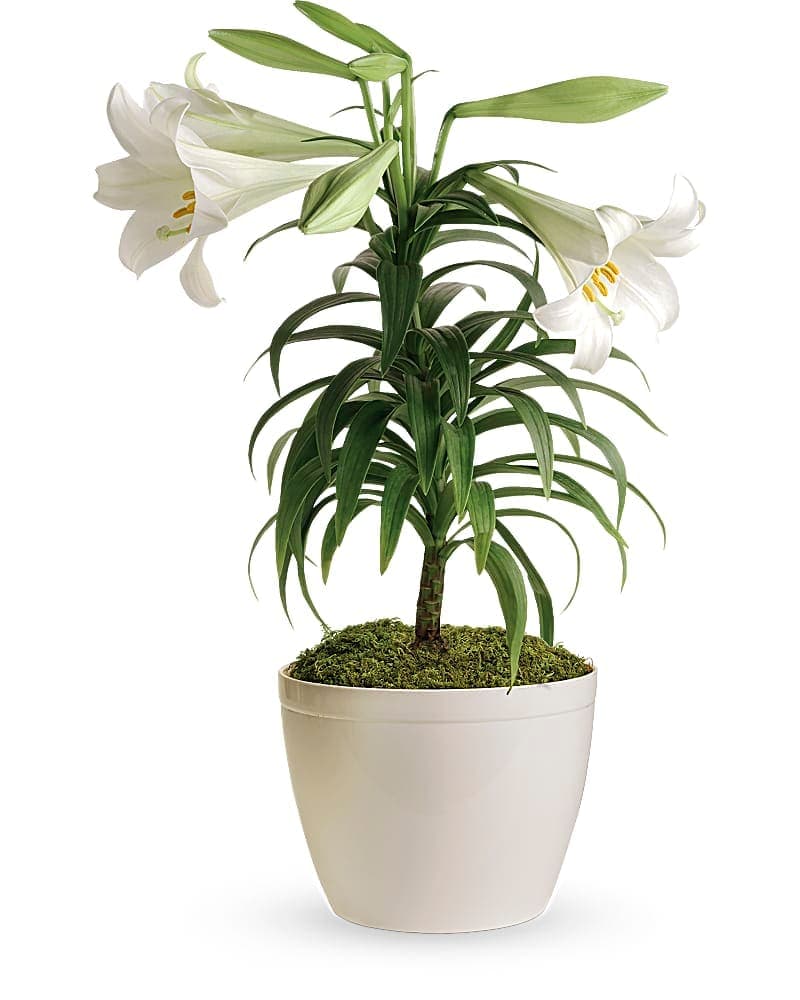
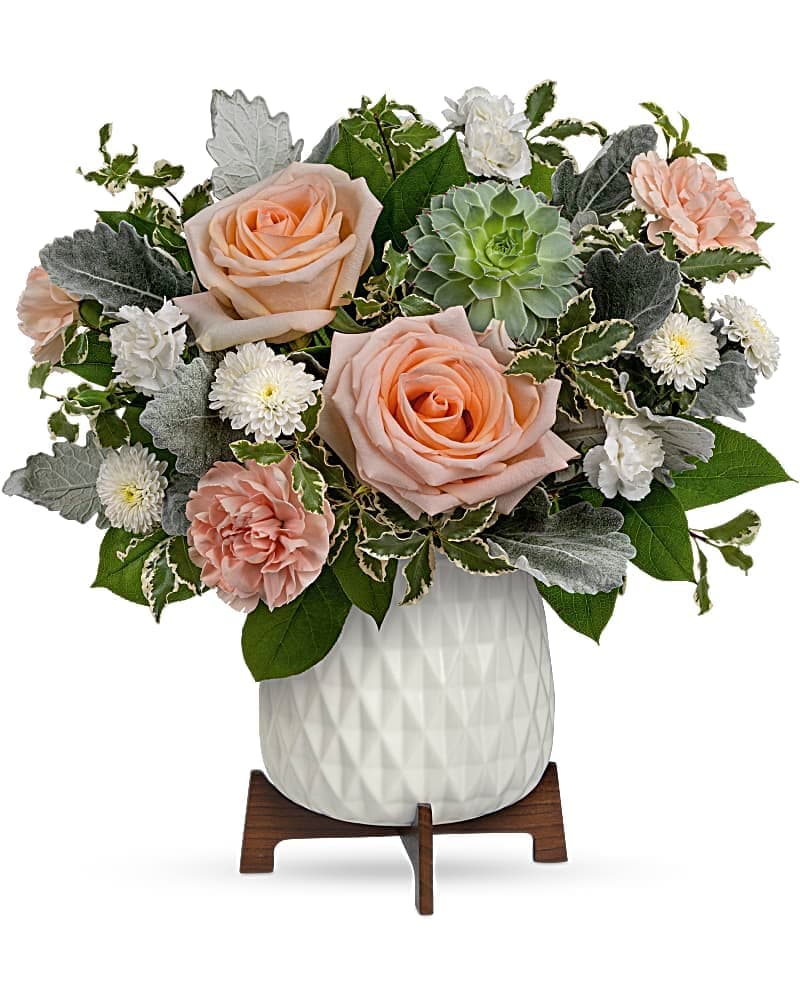
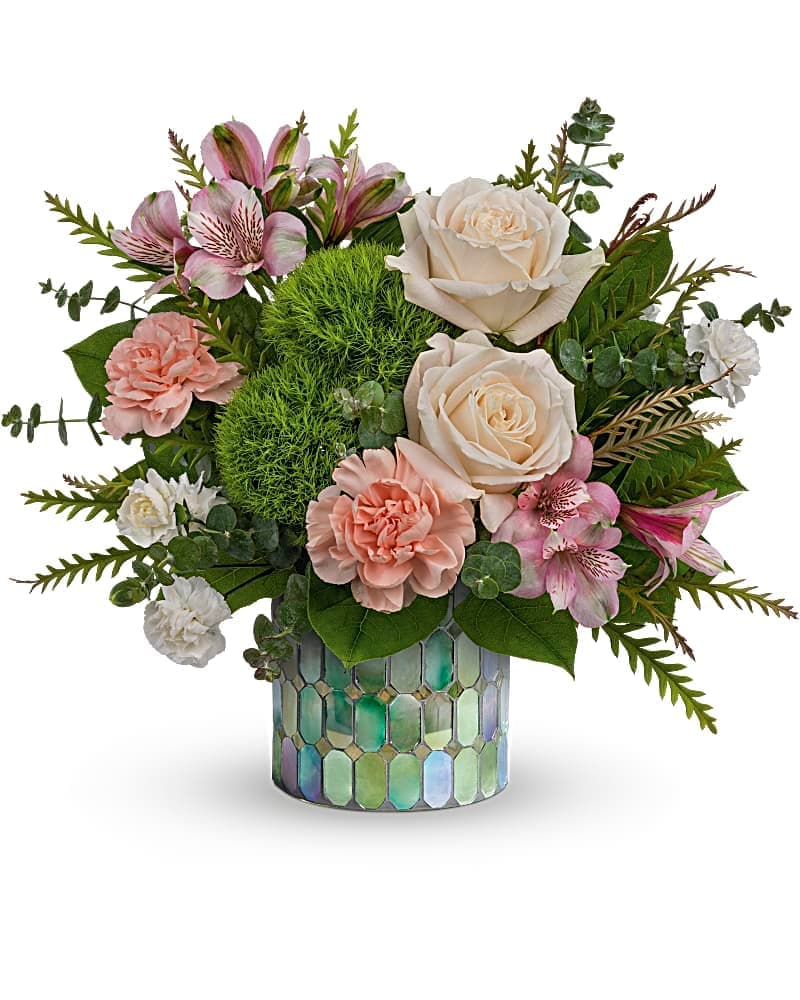
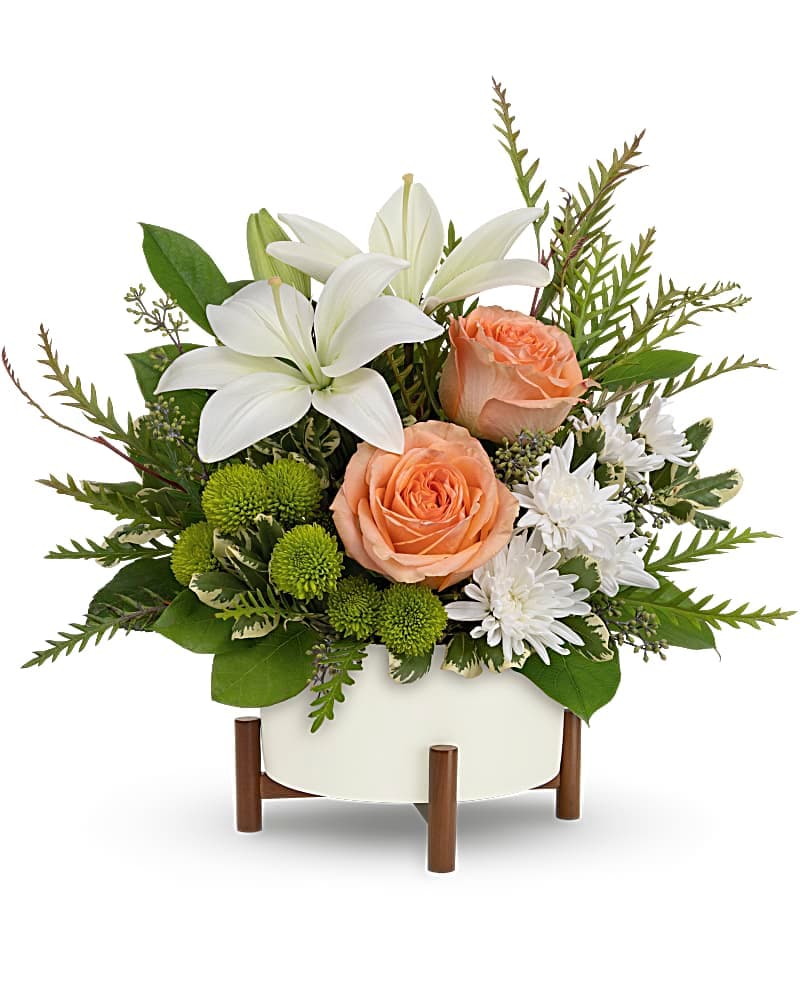
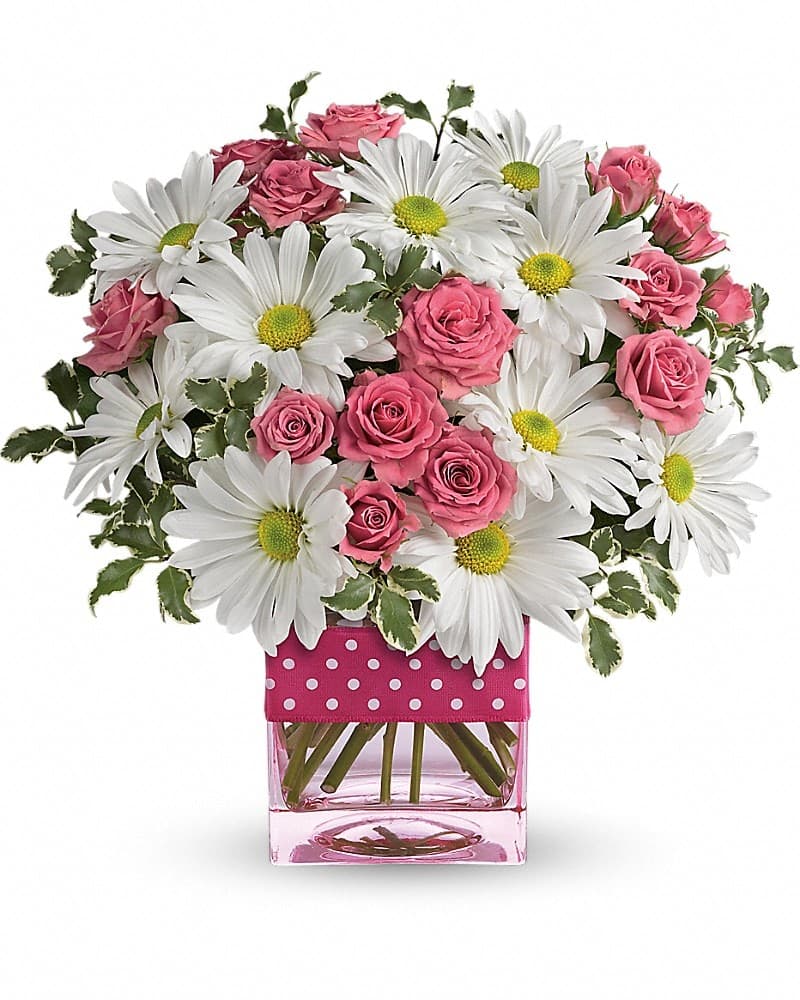
Three separate reasons, none of them aesthetic. Lily anthers shed an orange dust that stains a pillowcase and a patient's hands, and the person who has to deal with that is already short of time. Strong perfume — hyacinth, freesia, stargazer, dense stock — works directly against nausea that somebody on the floor is actively managing, and in a shared room your choice of scent lands on a stranger who was never asked. Third, the room has three usable surfaces and no more: a sill about the width of a paperback, a bedside table and a tray that has to carry three meals. So the default is gerbera, alstroemeria, spray roses, carnation and low-scent stock, built short and dense in glass or ceramic with no soil in it.
She is recovering at home in Seattle instead. Does anything change?
+
Everything relaxes except the weather and the stairs. With no ward rules in play, send the scented, generous, lily-heavy thing she would actually choose. Then think about the porch: this city spends most of the year damp, and a paper-wrapped hand-tied left uncovered on a Ballard or Wallingford step for four hours arrives looking like it was rained on, because it was. Ask for the covered side of the porch and leave a cell number. In an apartment building, a lobby package room will not take a vase of water, so the delivery needs either a person or a concierge desk with hours. Someone three days out of surgery on a Queen Anne hill house takes the stairs slowly — have the driver announce the run by text rather than lean on the bell.