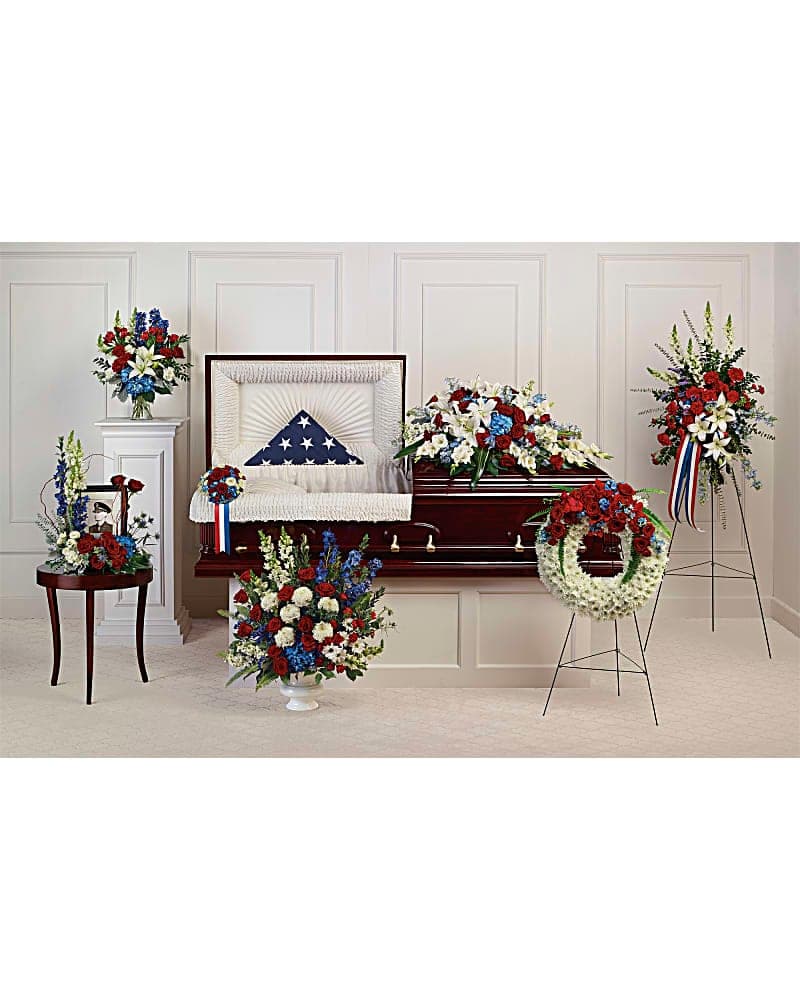
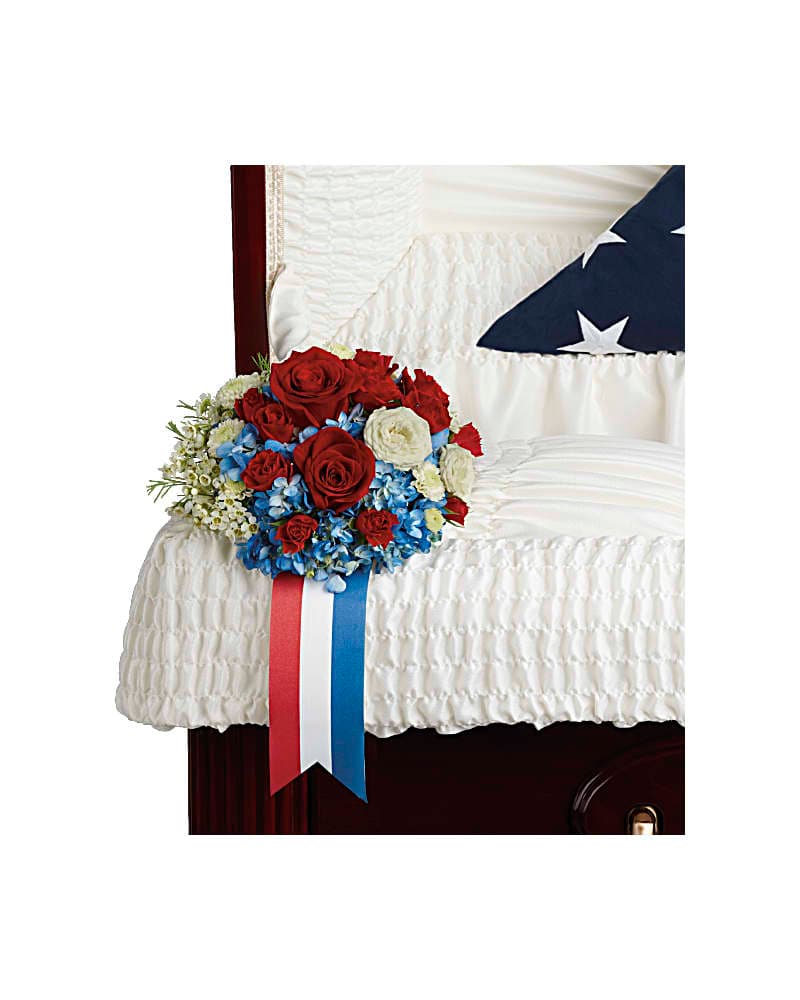
The chapels themselves are spread across both banks and out into the townships, and the directors run on their own timetables. W.L. Case & Company Funeral Chapel sits on Mackinaw Road on the west side. Deisler Funeral Home is on Hemmeter Road in the Saginaw Township residential belt. Snow Funeral Home is out on North Center Road. Evans & Browne's Funeral Home serves Saginaw's east-side Black community and has been part of that neighborhood's civic life for generations. In Bay County, the chapels cluster along Columbus and Center Avenue — the same Columbus Avenue that Memoriesbycandlelightllc is on, which is simply a matter of geography rather than any arrangement between them. Burials go to Forest Lawn and Oakwood on the city's own ground, Roselawn Memorial Gardens on the township side, Mt. Olivet for Catholic families, and parish cemeteries out in Frankenmuth, Freeland, Hemlock and Bridgeport. Veterans are a large share of Saginaw funerals — the Aleda E. Lutz VA Medical Center on Weiss Street, named for the Freeland-born flight nurse who died on her 196th evacuation mission, anchors a substantial veteran population — and some of those families choose Great Lakes National Cemetery in Holly, which is a separate run south. Always give us the chapel or cemetery name plus the service date and time; the studio calls the director to confirm the delivery window and where in the room the piece is meant to stand.
Saginaw's religious geography is specific enough that the right piece changes by parish and congregation. The city is the seat of the Diocese of Saginaw, and the Cathedral of Mary of the Assumption on Hoyt Avenue anchors a Catholic community whose funeral Masses follow the usual pattern — standing sprays and easel pieces at the visitation, arrangements that can be moved to the church, and nothing that competes with the altar during Mass. German Lutheran roots run deep to the southeast: St. Lorenz Lutheran Church in Frankenmuth is one of the largest Lutheran congregations in the country, and Frankenmuth and Frankentrost funerals tend toward restrained, traditional white-and-green work. Saginaw's east side carries two more traditions that a good studio knows by feel. The Black church community — AME, Baptist and non-denominational congregations built up through the Great Migration, when the foundries and the steering-gear plants drew families north — favors full, visible tributes at the visitation and often a specific color the family names. The Mexican-American community, whose roots here run back to sugar-beet and bean-field labor across Saginaw and Bay counties, frequently asks for crosses, Guadalupe-appropriate devotional pieces and strong color rather than pastels. Say the family's church or parish on the order; you do not need to explain more than that.
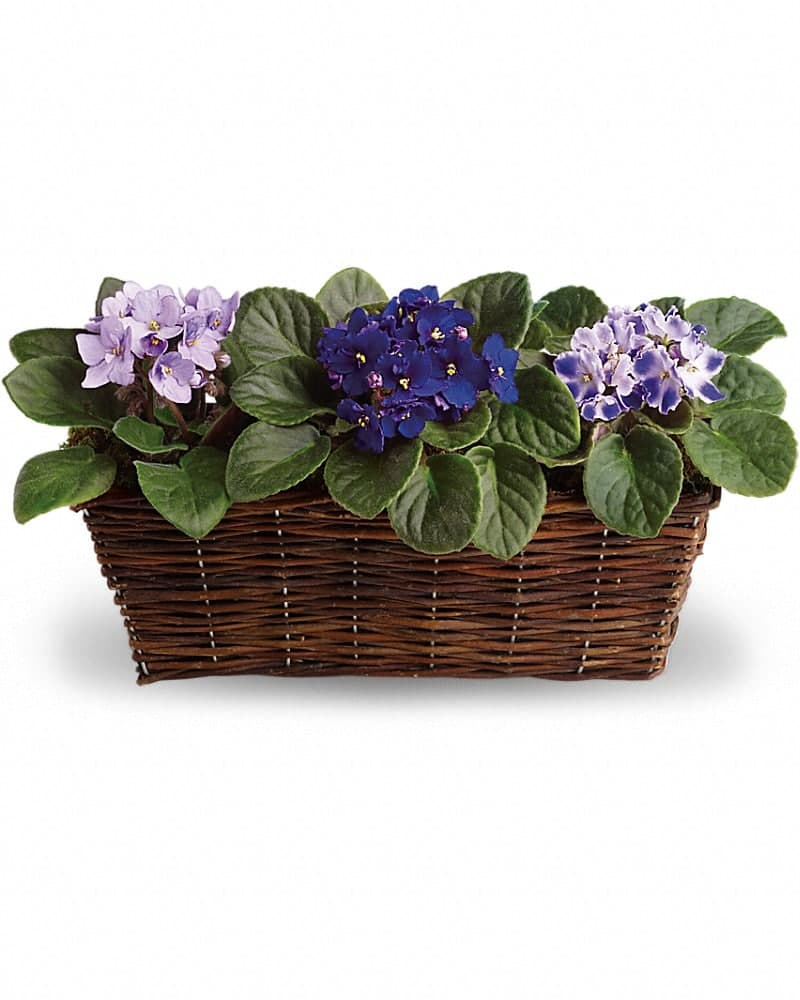
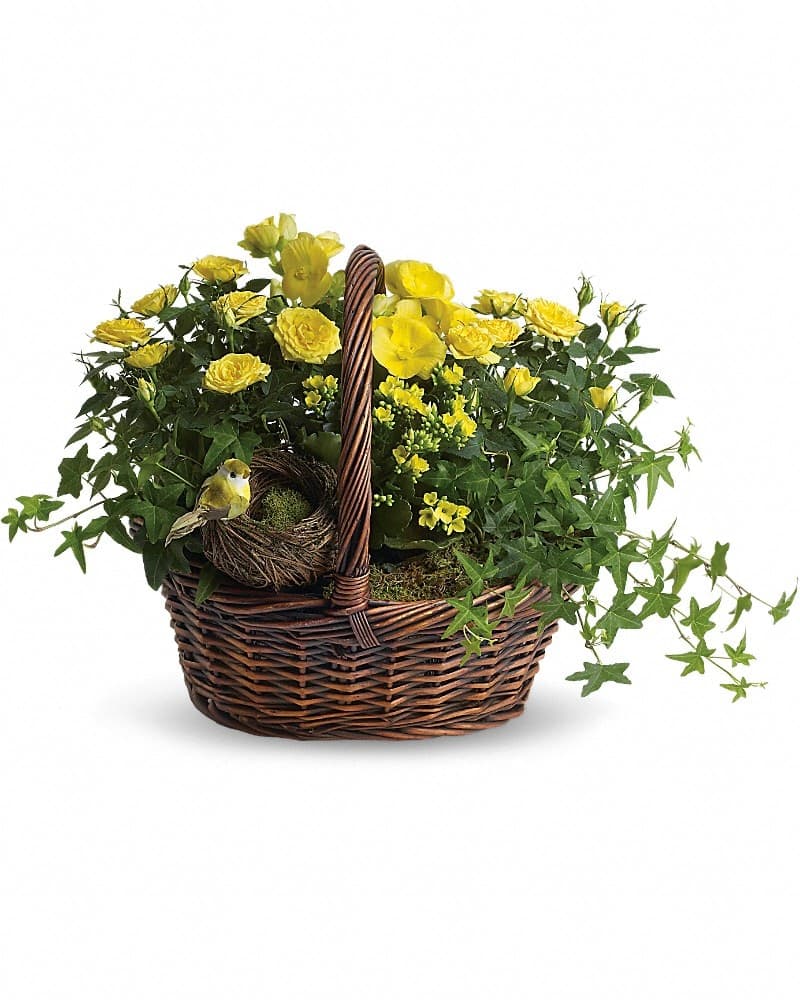
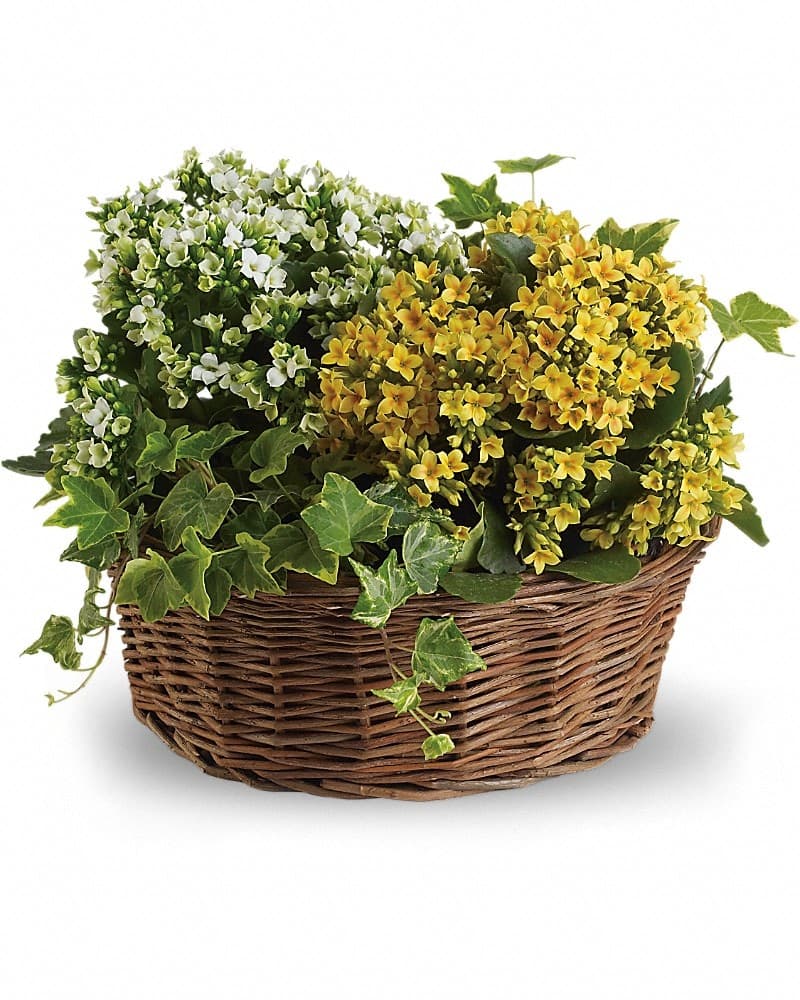
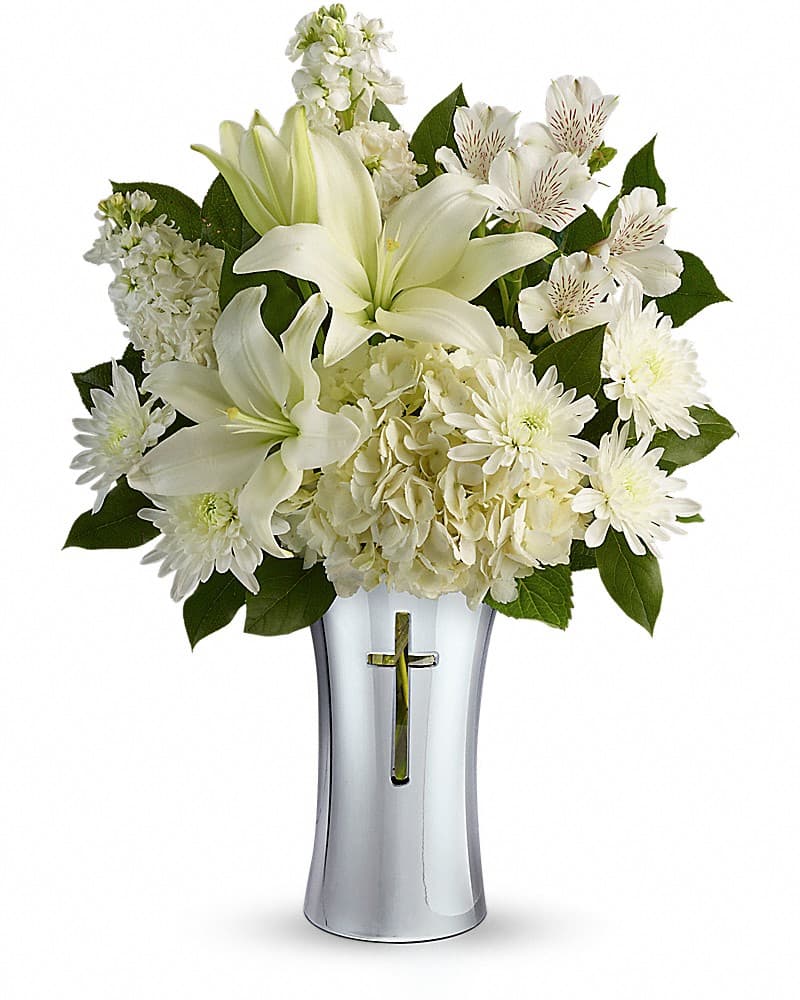
Before you order, read the obituary — it is the only document that settles the questions you are about to guess at. The funeral home's notice gives the visitation hours, the service time and place, the cemetery, whether the family has asked for donations in lieu of flowers, and often the charity they named. Those five facts determine the entire order, and the chapel's own page is more current than anything relayed through a group text. Two conventions are worth knowing in this market. The large pieces immediately around the casket are traditionally the family's, arranged by the immediate family or the funeral home; a friend, a coworker or an out-of-town cousin sends something that stands on its own at the visitation, and that is not a lesser gesture, it is the correct one. And the flowers are not the last word. In Saginaw, as in most of mid-Michigan, the week that follows is when the house empties out: the visitors stop, the funeral luncheon dishes get returned, and the family sits in a quiet kitchen with a stack of cards. A plant delivered ten days later, addressed to the widow or the son doing the paperwork, lands in that silence, and people remember it long after they have forgotten who sent what to the chapel. On the card, write one specific thing you remember about the person and then stop. "I am sorry for your loss" is a form sentence and reads as one; "your dad taught me to drive on Weiss Street" is the sentence that gets read out loud in the kitchen. Our studios hand-write it at no charge, in Spanish or German if that is the family's language.