Covenant on the west side, Ascension St. Mary's downtown, the VA out on Weiss Street: three campuses, three different sets of rules, and a river in between. Covenant HealthCare occupies the Cooper Avenue and Harrison Street campuses a few blocks apart in 48602 and is the largest hospital in the region, with the referral volume — oncology, cardiac, trauma, a regional neonatal intensive care unit — that comes with being the place the smaller mid-Michigan hospitals send their hardest cases. Ascension St. Mary's, the South Washington Avenue campus downtown that most locals still just call St. Mary's, carries the east-bank load. The Aleda E. Lutz VA Medical Center on Weiss Street serves a veteran population large enough to shape the city's health care, named for the Freeland-born Army flight nurse killed on her 196th evacuation flight. HealthSource Saginaw on Hospital Road handles rehabilitation, long-term care and behavioral health — the long stays, where a get-well gift matters most and where the vessel rules are strictest. Central Michigan University's College of Medicine keeps its clinical campus in the city, which is why a Saginaw hospital floor often has residents on it. Inside the widened 60-mile radius the list extends to McLaren Bay Region on Columbus Avenue in Bay City, MyMichigan Medical Center Midland, the MyMichigan hospitals in Alma, Gladwin and Clare, and the Flint-area systems — Hurley, McLaren Flint and Ascension Genesys in Grand Blanc.
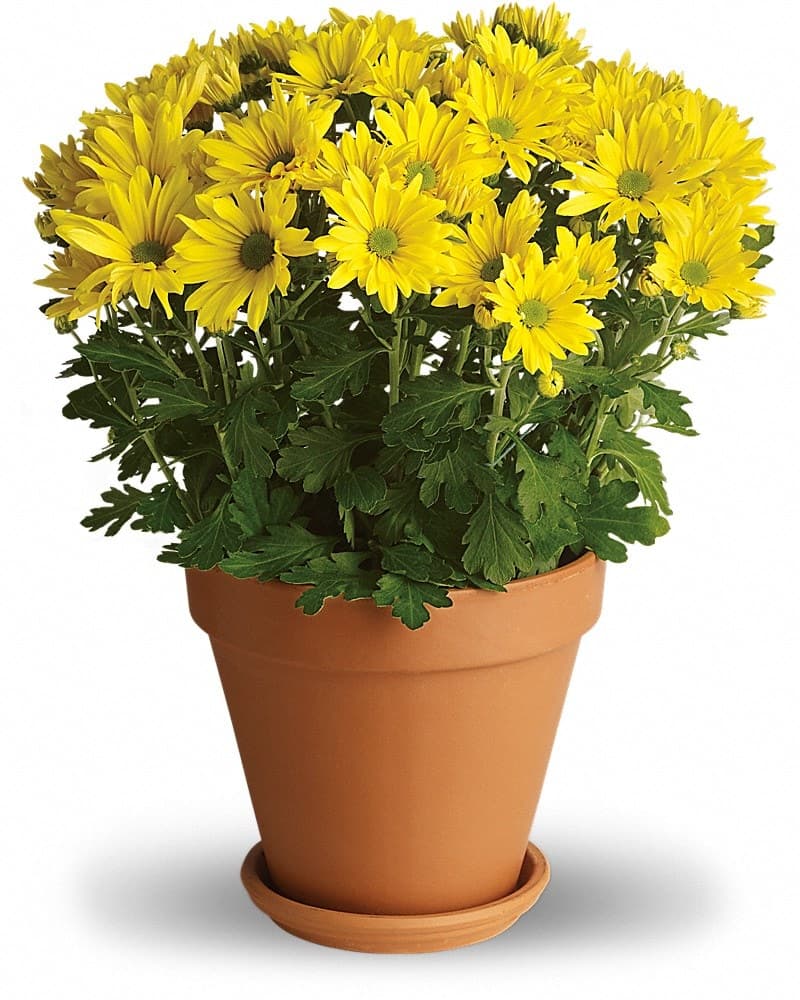
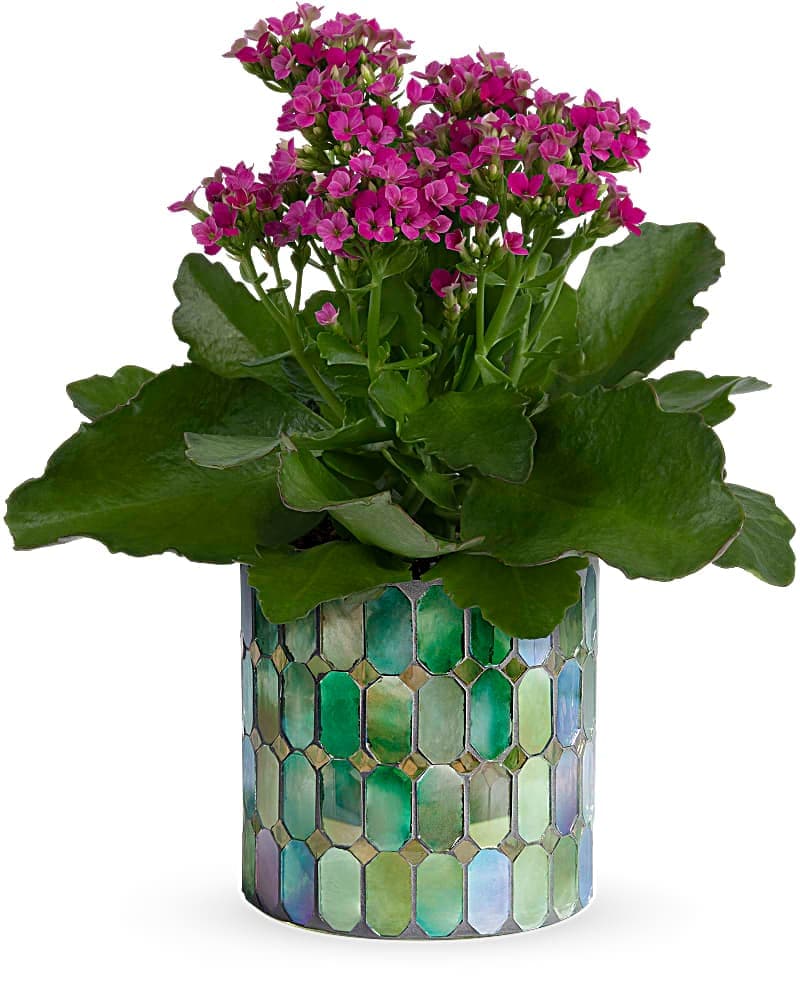
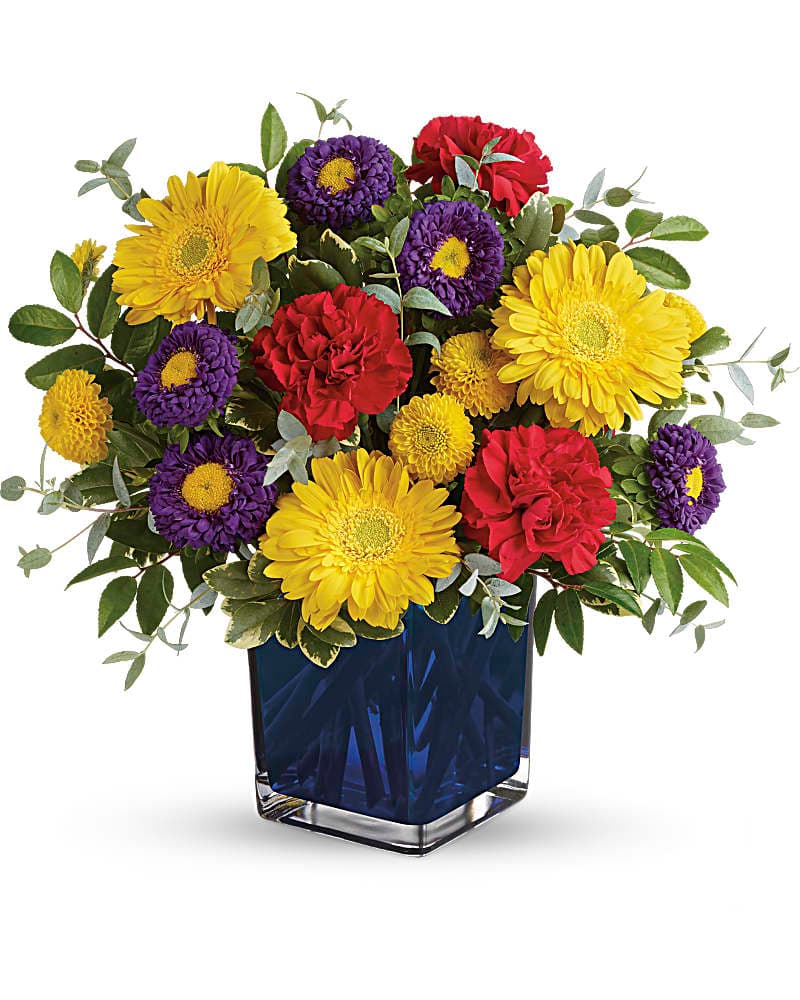
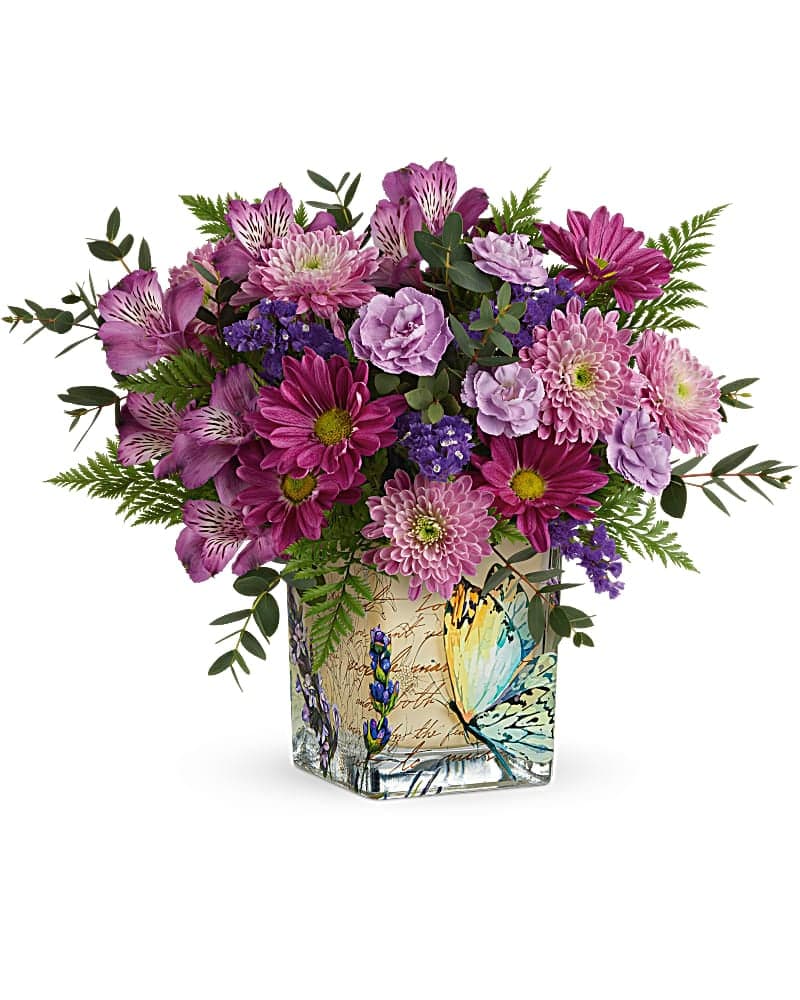
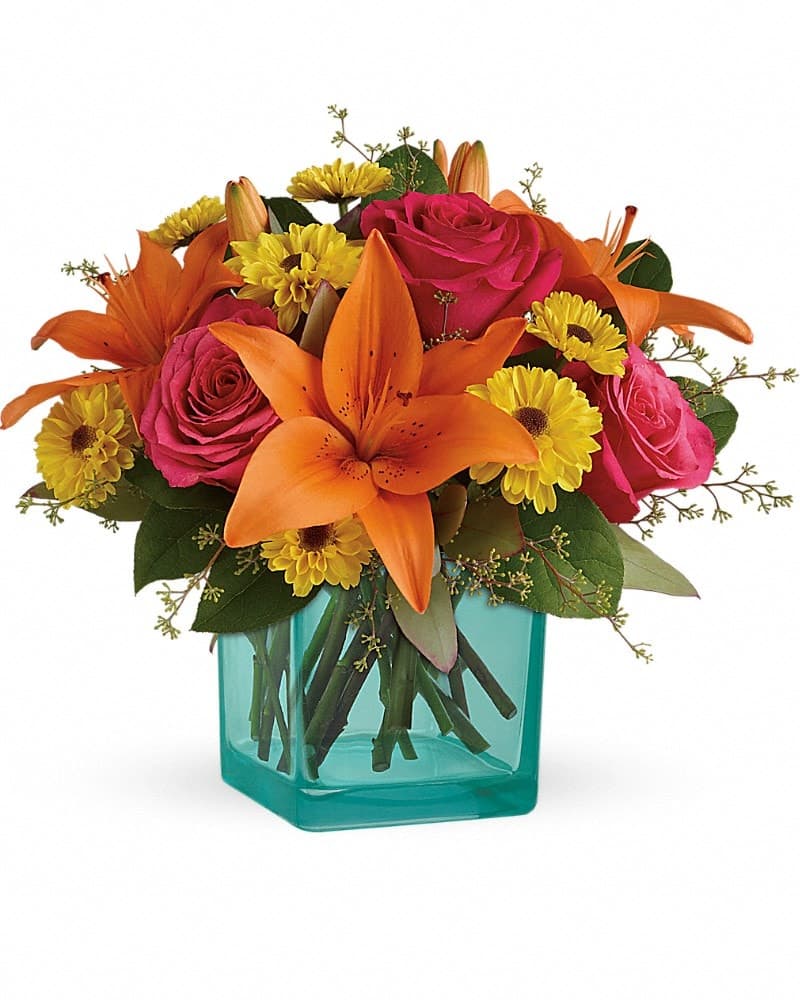
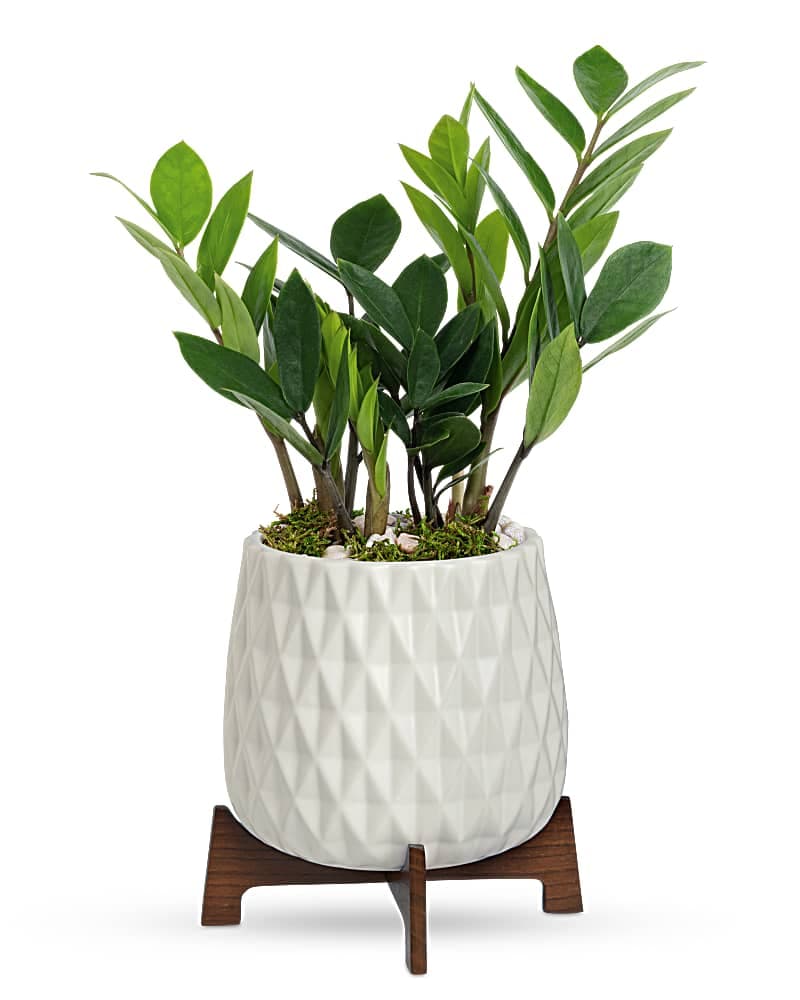
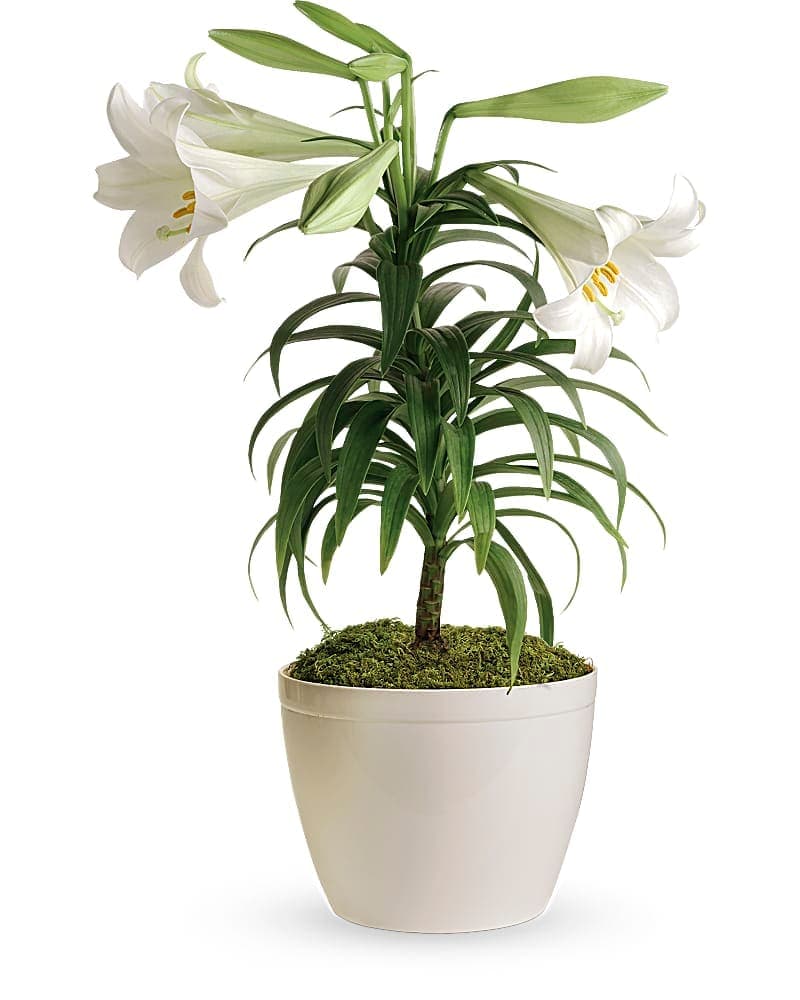
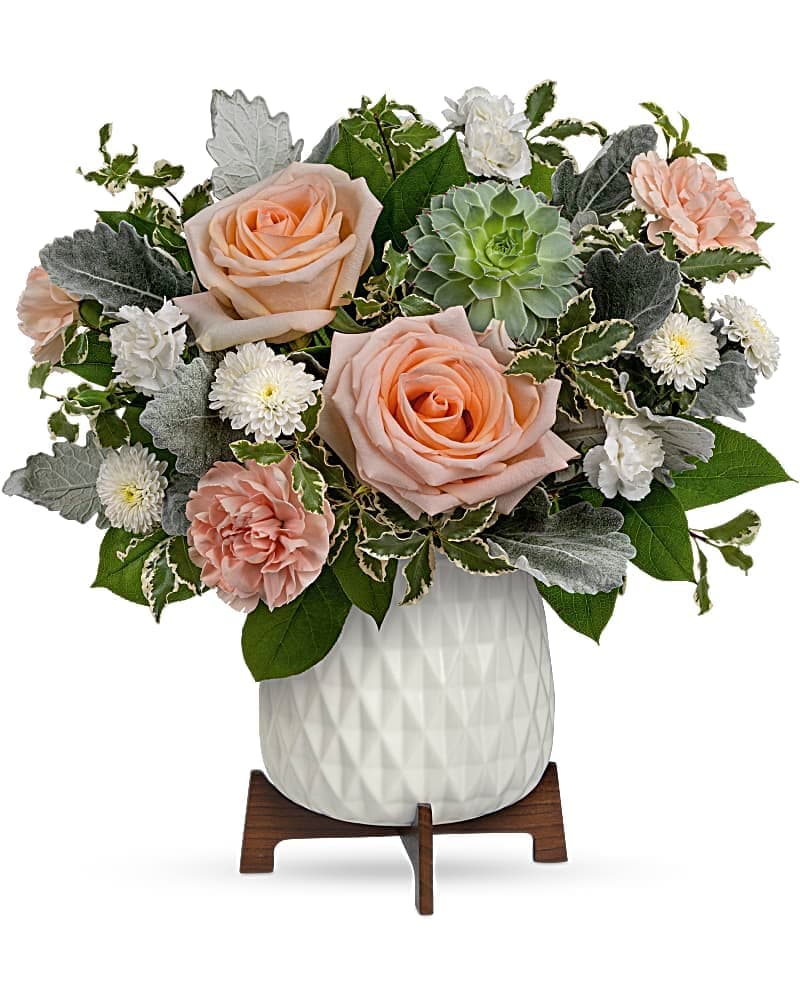
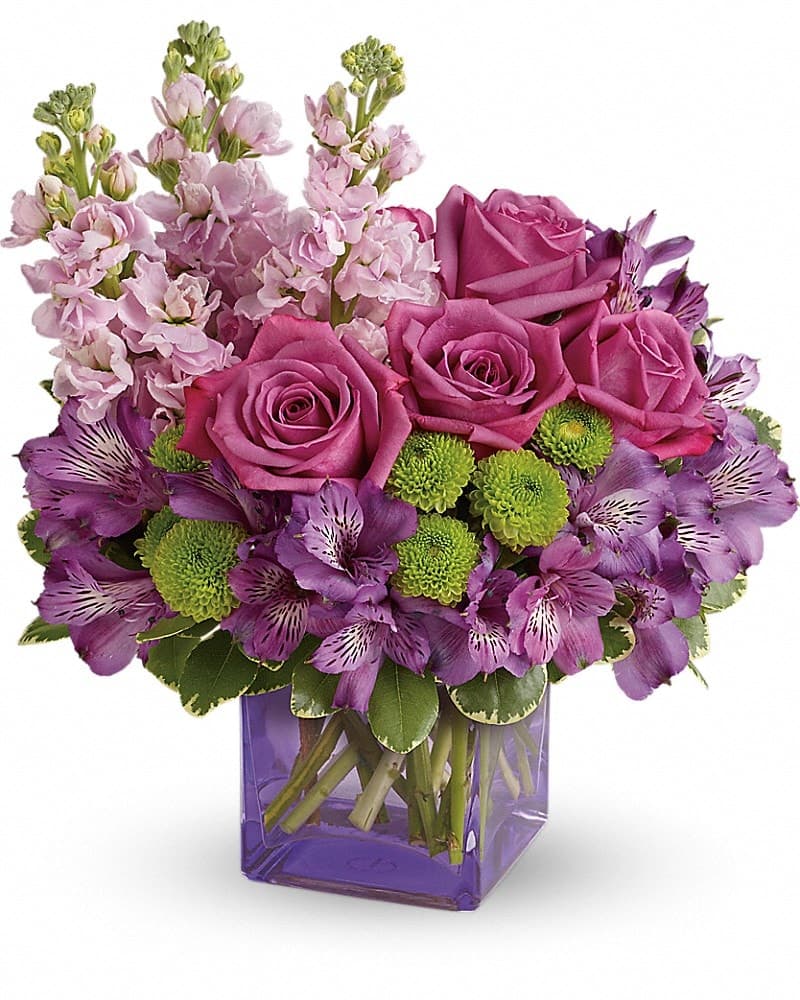
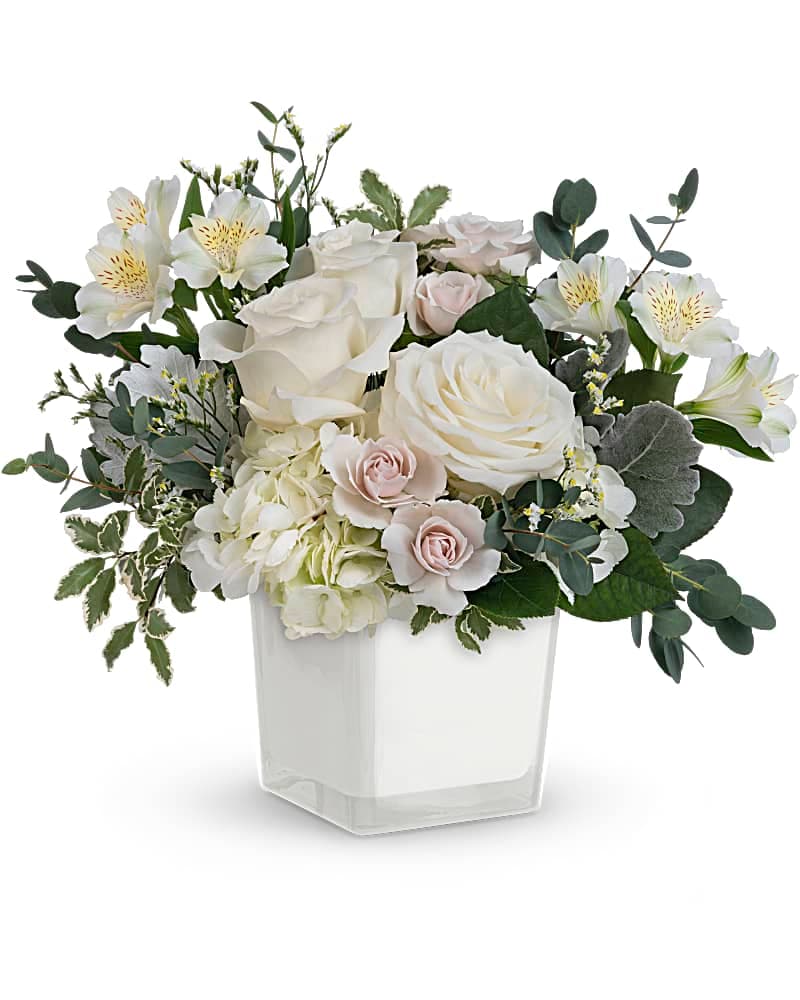
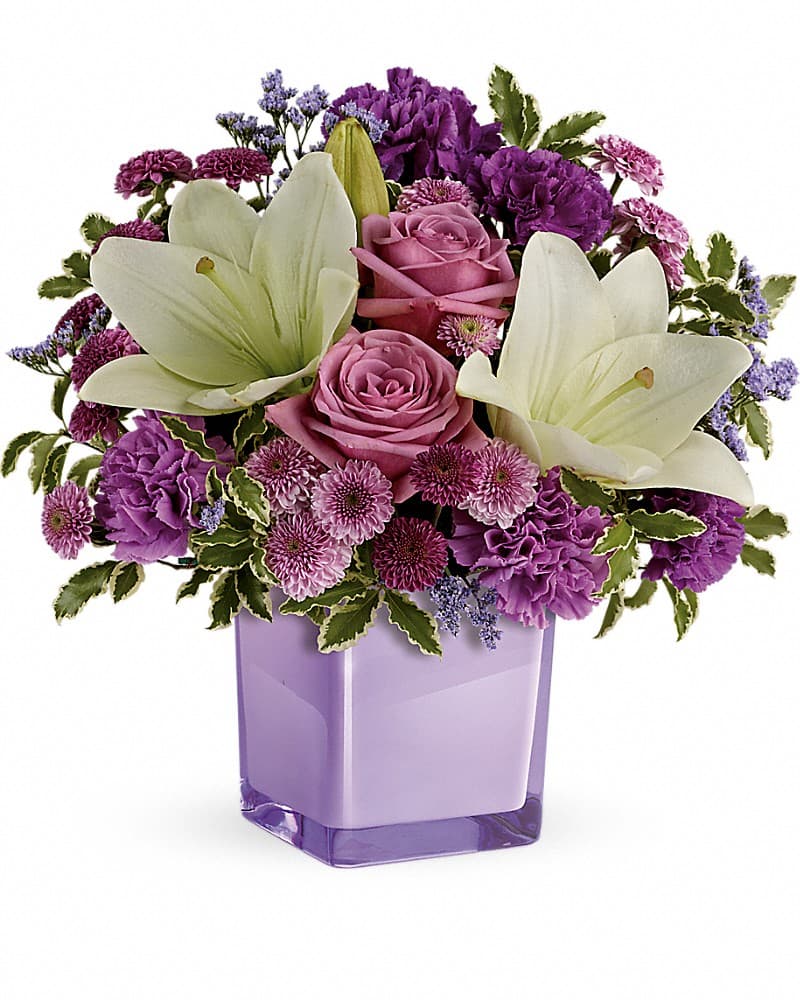
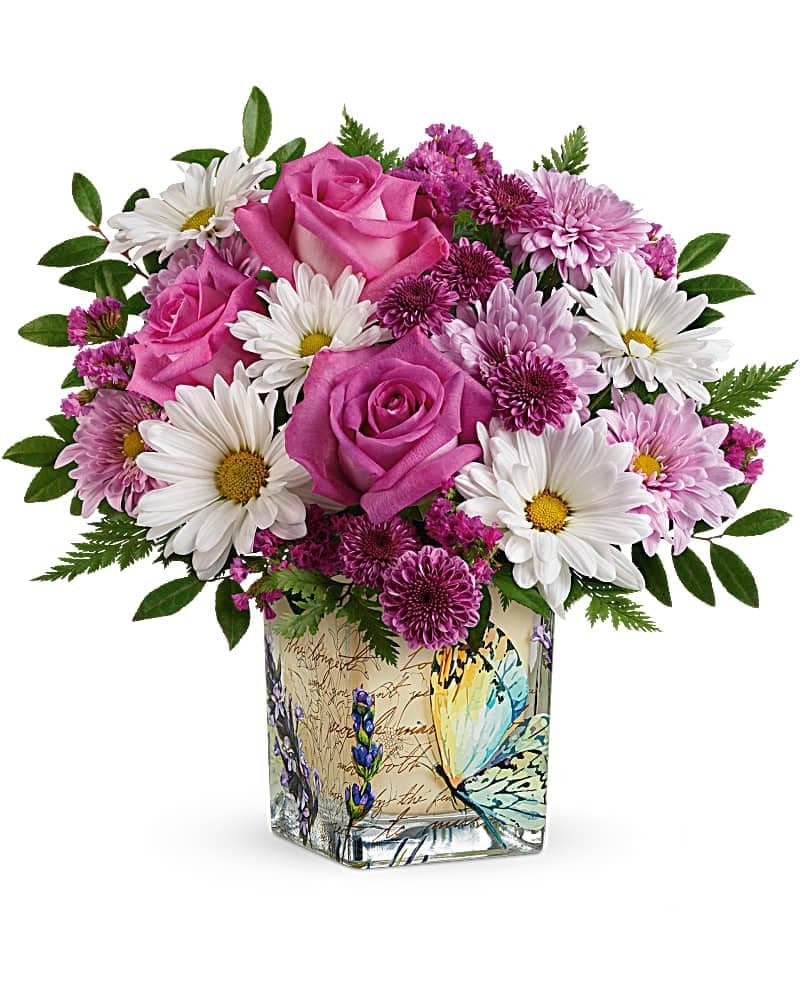
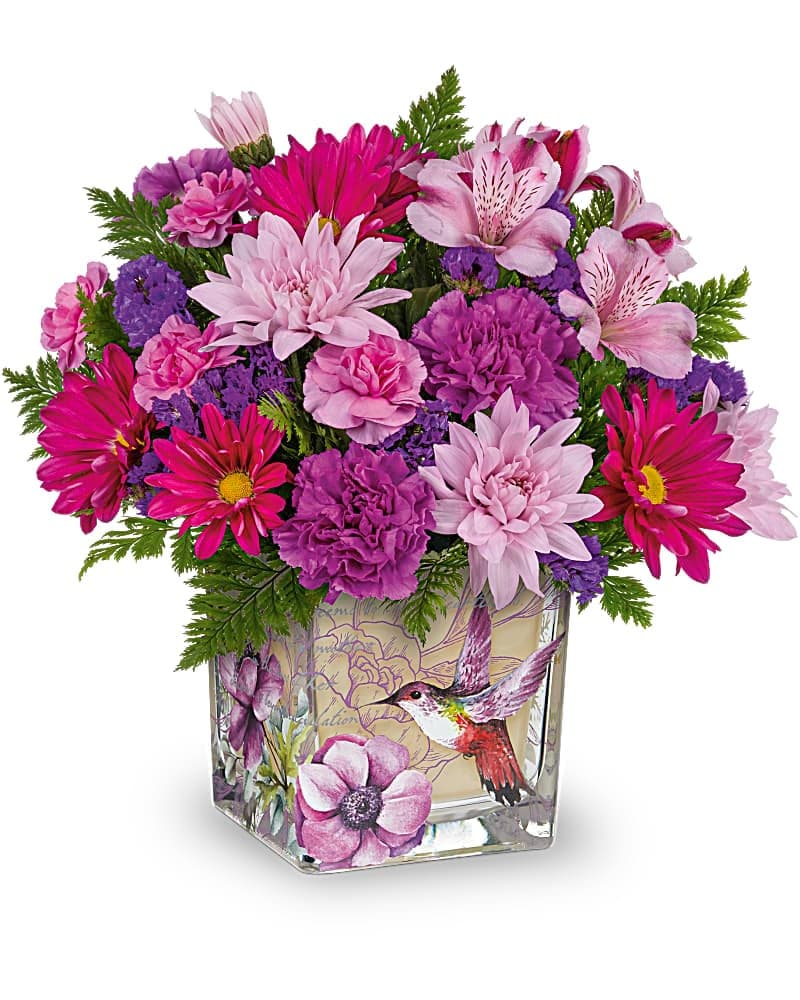
The floor rules are where get-well orders actually fail, and they are not uniform building to building. Oncology and infusion are the strictest non-pediatric case at both Covenant and Ascension St. Mary's: no lilies of any kind, no heavily pollinated stems, no fragrance, and often no live potting soil for immunocompromised patients — which rules out the potted plant that would otherwise be the better gift until the day they go home. Intensive care, and the neonatal intensive care unit at Covenant, generally take no flowers at all; the working route there is a lobby hand-off to a family member or a delivery to the family's house, and for a NICU family the house is almost always the right answer because the parents are living out of a waiting room. Behavioral health at HealthSource restricts glass, wire, ribbon and anything that can be broken down into a hazard, so the vessel has to be a short unbreakable one and the design has to clear without decorative wire. Maternity, post-surgical and general medical floors are the permissive ones and take nearly anything. Safe everywhere on this grid: alstroemeria, lisianthus, spray rose, carnation, gerbera, stock and solidago in a low ceramic or plastic vessel under about fourteen inches that fits a rolling tray table without being moved twice.
One more case deserves its own paragraph, because it is the one people handle worst: when the patient cannot receive anything, send to the family instead. Covenant takes the region's hardest referrals, which means the intensive-care and neonatal families sitting in its waiting areas have often driven in from Gladwin, Standish, Caro, the Thumb or the Tawas side and are functionally living at the hospital. Those are the people a bouquet actually reaches. Address it to the family member by name with a mobile number and the studio arranges a lobby or front-desk hand-off; or better, send it to the house so there is something waiting when they finally go home to sleep. The same logic applies at the VA, where a long-stay veteran may have no family within driving distance and a nursing station is the only address that works — ask for a small, low arrangement in that case, because a unit desk has limited counter space and a big vase becomes a problem for the staff rather than a gift for the patient. For pediatric rooms, skip latex balloons entirely and keep the piece small and sturdy enough to survive a tray table and a curious four-year-old. Finally, the card. Write it for someone reading in a hospital bed on a bad afternoon, because that is exactly when it will be read: leave out the reassurance about bouncing back, name one concrete thing you will do when they are out, and sign it legibly. Our studios hand-write the card at no charge and attach it securely for hospital runs, so it survives the trip from a lobby desk to a unit clerk to the windowsill.