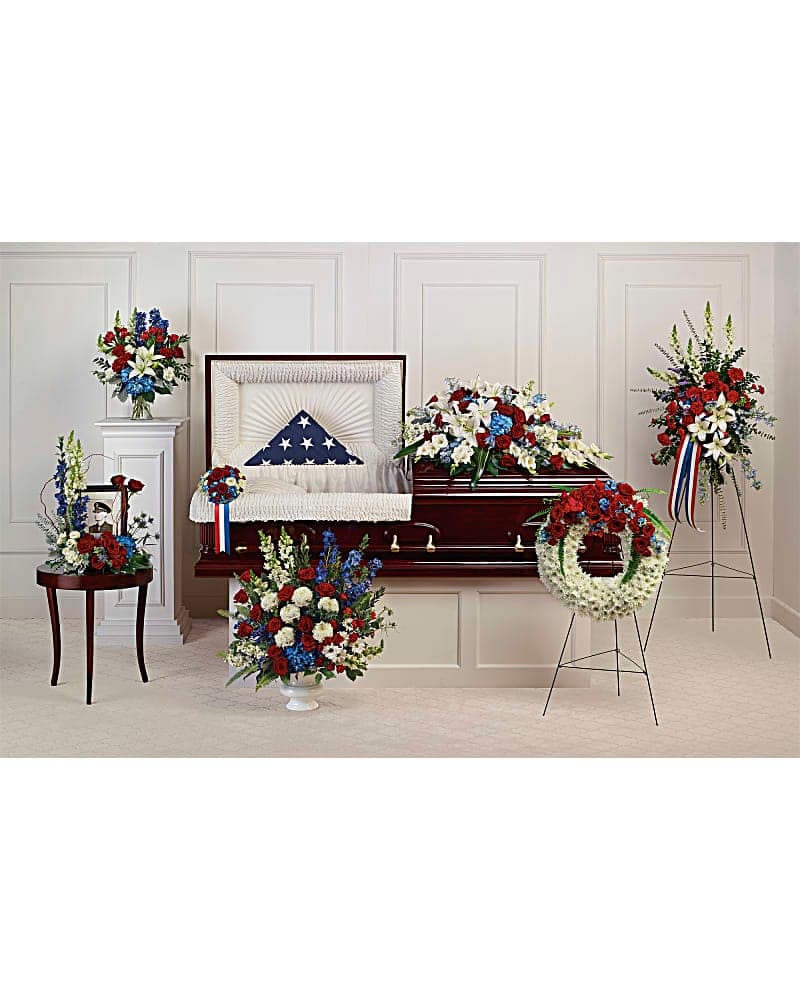
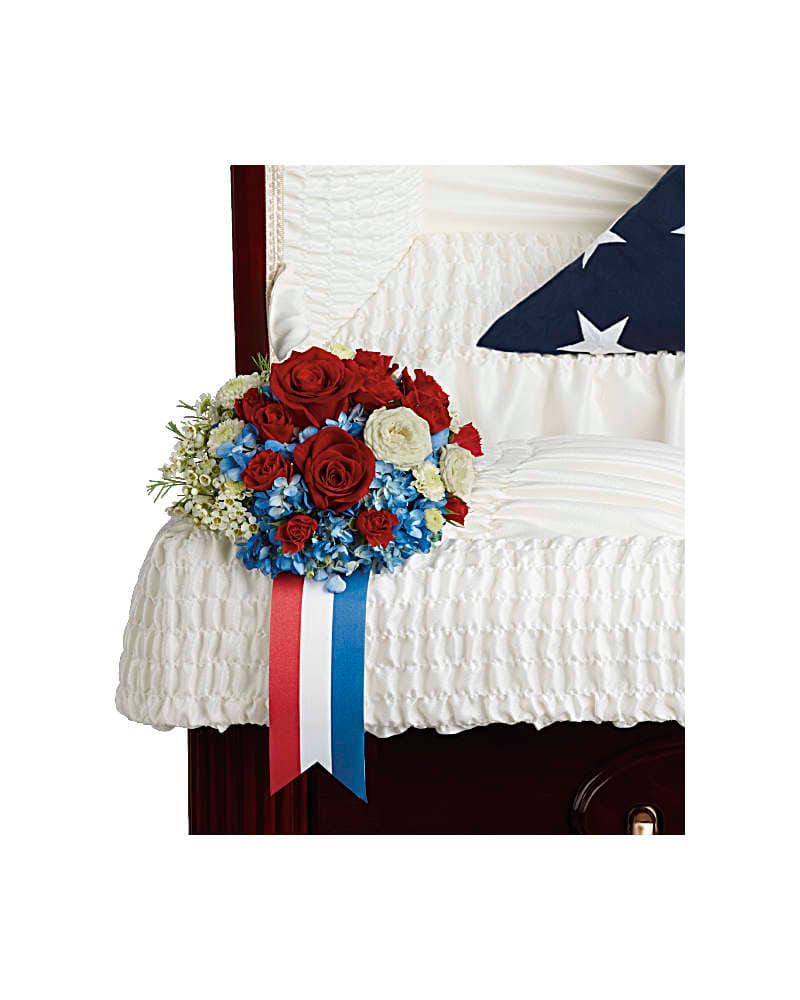
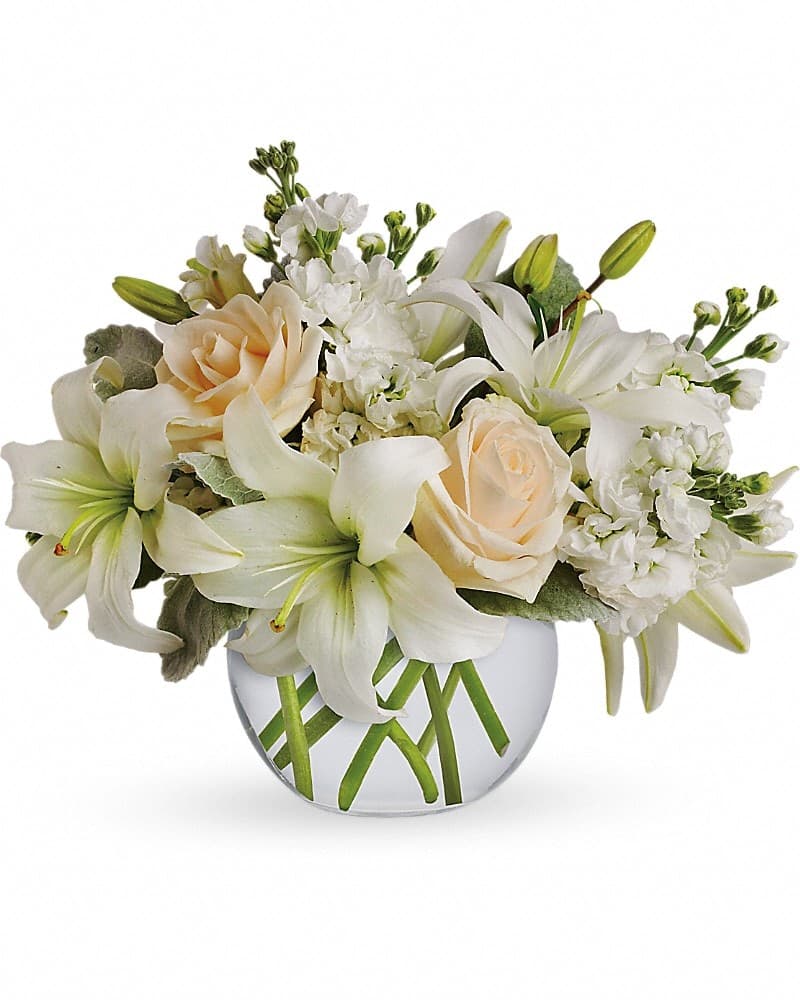
Sympathy work in Riverside is shaped by one institution more than any other. Riverside National Cemetery, off Van Buren Boulevard in 92518 on ground that was once part of March Air Force Base, is among the largest and busiest national cemeteries in the country, and a very large share of this city's funerals end there. That changes how flowers have to be ordered. Committal services at a national cemetery are held in covered committal shelters on a scheduled block, generally on weekdays, not at the graveside — families arrive, the service runs, and the next family is already queued behind them. The site runs to hundreds of acres with numbered shelters and sections, so a delivery needs the shelter or section number, not just the Van Buren address, and it needs to be there *before* the block begins rather than during it. National cemeteries also run their own floral rules as a matter of standard practice: fresh cut flowers are welcome, glass and ceramic containers are generally not, permanent plantings are not permitted, and arrangements are cleared once they deteriorate. The cemetery grounds also hold the national Medal of Honor Memorial and the Prisoner of War/Missing in Action National Memorial, and with March Air Reserve Base next door, a significant number of Riverside services are military honors funerals — a flag-folding, a rifle salute, and a family with relatives flying in from out of state who are ordering flowers from a different time zone the night before.
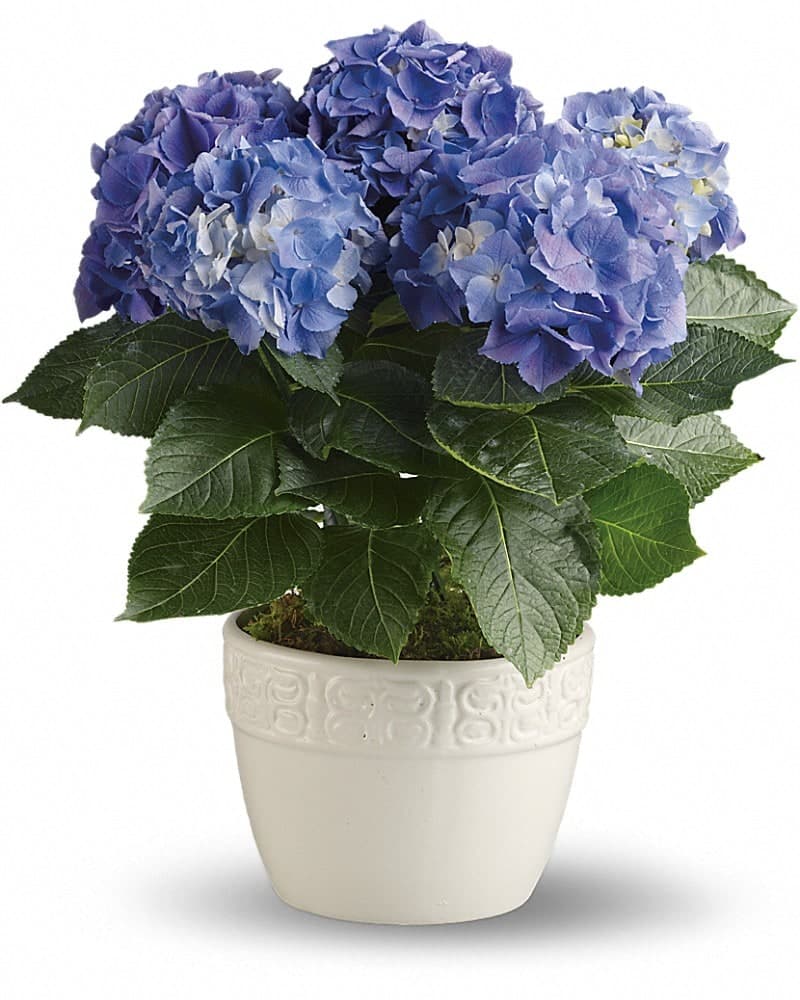
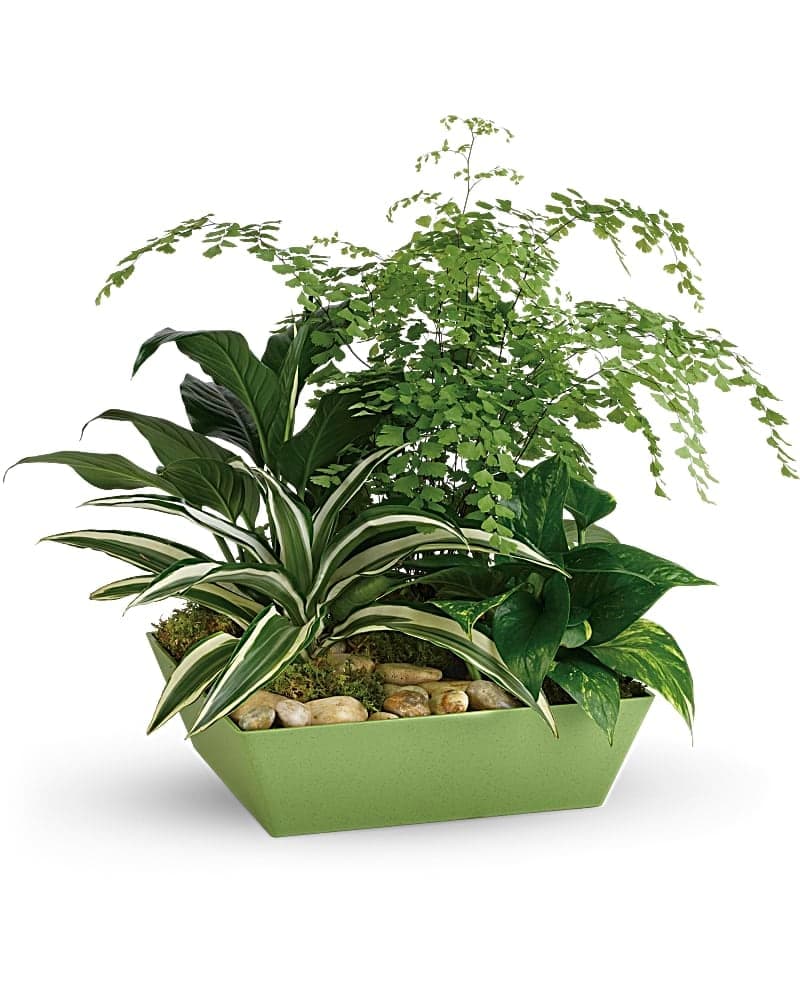
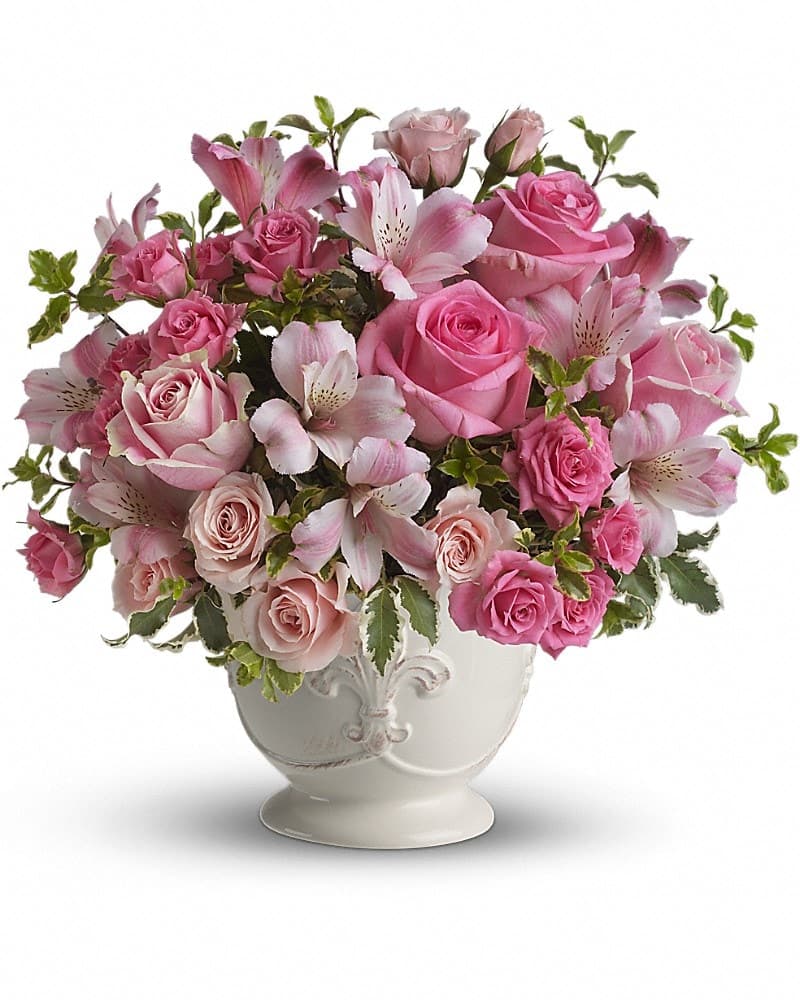
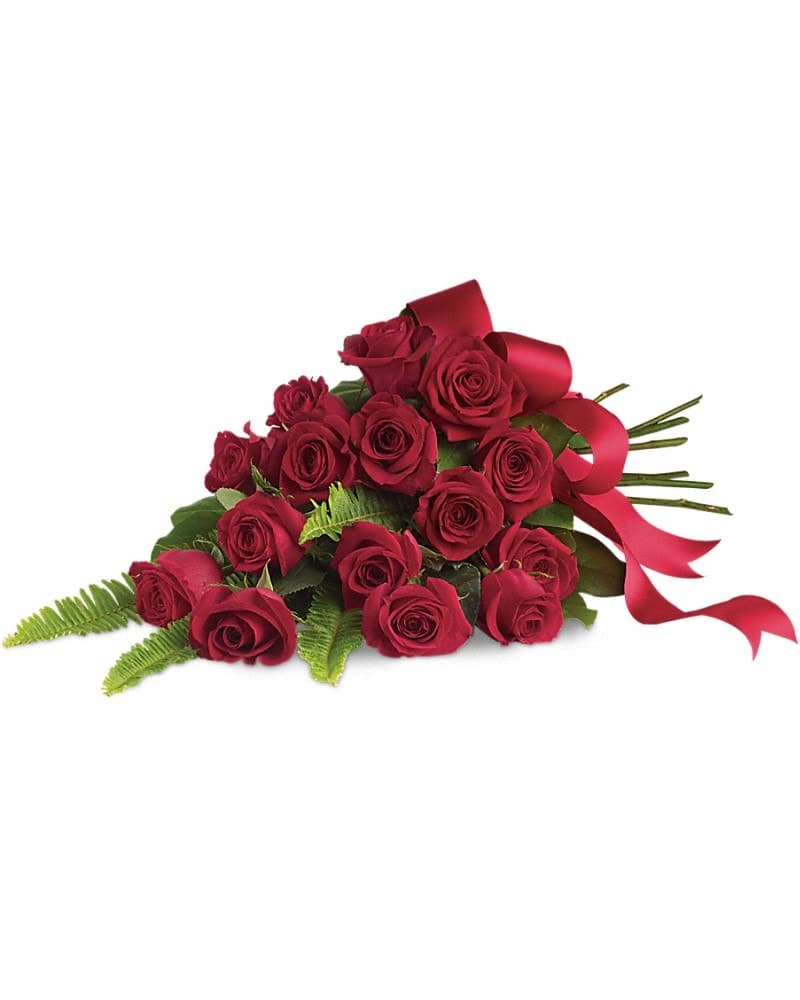
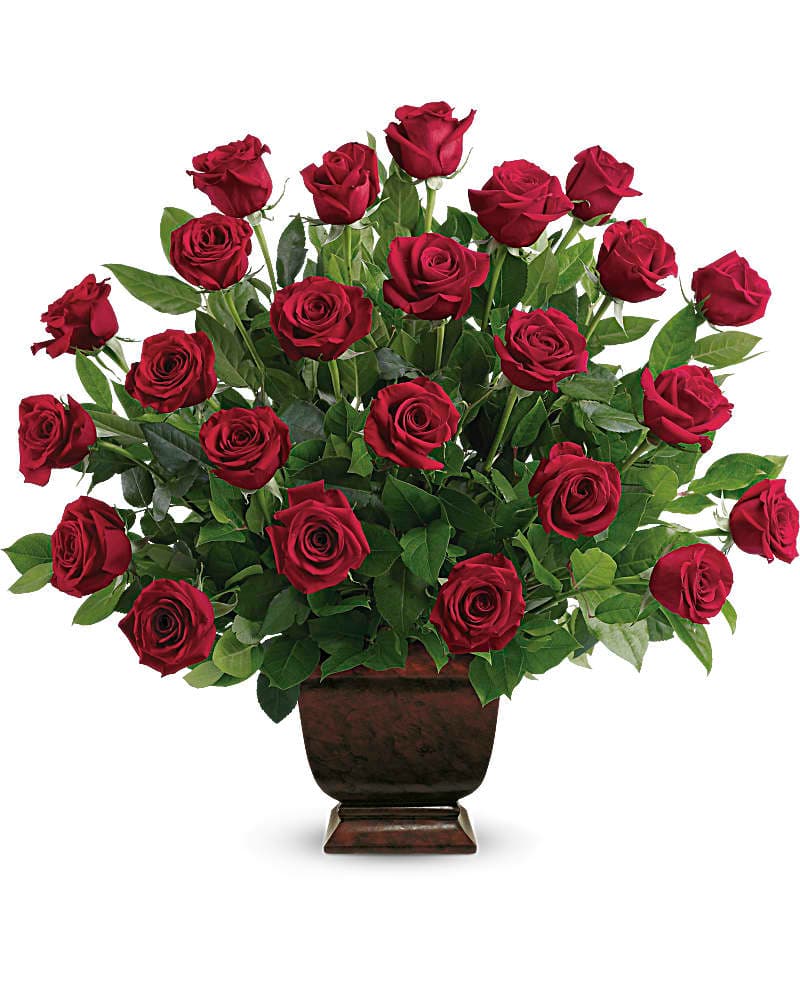
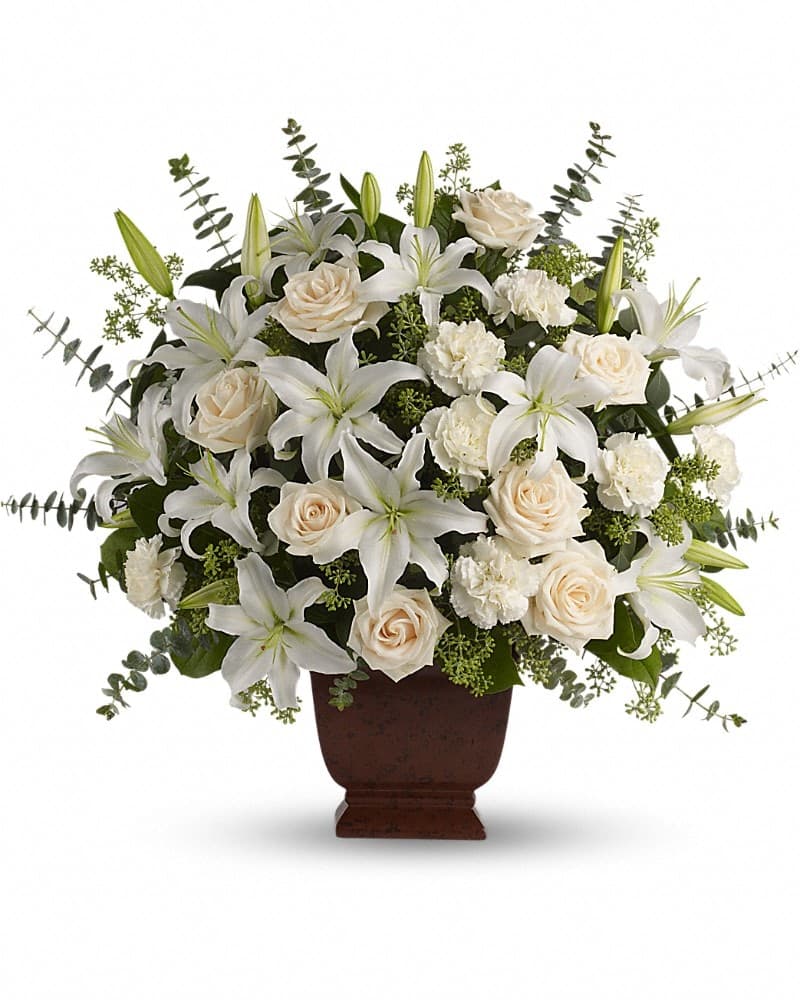
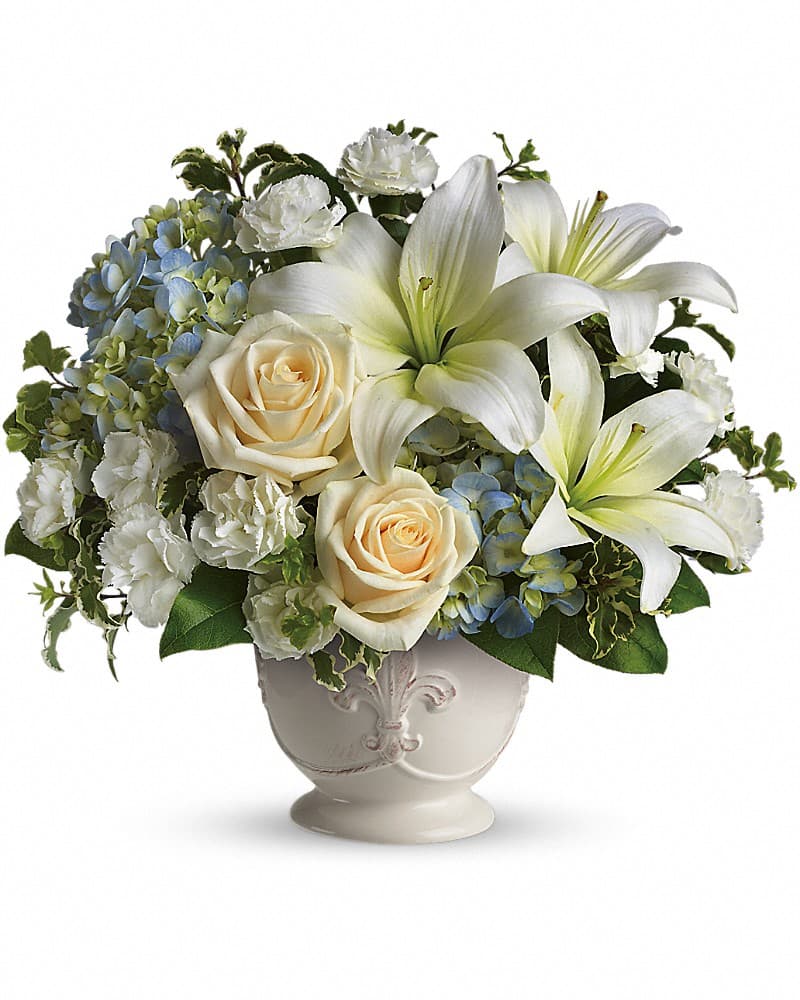
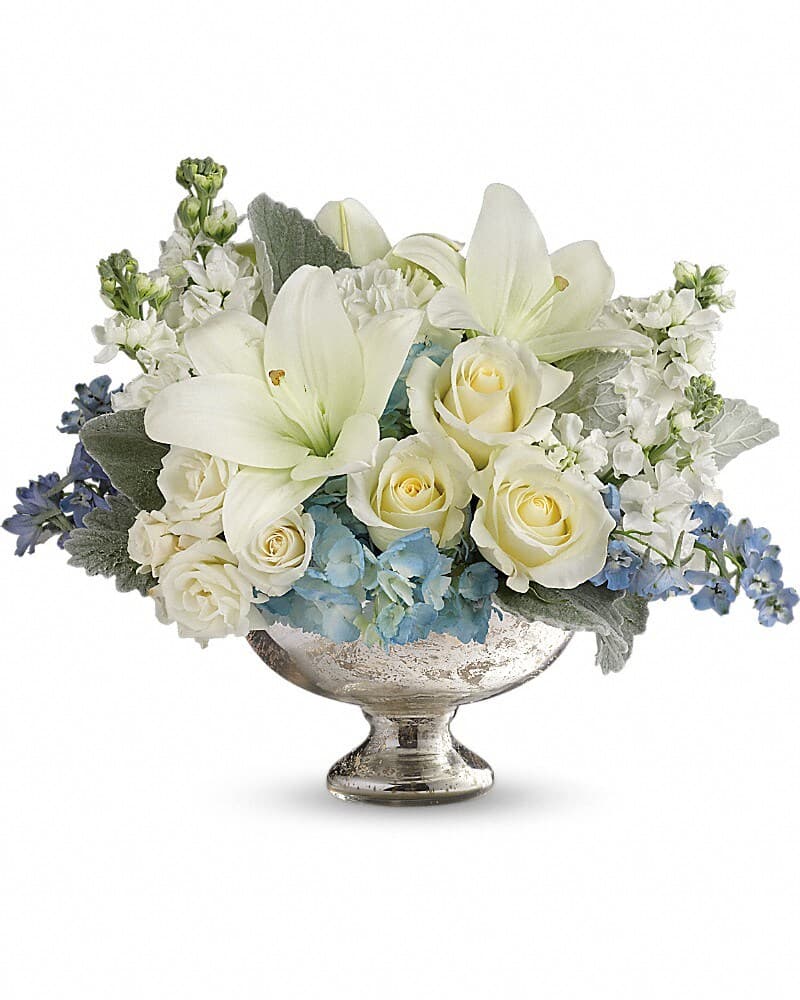
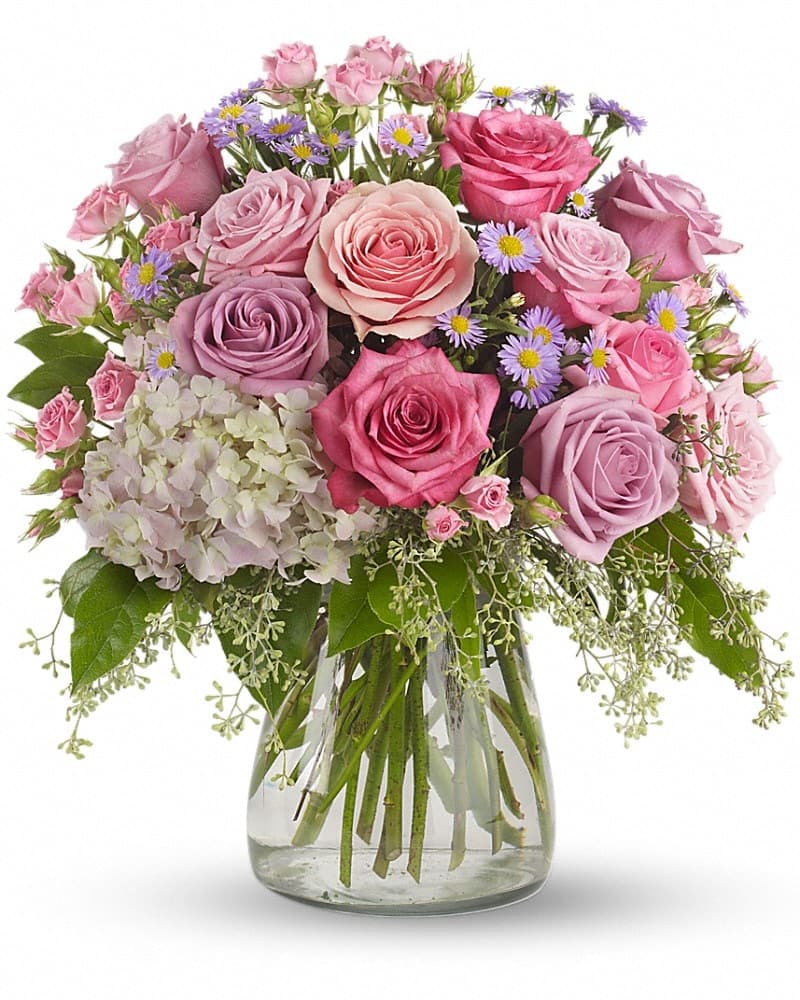
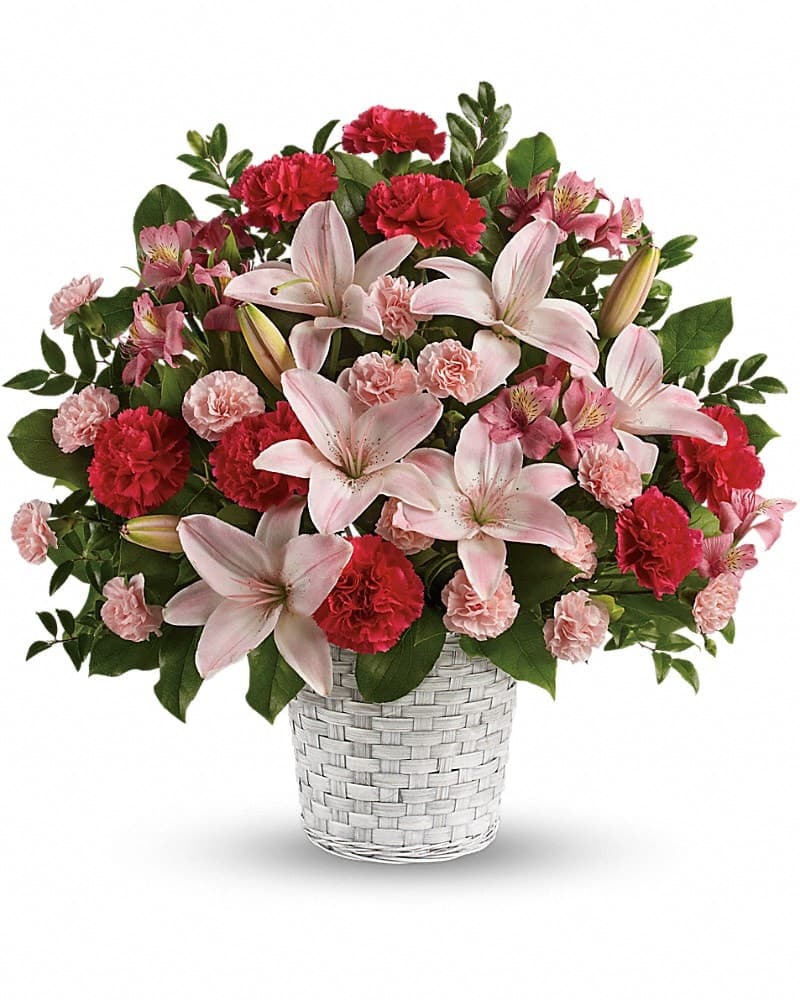
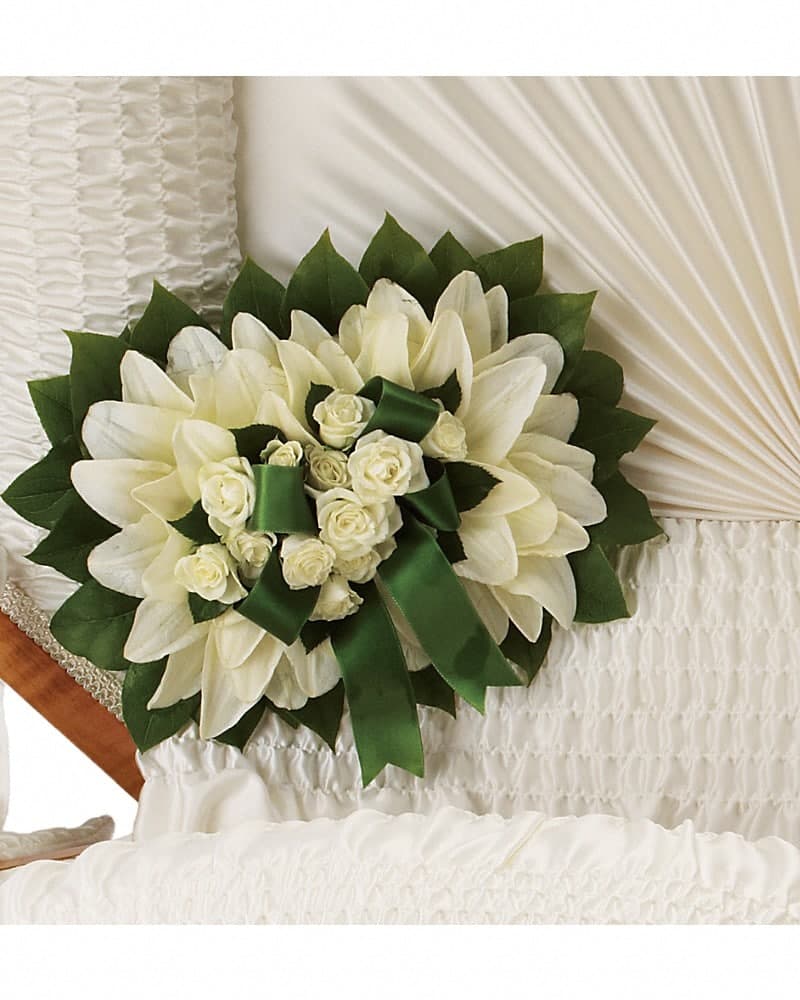
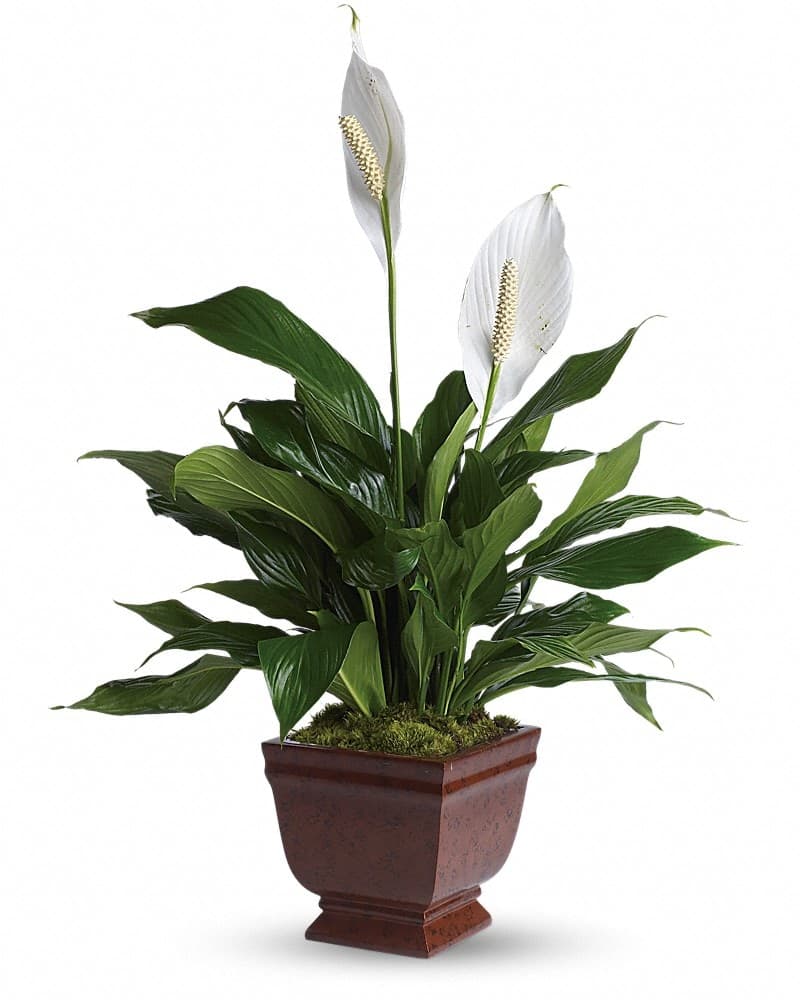
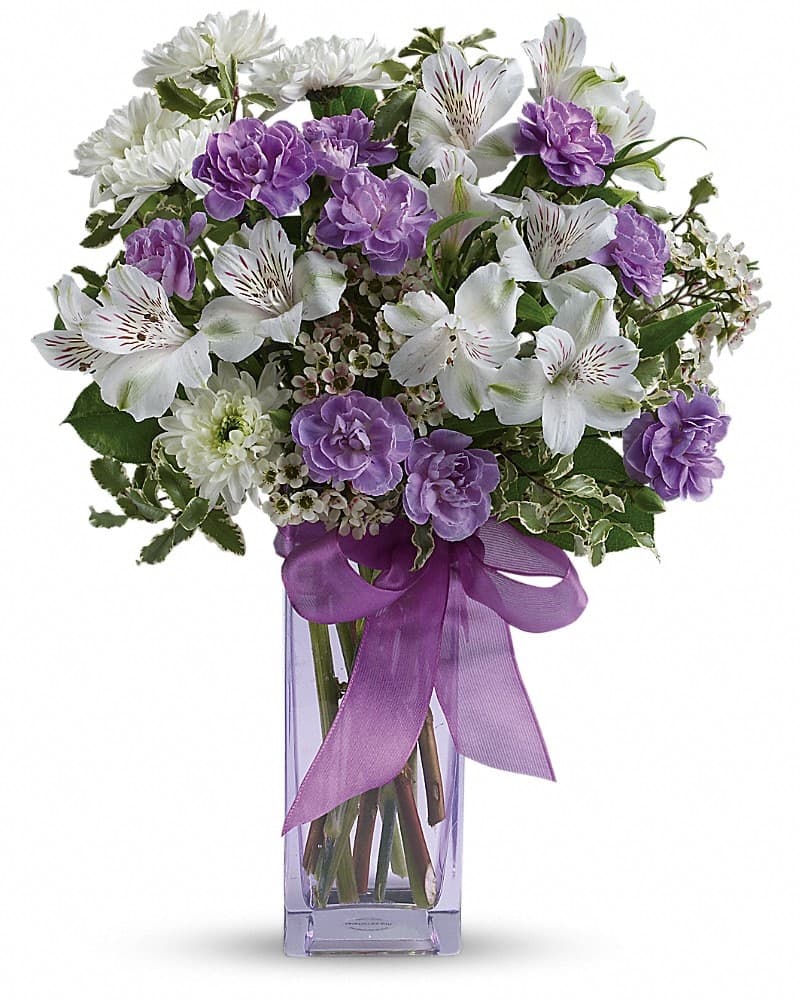
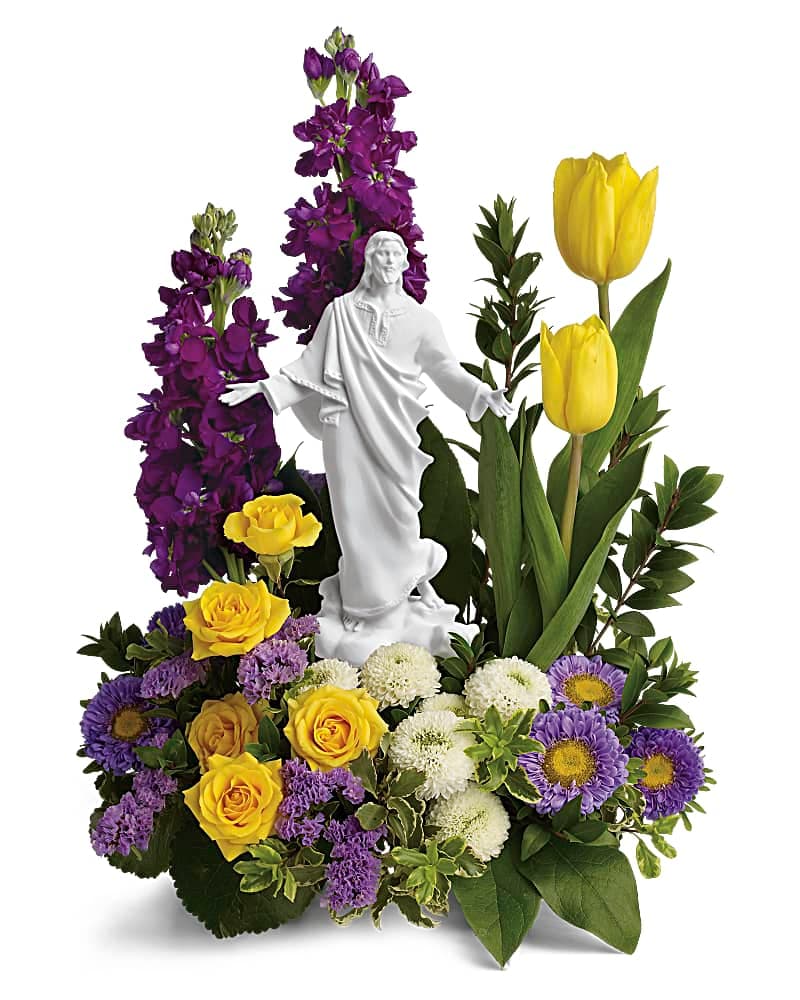
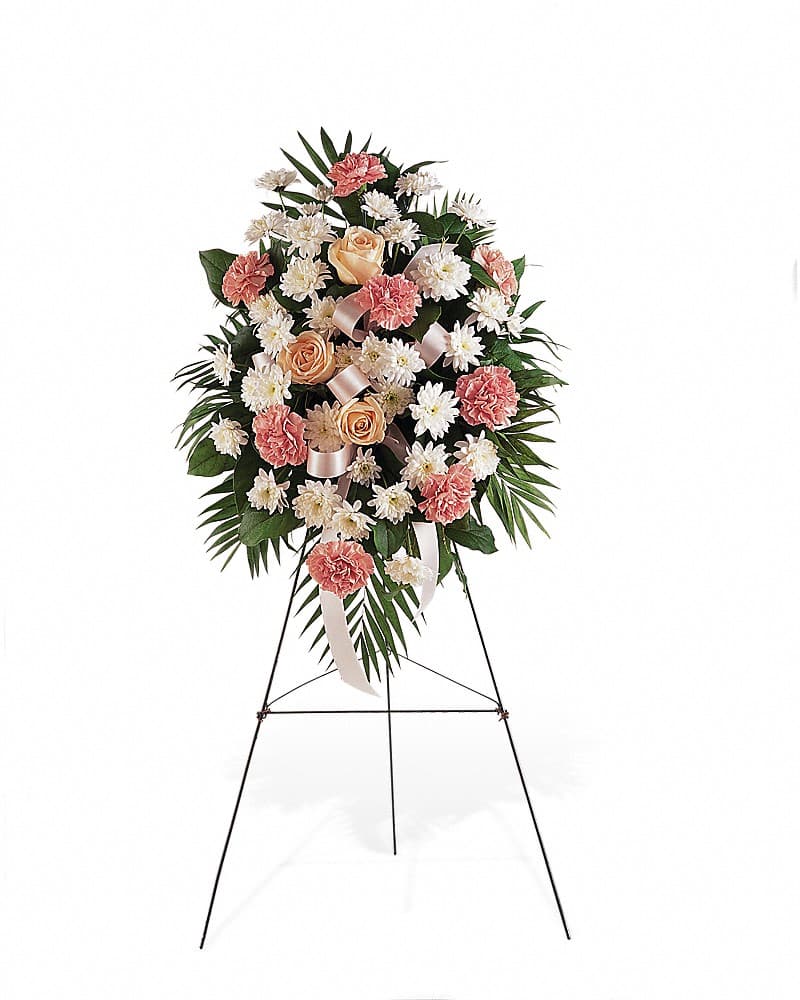
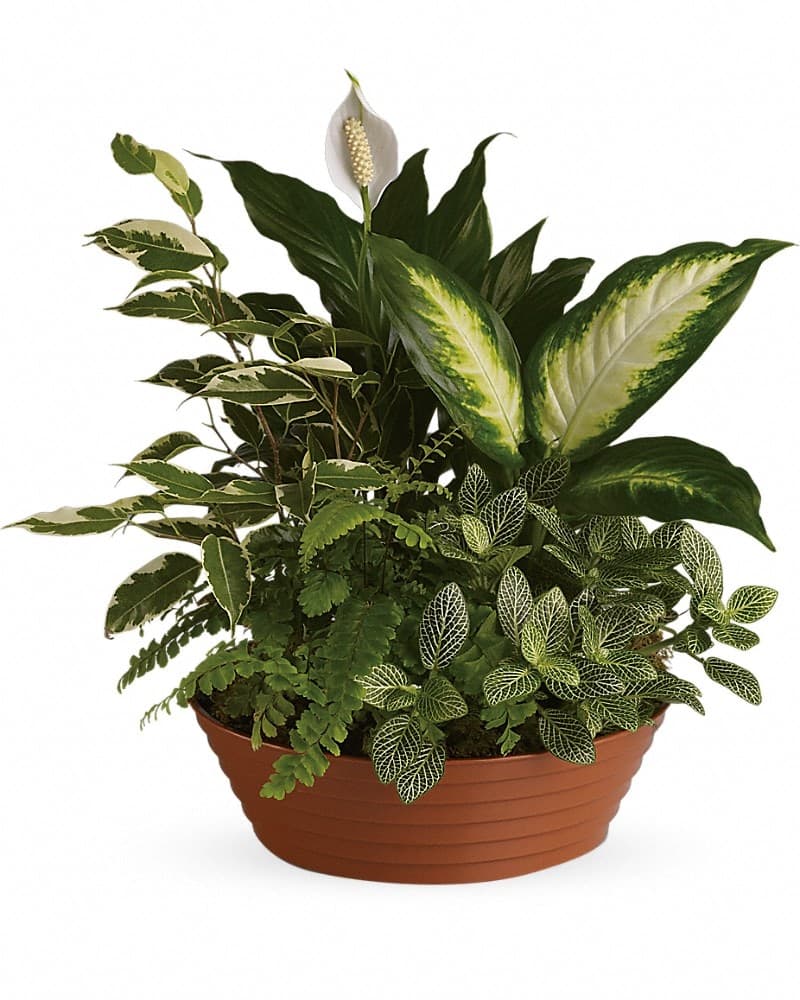
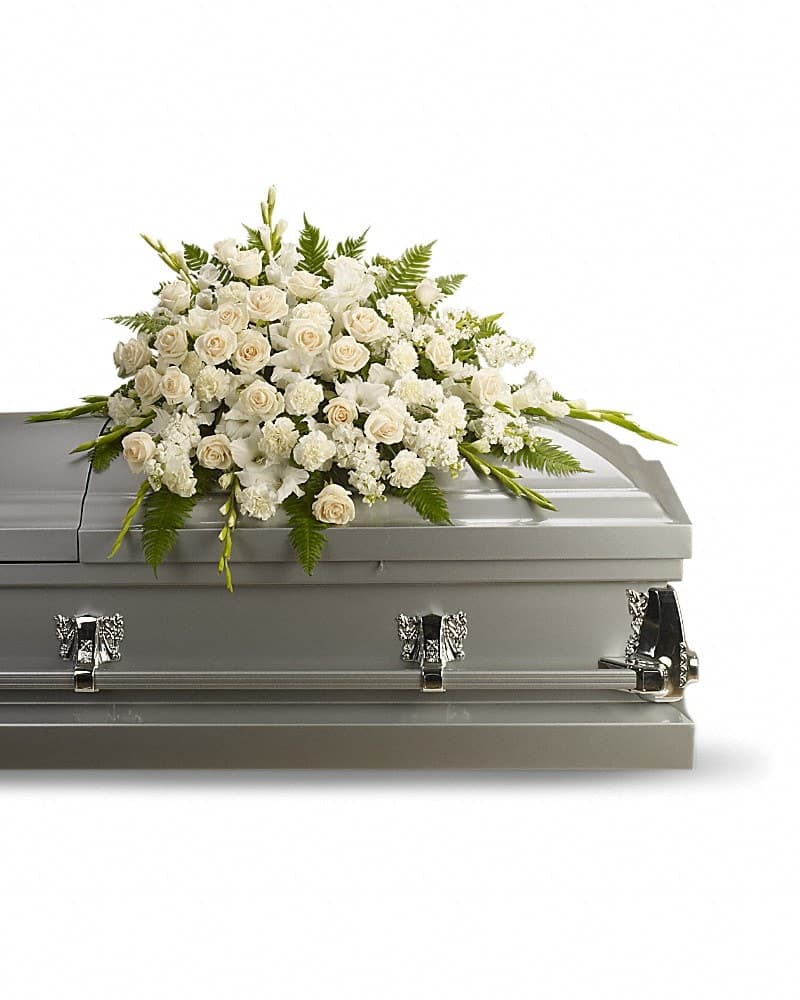
What is appropriate depends on the tradition, and Riverside is genuinely mixed. Most funerals here are Catholic: the Diocese of San Bernardino covers both Riverside and San Bernardino counties, and the standard sequence is a rosary or vigil the evening before at the mortuary chapel, then a funeral Mass the next morning, then burial. Flowers are expected at both, many parishes hold their services in Spanish as well as English, and the conventional pieces are a standing easel spray for the chapel or altar side and a casket spray from the immediate family. For Jewish families in the Inland Empire, burial usually happens within a day or two and flowers are not customary at the service — the appropriate gesture is a plant or a fruit basket sent to the shiva home afterward, or a donation in the person's memory. Muslim families hold janazah prayers quickly, typically within a day, and the grave is not decorated; food and practical support for the household is the norm instead. Sikh and Hindu families in the region generally cremate within a few days, with a service at a mortuary chapel followed by prayers at the gurdwara or temple, where white flowers and garlands are appropriate. Riverside's Eastside, the historically Black and Latino neighborhood since the citrus decades, and the Adventist community anchored by La Sierra University here and Loma Linda twenty miles east, each have their own rhythm — the safe move in all of them is to ask the family or the mortuary which service the flowers should meet.