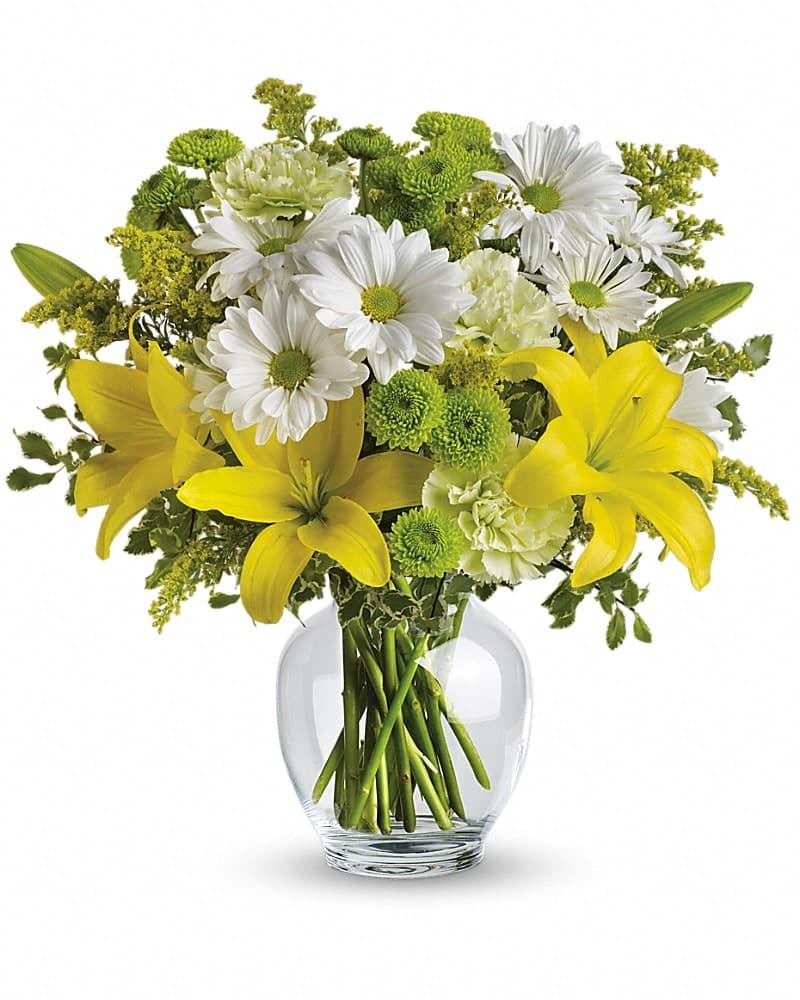
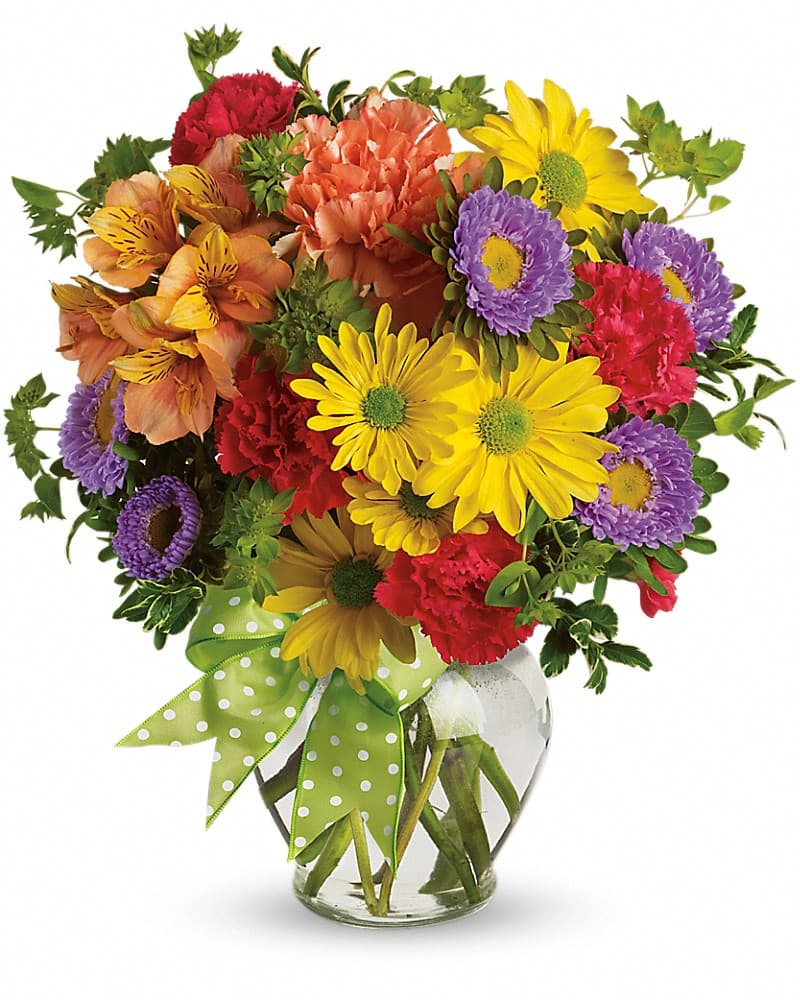
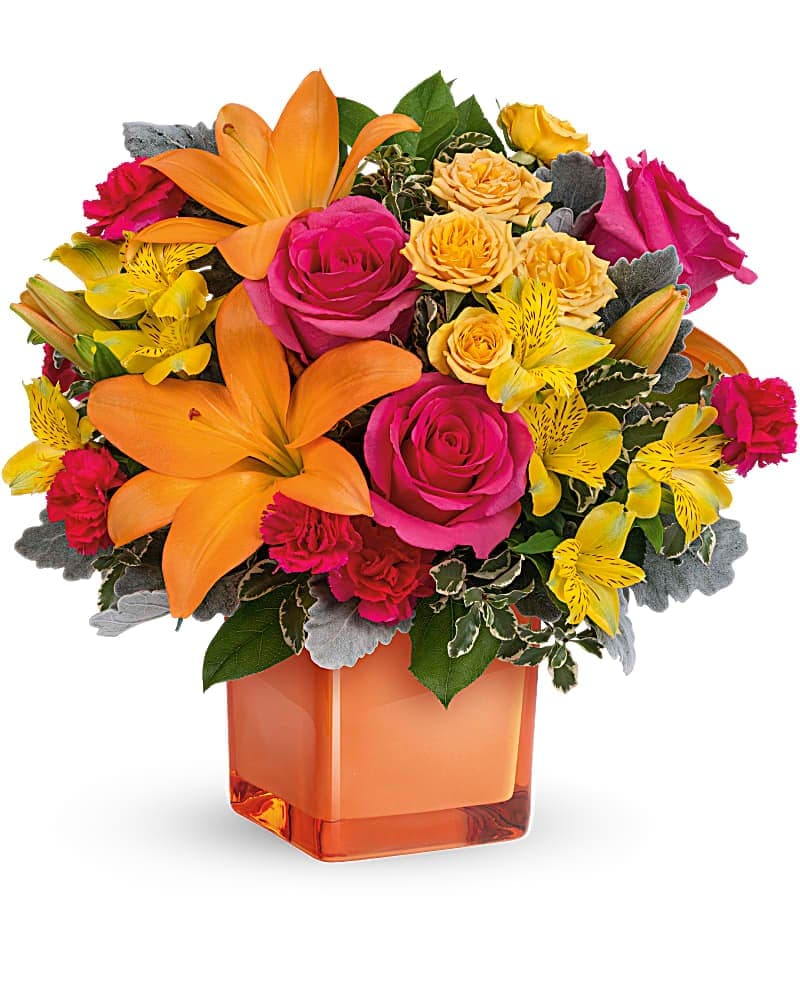
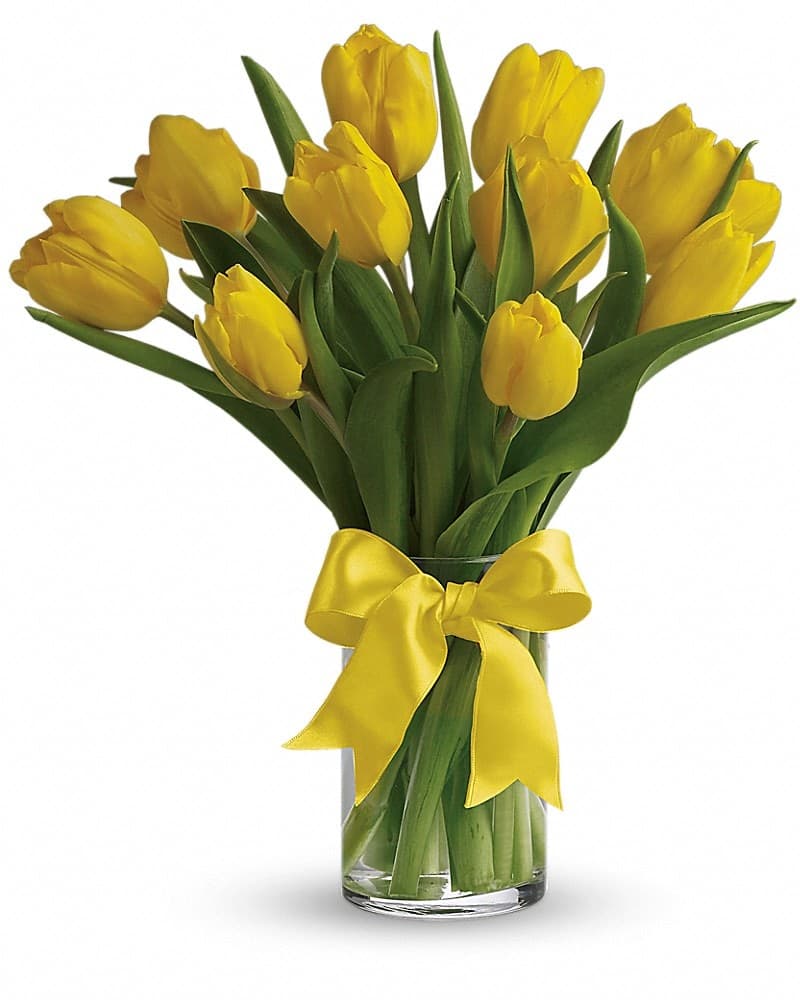
The hospital map in this valley is short enough to learn in a minute. Renown Regional Medical Center, 1155 Mill Street, is the flagship: trauma, cardiac, neurosciences, and Renown Children's Hospital within the same complex, with Renown Rehabilitation Hospital on the campus for the long orthopedic and stroke recoveries. Saint Mary's Regional Medical Center at 235 West Sixth Street sits downtown, a few blocks from Bumblebee Blooms. Renown South Meadows Medical Center at 10101 Double R Boulevard covers the fast-growing south valleys and is the closest hospital to Damonte Ranch and Double Diamond. Northern Nevada Medical Center at 2375 East Prater Way serves Sparks and Spanish Springs, and Northern Nevada Sierra Medical Center covers the south end of the metro. The VA Sierra Nevada Health Care System campus on Locust Street carries the region's veteran inpatient and outpatient load. Around all of them sits a layer of surgery centers, infusion clinics and physical-therapy practices along Kietzke Lane, Del Monte Lane and the Double R corridor, plus the University of Nevada, Reno School of Medicine's teaching clinics. For each of these, deliveries arrive at a lobby or front desk that routes them upward — which means the patient's admitted name, spelled the way the hospital has it, is the piece of information that determines whether the flowers find the room.
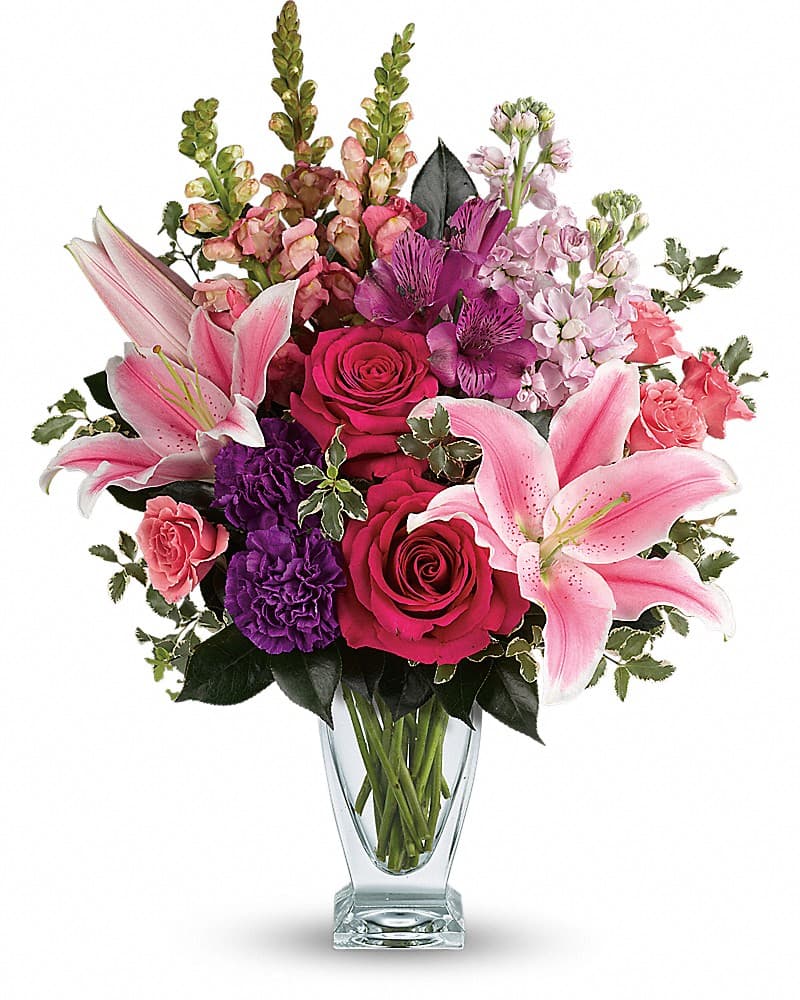
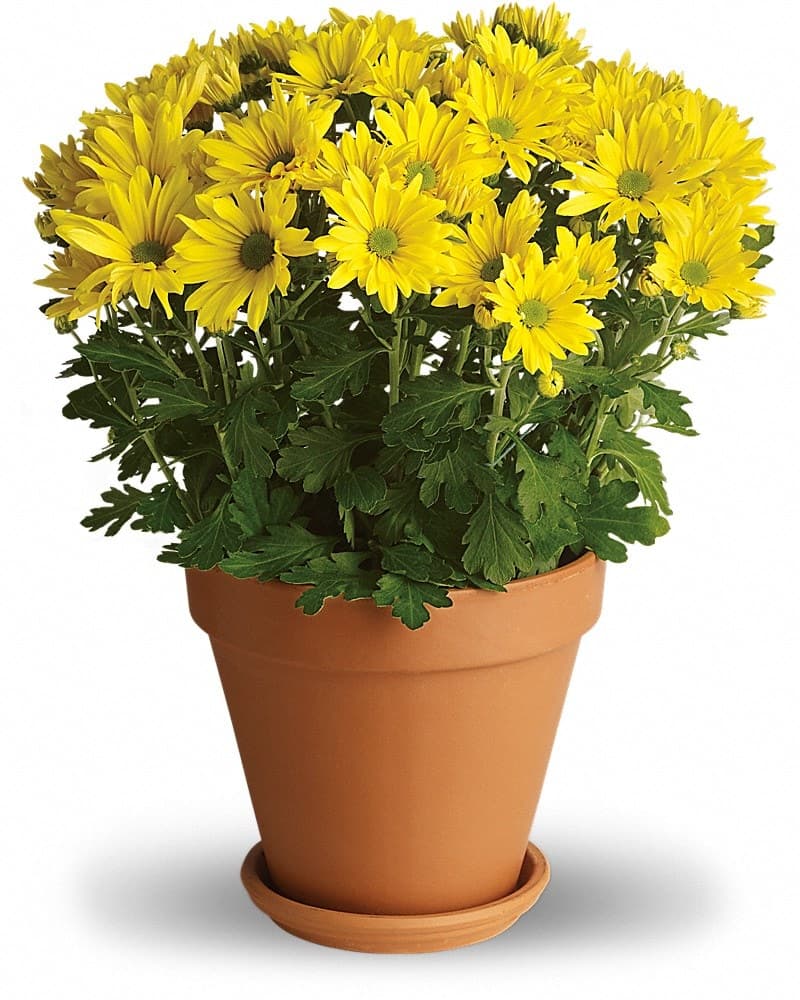
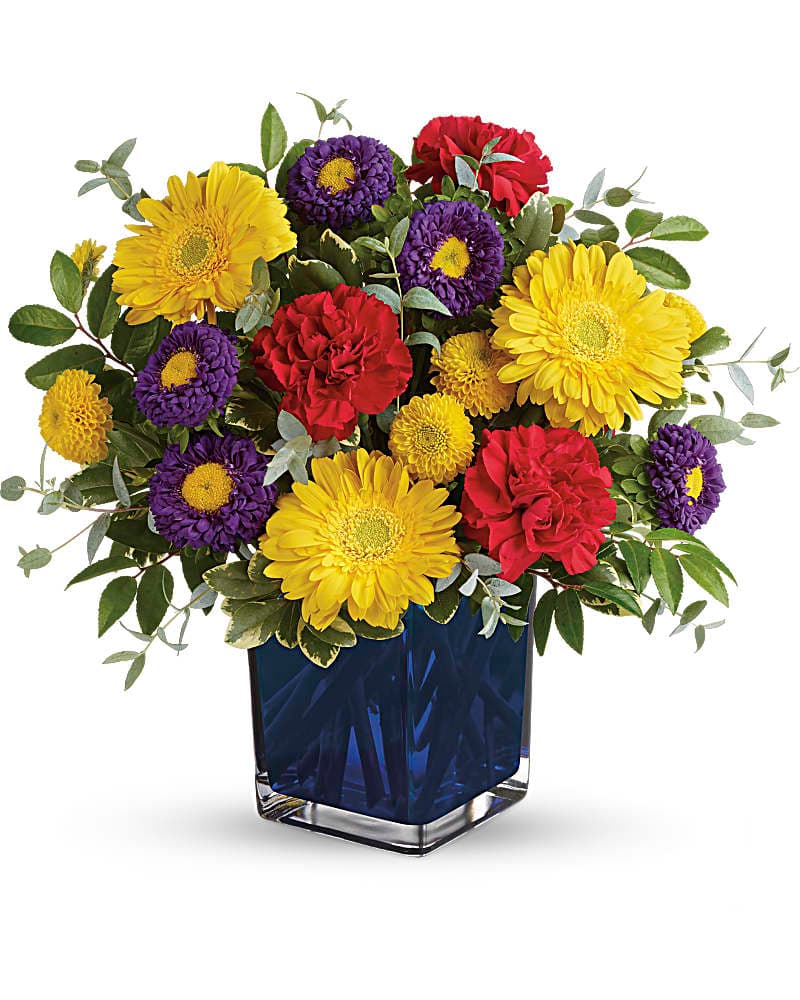
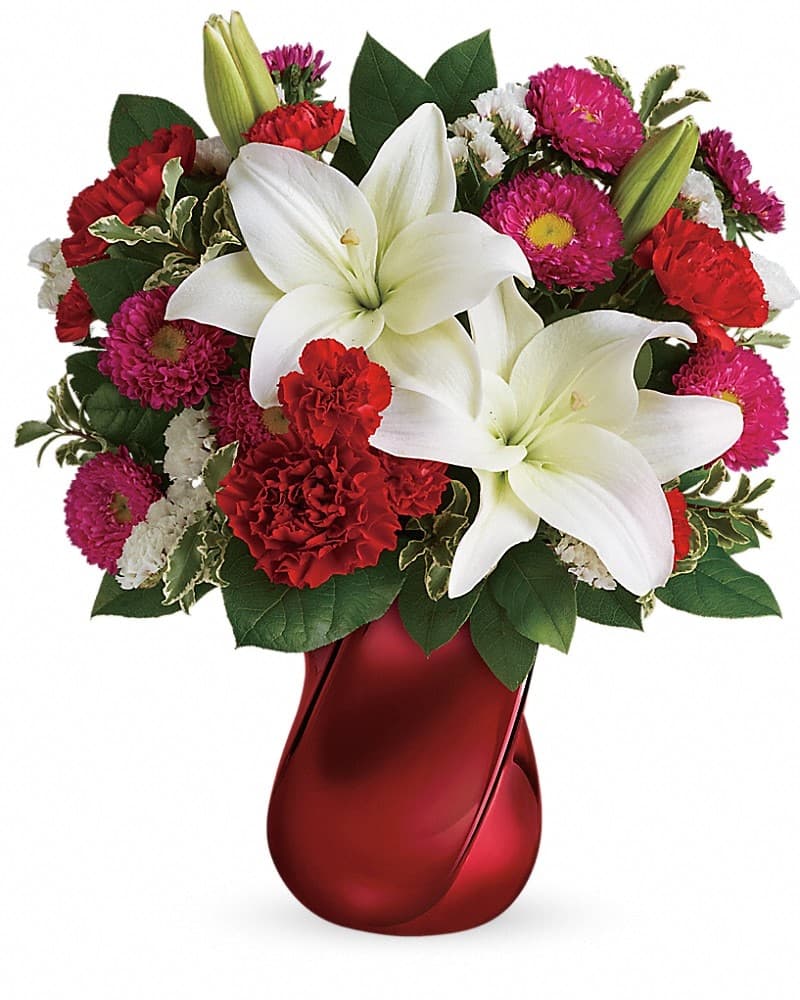
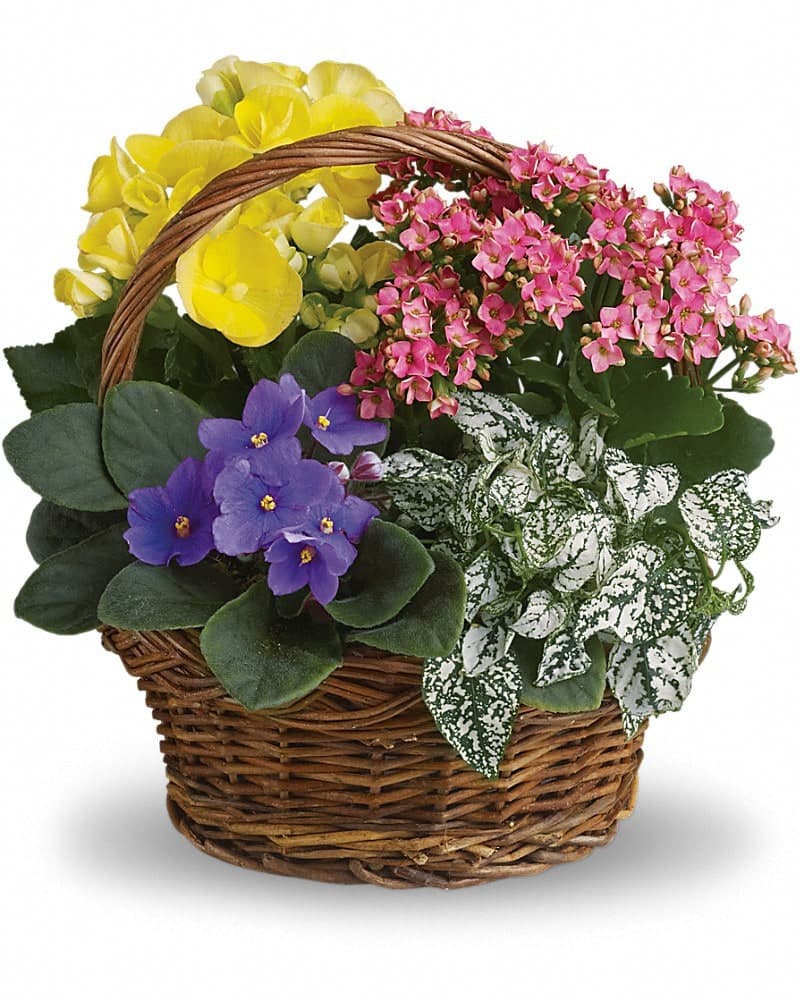
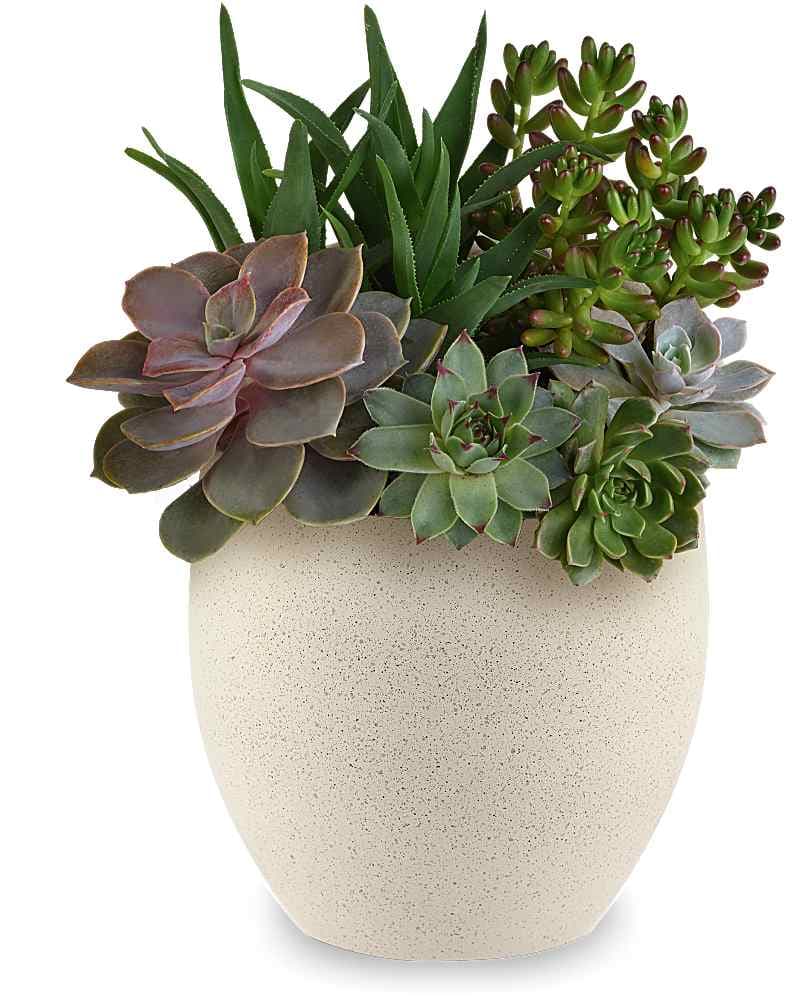
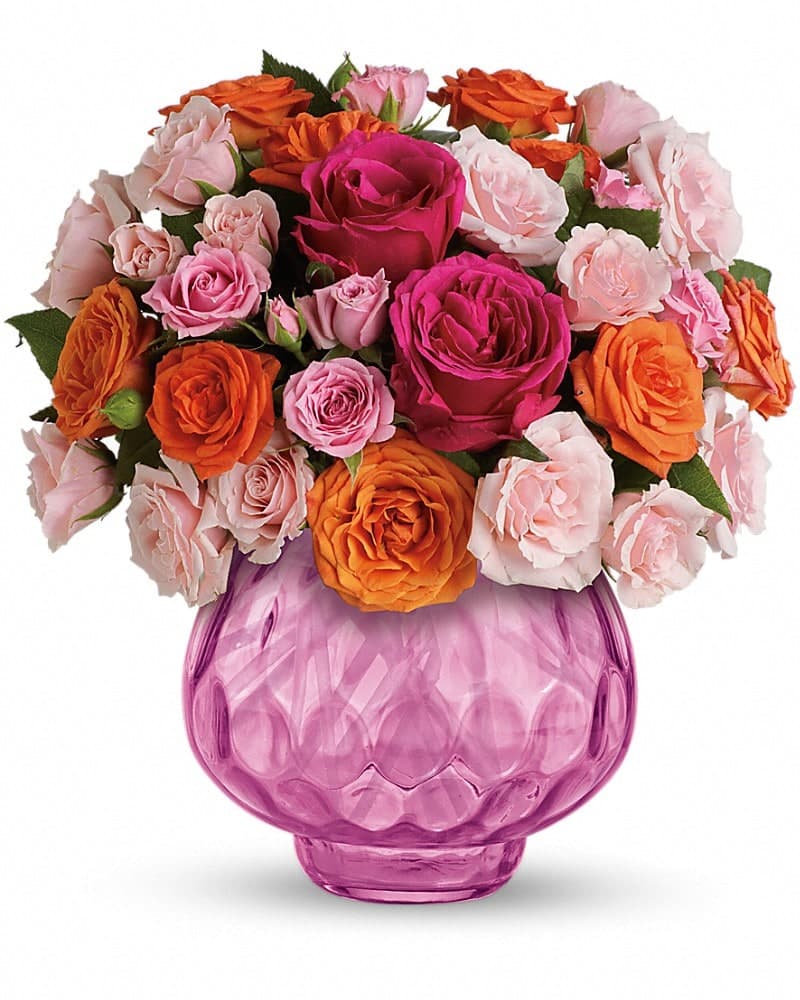
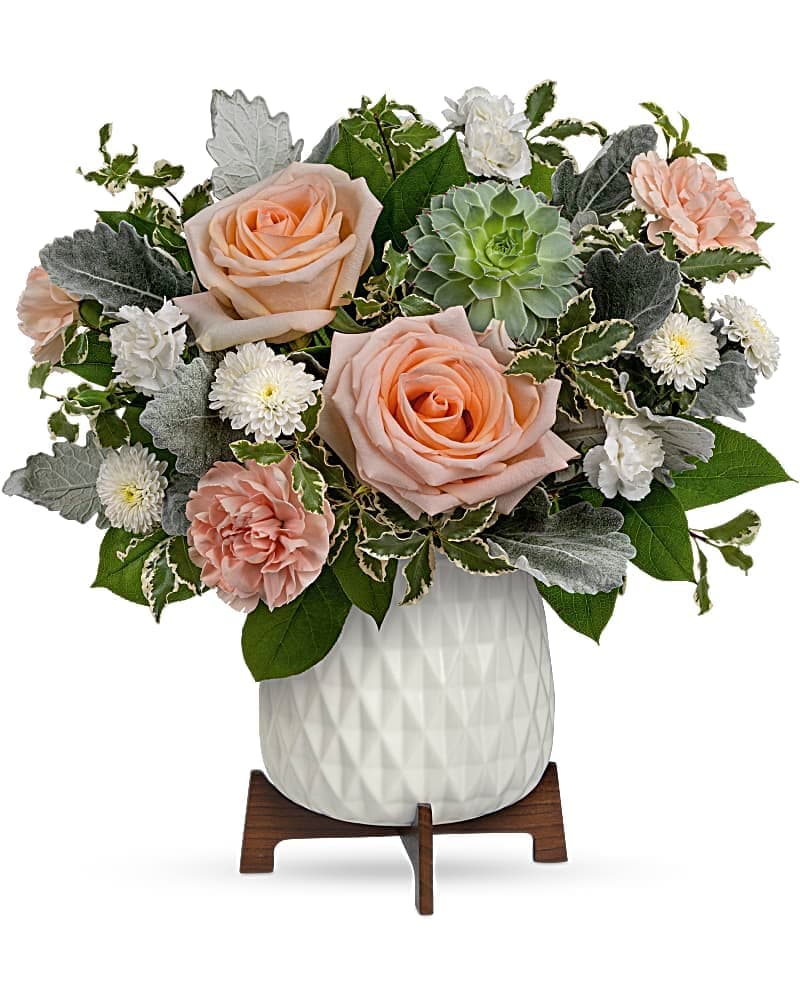
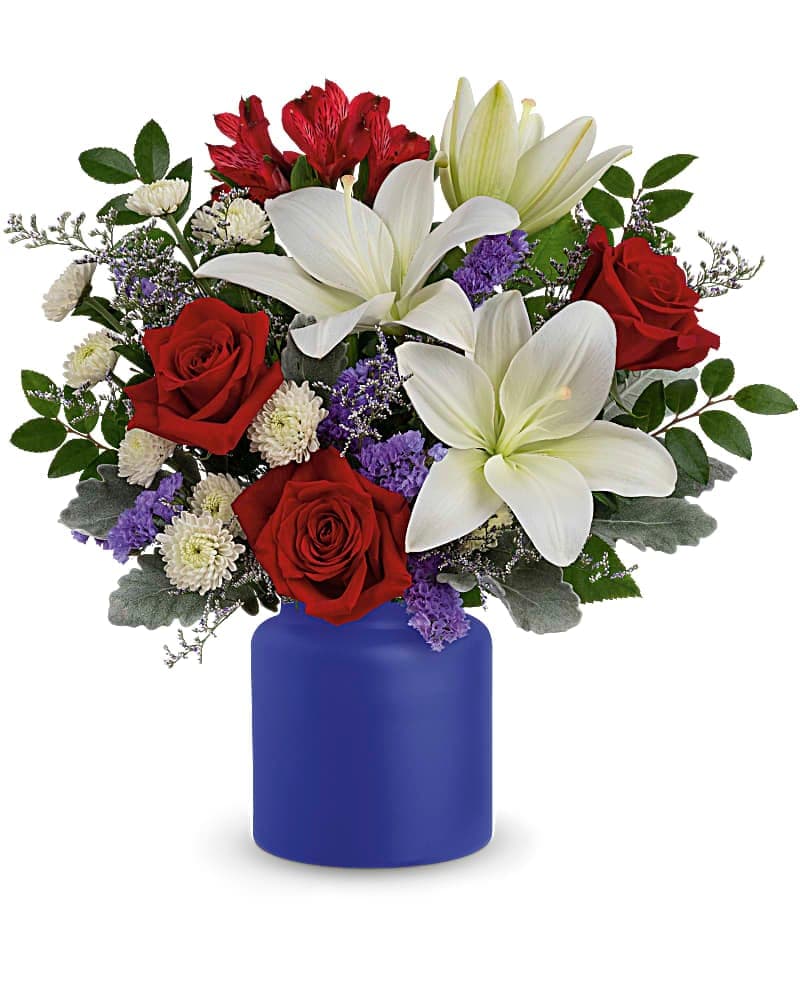
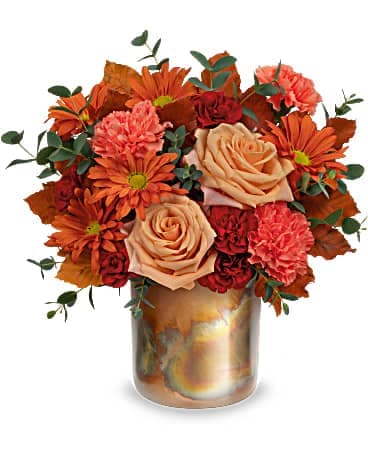
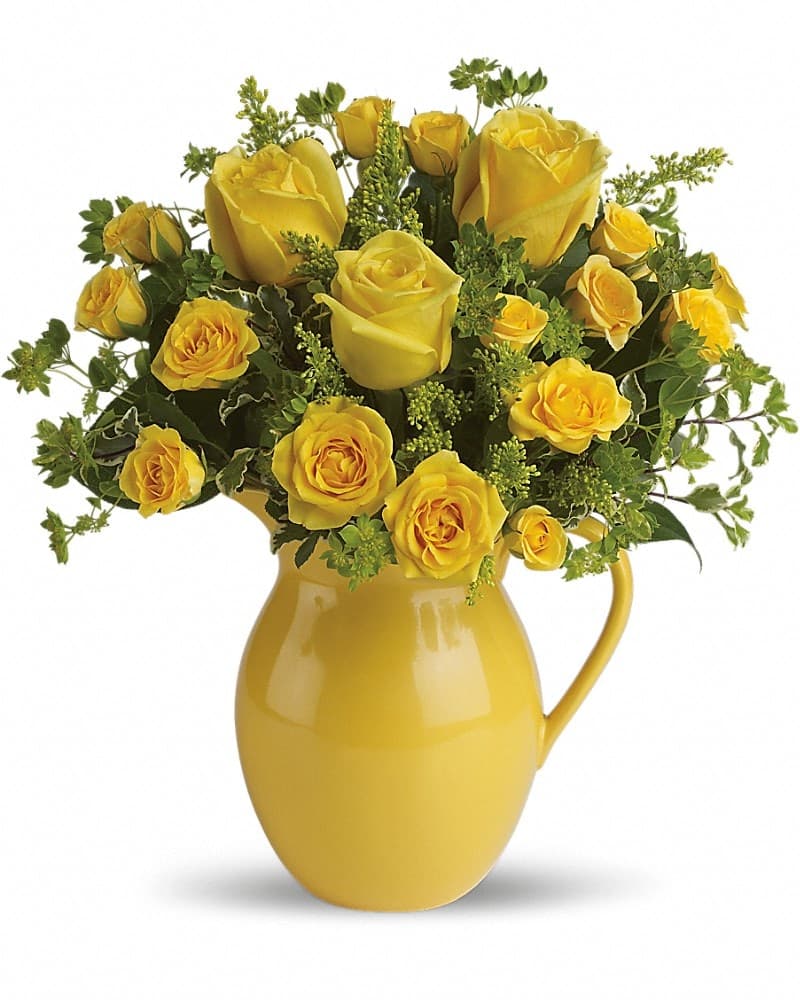
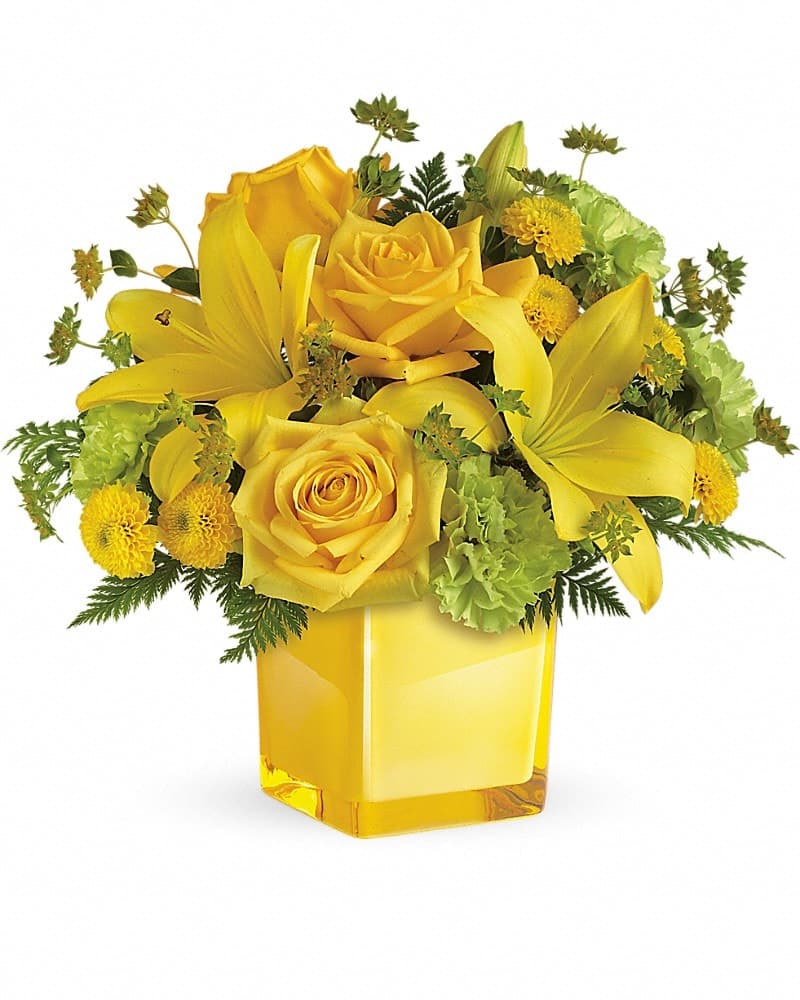
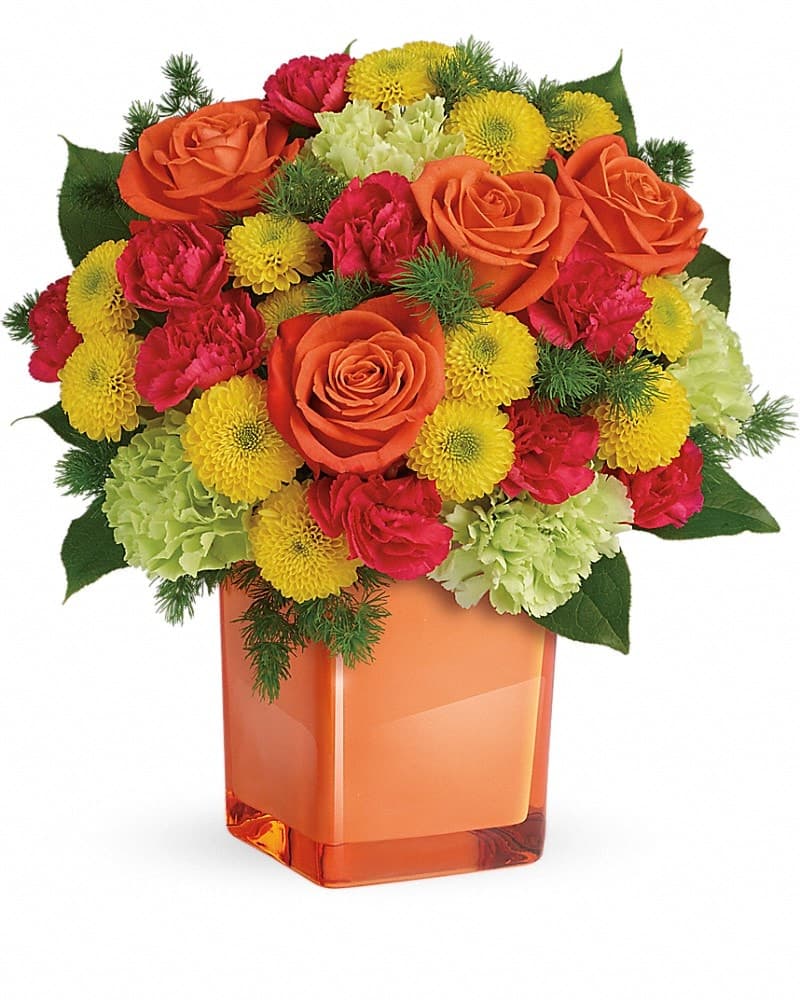
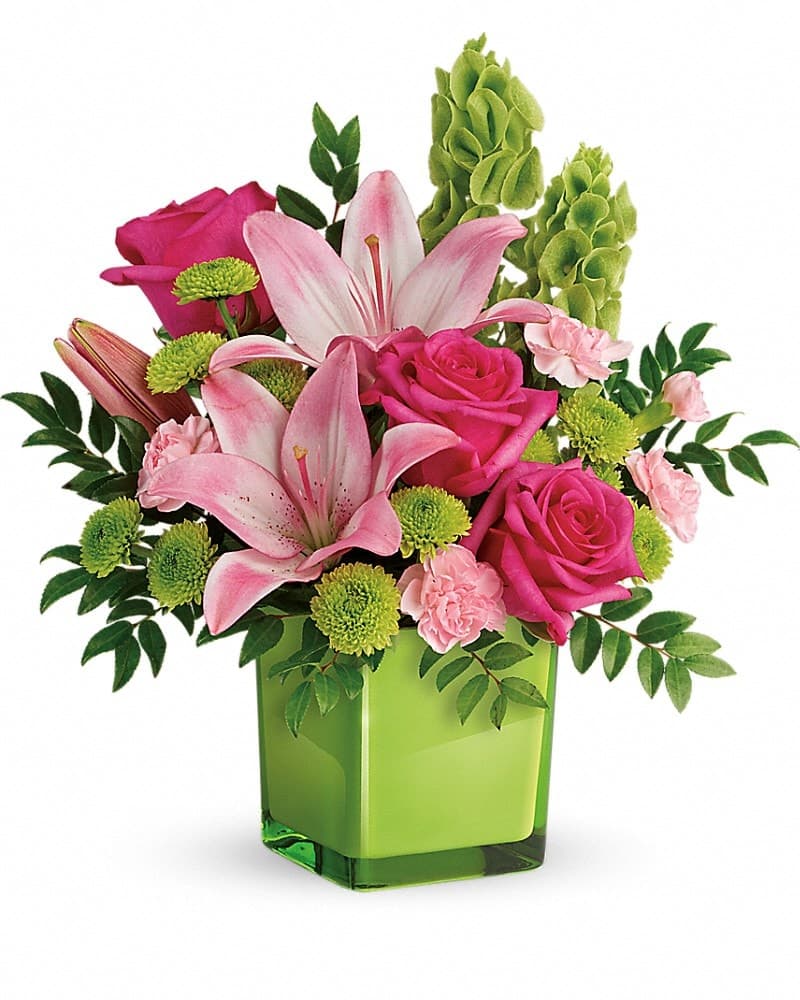
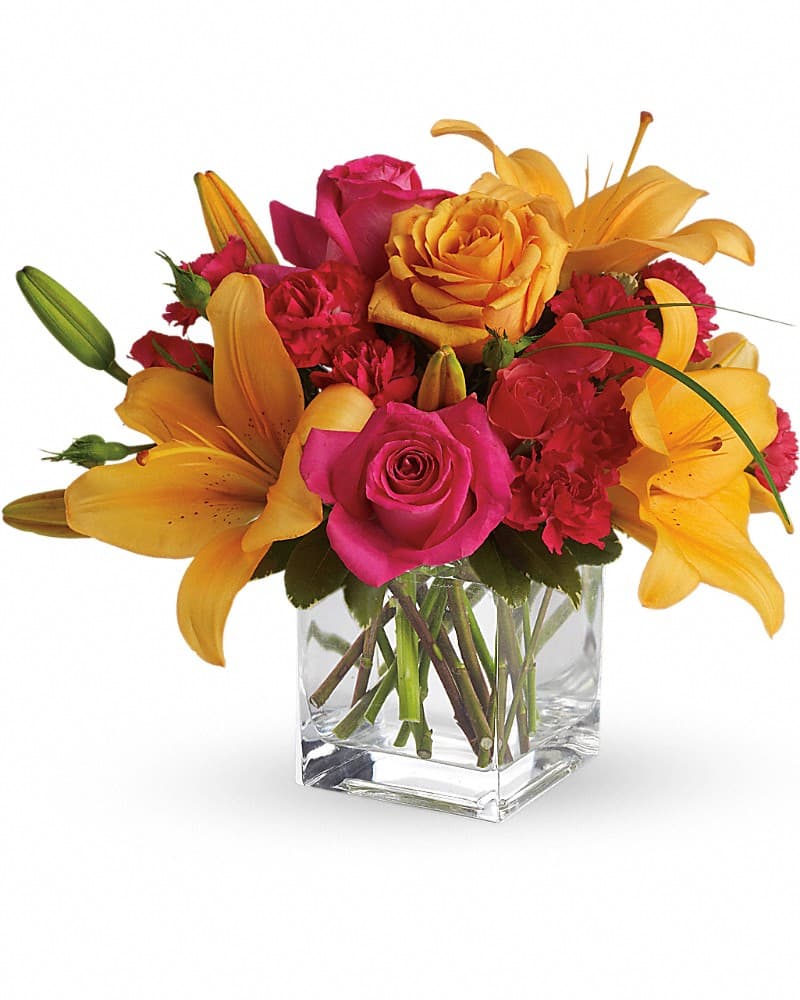
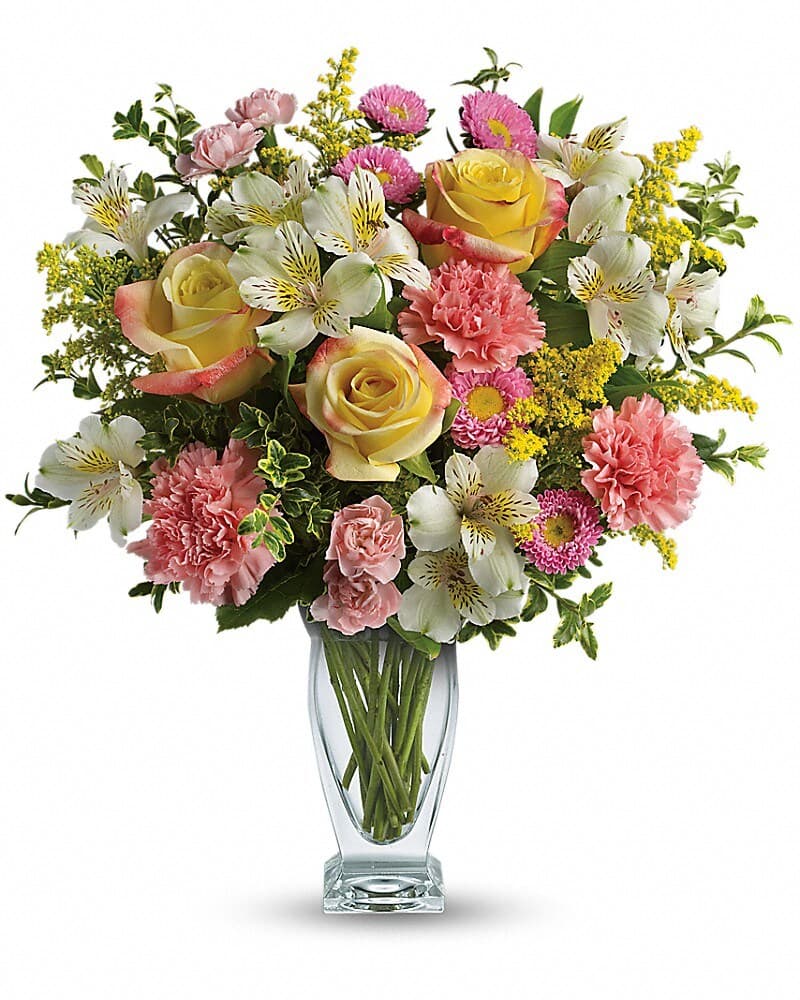
Now the part most senders skip, and the reason a well-meant order sometimes comes back. Hospital floors have rules, they differ by unit rather than by building, and a phone call to the nurses' station settles the question in ninety seconds. Intensive care units very commonly do not accept fresh flowers at all. Oncology, transplant and other floors caring for immunocompromised patients frequently prohibit both cut flowers and soil-grown plants, because the soil itself is the concern. Many units ask for no lilies — the pollen stains everything and the scent is too much in a small room — and plenty ask for no strong fragrance of any kind, which rules out stargazers, heavy stock and eucalyptus-forward designs. Latex balloons are prohibited outright at a great many hospitals because of patient and staff allergies, so if you want a balloon, make it mylar. Beyond policy there is plain physics: a bedside table in a shared room is already carrying a water pitcher, a phone, a tissue box and sometimes an IV pump, so a tall arrangement has nowhere to go. Ask for something compact in a low, stable vessel — the shops build this way for Reno's hospital routes as a matter of course. And if the unit says no, the better send is to the family's home or to the waiting room, where the relatives who have been sleeping in chairs for three days actually are.
Plenty of Reno recovery happens nowhere near a hospital, and those deliveries are simpler and often more welcome. A knee replacement recovering at home in Old Southwest (89509), a surgery recuperation in Hidden Valley (89502) or Caughlin Ranch (89519), a long convalescence in Somersett (89523), Damonte Ranch (89521), Sparks (89431, 89434) or Spanish Springs (89436) — for all of these, ordering ahead and asking for a morning window is the kind thing to do, because someone recovering from surgery does not want to get to the door at four in the afternoon. Two local health patterns are worth naming because they drive orders here. Late summer and early autumn bring wildfire smoke over the Sierra into the Truckee Meadows, and the weeks when the valley sits under it are hard on anyone with asthma, COPD or a recent respiratory illness; winter brings the opposite problem, temperature inversions that trap valley air for days. Both fill clinic schedules and both are good reasons to send something to a house rather than a room. And visitors arriving from sea level sometimes underestimate 4,500 feet — headaches, dehydration and shortness of breath on the first day are common enough that locals barely remark on them.