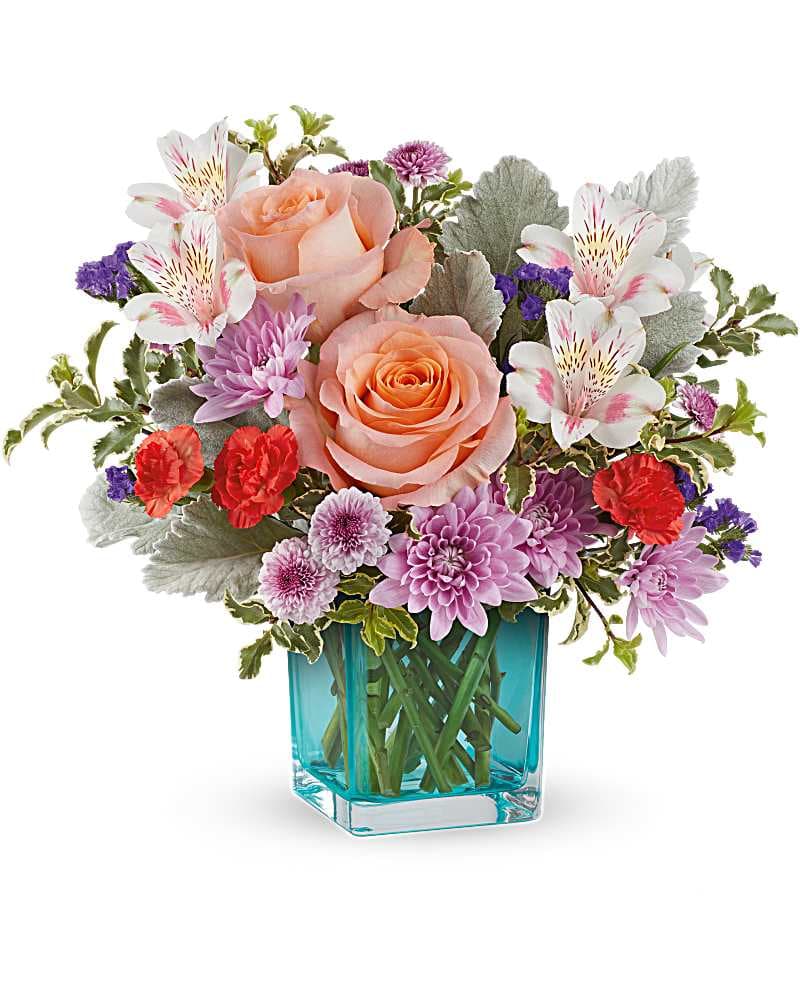
The in-city case is genuinely simple. Hackensack Meridian Health's Raritan Bay Medical Center occupies a campus on New Brunswick Avenue, the same street Sp Flowers NJ works from a few blocks down at number 380, and a get-well delivery there involves no bridge, no toll and no highway. Give the patient's full name as it was registered at admission, the unit or floor if you have it, and a room number if you have that too. The lobby desk accepts flowers during visiting hours and routes them up. What trips people here is not the drive — it is the register. Patients are admitted under a legal name that may not be the name the family uses, and in a city where a large share of residents carry two surnames in the Spanish convention, a driver holding only a first name and a nickname gets turned away at the desk. Write the name the hospital has, then add the family name in the card message if the two differ.
The harder case, and the one worth planning around, is the transfer. Raritan Bay's Perth Amboy campus is a community hospital: it stabilizes, admits and treats a great deal, and it moves the more specialized work north. Its sister campus is Raritan Bay Medical Center — Old Bridge. Hackensack Meridian JFK University Medical Center sits on James Street in Edison, with the JFK Johnson Rehabilitation Institute on the same campus, one of the state's substantial inpatient rehabilitation programs. Robert Wood Johnson University Hospital in New Brunswick is the academic referral center for this corridor, and the Rutgers Cancer Institute of New Jersey — the state's only National Cancer Institute-designated comprehensive cancer center — is attached to it on Little Albany Street, with the Bristol Myers Squibb Children's Hospital in the same complex. Saint Peter's University Hospital on Easton Avenue in New Brunswick runs one of the region's largest neonatal programs, and Children's Specialized Hospital has a New Brunswick site nearby. Further out but still inside the radius: Bayshore Medical Center in Holmdel, Riverview Medical Center in Red Bank, Trinitas in Elizabeth and the Rahway hospital on Stone Street. So a patient who went into the Perth Amboy ER on a Monday can be in Edison or New Brunswick by Wednesday. Call the family and ask which building before you pay for a delivery to the wrong one.
Which brings us to the floors, and to the specific reasons a hospital sends flowers back down to the lobby. Blood and marrow transplant patients and many of the inpatients at the Rutgers Cancer Institute are treated on protected units where potting soil is not permitted at all, because soil carries fungal spores that a patient with no immune system cannot tolerate; heavy scent is also a problem, both for that population and for anyone on chemotherapy dealing with nausea. That is a call-first situation, and the call is to the nursing station, not to the florist. Intensive care rooms at Raritan Bay and at Robert Wood Johnson have neither the surface space nor the policy latitude for flowers, and the usual answer is to have them held for the family or sent to the waiting area. Saint Peter's neonatal intensive care unit takes nothing onto the unit whatsoever — send to the mother's own room if she is still admitted, or to the family's house, which is the better gift anyway. At the Bristol Myers Squibb Children's Hospital and at Children's Specialized, latex balloons are excluded on allergy grounds, so if the get-well includes a balloon, ask for mylar.
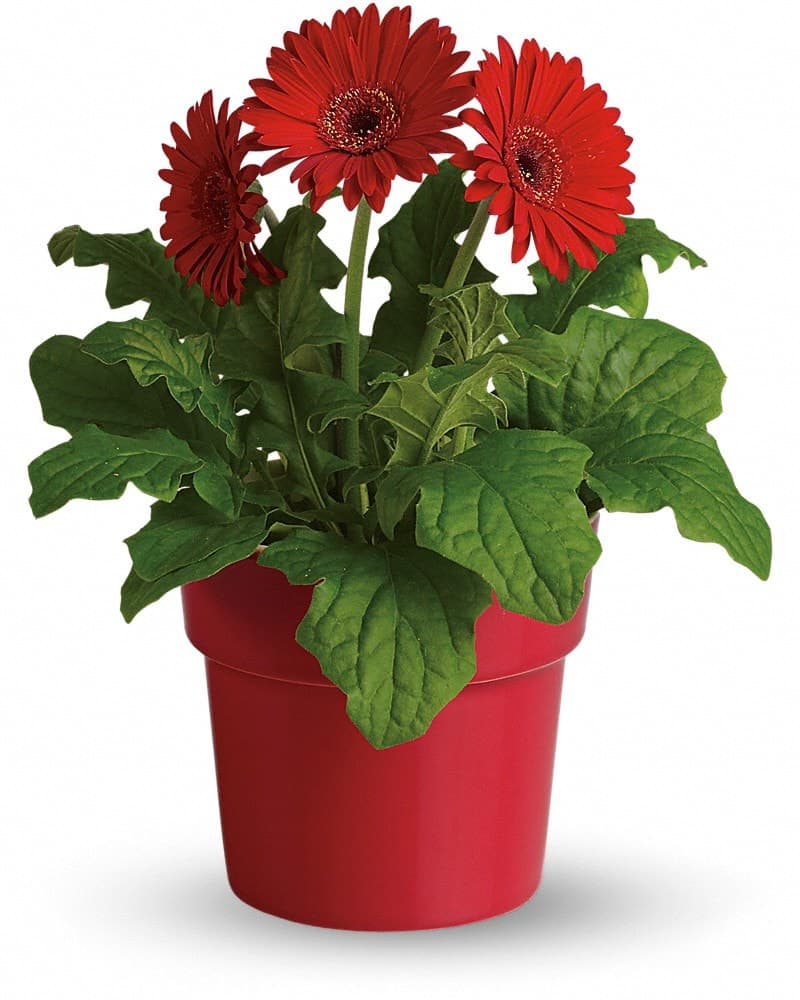
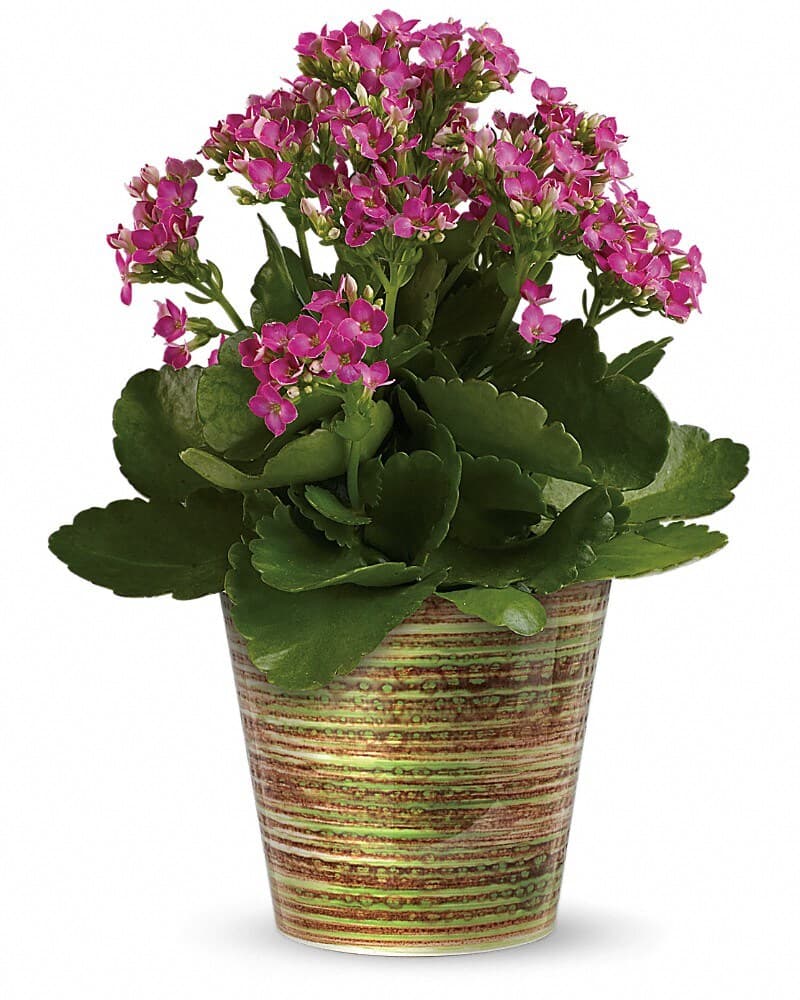
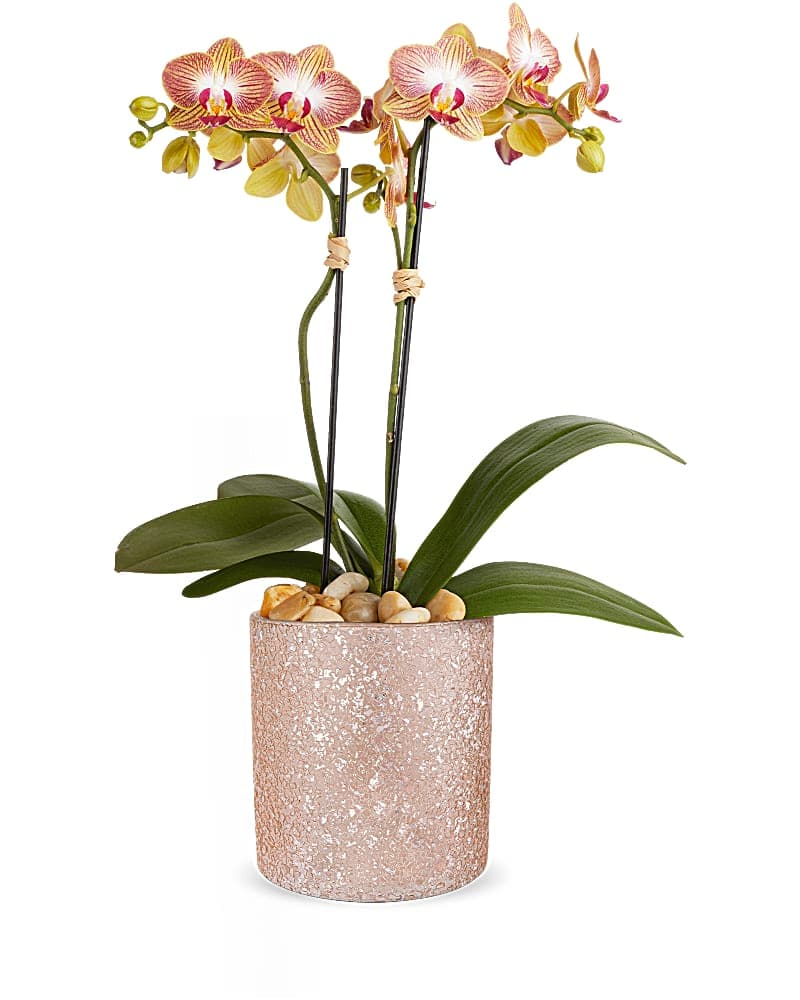
The rehabilitation stay is the case where the object itself should change. A patient on the JFK Johnson inpatient units in Edison is there for weeks, not days, relearning a walk or a hand after a stroke or a serious injury. Cut flowers delivered on day three are compost by day ten, and a nurse ends up carrying the vase out. A potted plant on the windowsill lasts the entire admission, gets taken home at discharge and keeps doing its job in the living room afterward. The same logic applies to a long stay anywhere and to a recovery at home, which in Perth Amboy is most recoveries — a Fifth Ward second floor with a relative doing the cooking. For home delivery, the city's ordinary rules govern: the unit, the floor, the name on the shared doorbell, a mobile number. If the patient cannot get to the door, name whoever can, and note that a driver at the door of a housebound recovery is often the only visitor that day, which is an argument for sending twice over a month rather than once in a large arrangement.