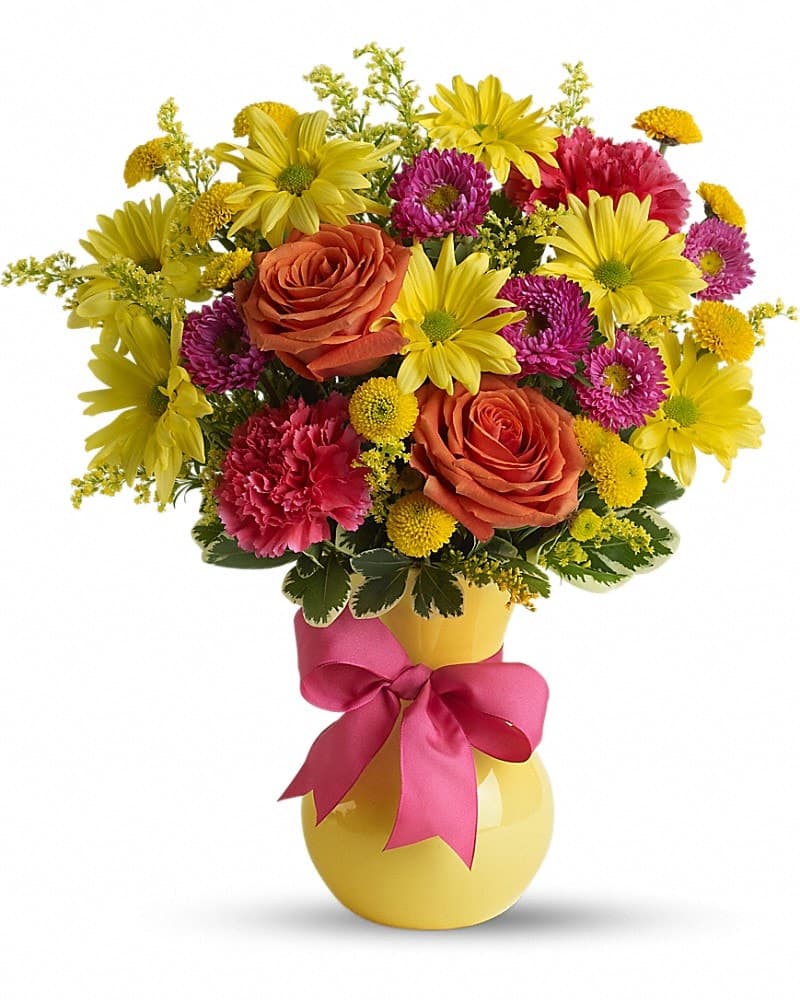
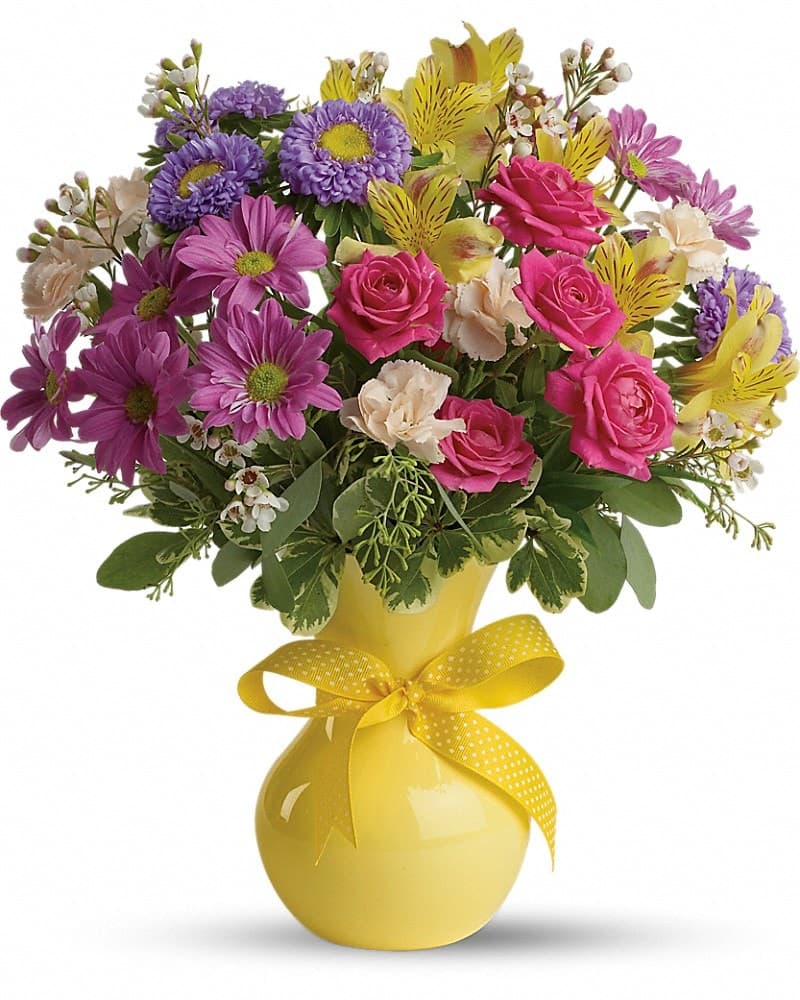
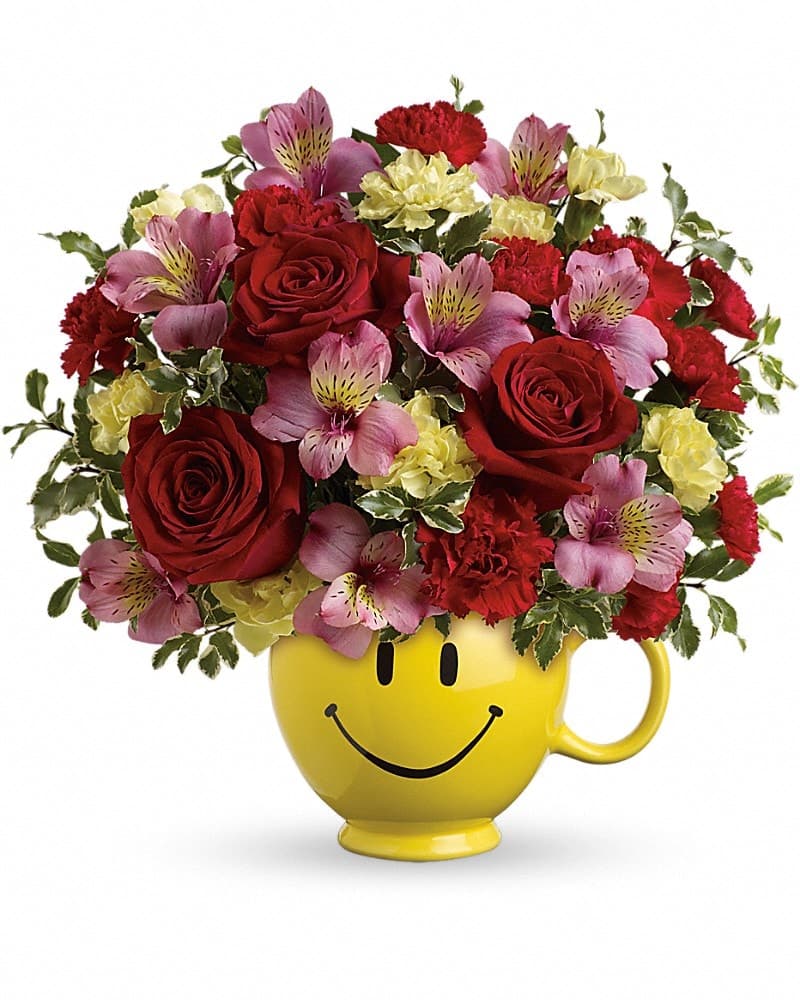
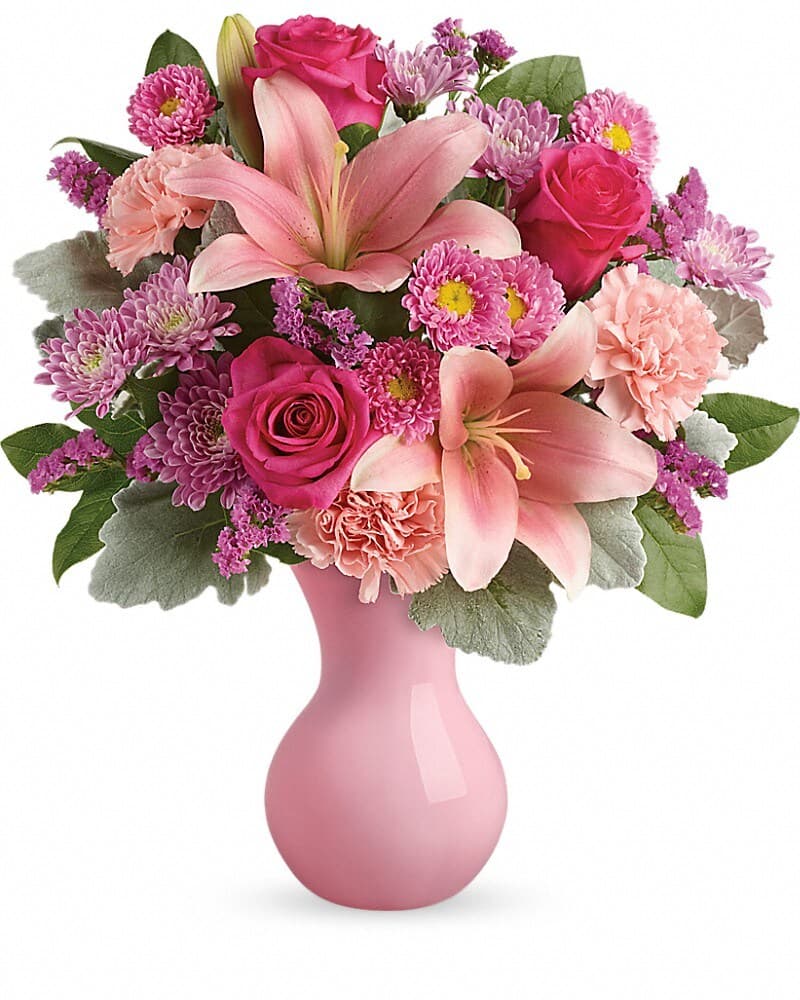
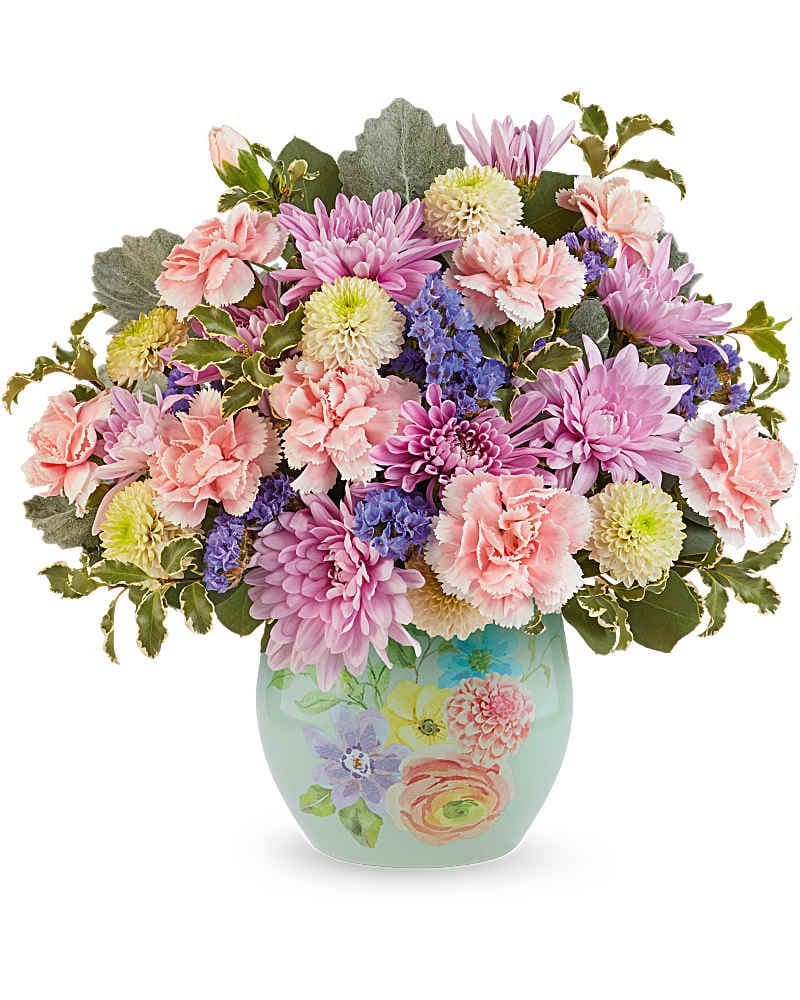
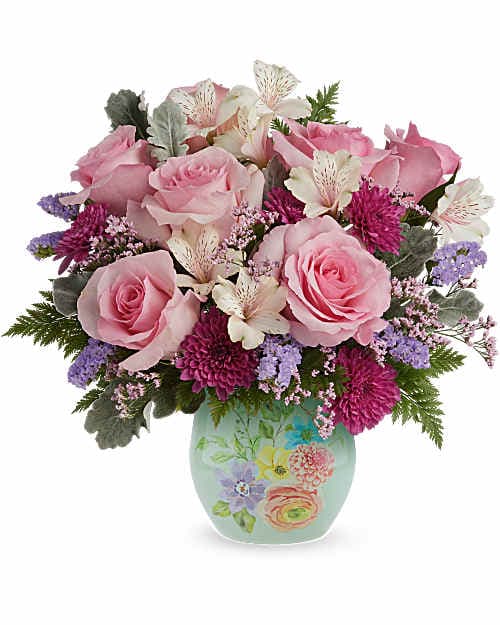
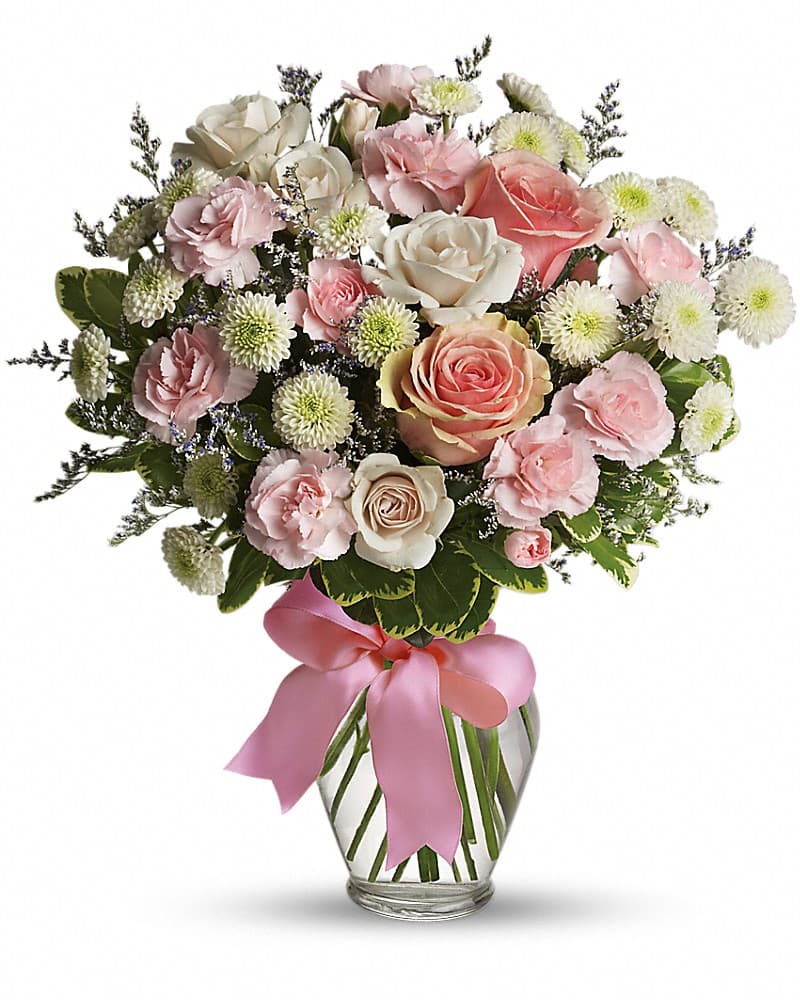
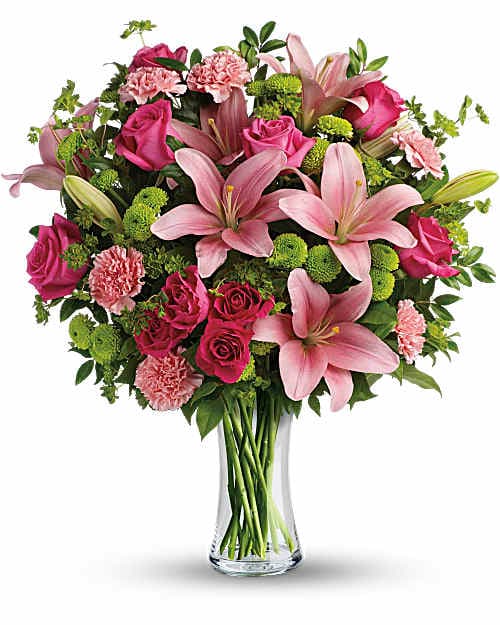
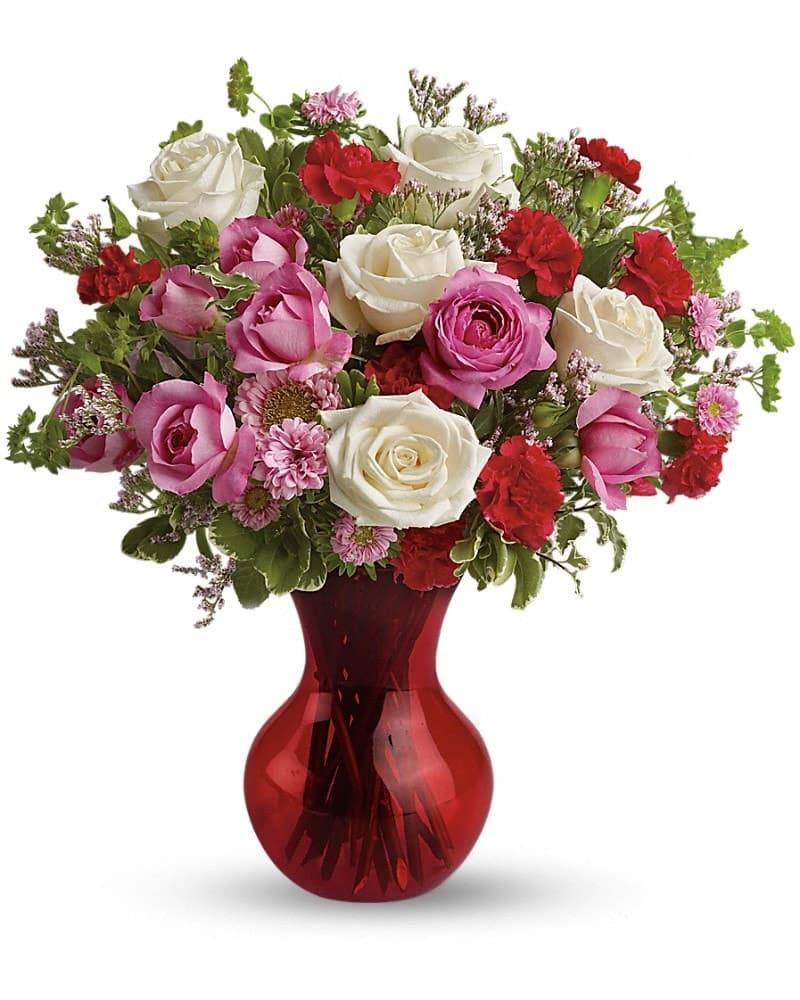
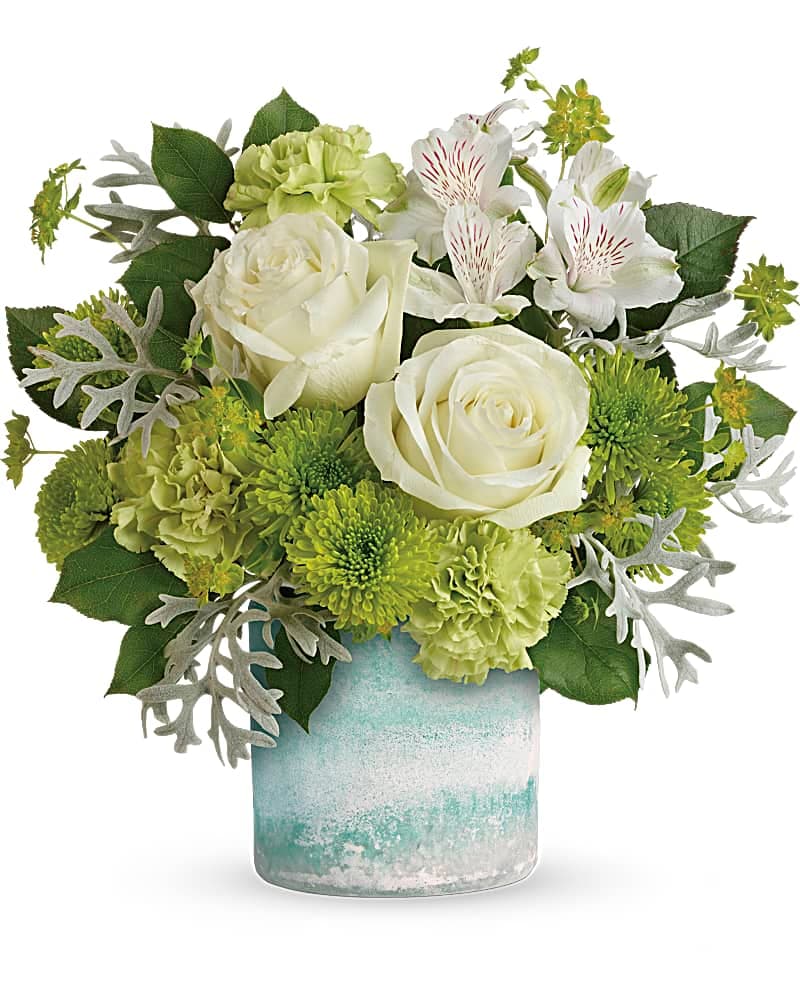
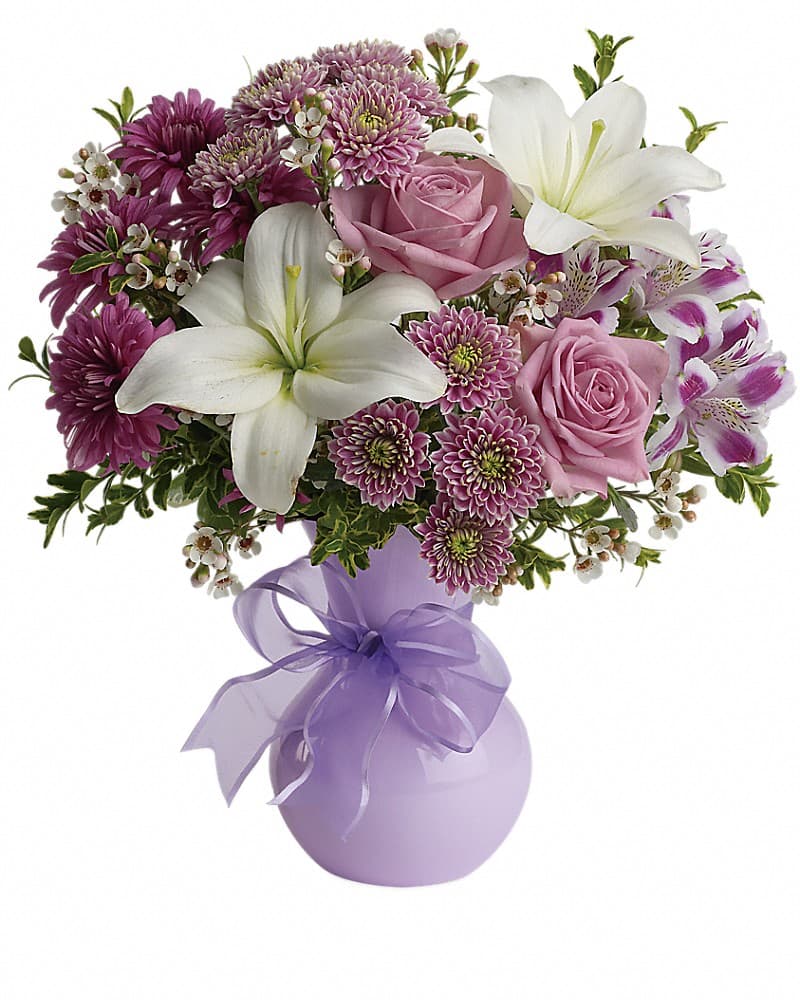
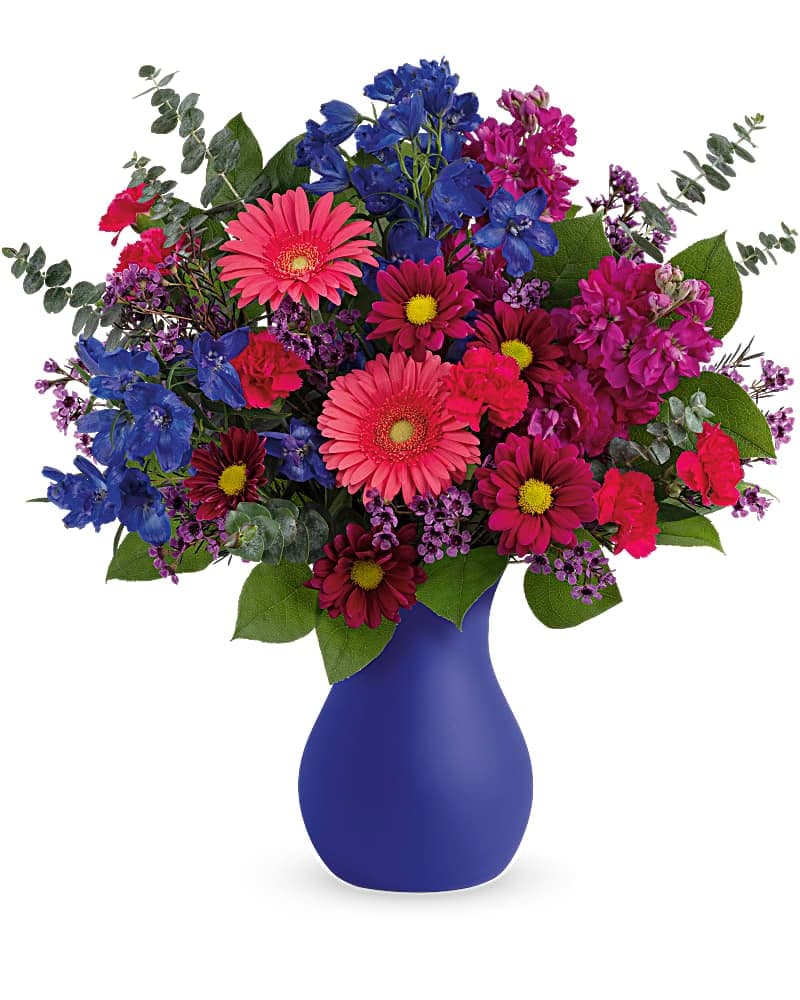
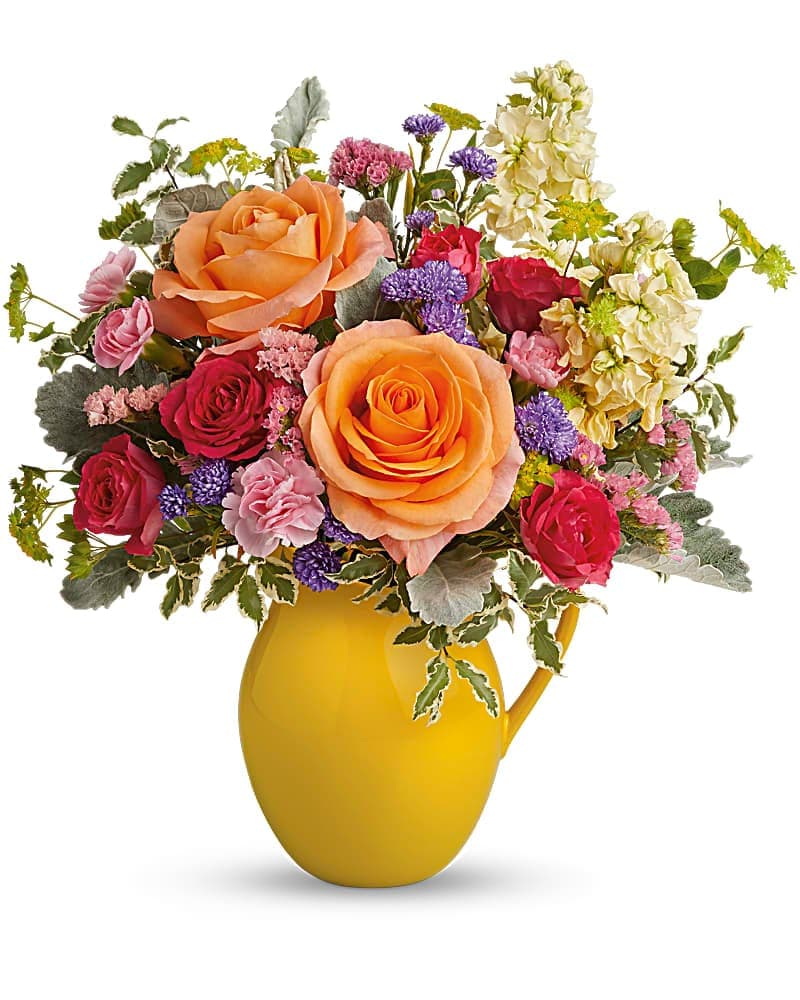
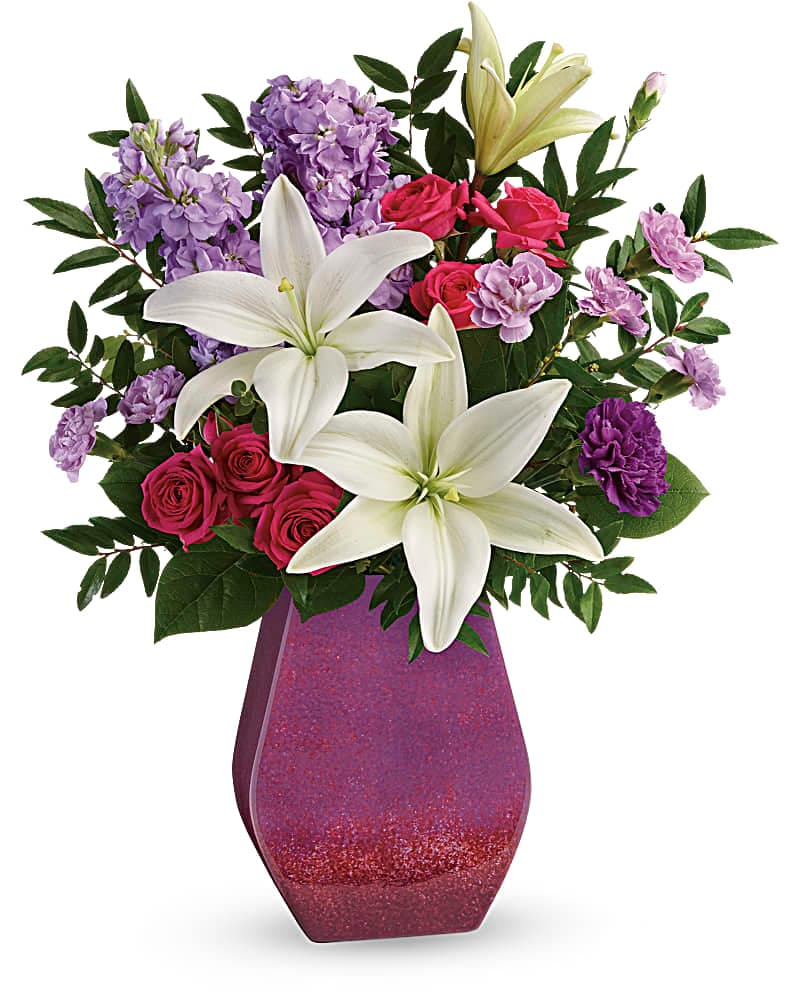
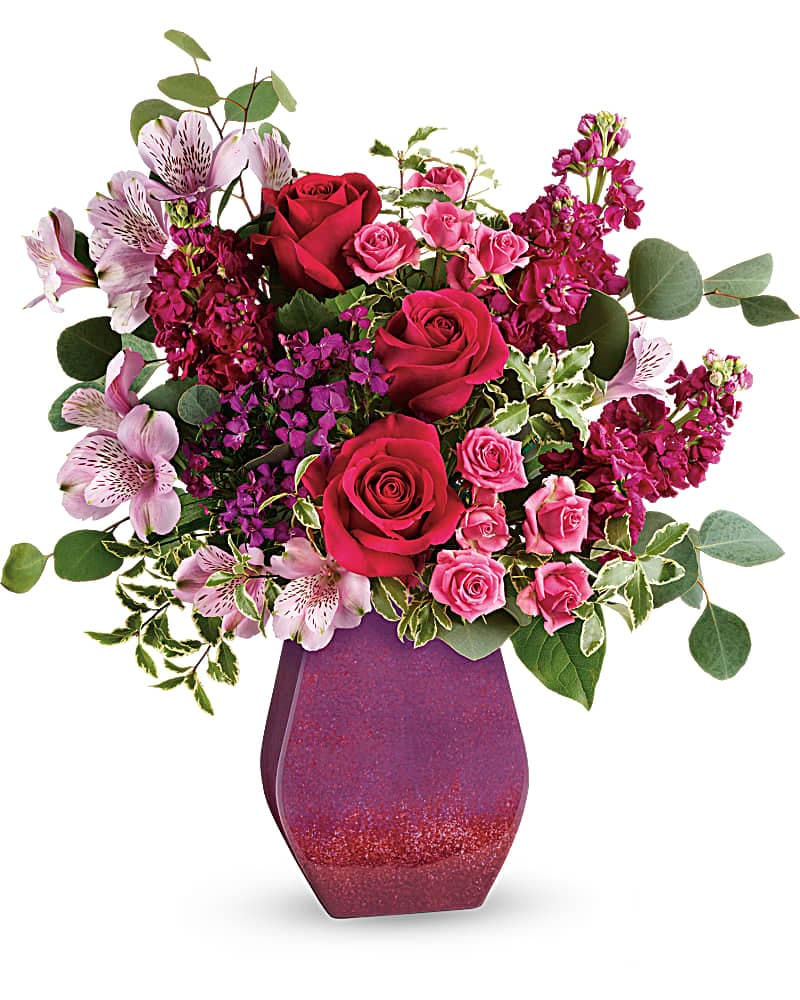
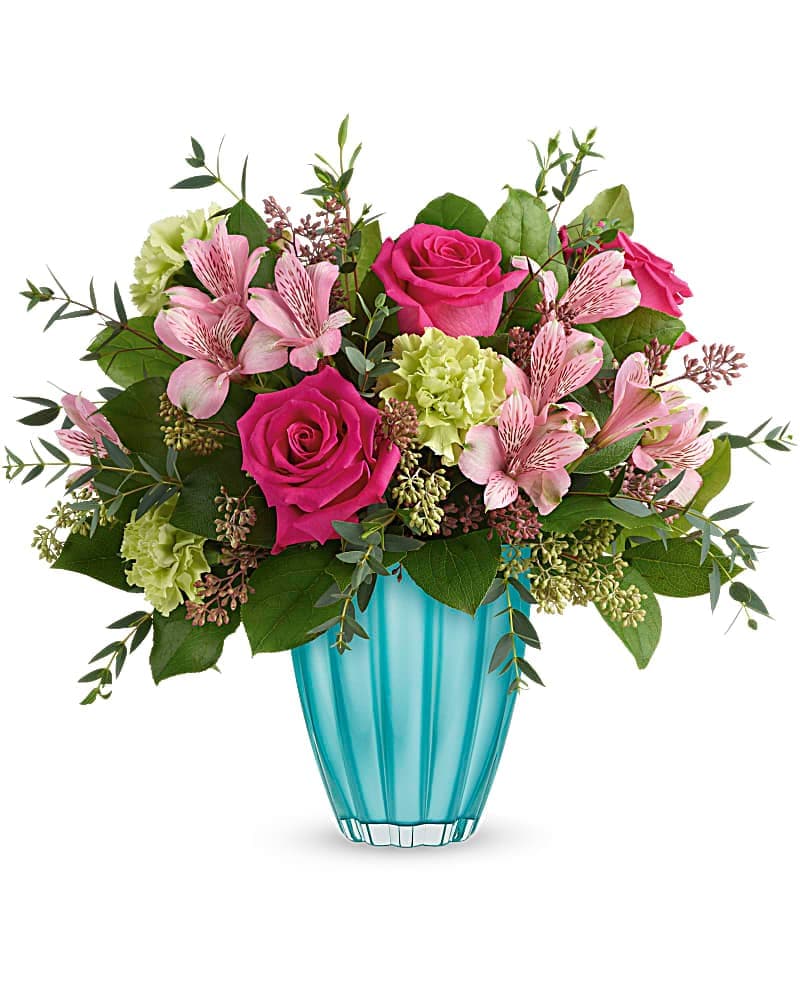
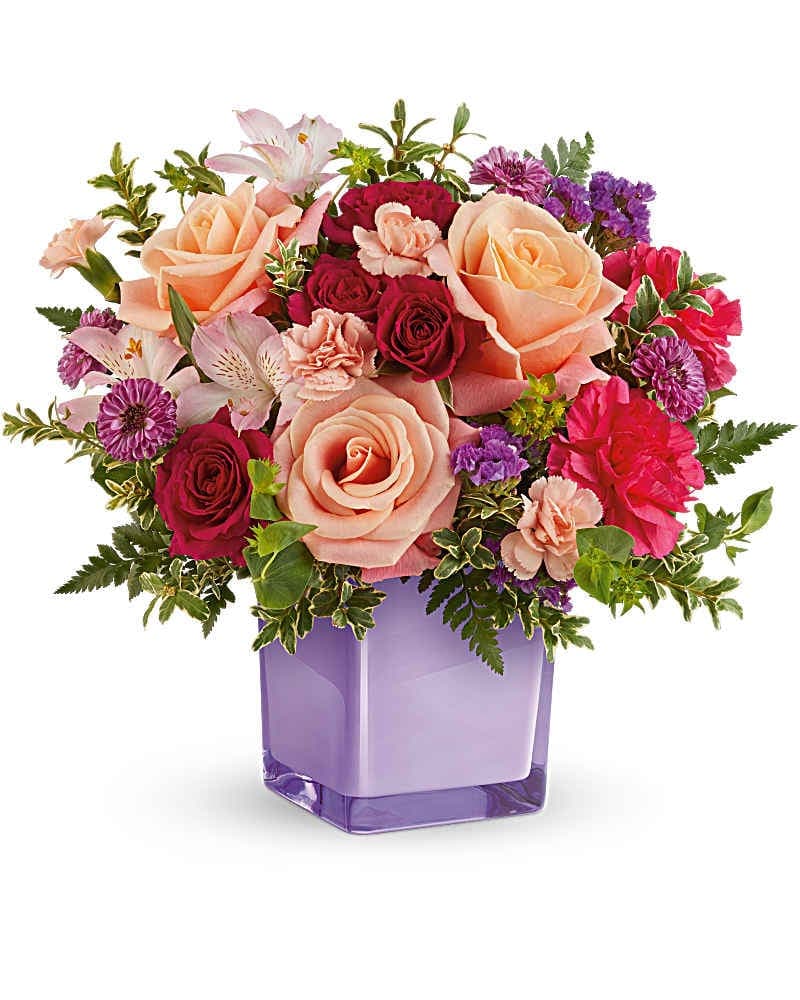
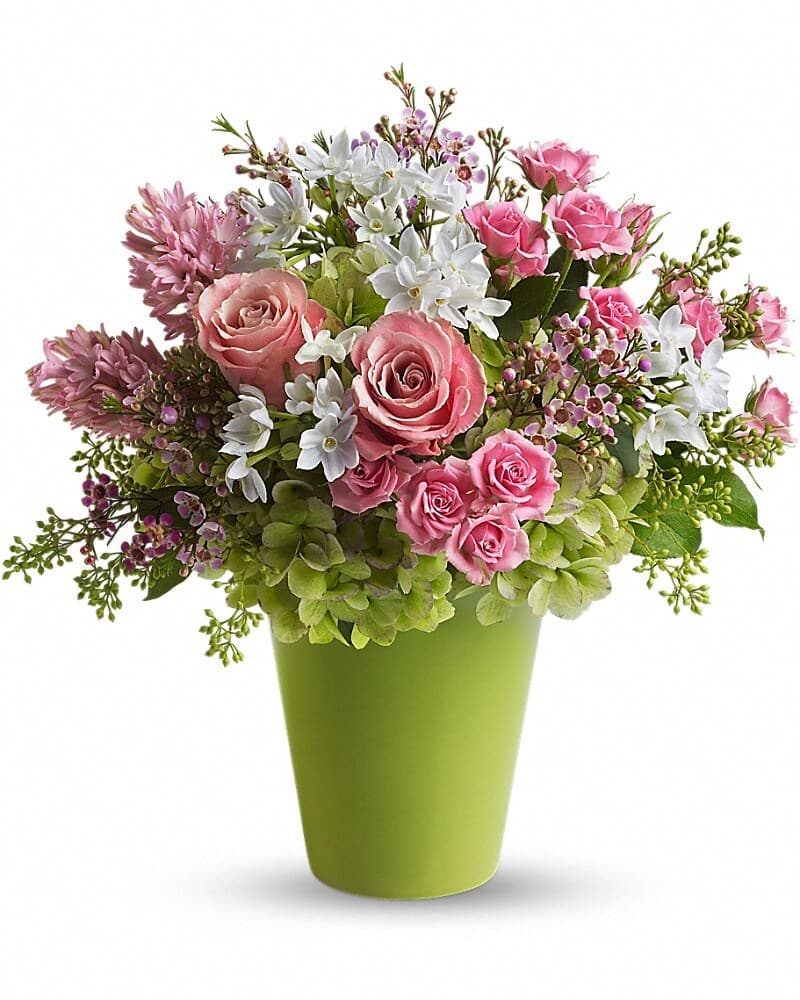
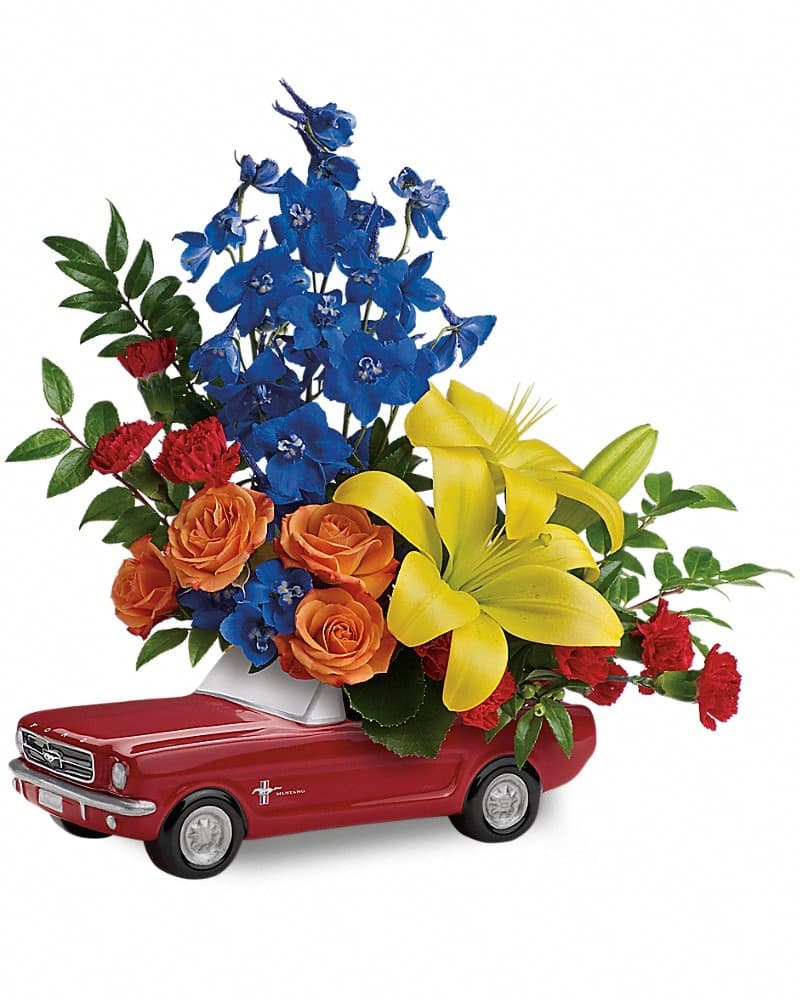
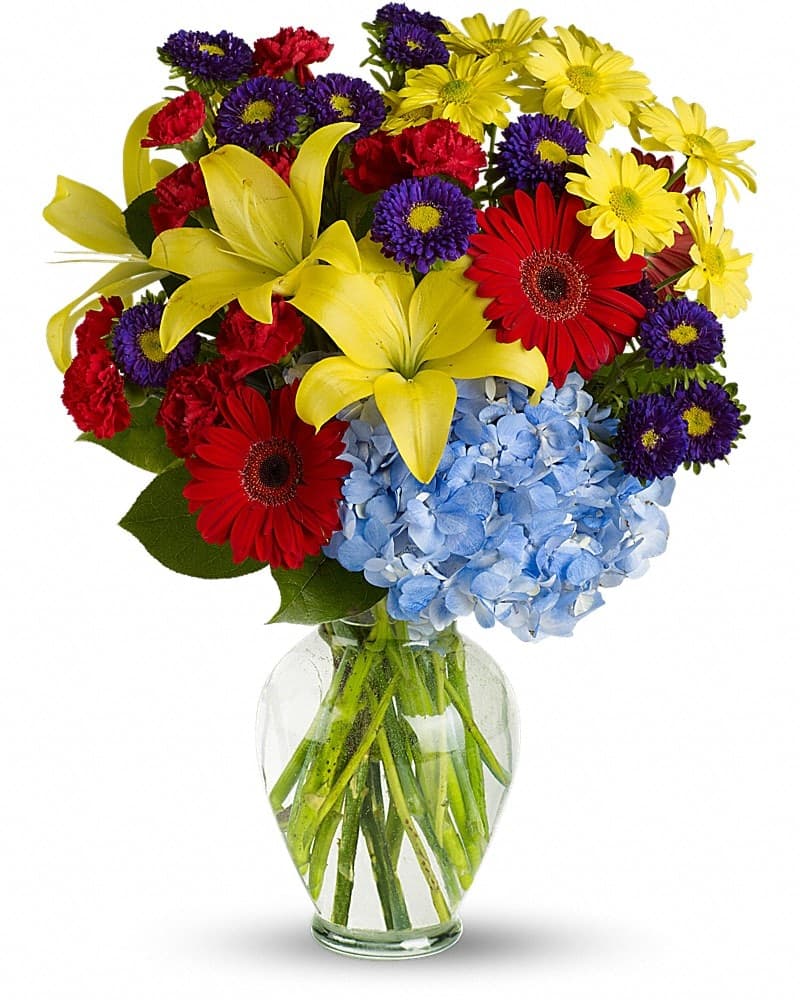
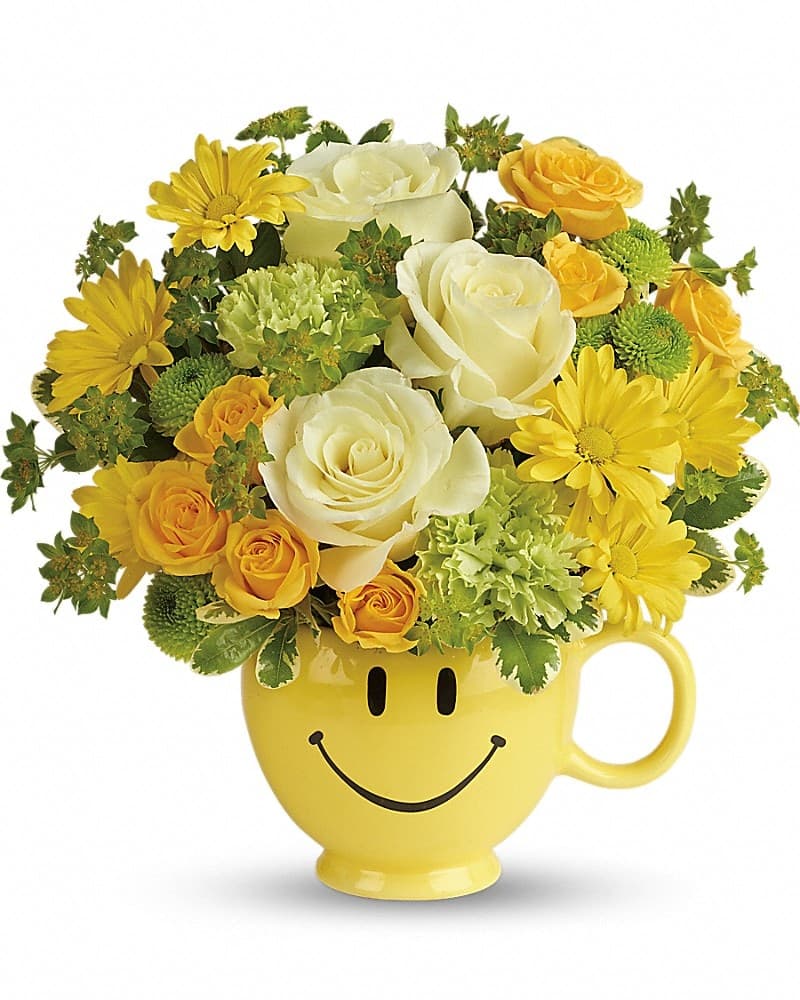
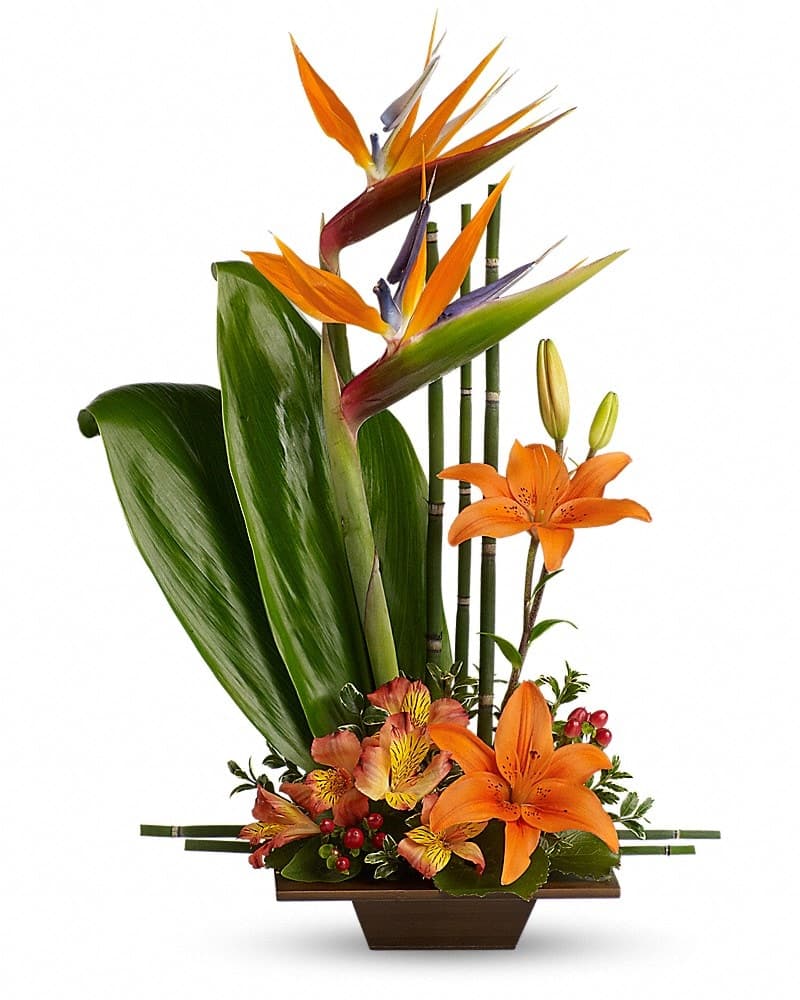
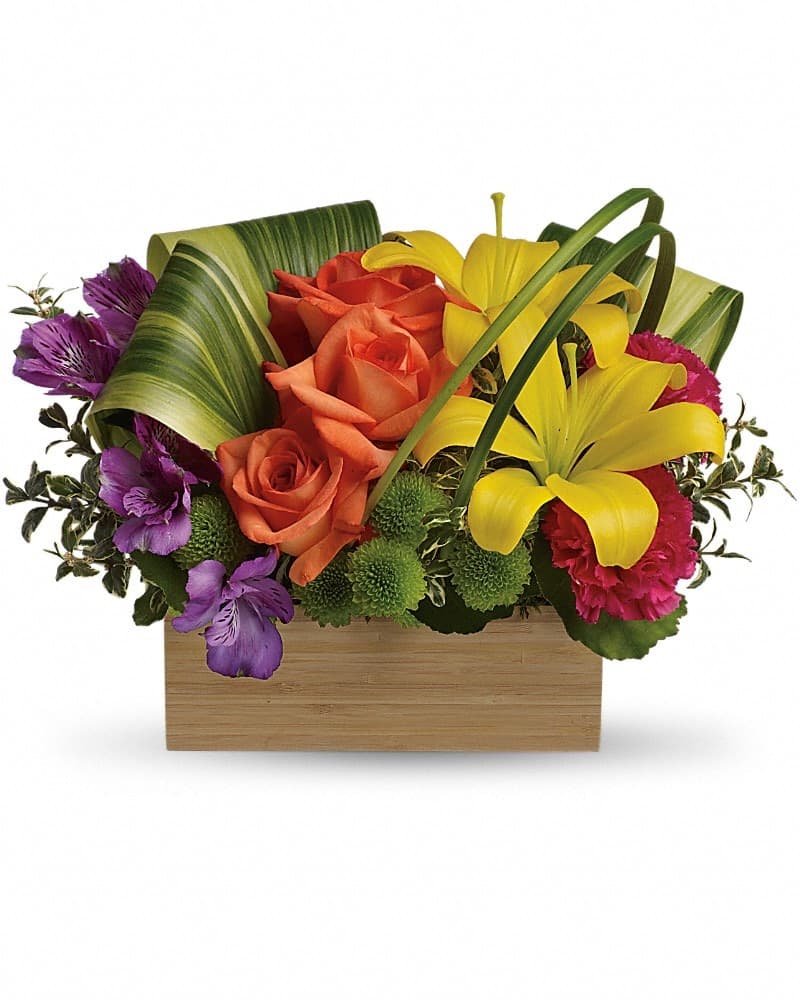
Daniel Penfield laid out this settlement in 1810 at the crossing of what are now Penfield Road and Five Mile Line Road, and two centuries later that intersection still does the same job. The Four Corners is where a Penfield week actually happens — the Wegmans on Penfield Road, the plazas at Panorama and Baytowne, the Penfield Public Library on Baird Road, the town offices on Atlantic Avenue, and school pickup lines fanning out from four elementary buildings. It is also the geography that makes the no-occasion order work here, because Penfield Flower Barn sits at 2137 Five Mile Line Road, a block off that crossing, and can reach nearly any residential street in town in under ten minutes. That matters more for just-because than for any other occasion. Birthdays and funerals come with a date; a just-because bouquet comes with an impulse, usually mid-morning, usually because of something small that happened yesterday. In Penfield the recurring reasons are unglamorous and specific: somebody ran a snowblower down your driveway at six in the morning without being asked; somebody sat with your kid for three hours when a flight got cancelled; a teacher at Cobbles or Indian Landing or Scribner Road got a child through a hard month; a neighbour on Whalen Road came home from a hospital stay and nobody has sent anything because it is not a diagnosis anyone wants to name. None of those have a card category. They just need flowers on a step by dinner.
A no-occasion send has one failure mode and it is not the flowers: it is the card. A bouquet appearing on a step in a town where nobody was expecting one, with a note reading only 'thinking of you,' creates a small mystery the recipient then has to solve, and in a neighbourhood of long-tenure households where a delivery van is noticed, that mystery gets discussed. Sign it. Full name, and one clause saying why — 'thank you for the driveway,' 'sorry about last week,' 'no reason' — is enough, and it turns an ambiguous arrival into the thing you meant to send. Two more points of etiquette for this particular occasion. If you are sending to somebody you do not know well, a neighbour two doors down or a colleague on another floor at the Paychex campus, keep it small on purpose. A large arrangement from a near-stranger obliges a response; a modest plant does not, and the whole point of a just-because send is that nothing is owed back. And if you are sending to a household in the middle of something difficult, resist naming it. 'Been thinking of you' does not require the recipient to confirm what is going on. On rhythm: the no-occasion send here has a distinctly local calendar. September brings the teacher thank-yous, once families know which classroom their child landed in at Cobbles or Harris Hill. Late February brings the third-straight-week-of-snow sends, which is the single most Rochester reason to order flowers there is. And mid-May, when the lilacs at Highland Park make the whole county smell like spring for a fortnight, brings a wave of people sending flowers for no reason at all because the weather finally allows it. If you want to make a habit of it rather than a gesture, order the same modest arrangement to the same address every six or eight weeks. Repeated small sends outperform one large one, cost less in total, and in a town like Penfield the recipient starts watching for the van.