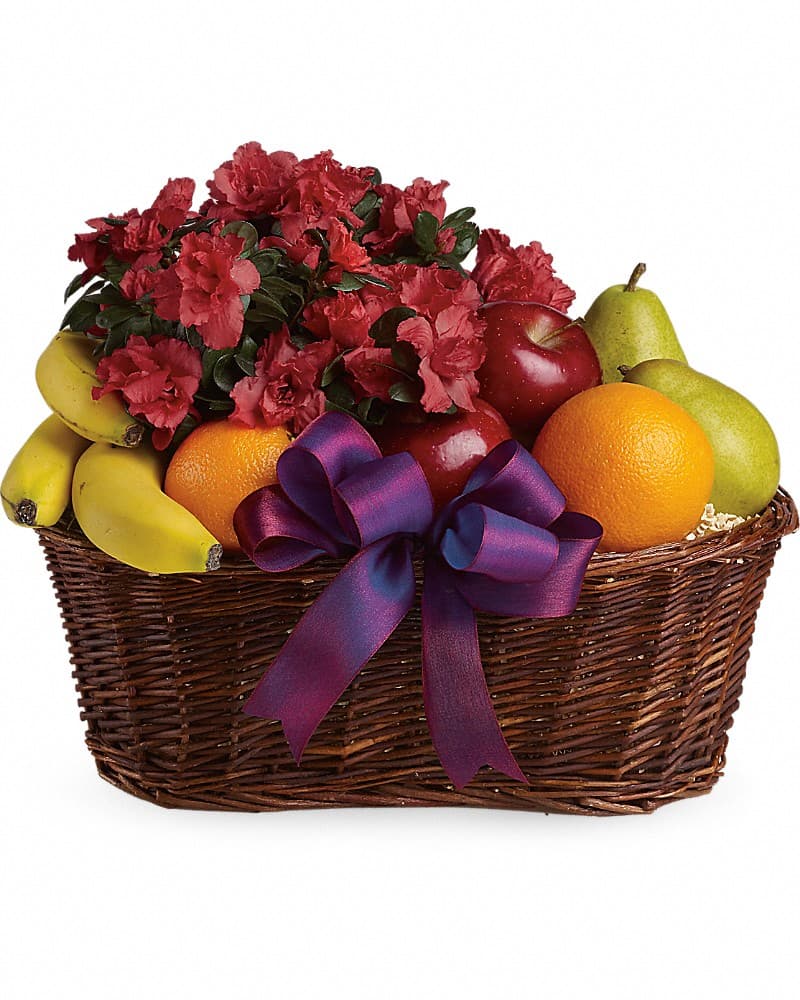
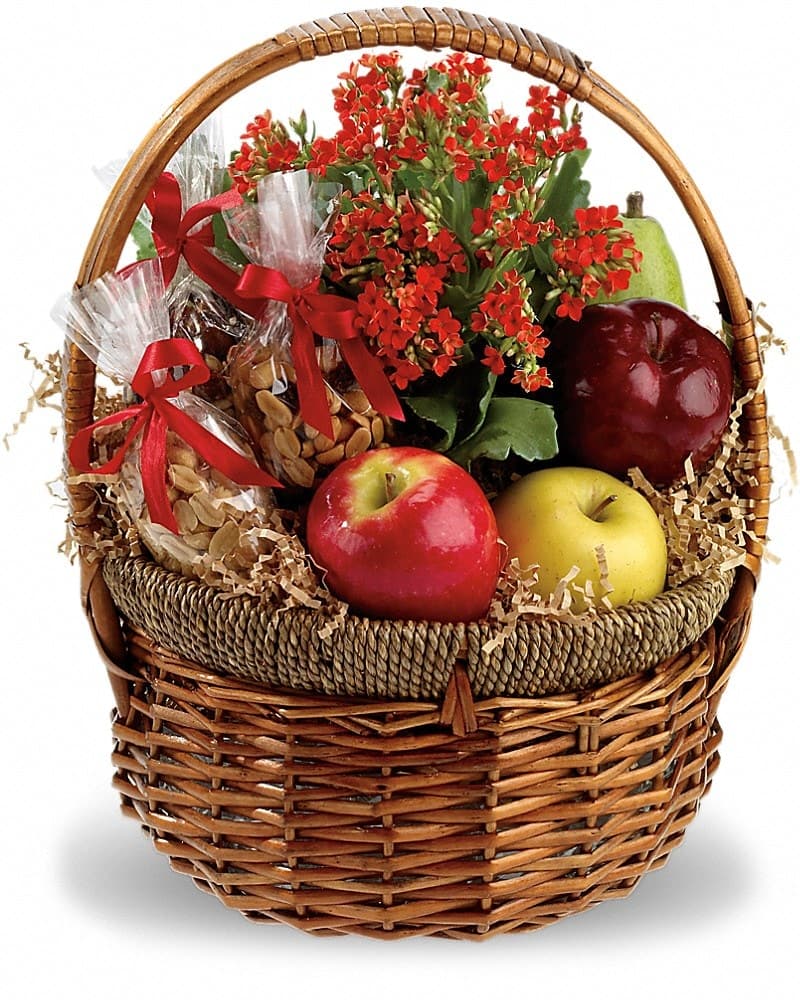
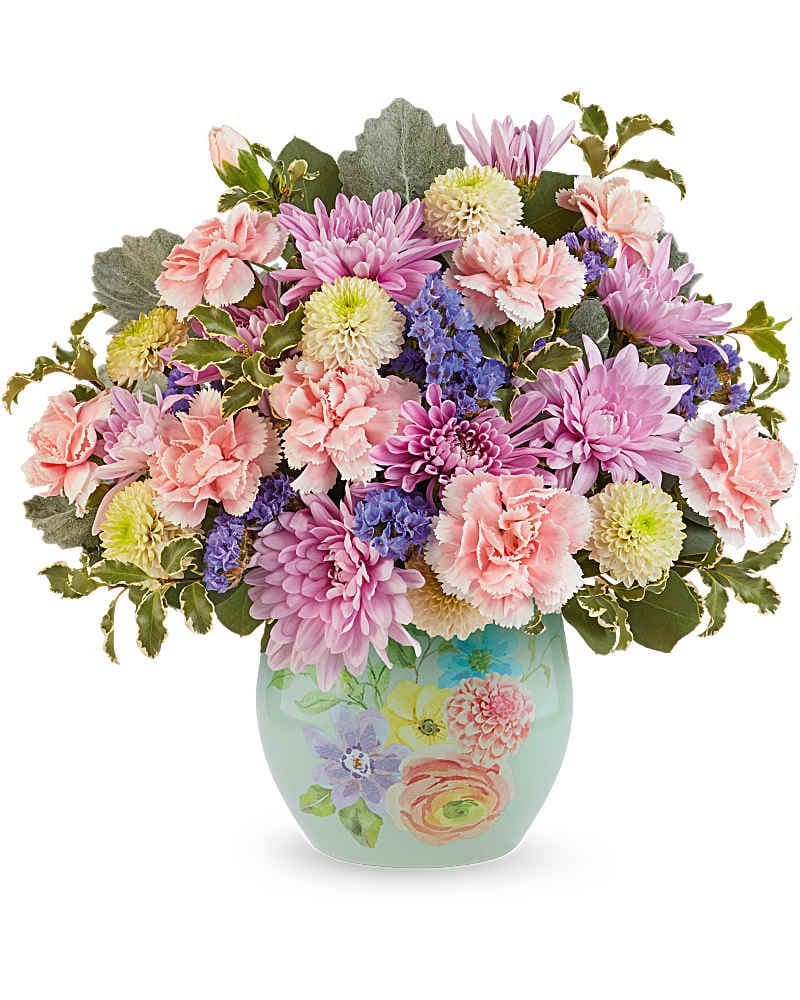
Get-well works differently in Palo Alto than in the towns around it, for one structural reason: this city is where the region's hardest cases are sent. Stanford Hospital at 500 Pasteur Drive and the older wings at 300 Pasteur, the cancer facilities on Blake Wilbur Drive, Lucile Packard Children's Hospital at 725 Welch Road, the clinic buildings along Welch and Quarry Roads including Hoover Pavilion at 211 Quarry and the neuroscience building next to it, and the VA Palo Alto campus at 3801 Miranda Avenue together take referrals from the Central Valley, the far North Coast, Nevada and beyond. So the assumption that normally organizes a get-well order — recipient lives here, recovers here — frequently does not hold. The patient may be a fourteen-year-old from Merced in a Packard bed for six weeks. The person who most needs something to arrive may be the mother who has been sleeping in a chair beside that bed, and her address this month is a room at the Ronald McDonald House at Stanford on Sand Hill Road or a hotel on El Camino Real. Before you order, find out where the people are, not just where the illness is.
If it is going into a hospital room, the unit name is the routing key and everything else is secondary. Stanford's campus is not one building with one desk; it is a linked set of buildings on a street grid of its own, and the front of the hospital on Pasteur Drive is valet and patient drop-off rather than courier parking, so a driver is walking in from a distance with the arrangement in both hands. Write the unit as the hospital says it, plus the patient's full name and a room number if you have one. Then size the gift for the room: what fails is almost never the flowers, it is the container. Bedside space at Stanford is one tray table already carrying a water jug, a phone and whatever the family hauled in, so the piece that stays in the room is low and dense in a vessel that needs neither two hands nor a second surface. The refusals that do happen come from specific services rather than from hospital policy in general — the blood and marrow transplant service, the childhood cancer and blood-disorder floors at Packard, the cardiac and neurological intensive care units — and they are refusals of a category, not of a gesture.
The category that gets refused most is soil. Potting medium hosts fungal spores that a patient with no working immune system cannot be in a room with, so a potted plant or an orchid that is welcome at a house is turned away at a transplant or leukemia floor while cut stems are fine. Scent is the second: on a floor where nausea is the constant, a strongly perfumed arrangement is a clinical problem, not a matter of taste, and lilies in particular are usually excluded — heavy fragrance plus pollen that stains everything it touches. Latex balloons are barred on allergy grounds across these hospitals, so mylar or nothing. Intensive care rooms may simply have no surface free, and some units decline glass. None of that argues for skipping flowers; it argues for a small, unscented, lily-free, soil-free arrangement and one phone call to the family asking which floor. If you cannot get that answer, send to where the family sleeps instead and let them carry it in.
Pediatric cases deserve their own paragraph, because Packard changes the calculus. A child in a restricted unit often cannot receive flowers at all, and the parents will not leave the floor to admire something waiting in a lobby. What actually helps is a delivery aimed at the adults: to their room at the Ronald McDonald House on Sand Hill Road, which accepts deliveries for its resident families; to the hotel where they are stacked up on El Camino Real; or home, for the week the child is discharged. Siblings left with grandparents in another town are also worth a thought and a separate small order. For a long Packard stay, split what you were going to spend: one arrival now and one three weeks later, when the first wave of casseroles and visitors has receded and the family is still in the same corridor. The second delivery lands much harder than a larger first one would have.