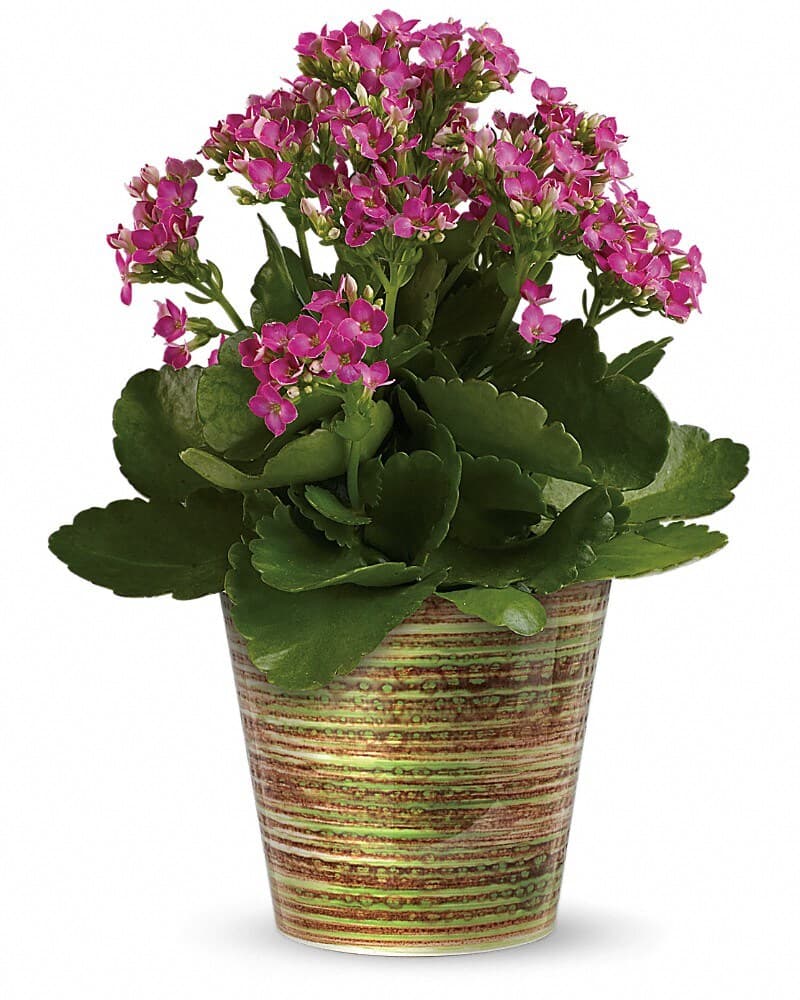
The most useful thing to know about sending into this city is that two buildings a hundred yards apart on West 110th Street want opposite gifts. Mid-America Rehabilitation Hospital takes patients after a stroke, a spinal injury, a bad fracture or a joint replacement, and the stay runs to weeks rather than nights. A room stops being a room and becomes somebody's address. The patient spends much of the day downstairs in the therapy gym, so what works is something that does not need a person present when it lands and is still alive on the third Thursday. That is the one destination on this grid where the Medium Dish Garden is plainly right rather than a compromise: it holds through a Kansas February on a windowsill and nobody has to go hunting for a vase. Directly opposite, Children's Mercy Kansas runs an emergency department and specialty clinics, and the arithmetic inverts. A child seen on 110th Street usually goes home to Leawood or Blue Valley the same evening; a child genuinely admitted is taken to the main Children's Mercy hospital on Gillham Road, across State Line Road and into Missouri. Those floors are the strictest destination named anywhere here - cancer, cardiac and transplant wards worked lily-free and latex-free, balloons a non-starter, the intensive care nurseries declining flowers outright. The consequence is rarely that you cannot send, but that the parents are not in Overland Park to receive it. Families camped beside that campus, a number of them at the Ronald McDonald House a few streets away, get back to a Johnson County kitchen maybe once a week. Ask which house they are actually sleeping in before choosing an address.
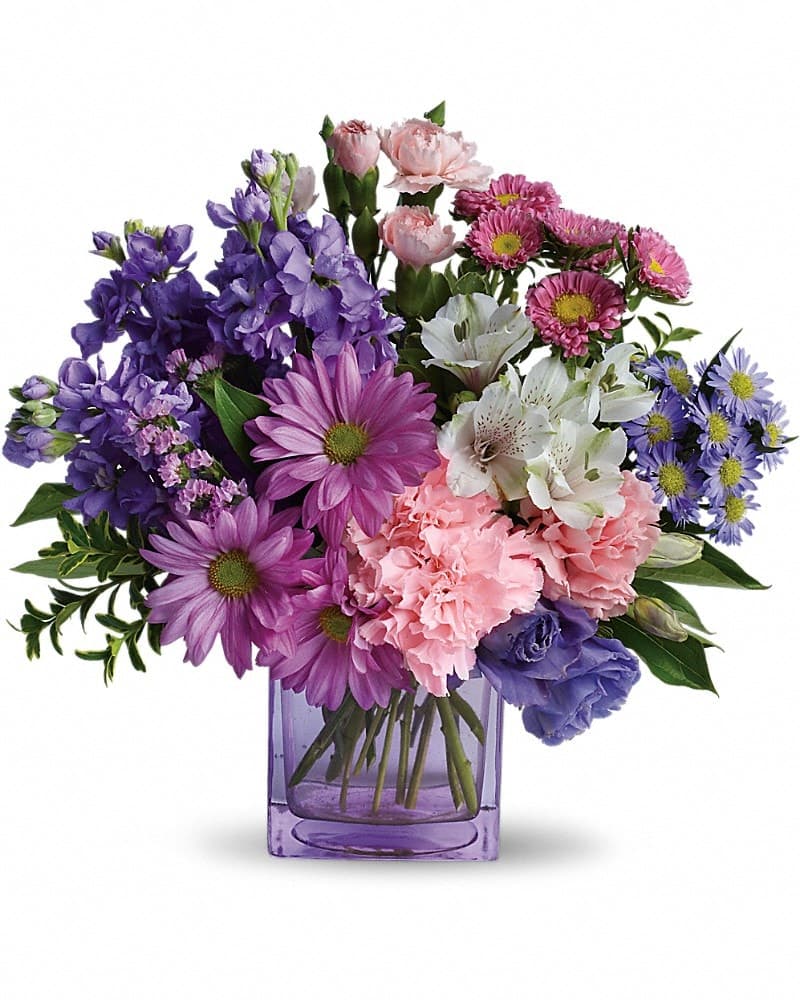
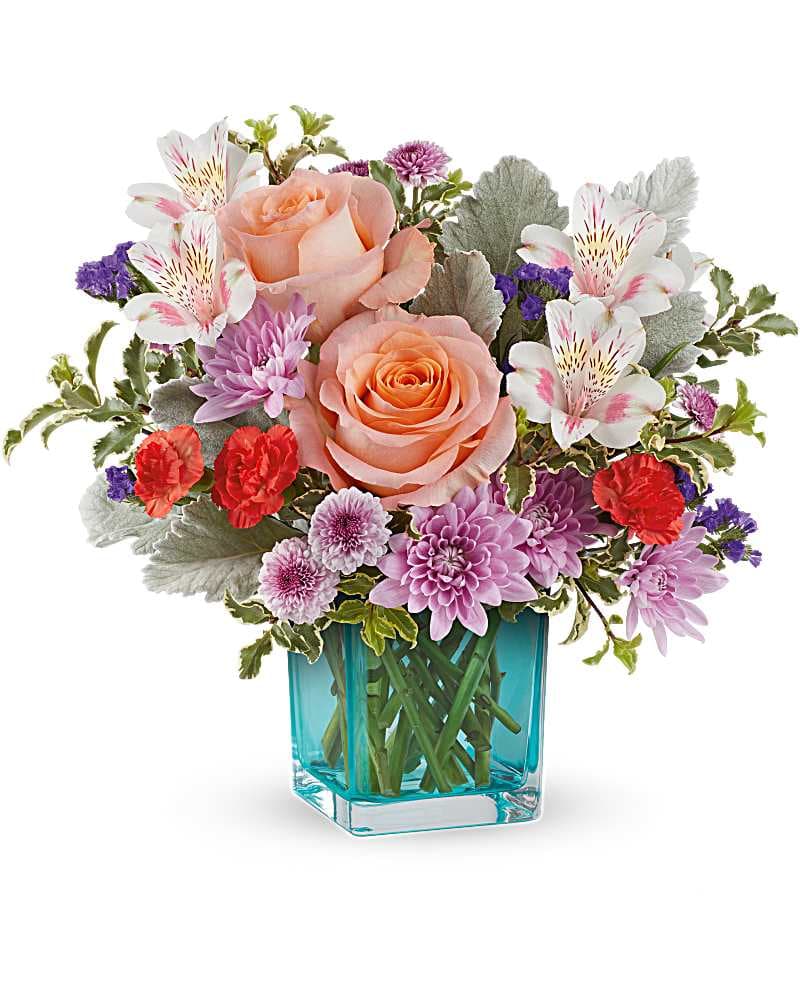
Everywhere else, learn the restrictions by building rather than by category. Menorah Medical Center carries the heaviest cancer and blood-disorder caseload of the Johnson County campuses, and its treatment floors are the strictest adult destination on this grid: no lily of any kind, nothing shedding pollen, nothing with a scent that travels past the doorway, and for a patient whose marrow is suppressed, no soil and as little standing water as the design can be made to hold - the reservoir under the stems worries infection control at least as much as anything above the rim. Overland Park Regional on Quivira teaches the opposite lesson, because one building contains both ends of the range. Its birth and postpartum floors are the most welcoming addresses in the city; its neonatal intensive care unit, two elevator stops away, accepts nothing whatsoever. Adult intensive care, neurology and burn care, at Saint Luke's South and elsewhere, behave like that nursery: the delivery turns into a lobby handoff to a relative, which works provided somebody downstairs is expecting it. Two Kansas seasons then override all of the above. Ragweed is punishing here from late August until the first hard freeze, and anyone admitted for asthma, COPD or pneumonia inside that window should get the scent-free, low-pollen build however relaxed their floor happens to be. By January the hazard moves to the parking deck: a vase carried across open concrete at fifteen degrees is better sent to a warm house than to a cold garage. The build that survives all of it is unglamorous - alstroemeria for length, a few spray roses, hypericum berry and dianthus for weight, no lily, no stock, no freesia, in a vessel that cannot break and does not rise much above the rail of an overbed table.