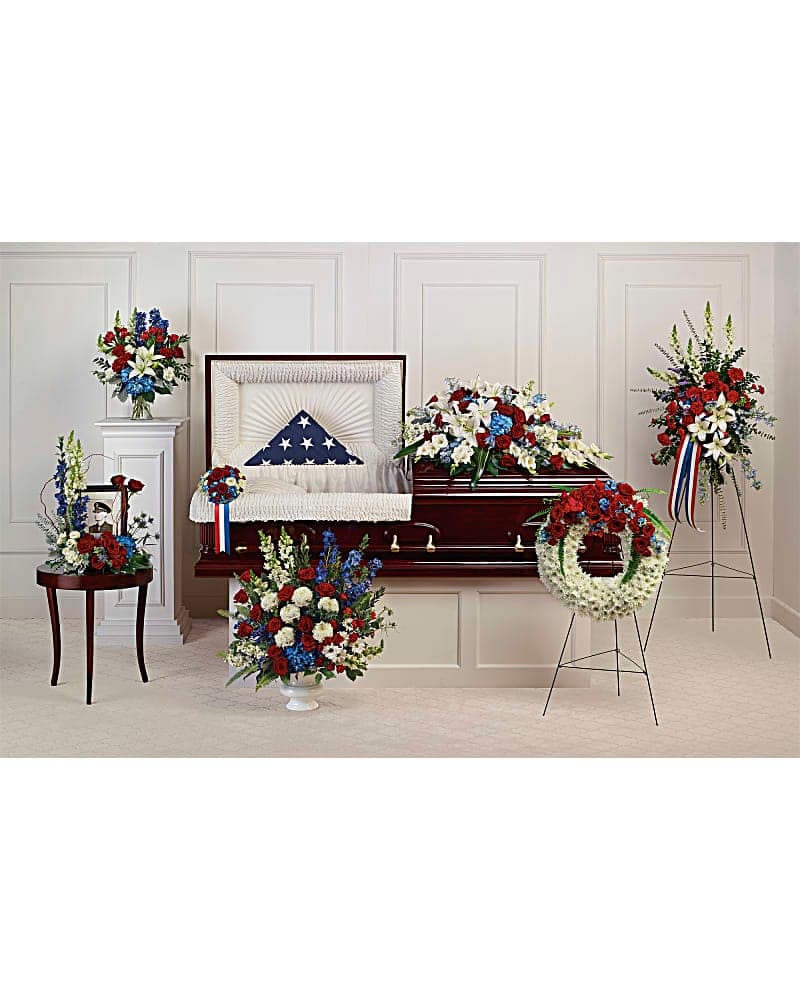
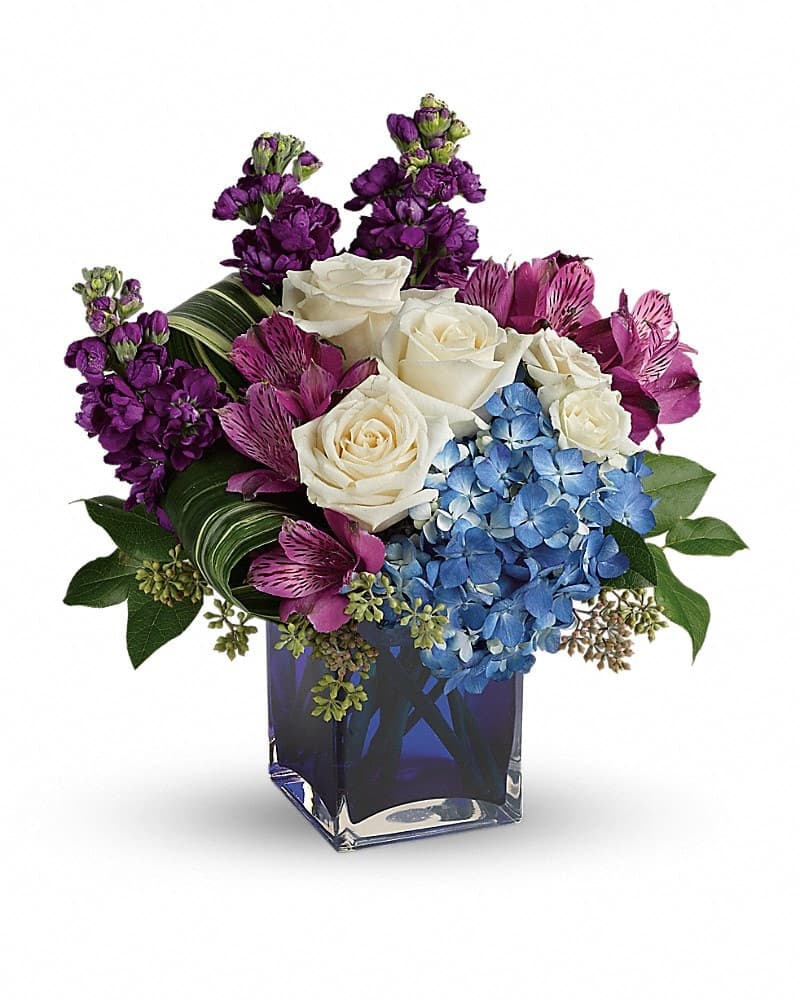
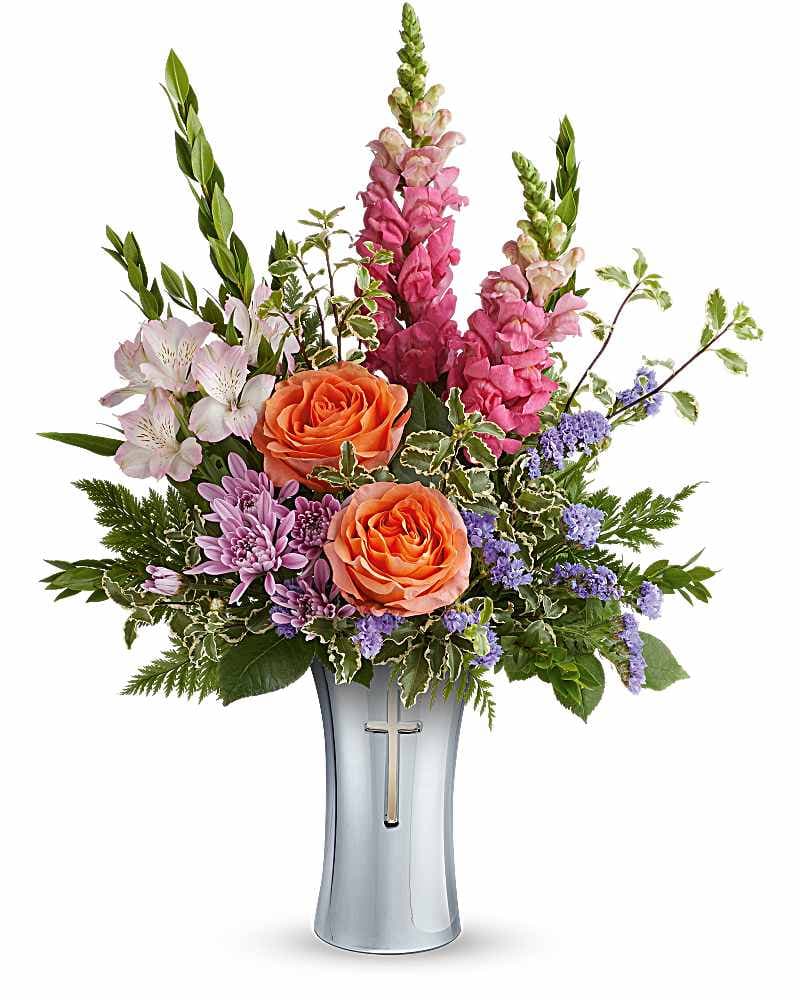
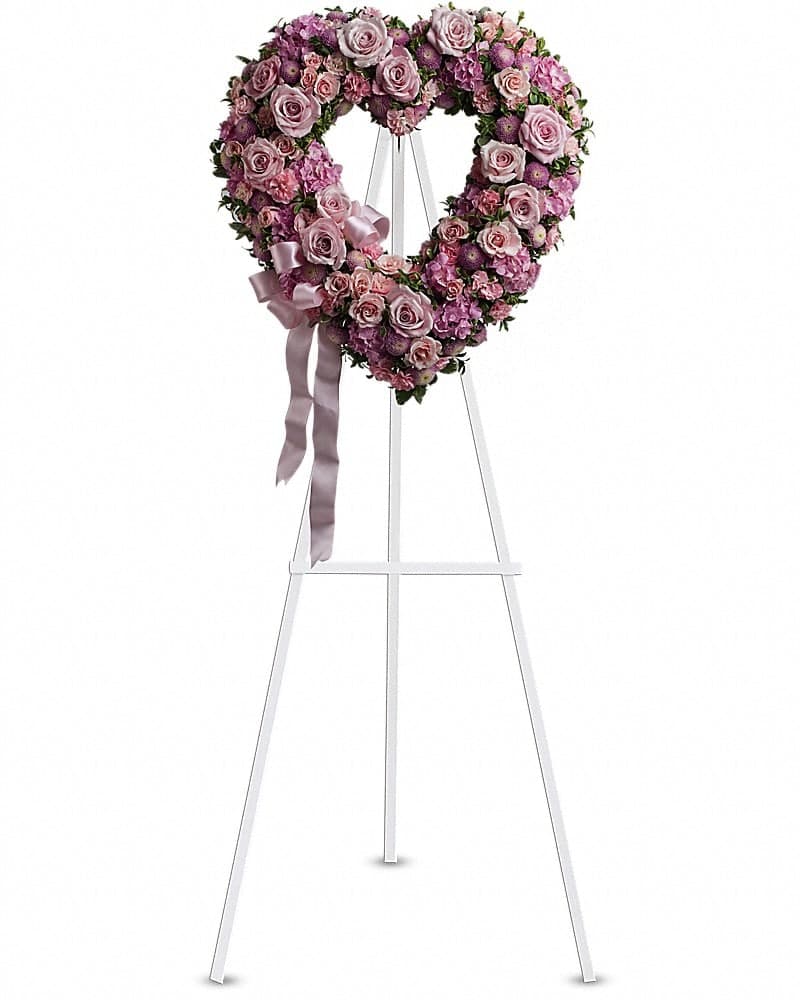
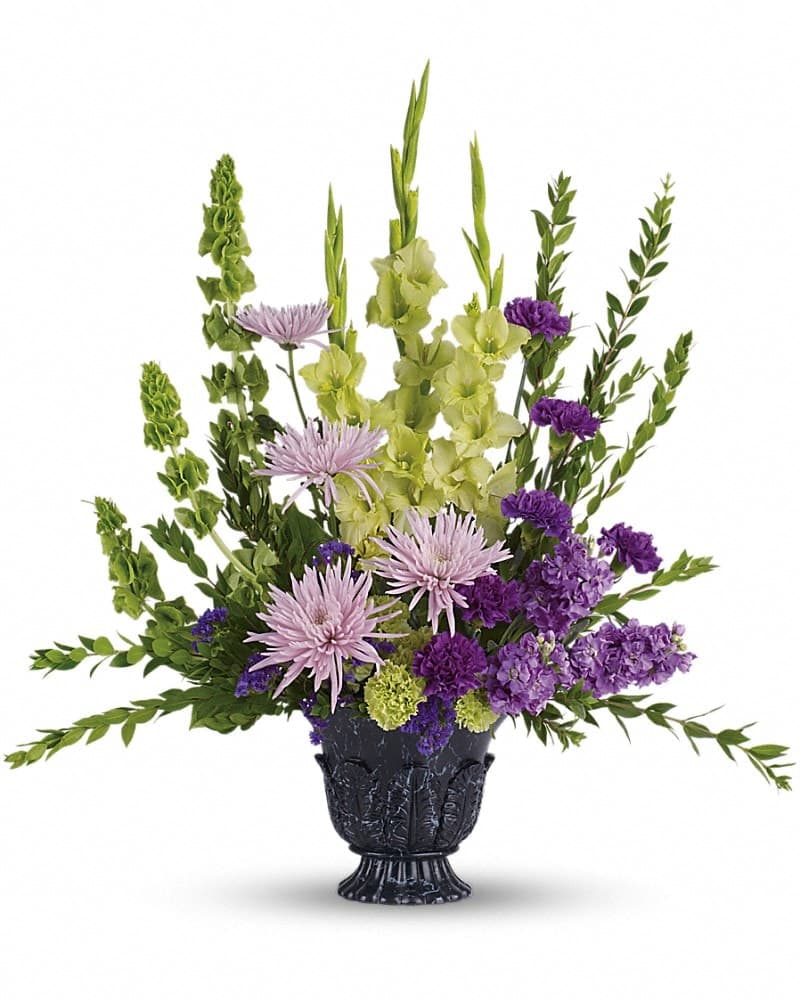
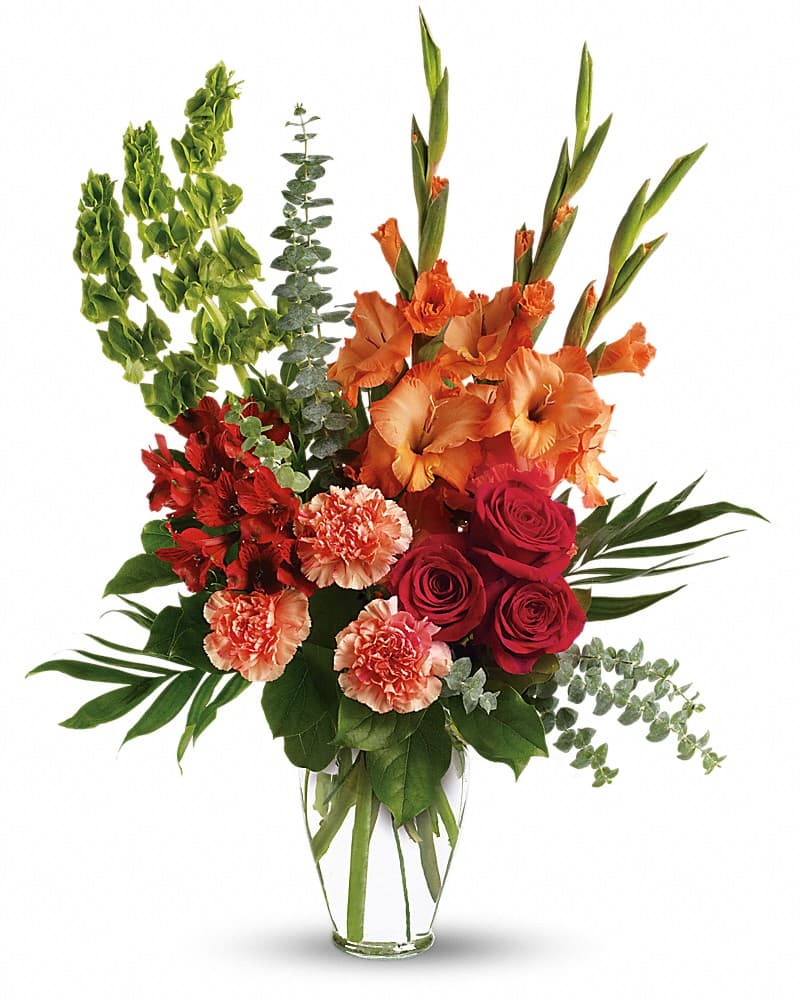
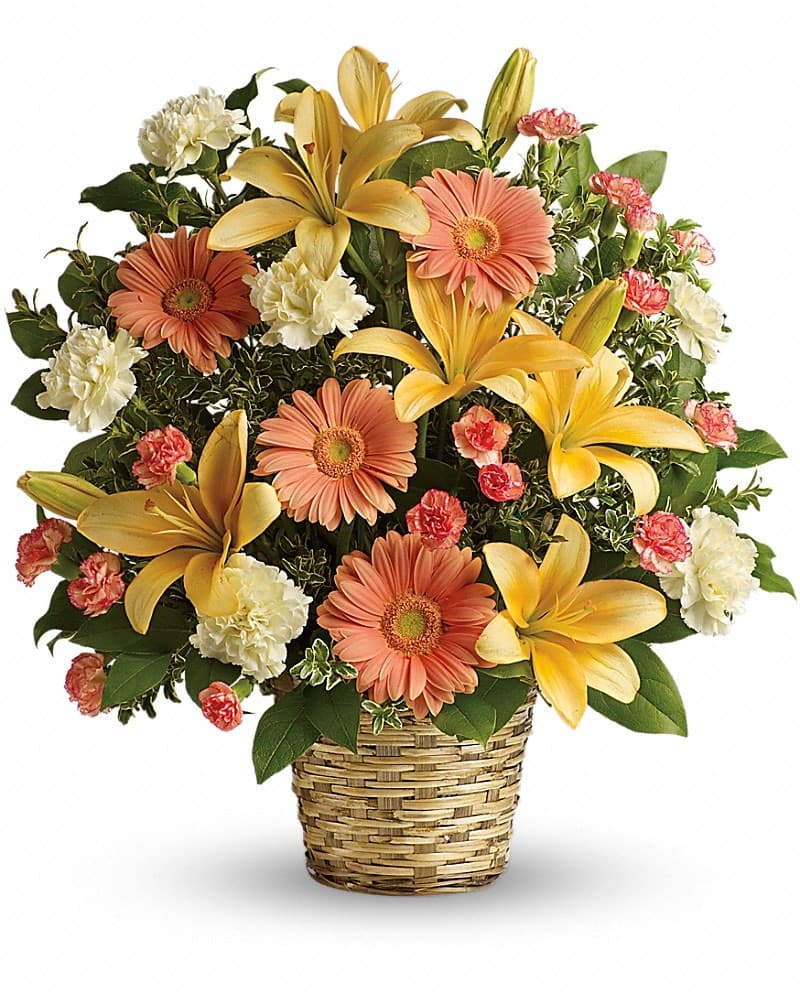
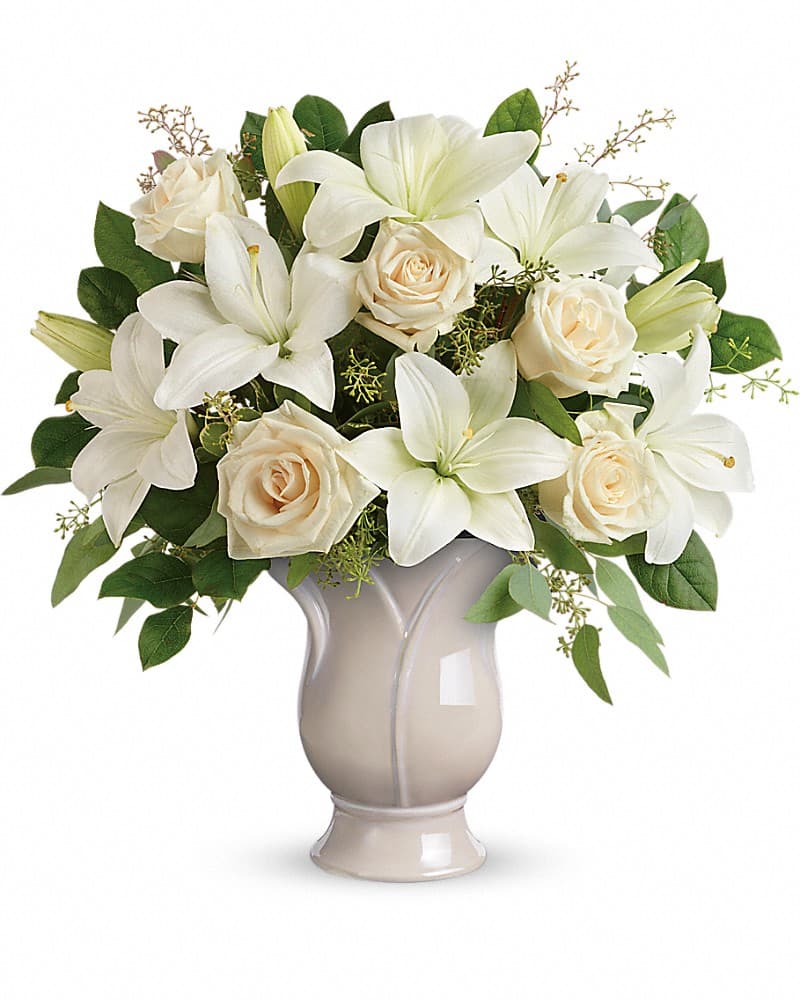
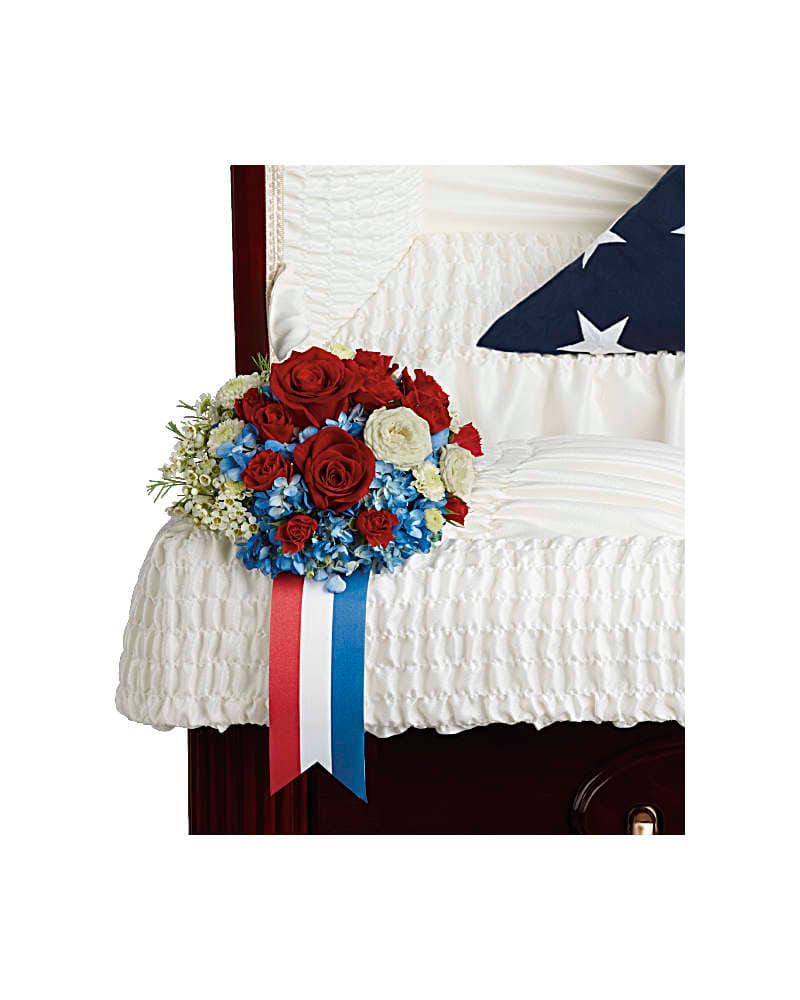
Sympathy buyers in Newark are almost always working against a service time they were told about yesterday, so the first thing to settle is not the flowers — it is where the family is holding the viewing. Newark's funeral traditions run along ward lines. In the Central and South Wards the service is often a homegoing at a Baptist or AME church, and the arrangements are large, upright and readable from the back of a full sanctuary: standing easel pieces, fan-shaped tributes, ribbon sashes naming the relationship. Whigham Funeral Home on Dr. Martin Luther King Jr. Boulevard and Cotton Funeral Service, with locations on Bergen Street in Newark and Main Street in East Orange, are the two names most families in those wards say first, and Woody "Home for Services" on Oakwood Avenue in Orange serves the same community just over the city line. The congregations that host those services are institutions in their own right — New Hope Baptist Church on Sussex Avenue, where Whitney Houston sang as a child and where her funeral was held in 2012, and Bethany Baptist Church on West Market Street among them. In the East Ward the pattern is Catholic and Iberian: a velório at a Ferry Street–area parlor, a Mass at one of the Ironbound's Portuguese parishes, and burial the following morning. In the North Ward it is Italian and Puerto Rican Catholic, anchored by St. Lucy's Church on Seventh Avenue — the parish of the Feast of St. Gerard — and by the Cathedral Basilica of the Sacred Heart on Ridge Street, the seat of the Archdiocese of Newark and one of the largest cathedrals in North America.
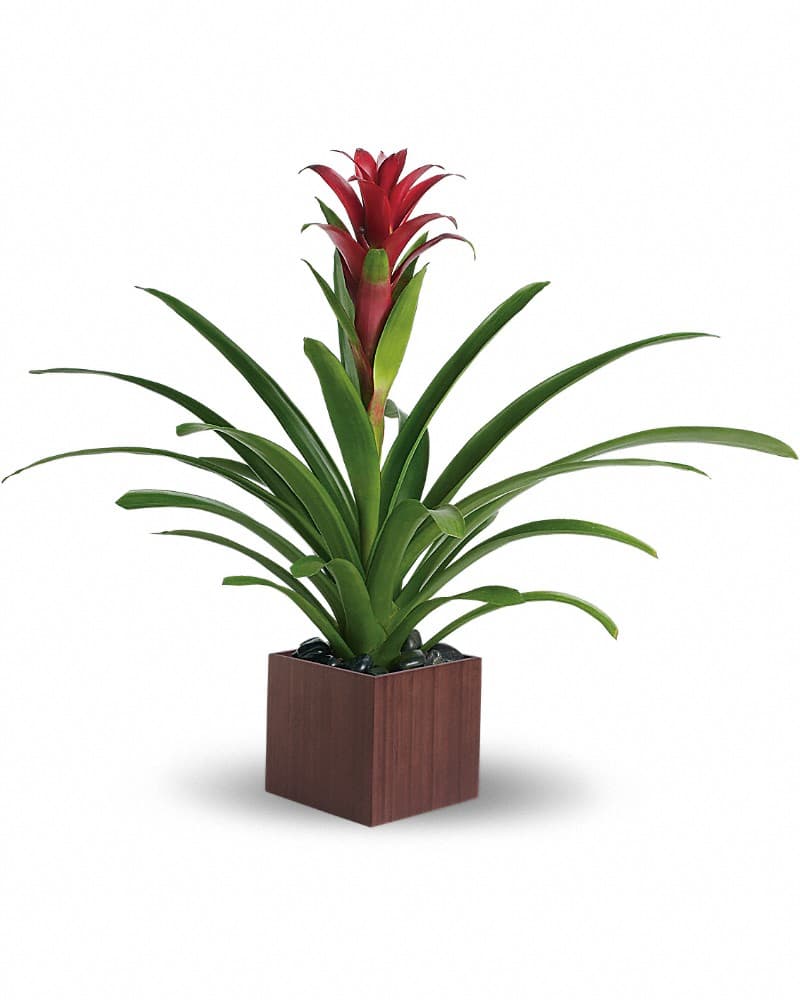
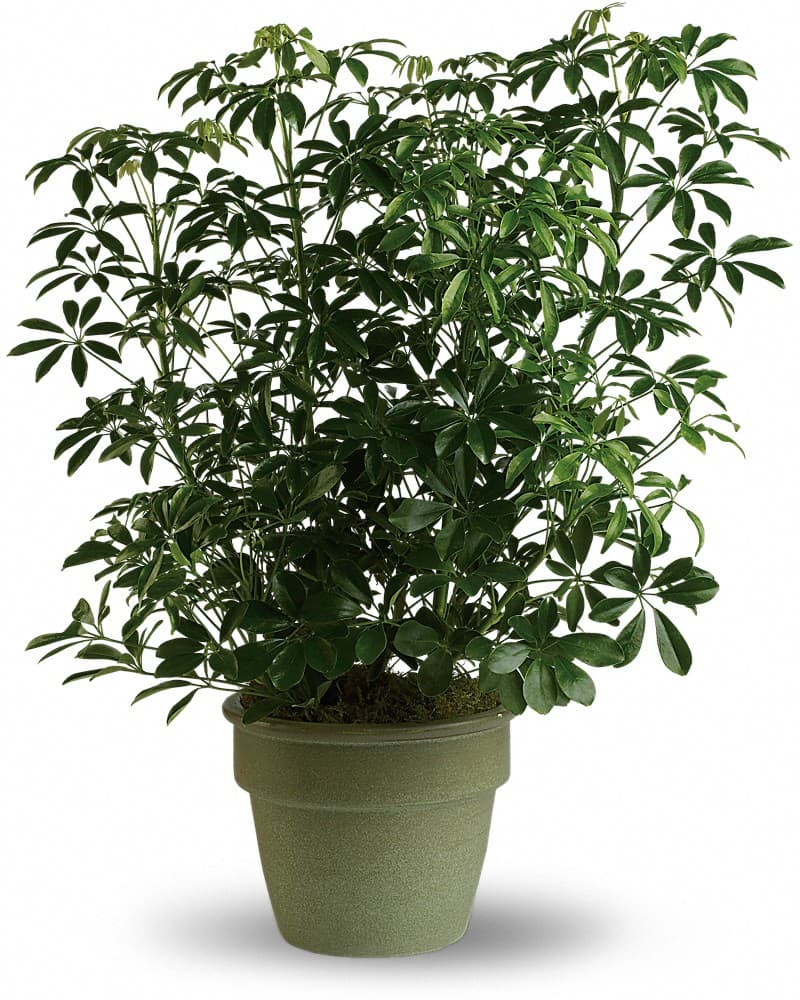
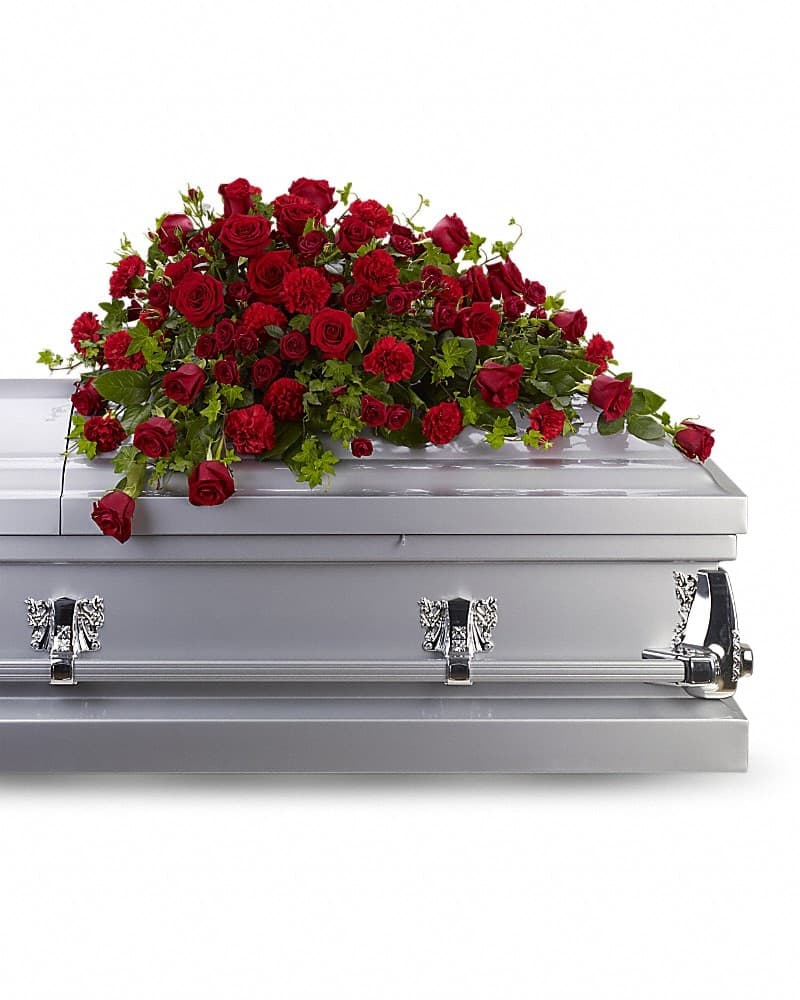
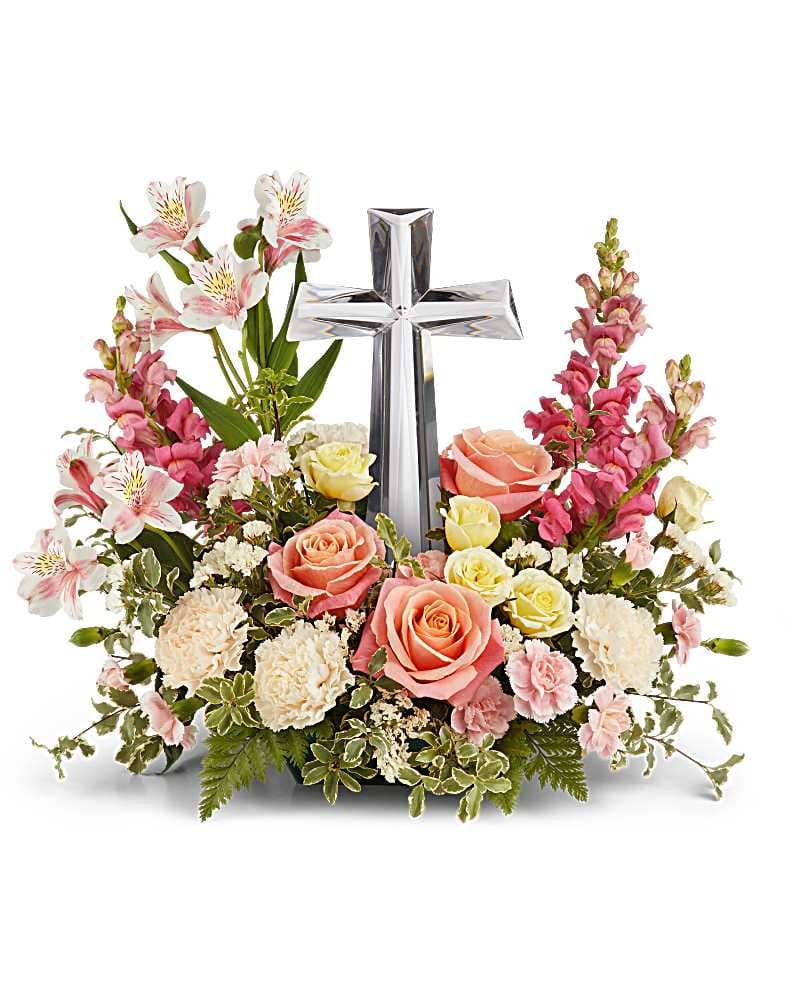
Newark is one of the most religiously specific cities in the Northeast, and the conventions differ enough that guessing is a real risk. Portuguese and Brazilian Catholic families in the Ironbound — one of the largest Portuguese and Brazilian communities in the United States — hold a viewing, then a funeral Mass, then burial, and flowers are expected at all three stages; white and cream dominate, and the family often requests a piece for the church entrance as well as the casket. Italian-Catholic families in the North Ward, historically the First Ward around St. Lucy's, follow the same Mass structure with a strong preference for traditional forms — crosses, hearts, gladiolus-heavy sprays. Black church families in the Central, South and West Wards hold homegoing services where the floral tribute is part of the program: upright easel pieces, relationship sashes, and arrangements the family takes to the cemetery and then home. Puerto Rican and Dominican families in the North Ward and Haitian families across the Orange and East Orange line generally follow Catholic or Protestant service patterns with flowers welcome throughout. Jewish families — Newark's Weequahic community largely relocated to Livingston, Short Hills and West Orange, and congregations founded in Newark now sit there — follow the opposite convention: burial is prompt, flowers are not part of the funeral, and a donation in the deceased's memory is the appropriate gesture, with a plant or a food delivery to the shiva home afterward. Muslim families in Newark likewise do not use funeral flowers; burial is quick and the gift, if any, goes to the household in the days after. When you order, say which tradition applies and the studio designs to it rather than to a default.