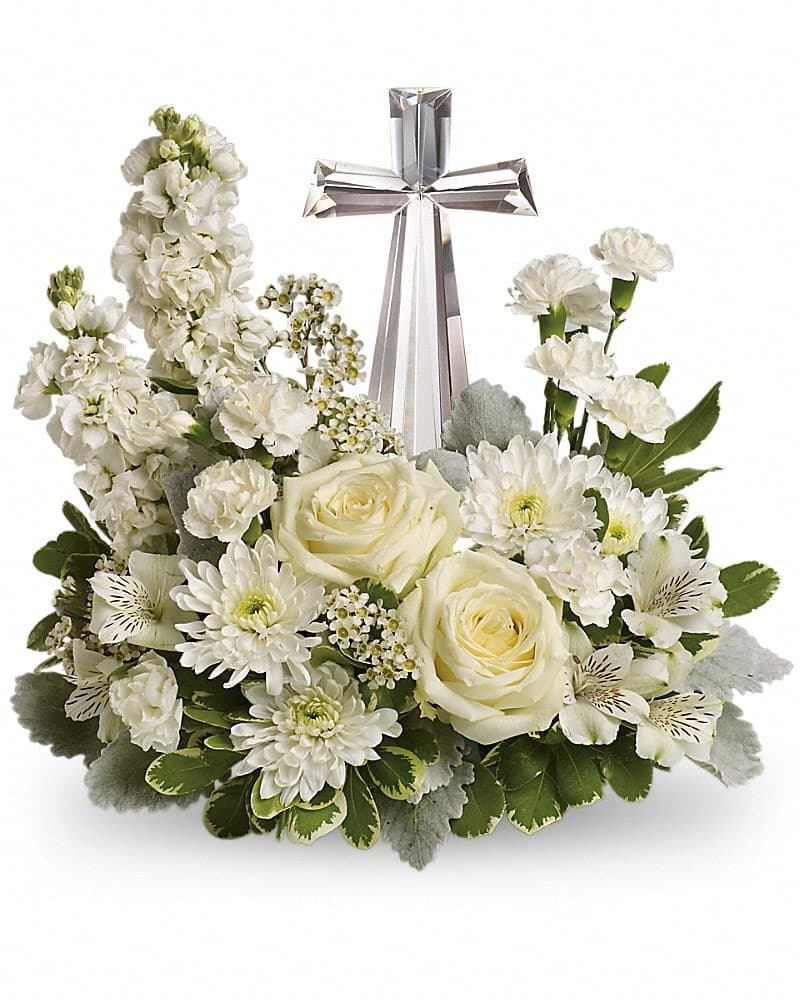
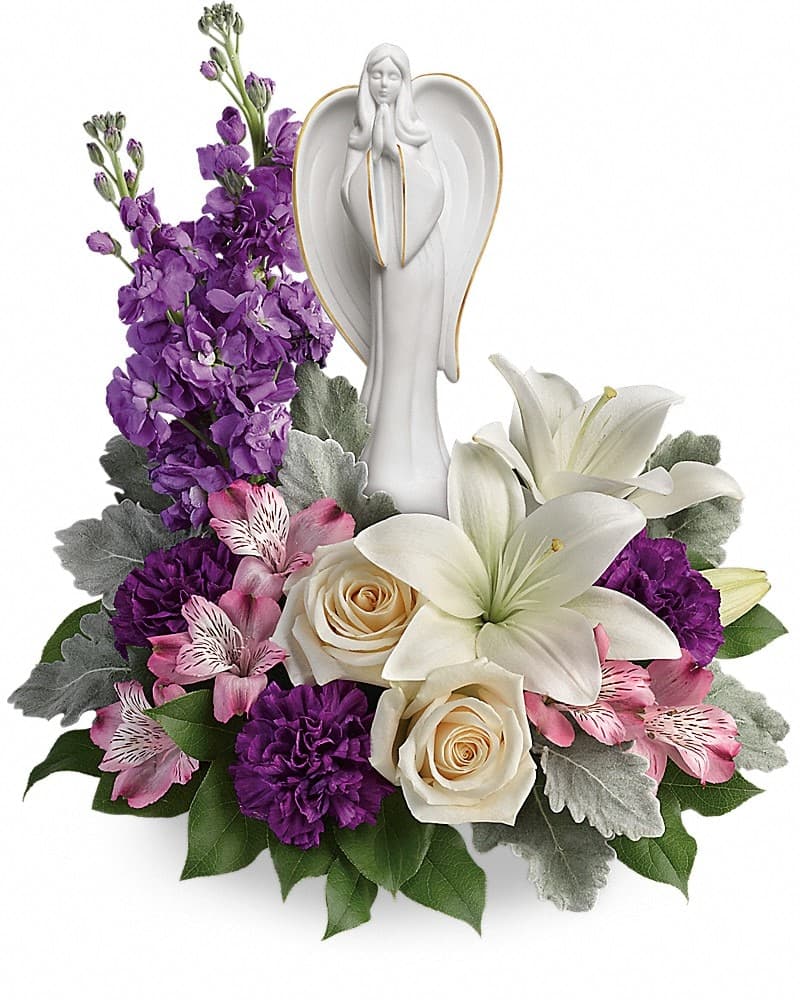
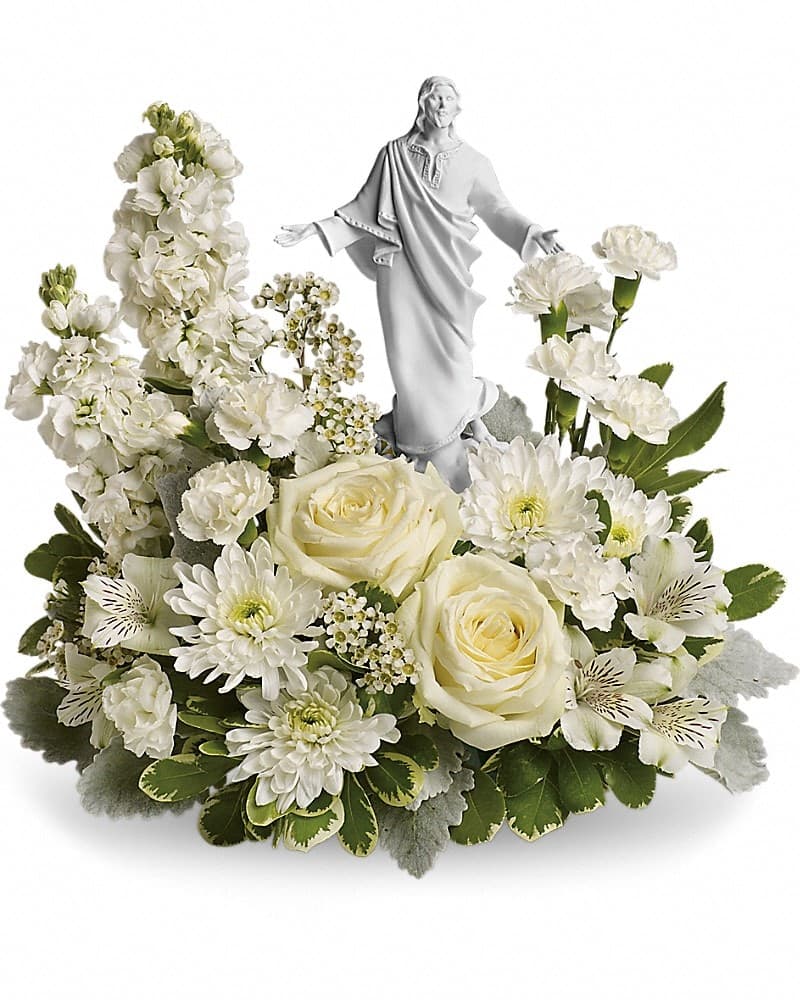
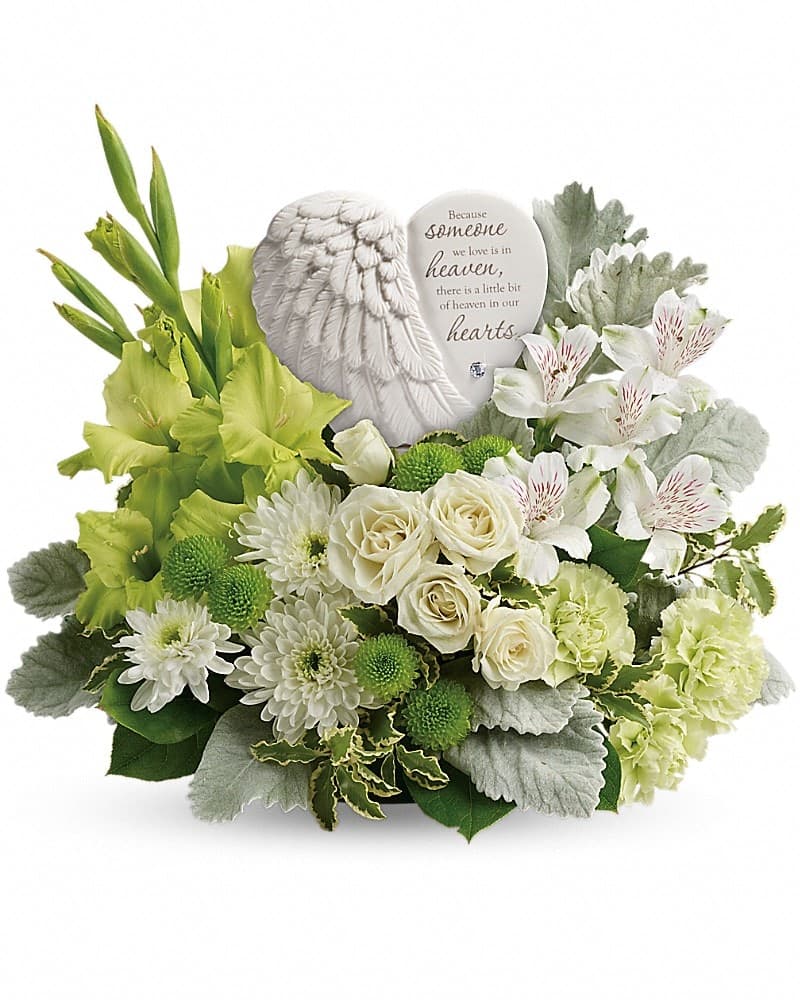
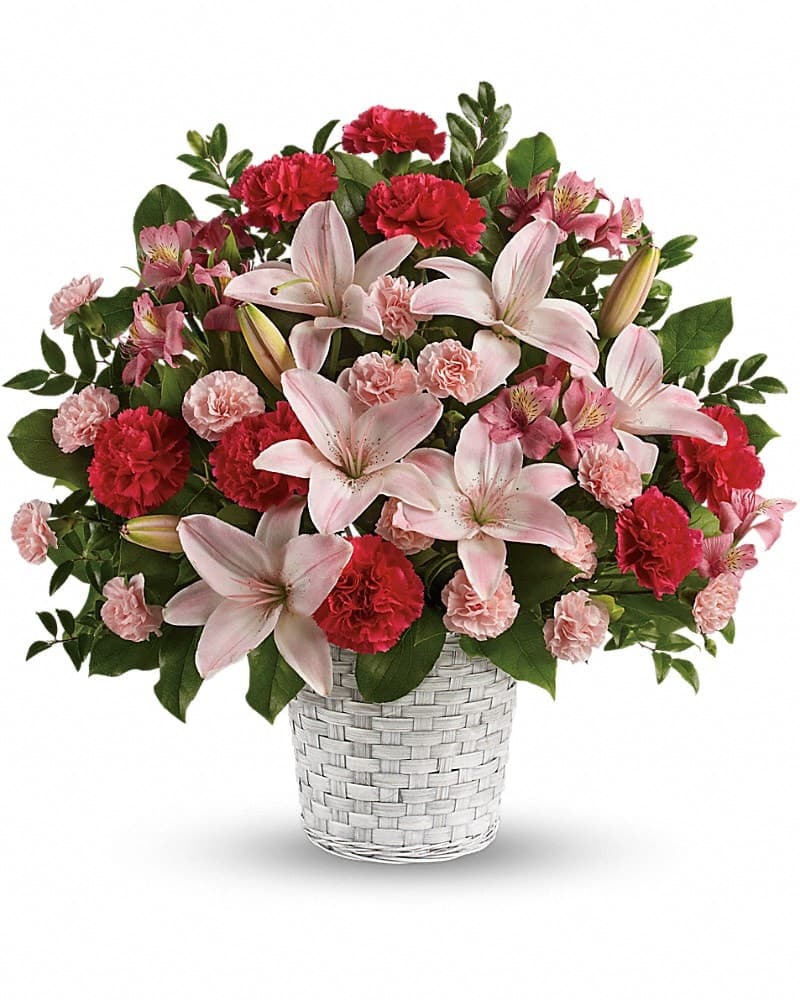
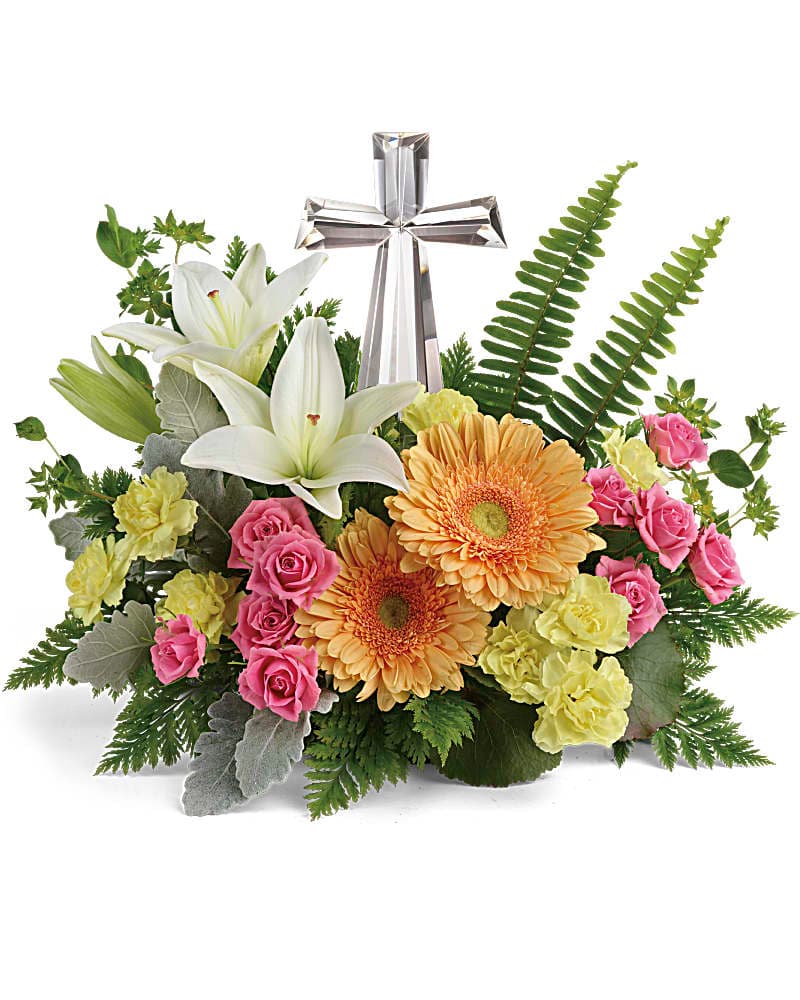
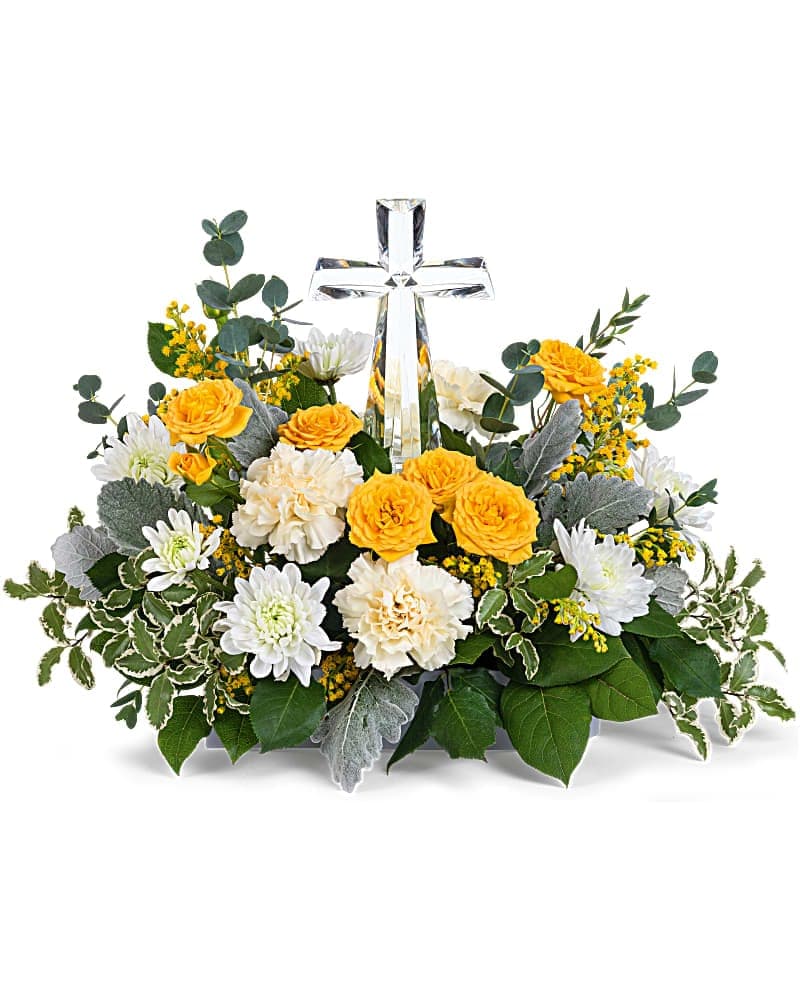
Montgomery funerals are church funerals more often than chapel funerals, and that single fact reorders everything about when flowers should arrive. In much of the country the arrangement goes to a funeral home and stays there through visitation, service and procession. Here the funeral home frequently handles the preparation, the transport and the family cars while the service itself is held at the family's own congregation — a Baptist, AME or Church of Christ sanctuary that may be four miles from the funeral home and eight from the cemetery. Ross-Clayton Funeral Home on Adams Avenue, one of the oldest Black-owned funeral firms in the city, Leak-Memory Chapel on Lincoln Road and White Chapel Funeral Home on the Eastern Boulevard side handle a large share of Montgomery's work, and each of them will tell you the same thing when you call: the address flowers should go to is not automatically theirs. Ask the family, or ask the funeral director, which of the three rooms matters — the visitation room, the sanctuary, or the graveside — and order to that one. Saturday morning services are common here because working families travel in from Selma, Troy, Union Springs and Tuskegee, which makes Friday afternoon the tightest delivery block on the Montgomery sympathy calendar.
The churches themselves are part of the geography. Dexter Avenue King Memorial Baptist Church at 454 Dexter Avenue sits in the shadow of the State Capitol; First Baptist Church on Ripley Street, the congregation Ralph Abernathy led and a mass-meeting site during the Freedom Rides, is minutes away; St. John's Episcopal Church on Madison Avenue and St. Peter Catholic Church downtown are both inside the same few blocks. Out east, Frazer on Atlanta Highway is one of the largest United Methodist congregations in the country and runs services and memorials on a near-institutional schedule, with Eastmont Baptist on the Vaughn Road side nearby. Montgomery's Jewish community centers on Temple Beth Or on the Narrow Lane Road side and Agudath Israel-Etz Ahayem, and the conventions there are different and worth honoring: flowers are generally not sent to a Jewish funeral, a donation in the deceased's memory is the expected gesture, and what is appropriate at a shiva house is a plant, a garden or a food tray rather than a cut arrangement. Across the largely Baptist, AME and Church of Christ congregations that make up most of the city, a homegoing service is a full-length event, often with a repast afterward at a church fellowship hall — a plant or an arrangement sent to the hall after the burial is a gesture many families remember longer than the one at the front of the sanctuary.
Cemeteries here carry the city's history on their markers. Oakwood Cemetery on the north side of downtown opened in 1818, the year before Alabama became a state, and remains the city's oldest burial ground; the Oakwood Annex across the way is where Hank Williams is buried, which is why you will occasionally share a graveside lane with visitors who came for a different reason entirely. Greenwood Cemetery and Lincoln Cemetery, the latter a historic Black burial ground, take much of the city's remaining service volume. Graveside delivery is a different job from chapel delivery and the timing is unforgiving: a piece set at a graveside has to be there before the procession arrives, not while it is arriving, and once the service ends the family leaves and the flowers stay. For a graveside piece, put the cemetery name, the section if the funeral director gave you one, and the exact service hour in the order notes. From the one bench on this grid the runs are short and predictable — Prattville Flower Shop is 10.2 miles out, crossing the Alabama River on the I-65 or US-31 approach — but the shop is building around a fixed hour, not a delivery window, and a ten-minute margin is not a margin.