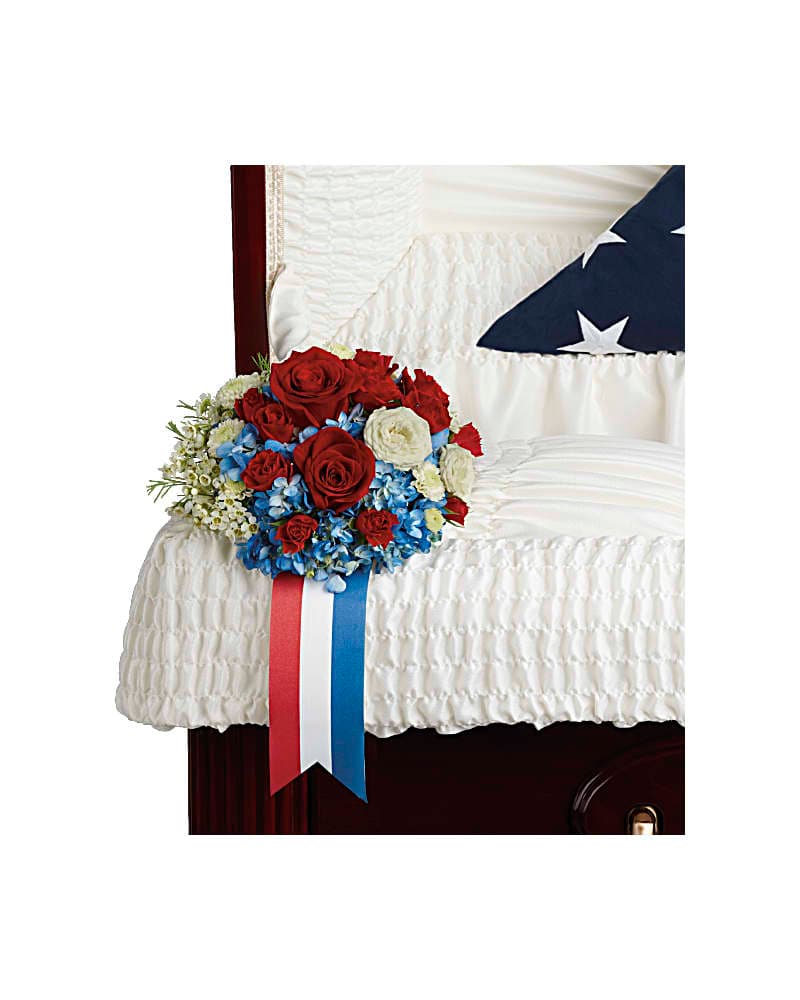
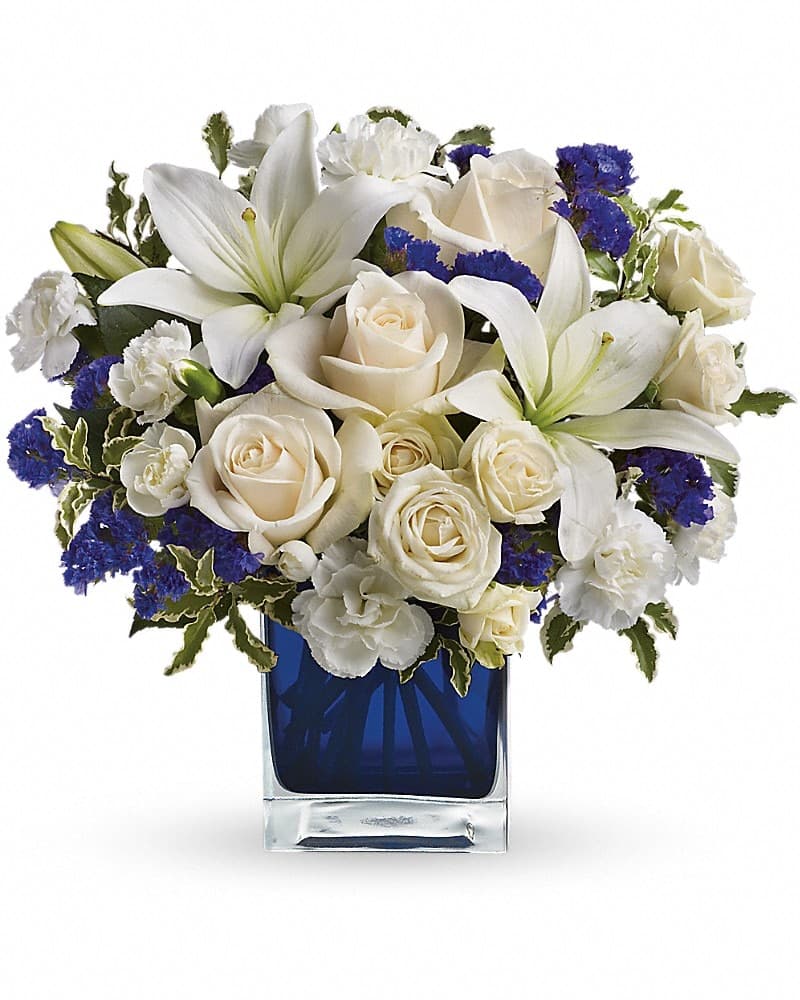
Cemeteries matter as much as chapels, because a graveside delivery is a different job with a different deadline. Forest Home Cemetery at 2405 West Forest Home Avenue opened in 1850 and is the city's historical ground — Frederick Pabst, Valentin Blatz, Joseph Schlitz, Increase Lapham, typewriter inventor Christopher Latham Sholes and a long row of Milwaukee mayors are buried there, and its chapel and landmark section keep a civic formality. Calvary Cemetery on West Bluemound Road is the oldest Catholic ground of the Archdiocese of Milwaukee and holds Solomon Juneau, the city's founder. Holy Cross on West Nash Street, St. Adalbert on South 6th Street (historically the Polish Catholic ground of the South Side), Mount Olivet on West Morgan Avenue and Resurrection in Mequon carry the rest of the Catholic burials. Wisconsin Memorial Park on West Capitol Drive in Brookfield and Pinelawn Memorial Park on West Capitol in Milwaukee are the large non-sectarian parks. Wood National Cemetery sits on the Clement J. Zablocki VA grounds at 5000 West National Avenue and works like every national cemetery: committals happen in a shelter on a fixed rotation, so flowers go to the shelter shortly before the honors or to the funeral home earlier in the day, and permanent grave decorations follow the cemetery's own seasonal rules rather than the family's preference. One Wisconsin reality worth naming: in a hard winter, some families hold the committal until spring. If that is the case, the cemetery arrangement is a separate order months later, and it is worth asking before you send.
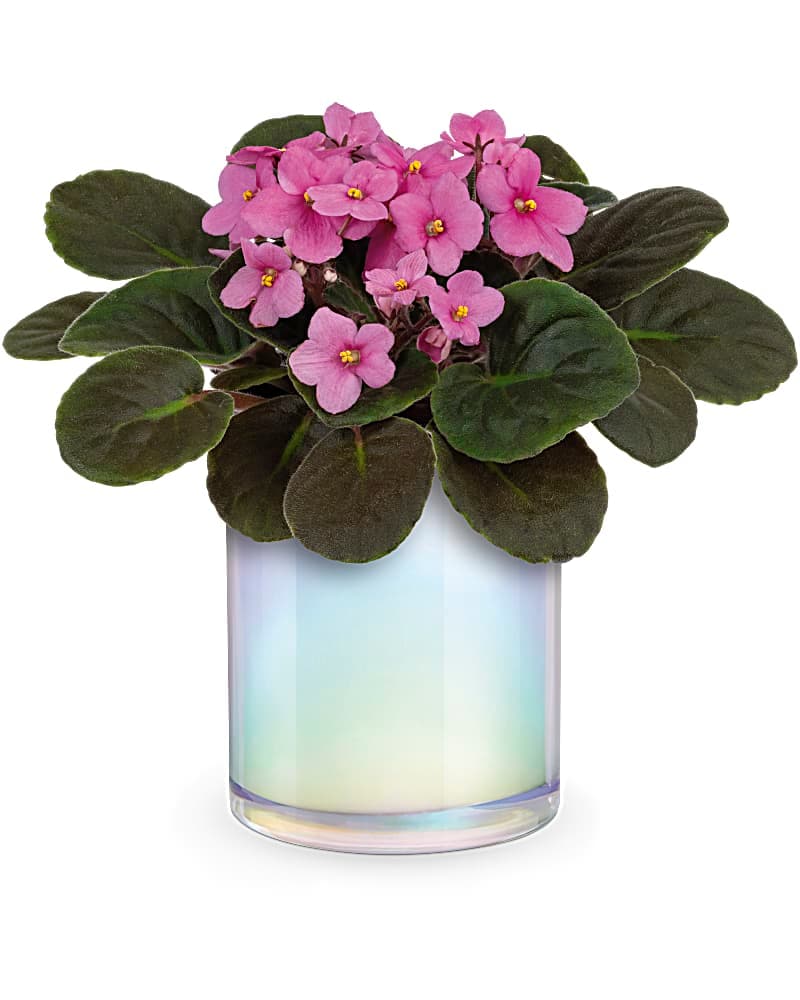
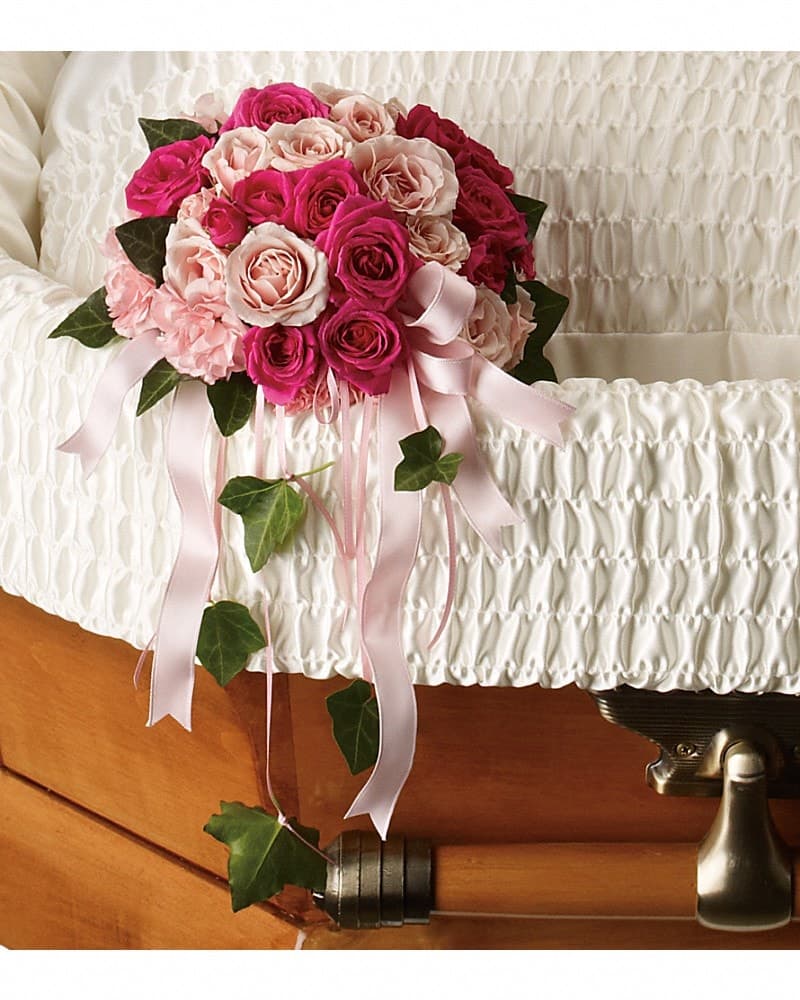
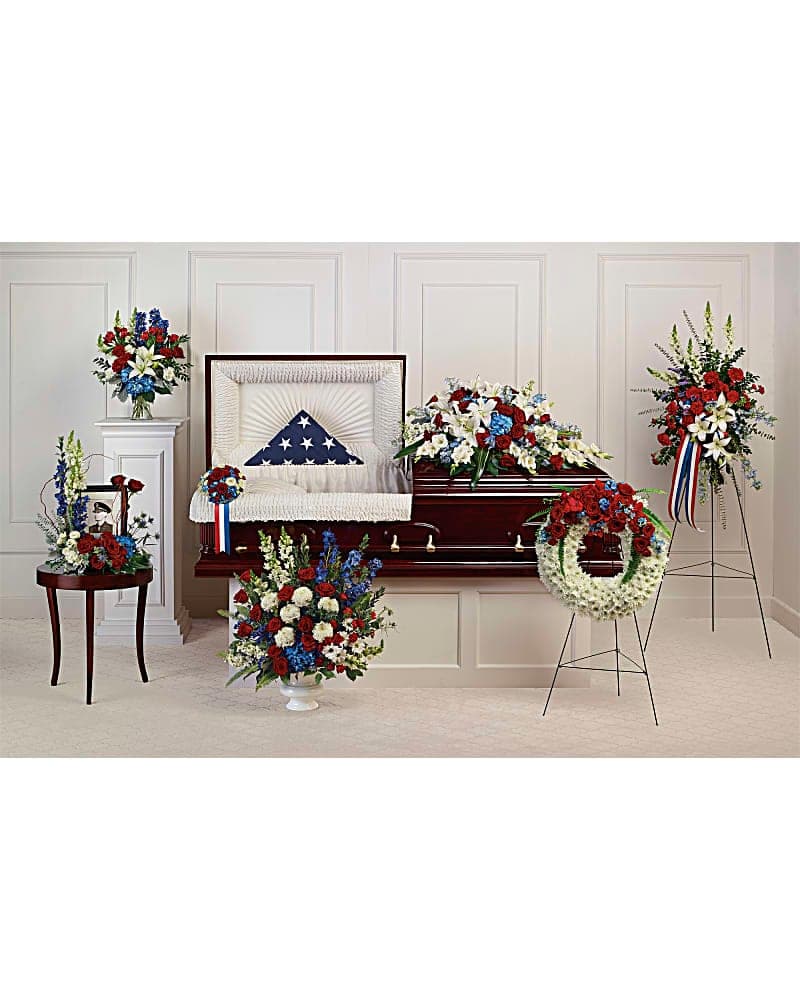
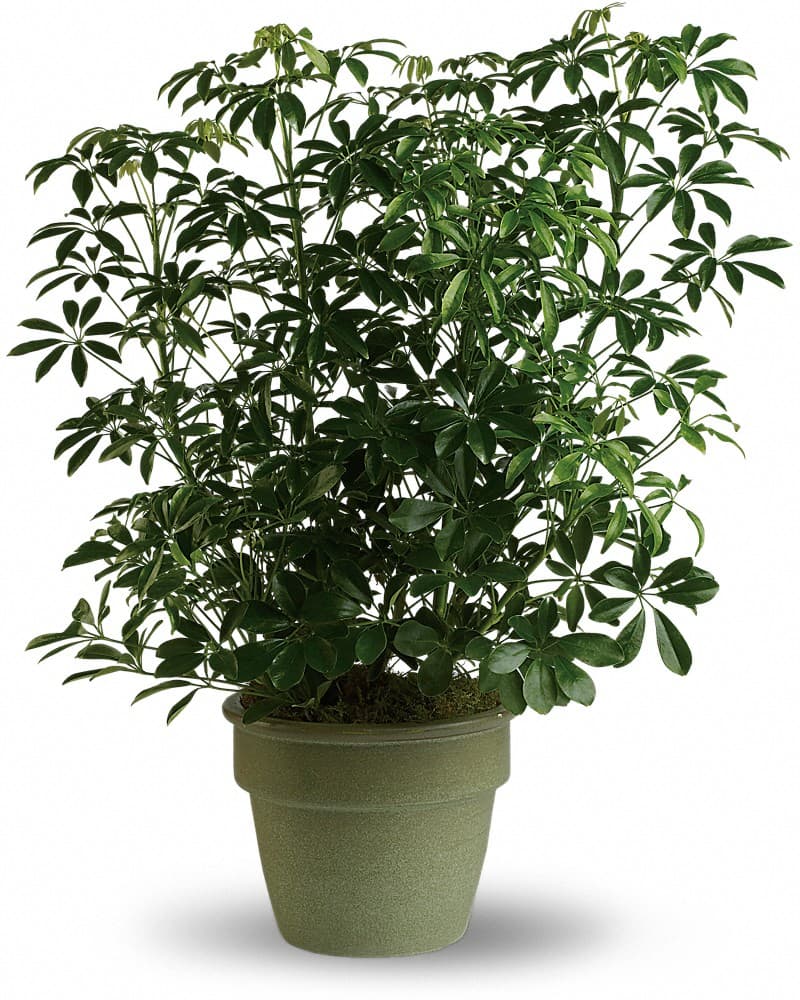
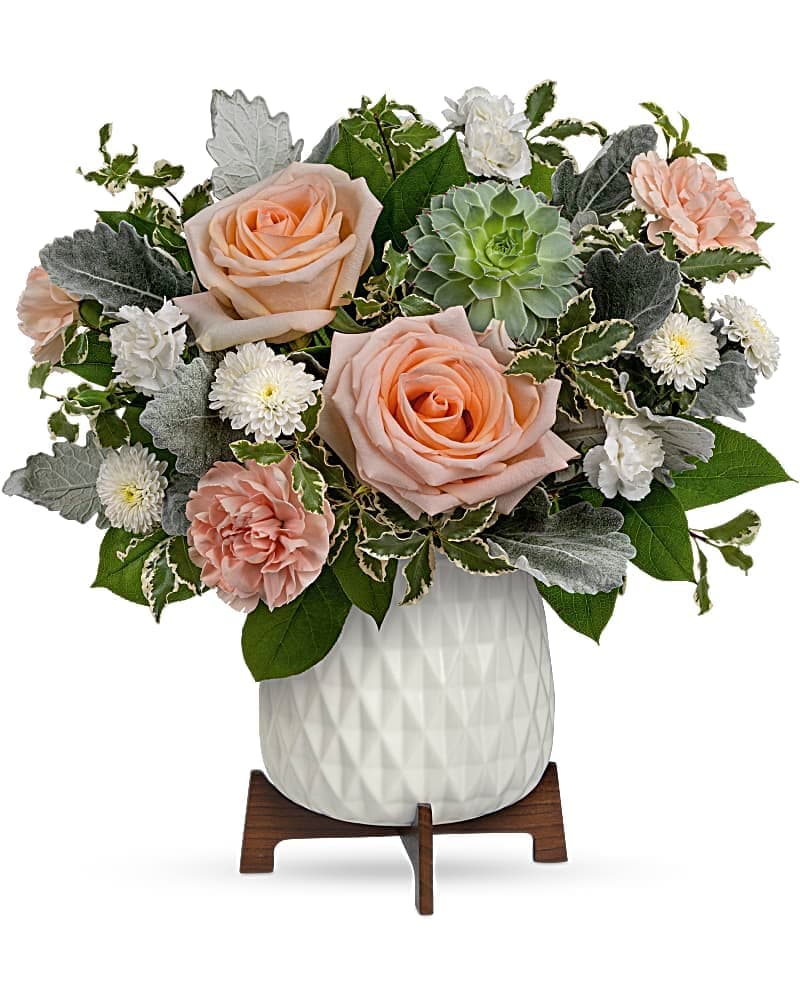
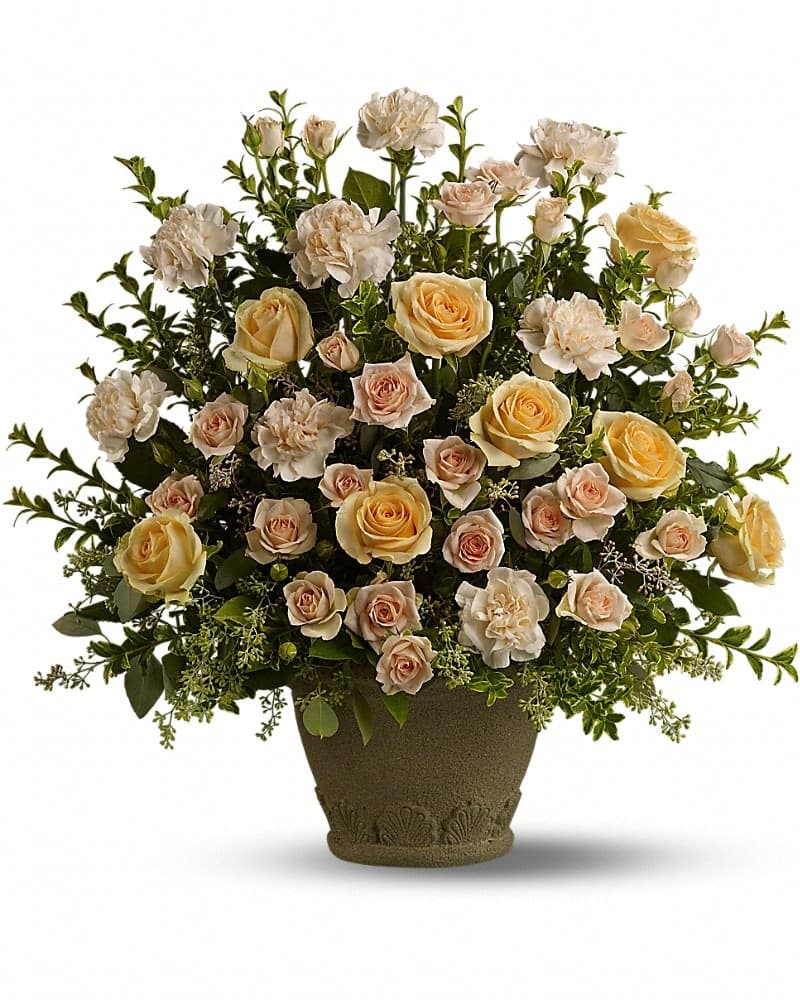
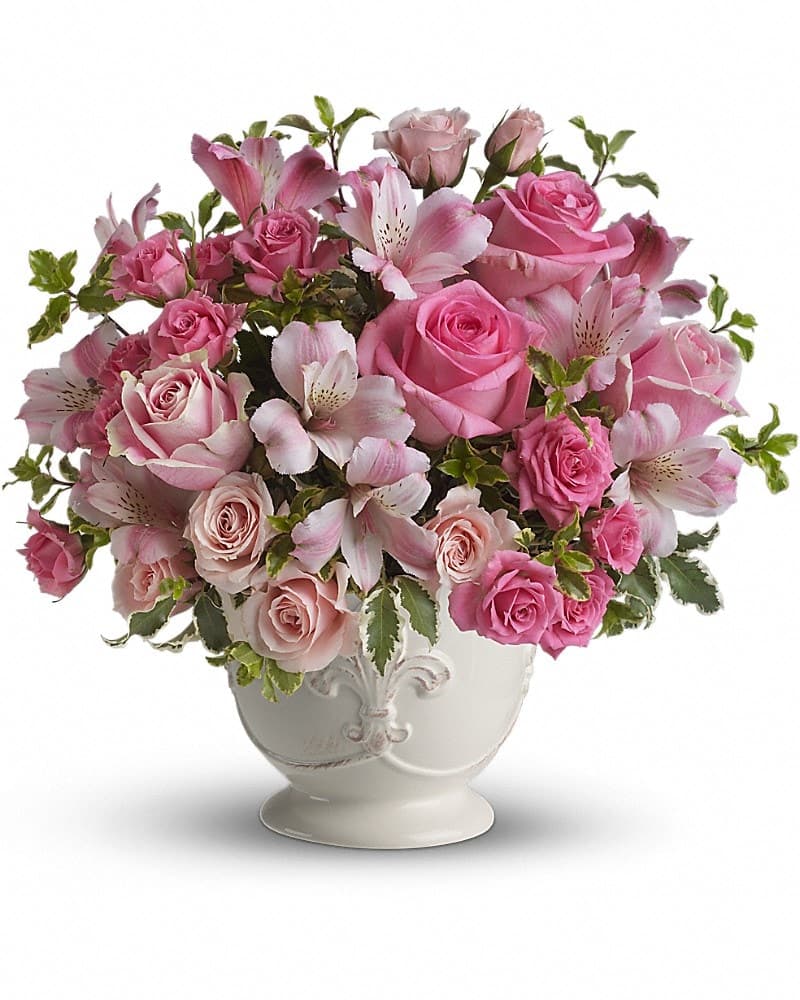
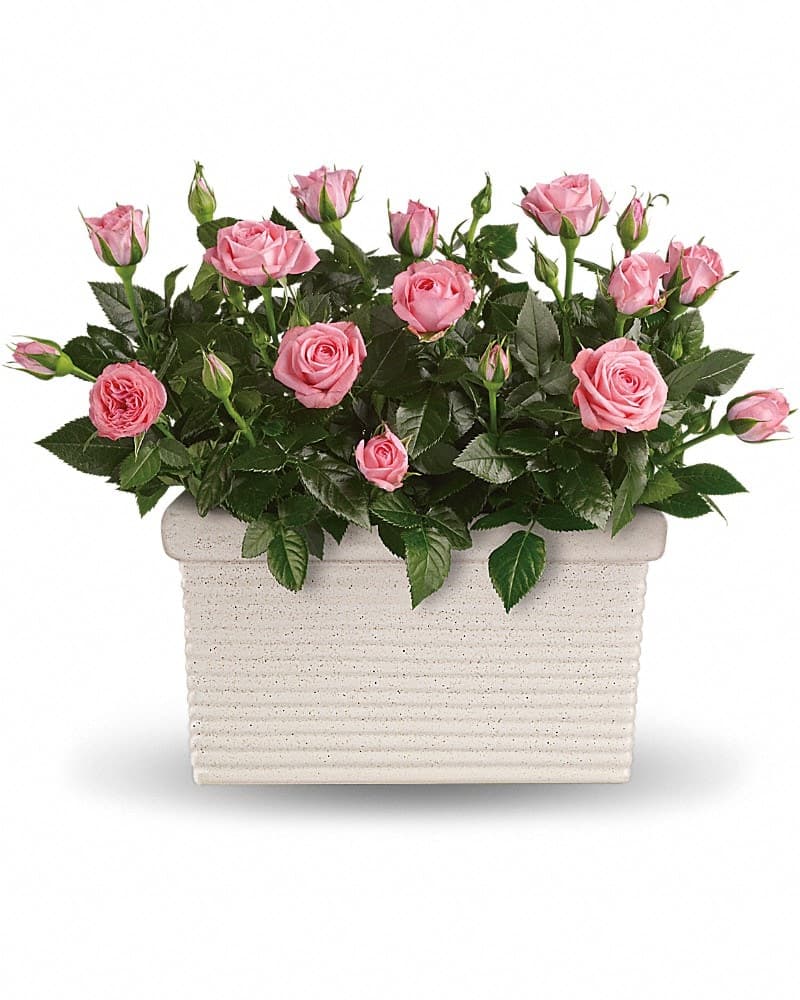
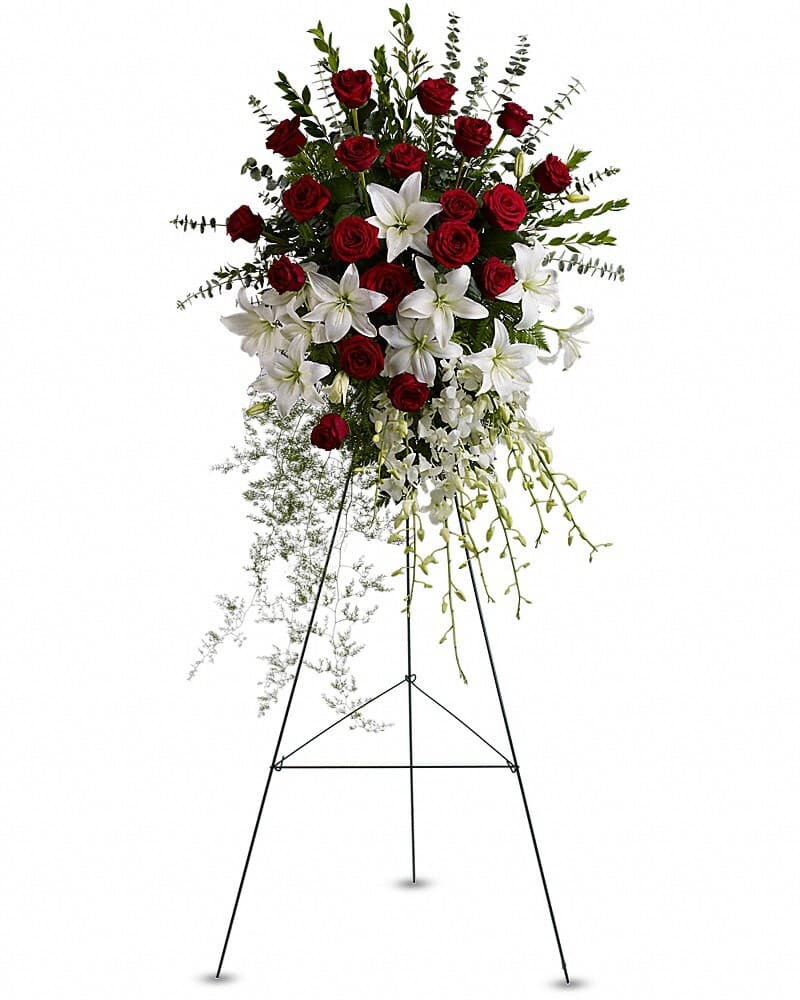
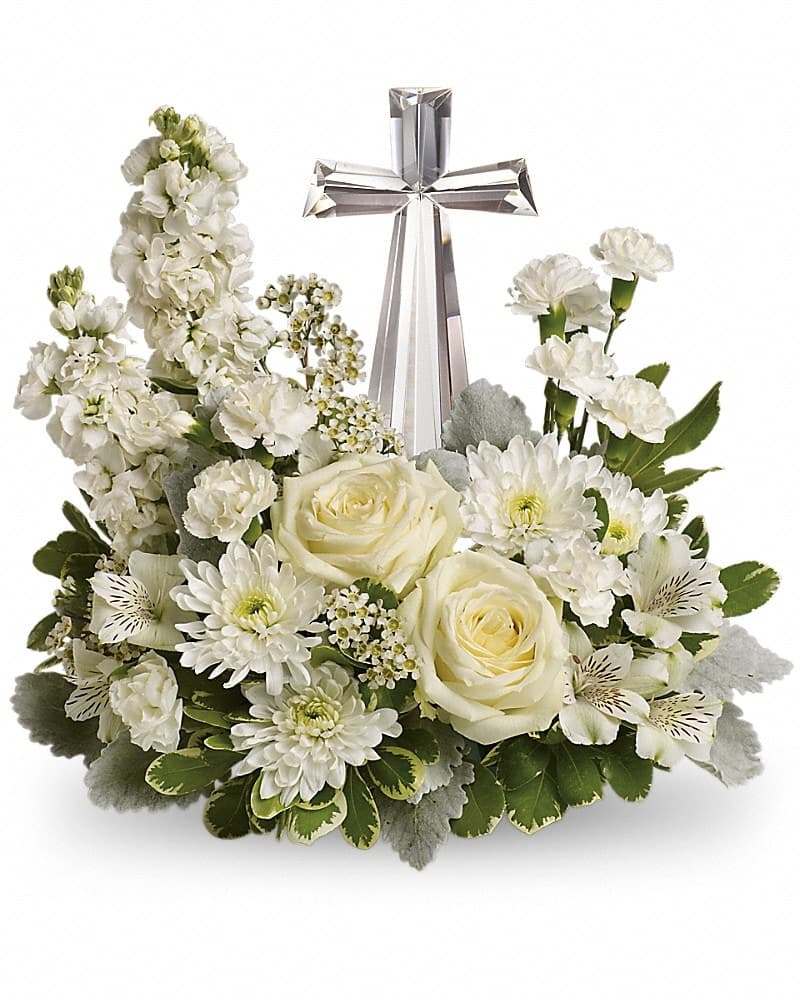
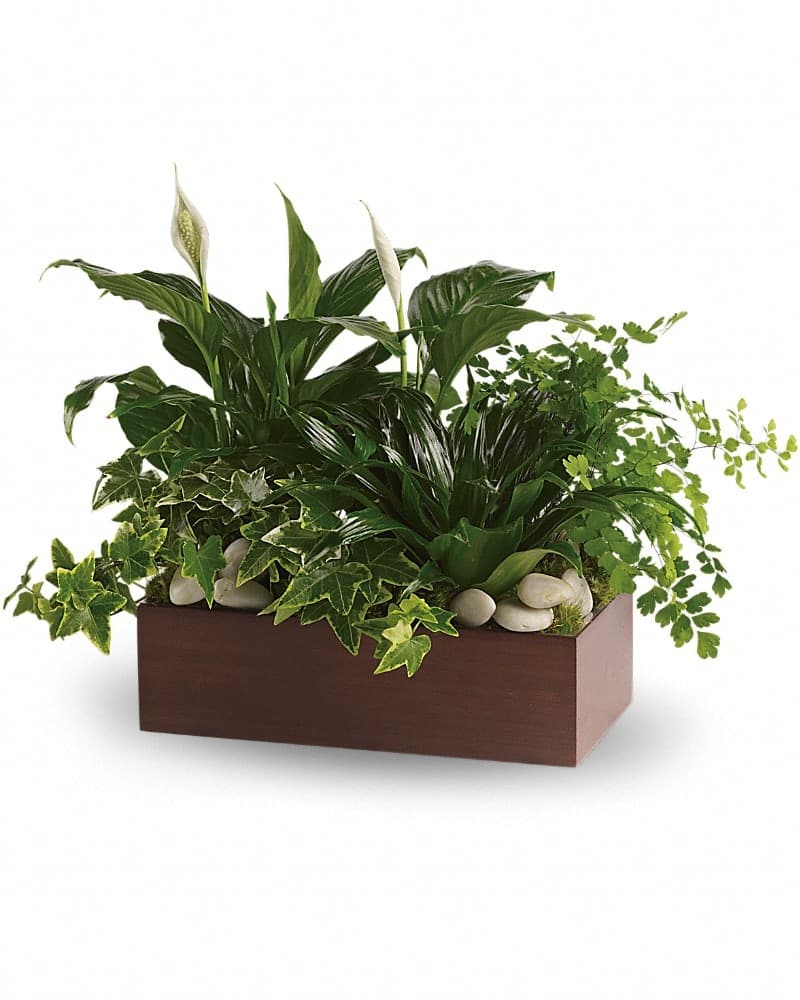
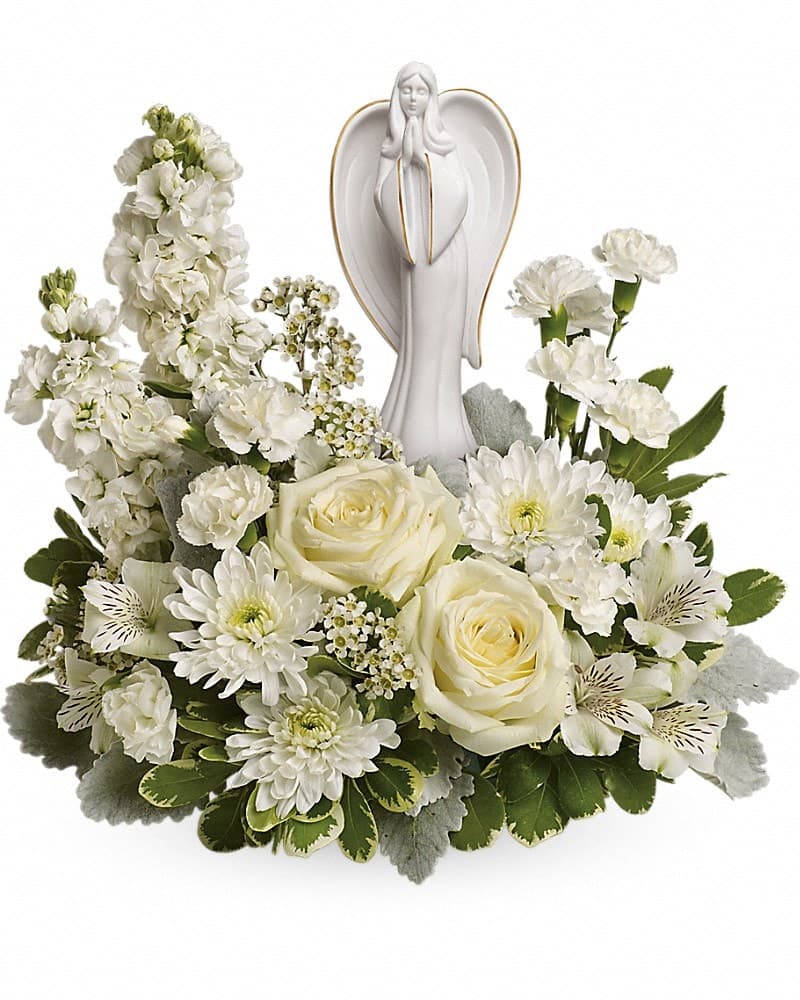
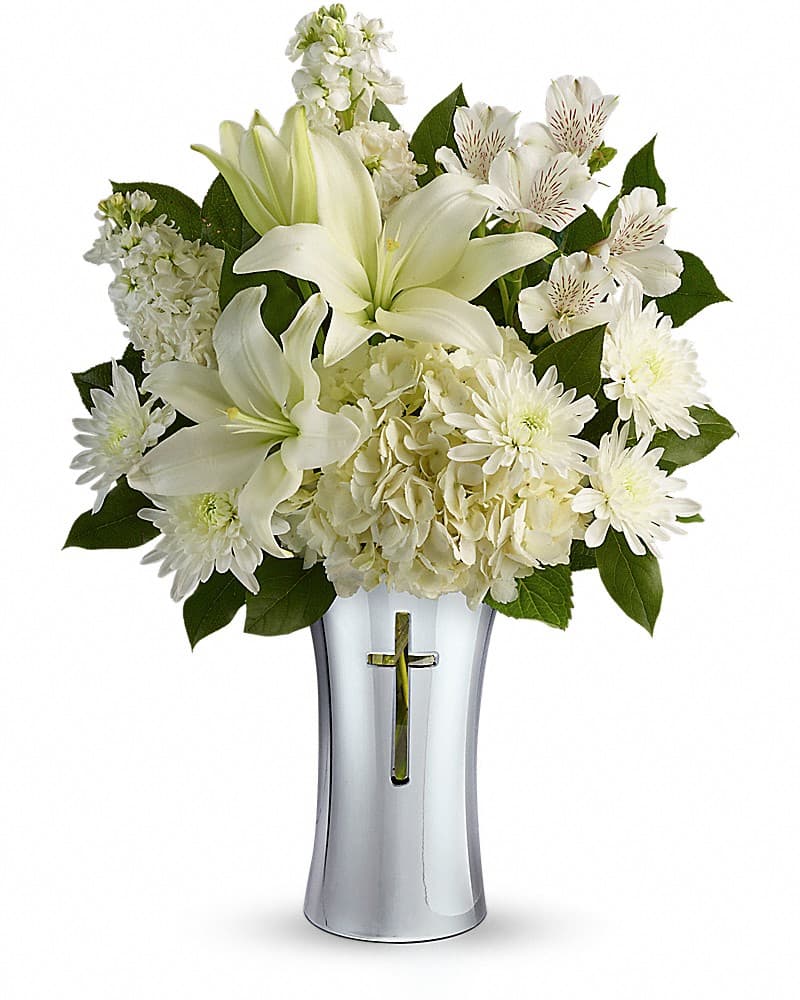
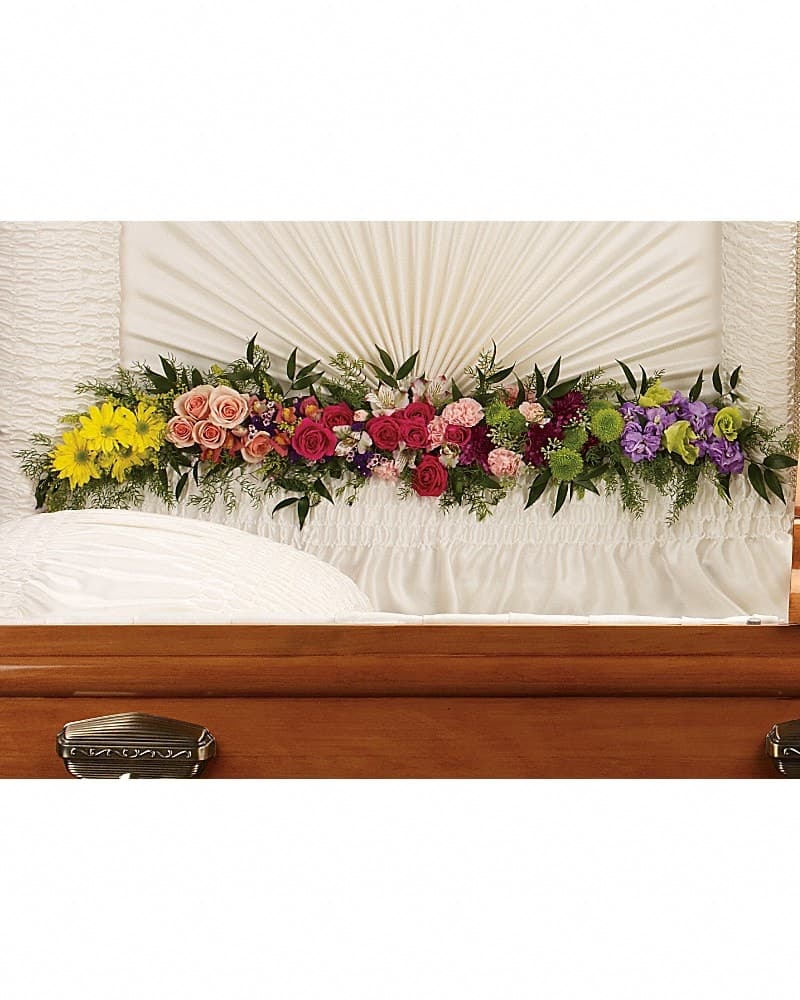
Tradition changes the right gift, and Milwaukee holds more distinct traditions than its size suggests. German and Polish Catholic families expect flowers at the chapel and the church — standing sprays, easel crosses and hearts, casket pieces, and a vase design for the luncheon table. Lutheran services across the metro and the western suburbs tend toward simpler altar-side arrangements and often prefer a memorial gift to the congregation alongside a plant. Jewish families in Whitefish Bay, Fox Point, Glendale, River Hills and Mequon, served by congregations including Emanu-El B'ne Jeshurun, Congregation Shalom and Beth Israel Ner Tamid, generally do not have flowers at the funeral; a food gift or a charitable gift is the convention, and a plant to the shiva home is the usual floral option if one is sent at all. Serbian Orthodox families around St. Sava Serbian Orthodox Cathedral on South 51st Street and Greek Orthodox families at the Annunciation church on West Congress Street in Wauwatosa — the domed Frank Lloyd Wright design — keep Orthodox conventions including memorial services at forty days and one year, which means a second arrangement later. Muslim families, including the community around the Islamic Society of Milwaukee on South 13th Street, bury quickly, often within a day, so the practical gift is food or a plant to the home rather than a chapel piece. Black church funerals on the North Side — AME, Baptist and Church of God in Christ congregations — are frequently large Saturday services where an easel piece is expected and the delivery window is early morning. Milwaukee's Hmong community holds multi-day services; ask the family which day and which hour, because a single delivery time is not obvious from the outside.