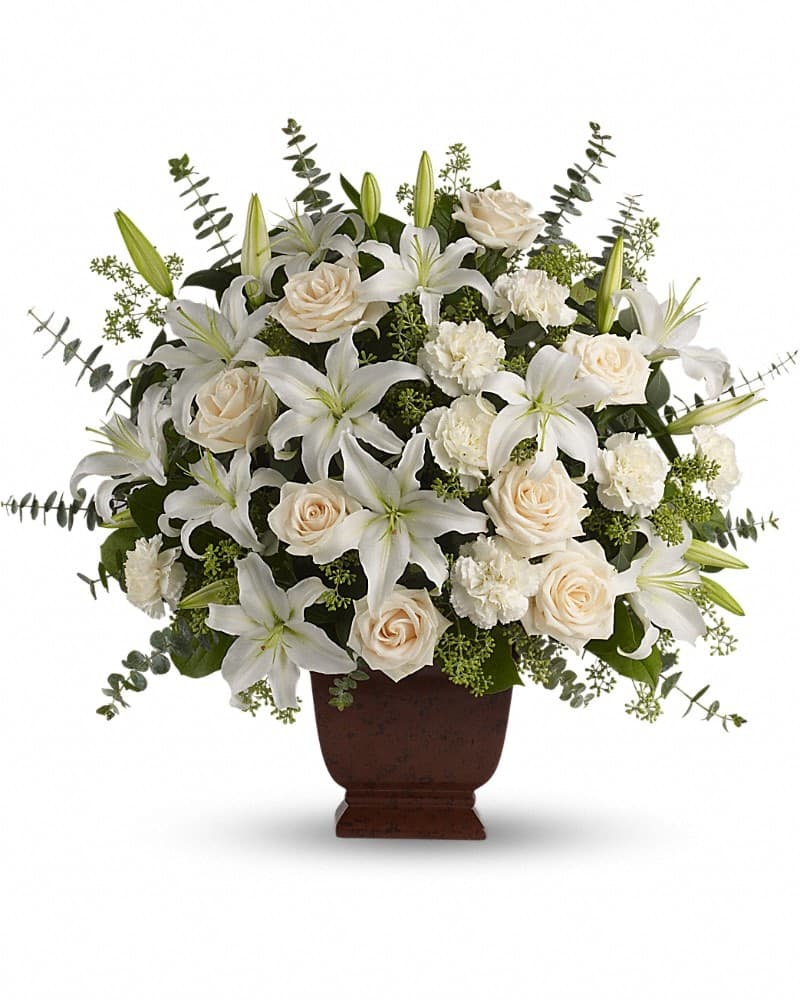
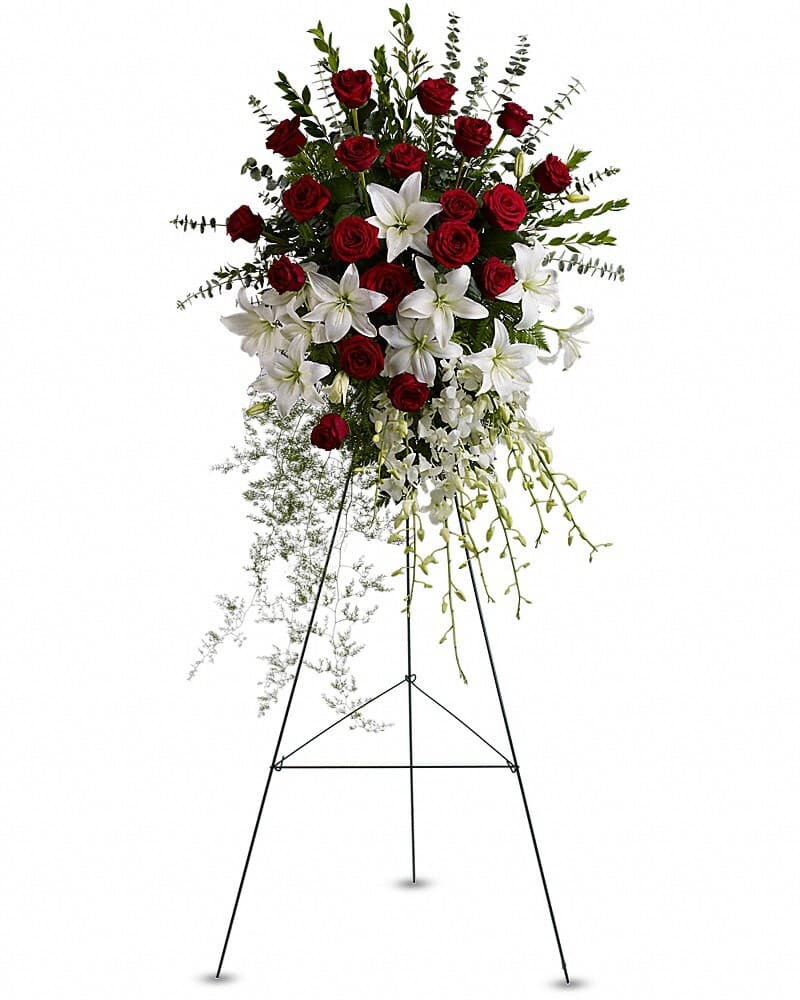
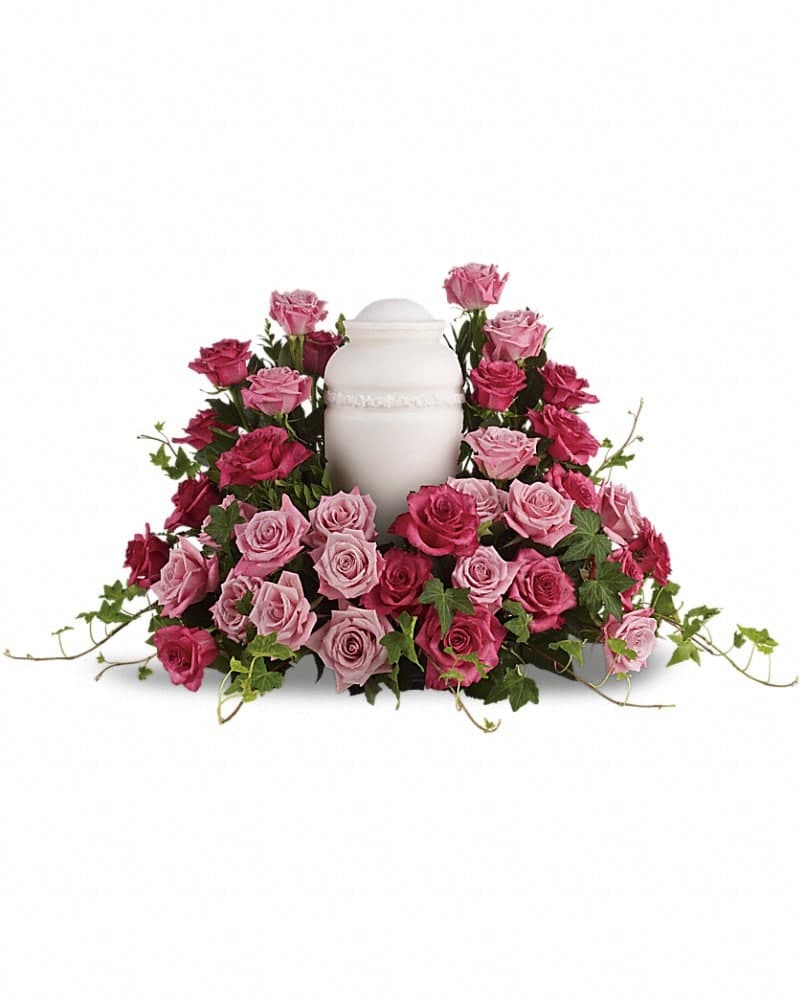
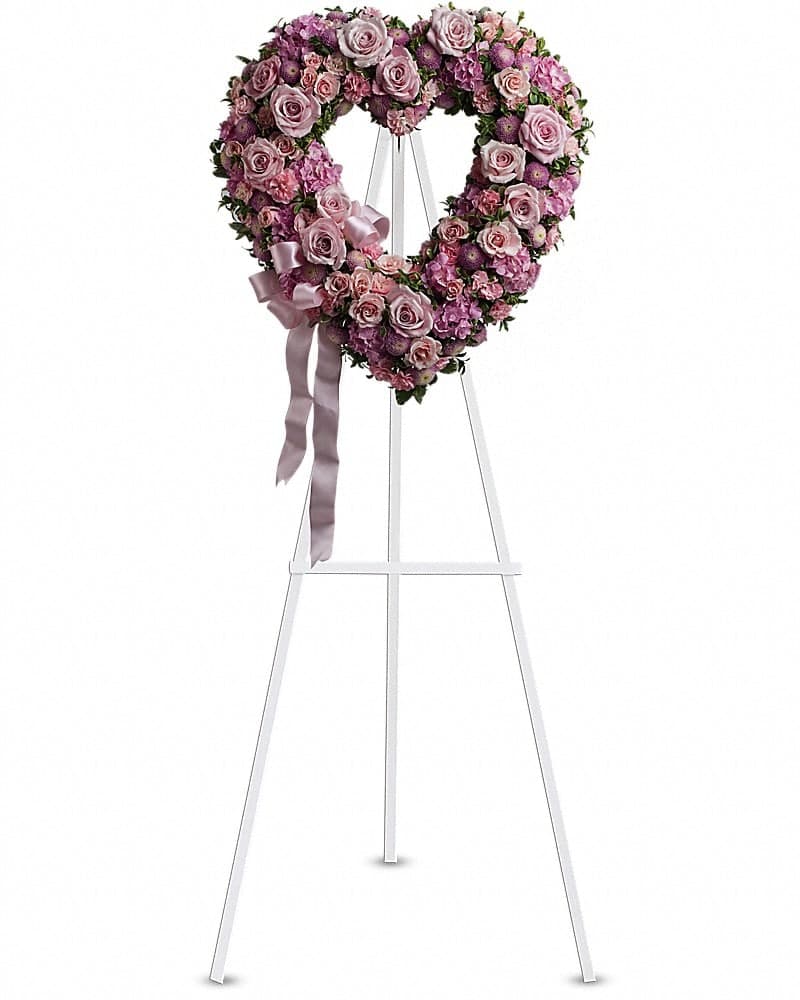
Sympathy buyers in Greater Lansing usually have between one and three days, and the single most useful thing to do first is read the obituary. The Lansing State Journal listing names the chapel, the visitation window and the service time, and it will also tell you whether the family asked for donations in lieu of flowers — which in this city happens often and should be respected as written. Once you have the chapel, the geography sorts itself. Estes-Leadley Funeral Homes runs its Greater Lansing chapel at 325 West Washtenaw Street, a few blocks off the Capitol complex, along with a chapel serving the Holt and Delhi side south of the city. Gorsline Runciman Funeral Homes is the largest group in the area, with its Lansing chapel on East Michigan Avenue and its East Lansing chapel on East Grand River Avenue, plus outlying chapels through the surrounding towns. Palmer, Bush and Jensen Family Funeral Homes carries a further share of the Lansing and Delhi Township families. Catholic services in this city are often held at the parish rather than the chapel, with the Cathedral of St. Mary of the Immaculate Conception on Seymour Avenue as the seat of the Diocese of Lansing, and Cristo Rey on the west side serving much of the city's Latino community. The practical rule is the same at every one of them: flowers belong at the building before the visitation opens, not during it, and for a morning service that means the arrangement is on the truck the day before.
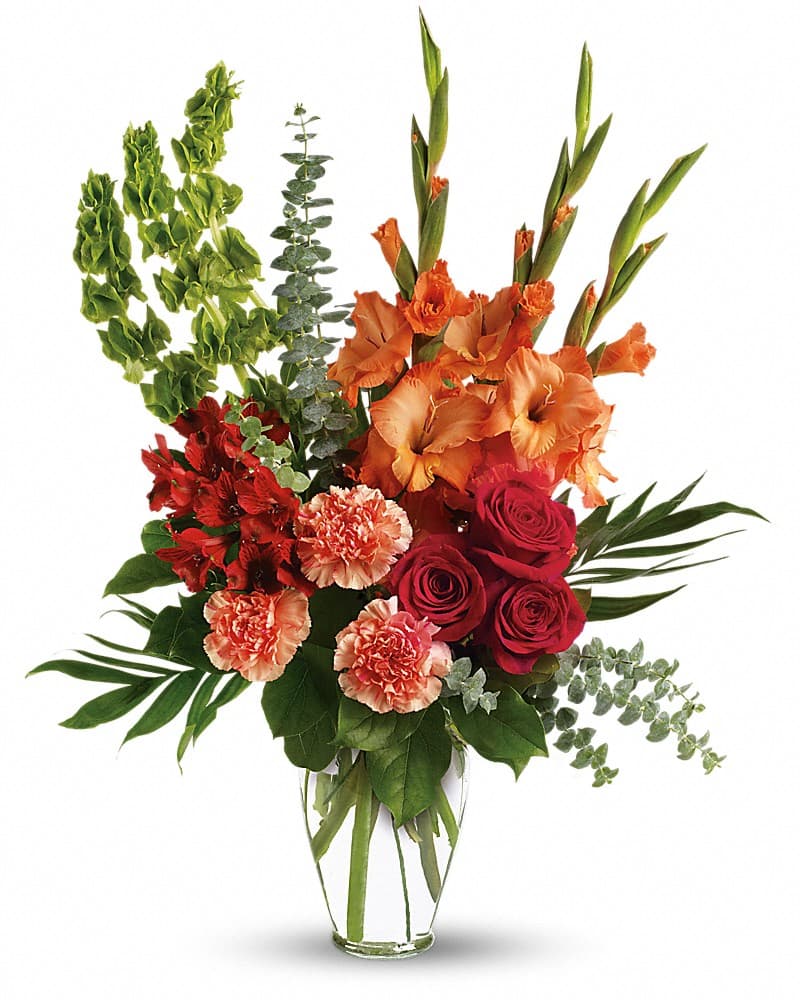
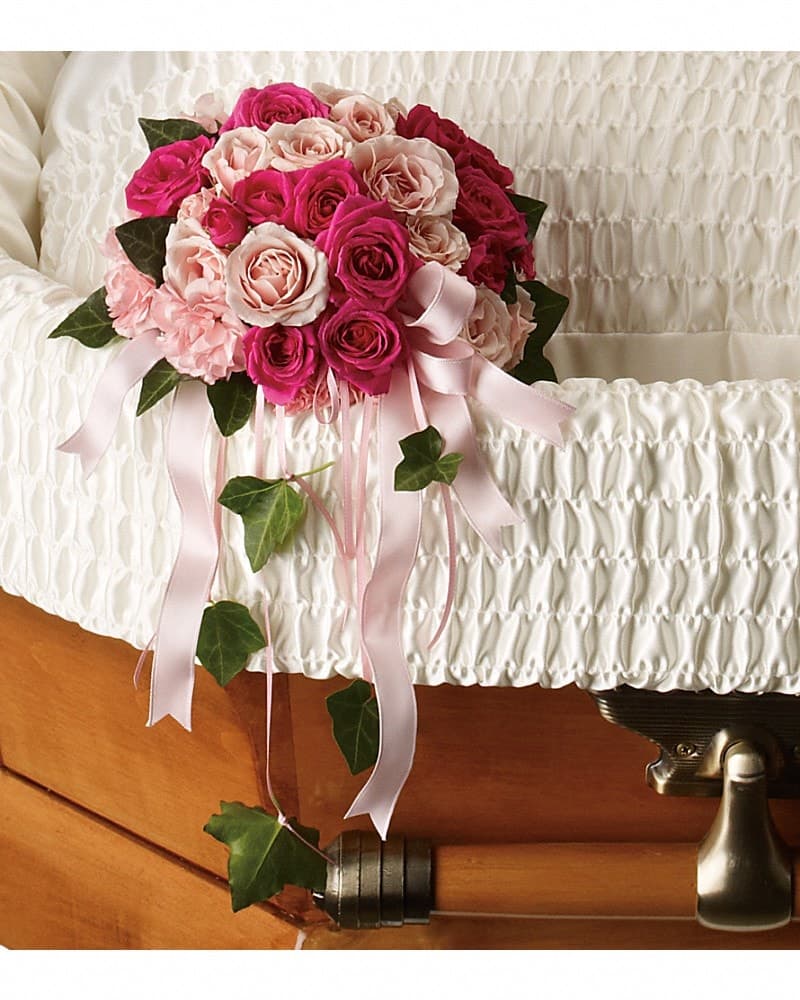
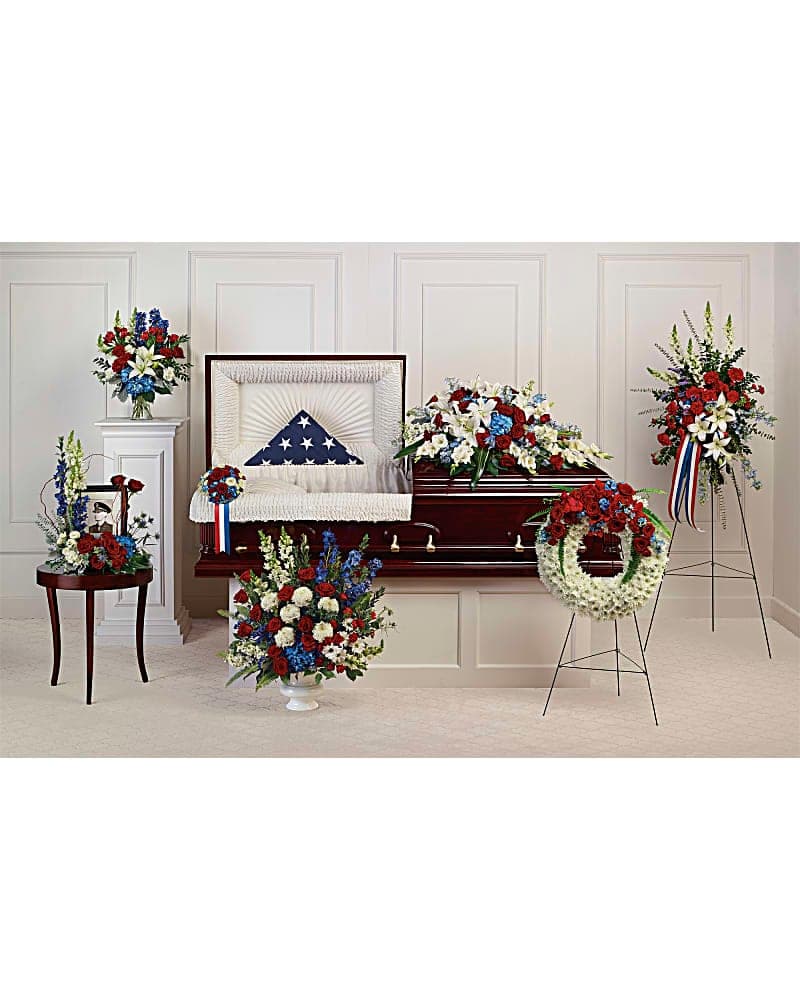
Cemeteries and the Michigan calendar are the second half of the problem. Mount Hope Cemetery on East Mount Hope Avenue is the city's main burial ground and the one most Lansing graveside services end at. Deepdale Memorial Gardens on the west side and Chapel Hill Memorial Gardens in Grand Ledge carry much of the rest, and beyond them the Delhi, Meridian, Delta, DeWitt and Watertown township cemeteries handle the surrounding communities. Two seasonal realities change what to send. A graveside service in a mid-Michigan January is short, held in open wind, and an arrangement sitting in water will freeze by the time the cars leave; a wired, dry-built piece survives that and a delicate vase does not. And some families here hold the interment until spring rather than commit a burial in frozen ground, in which case there is no graveside at all for months and the flowers belong at the chapel or, better, at the family's house. For veterans, Michigan's national cemeteries are Fort Custer National Cemetery near Augusta, southwest of Kalamazoo, and Great Lakes National Cemetery at Holly. Both sit at or just beyond the outer edge of our widened radius, and both run standard national-cemetery floral rules: fresh cut flowers are permitted on a grave and are removed once they deteriorate, glass containers are not allowed, and artificial flowers are restricted to particular parts of the year. Ask before sending anything to a national cemetery directly, and consider the family home instead.
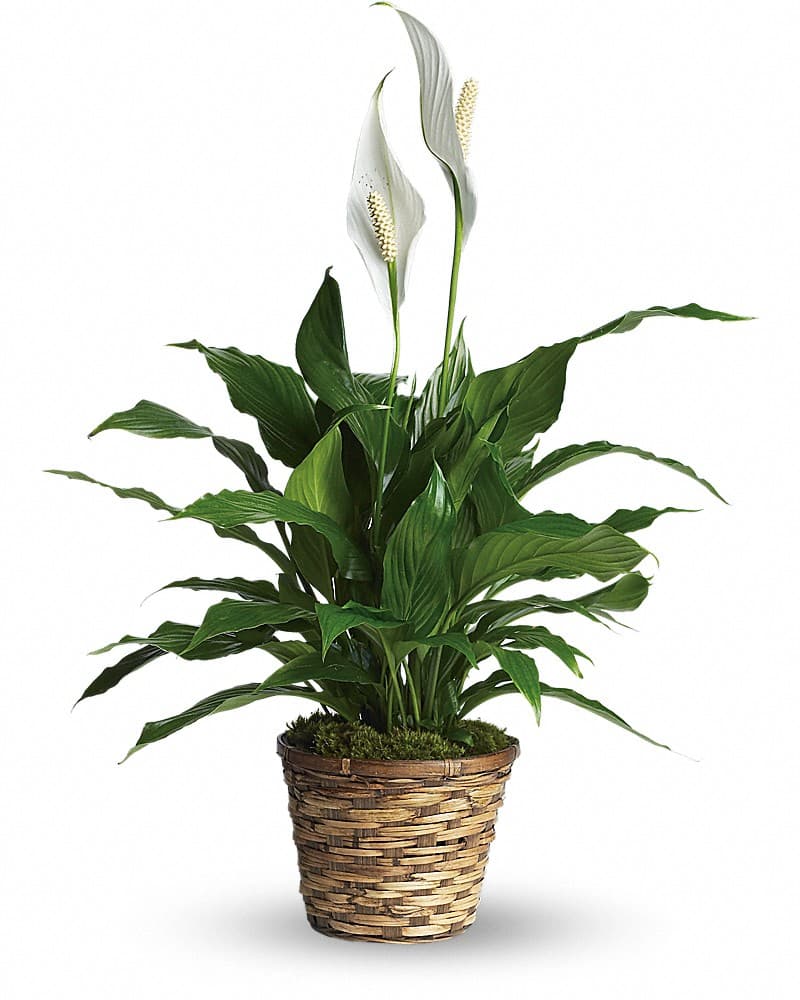
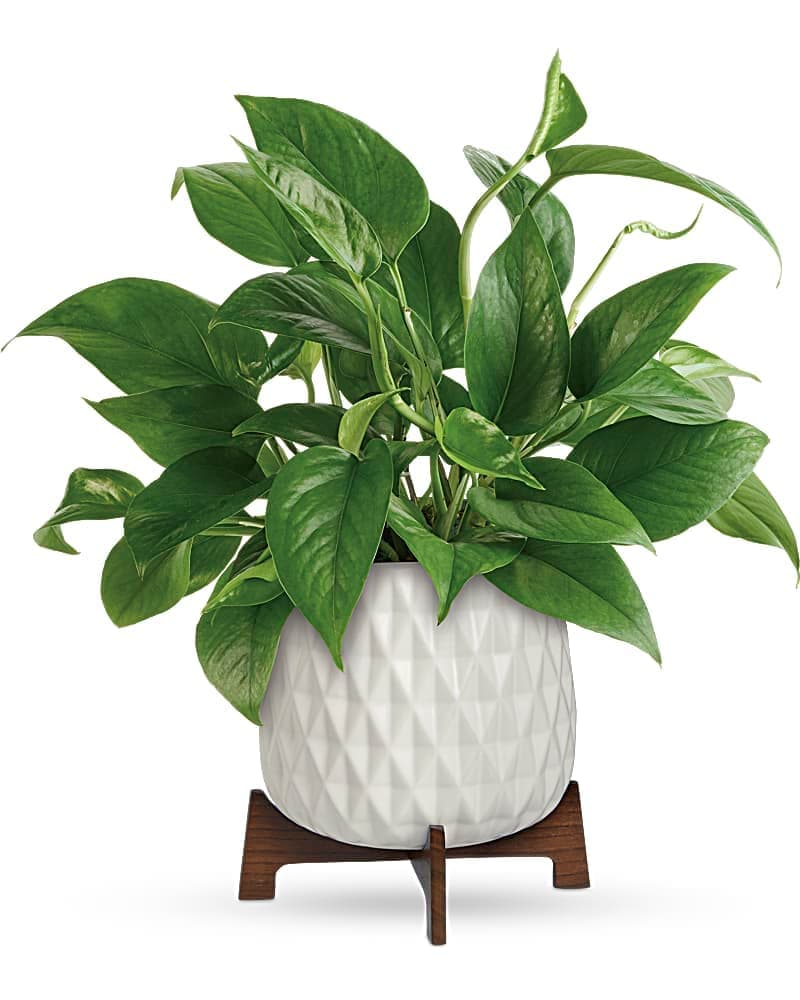
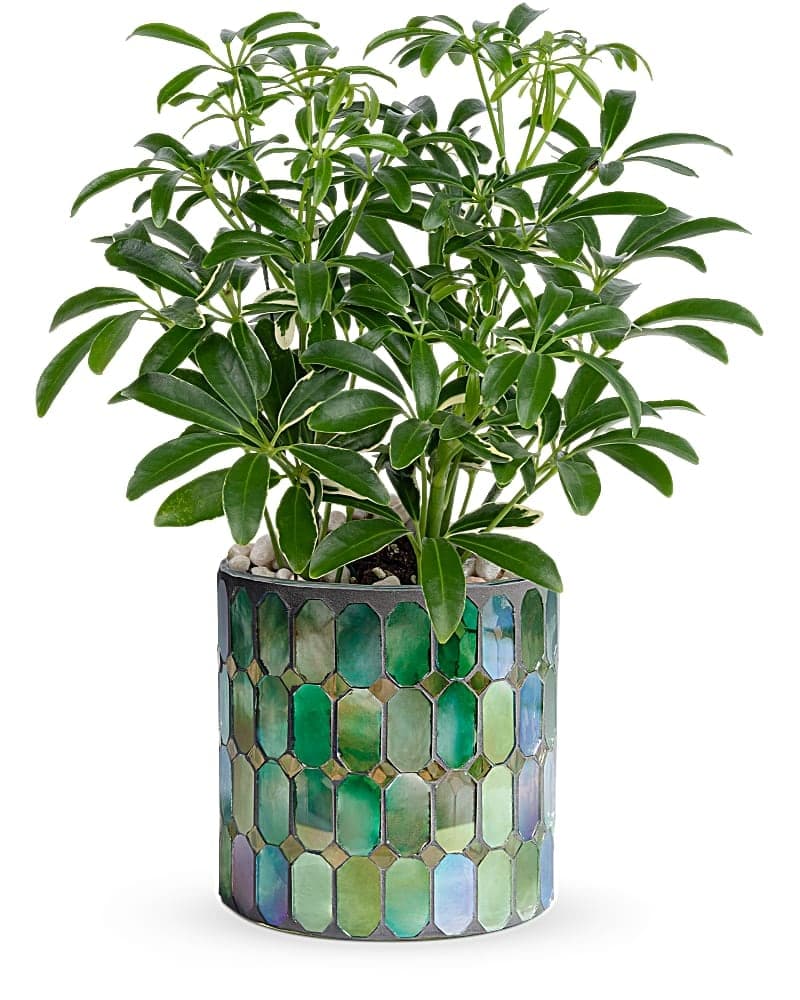
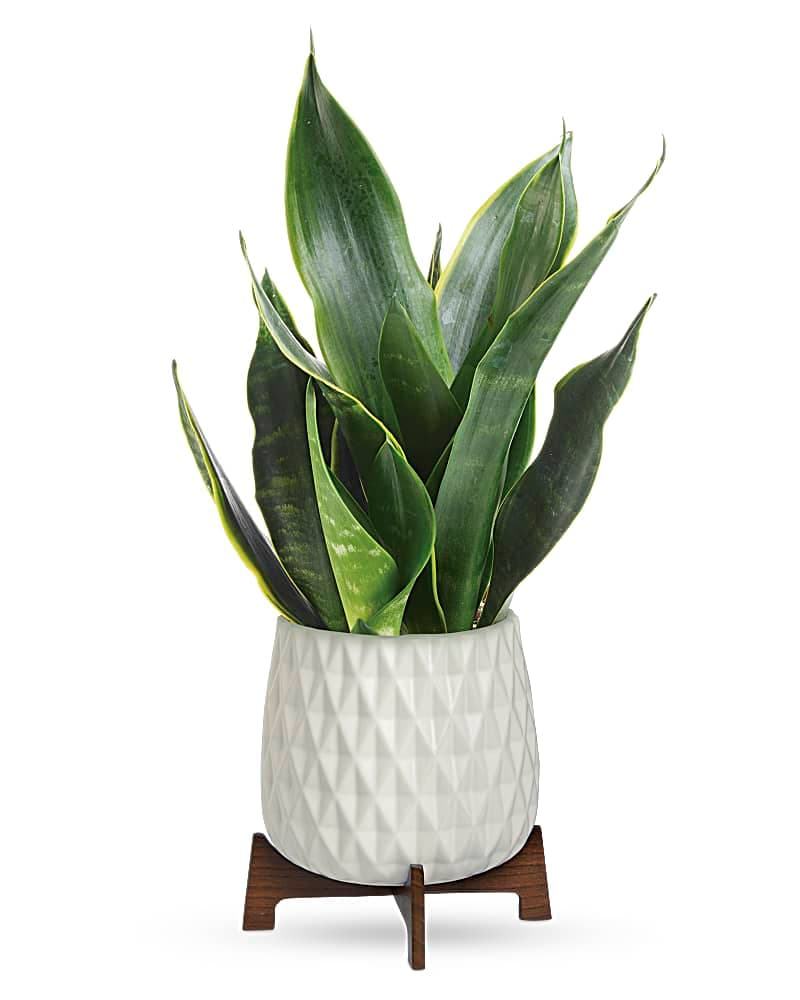
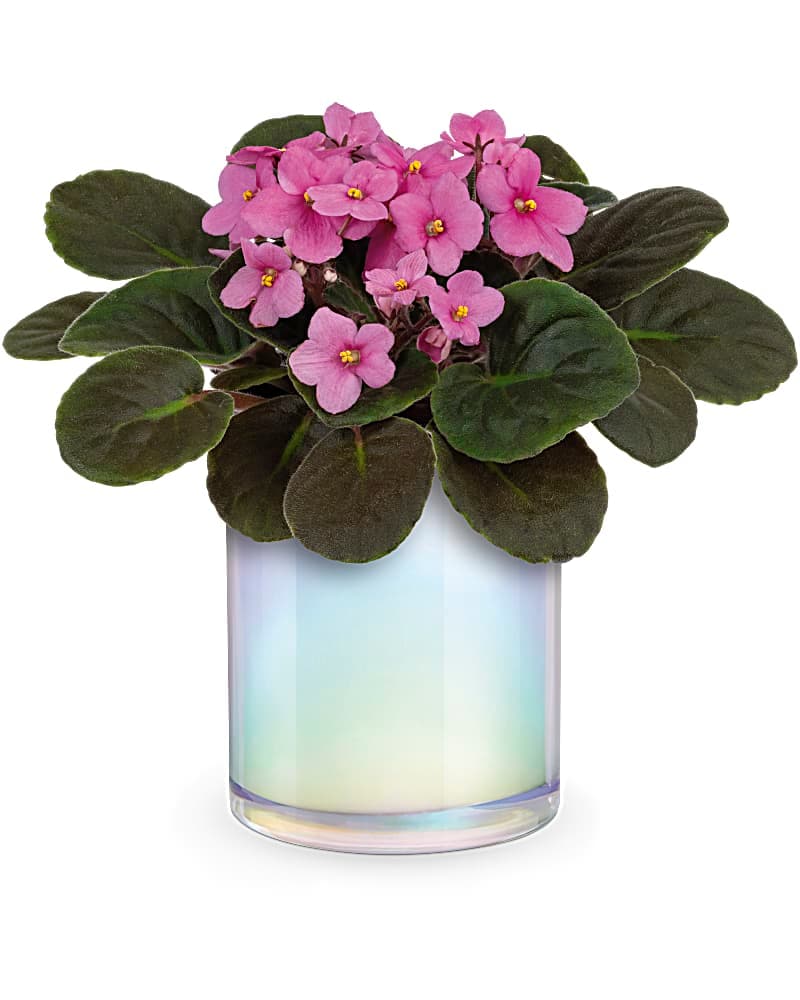
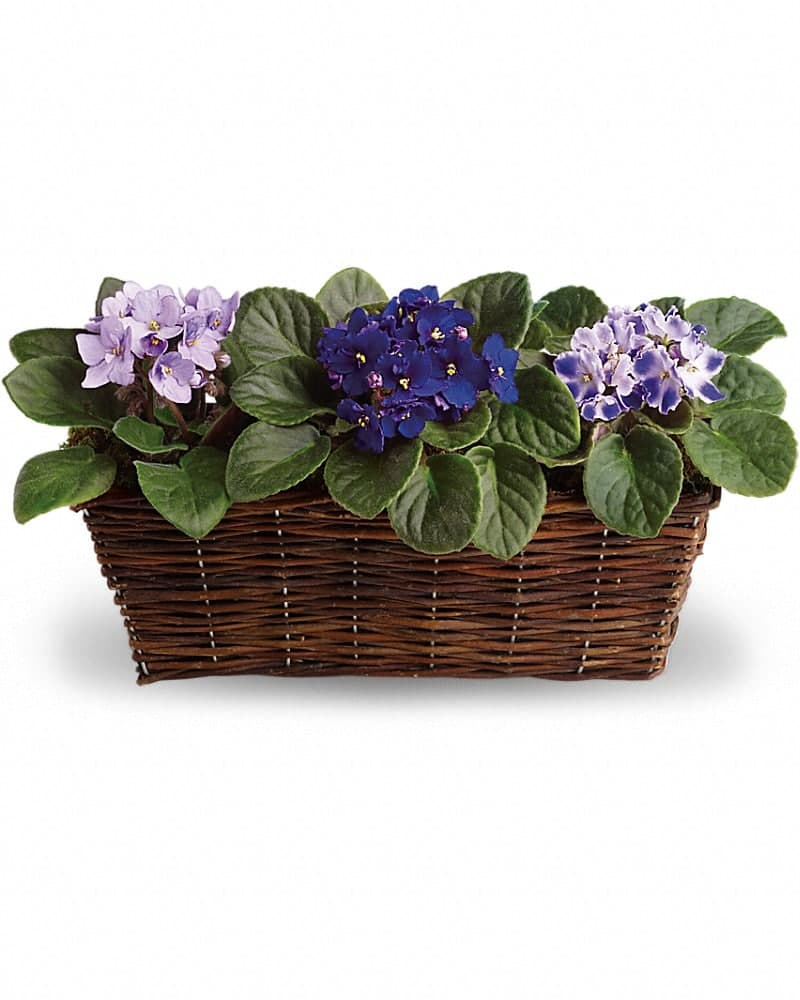
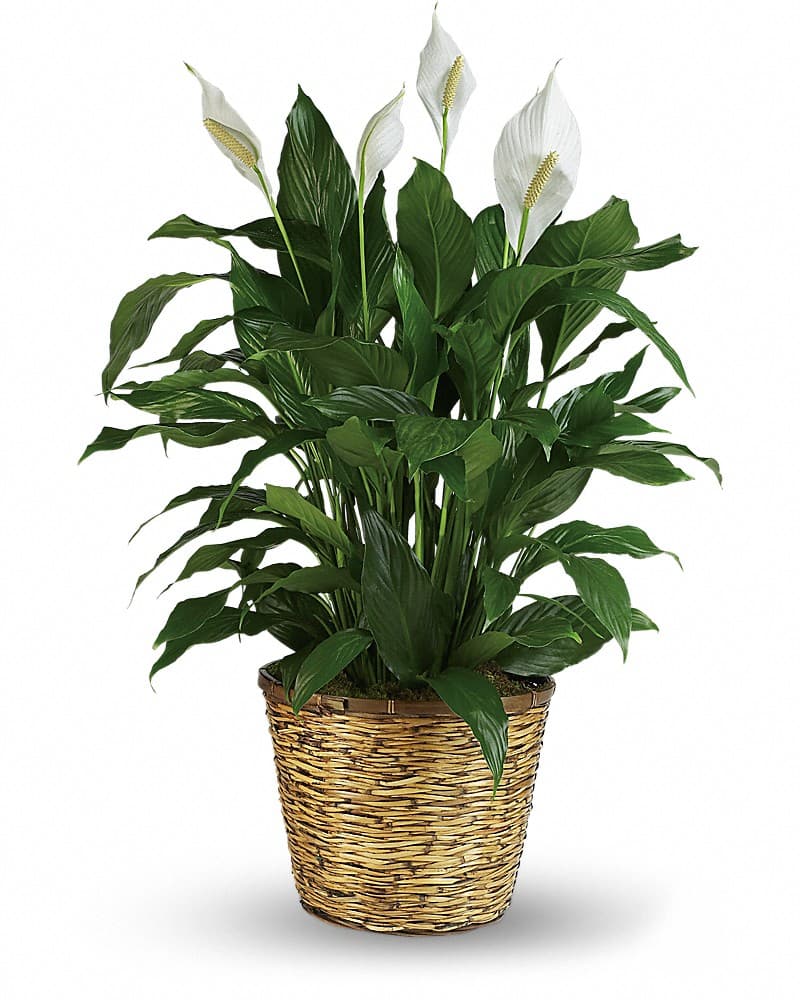
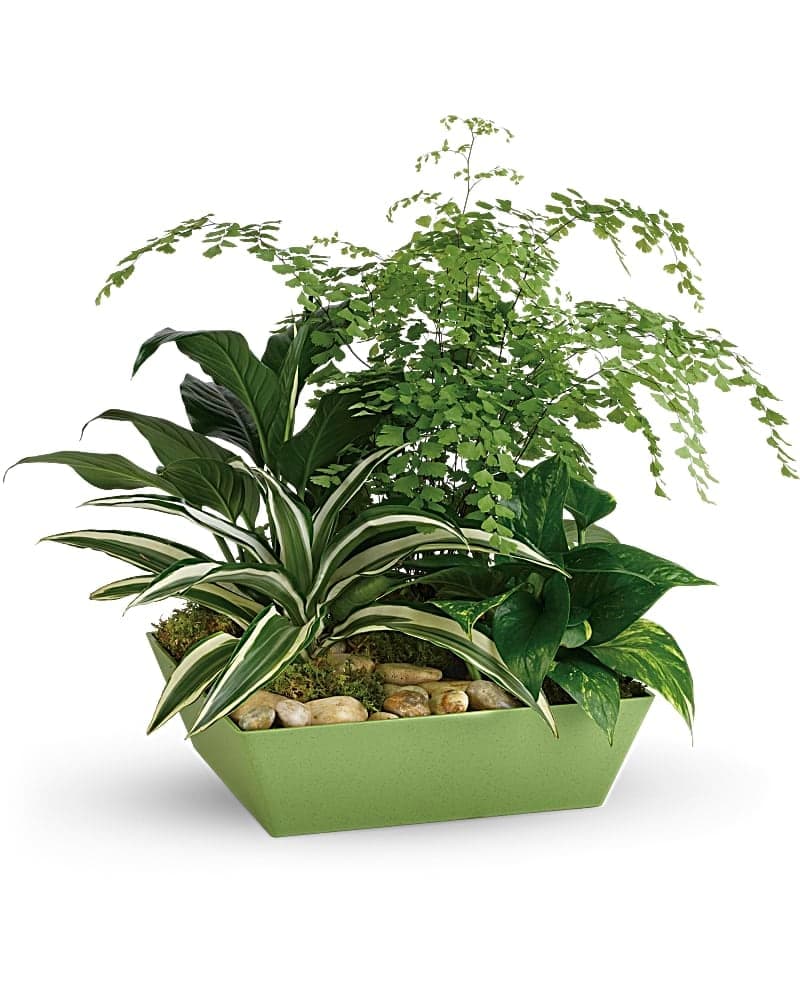
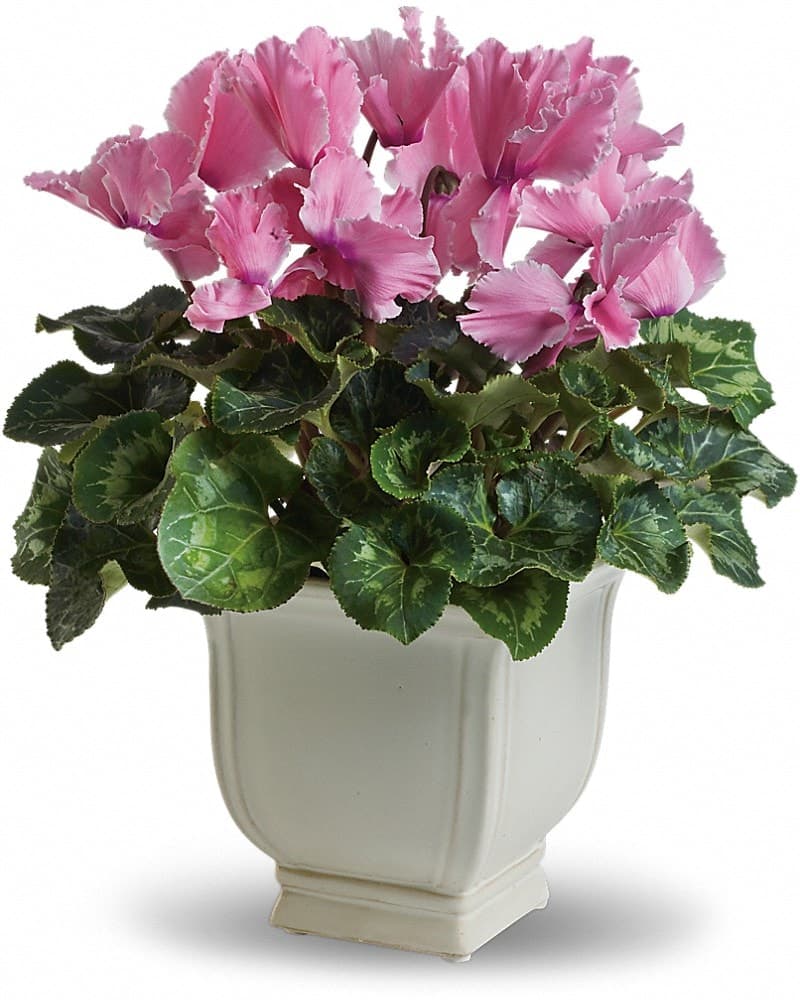
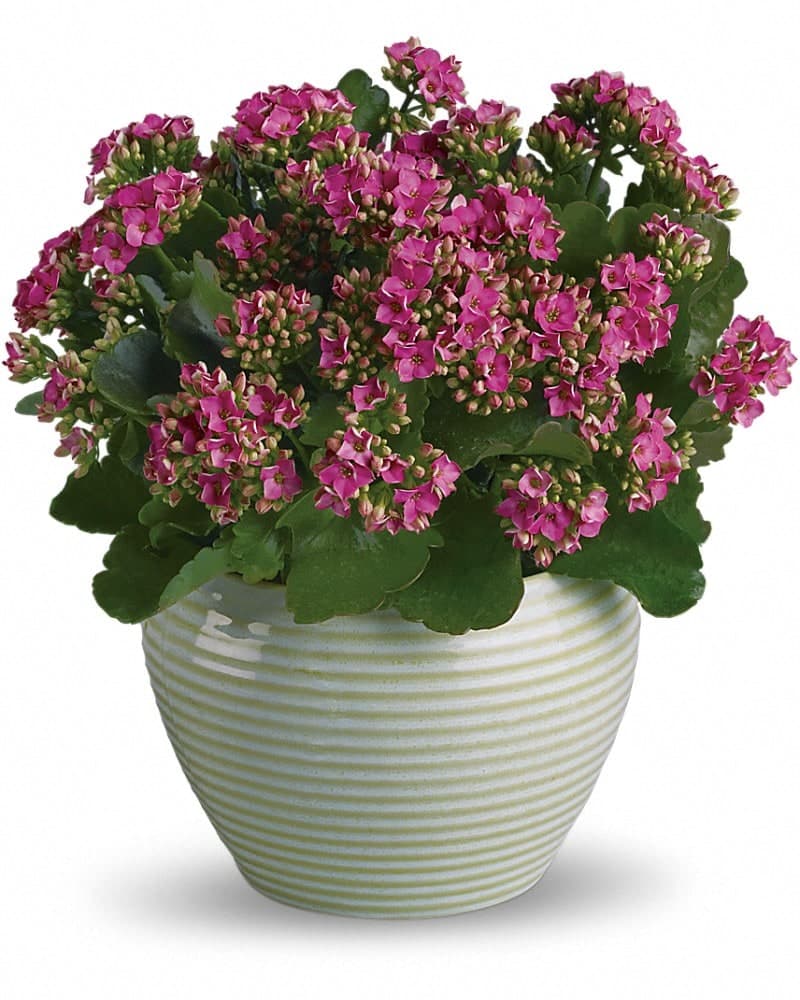
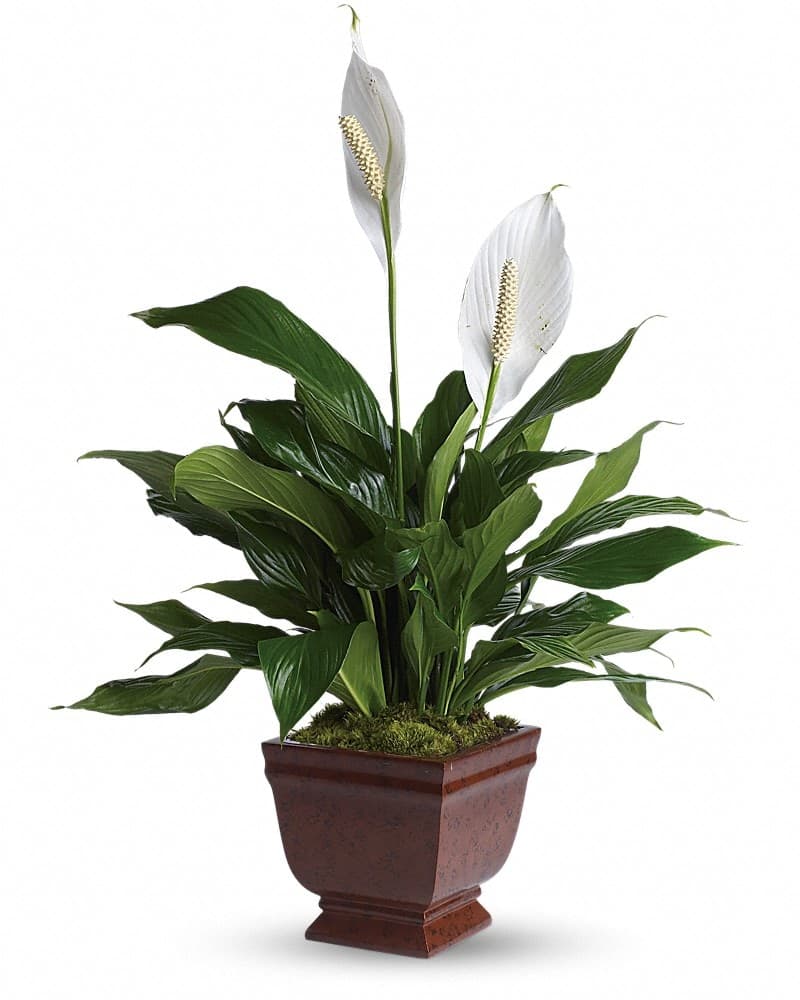
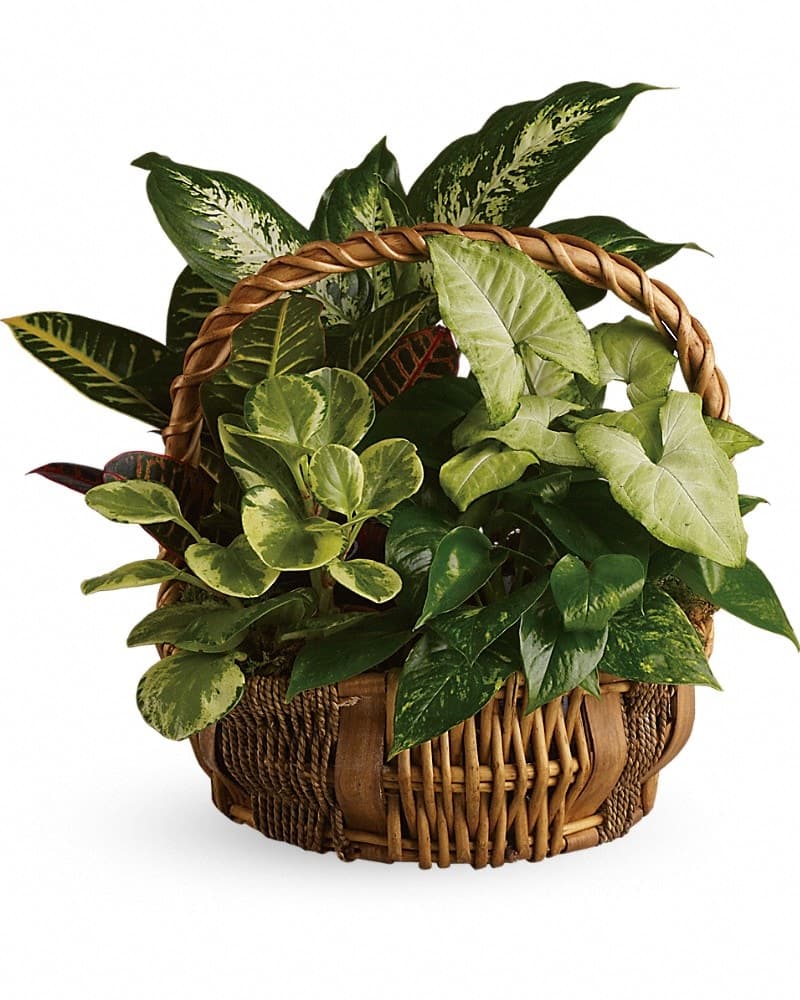
Greater Lansing is more religiously mixed than its size suggests, and the conventions differ enough to matter. Catholic families across the diocese follow the standard sequence of visitation, funeral Mass and committal, and floral tributes are welcome at all three points. Black church funerals in Lansing, largely on the west and north sides, tend toward larger, warmer-colored tributes and a longer service, and homegoing arrangements are often carried from the church to the repast. Jewish practice, including at Congregation Shaarey Zedek in East Lansing, does not use flowers at the funeral; the correct gestures are a charitable donation and, if you are close to the family, a plant or a food basket to the shiva house, and our benches will route a plant to a home address instead without you having to explain. Muslim families, including those connected to the Islamic Center of East Lansing, hold a prompt and deliberately simple burial where flowers are generally not part of the rite, and a condolence visit outweighs anything sent. Many MSU families are international, and a death in Lansing may mean a memorial held here while the burial happens abroad; in that case the arrangement belongs at the memorial gathering or a departmental office, not a cemetery. If you do not know the family's tradition, a plant sent to the house is the safest correct answer in every one of these cases.