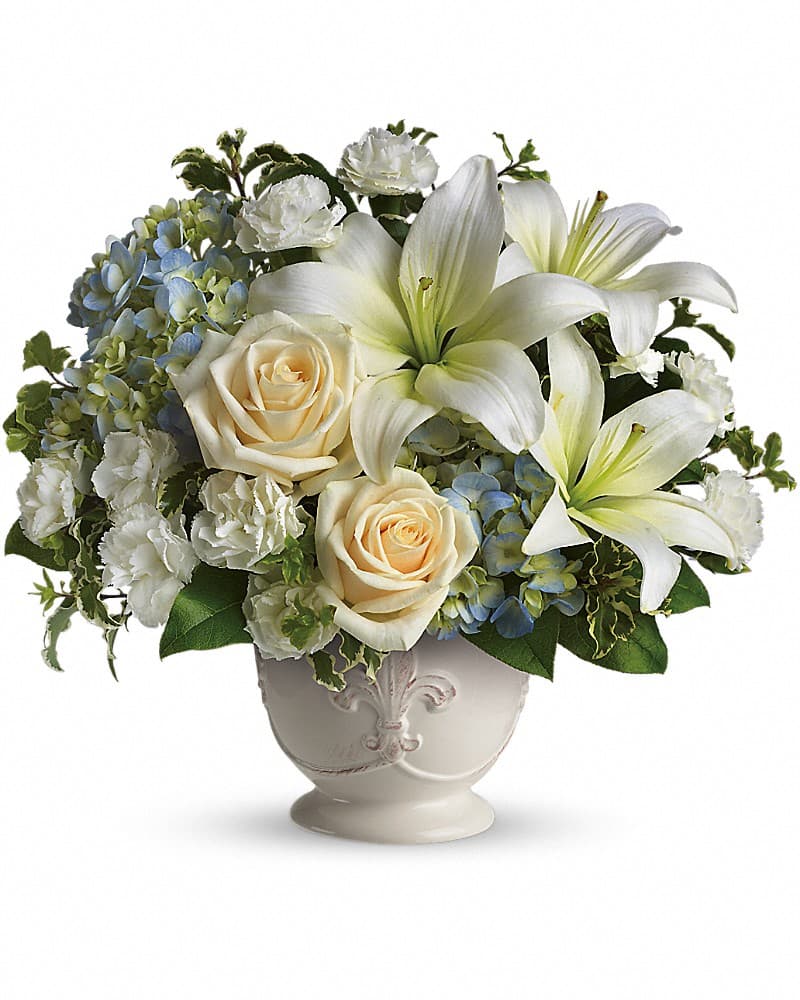
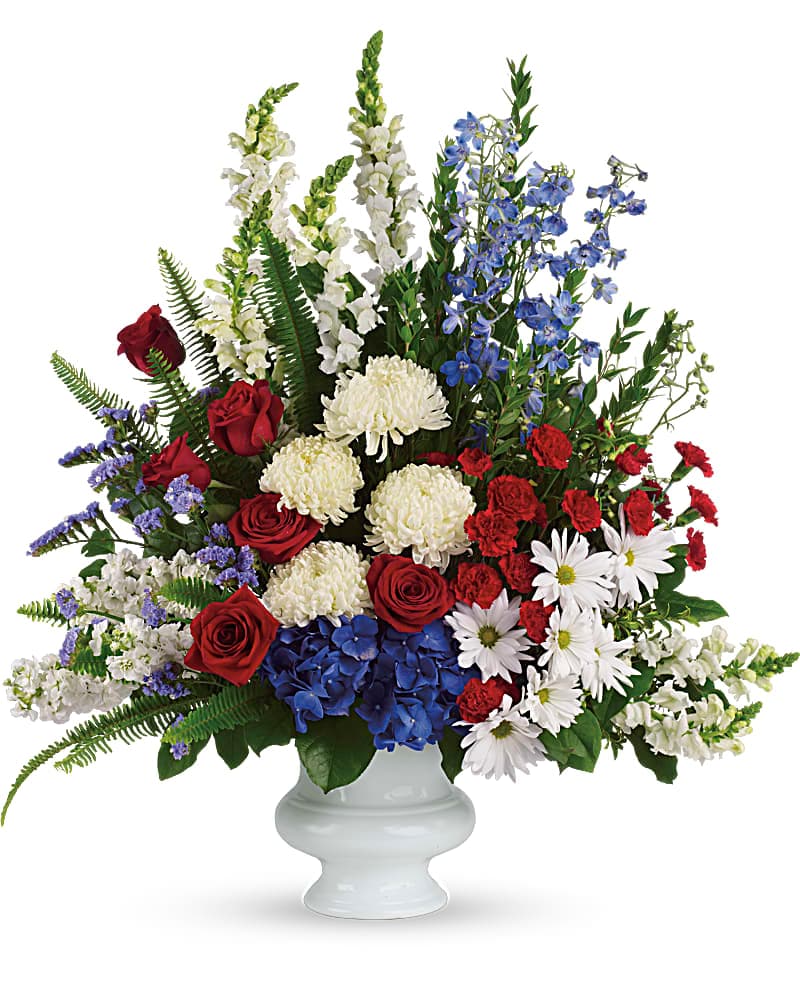
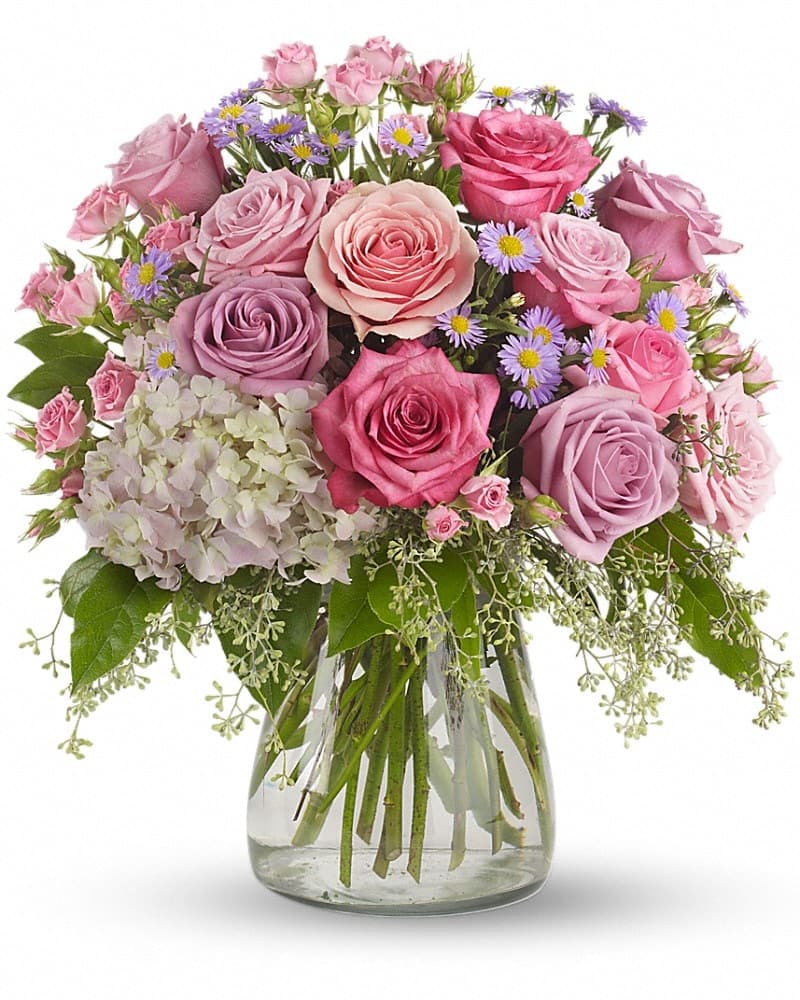
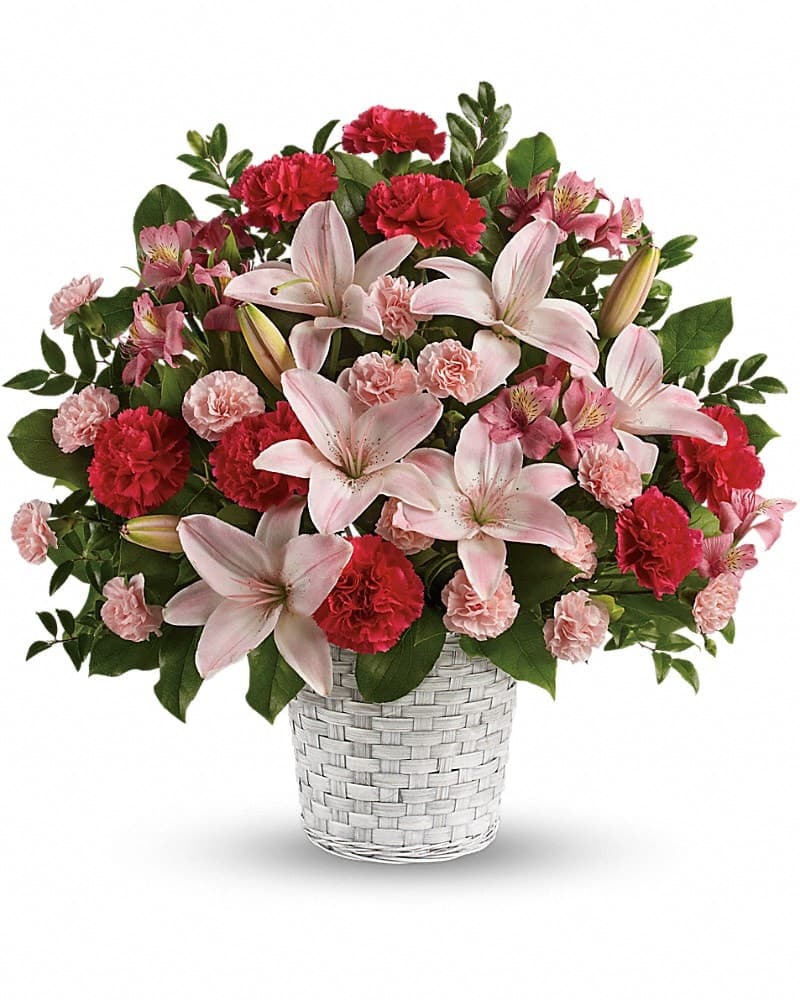
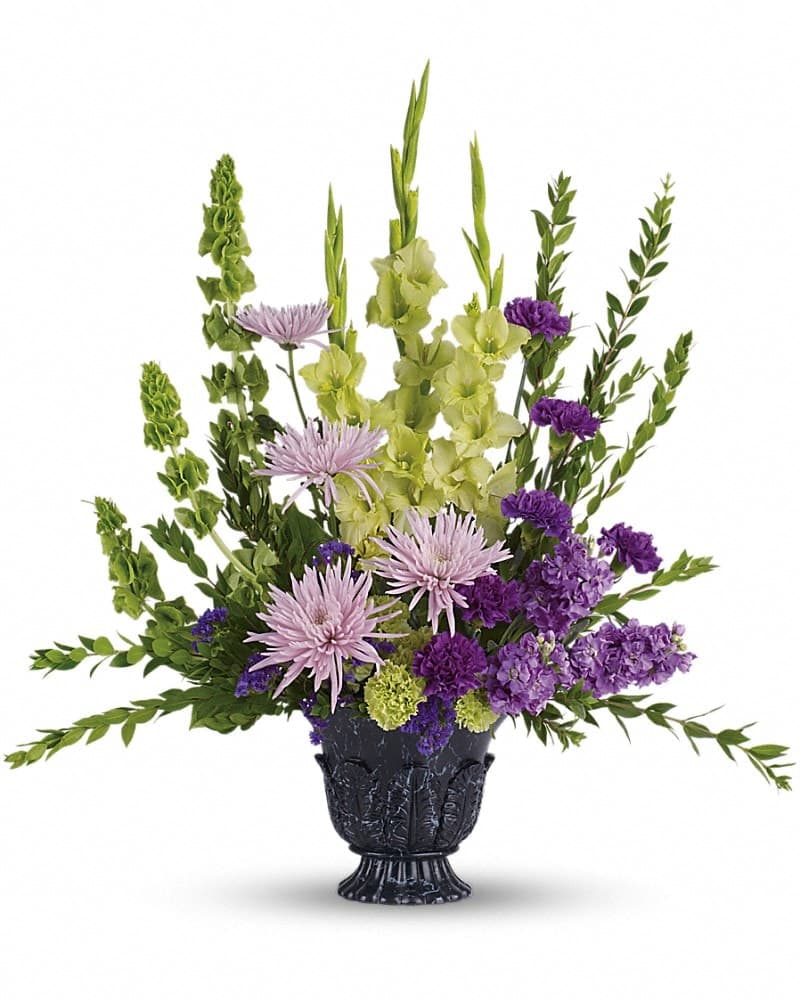
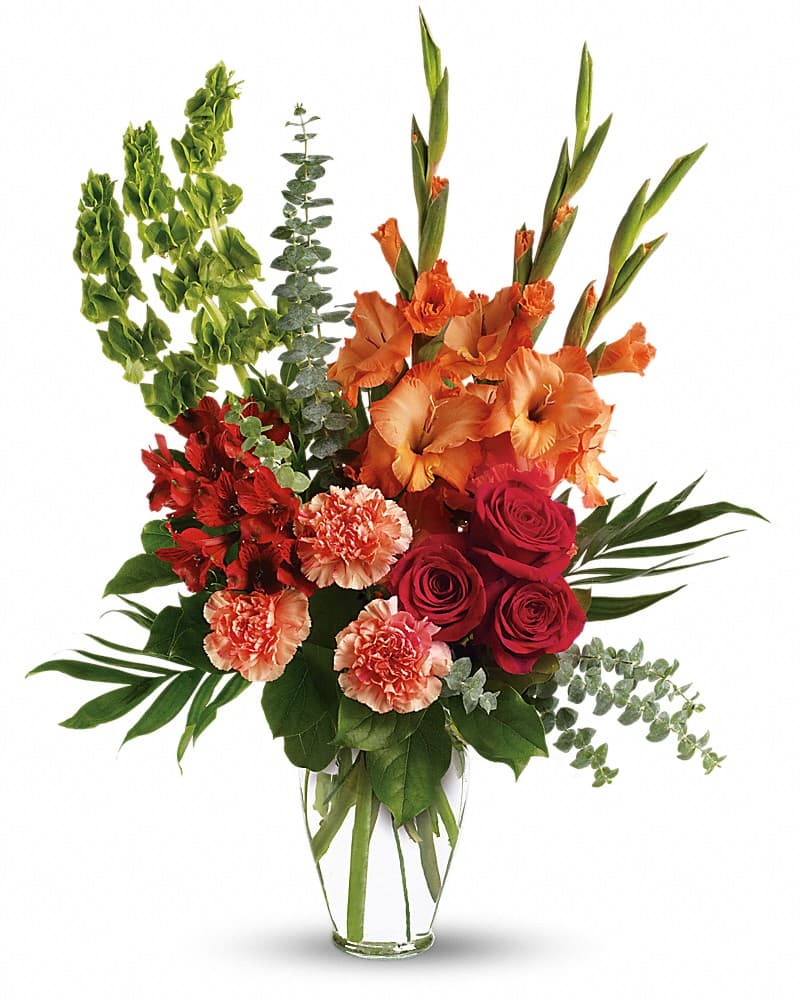
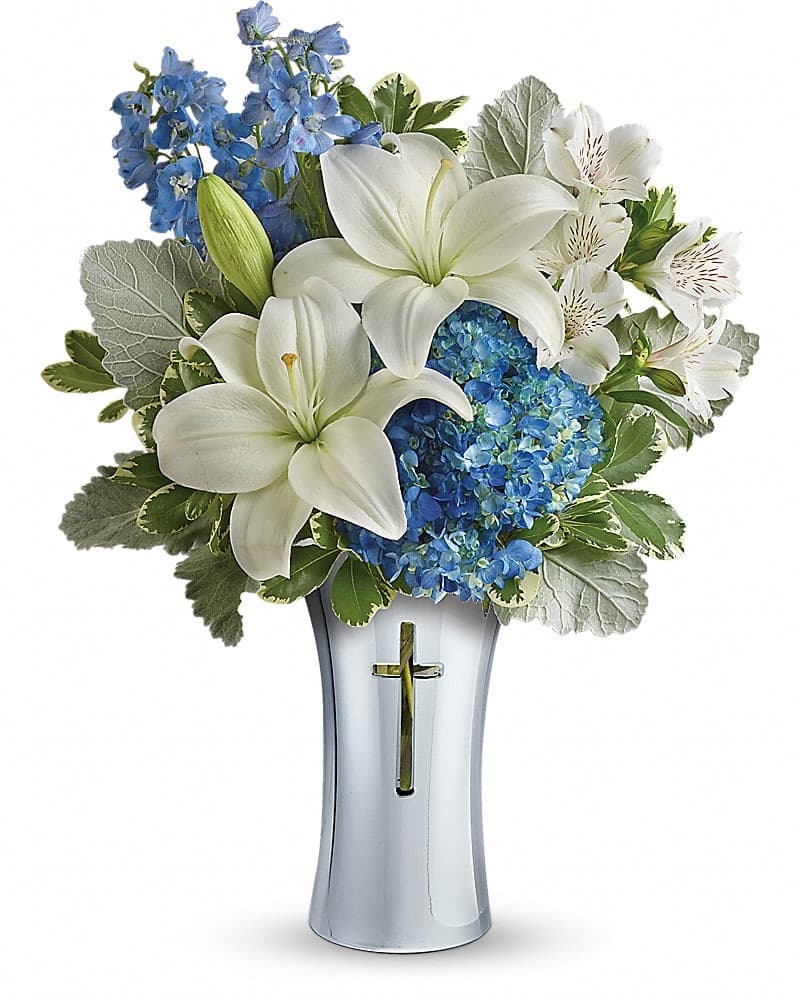
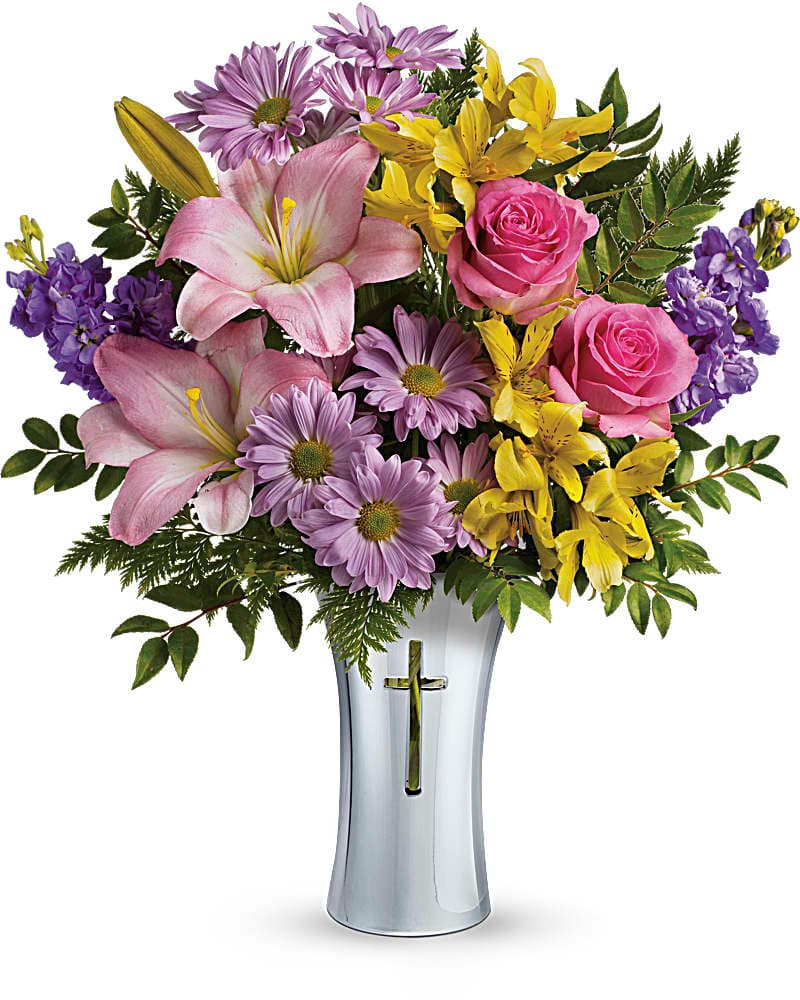
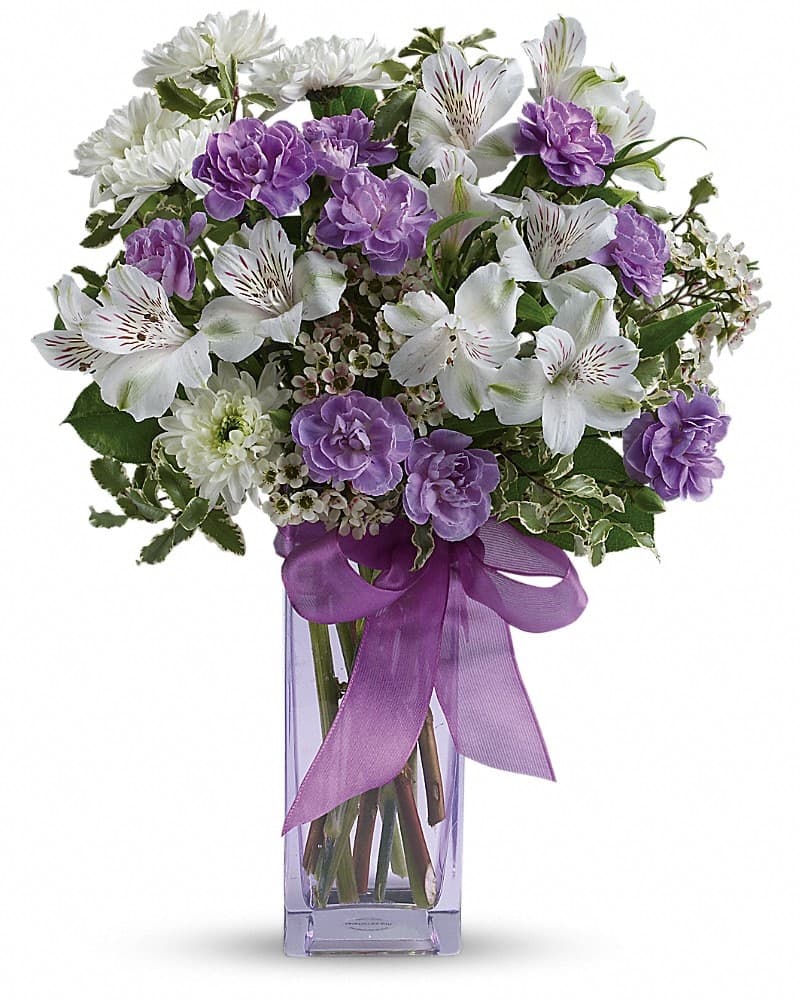
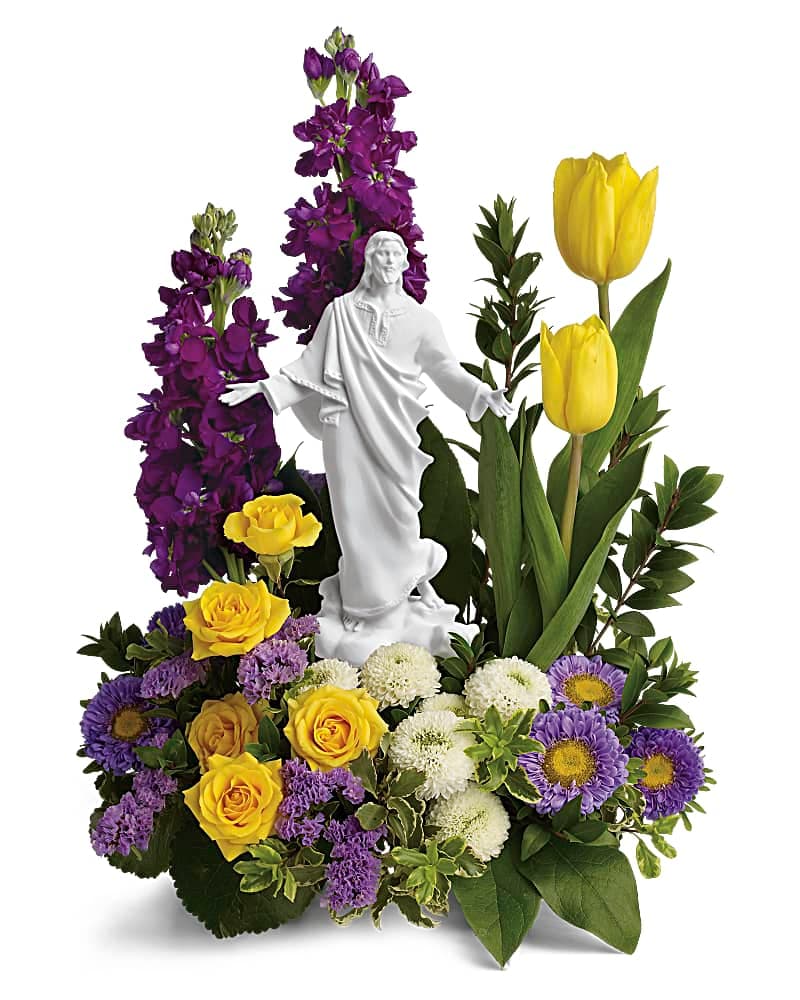
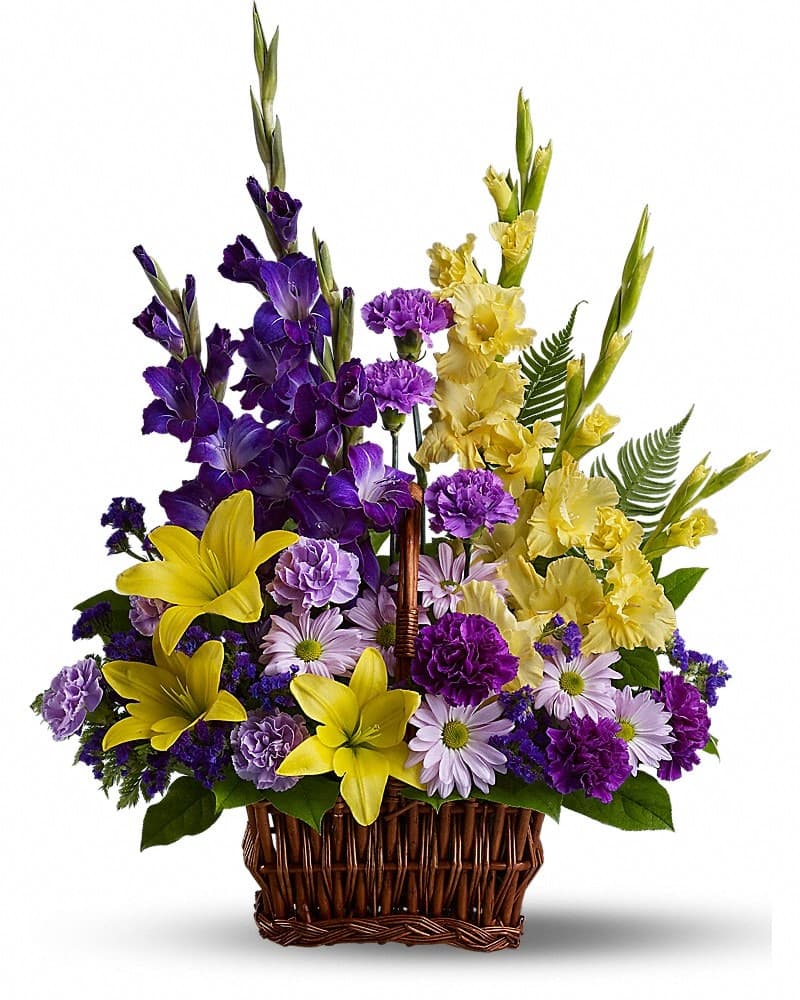
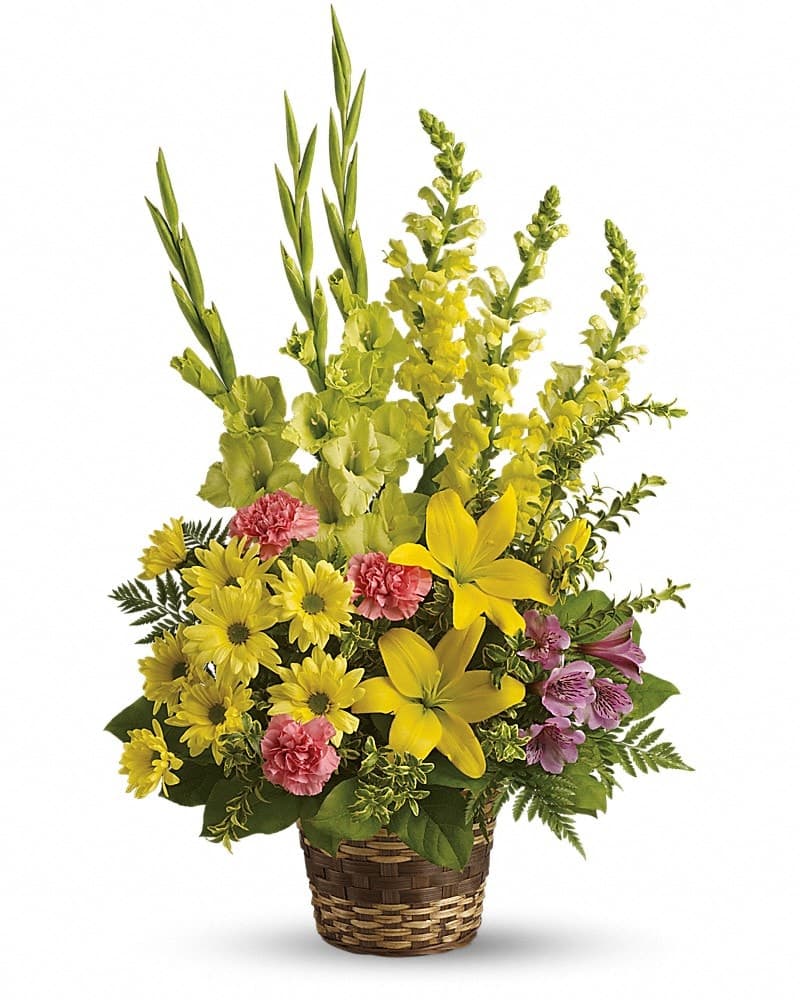
Most Long Island towns send their dead somewhere else. Huntington does not have to. The Huntington Rural Cemetery sits on New York Avenue inside the town line, and the Old Burying Ground on Main Street has been receiving the village since the 1600s — it is the hill where British troops built Fort Golgotha in 1782 out of the timber of the town's dismantled Presbyterian meeting house, setting the fort down among the graves, which is a story Huntington has never stopped telling about itself. Practically, that changes the flower problem. In most of Nassau and western Suffolk the chapel is in one town and the grave is fifteen minutes down a parkway; here the wake, the funeral Mass and the burial can all sit within about two miles of each other, which means one delivery rather than two and a much smaller margin for a driver getting lost. It also means the family may be at the cemetery by late morning, which is a timing fact worth knowing before you order.
The chapels a Huntington family uses are close in and on roads the drivers already run. M.A. Connell Funeral Home is on New York Avenue in Huntington Station — the same avenue as the Rural Cemetery, a straight run south from the village. Nolan & Taylor-Howe Funeral Home is on Laurel Avenue in Northport, which is the short street The Flower Basketnorthport occupies at number 6; that is a statement about geography and nothing more, but it is why a Northport order tends to land without a phone call. For Jewish families the chapel is usually Gutterman's on Jericho Turnpike in Woodbury, about seven miles west, while the two Huntington congregations — Temple Beth El and the Huntington Jewish Center — both sit on Park Avenue in the village, the same road as the hospital. Catholic services generally run through St. Patrick's on Main Street in the village or St. Philip Neri in Northport. Put the chapel name, the street and the surname from the death notice on the order. A funeral home running three services on a Tuesday sorts arrivals by family name, not by address.
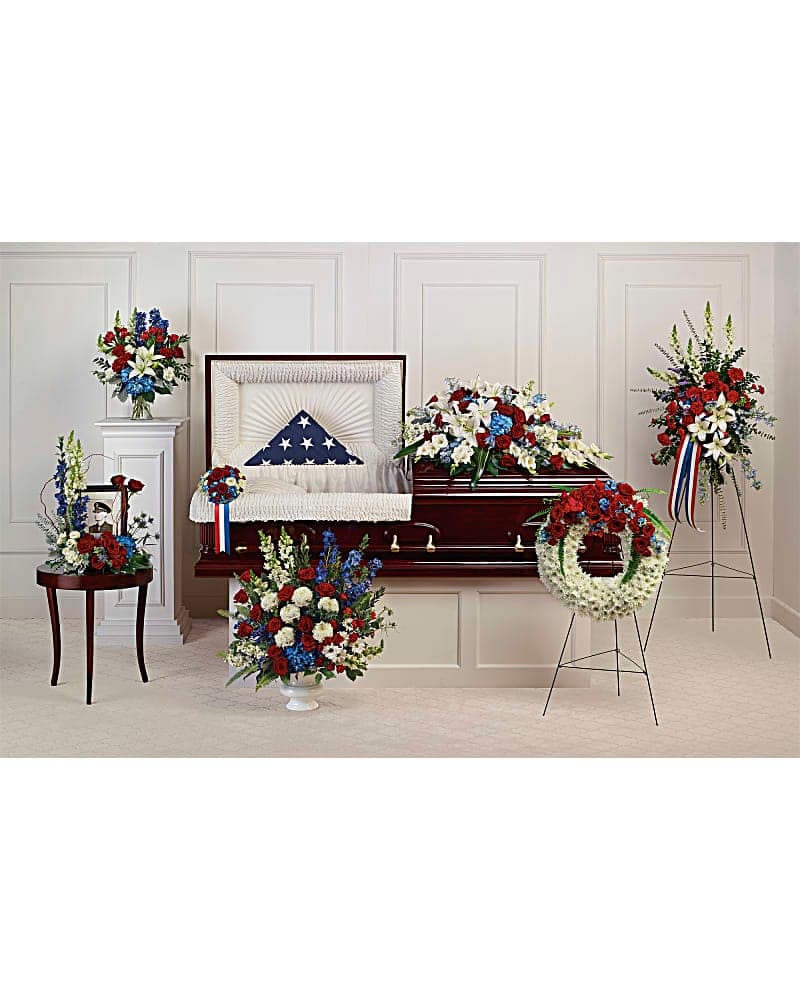
Where Huntington families bury changes what you should send. Local burials go to the Rural Cemetery on New York Avenue or, in Northport, to the Northport Rural Cemetery. Catholic burials frequently head ten miles south down Route 110 into Farmingdale, to St. Charles Resurrection Cemetery and the belt of burial ground around Pinelawn Memorial Park and Arboretum; Margie's Flowers NY at 1977 New Highway in Farmingdale is the closest bench on our grid to that corridor at 9.5 miles. Veterans go to Long Island National Cemetery in the same stretch, and its rules catch families out. Committals on federal ground happen to a published schedule inside a shelter rather than at the open grave, and nothing made of glass, ceramic or metal is allowed to remain at a headstone. The plan that works is flowers to the chapel on the day of the service and something to the house in the week afterward. Pinelawn sets its own conditions for what may be left at a plot and supplies the containers it permits — one call to that office before you order will spare an arrangement from being lifted the same afternoon it arrives.
There is also the population this town does not usually get asked about on a flower page. The Northport VA Medical Center on Middleville Road has been the hospital for north-shore veterans for generations, and a good share of the families ordering sympathy flowers here have spent the last month driving up that hill. When the death happens on that campus, the funeral is frequently at Nolan & Taylor-Howe or M.A. Connell and the burial is at Long Island National Cemetery in Farmingdale, twenty-odd miles south — one town, two counties, two clocks. If that is the sequence you are working with, the useful delivery is to the chapel on the morning of the service and then something to the house a week later, when the folded flag is on a shelf and nobody is calling anymore.