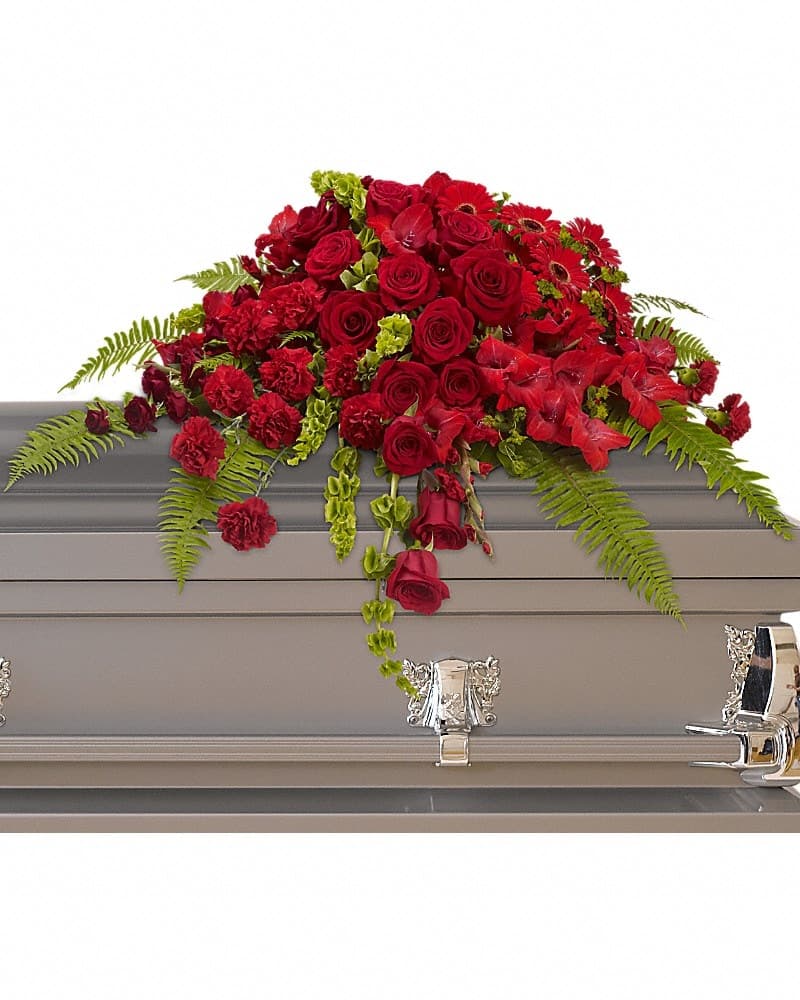
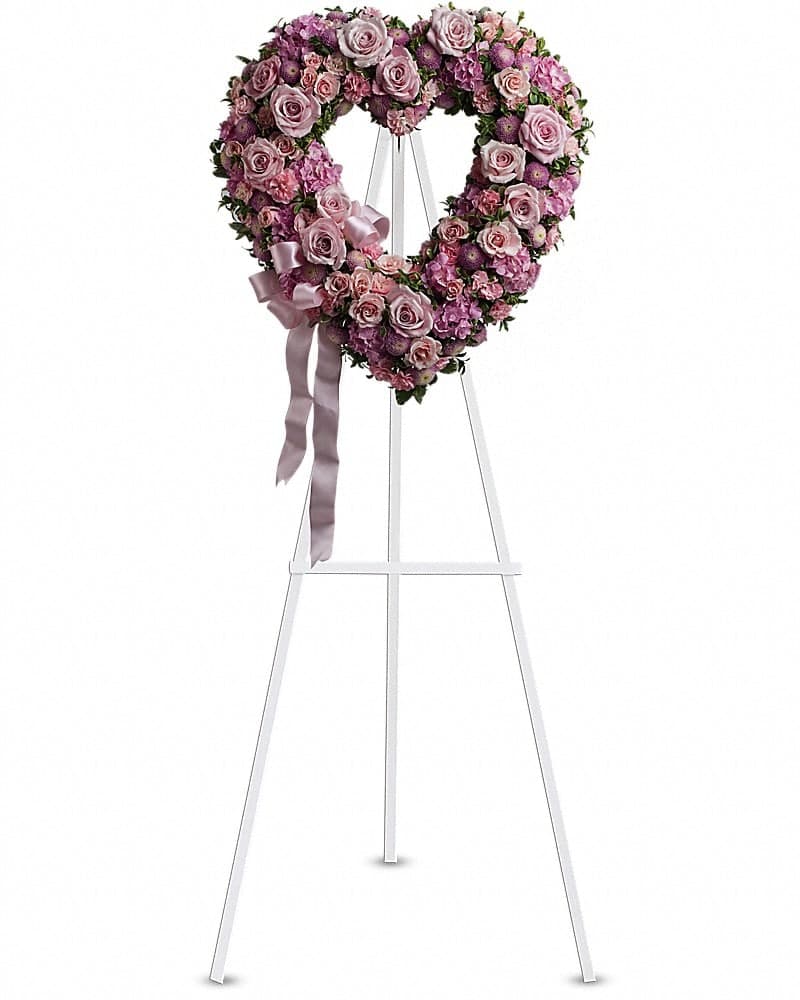
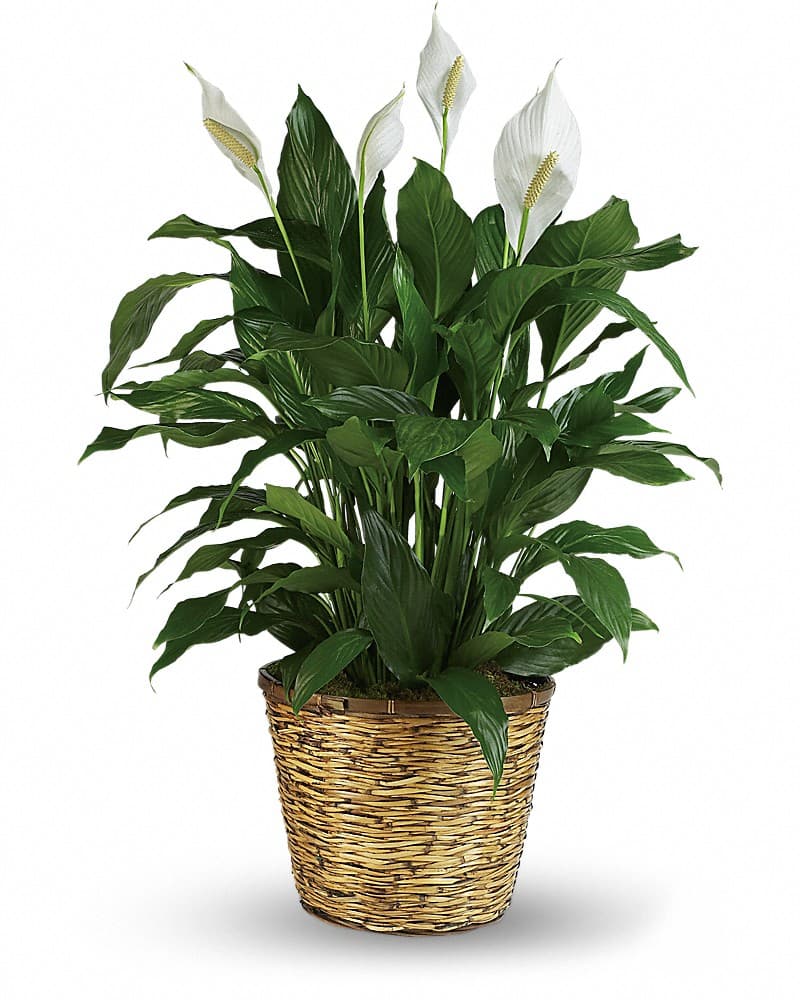
The first thing to establish is not what to send but when the room will be open. Miami-Dade funerals move fast, and Hialeah funerals move fastest of all: in a great many cases the viewing is a single evening, or a single day split into an afternoon and an evening block, with the funeral Mass and the burial the following morning. Flowers that arrive after the last viewing block have missed the people they were meant to comfort. So before you order, get three facts from whoever is handling arrangements - the name of the funeraria, the viewing date and hours, and the name of the deceased exactly as the chapel has it listed. Chapels run several services at once and sort deliveries by the name on the card, not by the family name of the sender. If the viewing has already passed, the better delivery is to the house, where relatives will be receiving visitors for days afterward, and where an arrangement in the living room is more useful than one that went to a chapel nobody is standing in any more.
The geography of a Hialeah funeral usually spans two municipalities. Chapels are spread through Hialeah, Miami Lakes, Doral, Hialeah Gardens and the Northwest Miami corridors along West Flagler Street and Southwest 8th Street, and the Caballero Rivero network is the name most often on the paperwork - it is the dominant Cuban-American funeral organization in Miami-Dade and its chapels sit on both sides of the county, including at Woodlawn Park on Southwest 8th Street in Little Havana. Burials most often land at one of four places within easy reach of Hialeah: Vista Memorial Gardens on Northwest 57th Avenue in Miami Lakes, a few minutes north of the city and the closest cemetery to most Hialeah addresses; Our Lady of Mercy Catholic Cemetery on Northwest 25th Street, the Archdiocese of Miami's principal Catholic cemetery, about eight miles southwest; Flagler Memorial Park on West Flagler Street to the south; and Woodlawn Park on Southwest 8th Street, where a long list of Cuban and Latin American public figures are interred and where a Hialeah family with roots in the earliest exile generation may well have a family plot. Veterans are frequently buried at Miami National Cemetery in the southwest county, and that changes the flower question - national cemeteries set their own rules for what may be placed at a grave and for how long, and they clear arrangements on a published schedule, so ask the cemetery office before sending anything to the grave rather than to the service.
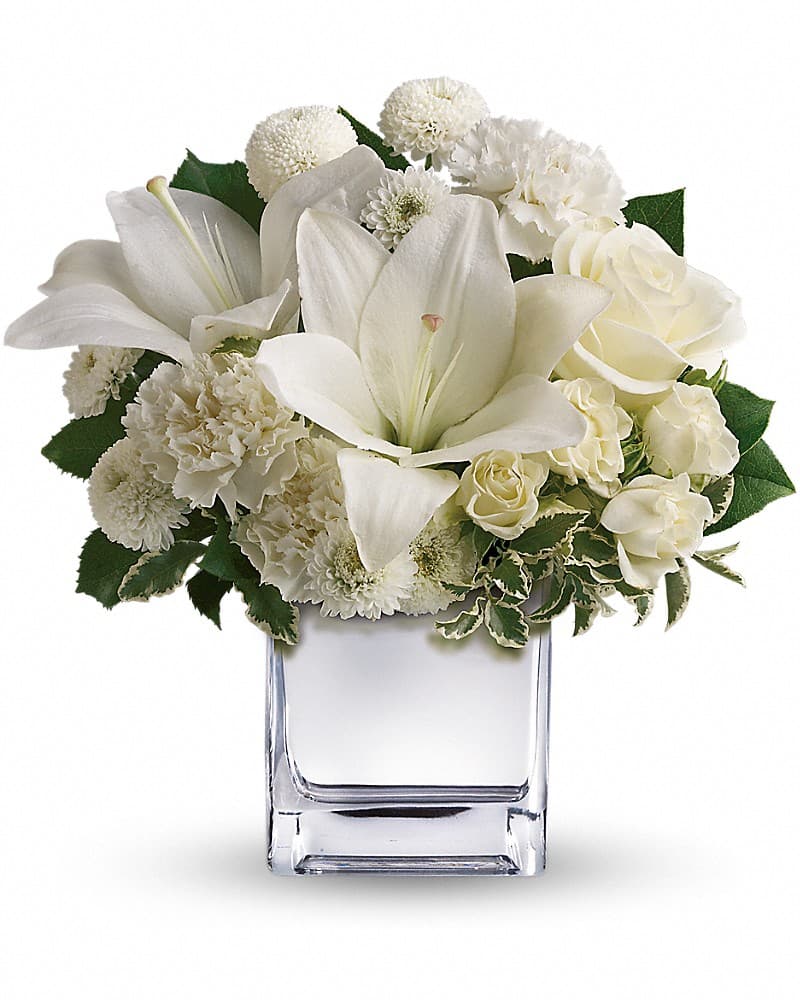
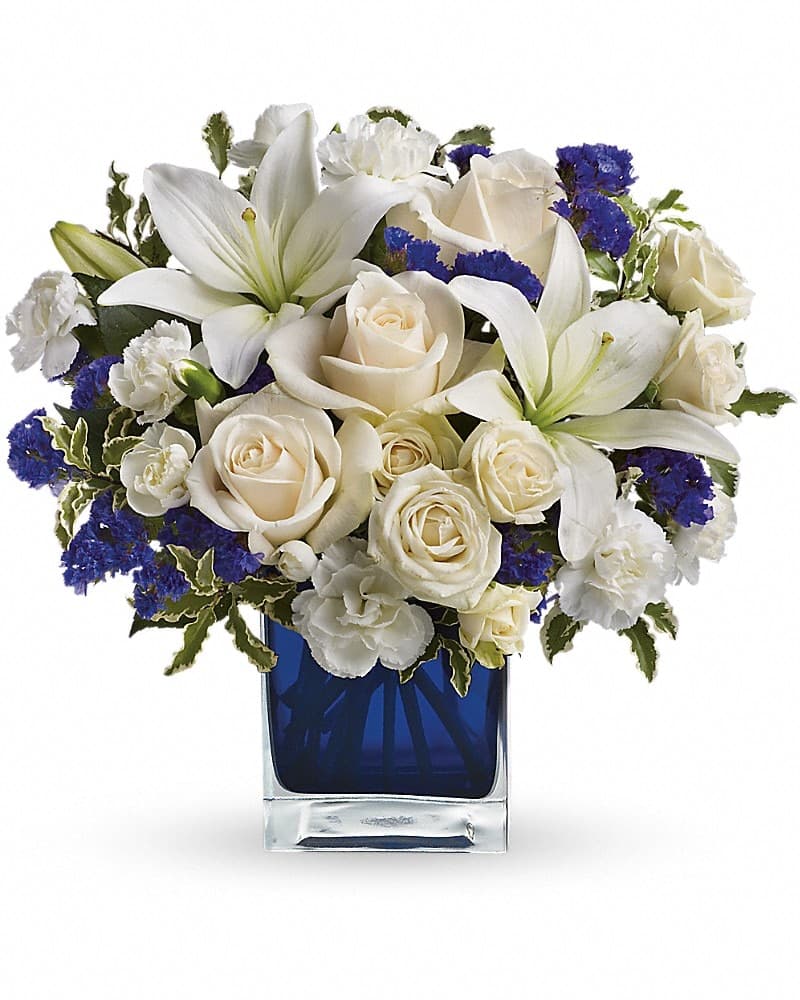
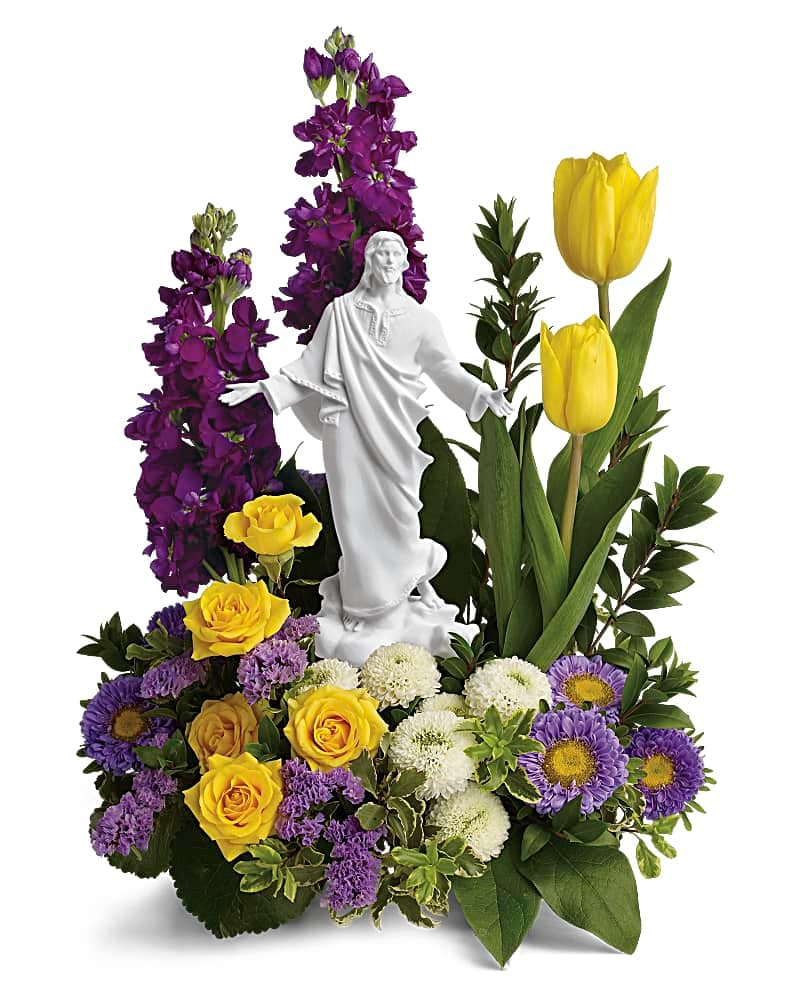
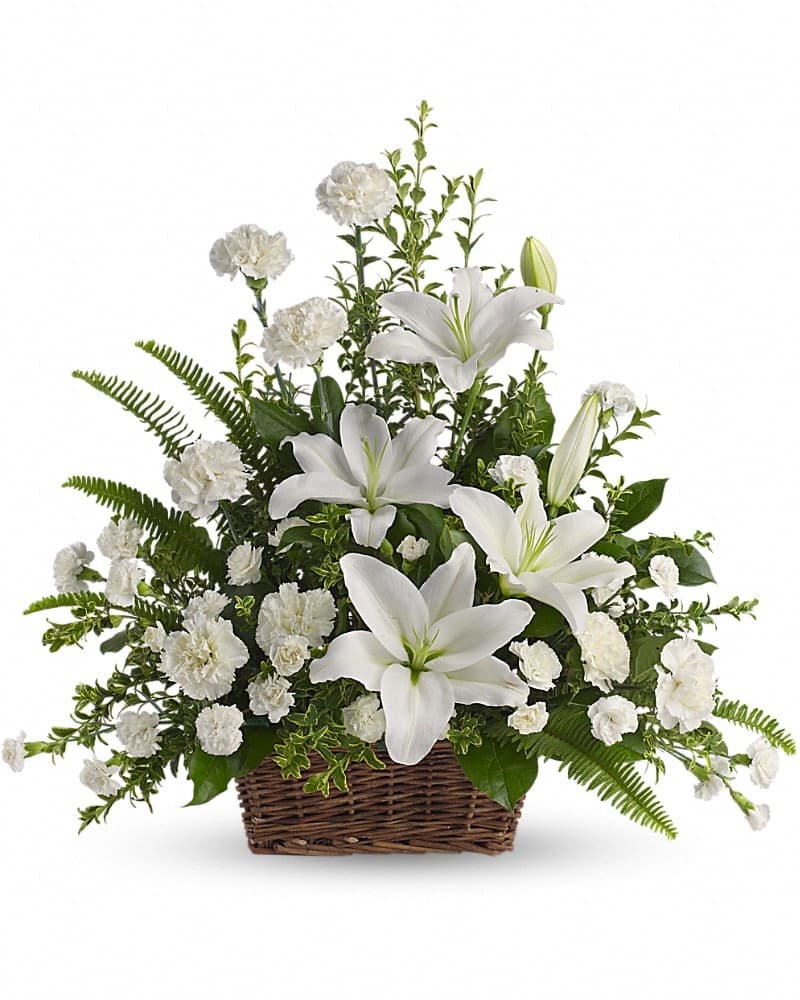
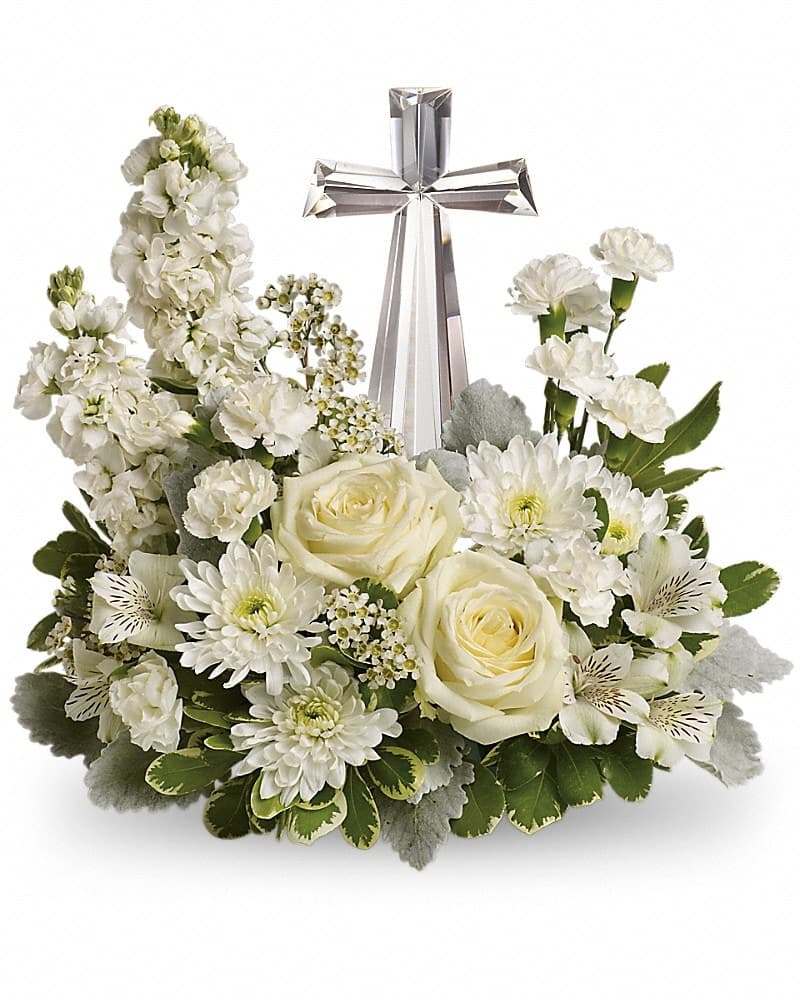
The parish matters too. Hialeah is heavily Catholic, and the funeral Mass is often at the family's own parish rather than at the chapel - Immaculate Conception on West 42nd Place and St. John the Apostle on East 4th Avenue are two of the largest and busiest, with Masses in Spanish through the week. Practically, that means a service can have three addresses: the funeraria for the viewing, the church for the Mass, and the cemetery for the burial, each with its own window. Send to one of them, not to all three; the family will move the arrangements themselves or the funeral director will. Devotional detail is welcome where the family is observant - white and cream palettes, and imagery tied to Our Lady of Charity, patroness of Cuba, whose shrine stands on the bay in Coconut Grove and whose feast on September 8 is a fixed point in the Cuban Catholic year. But Hialeah is not uniform: evangelical and Pentecostal congregations are common across the same blocks, and plenty of families are not religious at all. If you do not know, white flowers and a plain ribbon are safe everywhere.