Hialeah is one of the few cities its size where the get-well question splits cleanly in two, because the city has its own hospitals and also sits within a short drive of one of the largest medical complexes in the Southeast. Inside the city limits, Hialeah Hospital is on East 25th Street in 33013, on the east side of the grid near the old Hialeah Park end of town, and Palmetto General is on West 68th Street in 33016 at the northwest corner, close to the Palmetto Expressway that gives it its name. There is a long-standing hospital campus on West 49th Street as well, at the Palm Springs end of the retail mile, known for decades to residents as Palm Springs General. Outside the city, roughly five miles south down Northwest 12th Avenue, is the civic-center medical district: Jackson Memorial Hospital at 1611 NW 12th Ave with the Ryder Trauma Center and Holtz Children's inside the same complex, UHealth Tower next door, the Sylvester Comprehensive Cancer Center on Northwest 12th Avenue, Bascom Palmer Eye Institute on Northwest 17th Street and the Miami VA Medical Center on Northwest 16th Street. A serious admission from Hialeah - a trauma, a transplant, a cancer course - almost always ends up there rather than at a neighborhood hospital, which is why the first question on a get-well order here is never the ZIP. It is which campus, which tower, which unit, which room.
That matters more at Jackson than almost anywhere else in Florida. The civic-center complex is a multi-building campus with separate towers, separate lobbies and separate entrances, and a bare street address will put a driver in a parking garage and no closer. What a delivery actually needs is five things: hospital name, building or tower, unit or floor, room number, and the patient's name as it is registered at admission - which for many Hialeah families means the full legal name with both surnames, not the name everyone calls them at home. Add a mobile number for a relative who is at the bedside. In this city the odds of someone being in the room are unusually high; multigenerational households and large extended families mean patients here are rarely alone during visiting hours, and that family member is the most reliable backstop a driver has.
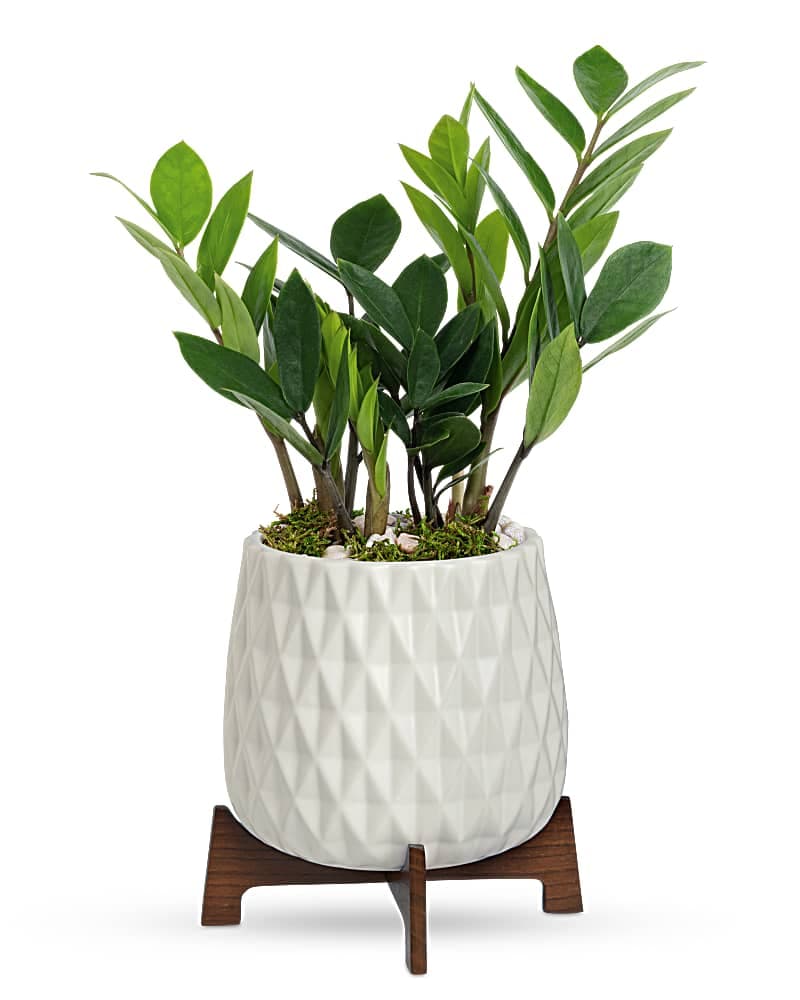
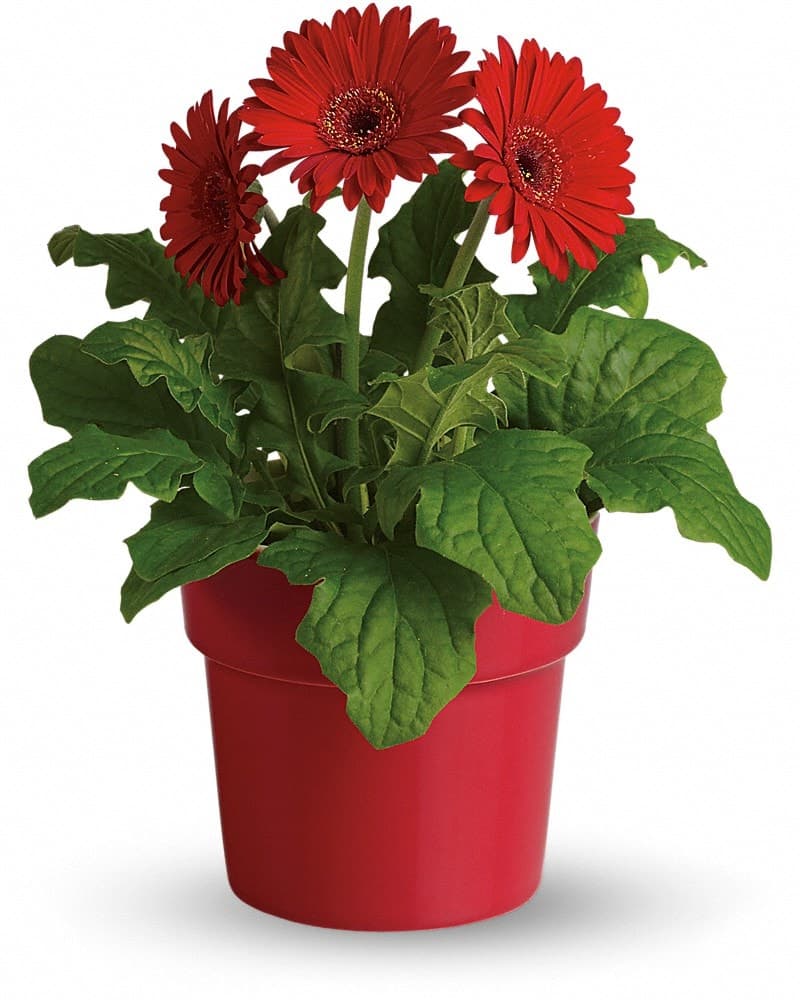
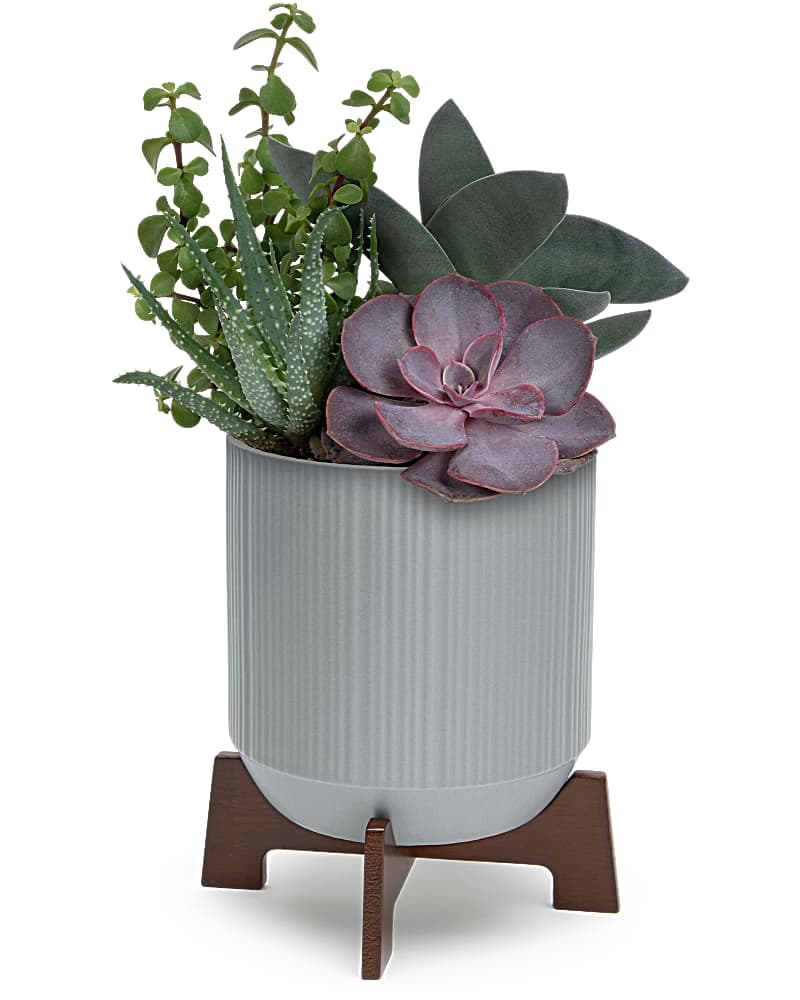
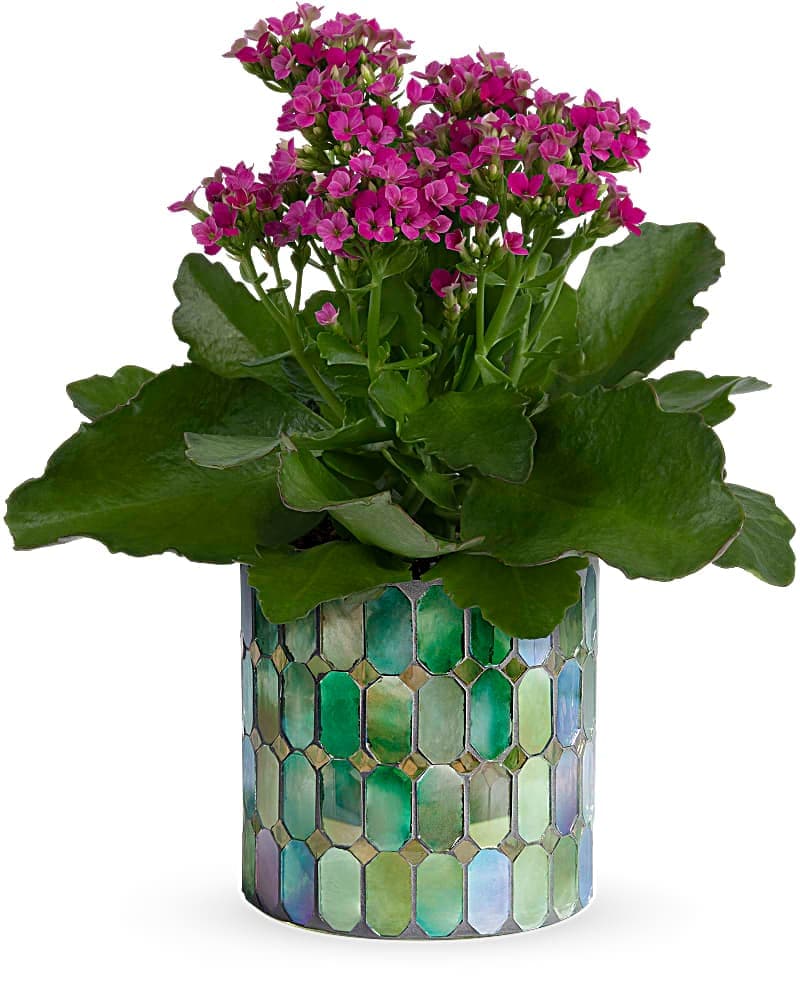
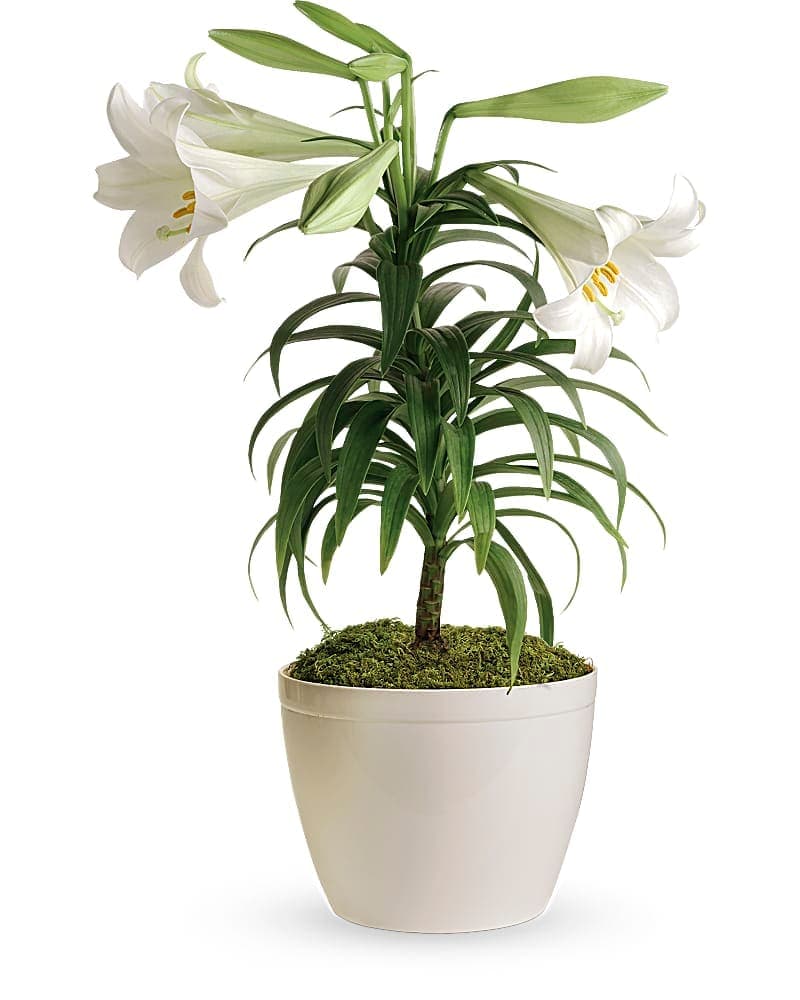
The build rules are not negotiable, and the good shops in this ring already design to them. No lilies of any kind - oriental, stargazer, Asiatic or calla - because the pollen stains bedding and gowns, the scent fills a shared room that a patient cannot leave, and lilies are toxic to cats if the arrangement later goes home to one. Nothing heavily perfumed, which rules out stock, freesia and hyacinth on post-surgical and oncology floors where nausea is part of the day. Low pollen throughout. And compact: a hospital tray table is measured in inches and shares space with a water jug, a phone and a meal tray, so a low, wide arrangement in a stable vessel stays where it was put while a tall one gets moved to the floor. Roses, spray roses, carnations, alstroemeria, lisianthus, hypericum berry and hydrangea all behave well in a hospital room. Beyond that, the unit decides: oncology, transplant and bone-marrow programs - including the cancer service at Sylvester - commonly bar fresh flowers and potted plants outright over mold and spore risk, and most intensive care and neonatal units do the same. Latex balloons are banned at essentially every hospital in Miami-Dade for allergy reasons; mylar is usually accepted. Call the unit, ask, and if the answer is no, send to the family's home instead.