Most sympathy pages are about a long drive. This one begins with a short one. Madonna Cemetery lies inside Fort Lee's own boundary, on the inland side of the ridge away from the river, and it is Archdiocese of Newark ground — which is the archdiocese Fort Lee belongs to, along with the rest of Bergen County. For a family burying a parent in the town that parent lived in, the flowers travel a few minutes and the day has one fewer thing that can go wrong. That is genuinely rare. The complications here are different ones. Fairview Cemetery sits on the Palisades immediately south of the borough, close enough that the two grounds are sometimes confused on an order; Cedar Park and Beth El in Paramus serve a wide Jewish radius around this part of the county; George Washington Memorial Park, also in Paramus, takes much of the non-sectarian burial from Bergen; Holy Cross Cemetery in North Arlington is the Archdiocese of Newark's large ground south of the Meadowlands. And a real share of Fort Lee families bury across the Hudson, where earlier generations already are, in the Bronx and Queens grounds their grandparents chose. Name the cemetery in the order rather than the town. Three of those are twenty minutes from 07024 and three of them are not, and a graveside piece has to be standing before the procession turns in, with no second attempt available.
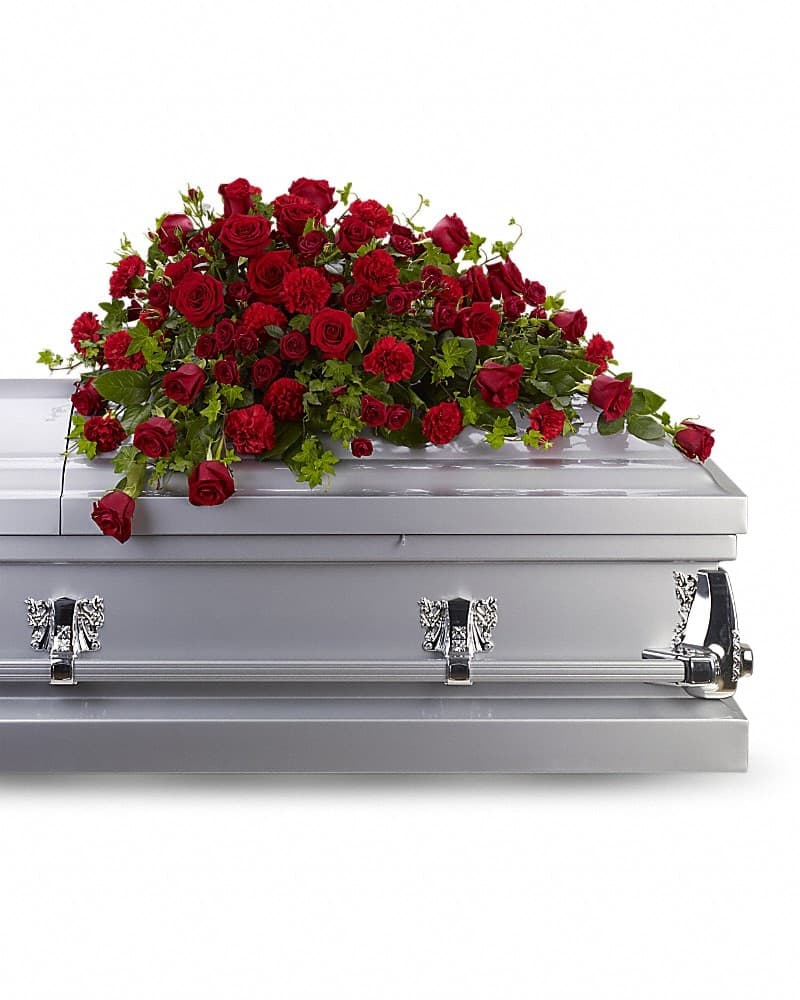
Funeral homes are the one category this page will not list. Fort Lee and the boroughs pressed against it — Cliffside Park, Edgewater, Palisades Park, Fairview, Leonia, Englewood, Ridgefield — carry a long roll of family-run homes, several of them second and third generation, and they change ownership and names on a schedule no landing page tracks. Printing a guess would be worse than printing nothing, because the person reading it is holding a death certificate and does not have the afternoon free to discover that the address was wrong. So do it the direct way: type the home's name, its street, the town and the hour the doors open into the delivery notes, and the shop telephones the director to ask where that particular room wants a piece set and whether it should arrive before or between sessions. Directors expect that call. It is the ordinary mechanics of the trade, not an imposition, and it is the difference between an arrangement at the head of the casket and an arrangement wedged behind a folding chair.
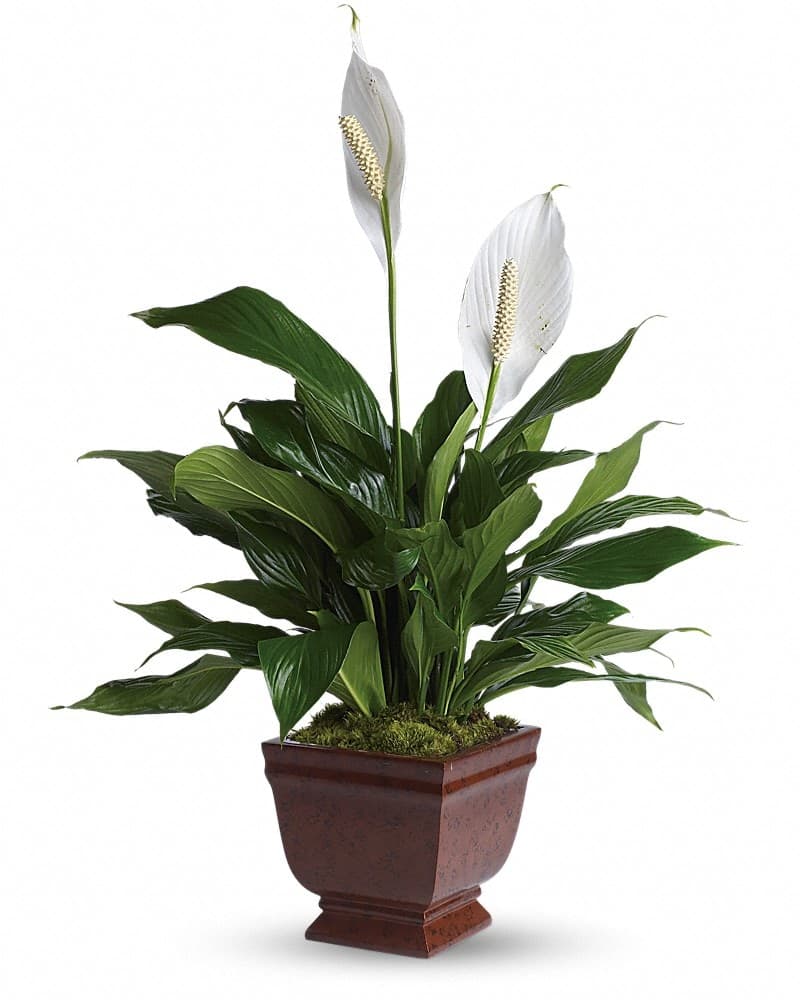
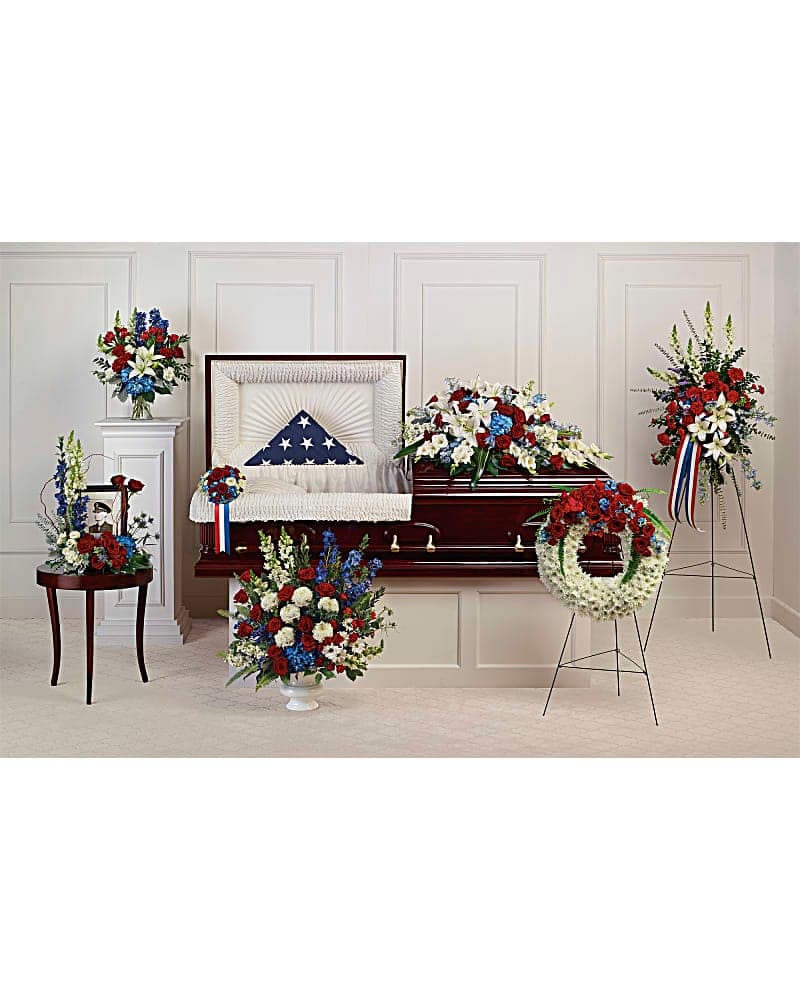
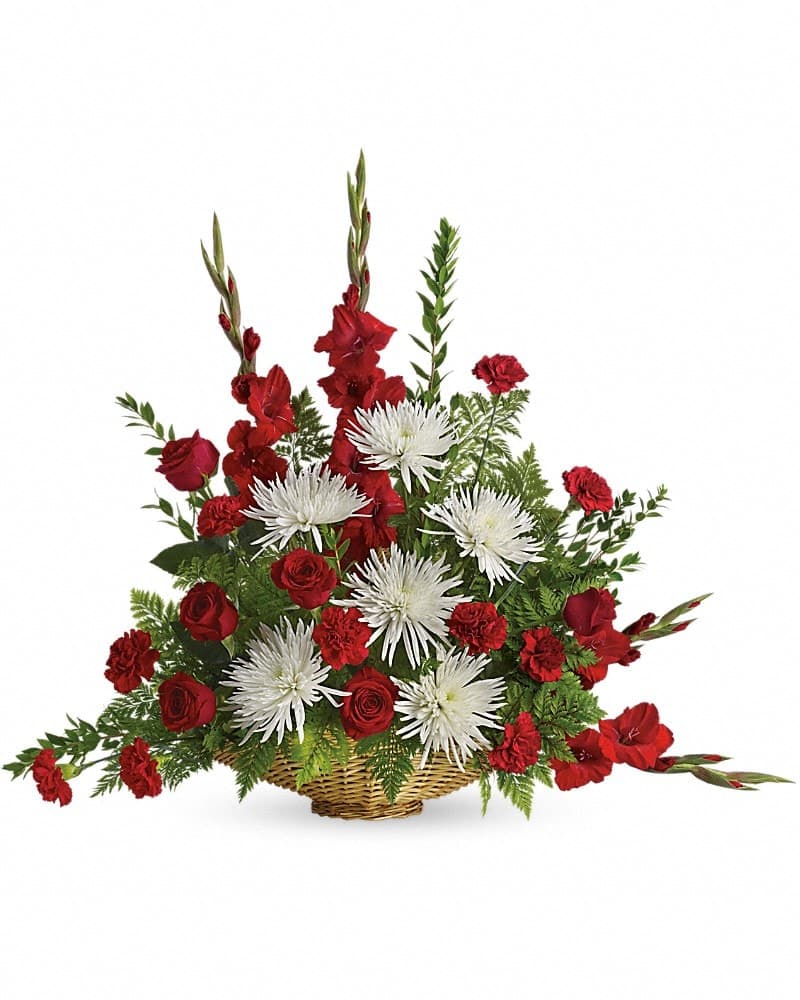
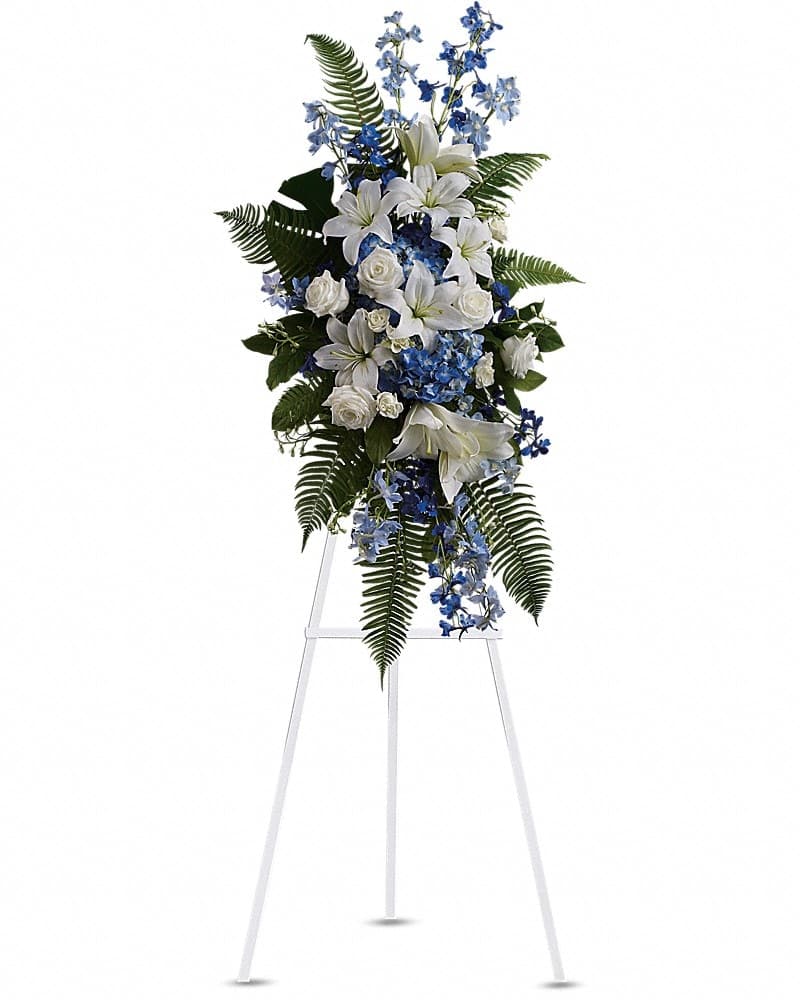
Fort Lee's service traditions do not resolve into one convention, and the page would be lying if it pretended they did. This is one of the most Korean towns in the United States by share of population, and a Korean funeral here often calls for a standing wreath — the tall white chrysanthemum piece on a stand, with a vertical ribbon carrying the sender's name. That ribbon is the part to get right. Write the exact wording you want on it, in the exact form the name should appear, and say whether it comes from a person, a family or a company, because the ribbon is what mourners read and a shop cannot guess at a title or a transliteration. It is set on its stand at the mortuary room rather than carried in by hand, so the delivery window is the room's opening hour, not the service hour. The borough's Jewish families work to a much tighter clock: burial follows quickly, often before out-of-town relatives can reach New Jersey at all, which means the flowers a distant sender wanted at the funeral are better sent to the house during the week of mourning. That house is usually an apartment. Nothing floor-standing belongs in a tower living room with thirty people in it; a compact arrangement or a living plant does the work, it goes through the lobby desk like everything else, and nothing is scheduled to arrive between Friday sundown and Saturday night.