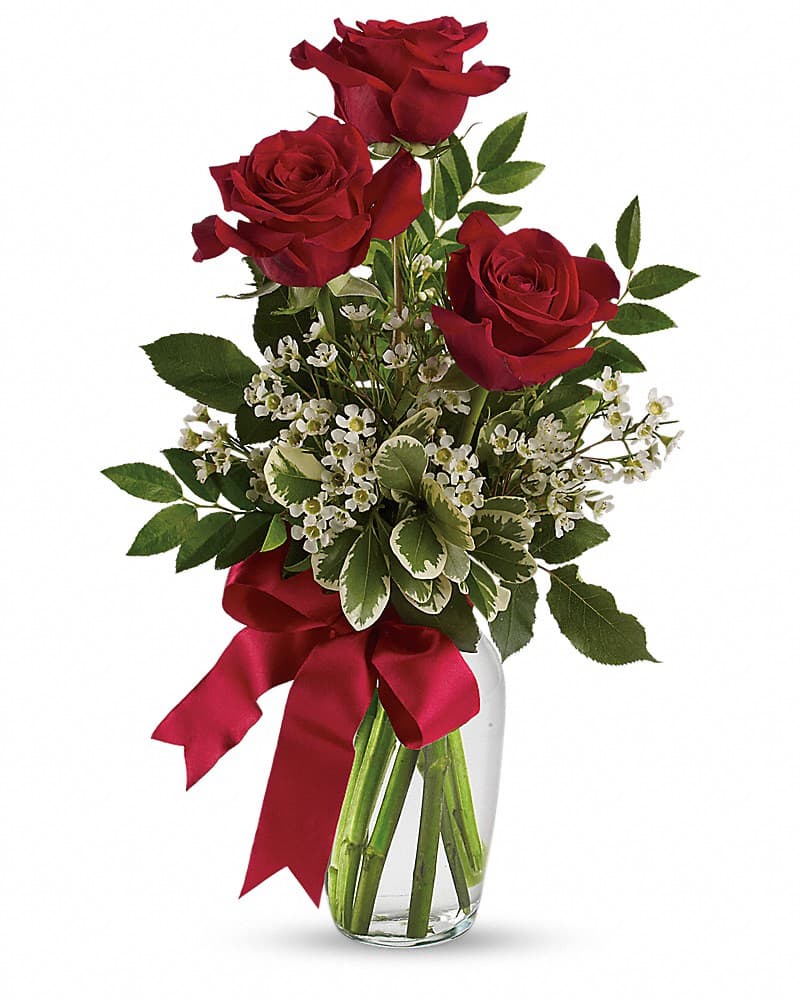
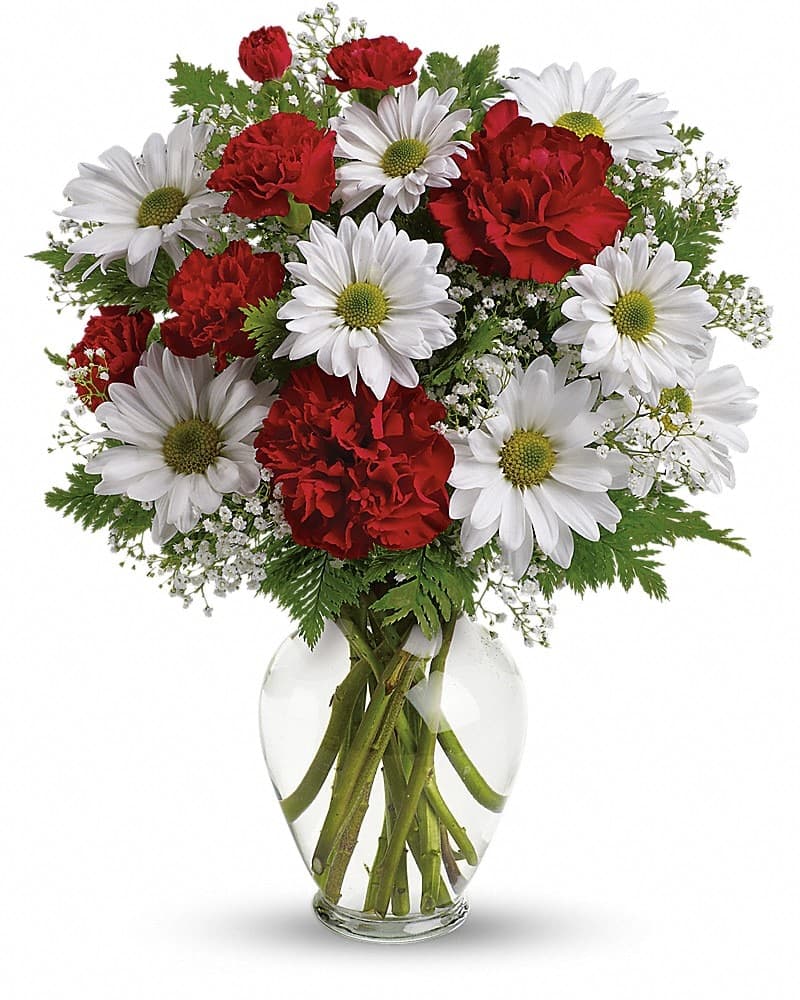
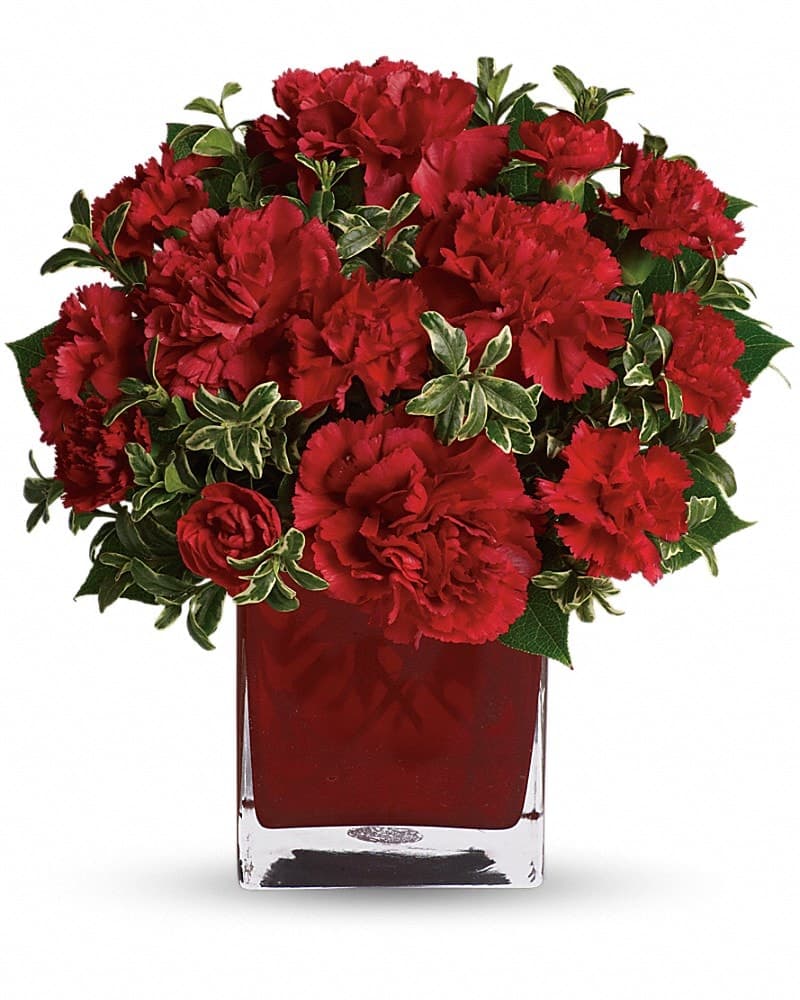
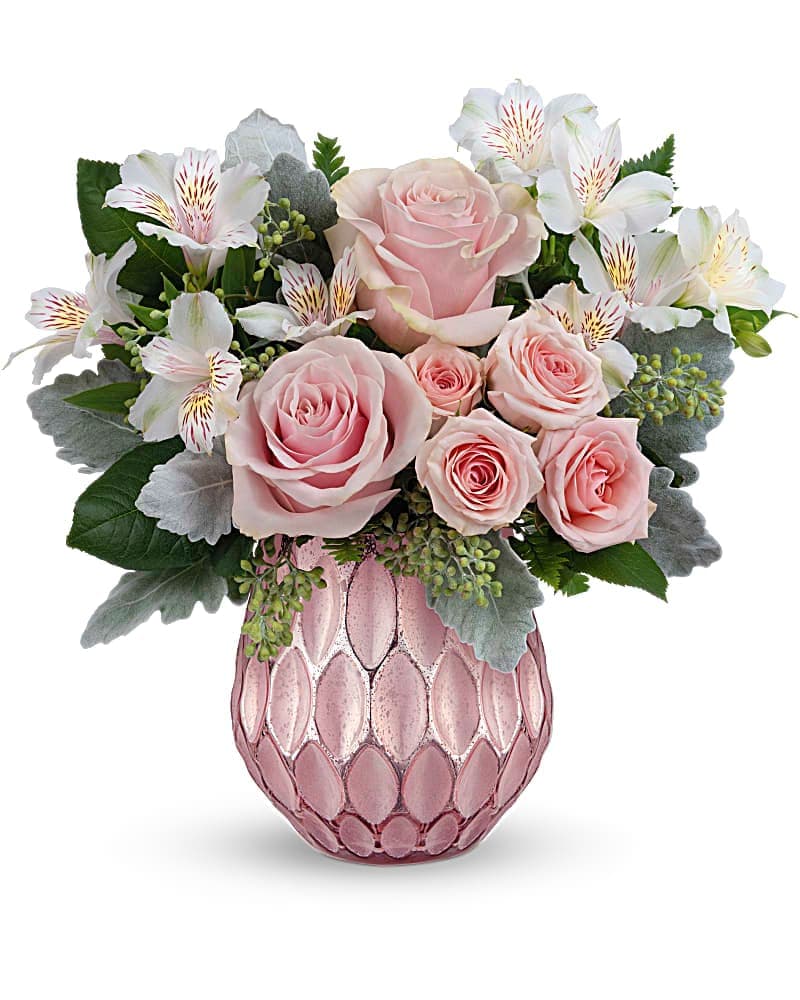
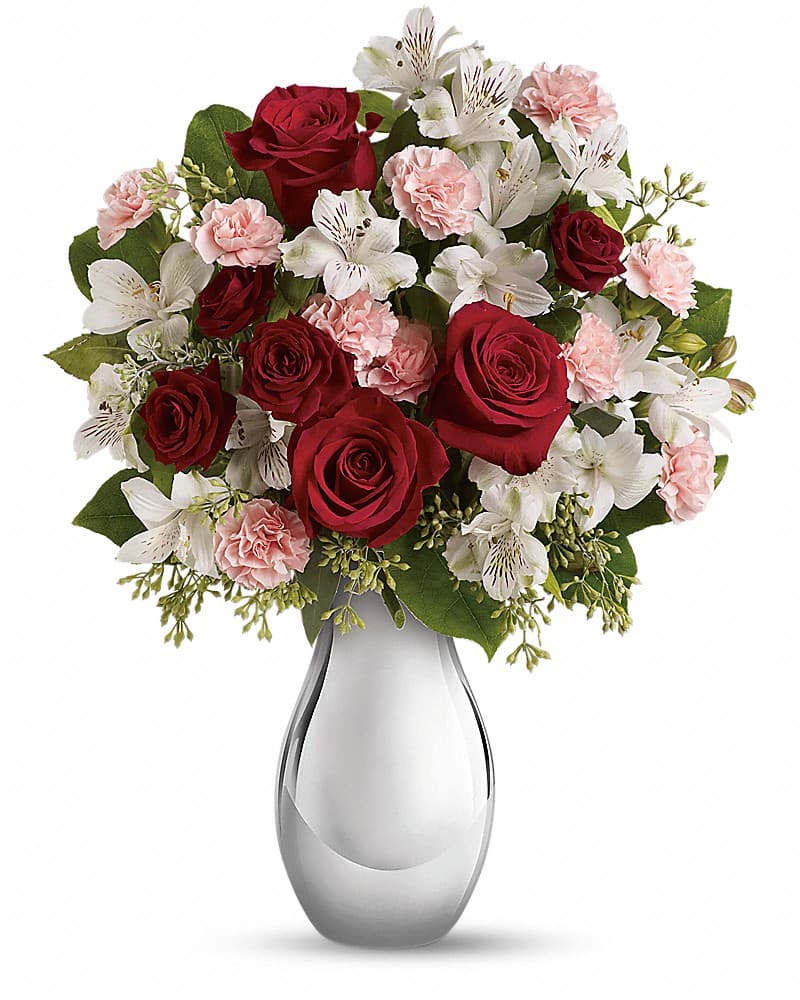
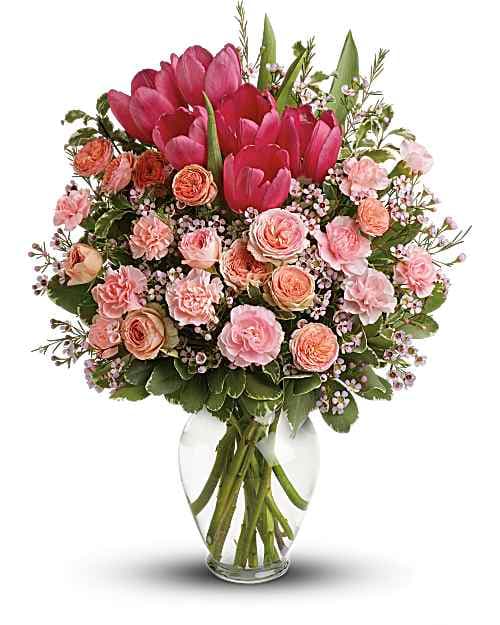
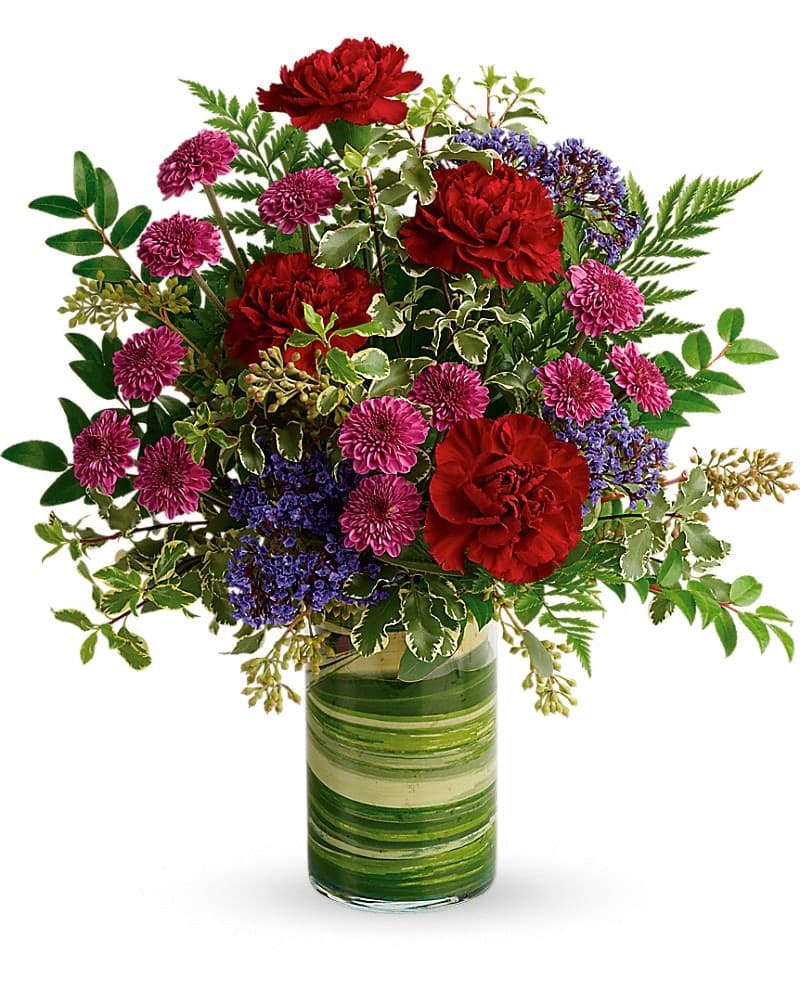
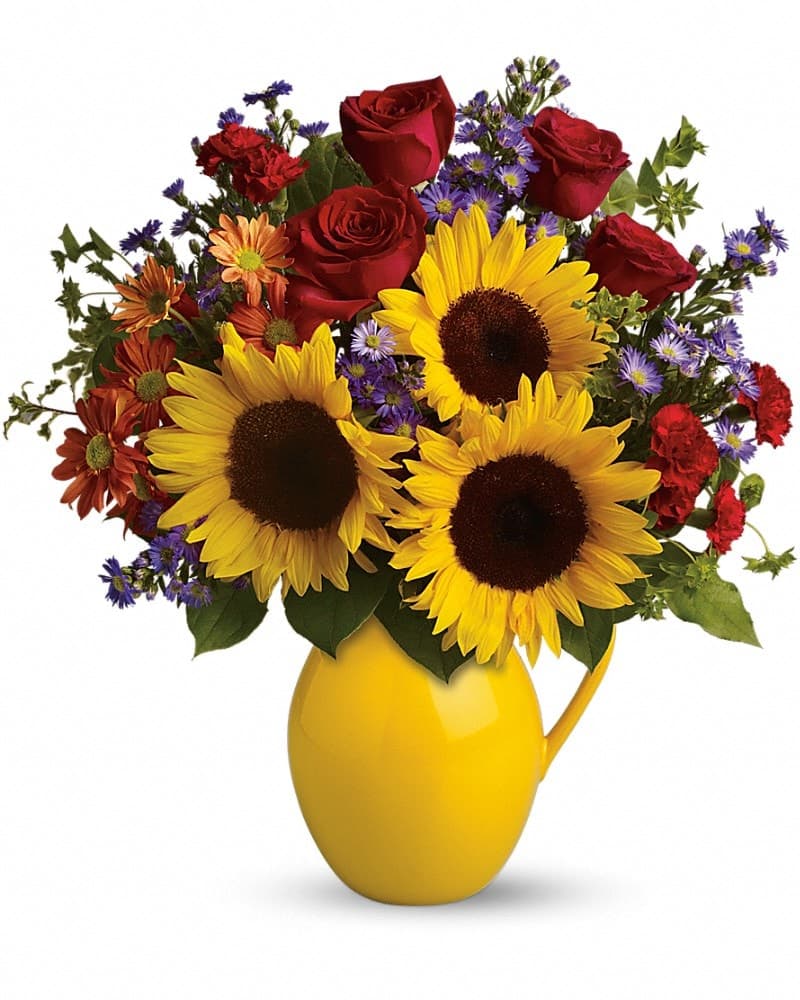
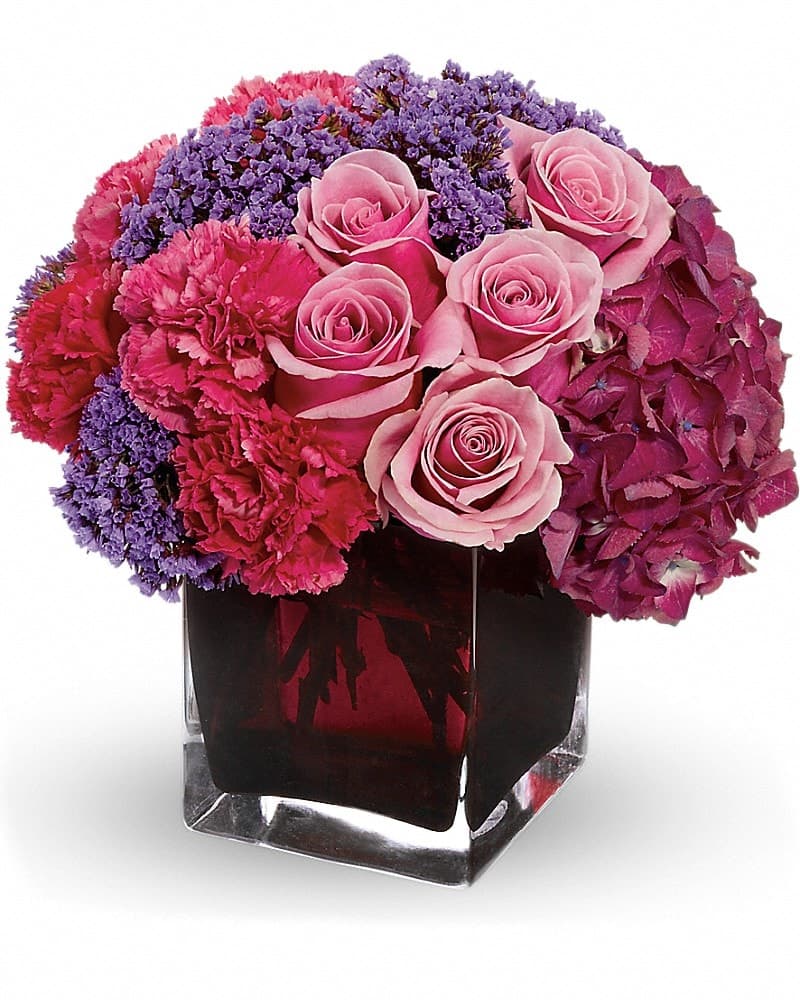
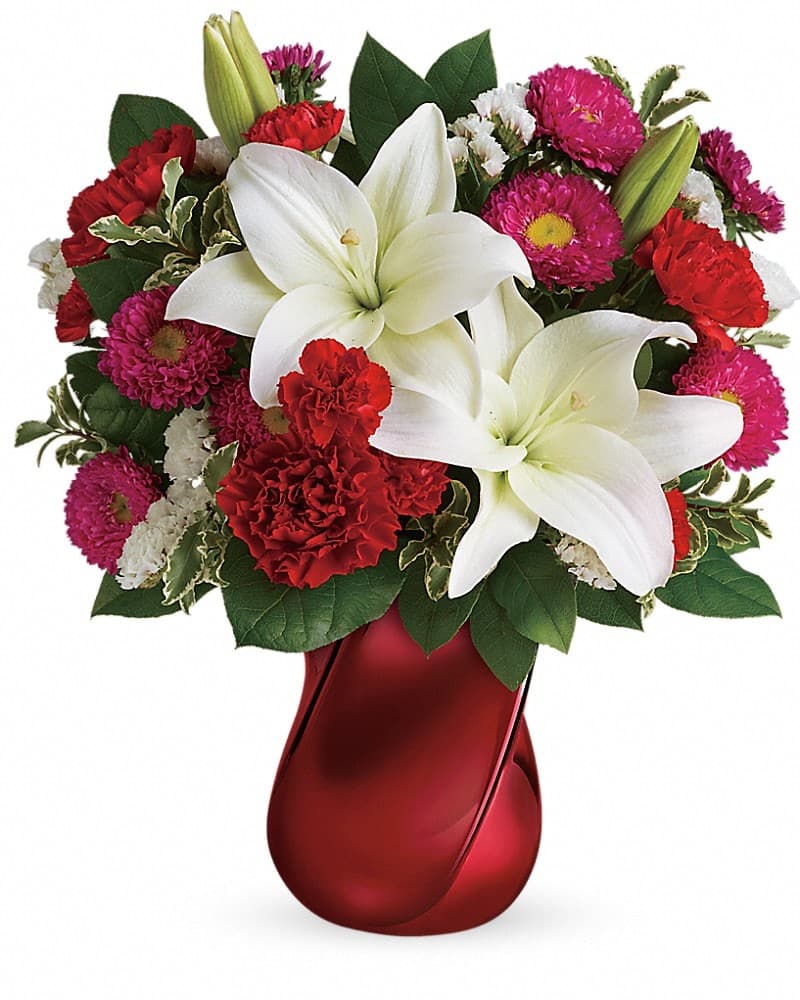
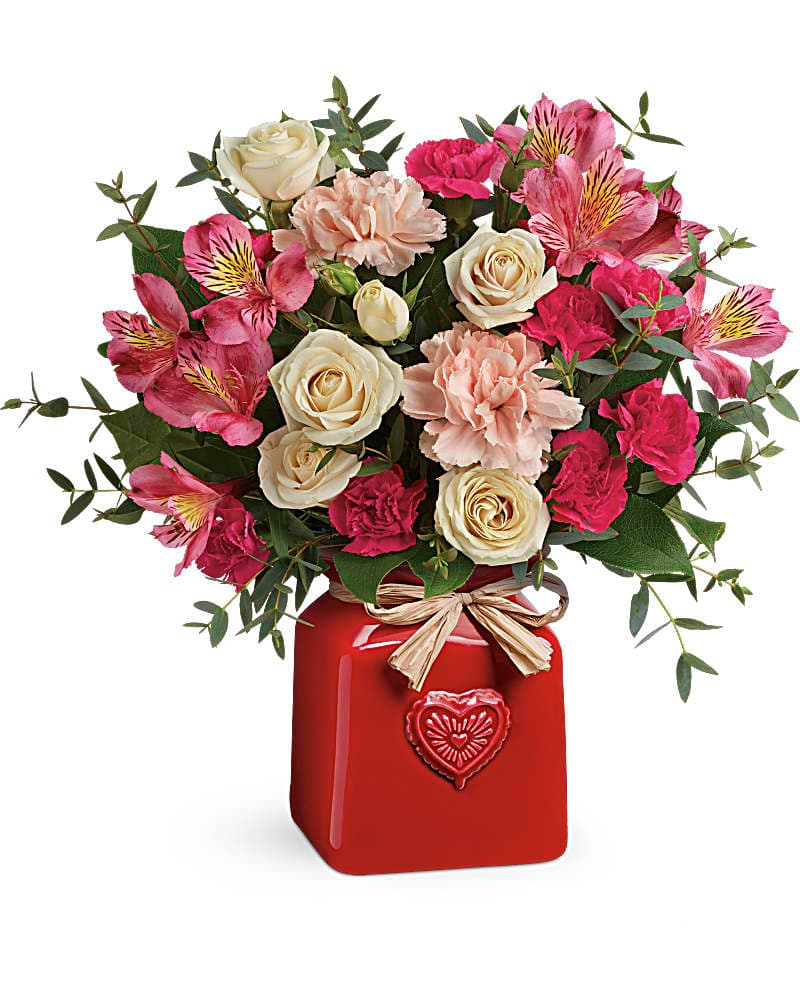
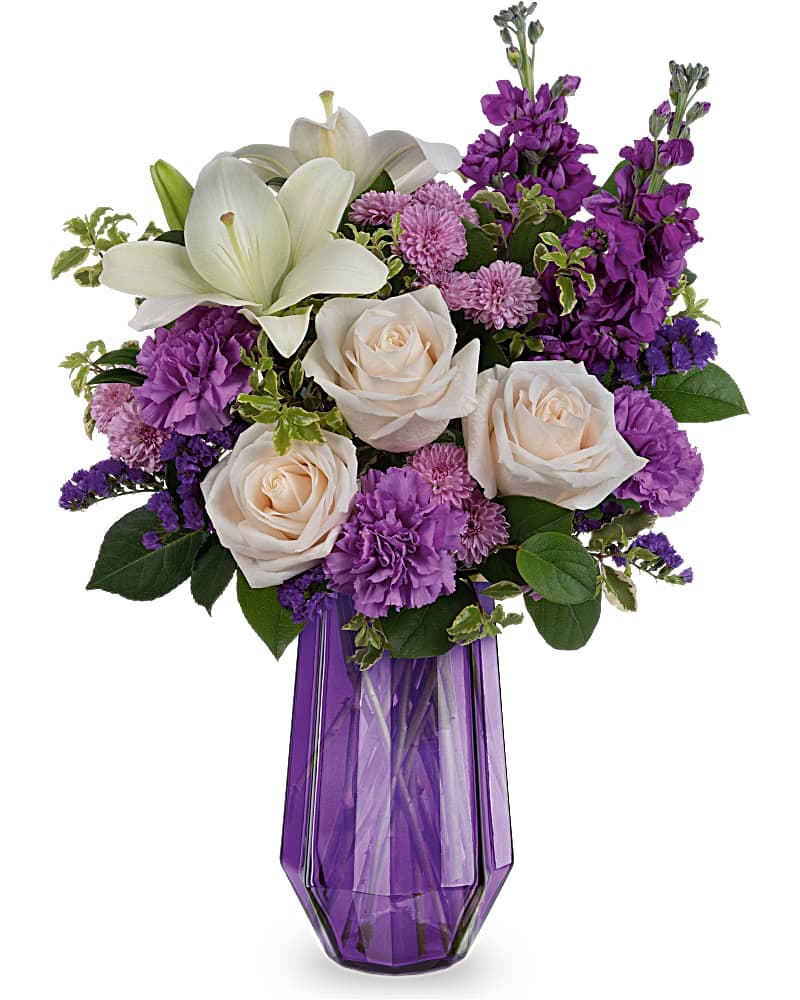
Everyone who has lived here knows where the proposals happen. Fort Lee Historic Park, up on Hudson Terrace, where the ground drops away and the bridge fills half the sky. The overlooks along the top of the Palisades north of the borough. The shore path down at river level below the cliff, reached by the road that switchbacks under the bridge. These are the best-looking places within twenty miles of Manhattan and not one of them can take a delivery. There is no doorbell on a scenic overlook, nobody to sign, no way for a driver to find one person in a parking lot at dusk, and the park gates close early in winter. So the logistics have to be inverted: collect the bouquet yourself in the morning, or have it delivered to the apartment and carry it up. A shop on this grid will hold an order for pickup at a stated hour, which is the cleanest version — the flowers spend an hour in a cool shop instead of four hours in a car, and you arrive at the railing with something that has not wilted on a dashboard.
Below the cliff-top theatre, romance in Fort Lee is mostly indoor and mostly vertical. The towers along Palisade Avenue, Center Avenue, Horizon Road and Park Avenue put a staffed desk between you and the recipient, and that desk is a tool if you use it and a liability if you ignore it. Tell the order to have the attendant hold the arrangement rather than phone upstairs; give the hour you want it to appear; put a name on the card. That last one matters more than romance-novel logic suggests — an unsigned bouquet at a lobby desk is a problem for the attendant rather than a mystery for the recipient, and several buildings will simply refuse to take up a parcel with no named sender or no named resident. Across the rest of the borough, west of Lemoine Avenue and up through Coytesville, the housing is detached and two-family, and there the failure mode is different: two bells beside one door, often unlabelled, with two households behind them. One line in the notes — upstairs or downstairs, left bell or right — is the difference between a delivery and a doorstep.
That last point deserves its own paragraph, because it is a Fort Lee pattern rather than a general one. An enormous share of this borough works across the water, which means the romantic gesture frequently travels east rather than landing here at all: a bouquet to a desk in Midtown, to an apartment in Washington Heights, to a shift ending in the Bronx. When that is the direction, use a bench already on that side. A Ridgefield shop sending to Manhattan pays the crossing twice over in time, and the Port Authority's toll runs eastbound, so a New Jersey driver heading into New York pays to go and a New York driver heading into Fort Lee does not. None of that changes what you are charged, but it changes which shop can promise an hour and keep it. The same logic in reverse is why Fort Lee itself is one of the easier deliveries in the metropolitan area: the shops nearest the borough face no barrier at all, just Bergen Boulevard running north.