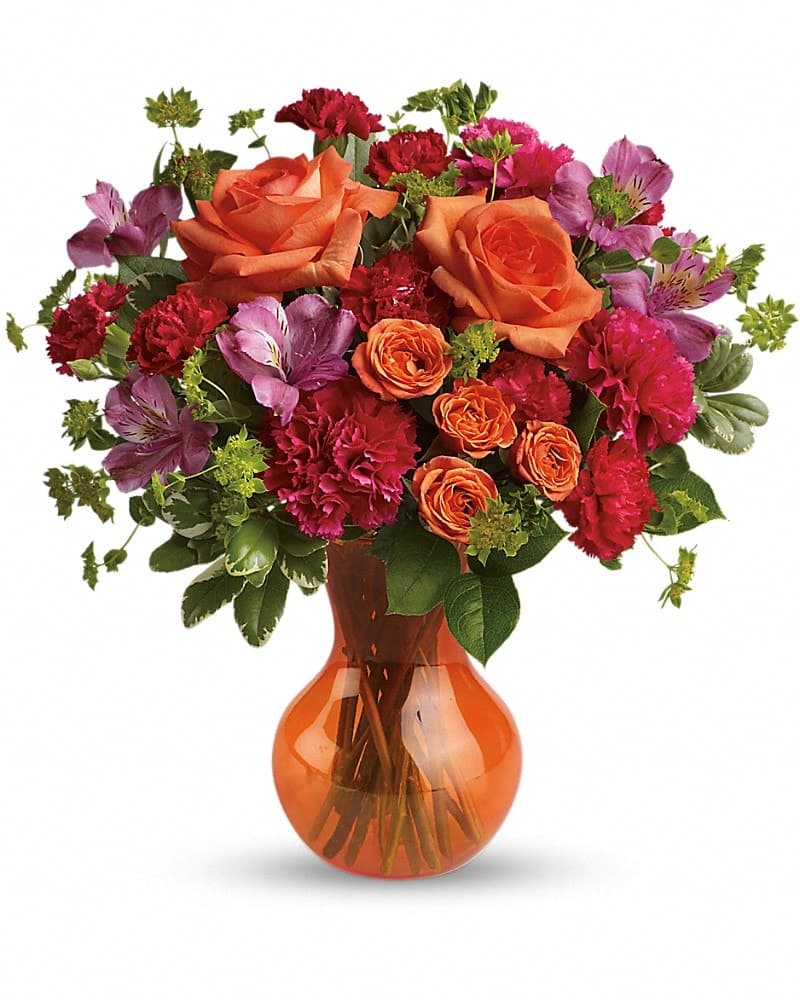
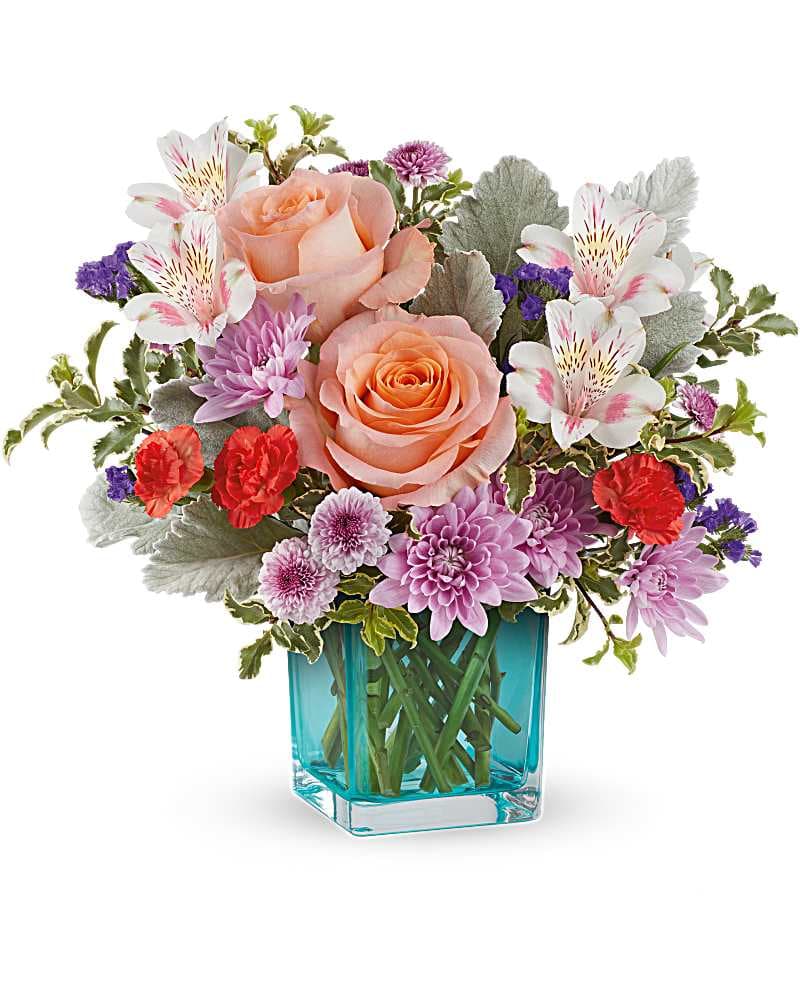
Fort Lee is a town of 40,000-odd people with no hospital inside its boundary, which makes the get-well order here directional by definition. There are four ways out and each one goes to a different institution. North, up Palisade Avenue and Grand Avenue into Englewood, is Englewood Health at 350 Engle Street — the closest acute hospital to most of the borough, a compact campus hemmed in by residential streets, which is why its visitor parking fills early and why a driver is better off arriving before the afternoon shift change. West, over the Overpeck, is Holy Name Medical Center at 718 Teaneck Road, a single large building on a busy county road with its own front lobby for deliveries. Further west again, in Hackensack, is Hackensack University Medical Center at 30 Prospect Avenue, which is not one building but a campus — the main hospital, the John Theurer Cancer Center and the Joseph M. Sanzari Children's Hospital each have their own entrance, so an order that says only Hackensack hospital sends a driver into the wrong lobby. South on River Road in North Bergen is Palisades Medical Center at 7600 River Road, the nearest hospital to anyone living at the southern end of the Palisades. And in Paramus, Bergen New Bridge Medical Center on East Ridgewood Avenue is the county's own hospital, running long-stay care alongside its acute beds, which means visitors there are often visiting somebody who has been in place for weeks rather than days.
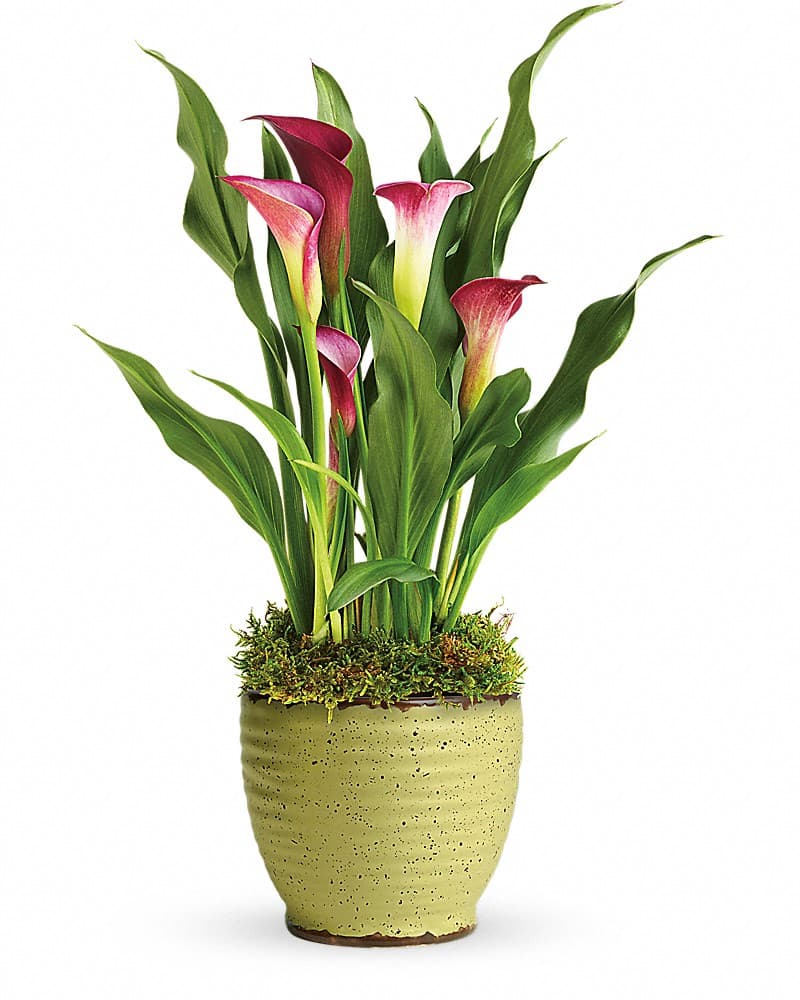
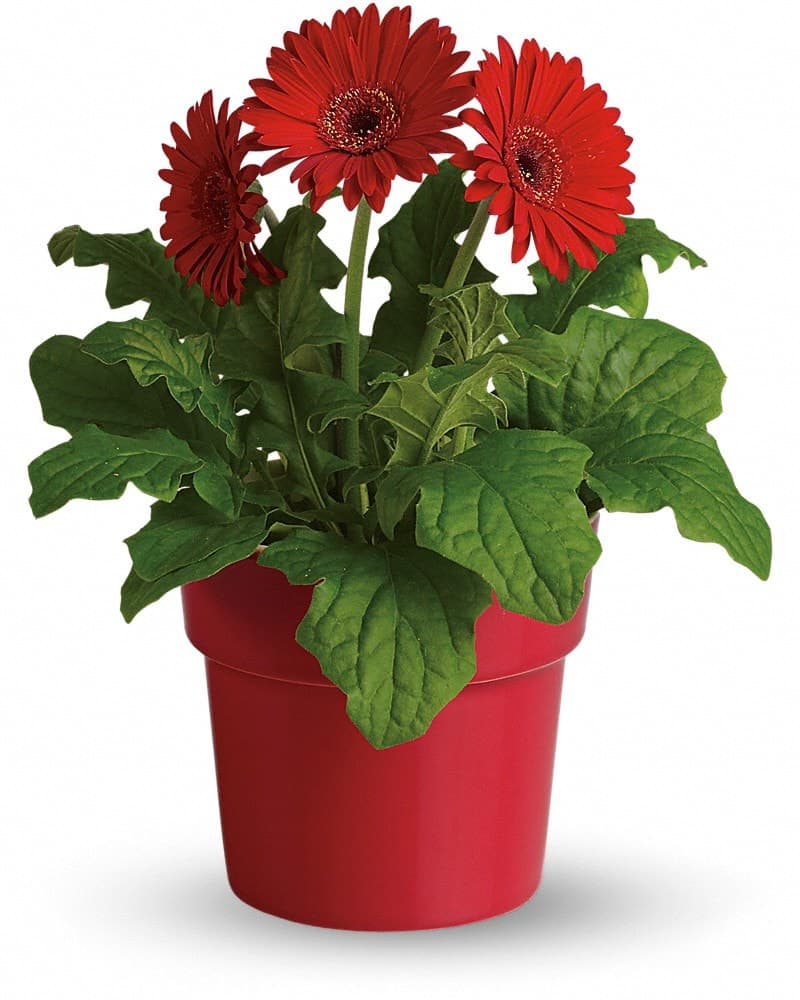
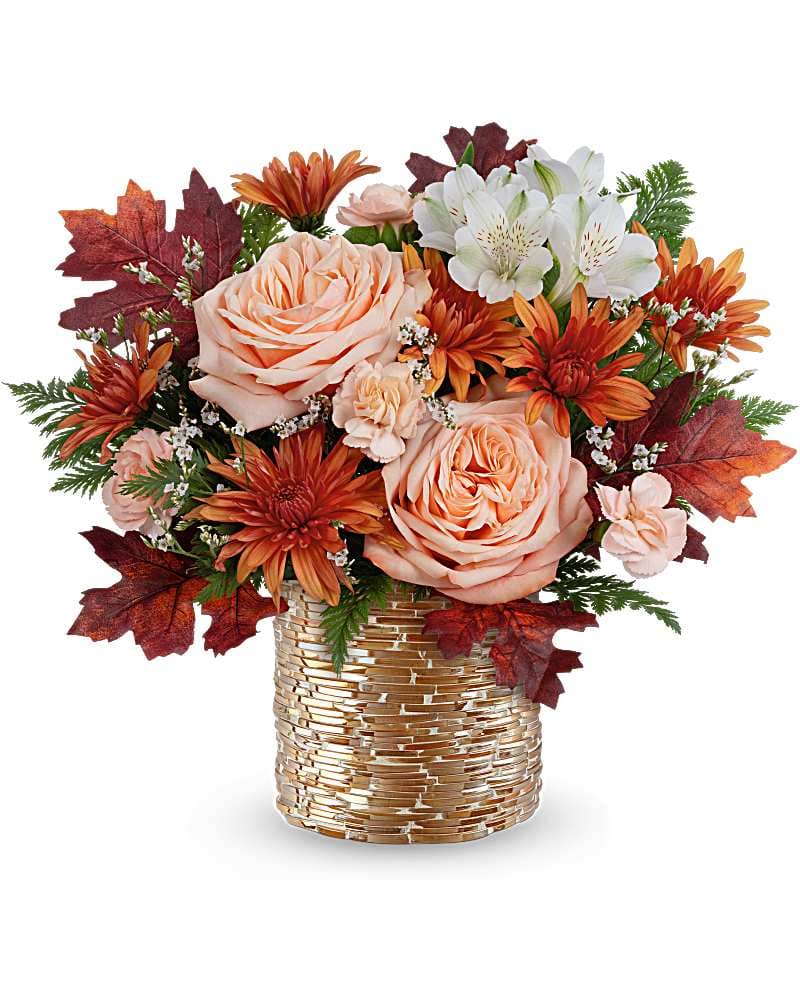
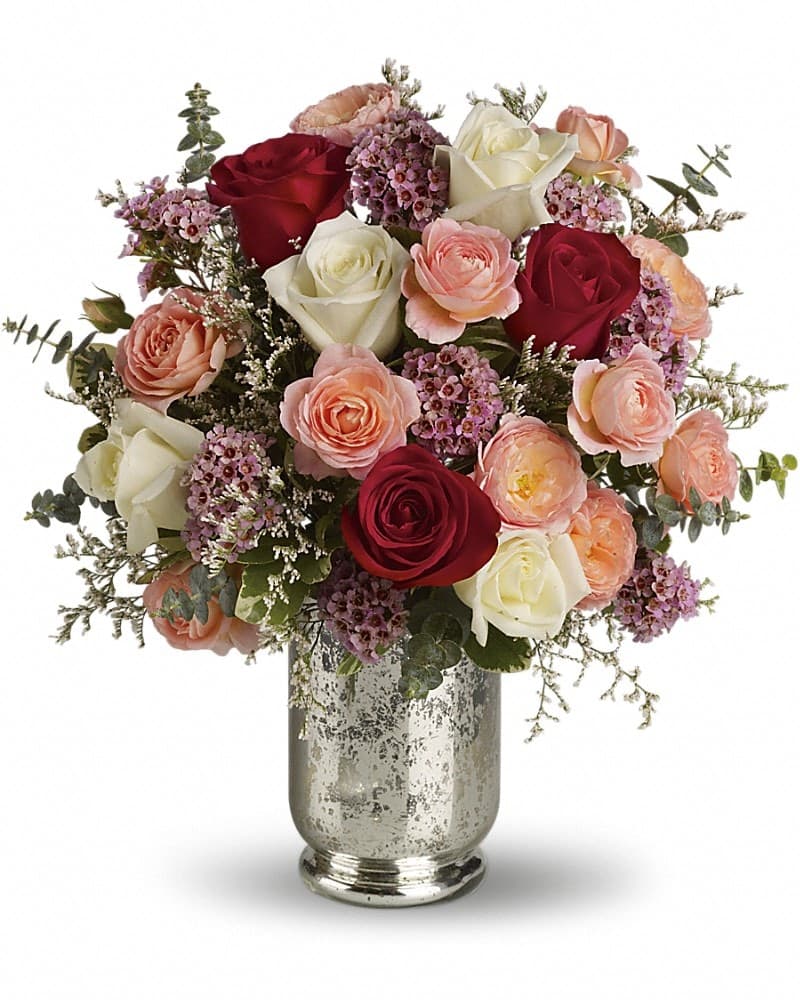
Before any of that, though, make one phone call. The rule that actually governs hospital flowers is set at the unit door, not at the hospital's front entrance, and it varies from floor to floor inside the same building. The cancer floors and the transplant service at Theurer will frequently decline an arrangement outright for a patient whose counts are down. The critical-care units at Englewood Health and Holy Name generally take nothing at all — no vase, no water, no soil. The children's floors at Sanzari and at Morgan Stanley have their own rules again and latex balloons are refused as a matter of course. None of this is obstruction; it is infection control and shared air, and a ward clerk will tell you in thirty seconds what you may send. Ask two questions: does this unit accept flowers, and is there anything it will not accept. Then order accordingly — low-scent, no lilies (whose pollen stains and whose scent carries down a corridor), nothing tall enough to need floor space in a room already full of equipment, and a container that does not need refilling by a nurse.