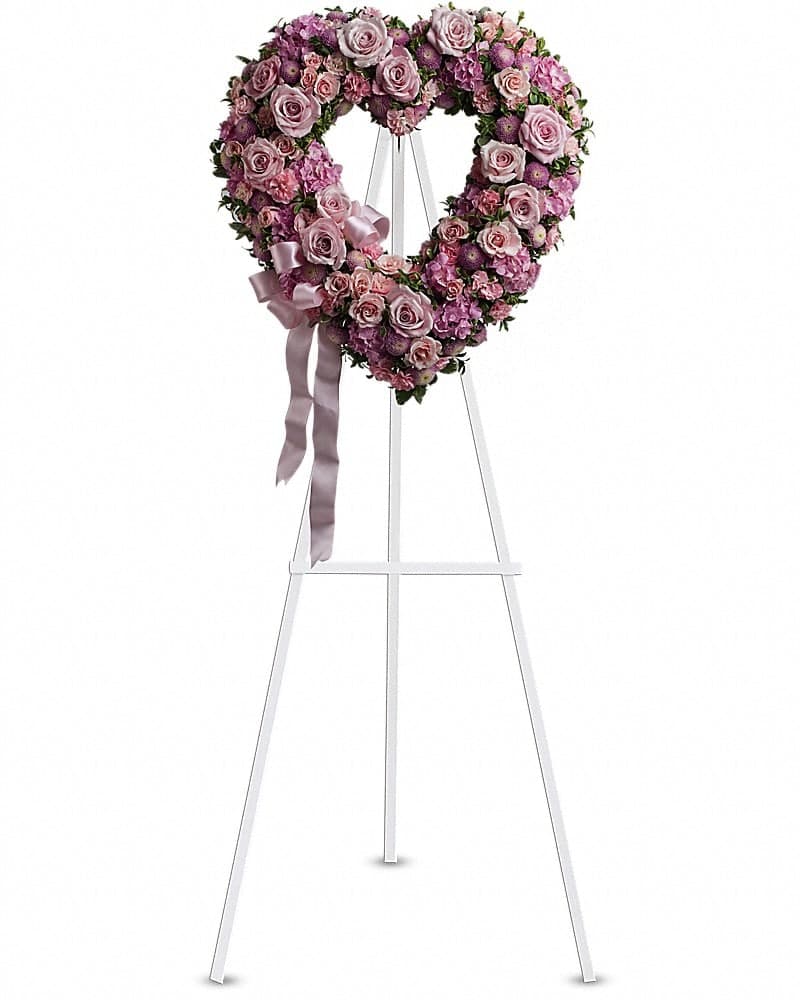
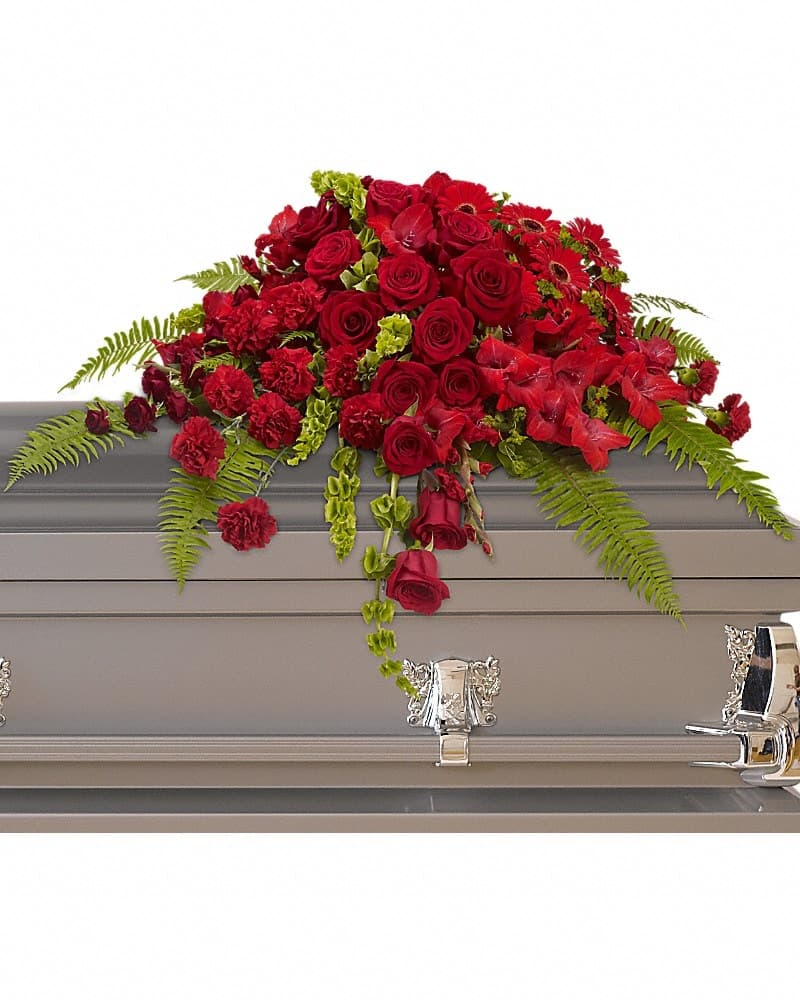
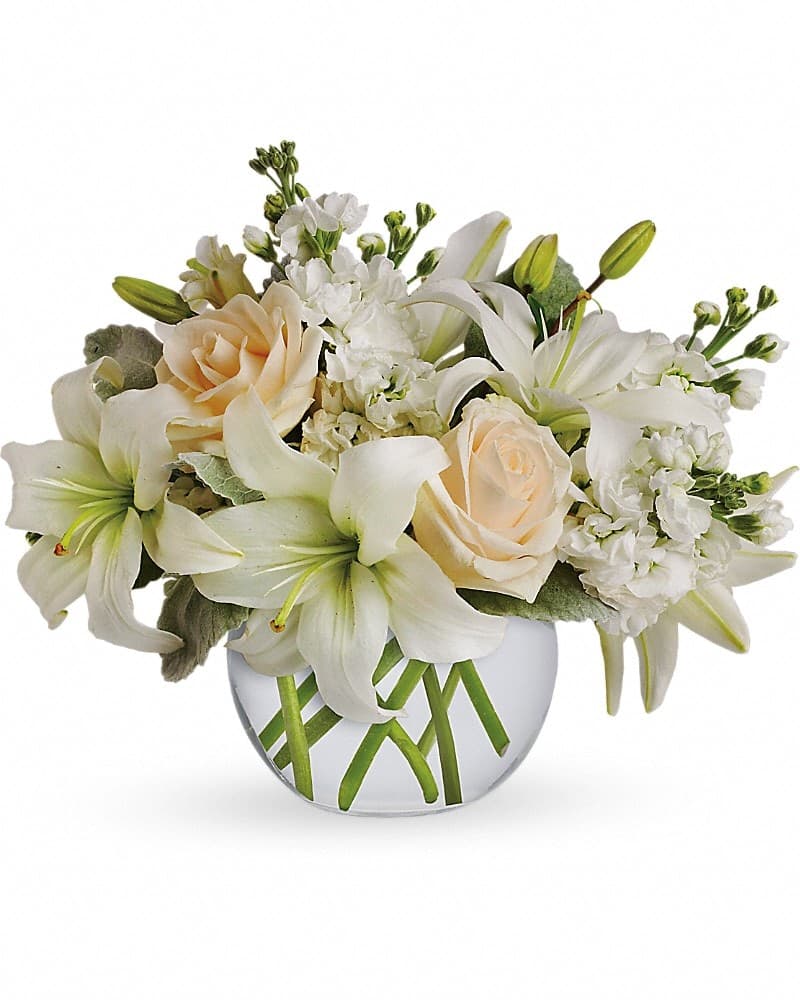
The oldest piece of Folsom's funeral geography is a cemetery that had to be moved. When Folsom Dam closed and the lake filled in the mid-1950s, the Gold Rush settlement of Mormon Island went under water, and the graves were relocated to what is now the Mormon Island Relocation Cemetery on the Green Valley Road side of the reservoir — a small, plain, deeply local place that still takes flowers from families whose people have been in this county for a hundred and fifty years. It is a fair introduction to how sympathy works here, because Folsom is a compact city inside a wide funeral ring. Services for Folsom families land at parish churches in town, at mortuaries and memorial parks along the Greenback Lane and Folsom Boulevard corridors in Sacramento and Fair Oaks, in El Dorado County east of the city toward Rescue and Placerville, and at the Catholic cemeteries the Diocese of Sacramento operates. Very few of those addresses are in 95630 itself. What that means practically is that the first question is never which bouquet — it is where the service is, what time it starts, and whether the flowers are meant to be in the chapel, at the graveside, or at the house afterward.
The specific places this network delivers to most often for Folsom families: East Lawn Memorial Park on Folsom Boulevard in Sacramento and the other East Lawn properties in the region; Mount Vernon Memorial Park on Greenback Lane in Fair Oaks; Green Valley Mortuary out on Green Valley Road in Rescue, which serves the Folsom, El Dorado Hills and Cameron Park corridor; Calvary Catholic Cemetery in the Citrus Heights area and St. Mary Catholic Cemetery on Fruitridge Road, both Diocese of Sacramento grounds; the Sacramento Historic City Cemetery on Broadway for the old-family plots; the Mormon Island Relocation Cemetery above Folsom Lake; and, for veterans, the Sacramento Valley VA National Cemetery in Dixon, at the far western edge of the 60-mile radius. Each of those has its own rhythm, and none of it is guesswork you should have to do. Mortuaries take flower deliveries in a window, usually a couple of hours before the service, and they sort by the name of the person who died — not by the name of the family member you are writing to. Put the decedent's full name and the service date and time in the order notes; that one line is what keeps an arrangement from sitting unclaimed in a back hallway while a service runs in the next room. National cemeteries and many memorial parks do not accept an early drop at the grave at all: the flowers go to the chapel or the committal shelter and staff move them.
Finally, the conventions, because the Sacramento region is more varied than its reputation. Catholic families — a large share of Folsom's, served by the diocese's parishes and cemeteries — follow the full vigil, funeral Mass and committal sequence, and flowers at all three are expected. The region also holds one of the largest Slavic evangelical and Orthodox communities in the United States, concentrated in Rancho Cordova, Citrus Heights, North Highlands and West Sacramento, with their own church-hall service customs; a substantial Punjabi Sikh population centered north of here around Yuba City; long-established Chinese-American, Japanese-American, Filipino and Hmong communities in and around Sacramento; and growing South Asian Hindu and Muslim communities across the eastern suburbs, where flowers at a service may be inappropriate and a delivery to the family home afterward is the correct gesture instead. When a family has asked for donations in lieu of flowers, honor that literally at the service and send a plant or a small arrangement to the house later if you want to mark it. If you are not sure what a particular tradition expects, say so in the order notes. The shop will ask the funeral director rather than assume, and an unsent arrangement is always recoverable in a way that a wrong one delivered in front of a hundred people is not.