Folsom has one hospital with beds in it and one large medical campus with none, and knowing which is which saves a delivery. Mercy Hospital of Folsom, the Dignity Health campus on Creekside Drive just off East Bidwell, is the city's inpatient facility: emergency department, surgical and medical-surgical rooms, the place a Folsom resident wakes up in after an appendectomy or a bad fall on the Johnny Cash Trail. Kaiser Permanente Folsom, on Iron Point Road in the Highway 50 office band, is an outpatient medical-office campus — clinics, imaging, specialty appointments — and Kaiser's inpatient beds for this area are in Roseville and Sacramento, not here. Sending a get-well arrangement "to Kaiser Folsom" for an admitted patient is the single most common routing mistake in this market, and the fix is easy: ask the family which hospital, or send to the house. If a patient really is at a Kaiser facility, they are almost certainly at Kaiser Permanente Roseville Medical Center or one of the Sacramento campuses, both inside our radius.
Past Folsom's own hospital, the 60-mile reach from 95630 covers one of the deepest medical clusters in inland California, and the rules get stricter as you go toward the center of it. UC Davis Medical Center on Stockton Boulevard in Sacramento is the region's Level I trauma center and academic hospital, with the UC Davis Comprehensive Cancer Center and UC Davis Children's Hospital on the same campus — oncology, transplant and protected-environment units there carry the tightest restrictions in the region: no lilies, minimal pollen, nothing fragrant, and frequently no fresh flowers or soil-grown plants at all. Shriners Children's Northern California sits on the same boulevard. Sutter Medical Center Sacramento on the midtown L Street campus and Mercy General Hospital on J Street take much of the city's cardiac and surgical volume; Mercy San Juan Medical Center in Carmichael, Sutter Roseville Medical Center, Kaiser Permanente Roseville and Methodist Hospital of Sacramento ring the metro; Marshall Medical Center in Placerville covers the El Dorado County side that Folsom families use when the emergency happens up the hill; and the VA Northern California hospital at Mather serves the region's veterans. Behavioral-health facilities in the Sacramento area apply a different set of rules again — no glass, no wire, no ribbon, nothing that comes apart — and a non-glass vessel with no hardware is the only build that gets through the door.
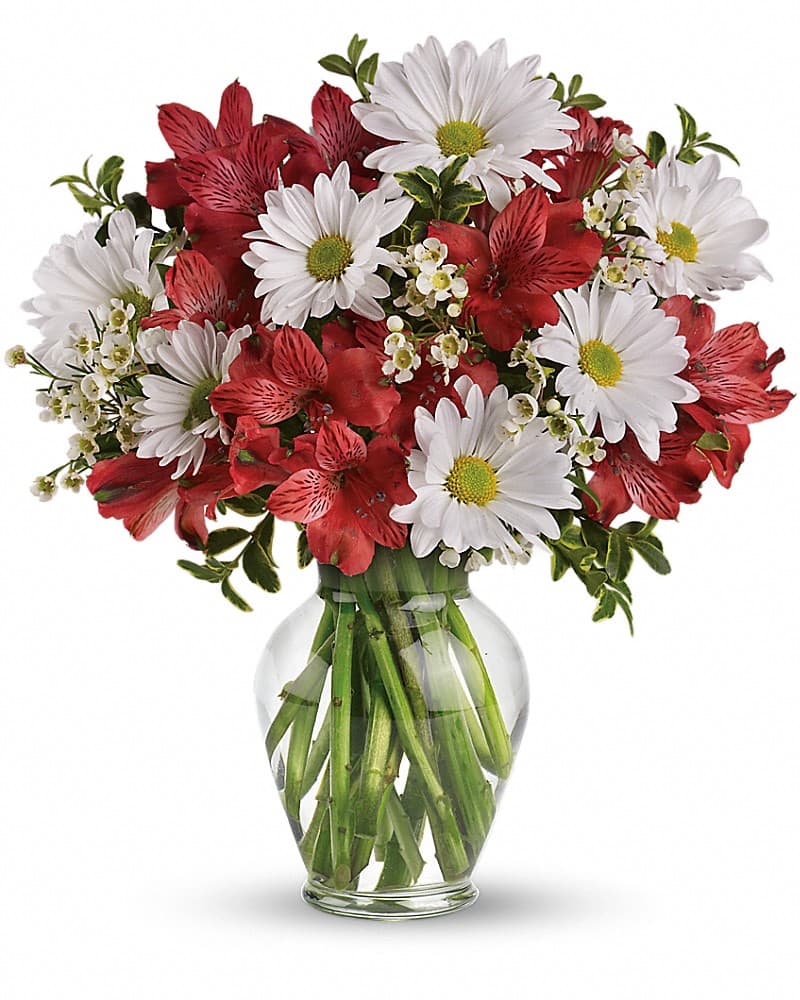
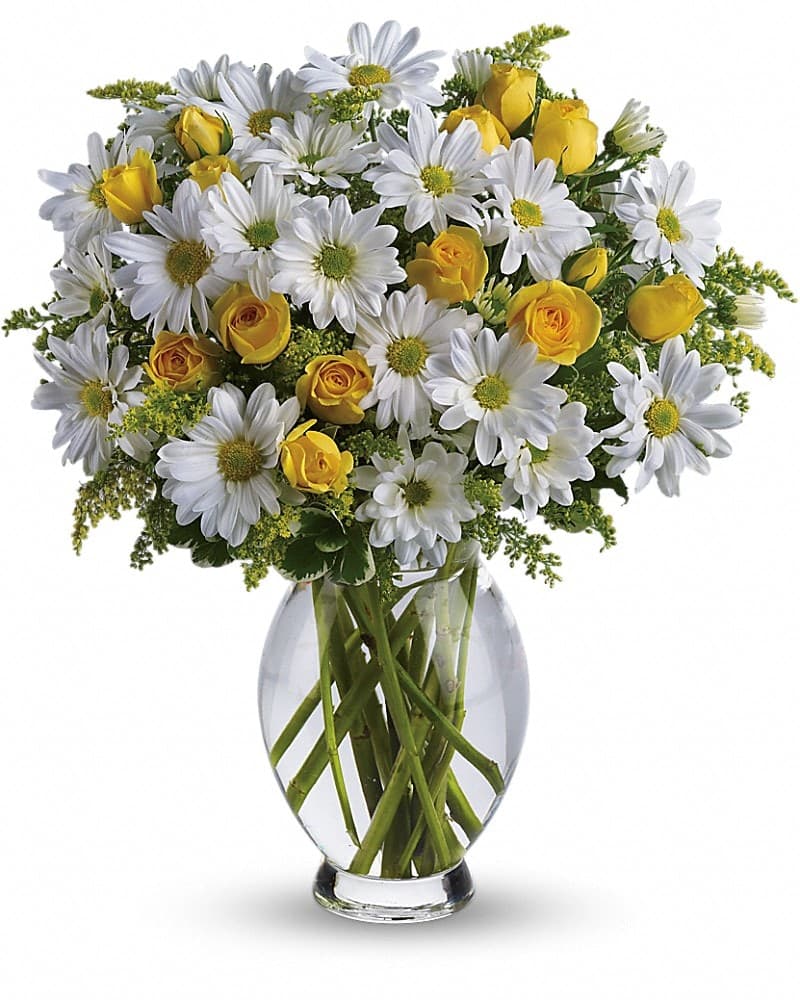
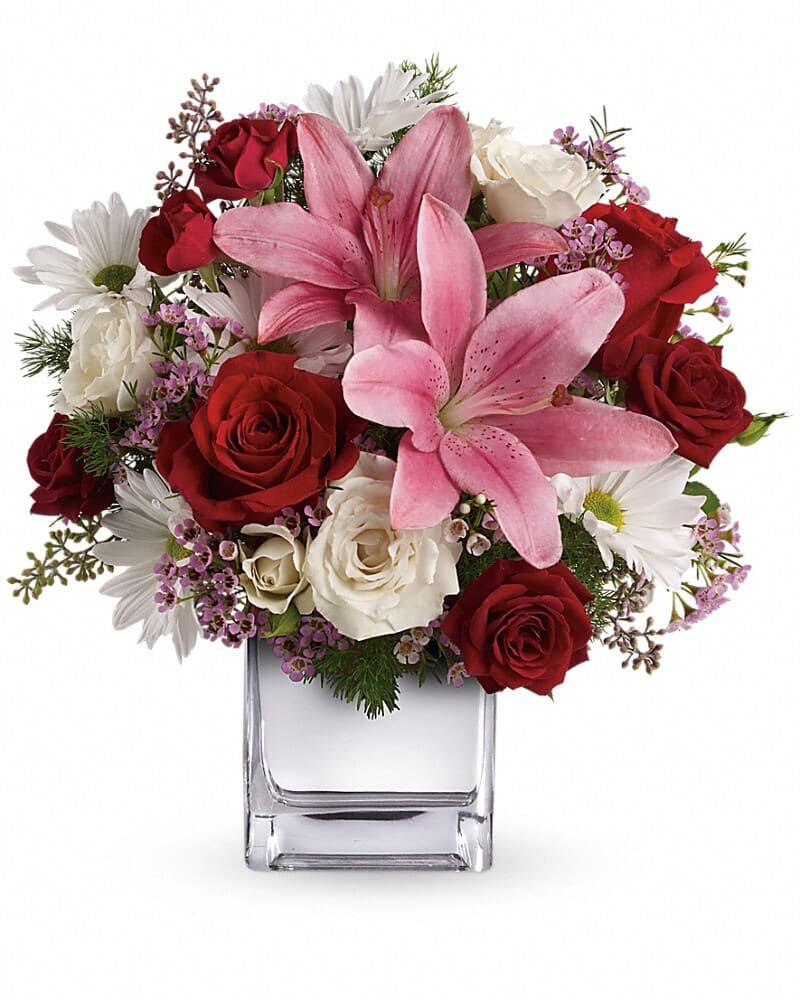
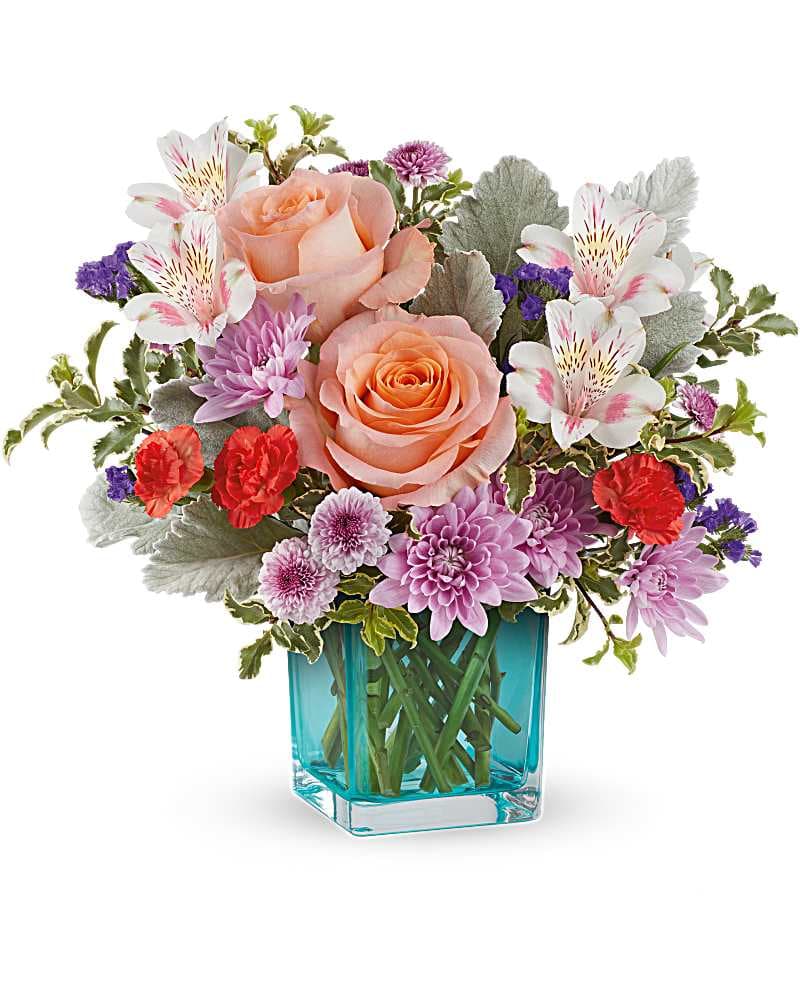
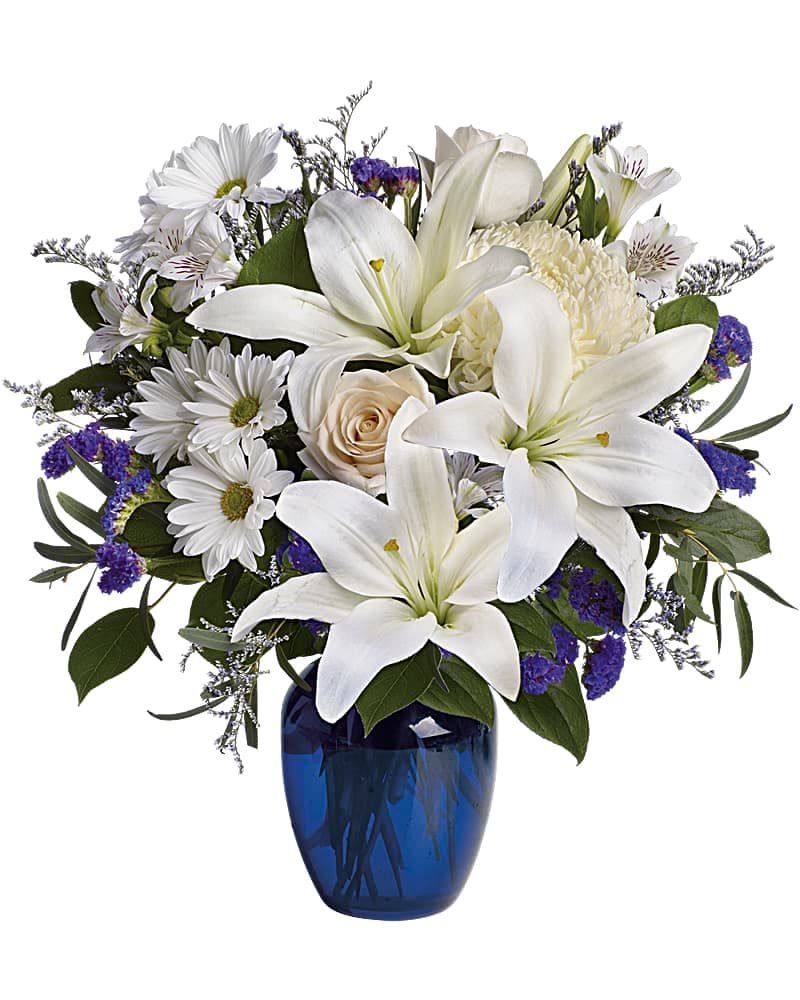
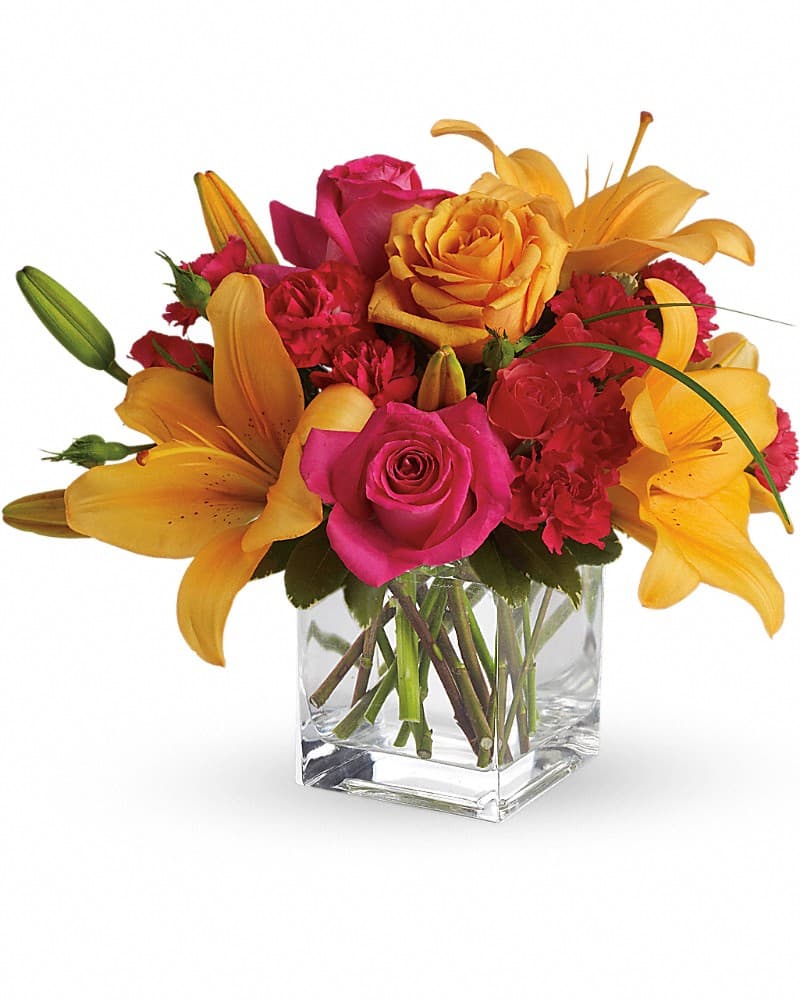
Everything above collapses into one practical default. Unless you tell us otherwise, a get-well arrangement for any hospital address in this region is built lily-free, low-pollen, unscented, soil-free, compact and heavy-bottomed, in a vessel that will not tip on a tray table already holding a water jug, a phone and a discharge folder. Those defaults are not decoration. A single stargazer lily can make a shared room unusable for a patient on chemotherapy, and oncology and ICU nurses spend real time carrying away flowers that should never have been sent. The other half of getting it right is the note: give us the patient's full legal name as admitted, plus the unit and room if you have them. Hospital front desks route by name, and the commonest reason a Folsom-area get-well delivery fails is a card that says only a first name. Deliveries are handed to a lobby desk or nursing station and carried in from there — no driver walks a hallway at UC Davis — so tall, top-heavy, hand-tied work is exactly the wrong shape.
Most recovery does not happen in a hospital, which is why a large share of Folsom get-well deliveries go to houses. Short stays are short: a Mercy Folsom patient admitted Tuesday may well be home in Broadstone, Empire Ranch, Natoma Station, Willow Springs, American River Canyon, Lexington Hills, Historic Folsom or the Folsom Ranch streets south of Highway 50 by Wednesday noon, and an arrangement that arrives after they have gone is a phone call rather than a gift. If the admission is one or two nights, sending to the house on the day after discharge is usually the better plan. Recovery at home in this city has its own texture — knee and hip replacements, cardiac rehab, cancer treatment cycles at UC Davis or Sutter that mean a long drive west on Highway 50 every few weeks — and the person who needs a delivery is often not the patient. Nobody sends anything to the spouse making that drive twice a week, or to the adult daughter who moved into a spare room in Empire Ranch for two months. They are the likeliest person in the house to cry over a bouquet. The second forgotten case is the long illness: get-well flowers arrive in week one, all at once, and then nothing arrives in month four, when the treatment has become routine and the visitors have thinned out. A delivery in September for something that started in May is not late; it is the only one that lands on an empty calendar. Two last Folsom specifics — in July and August a west-facing porch here runs past 100 degrees and will destroy a vase arrangement in an hour, so ask for a shaded placement or a morning window; and skilled-nursing and rehabilitation facilities generally take deliveries at a front desk and hold them for staff, so give us the facility name, the patient's full name and the room if you have it, and expect a desk handoff rather than a doorstep.