In a borough of walk-ups, the person a get-well bouquet is for is very often the only one in the building who cannot come down to collect it. Fairview's housing is two- and three-family houses and small brick apartment blocks, almost none of them with an elevator, and somebody recovering from surgery on a third floor is not going to make it to the vestibule inside the ninety seconds a driver waits. This is the practical difference between a get-well delivery here and a birthday one, and it is fixable with two lines in the notes: name a second person in the building or on the block who can take it, and give a phone number that somebody will answer even if the patient is asleep. Without that, the bouquet goes to a neighbor by default, and a neighbor is a fine backup but a poor first plan when the whole point was that the recipient should not have to move.
The nearest hospital to a Fairview address is close in miles and awkward in geometry. Palisades Medical Center at 7600 River Road in North Bergen sits two and a half miles south and roughly two hundred feet below the borough, at the bottom of the Palisades cliff. There is no straight line down. A driver leaving Bergen Boulevard either runs north through Cliffside Park and drops on Gorge Road toward Edgewater, or south through North Bergen and down toward the river there, and either way the descent is the slow part rather than the distance. North of the borough the roads are ordinary and the hospitals are bigger: Englewood Health at 350 Engle Street, Holy Name Medical Center at 718 Teaneck Road, and Hackensack University Medical Center at 30 Prospect Avenue — the largest hospital in New Jersey, with the John Theurer Cancer Center and the Joseph M. Sanzari Children's Hospital on the same campus. Further out, Bergen New Bridge Medical Center and The Valley Hospital's Paramus campus sit at the northern rim of the radius, and Hoboken University Medical Center on Willow Avenue and Christ Hospital on Palisade Avenue in Jersey City cover the south.
A lot of Fairview's serious cases go east instead, across the George Washington Bridge into Washington Heights, and that is where the shape of our florist bench turns out to matter. NewYork-Presbyterian Columbia University Irving Medical Center at 622 West 168th Street, the Morgan Stanley Children's Hospital at 3959 Broadway and NewYork-Presbyterian Allen Hospital at 5141 Broadway are strung along the same avenue — and Afortwashington Florist at 4257 Broadway sits on that spine between them, closer to those front doors than any New Jersey shop can get without crossing the bridge itself. The same logic holds in the East Bronx: Ny Floral Express at 726 Morris Park Avenue is inside the Montefiore Einstein and Jacobi Medical Center corridor off Pelham Parkway, and Flower Bosses on Buhre Avenue is a few minutes from the same complex. If the patient is in one of those buildings, the shop nearest the bed is a New York shop, and the routing will reflect that.
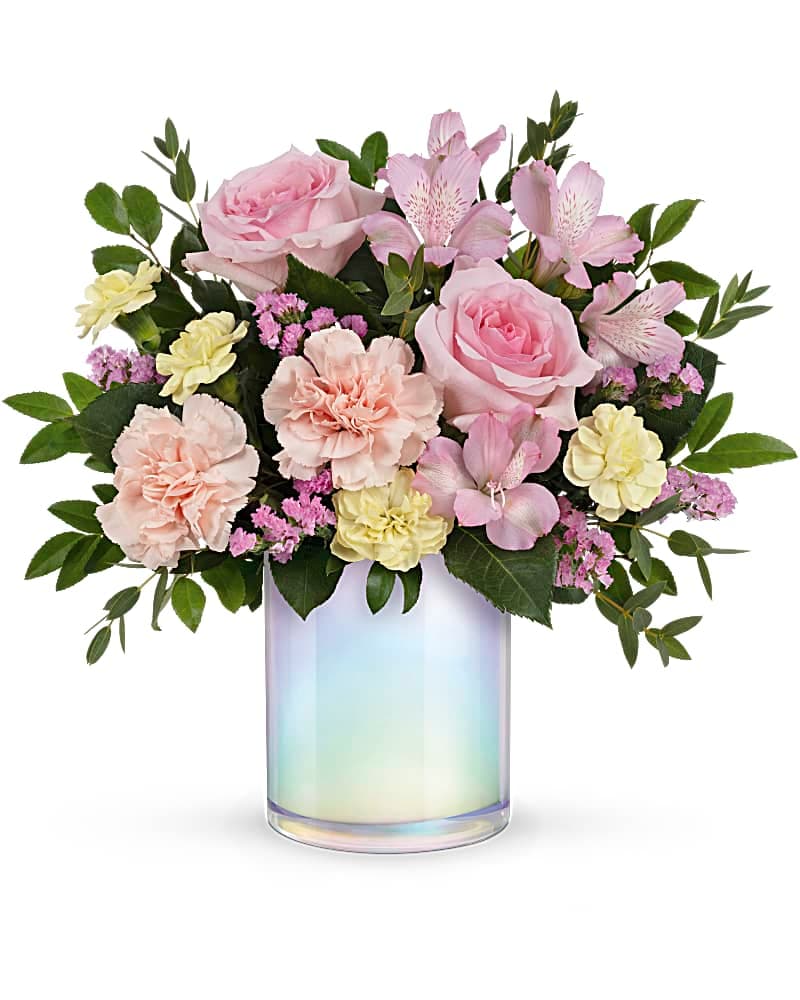
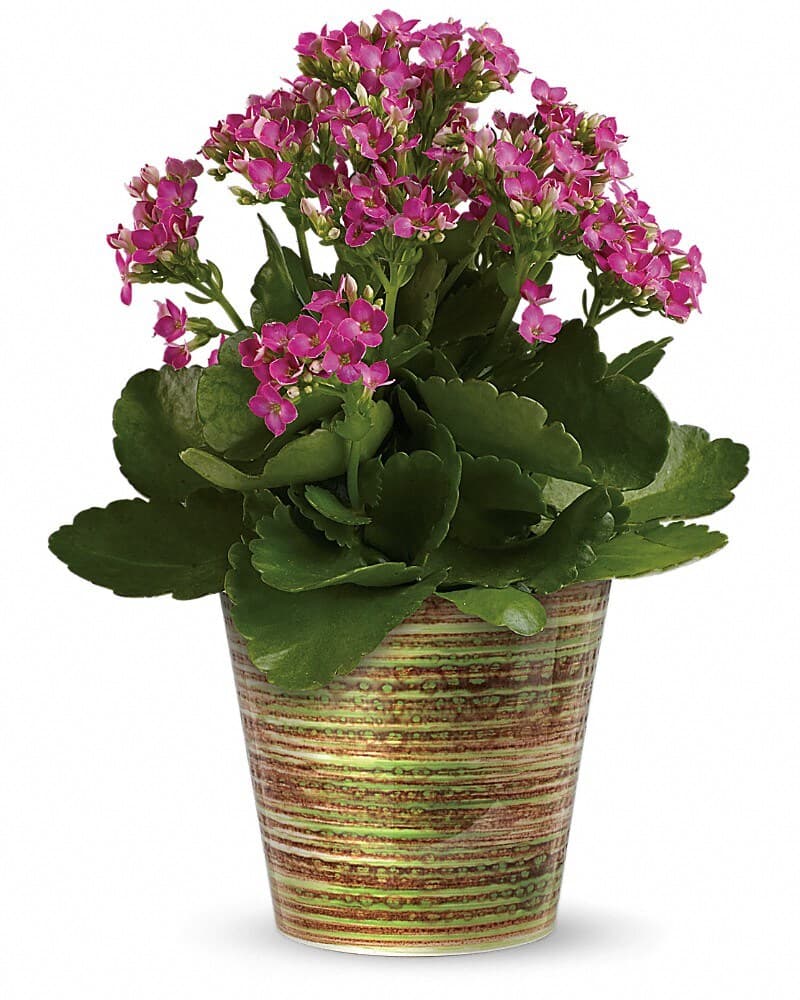
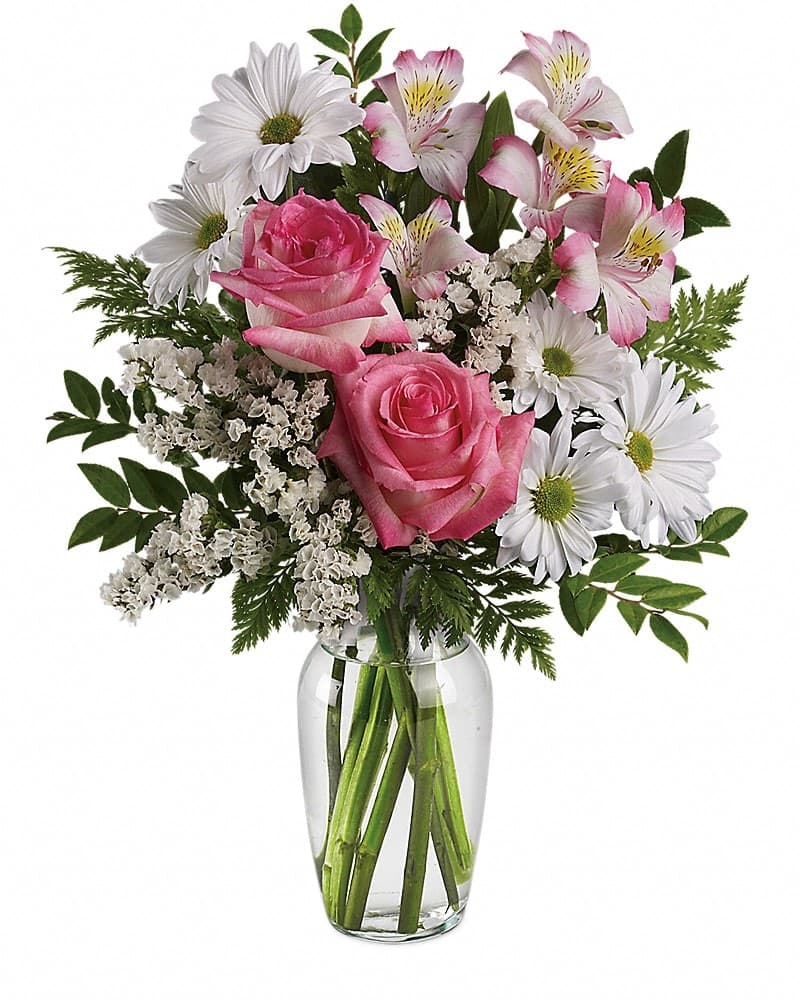
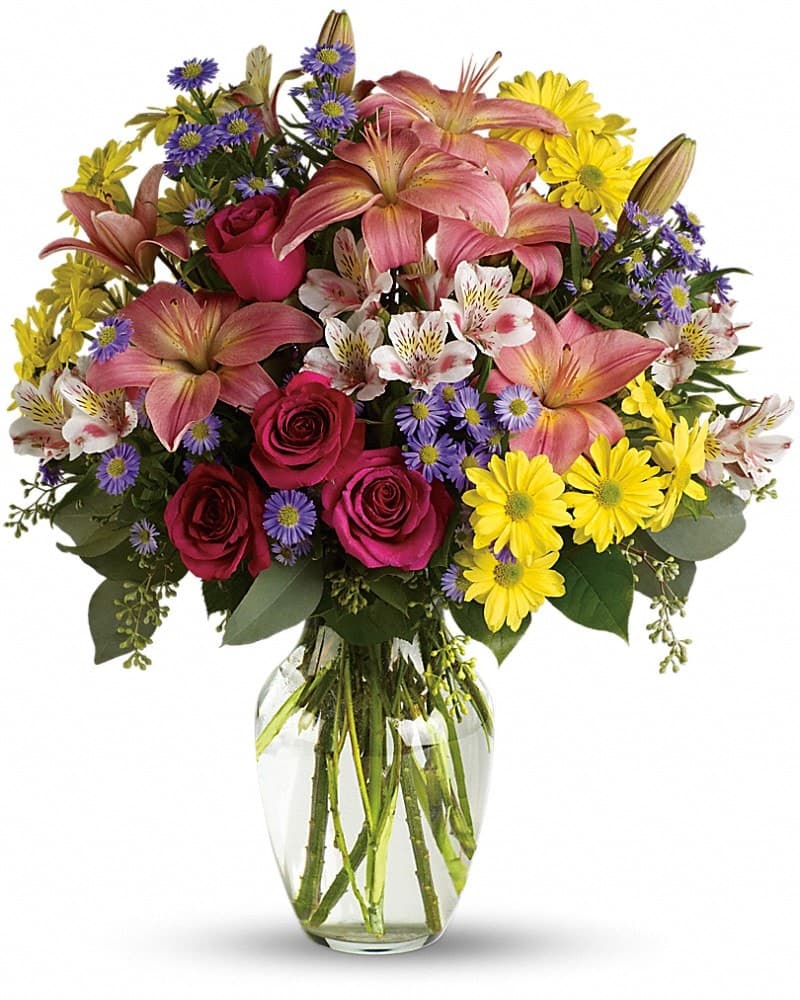
Before you order anything for a hospital room, call the unit — not the main switchboard, not the website. Flower policy is set floor by floor and it changes; transplant, bone-marrow and intensive-care units commonly refuse fresh stems outright, and a delivery turned away at a nurses' station is not something that can be re-routed the same afternoon. When you do get an answer, tell us what it was. Our shops build to it: low-pollen, lily-free, no strong scent, a compact footprint for a tray table rather than a windowsill, and a container that will not tip when a bed rail moves. When fresh flowers are refused, the substitutes that actually work are a small green plant, a succulent, or something for the family holding vigil in the corridor rather than for the patient. Say which you want and the florist will not guess.