A get-well order from 19030 can end up in either of two states, and which side of the Delaware the patient is on matters more than the mileage. The closest campus is barely out of town: the Jefferson Bucks hospital on North Oxford Valley Road in Falls Township, about two miles from the centroid, reachable without touching a highway. St. Mary Medical Center on Langhorne-Newtown Road is the largest hospital in Lower Bucks and roughly seven miles out; Lower Bucks Hospital sits on Bath Road in Bristol, about the same. Then the ring crosses the water and changes systems entirely: Capital Health Regional Medical Center on Brunswick Avenue in Trenton is around ten miles east and takes the serious Mercer County cases, with Capital Health's Hopewell campus further up; Robert Wood Johnson University Hospital Hamilton on Hamilton Health Place is about eleven; Virtua Willingboro on Sunset Road covers the Burlington County corner at roughly ten. One local trap is worth knowing before you order: the Jefferson Bucks campus and St. Mary both carry Langhorne mailing addresses despite sitting in different townships several miles apart, so an order that says only "the hospital in Langhorne" is genuinely ambiguous here. Give the campus name and the street.
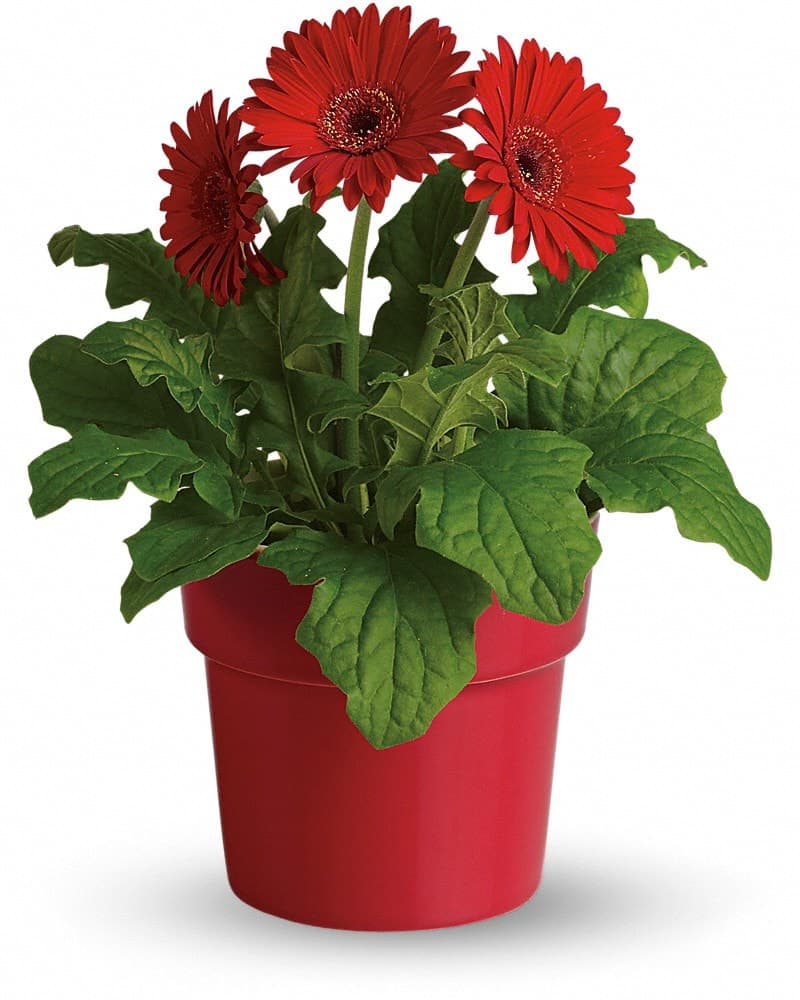
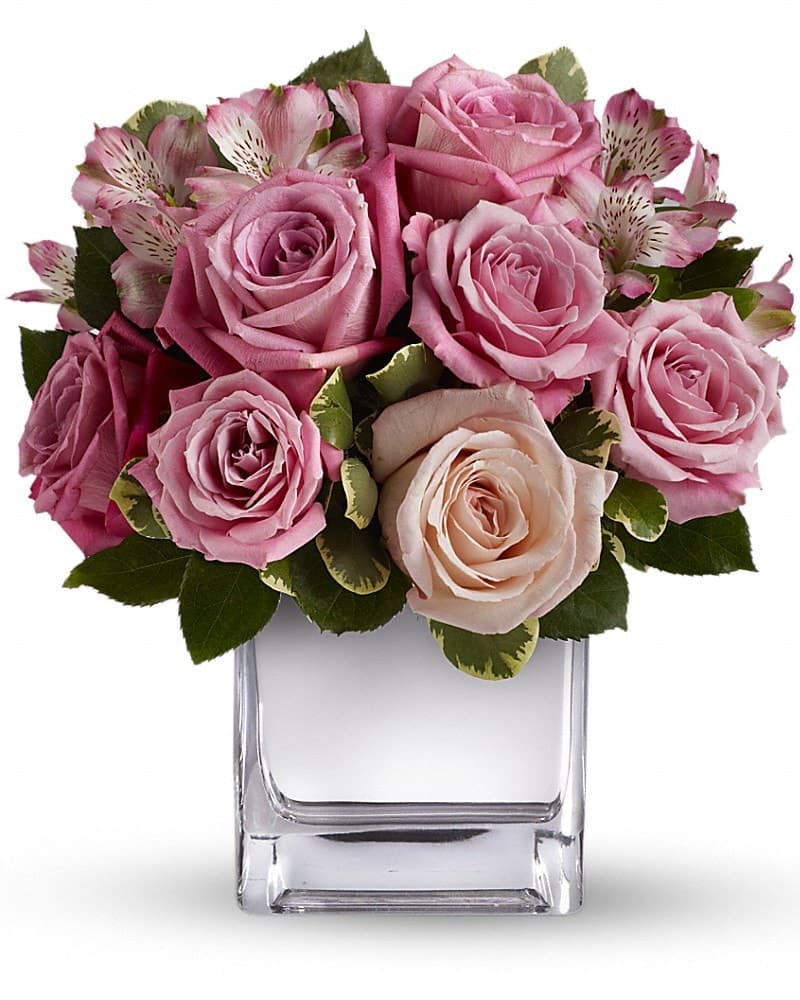
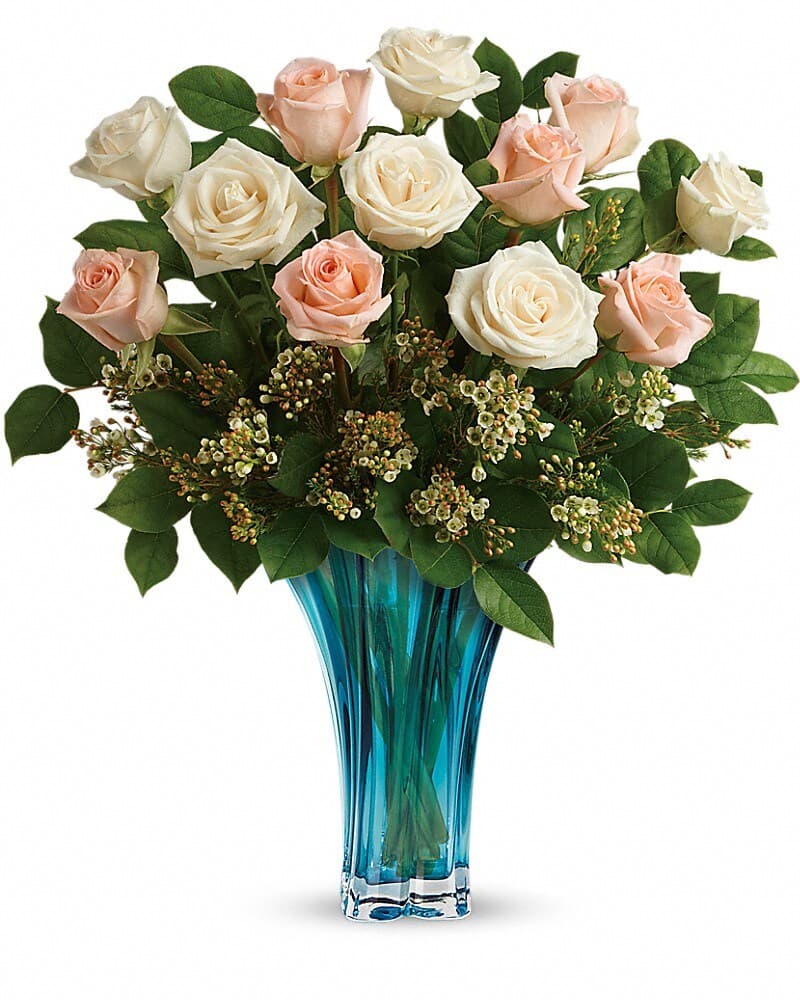
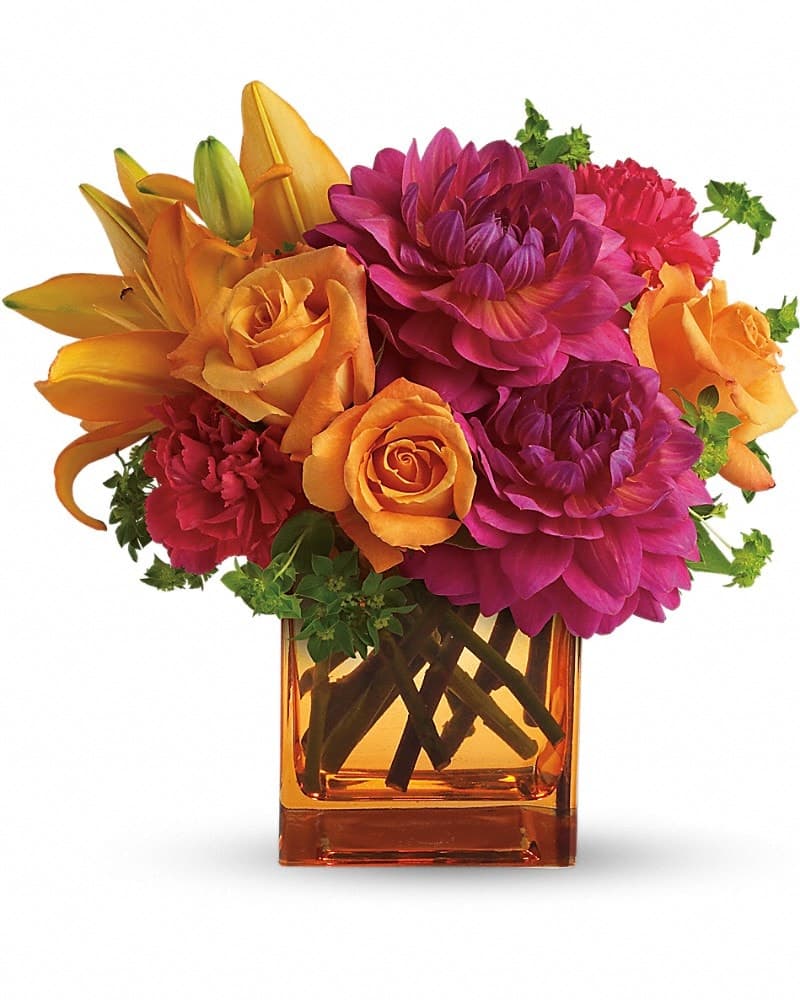
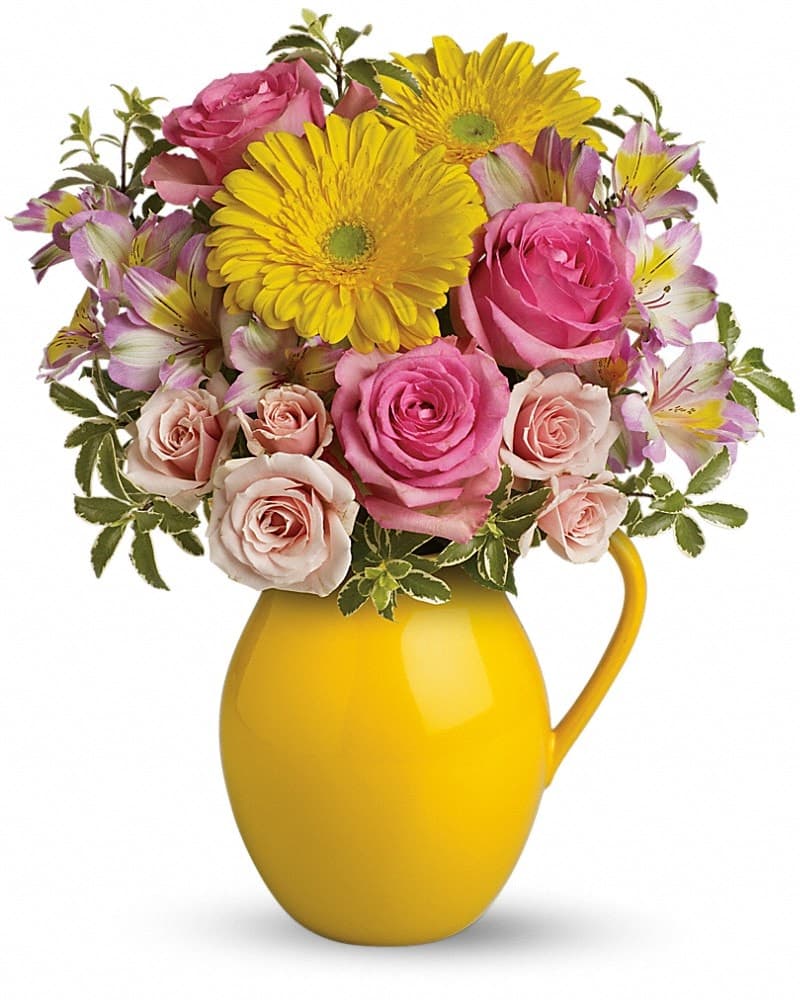
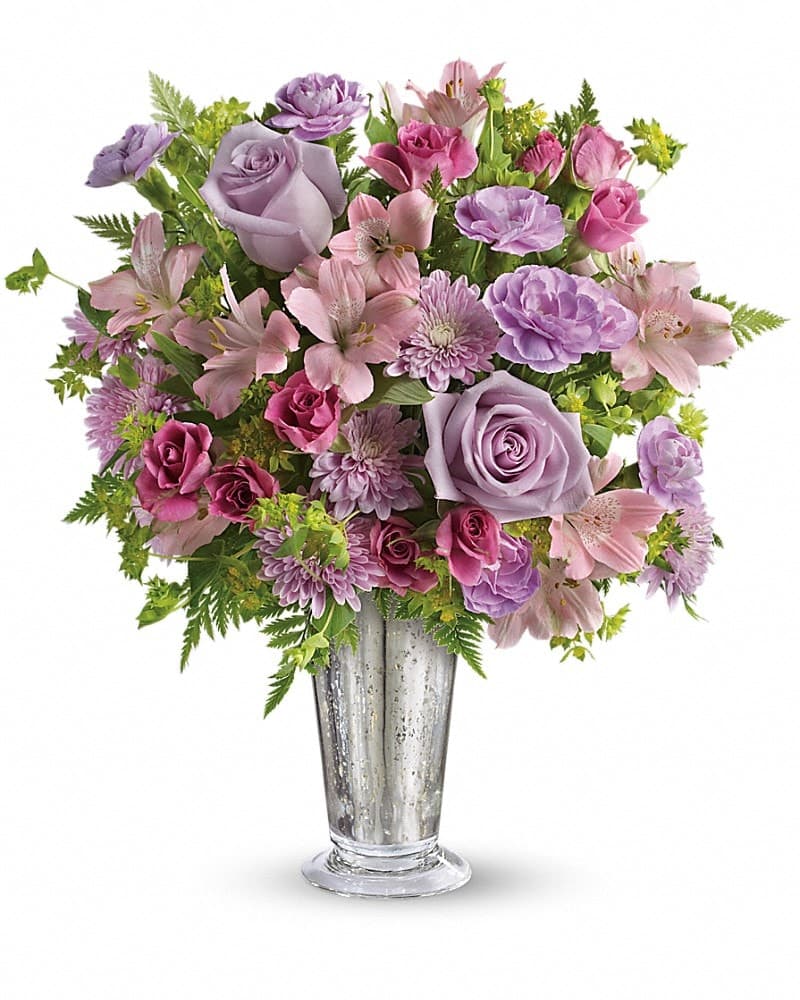
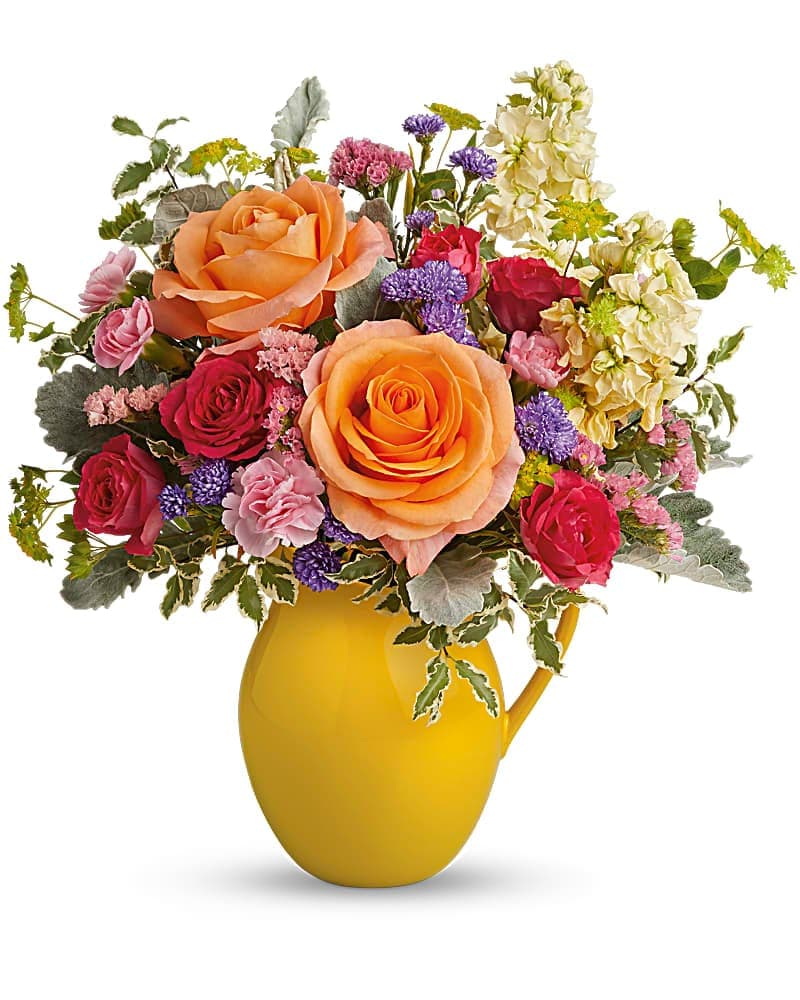
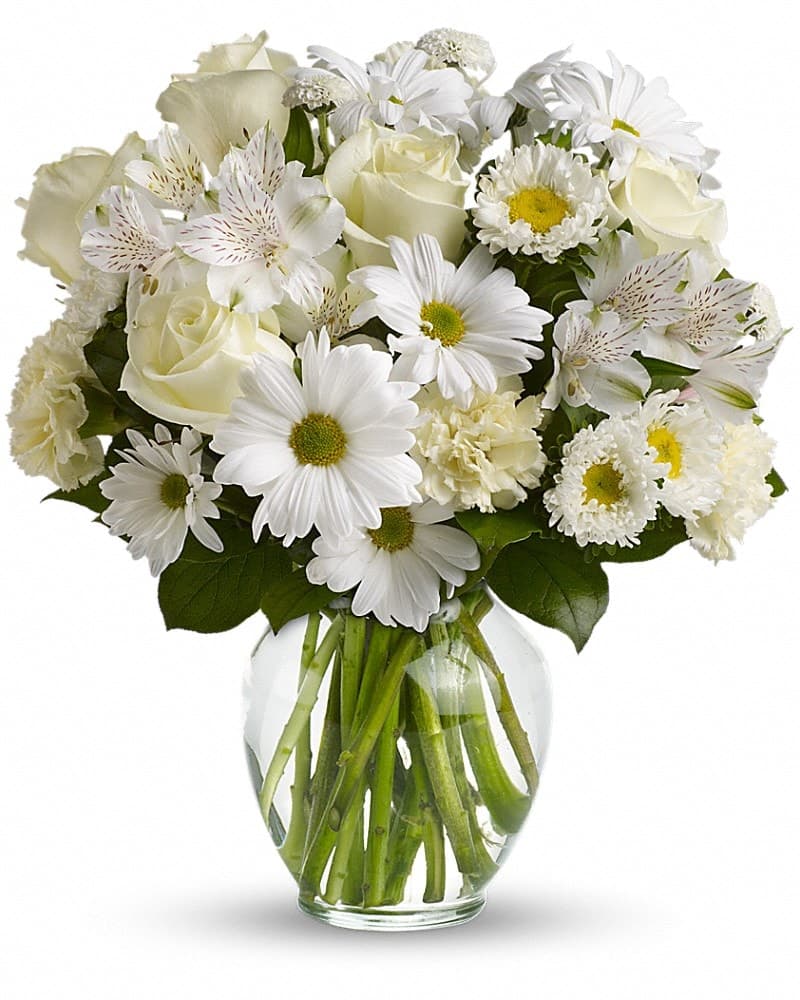
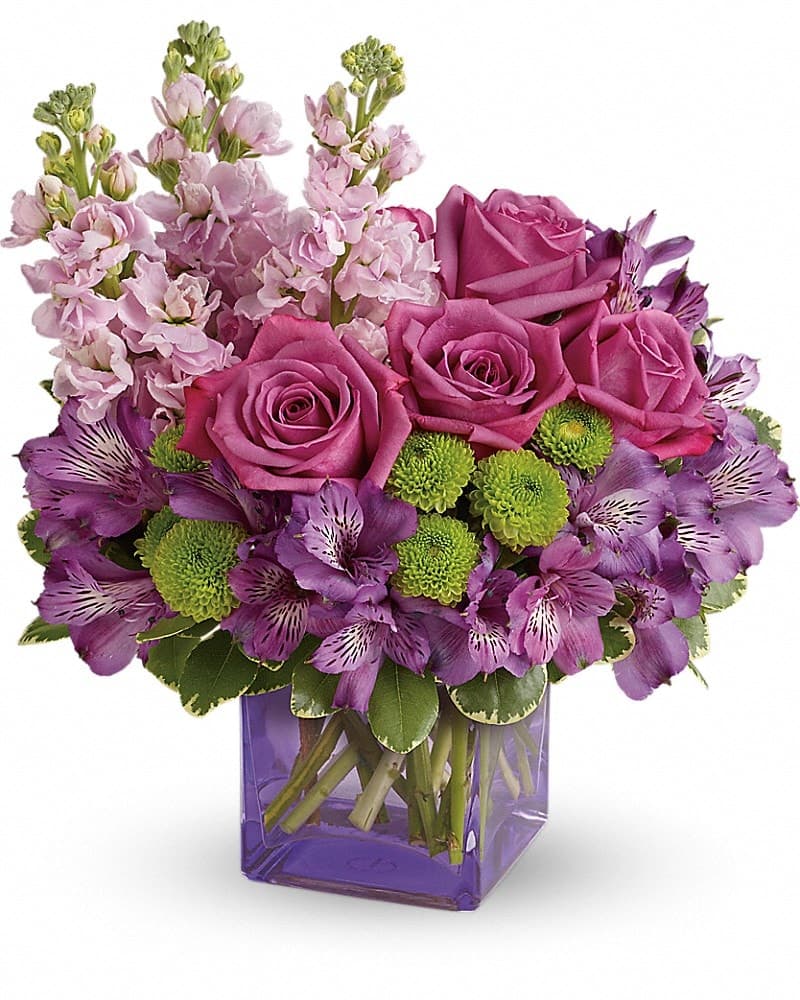
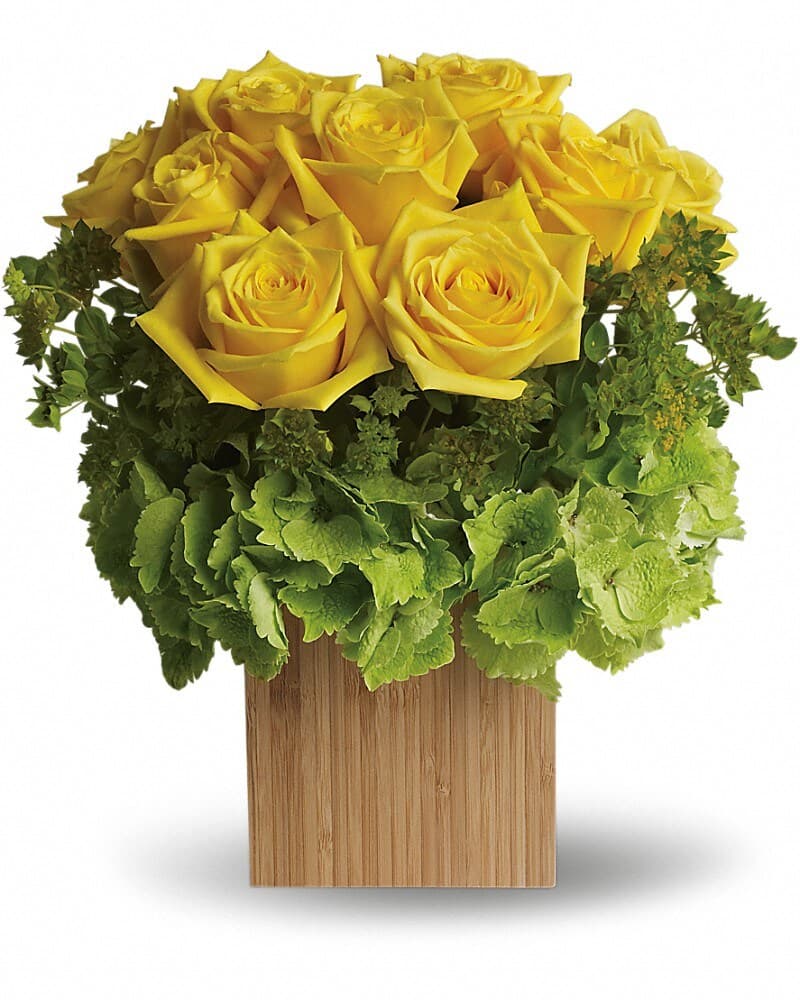
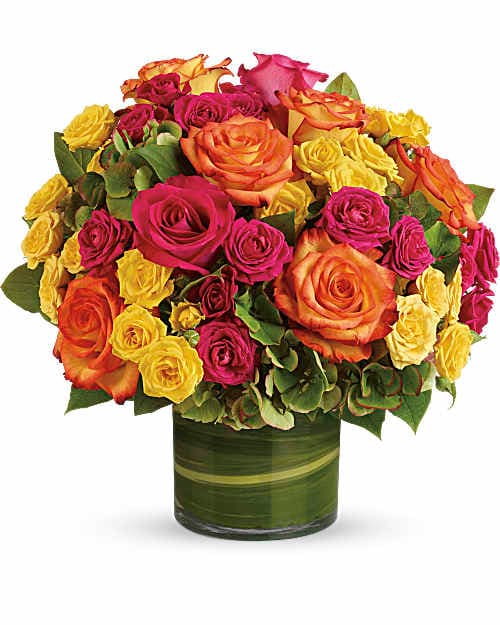
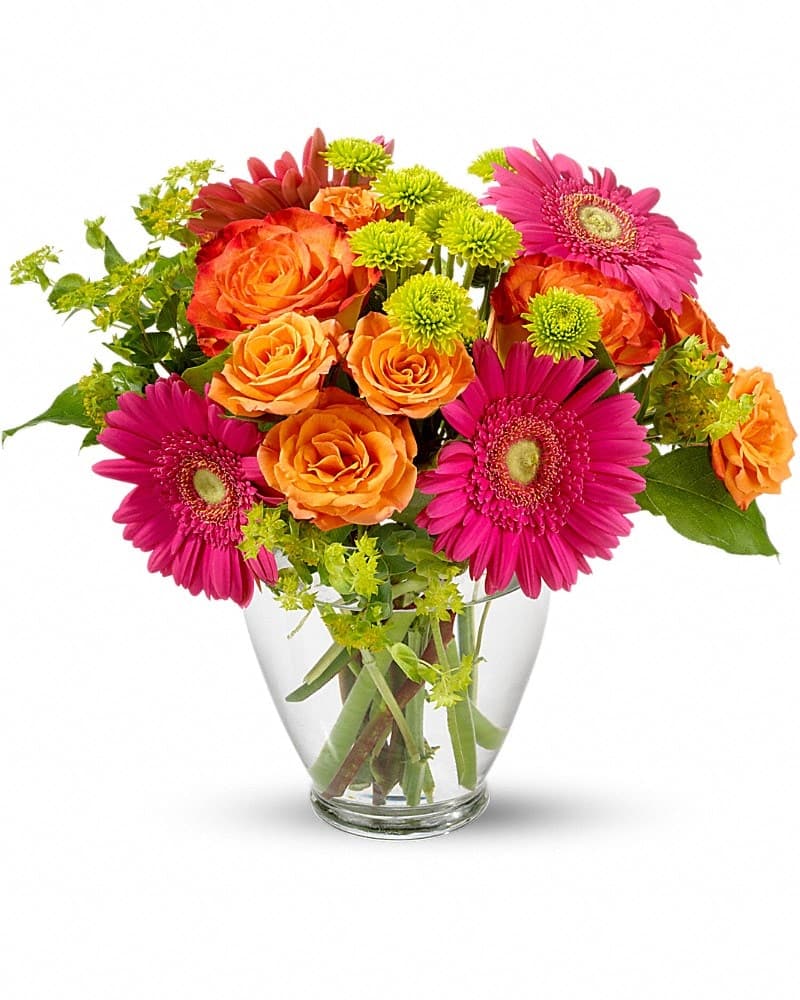
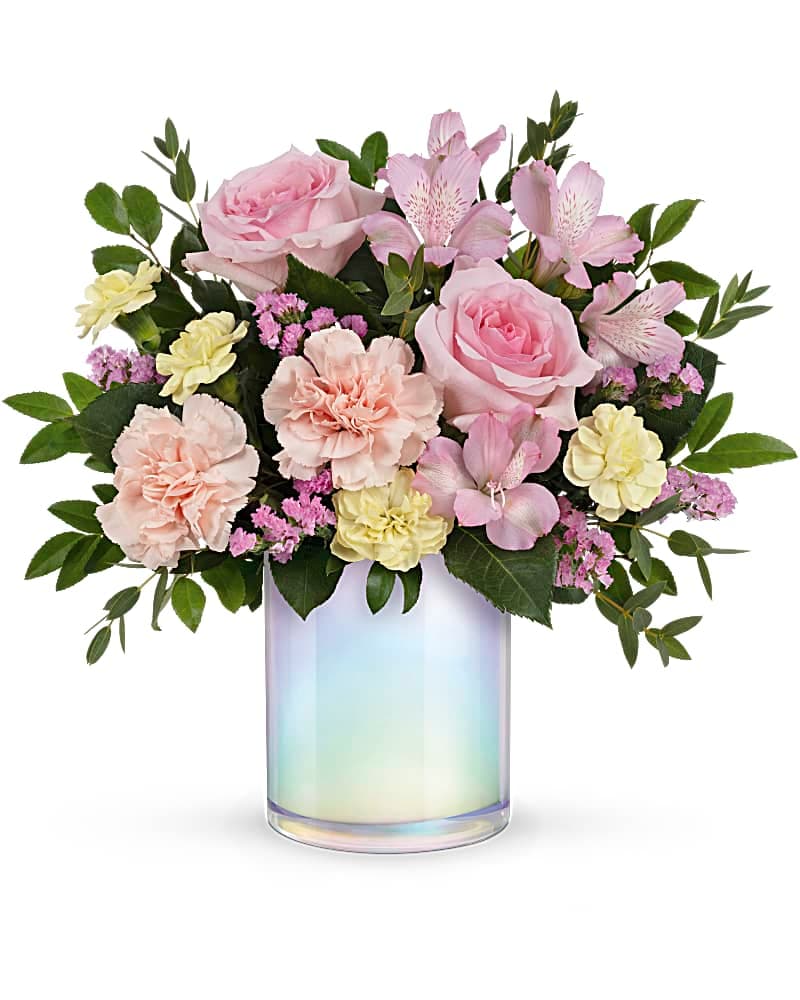
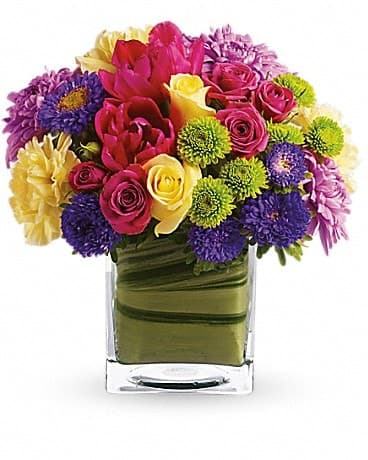
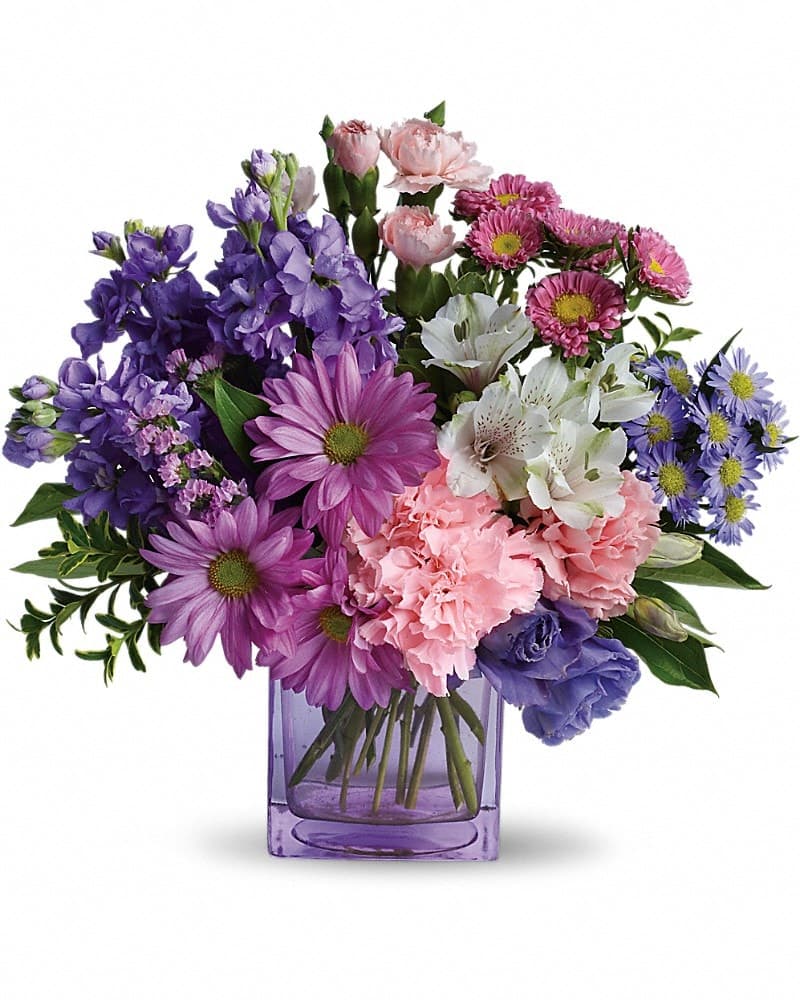
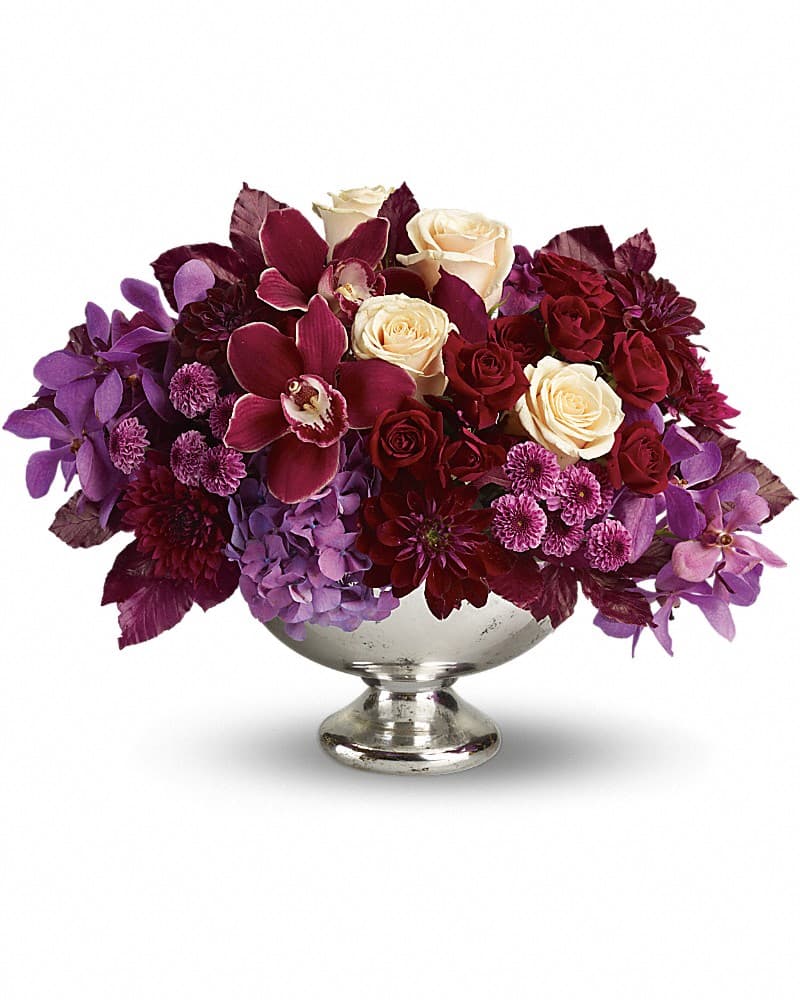
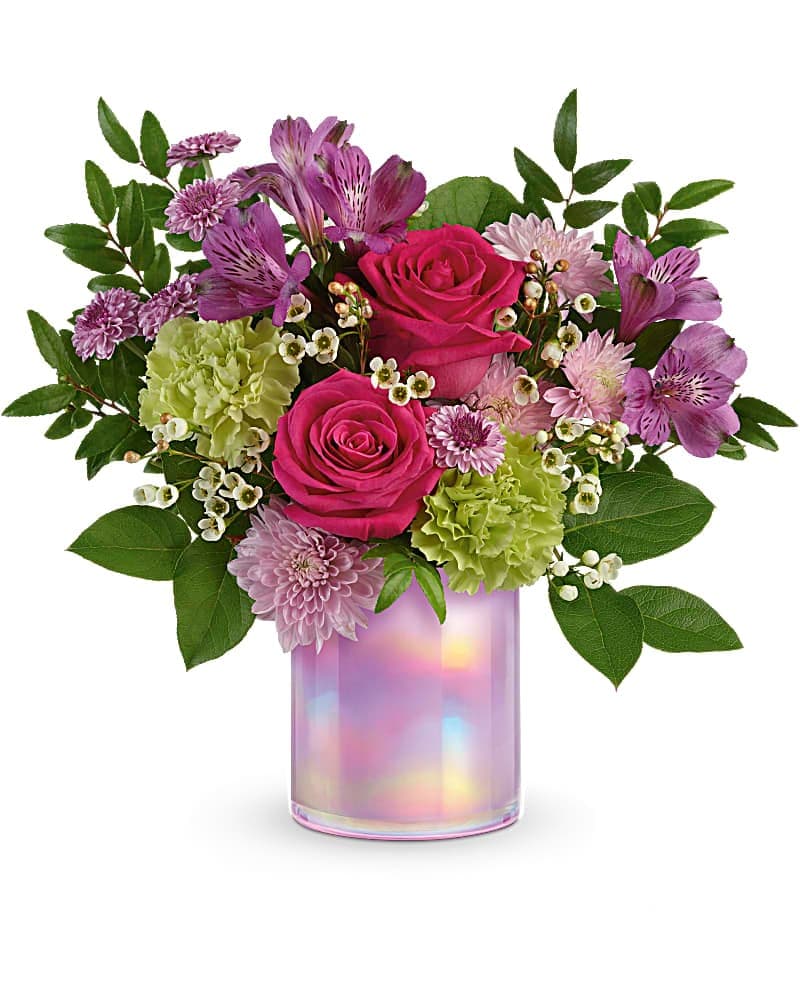
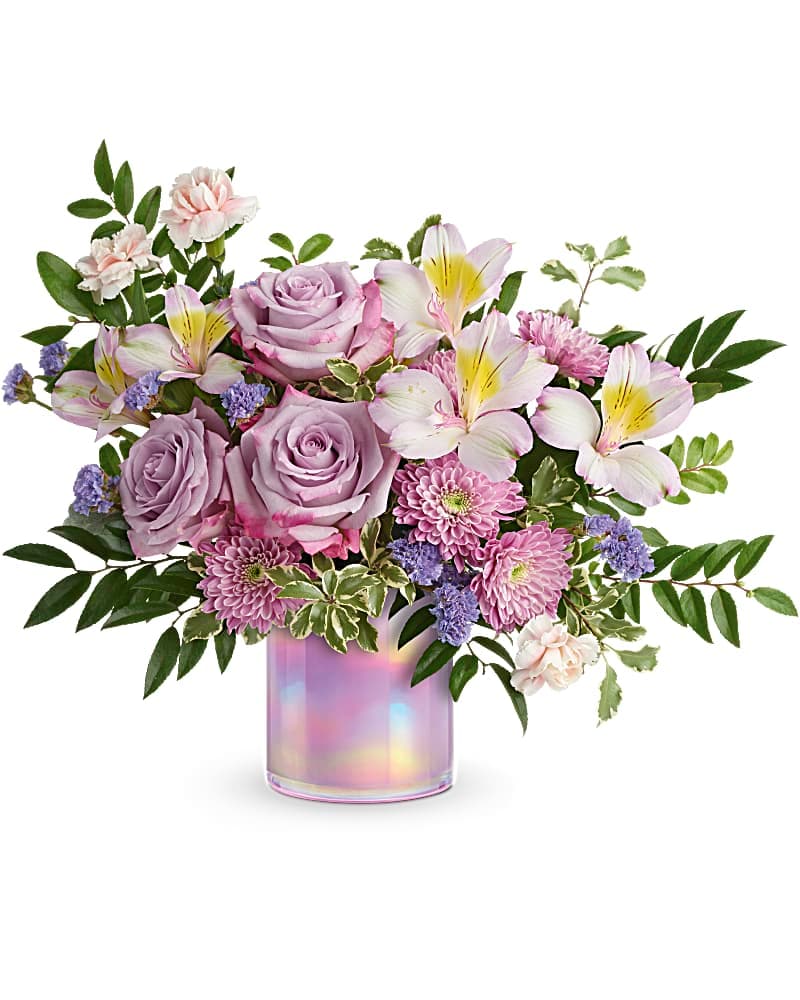
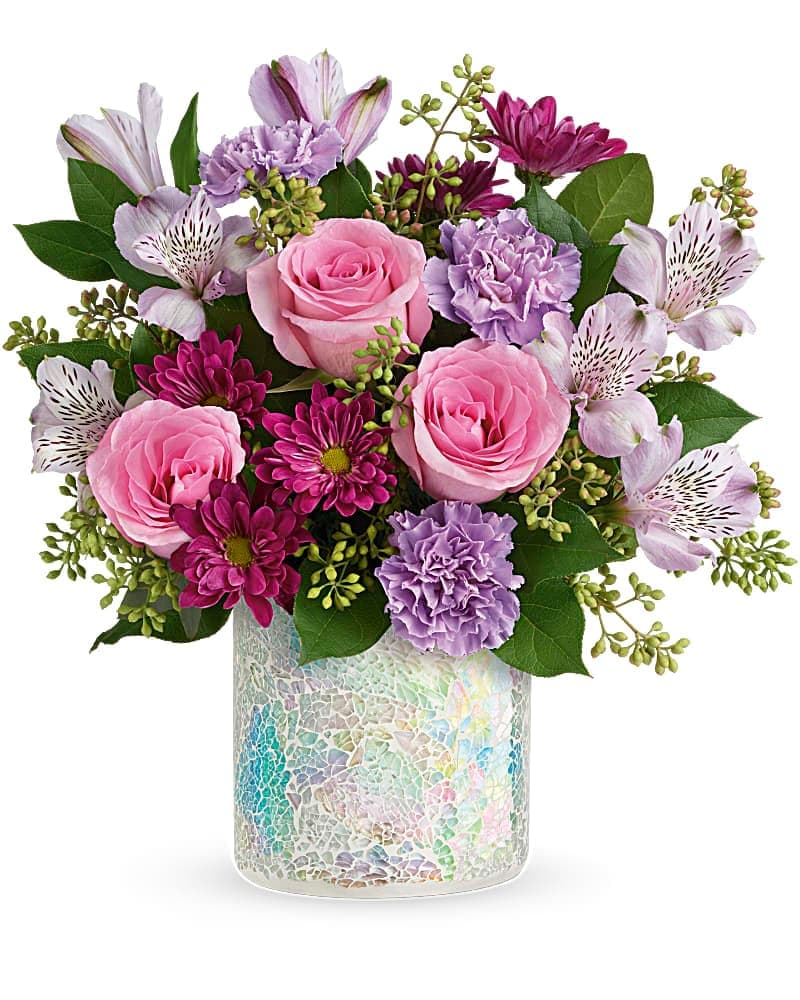
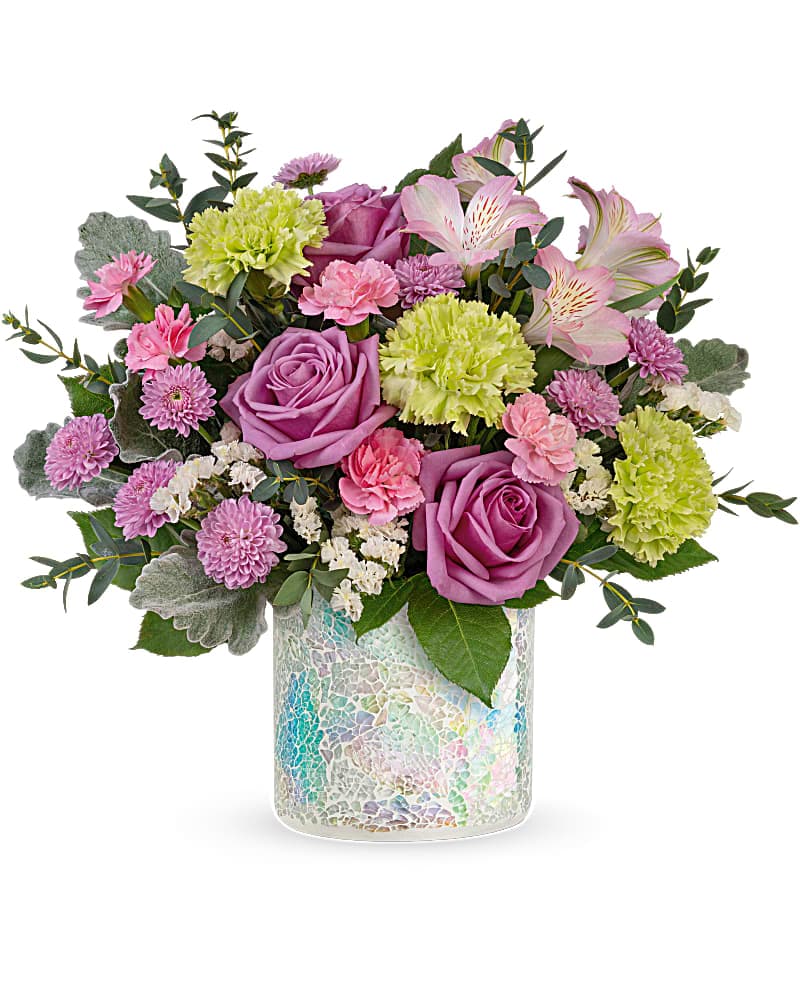
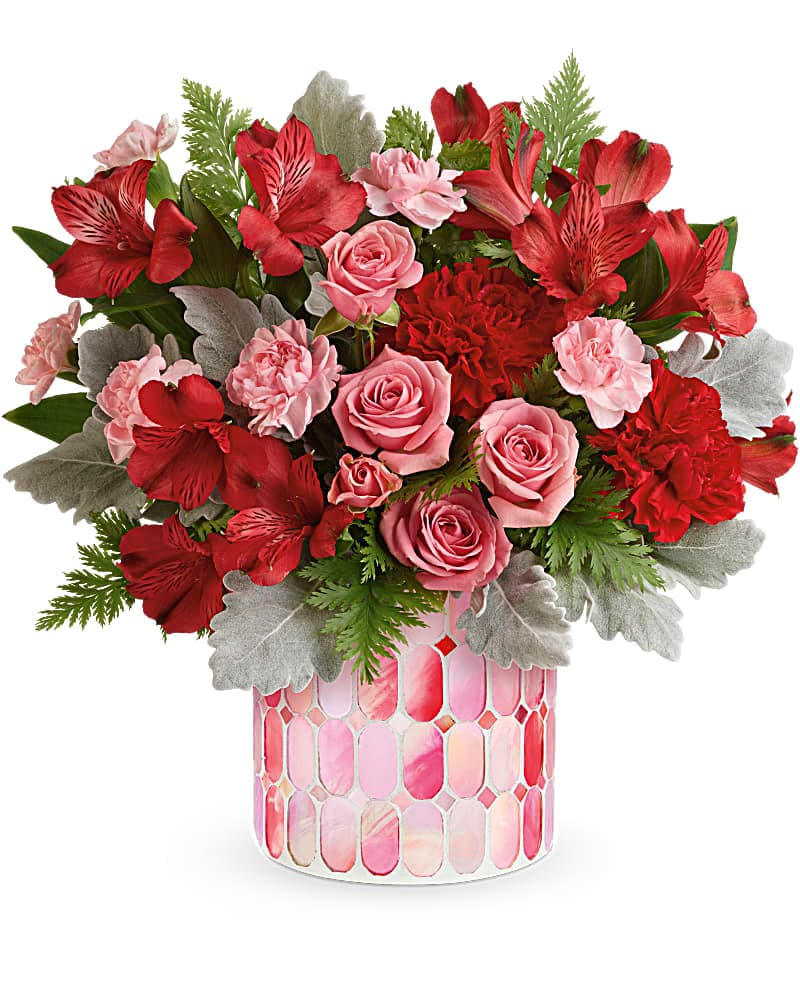
What clears a nurses' station is decided unit by unit, and the reason a design gets turned away is usually mechanical rather than medical. Height and footprint come first: an over-bed tray table is narrow, it is also the patient's desk and dinner table, and anything taller than about a foot gets shunted to a windowsill behind a curtain where the patient cannot see it. So the build that works is short, wide and dense, in a ceramic or hard plastic vessel that survives being set down hard. Lilies are the flower most often refused at an infusion or transplant desk — the pollen marks the linen and the bed rail, the scent fills a room with a closed door, and the stems are poisonous to a cat if the arrangement rides home at discharge. Potted plants are refused for a different reason, the soil itself, which is exactly why the plant that makes the better long-stay gift only works once the patient is home in their own kitchen. One condition is sharper in Lower Bucks than in a big academic tower: semi-private rooms are common at these community hospitals, so fragrance is not one patient's decision. Two people share that air and one of them may be nauseated from anaesthesia. Ask for unscented and you have removed the most common reason a piece gets moved into a corridor.
The strictest units are the predictable ones and the answer in each case is a different address rather than a different bouquet. Intensive care generally takes no flowers at all, so the working route is a hand-off in the lobby to whoever is sitting with the patient, or better, a delivery to that person's own house — they have been living on vending machines and a vinyl chair and a bouquet waiting at home is the thing that actually reaches them. Behavioural health and inpatient rehabilitation units restrict glass, wire and long ribbon — anything that can be snapped into something sharp — so the piece has to be assembled without armature in a container that will not shatter if it goes off a table. Oncology and infusion floors want the unscented, pollen-free, soil-free build described above. Paediatrics is its own case here, and a local one: a child from Lower Bucks with something serious is usually admitted in Philadelphia rather than in the county, which puts the family an hour of round-trip driving from home every day — for those parents, send to the Fairless Hills or Levittown house and let something be waiting when they finally get back. Many hospitals also refuse latex balloons on allergy grounds, so put that money into the flowers instead.