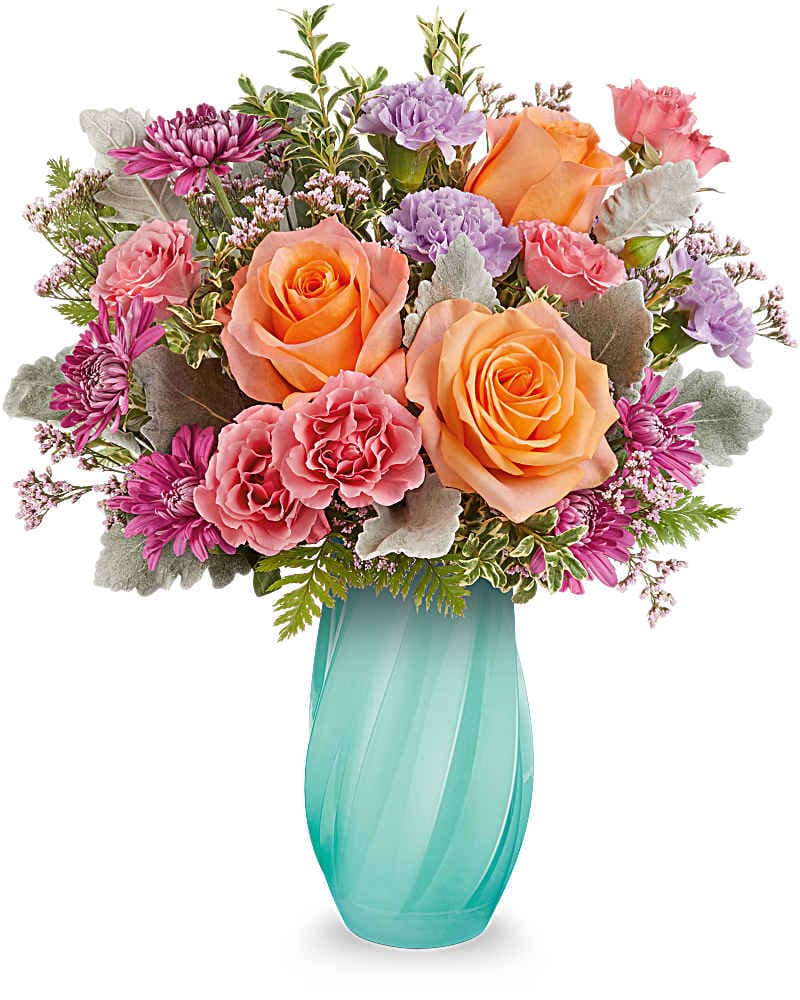
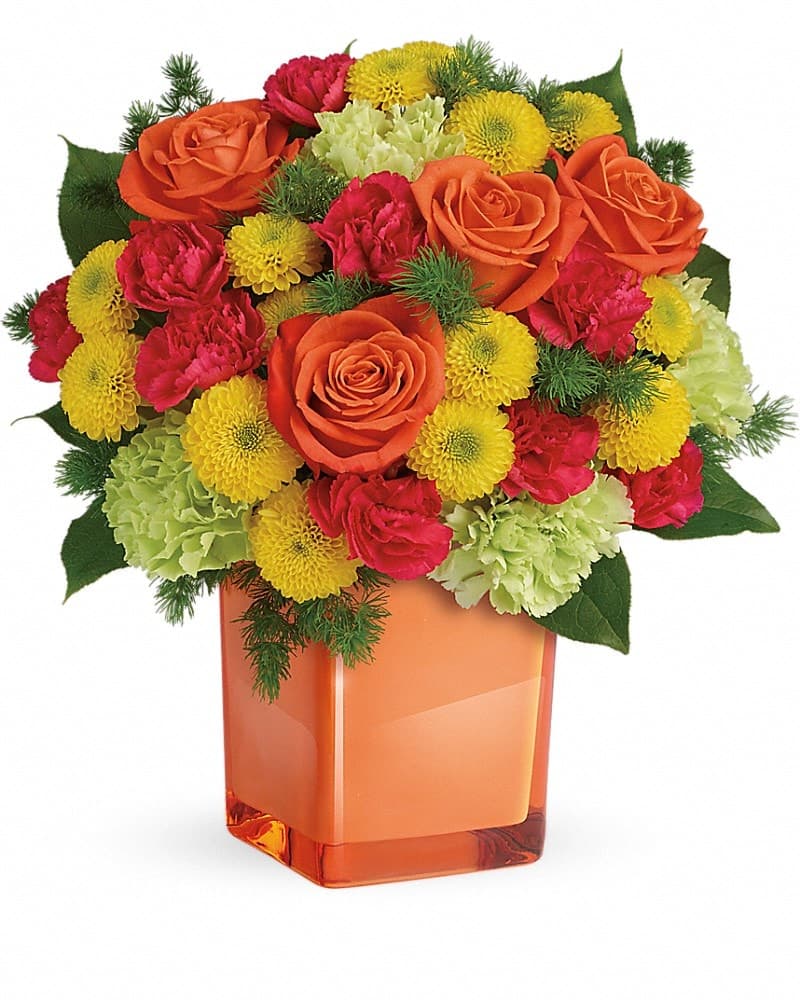
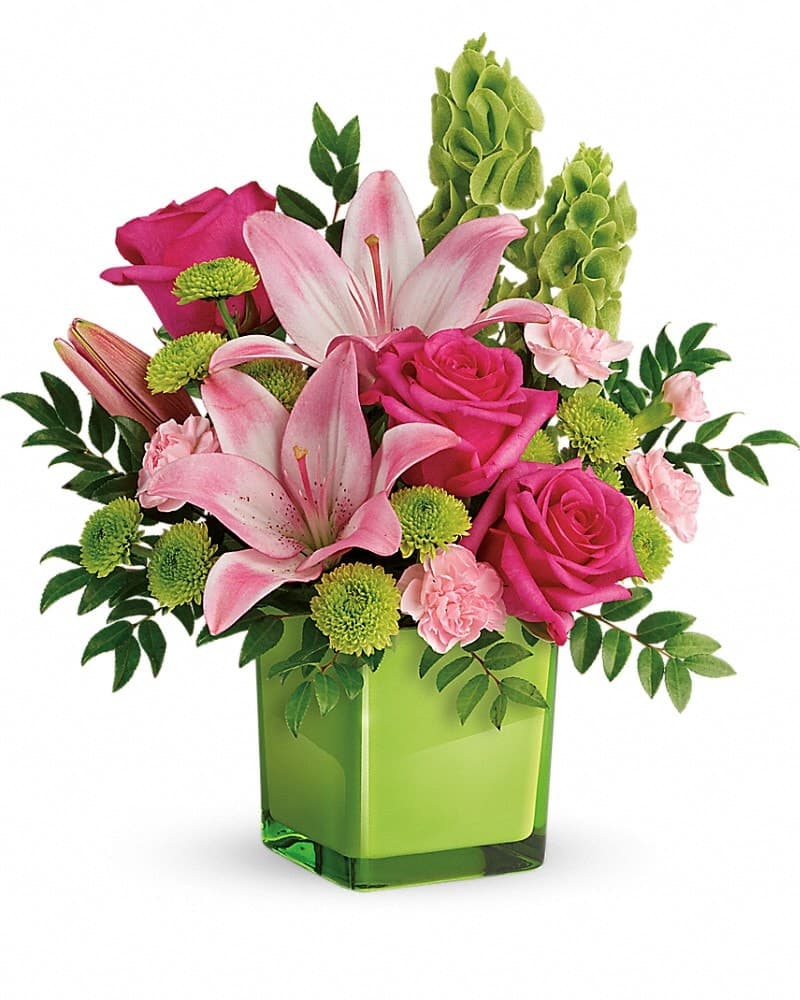
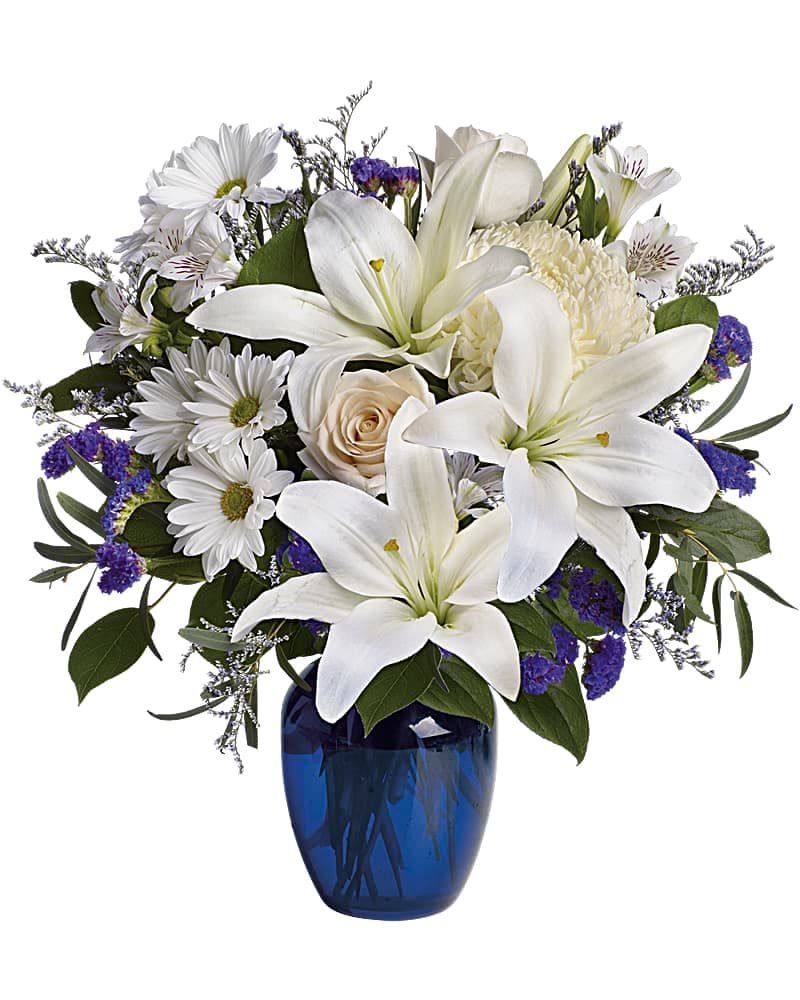
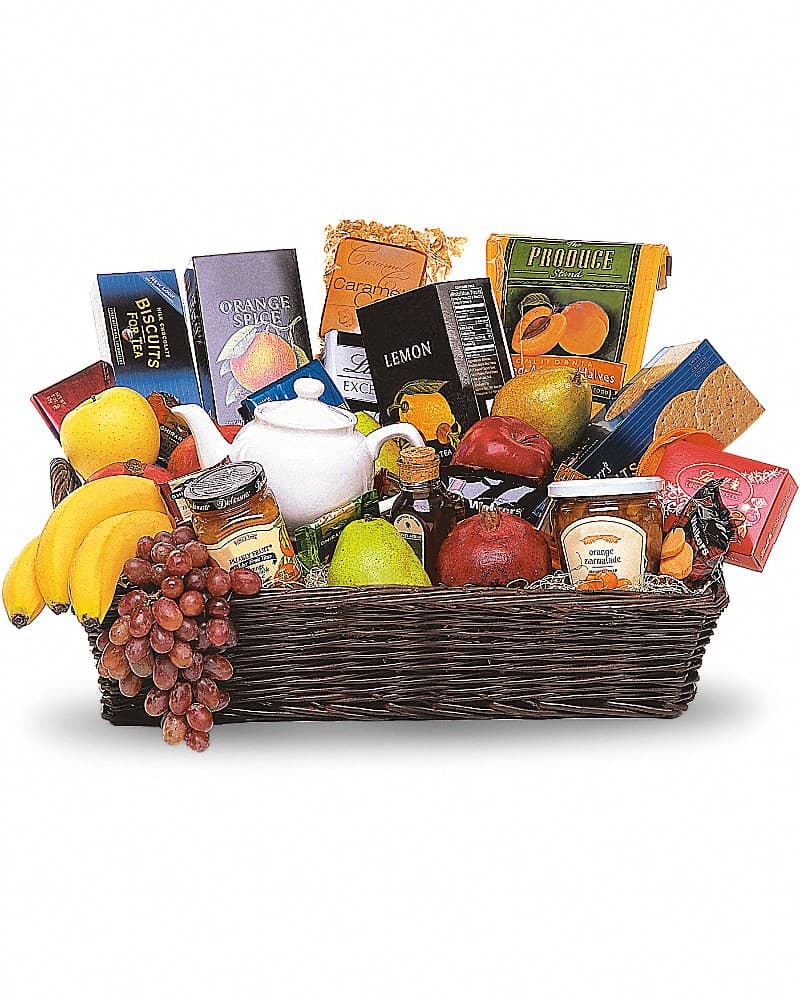
The first thing to know about get-well flowers in Exton is that Exton has no hospital beds. There is a health center built into the Exton Square complex on Exton Square Parkway — Main Line Health's outpatient site, a few minutes from Blossom Boutique at 611 North Pottstown Pike — and there are imaging and specialty offices scattered along Route 100 and Route 30, but none of them keep patients overnight. So when somebody from 19341 is admitted, they are admitted somewhere else, and knowing which somewhere else decides how your order should be built. Two buildings take the overwhelming majority: Penn Medicine's Chester County Hospital at 701 East Marshall Street in West Chester, about eight miles south by Route 100 or Boot Road, and Paoli Hospital at 255 West Lancaster Avenue in Paoli, about eight miles east on Route 30 — a Main Line Health trauma center, which is where a bad crash on the Route 30 bypass or Route 202 tends to end up. Two more matter locally. Bryn Mawr Rehab Hospital is at 414 Paoli Pike in Malvern, not in Bryn Mawr, and people lose an hour to that every week; it handles longer inpatient rehabilitation stays, which changes what is worth sending. Phoenixville Hospital on Nutt Road is nine miles north via Route 113. Further out, CHOP's King of Prussia hospital takes the pediatric admissions from this corridor, and complex cases transfer into Philadelphia — Penn Presbyterian, the Hospital of the University of Pennsylvania, Jefferson — thirty miles east.
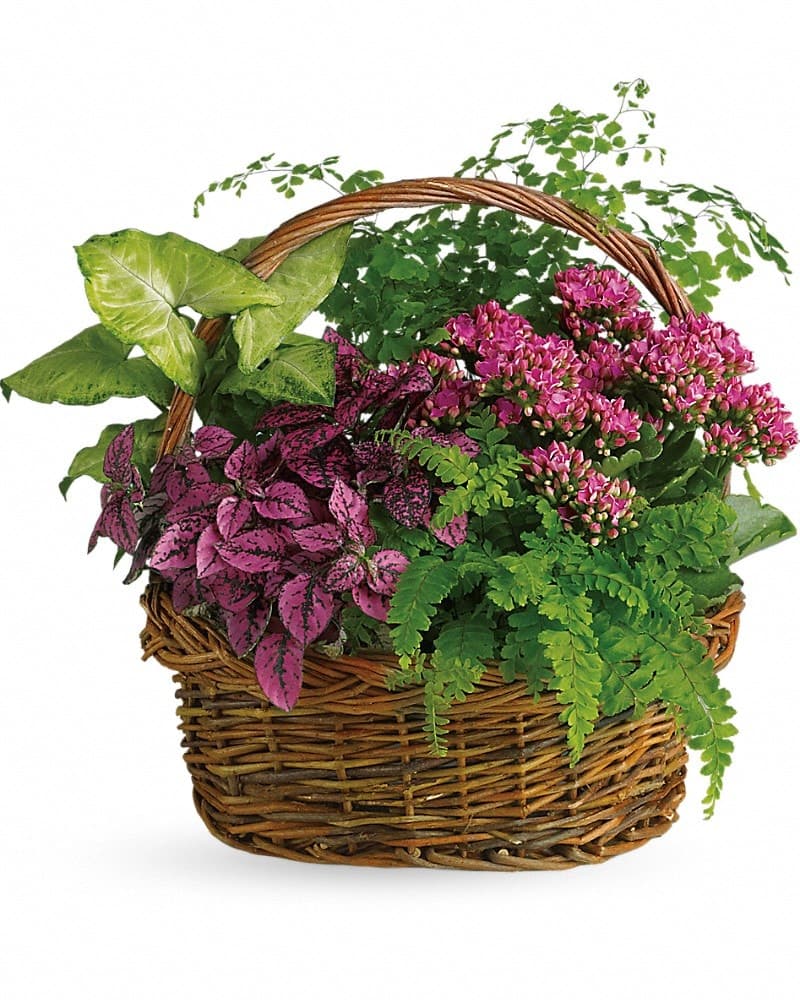
There is a piece of recent history that changed the map and still catches people. Western Chester County used to have its own inpatient hospitals, and Brandywine Hospital in Coatesville and Jennersville Hospital in West Grove both closed in 2022. If you are sending to a relative in Coatesville, Parkesburg or Honey Brook who has been admitted, do not assume Brandywine — they are almost certainly at Chester County Hospital in West Chester or at a Lancaster-side hospital instead, and sending to a closed building is a wasted afternoon. The Coatesville VA Medical Center on Black Horse Hill Road is still very much open, twelve miles west of Exton, and it runs long-stay veterans' care, which is the one setting in this county where flowers are genuinely a repeat gift rather than a one-off: a resident there may be in the same room for months, and a blooming plant that keeps going beats cut stems that do not. For any of these buildings, what we need from you is the patient's full name as the hospital has it, the room number if you have it, and the unit or floor name if you do not. A delivery addressed only to a name at a large hospital reaches an information desk and then depends on somebody looking up a chart, which they will do, but it adds hours.
Two things people forget entirely. The caregiver is the other patient. In almost every admission at Chester County Hospital or Paoli there is a spouse or an adult child doing the Route 100 or Route 30 commute twice a day, eating from a cafeteria, sleeping badly, and receiving absolutely nothing. A small arrangement sent to their house, or handed to them in a waiting room, is frequently the better-aimed gift than anything sent to the bed — and if you only have budget for one, they are the person to send it to. Same logic for a long rehabilitation stay in Malvern: week one brings a flood of visitors, week three brings nobody, and the family is still driving Paoli Pike every evening. Visitor restrictions can make a delivery the only thing that gets through. During a hard respiratory season the hospitals in this region tighten who may come onto a floor, and in those weeks a delivery that a desk carries in is doing work no visit can do. Ask for it to be addressed to the patient with the sender's full name spelled out on the card, since a nurse or a volunteer may be the one handing it over and explaining who it is from. On the card itself: keep it short, make no demands, and do not ask a question. Somebody in a hospital bed on a morphine schedule will read it four times and cannot reply, so write the version that is complete on its own — and if the news is genuinely bad, say something true and small rather than something hopeful and large.