The single most useful thing you can do for an El Paso hospital delivery is name the campus, because in this city the brand name is not an address. The Hospitals of Providence runs four separate El Paso campuses — the Memorial campus at 2001 N Oregon St in the center of town, the Sierra campus on Medical Center Drive on the west side, the East campus out on Joe Battle Boulevard and the Transmountain campus in the Northeast — and a delivery routed to Providence alone can be twenty miles from the patient. It gets tighter than that: the Memorial campus at 2001 N Oregon and Las Palmas Medical Center at 1801 N Oregon sit two blocks apart on the same street under different health systems, which is exactly the kind of near-miss that puts flowers at the wrong front desk on a day nobody has patience for it. Del Sol Medical Center at 10301 Gateway West anchors the east side; the El Paso VA clinic at 5001 N Piedras St is a different building from the William Beaumont Army Medical Center campus at Fort Bliss, which confuses out-of-town senders constantly. So: campus, building, unit, room number, patient's full name. All four benches will call a floor before they drive, but they need a floor to call.
The Alameda blocks are the heart of it. University Medical Center of El Paso at 4815 Alameda Ave is the county hospital and the region's Level I trauma center — the one place a serious accident from anywhere in far West Texas or southern New Mexico ends up — and El Paso Children's Hospital stands immediately beside it at 4845 Alameda, a separate hospital sharing the campus with its own entrance and its own front desk. Texas Tech University Health Sciences Center El Paso, with the Paul L. Foster School of Medicine and the Hunt School of Dental Medicine, sits on the same Medical Center of the Americas blocks, so the neighborhood runs on shift changes and teaching rotations rather than visiting hours. Practically, that means two things. A delivery for a child should say El Paso Children's, not UMC, even though the street numbers are forty apart. And trauma and intensive care units at UMC often will not take flowers into the room at all — they will hold them at the nurses' station or ask that they go to the family instead. A phone call to the unit desk before you order settles it in ninety seconds, and it is the difference between a bouquet on a windowsill and a bouquet on a countertop by an elevator.
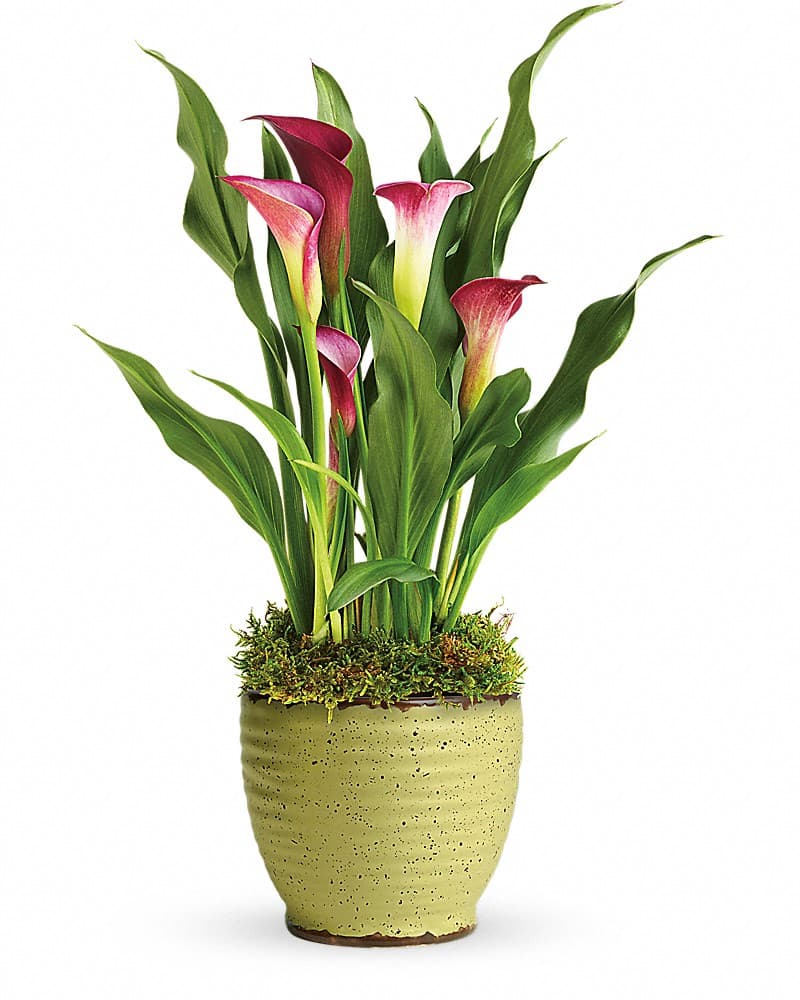
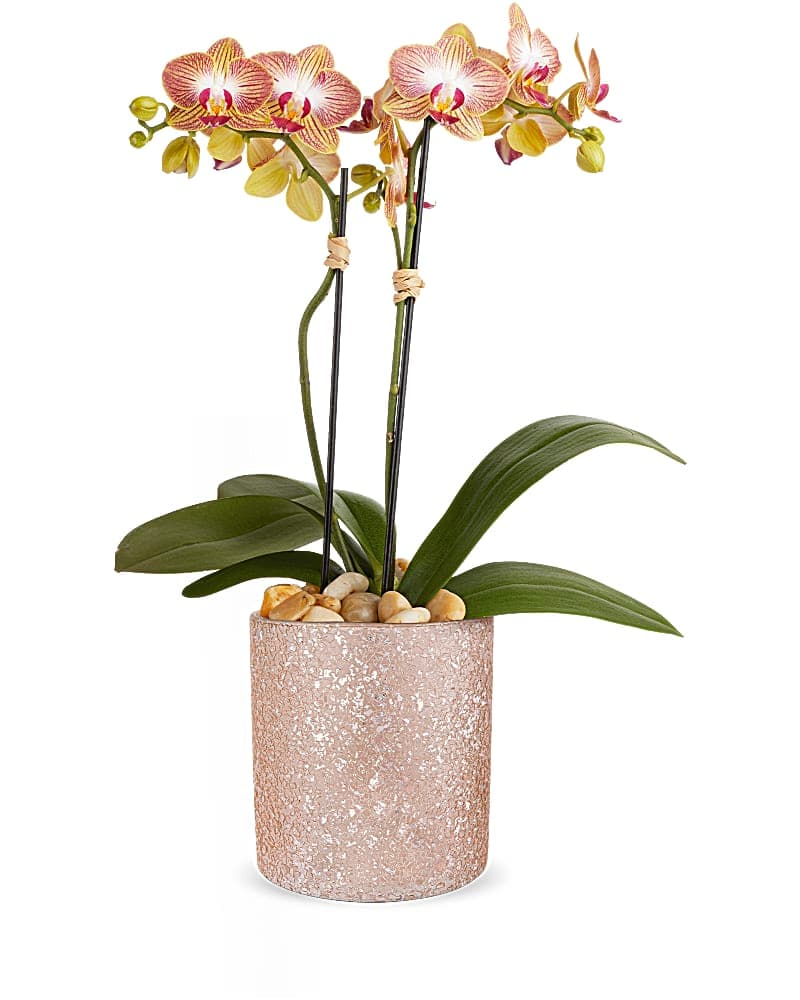
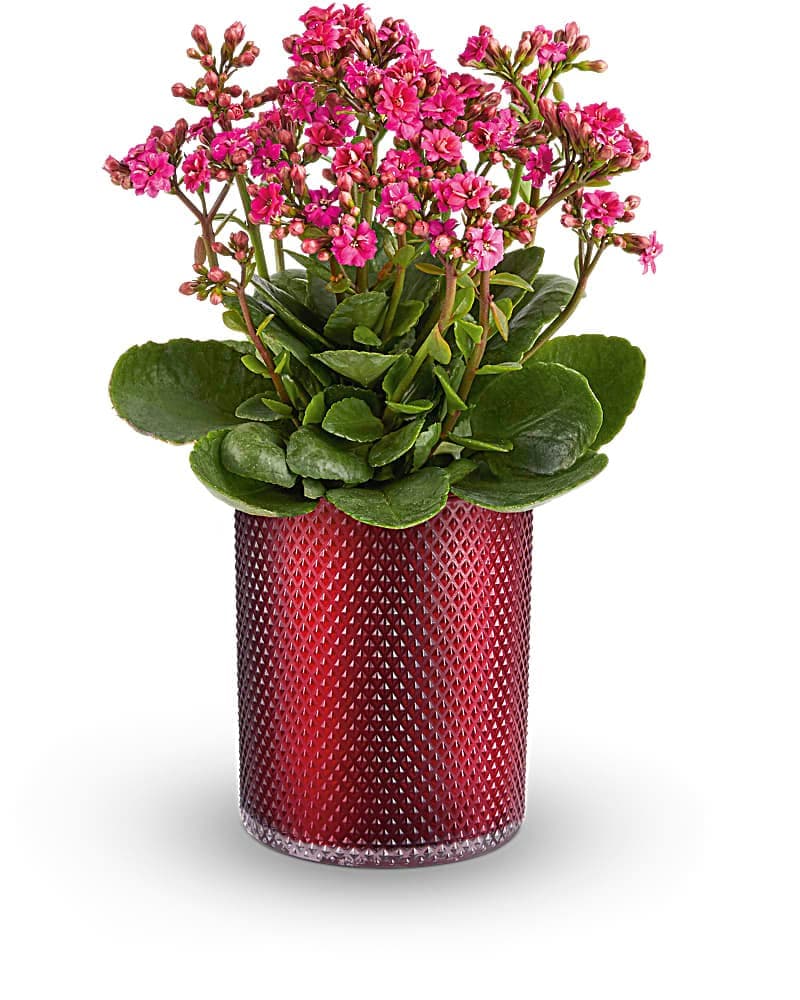
What the floors allow varies by unit, and the specific restrictions here are worth knowing rather than guessing at. Lilies are the usual no — scent carries in a closed room and pollen is a problem for a patient on oxygen — so a get-well design for an El Paso oncology or pulmonary floor should be built lily-free, and any of the four benches will do that if you say so. Potted plants are the opposite surprise: the objection is not the plant but the soil, which is why bone-marrow, transplant and some cancer units bar it outright, and why a potted gift intended to outlast a long stay can be refused at the door of the very floor where a long stay is happening. Latex balloons are barred in most pediatric settings, including at El Paso Children's, so send the flowers without one. And there is a desert variable no other city's hospital advice mentions: from May into September, a bouquet that waits in a car or on a sunlit lobby counter at El Paso's altitude, over 100 degrees with almost no humidity, drops its open blooms within the hour. Ask for a floor-side handoff or a scheduled morning window, and pick tight buds over fully open heads.