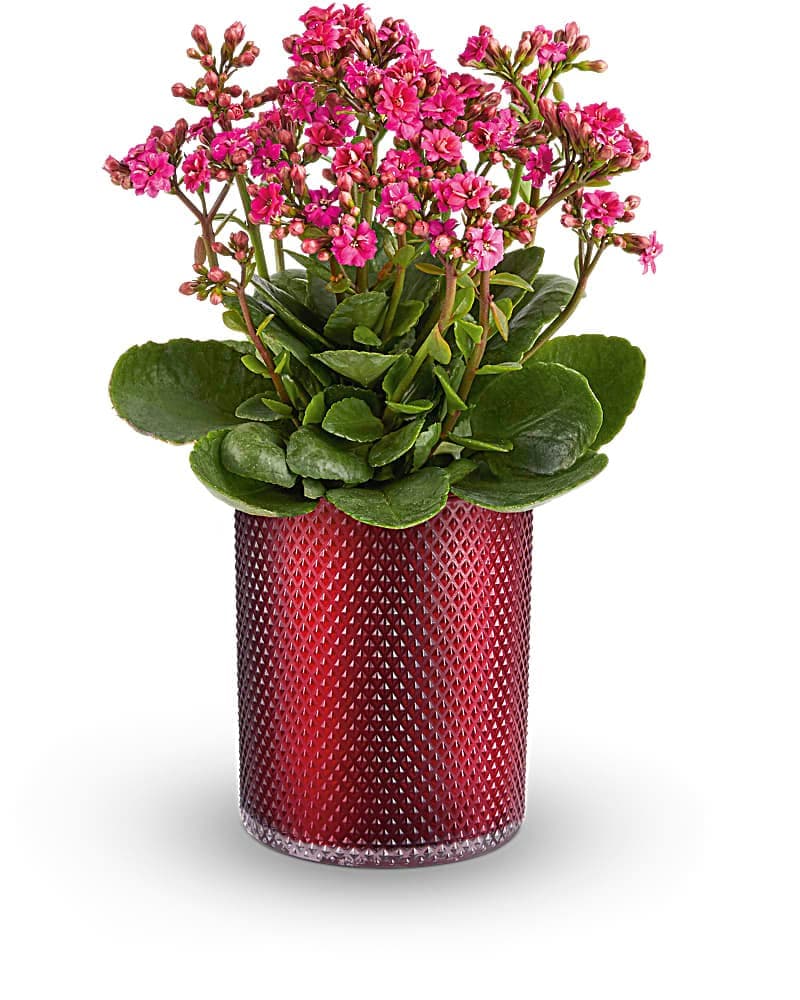
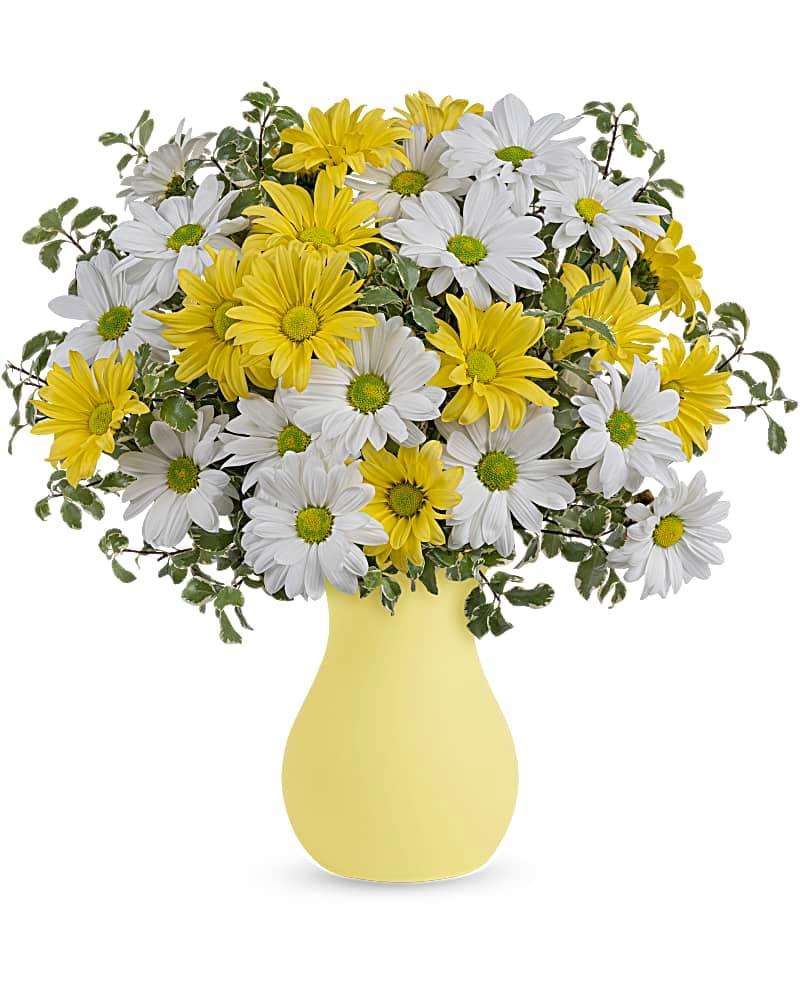
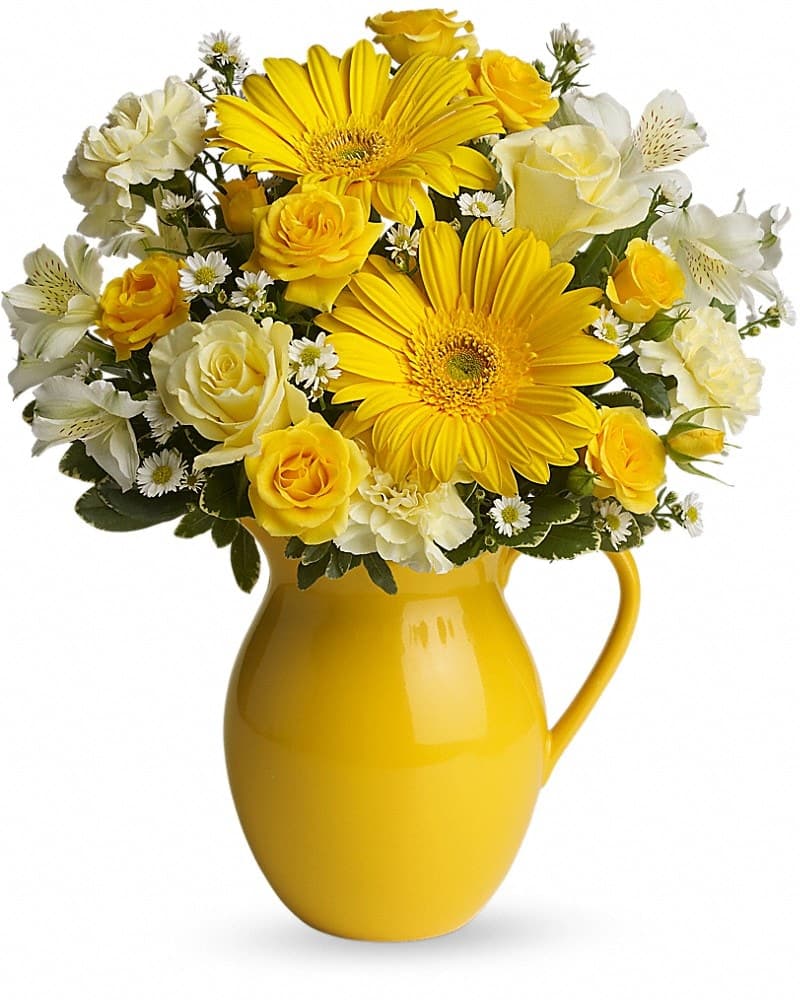
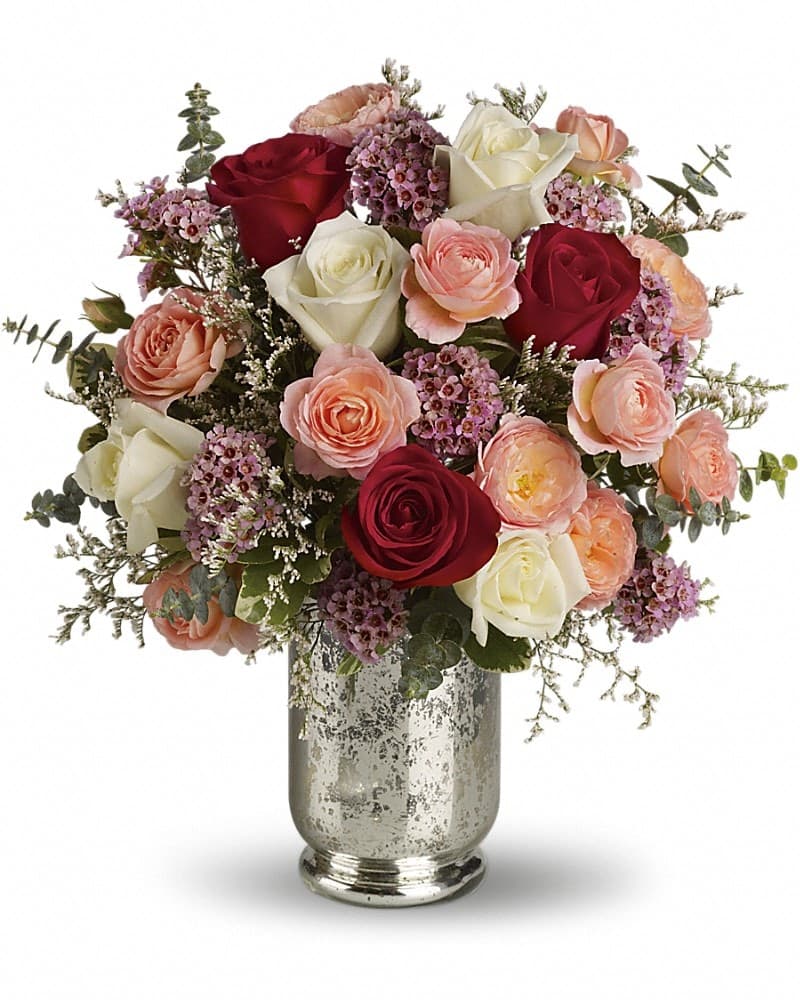
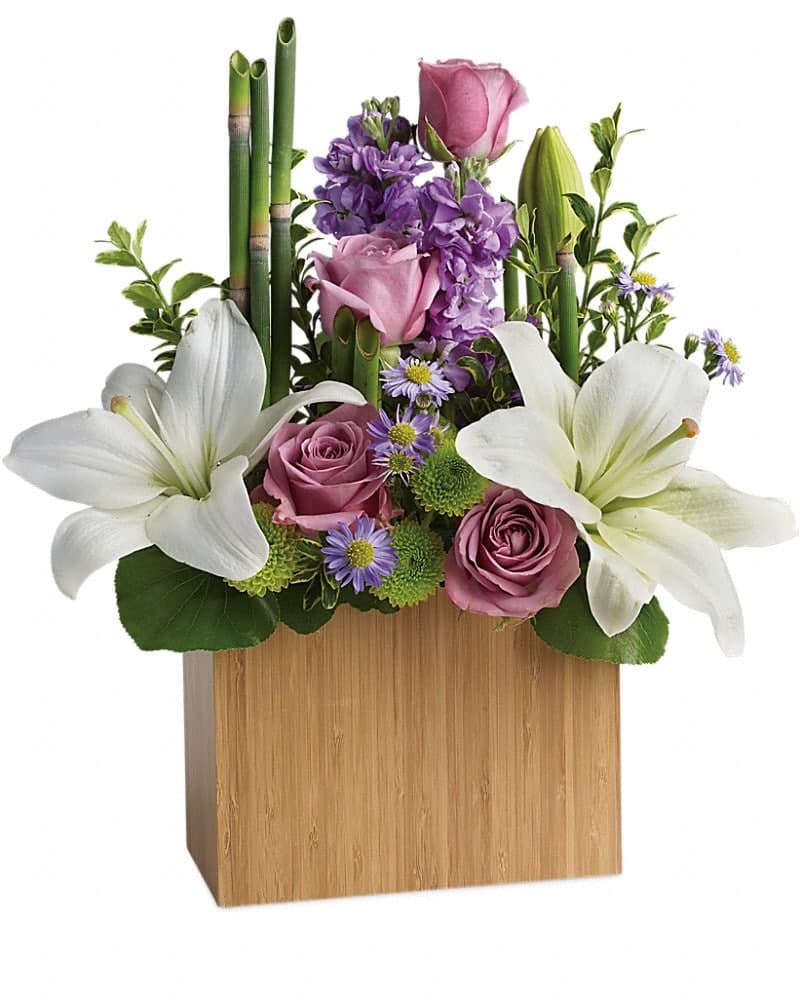
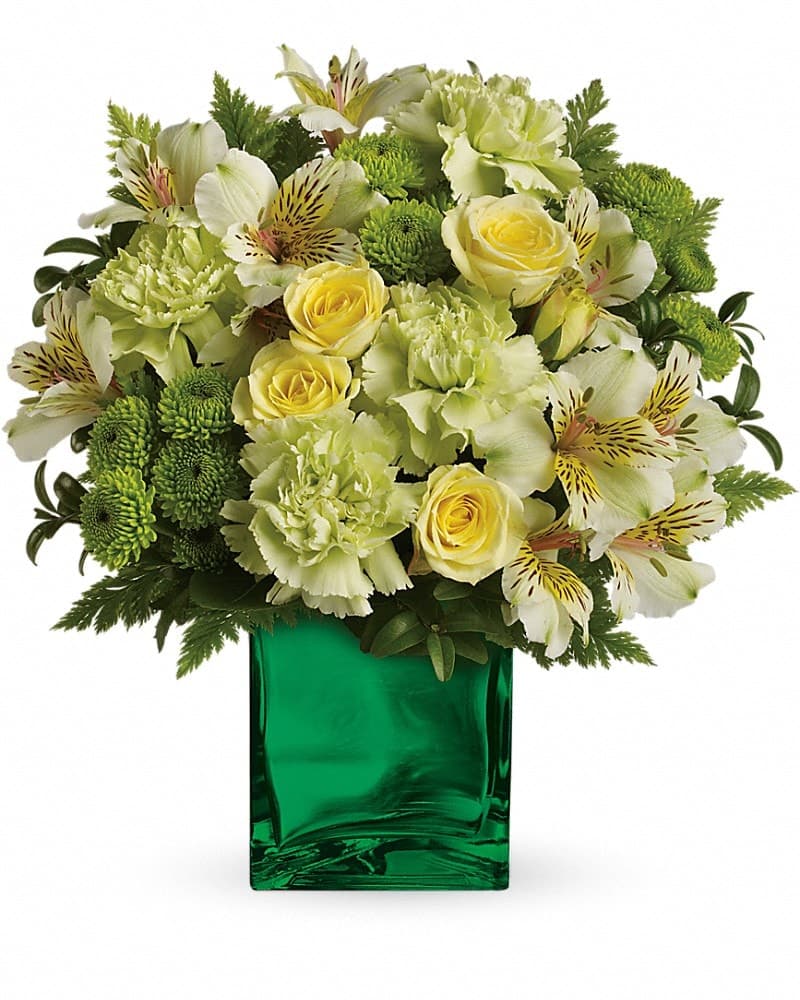
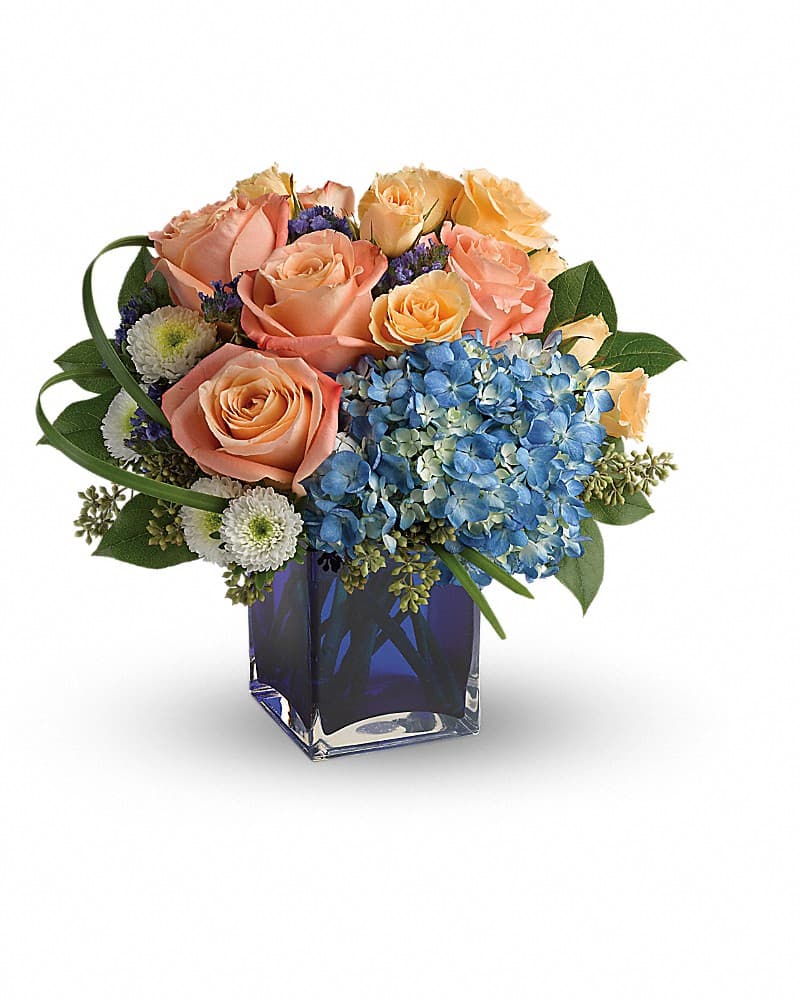
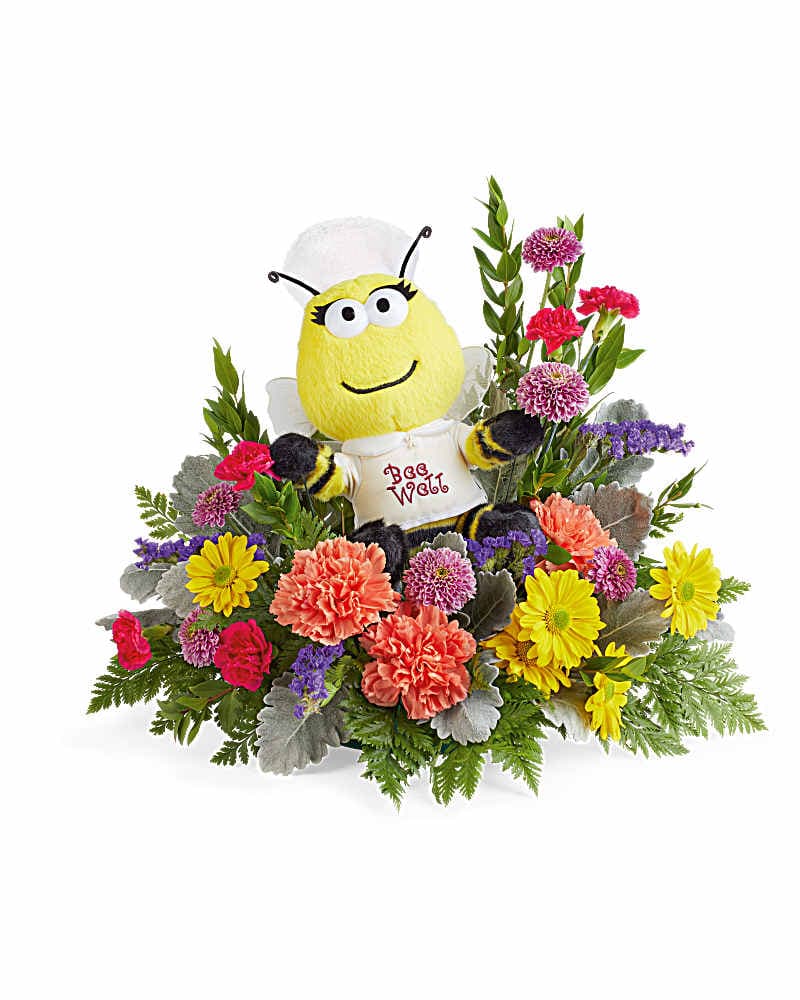
Two questions decide this order and neither of them can be answered from a website. Is the ward taking flowers at the moment, and will your person still be in that room tomorrow. Both are settled at the nurses' station by whoever is already visiting, in about half a minute, and neither is settled by the hospital's main switchboard. We will not publish an acceptance rule for a Hackensack oncology wing or a transplant floor and dress it up as fact, because the answer shifts between wings of one building and between one month and the next, and a confident wrong answer here costs a nurse her afternoon and you your gift. The second question is the one that quietly eats money: Bergen County stays are short and transfers happen with no notice, so an arrangement delivered to a bed that emptied at nine in the morning belongs to nobody. If either answer comes back no, the alternatives are genuinely stronger — put it in the Dumont house for the day they are discharged, send it to the relative doing the hospital runs, or send a plant that will outlive the whole episode.
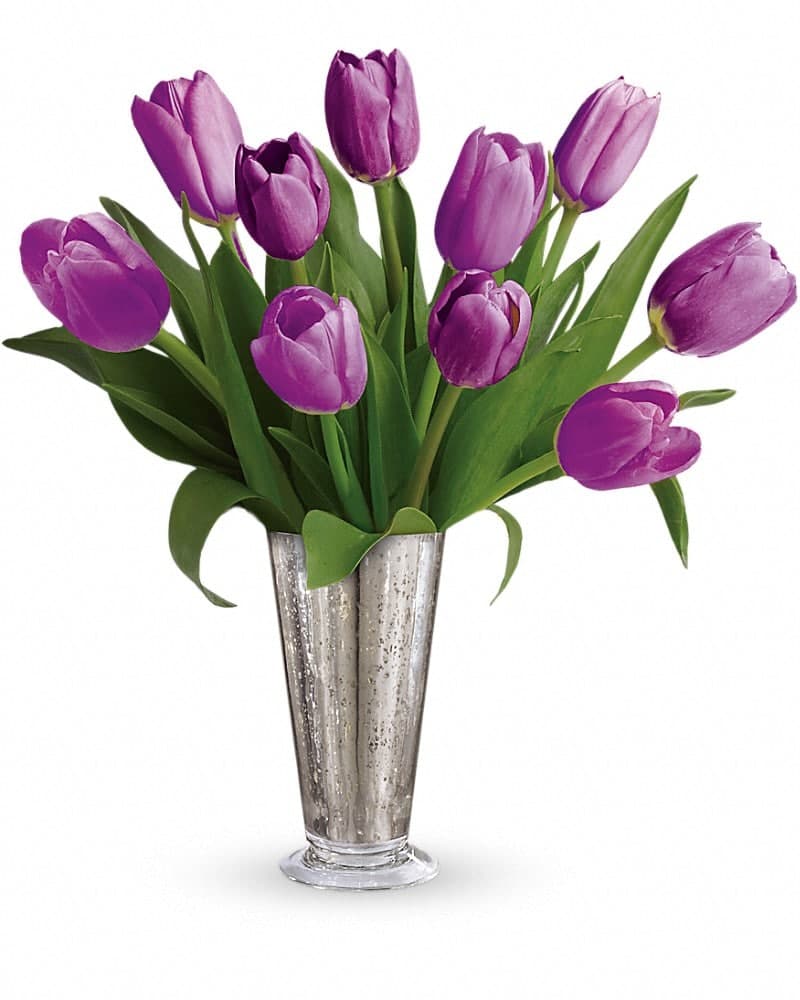
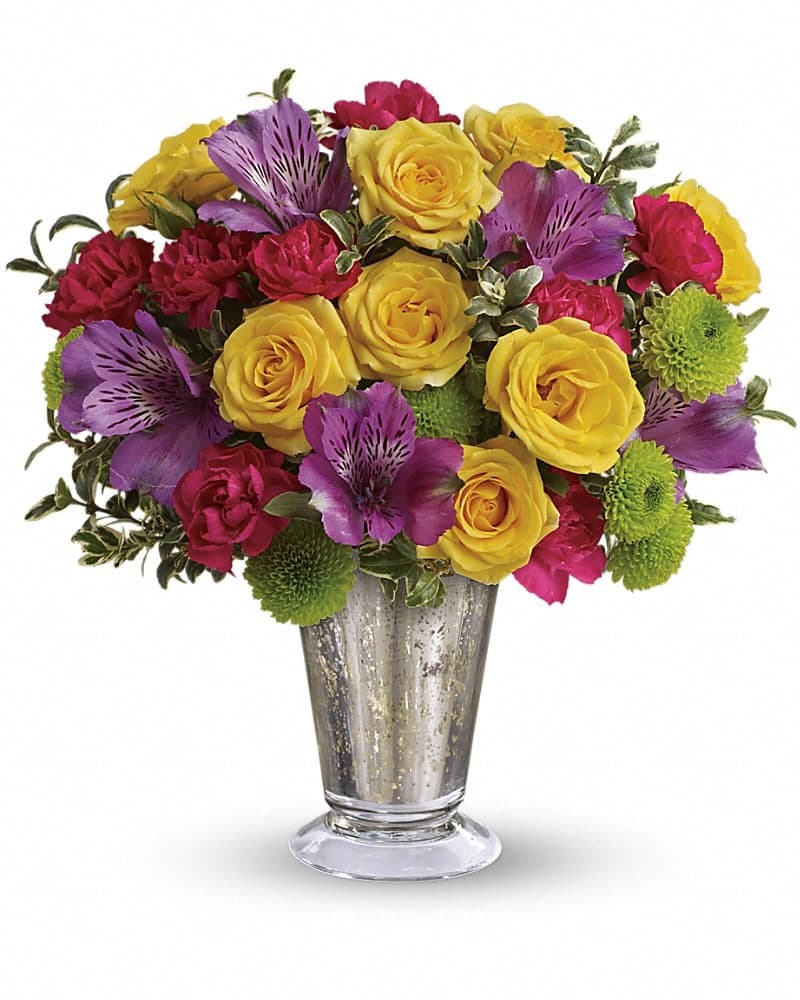
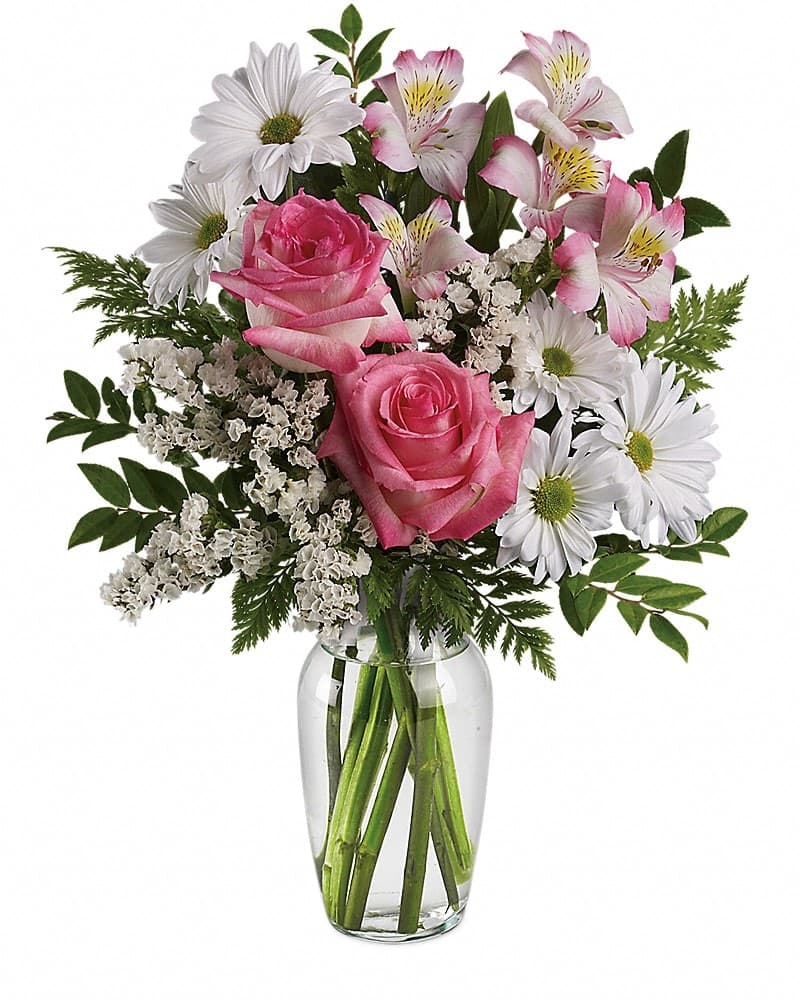
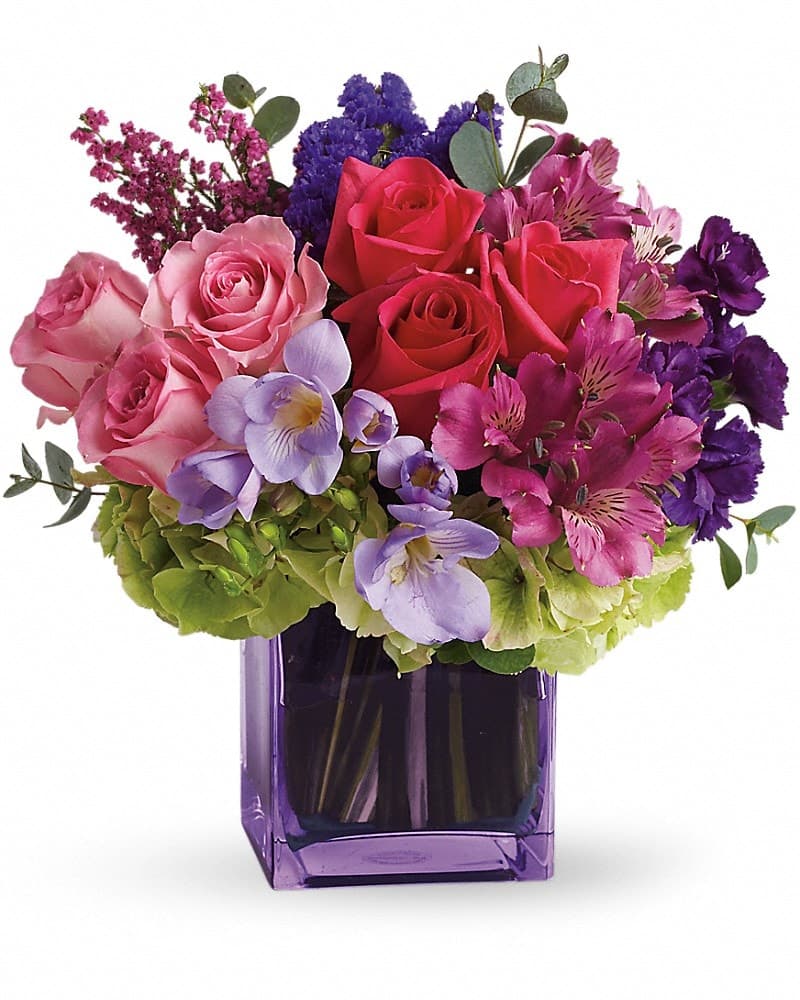
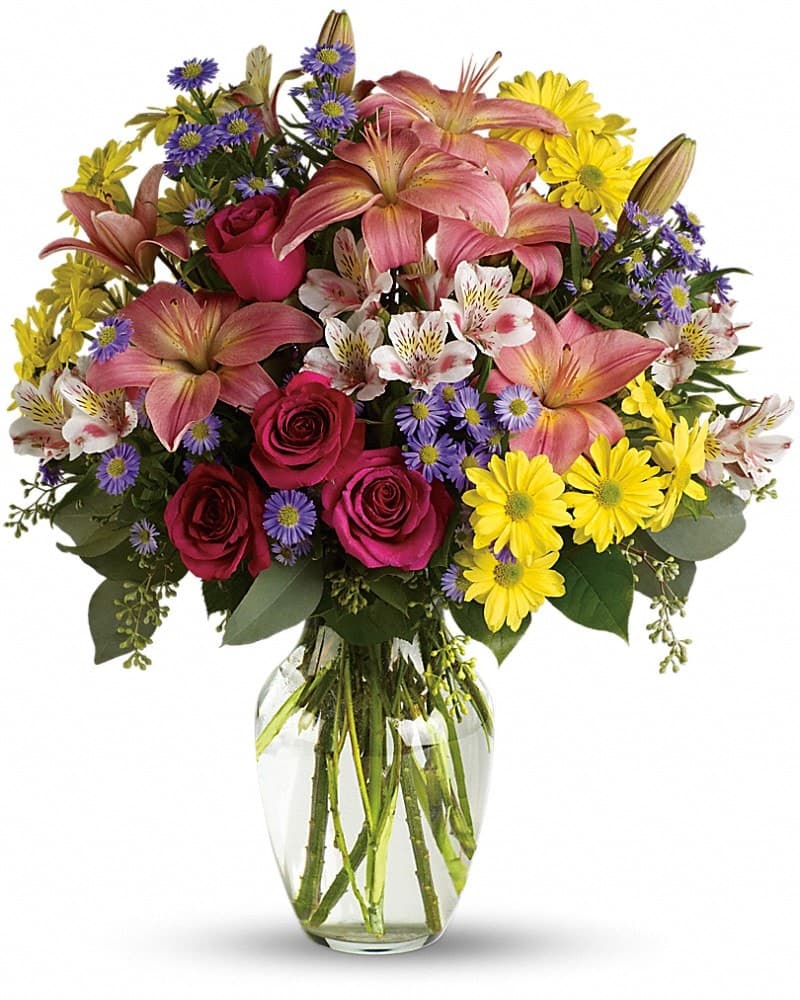
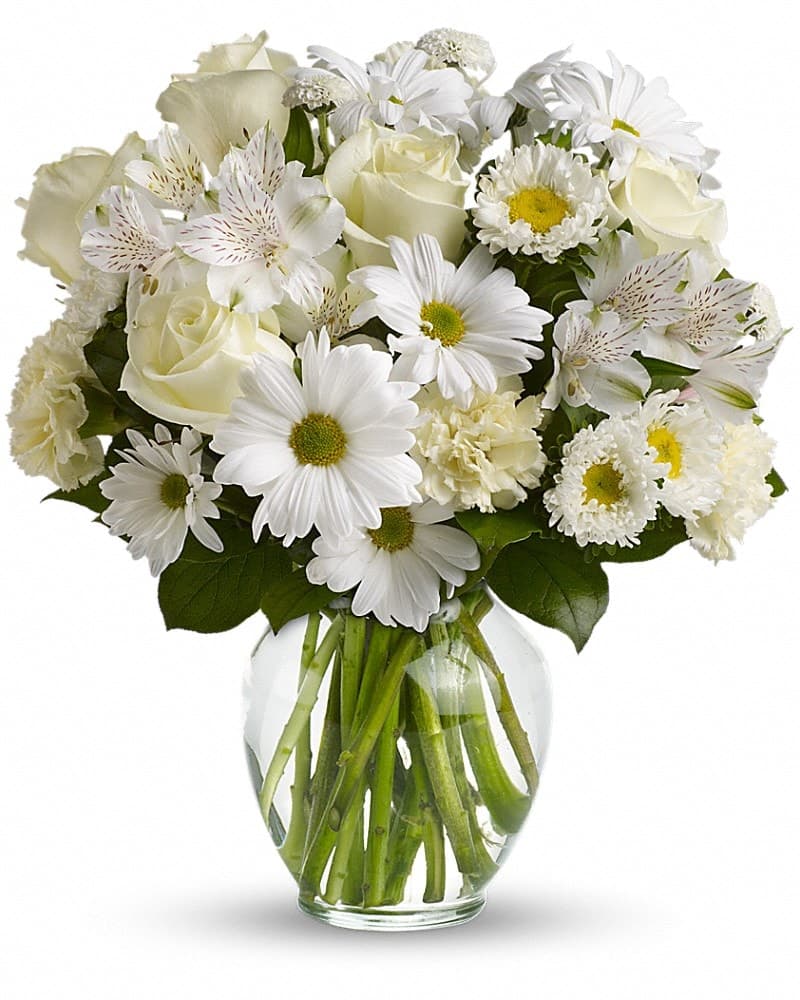
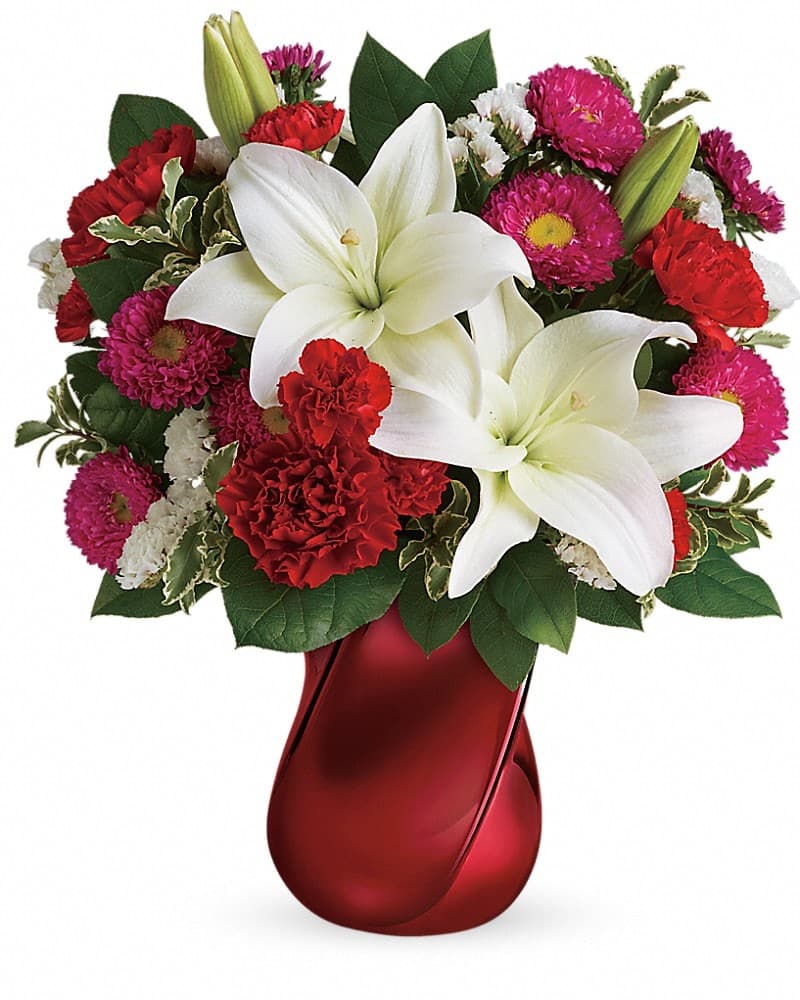
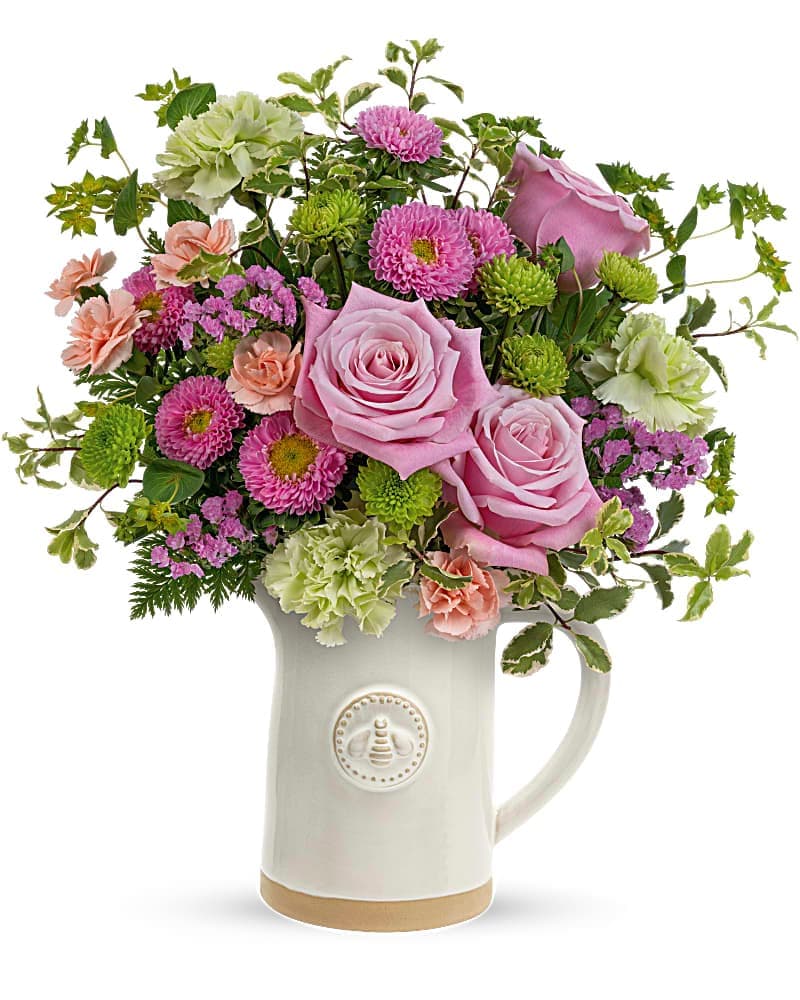
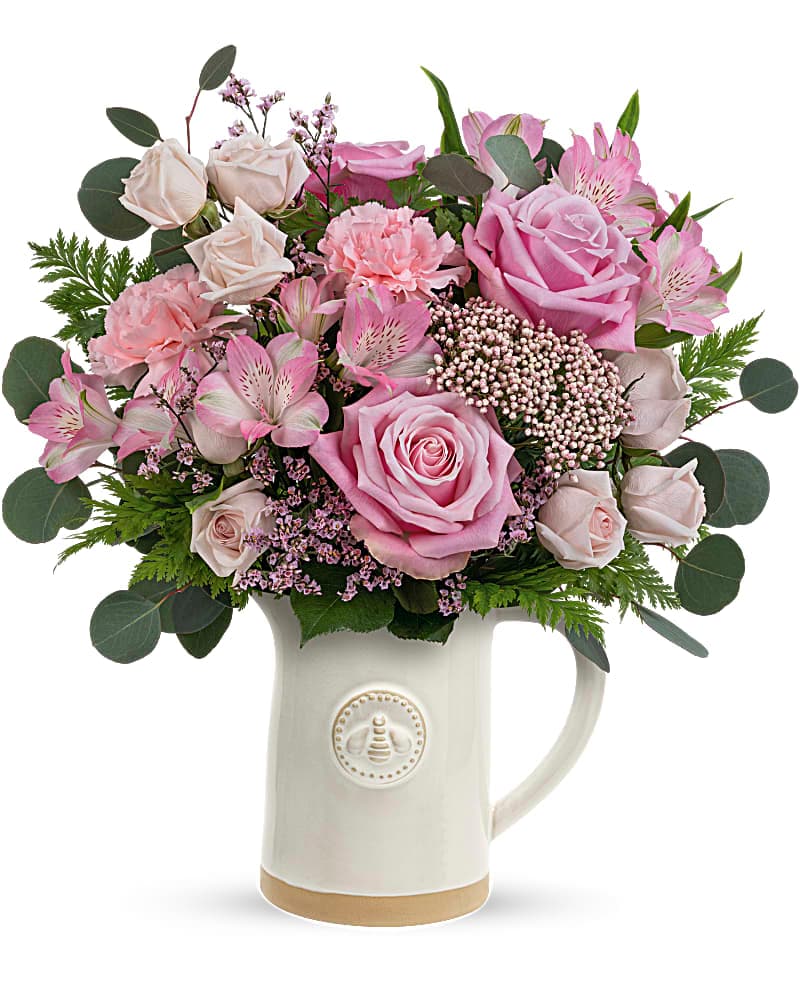
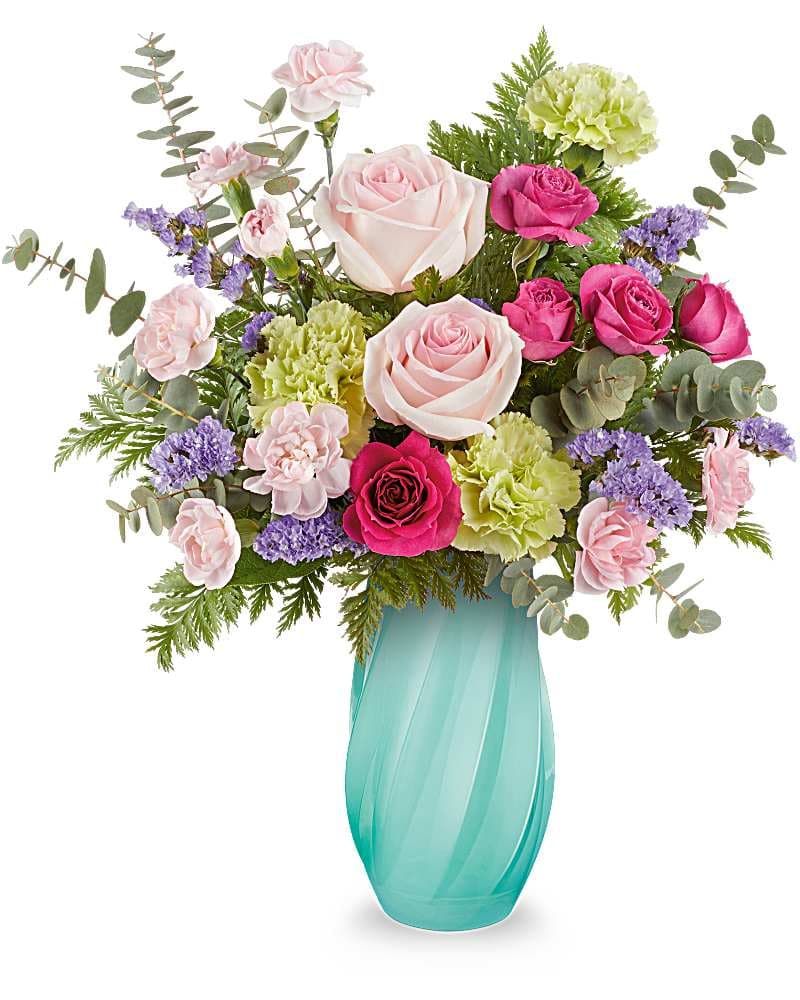
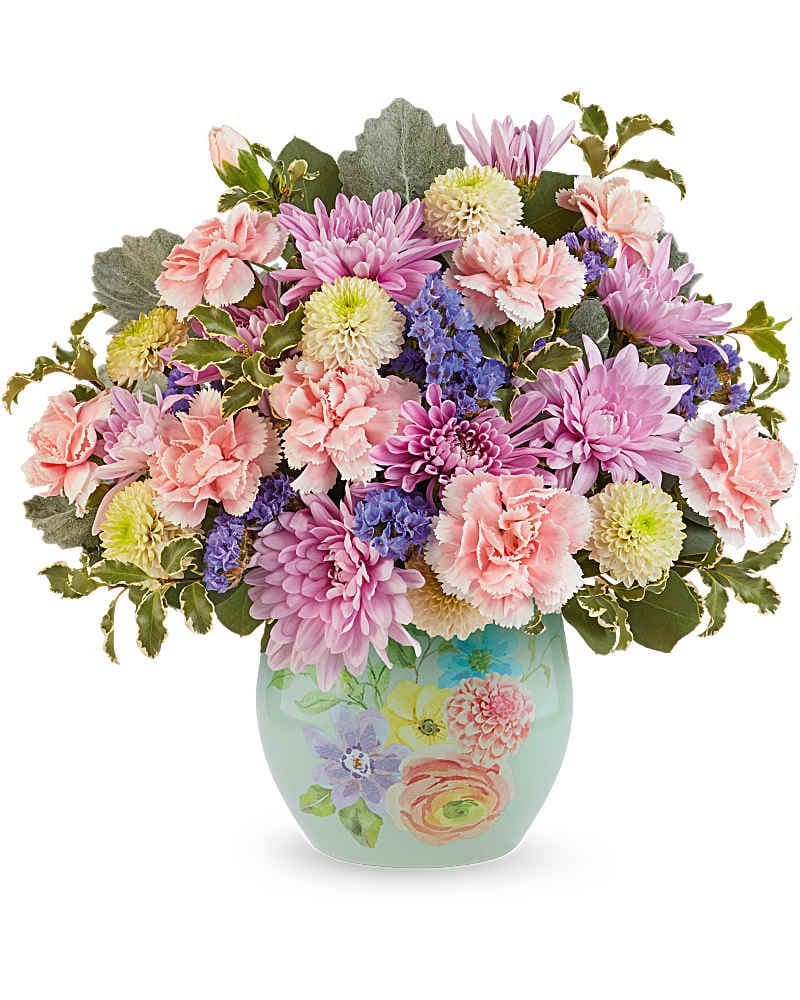
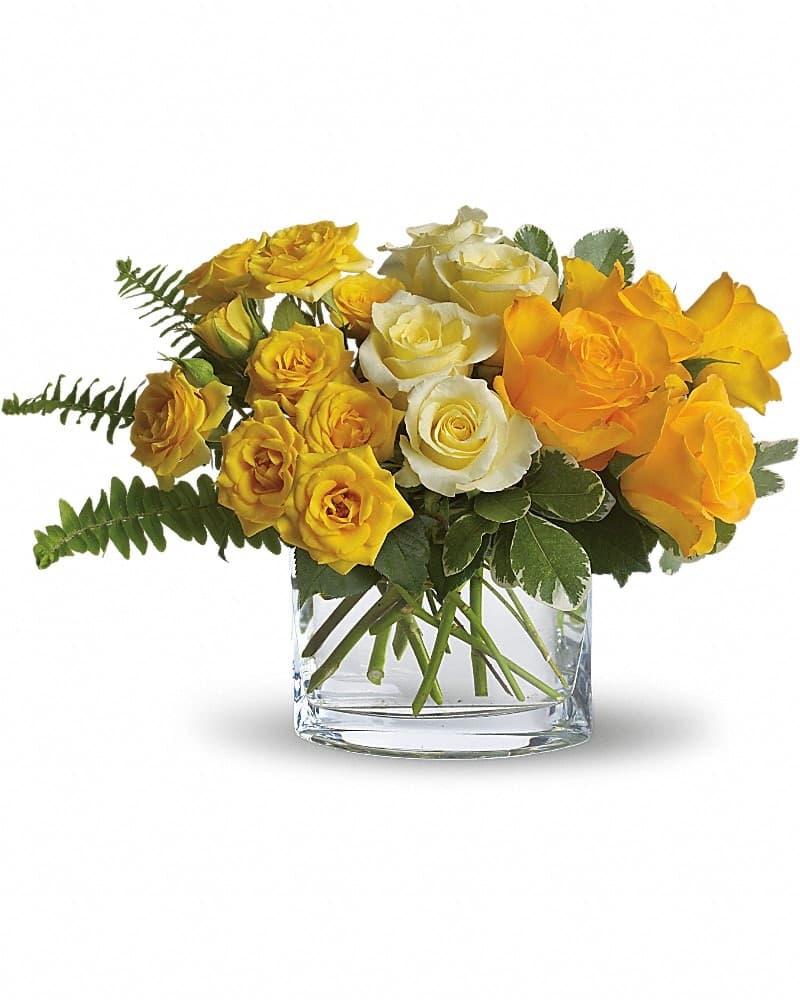
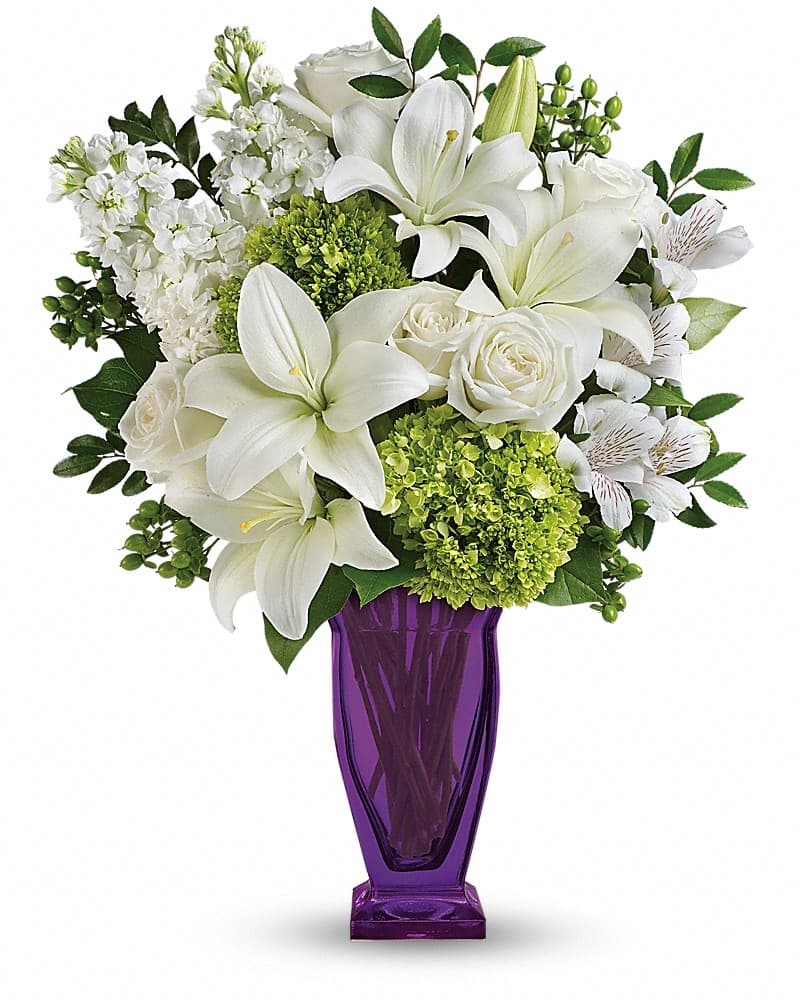
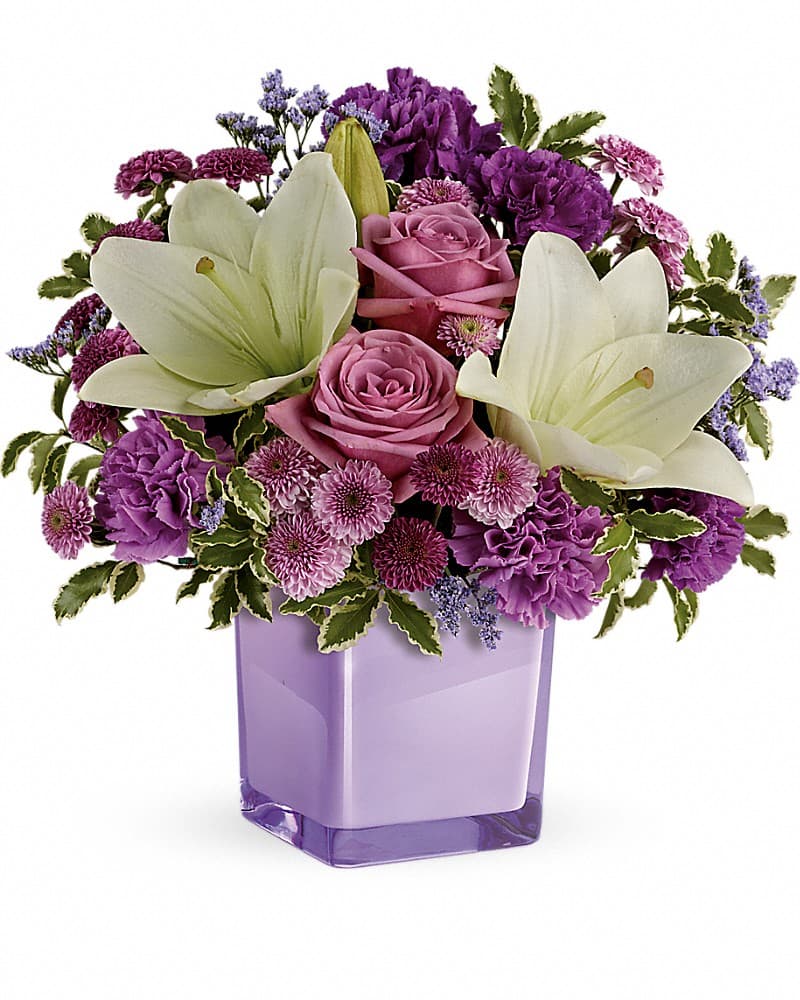
Where flowers are welcome, everything turns on scale and restraint. The only dependable surface in a hospital room is the tray that swings over the bed, and that tray is in use three times a day, which is the real argument for something low and wide instead of tall: a tall vase gets moved behind a curtain to a windowsill where the patient cannot see it. Weight is the same argument from the other end, because the arrangement leaves the building with the patient, carried through a garage in Hackensack or Englewood by somebody whose hands are already full — heavy things get abandoned in the room. On fragrance, be deliberate rather than superstitious: what reads as generous in a hallway becomes insistent in a small room with the door shut, and if the next bed is occupied then a second patient has no vote in your choice. If a design contains lilies, the tidiest instruction is to have them left out of the build entirely rather than trimmed back — one decision instead of two, and the pollen question disappears with them. Write all of it into the notes and the designer works to it at the bench. For a child at the Sanzari Children's Hospital, ask the unit about balloons as well as stems; their answer is the only one that counts.
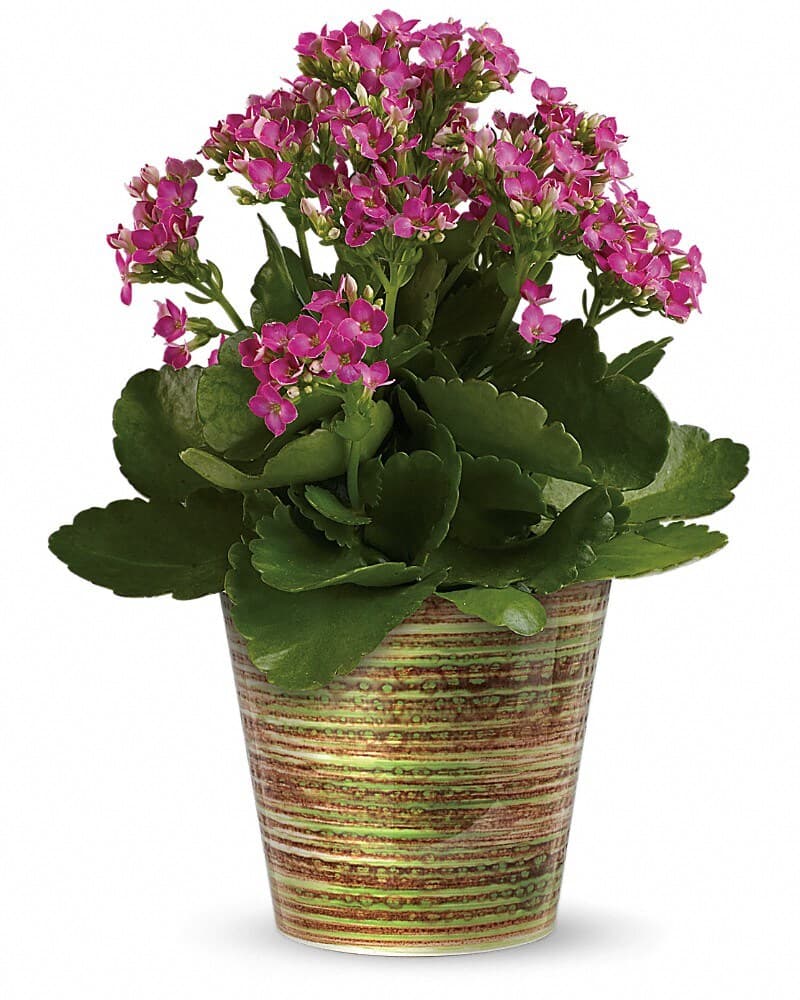
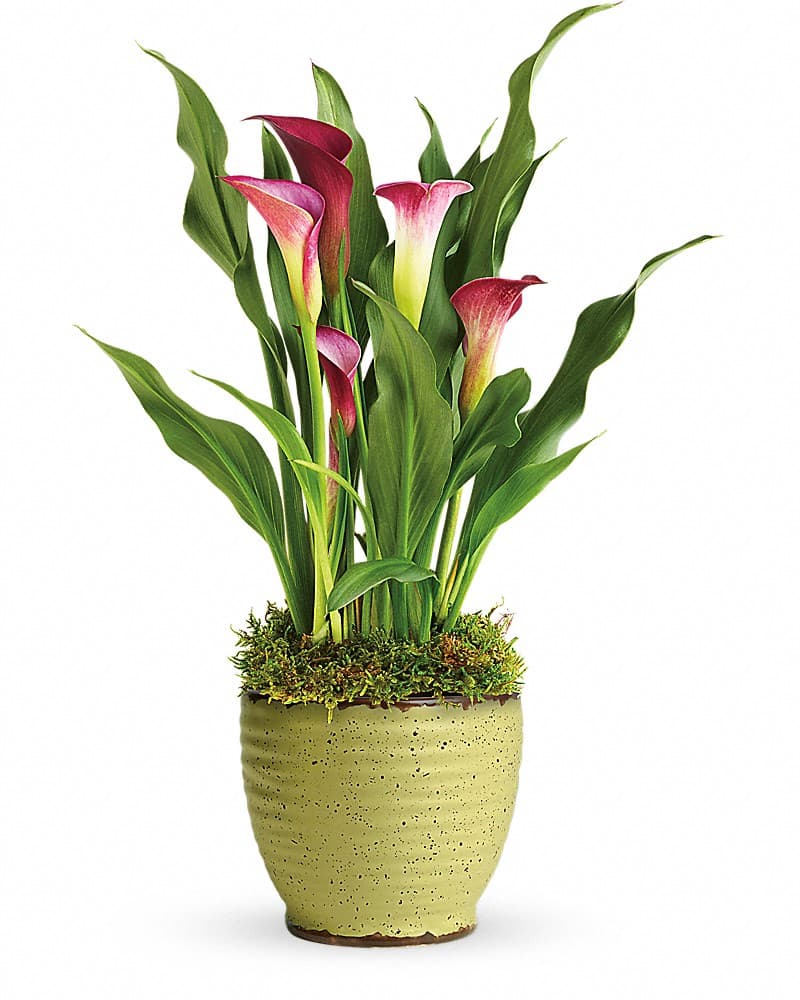
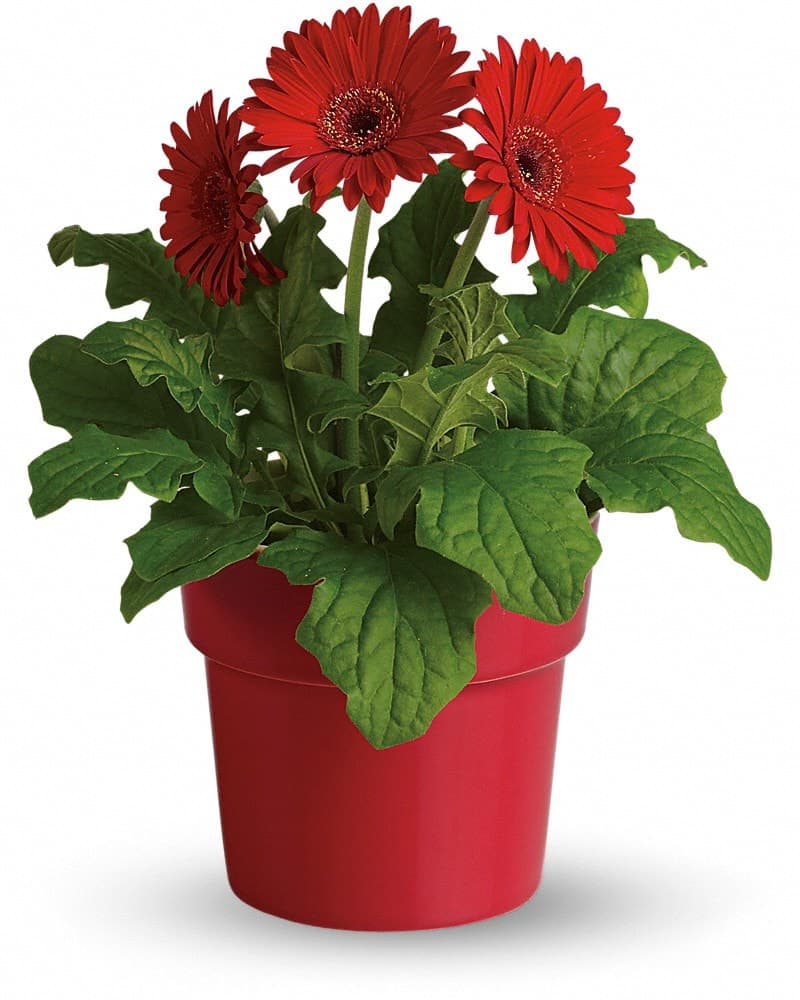
The larger share of orders on this ZIP never reaches a ward at all. Dumont is detached houses on small lots, and most recoveries here happen at home: a knee done at Pascack Valley and a fortnight on the sofa, a slip on frozen concrete in January, ten bad days of something viral. That changes the job entirely. The destination is a front step, the person recovering may not be able to get to it, and from December into March an arrangement standing outside for a few hours arrives spoiled — so in those months put a person in the notes rather than a place: hand it to the neighbour at a named house number, or text on arrival and leave it inside the storm door if it opens. At home a plant does something cut stems cannot, which is survive being ignored for a week by somebody who cannot comfortably carry a full vase to the sink. For picking a shop, think about the bed rather than the borough. Thealpine Florist in Closter is 2.6 miles from the ZIP and sits closest to Englewood Health, carrying a live 1.4 from 8 ratings that stays on screen beside the mileage. For Holy Name, the sensible pick is Theblu Flower Shop, working out of Main Street over in Ridgefield Park. The Route 4 and Route 17 group — Florist Insaddlebrook at 6.1 miles, Perry's Florist at 6.7, Height's Flower Shoppe and Gloria's Flowers And Gifts at 7.2 — is already driving the corridor Hackensack, Paramus and Bergen New Bridge sit on. Parkridge Florist in Pearl River is nearest to Westwood, and Tappanzee Florist is minutes from Montefiore Nyack.