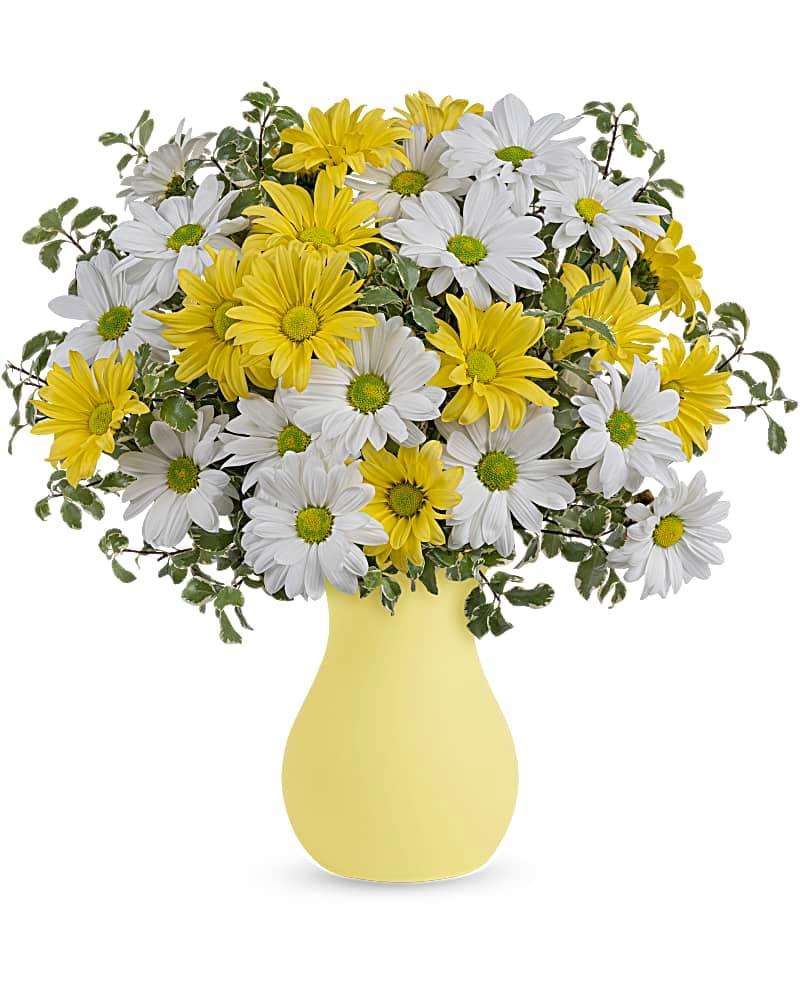
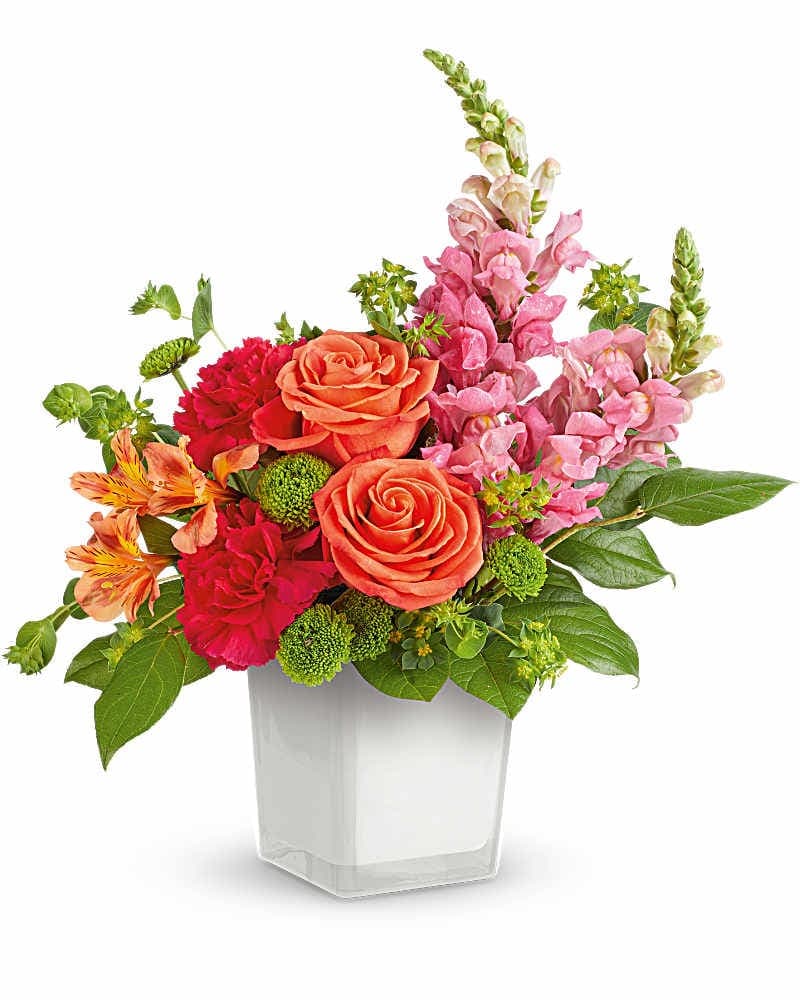
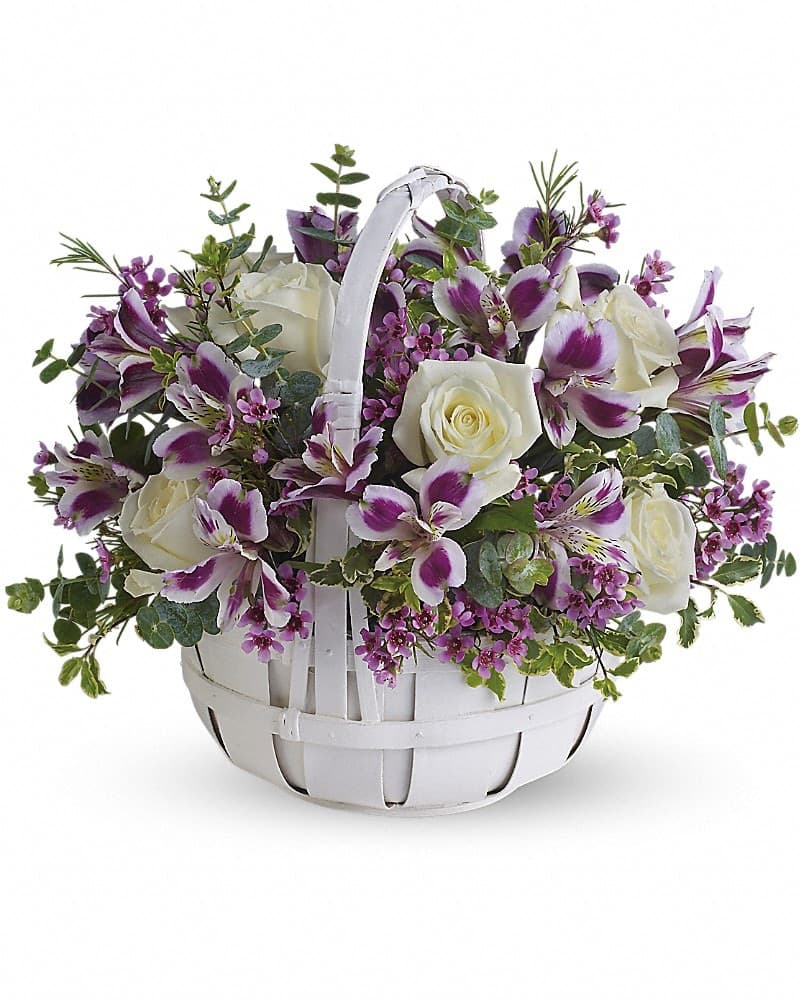
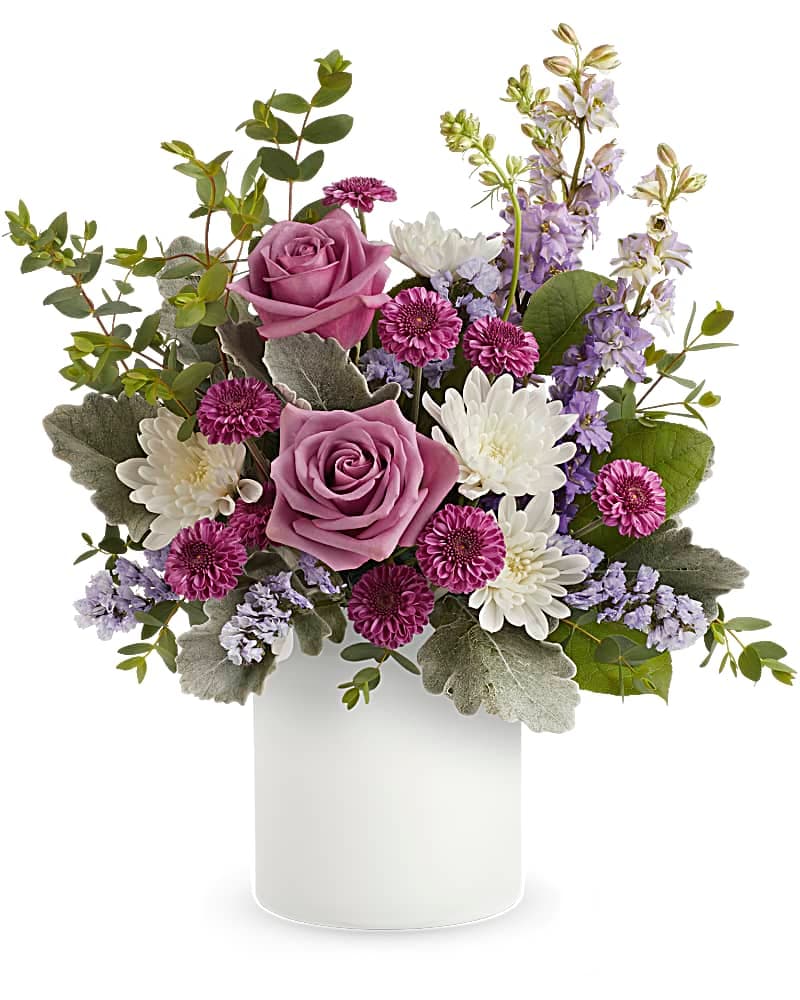
Driscoll deserves its own paragraph, because a pediatric send is a different order. The child in the bed may be four years old and two hundred miles from her own bedroom, and the people who have not slept are her parents, who are living out of a hotel on Alameda or SPID with a sibling in tow. Three things follow. First, the flowers are at least half for the parents — put both the child's and the mother's name on the card, or send two small things instead of one large one, and if you only get one delivery right, make it the one that reaches the adult who has been awake for thirty hours. Second, build it for a child's eye and a small surface: bright gerbera, alstroemeria, carnation and daisy in a short vase, nothing taller than a bedside tray, no heavy scent, and a mylar balloon rather than latex — children's hospitals commonly allow mylar only, because latex is an allergy question on a pediatric floor. Ask first regardless. Third, pediatric oncology, hematology and transplant services are the strictest doors in the building, and the answer there is very often that nothing living comes in at all; a wrapped drawing from a cousin gets further than a vase. If you are told no, send to the hotel where the family is staying, or to the house back home for the day they finally get to drive back. Both of those are real gifts, and neither needs anybody's permission.
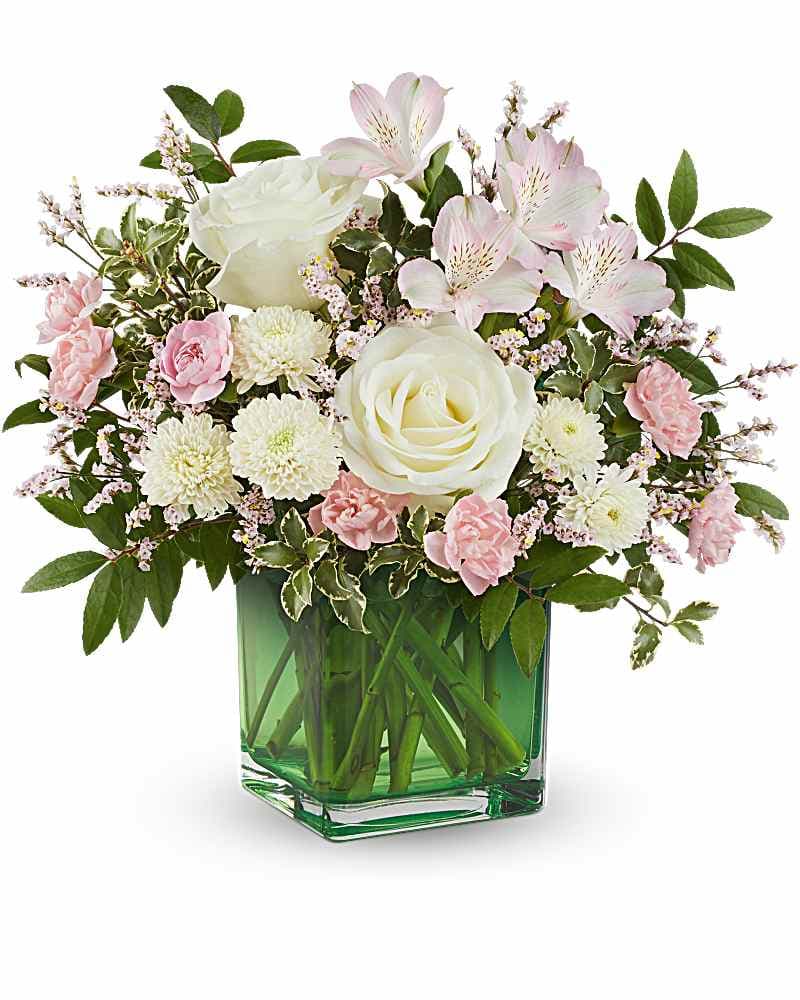
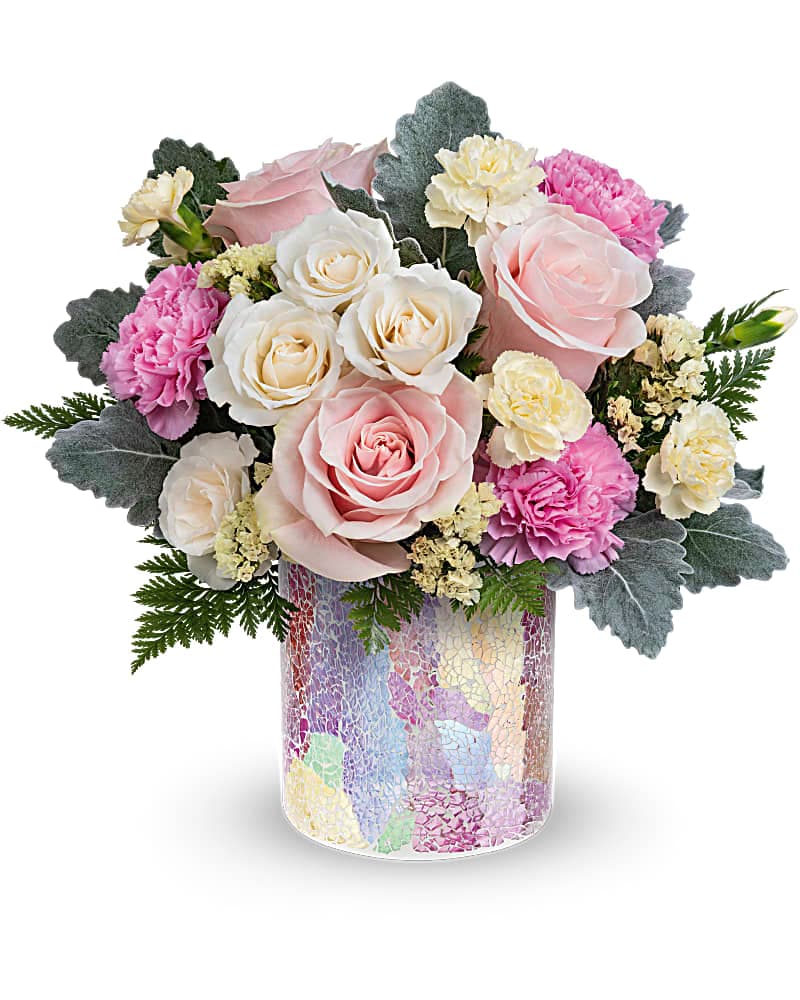
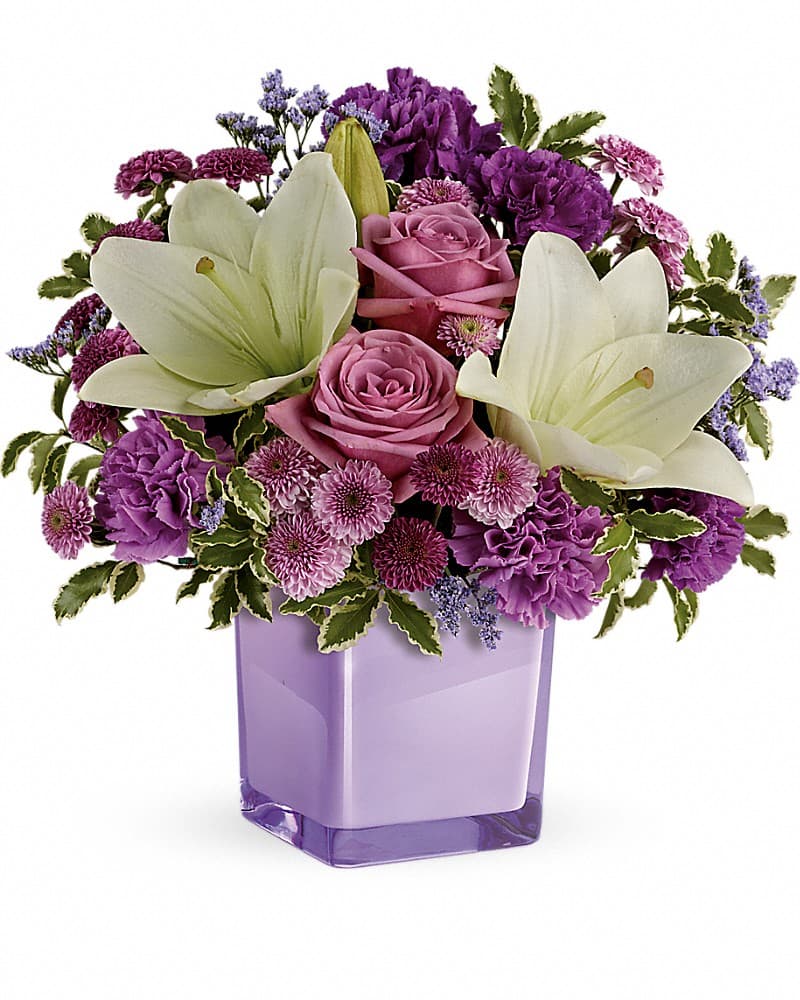
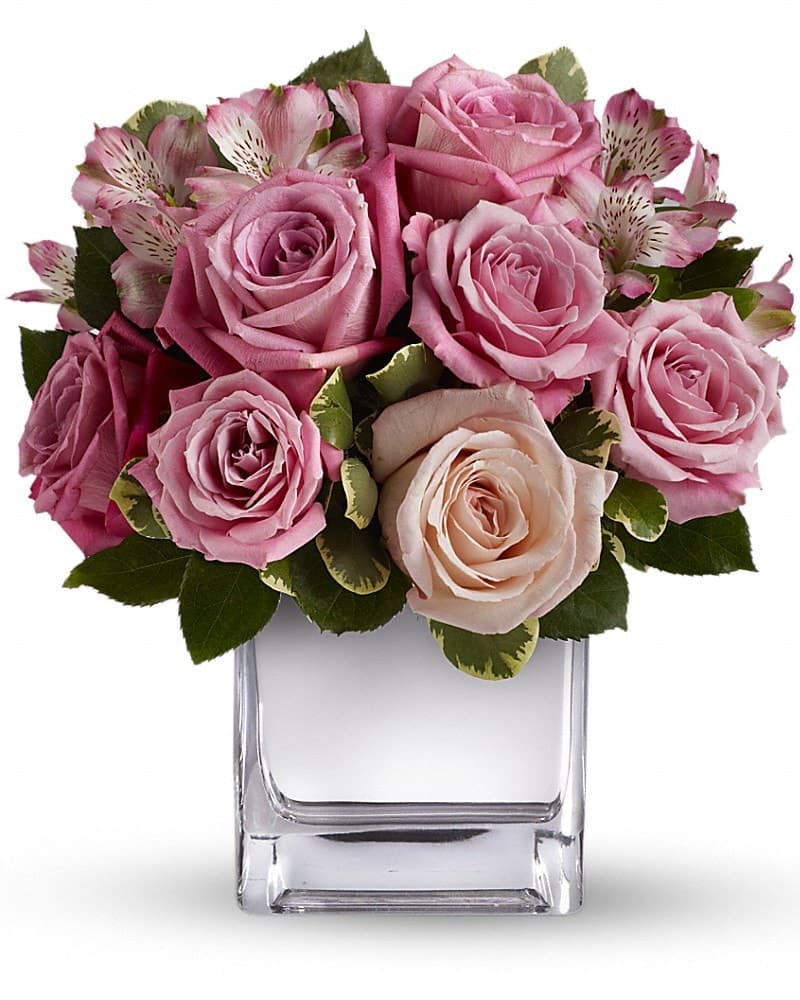
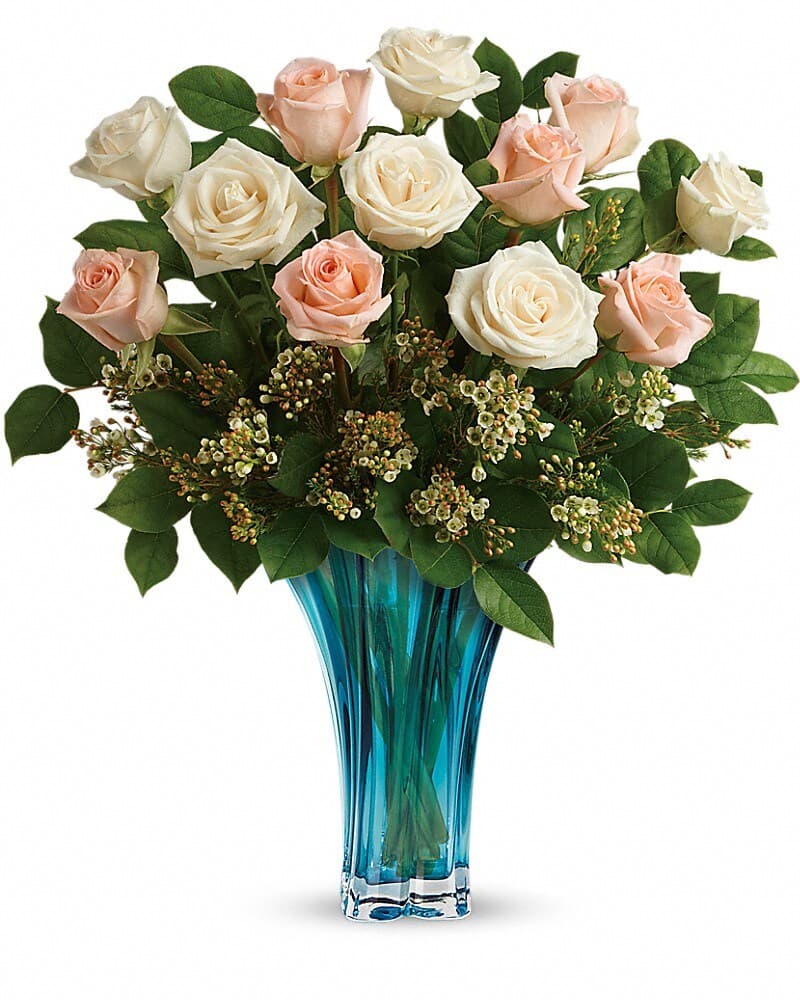
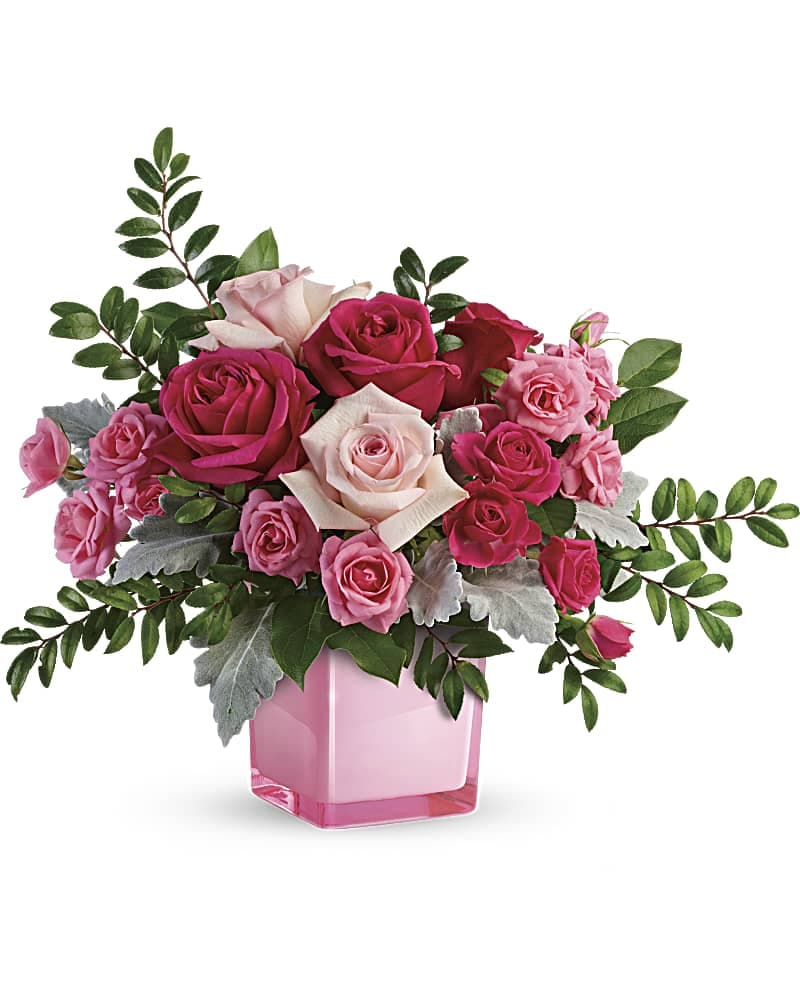
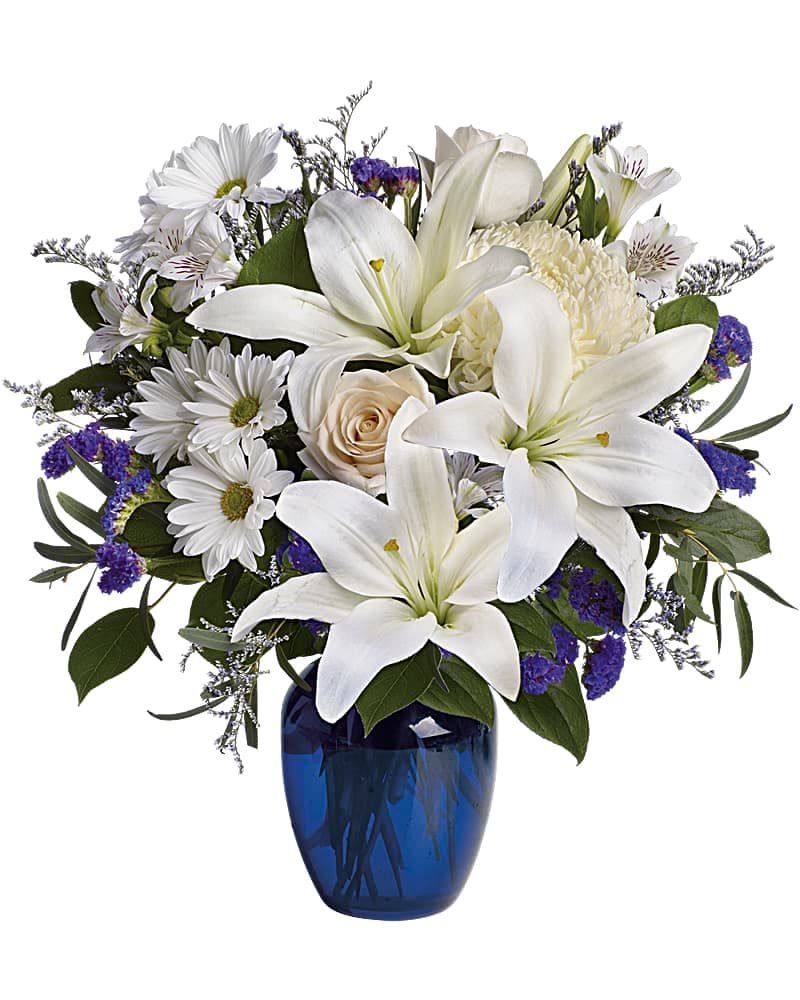
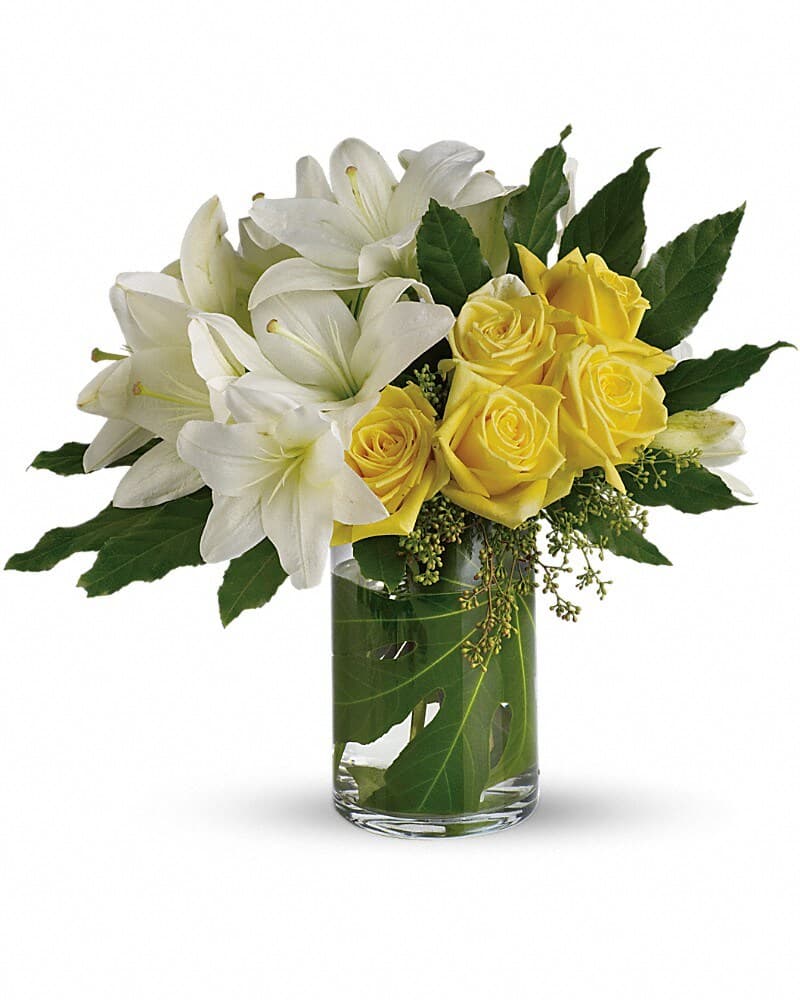
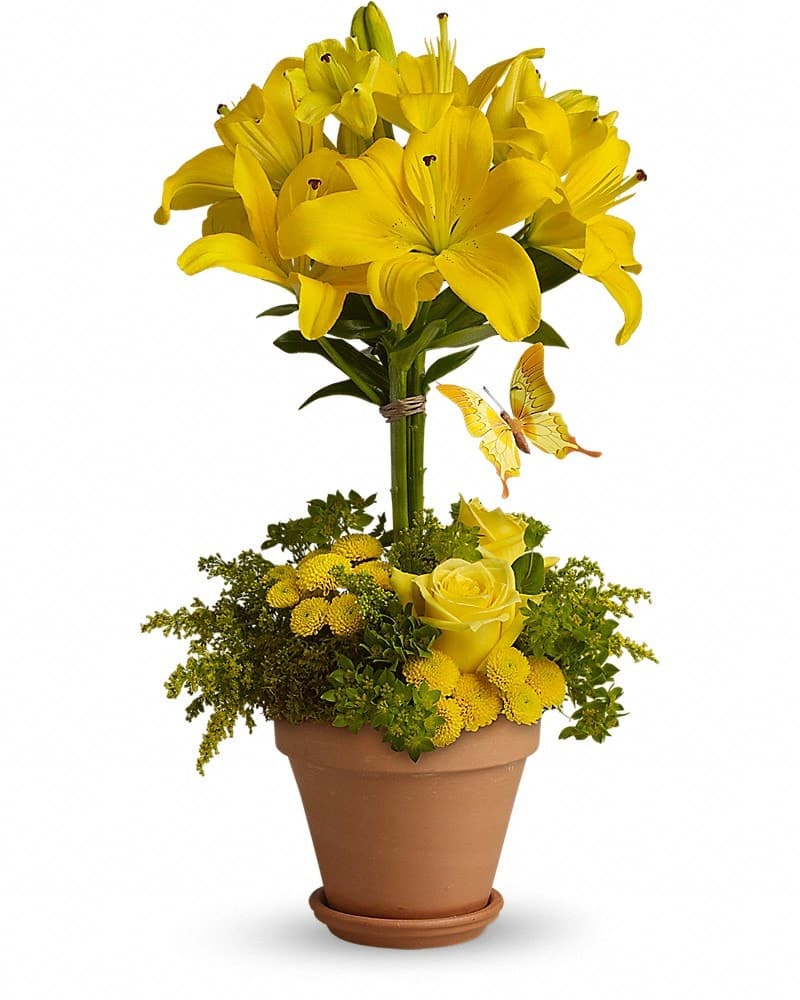
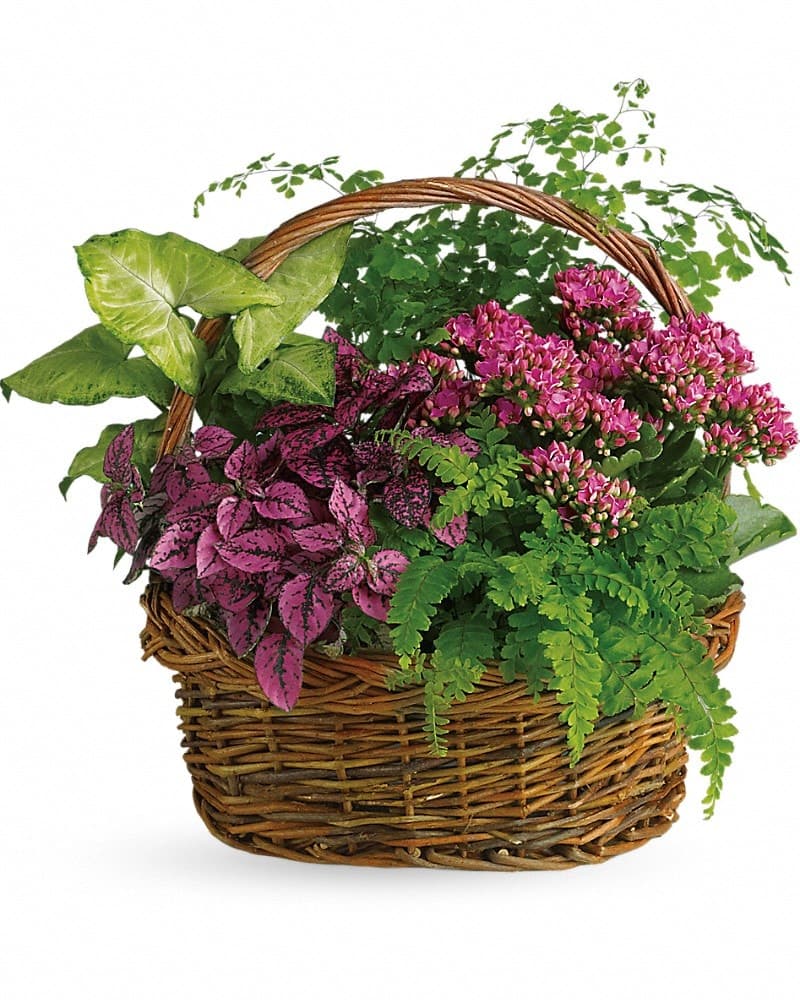
Ward limits, written as questions to ask rather than outcomes we can promise. Intensive care is the usual refusal — soil, standing water and pollen are infection-control problems in a room full of lines and open dressings, and plenty of units here will not let anything living past the door at all. Neonatal services take nothing at the bedside. Oncology and transplant patients sit behind the strictest doors in either hospital system in this city. Behavioral health units run their own list, and glass is usually on it. Even on a welcoming floor, a second patient in the room turns fragrance into somebody else's problem, and that is the single most common reason a thoughtful arrangement ends up parked on a hallway sill. One call to the nurses' station resolves every bit of this in about ninety seconds. Where flowers are allowed, here is how these benches build for a hospital address. Lilies come out first — the pollen stains, the scent owns a small room inside an hour, and the whole thing is poisonous to a cat the day it travels home. What goes in instead: carnation, lisianthus and stock, gerbera and alstroemeria, chrysanthemum, hydrangea, and roses trimmed back to their firm petals. Height gets cut, since the total flat surface in a patient room is one rolling tray and one narrow sill. And it arrives in a vessel already holding water, because finding a container and trimming stems is not a job to hand a family on day two. If the patient is nauseated, use the word fragrance at checkout and the designer strips out even the mild scents.