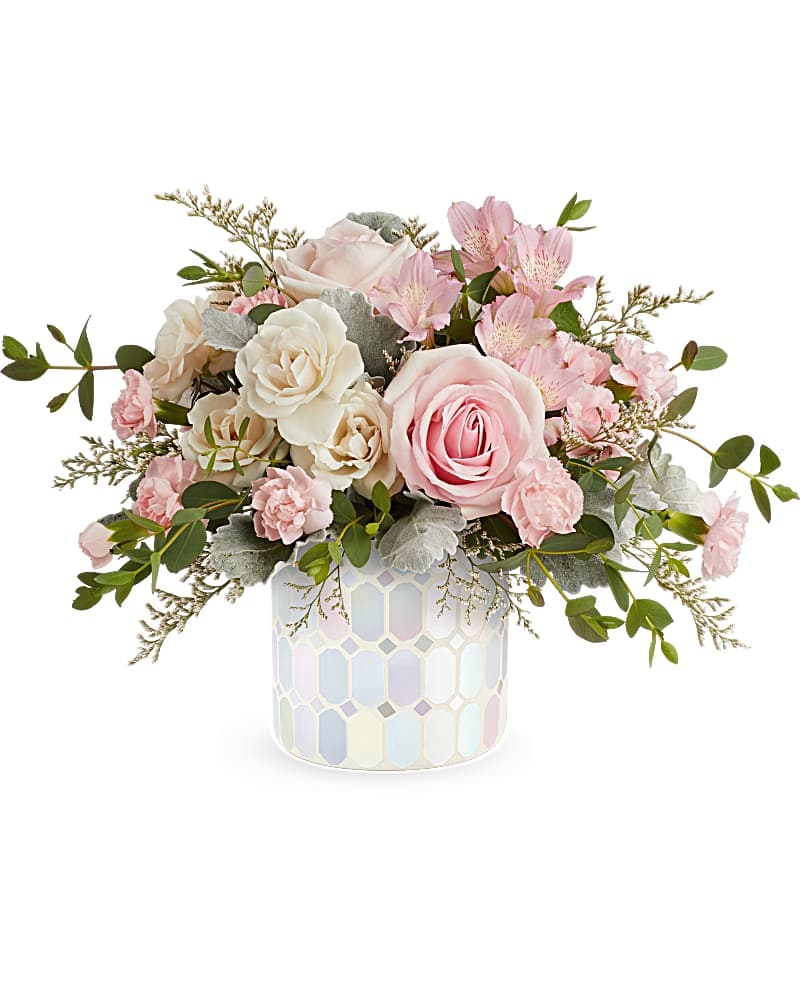
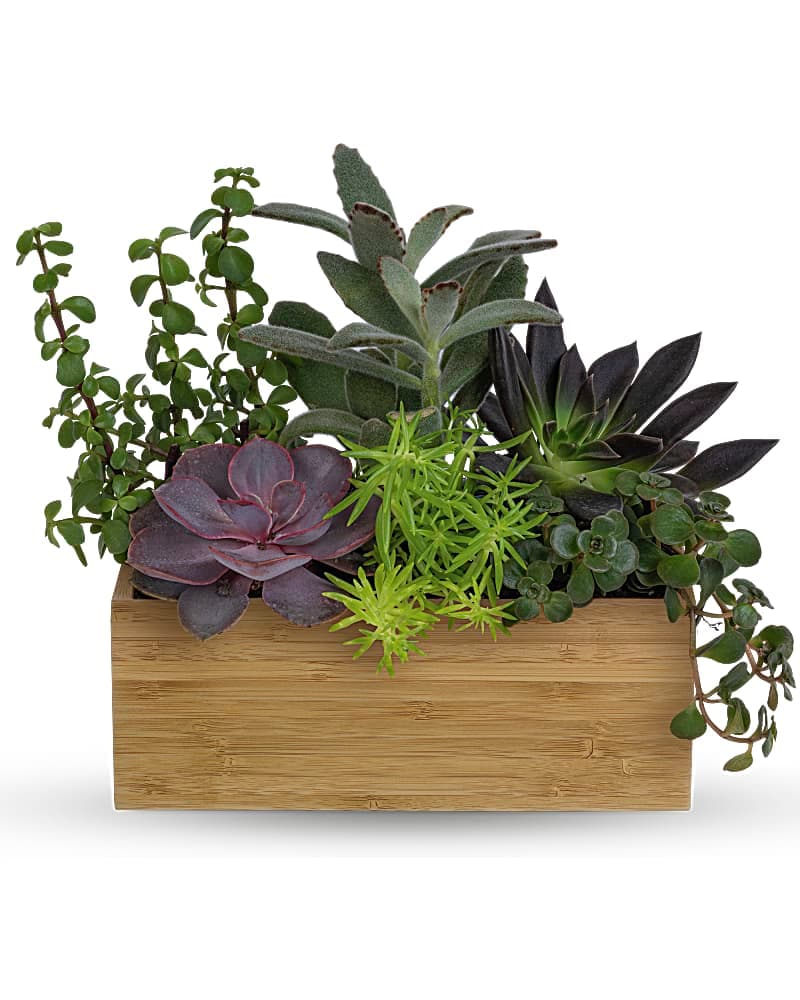
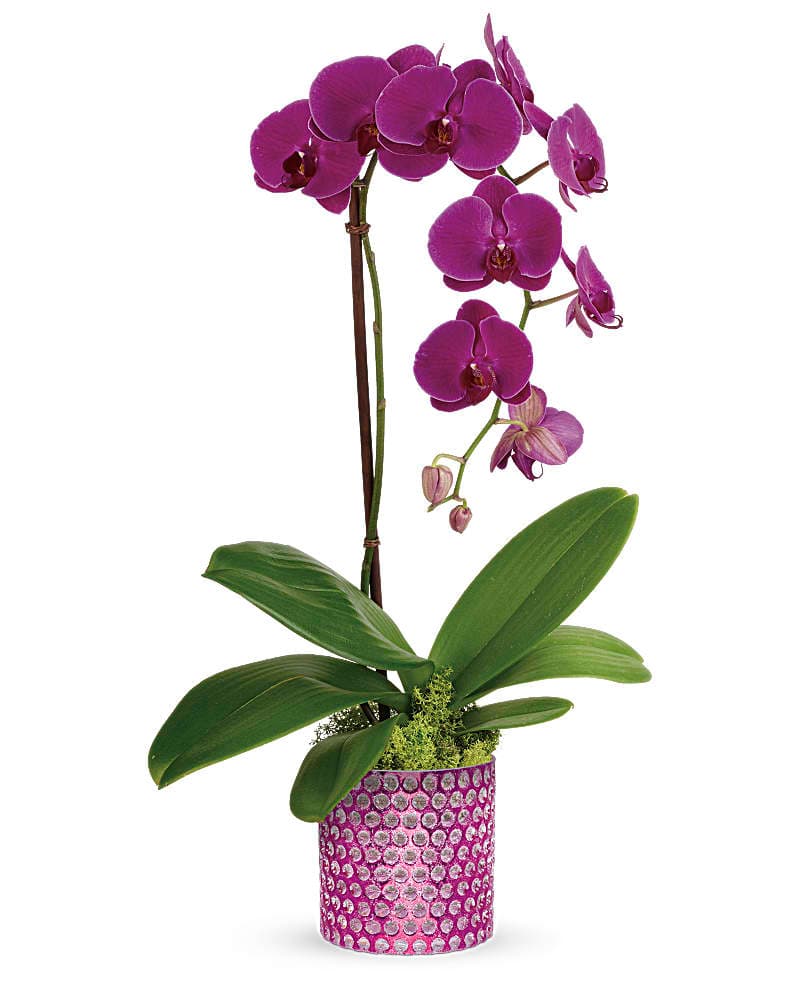
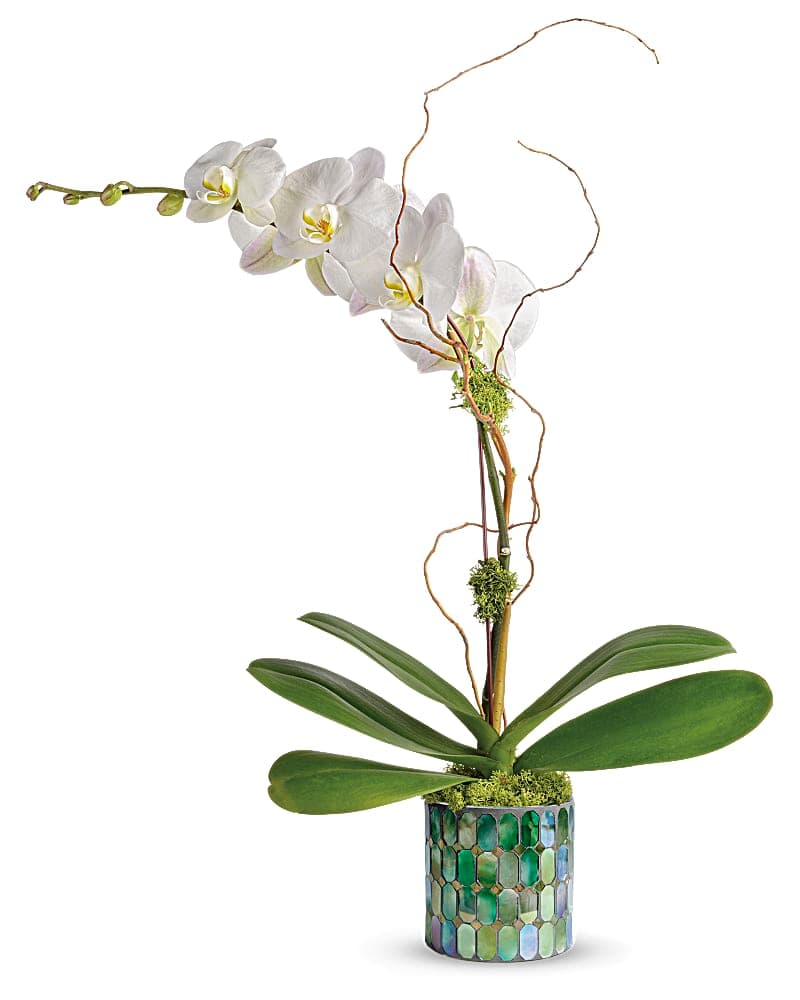
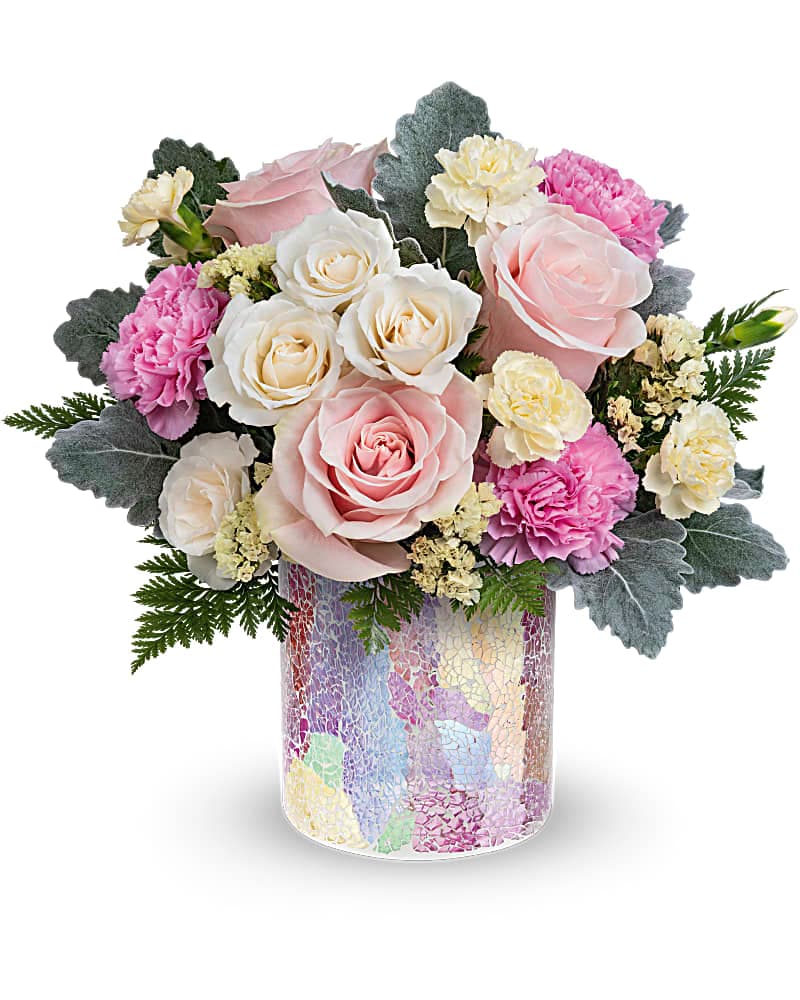
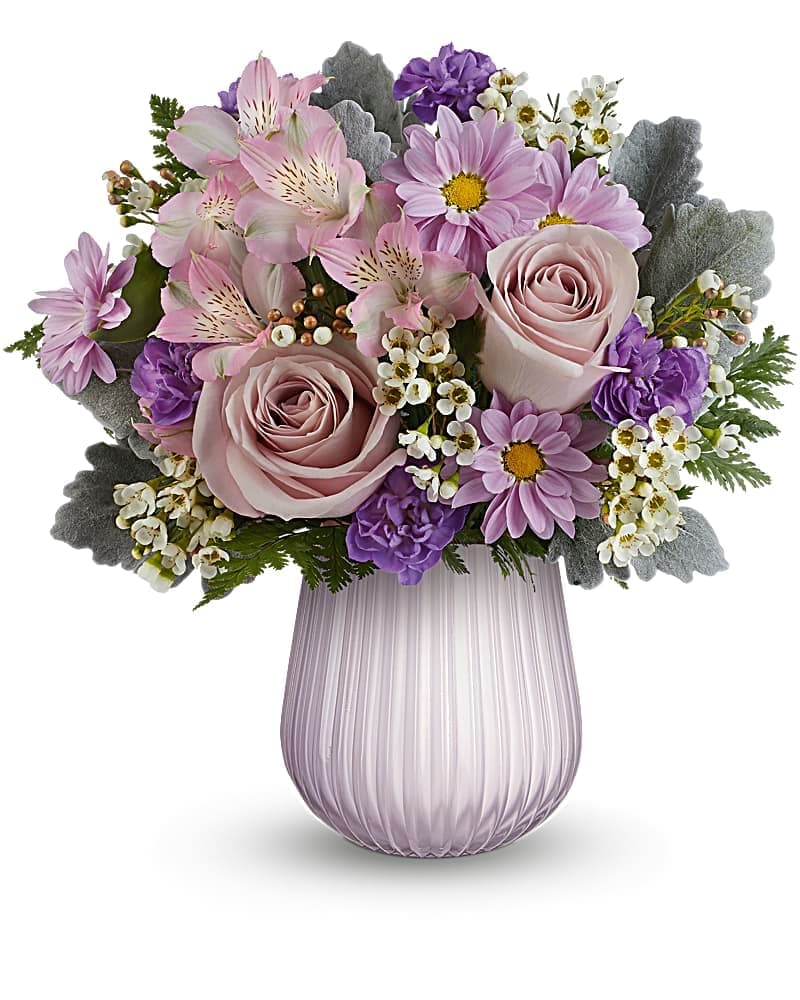
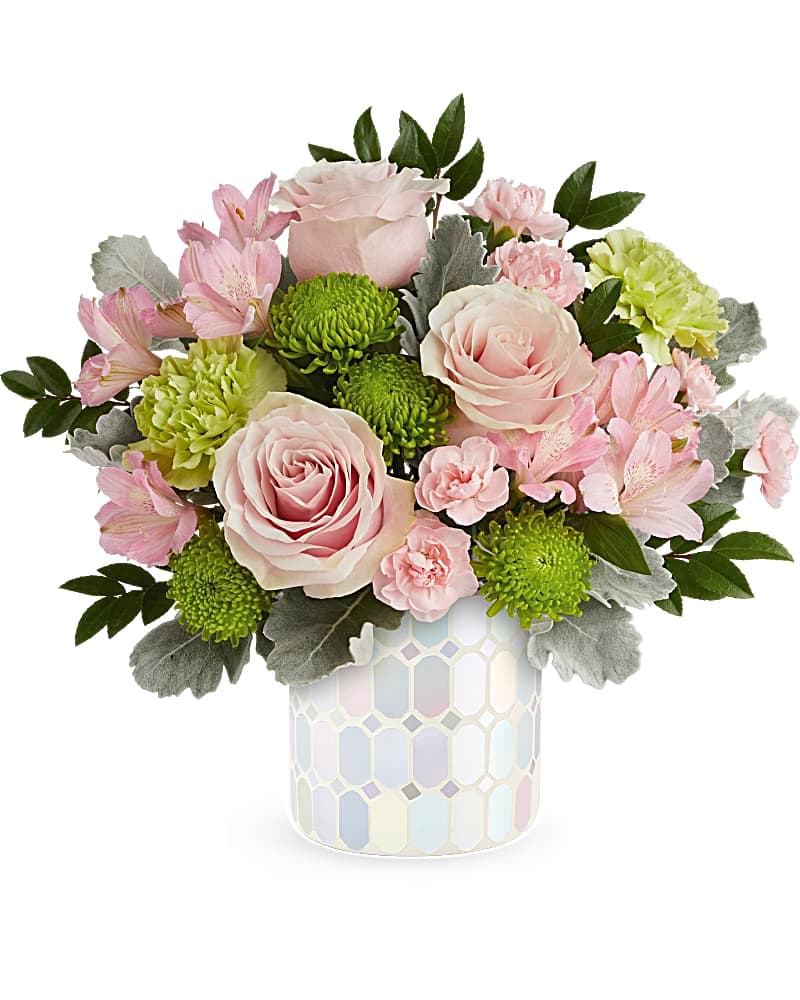
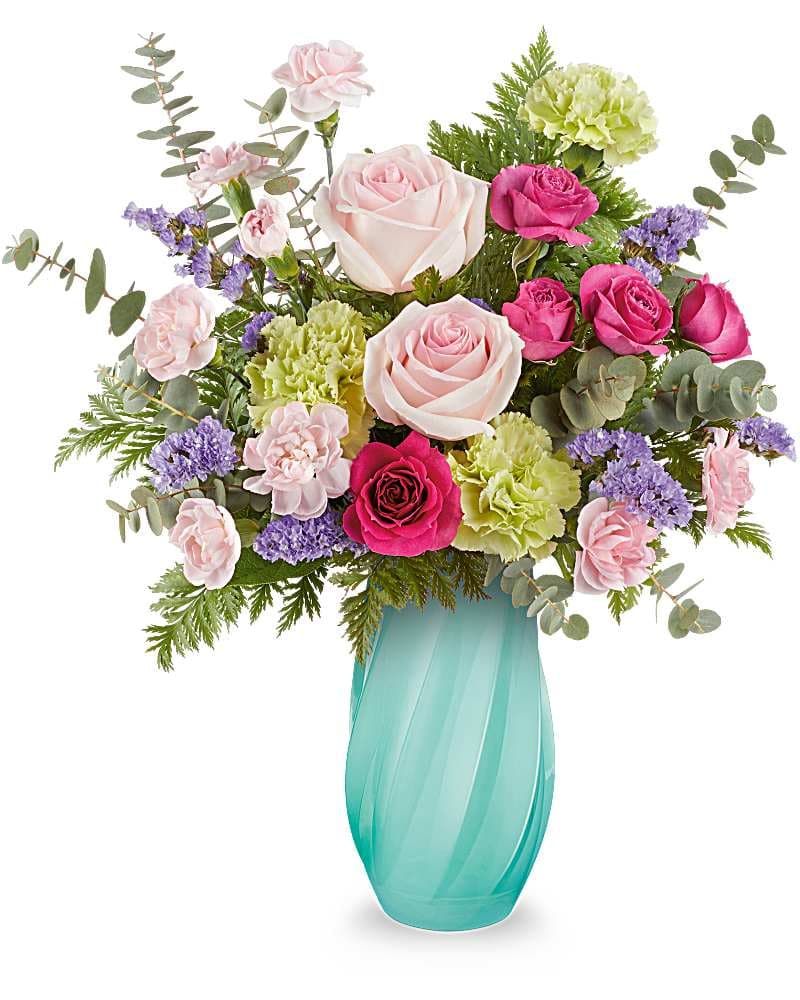
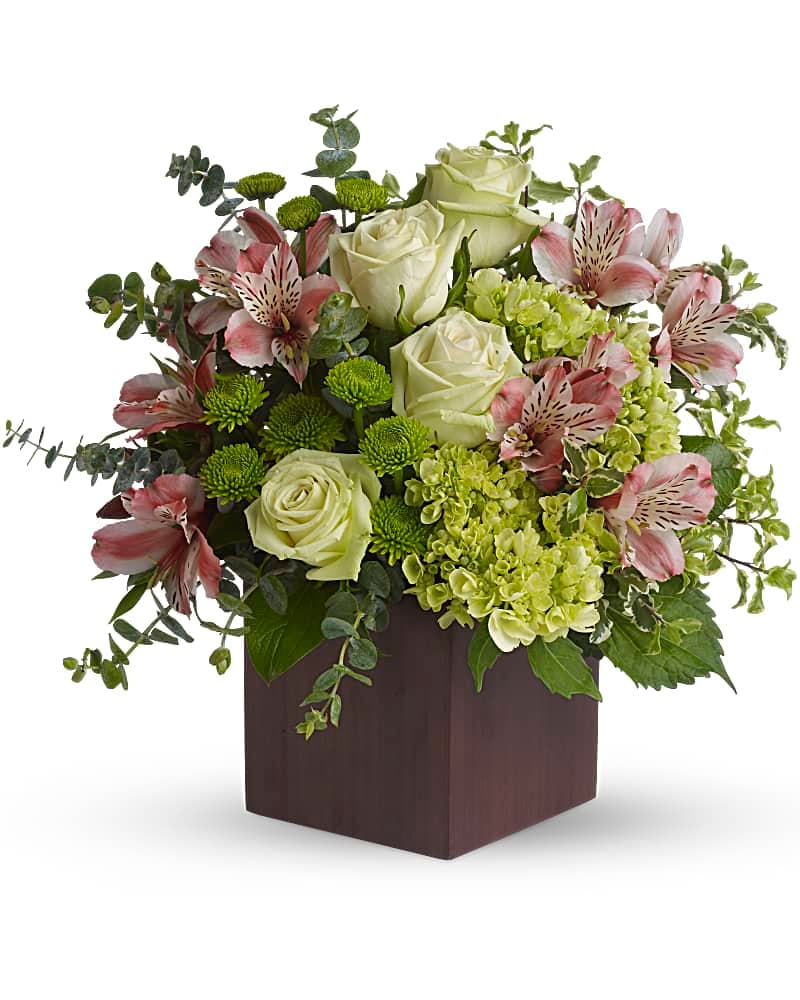
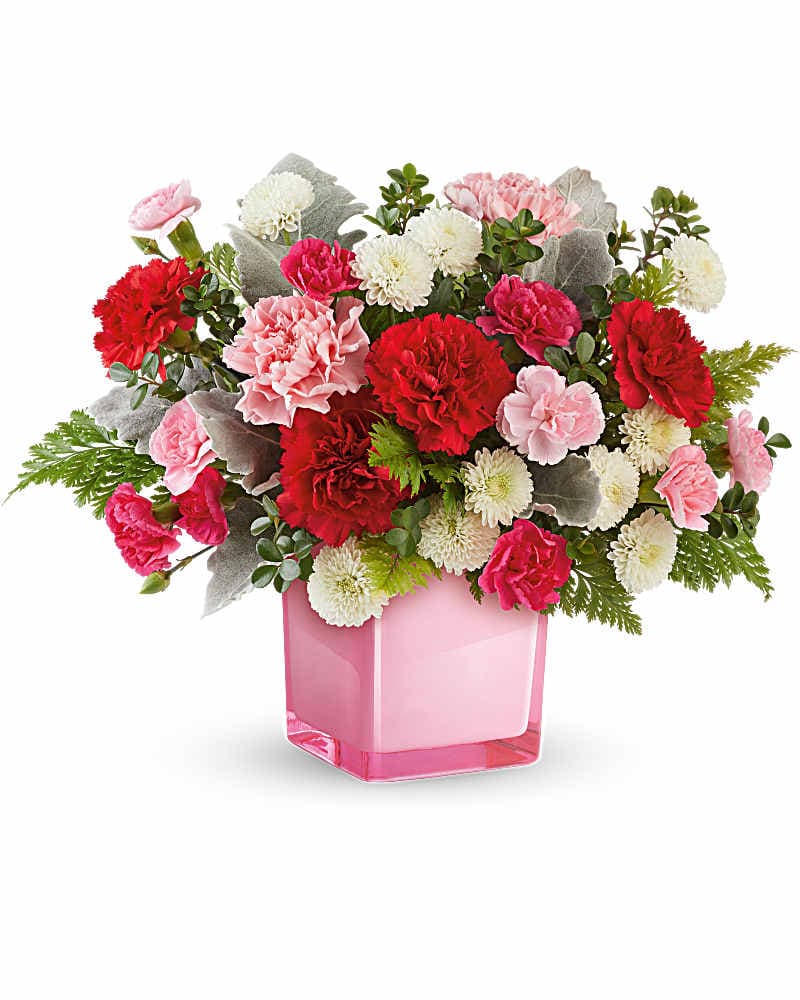
The people who get these are not the people who get the other five occasions. A neighbor who ran a snowblower down your sidewalk in January without being asked. A friend who has had a genuinely bad month and is not telling anyone about it. Somebody who took your shift, watched your dog, sat with your mother. A teacher in a Cornell School District building here in the borough or on Neville Island, a Moon Area school on the other half of the ZIP, a Quaker Valley school across the bridge, or a West Allegheny or Montour building out toward Oakdale and Robinson. A student or a staff member at Robert Morris University on University Boulevard. A colleague in one of the Cherrington Parkway or RIDC Park West buildings who carried a project nobody noticed. The common thread is that none of them are expecting anything, which is the entire mechanism: a bouquet that arrives for a reason the recipient has to be told is worth several that arrive for a reason they already knew about. Write the card accordingly — say the specific thing they did, not the general thing you feel, because the specific version is what people keep on the refrigerator for two months after the flowers are gone.
School deliveries have their own rules and they are simple once you know them. Flowers go to a front office, not to a classroom — every district inside this radius runs visitor and delivery traffic through a single secured entrance, and a teacher is not going to be interrupted mid-period to sign for a vase. Put the school name, the teacher's full name and, if you know it, the grade or department on the order. Time it for late morning or early afternoon so it is in the office before dismissal, and avoid the last week of a marking period and the days around a break, when the office is either overwhelmed or closed. If the flowers are for someone who works in a school but not as a teacher — an aide, a bus driver, a custodian, a cafeteria manager — say that, because the front office will route it to a staff room rather than a classroom and it is much more likely to actually reach them. For a just-because delivery to a student at Robert Morris, the same logic applies with a residence-life or mail desk instead of an office, and a mobile number does more work than a building name.
Everyday routes across this grid have a few quirks worth writing down. The terraces above Fifth Avenue climb hard, and a front door can sit twenty steps up from the pavement with no driveway anywhere near it — drivers manage it daily, but a mobile number on the order turns a maybe into a delivery. Moon Township's cul-de-sacs are the easy end of the grid. Crescent, Glenwillard and the farmland behind the airport are long driveways with no lighting, so those are daytime runs. Neville Island is a working industrial island in the middle of the river with a small residential end, and it needs a specific street address rather than a landmark. Apartment blocks and senior residences along Fifth Avenue and out through Moon hand deliveries over at a desk, which means the order carries a unit number and whatever name the building has on its own list. On the far bank, the Sewickley village is straightforward and the Heights above it is private lanes with numbers on posts. Weather settles the rest: an exposed west-facing porch in a Pittsburgh July finishes an arrangement off before dinner, and between December and March anything left outdoors freezes solid, so when the house is empty we re-time the run or keep it at the shop instead of losing it on a step. There is no clock pressure on a just-because order, which means you can simply ask for the time somebody is actually home.