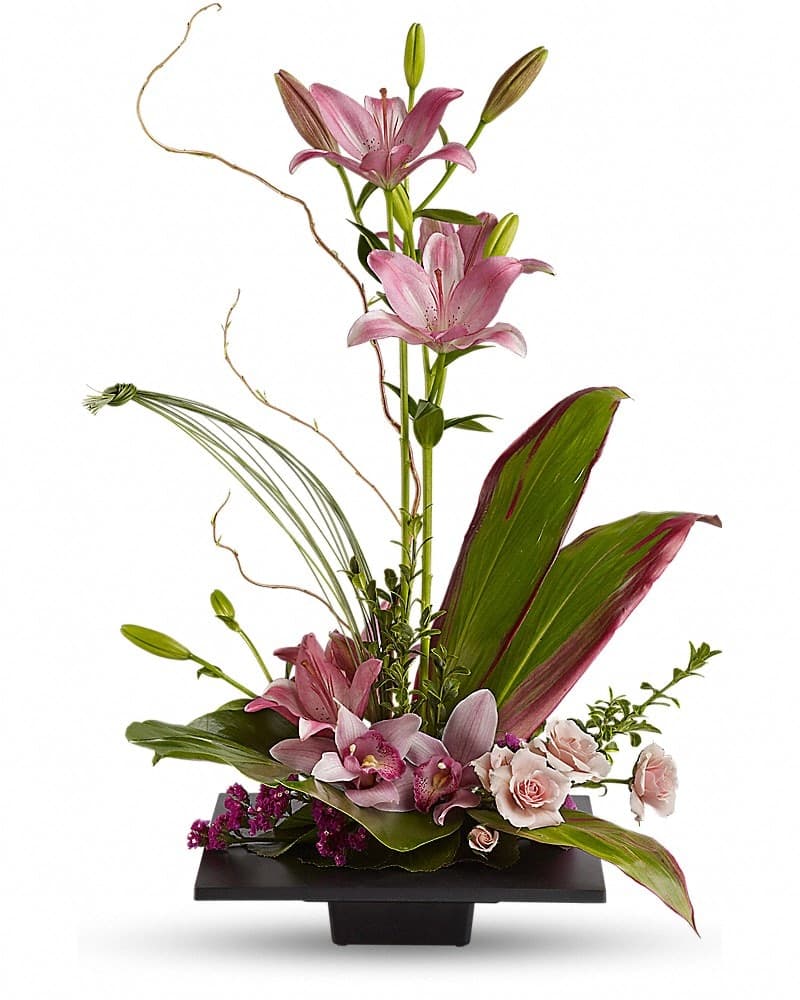
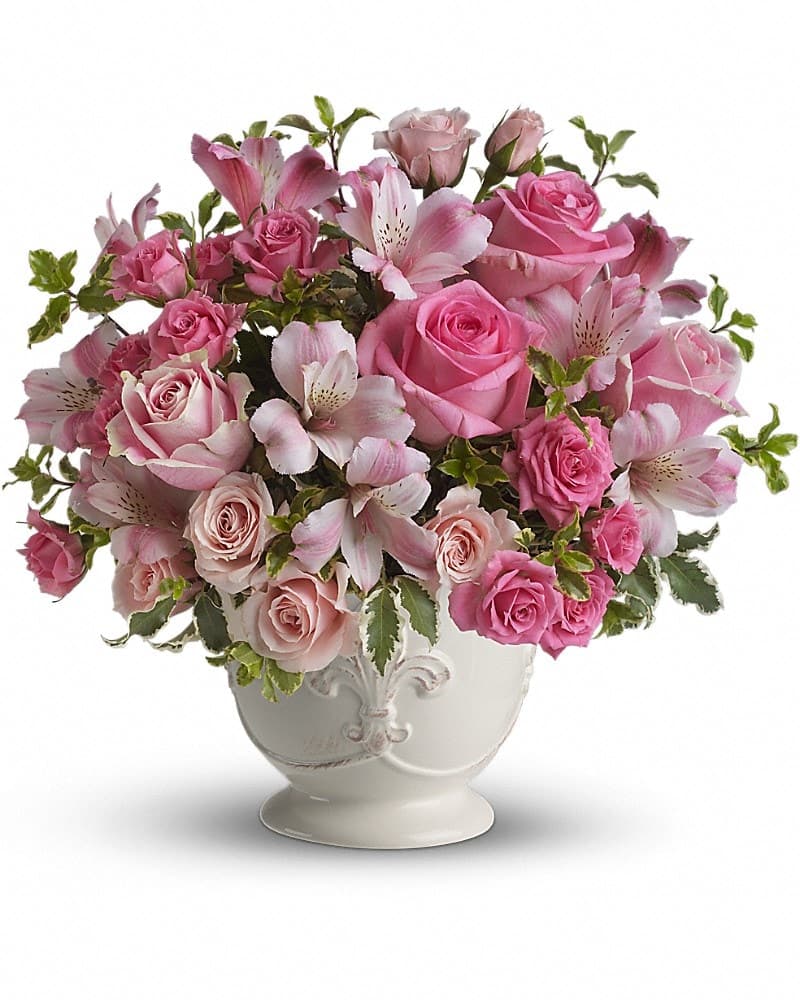
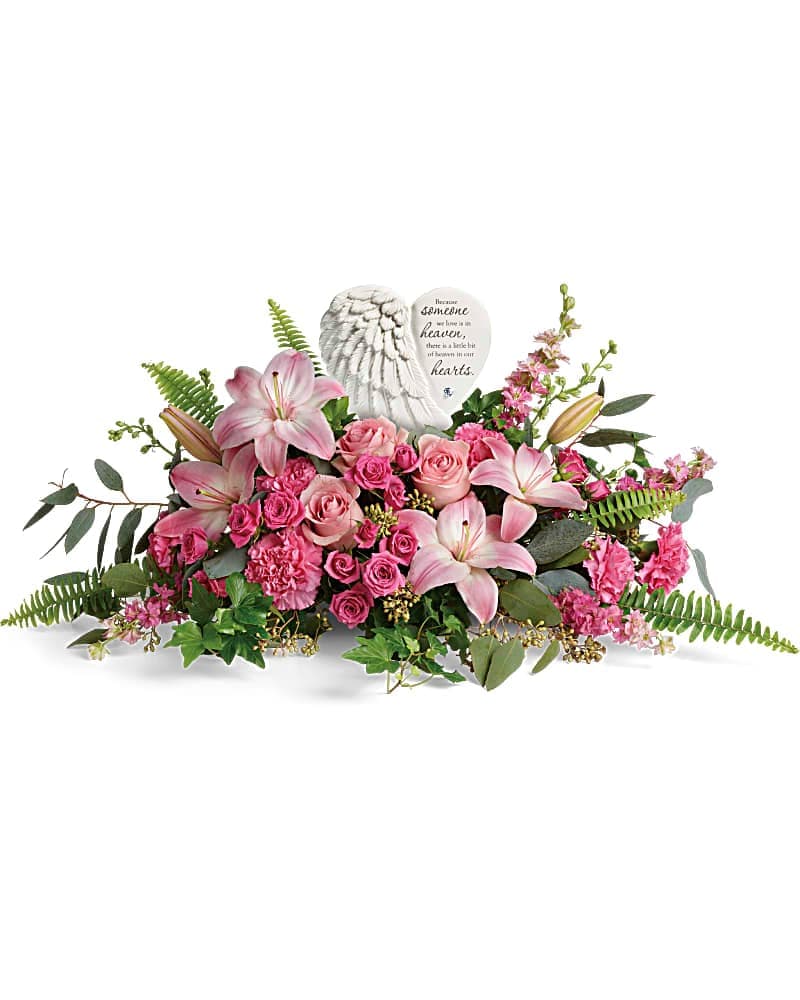
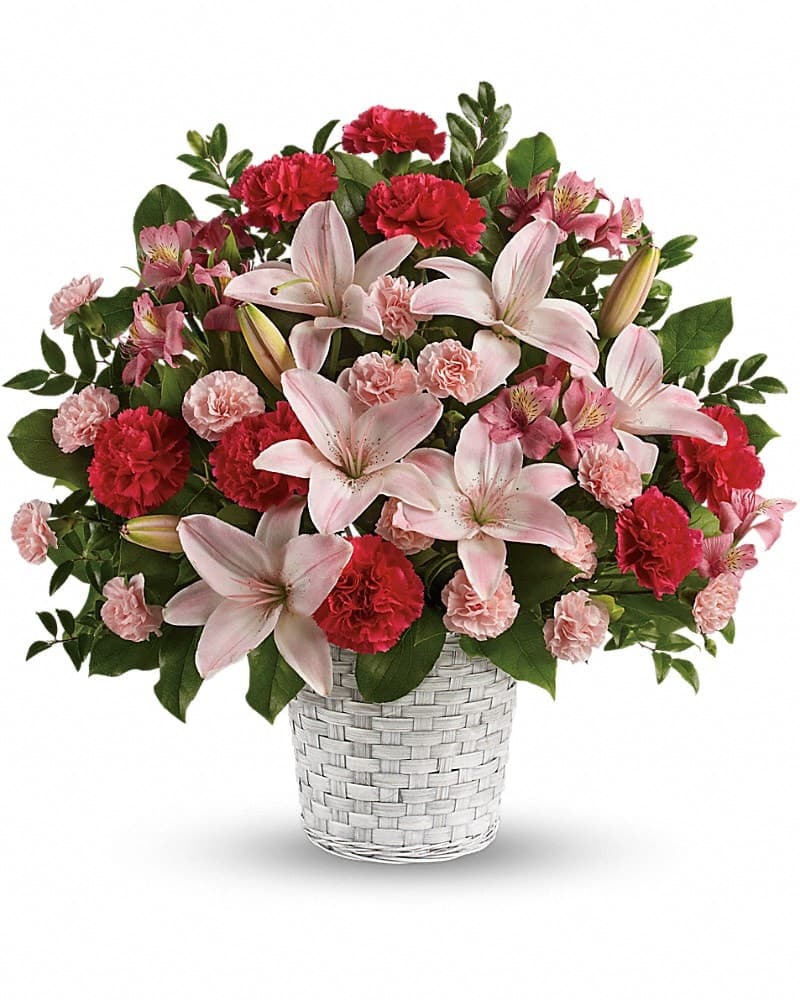
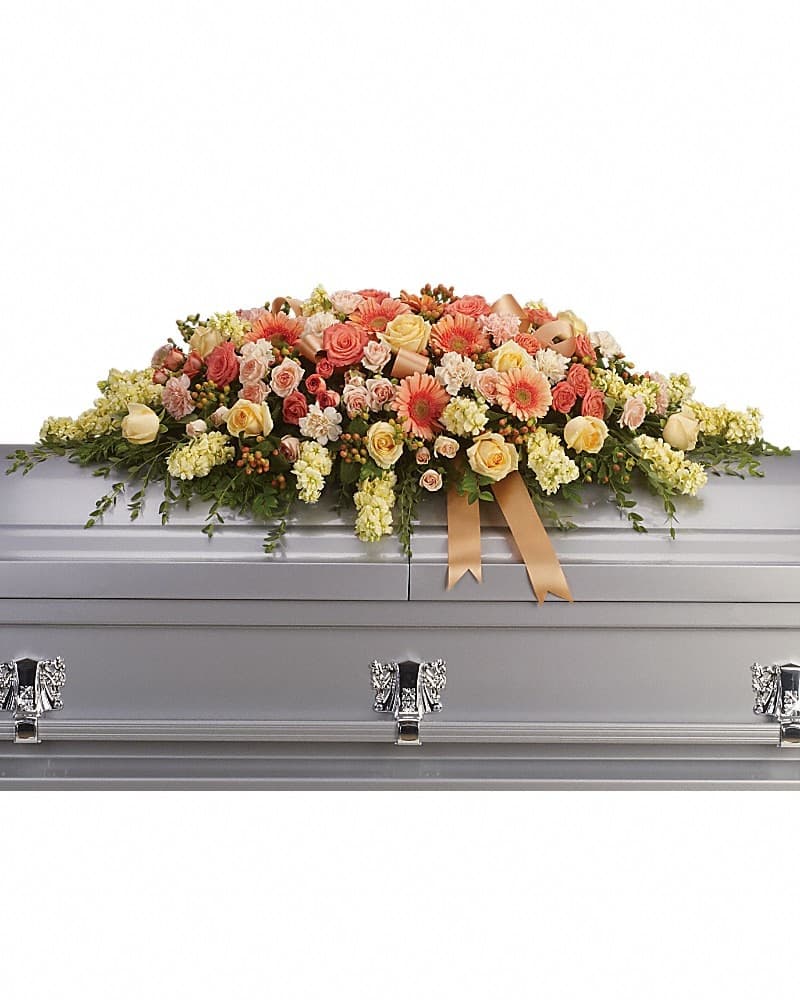
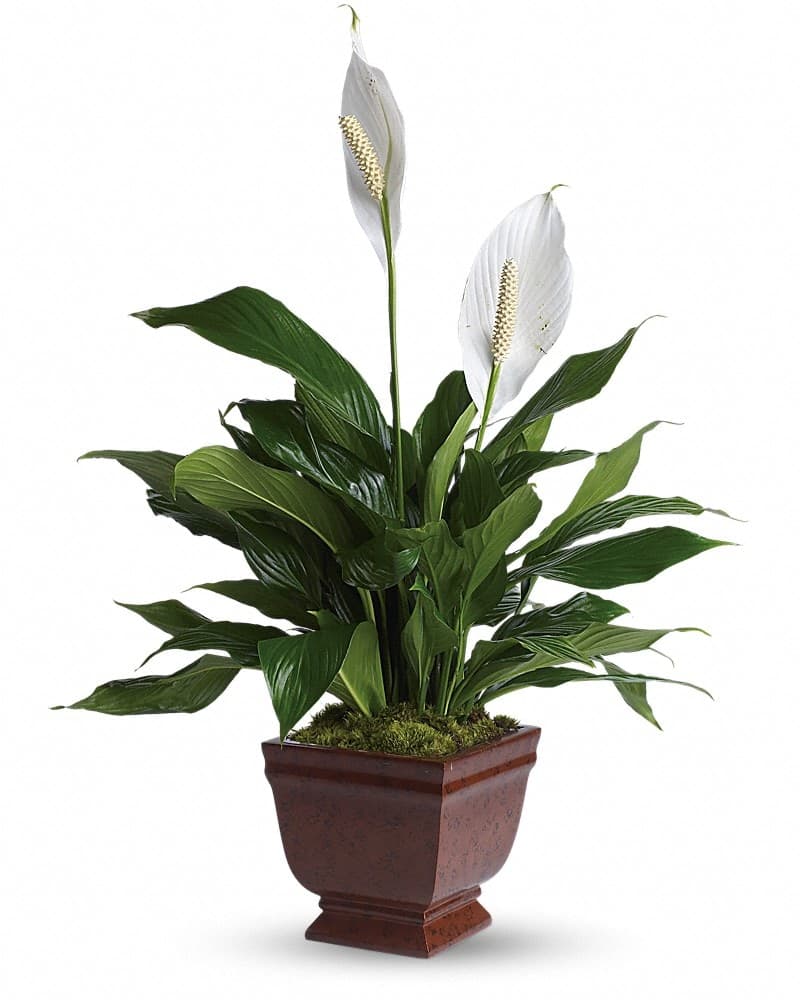
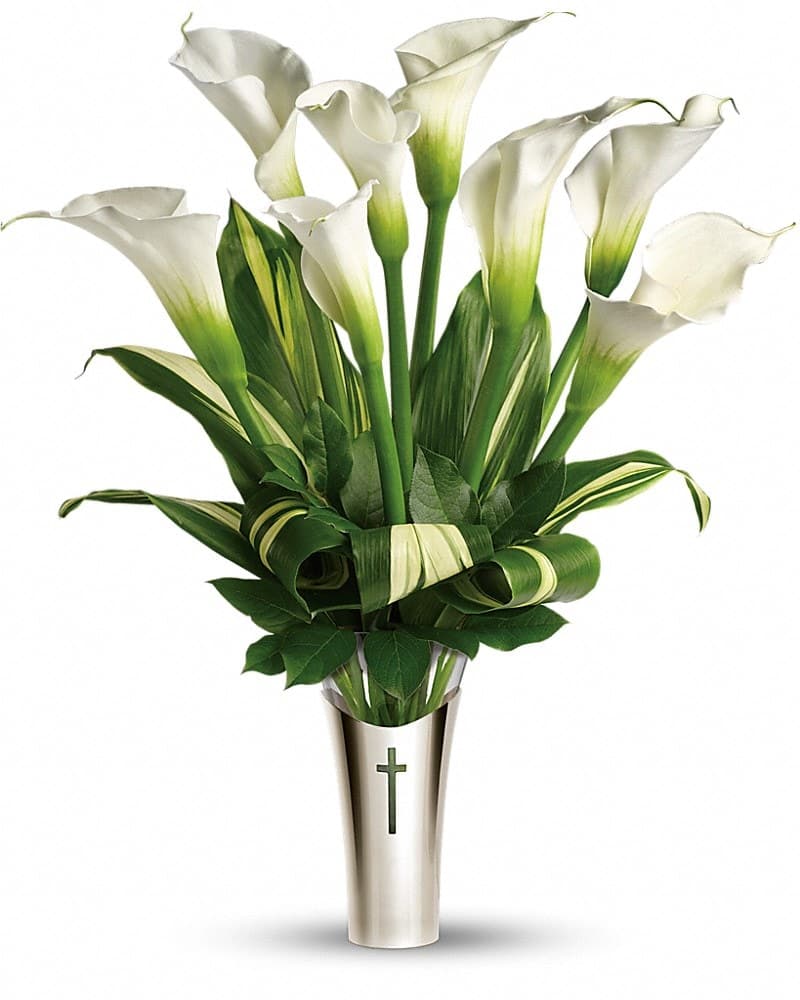
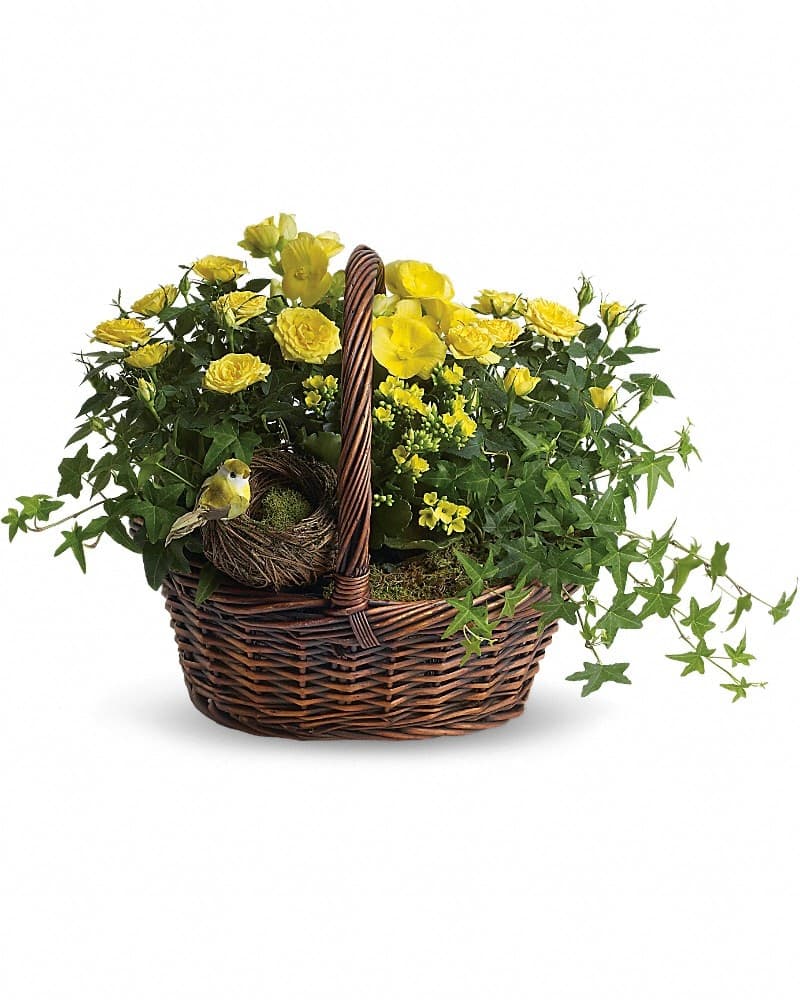
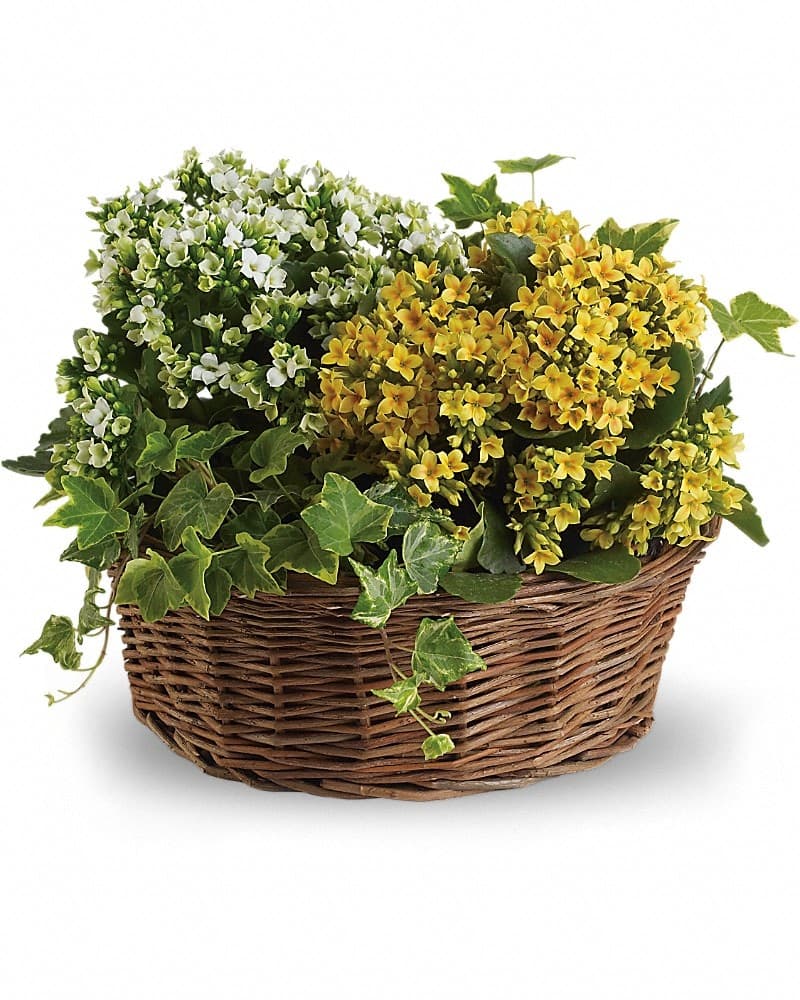
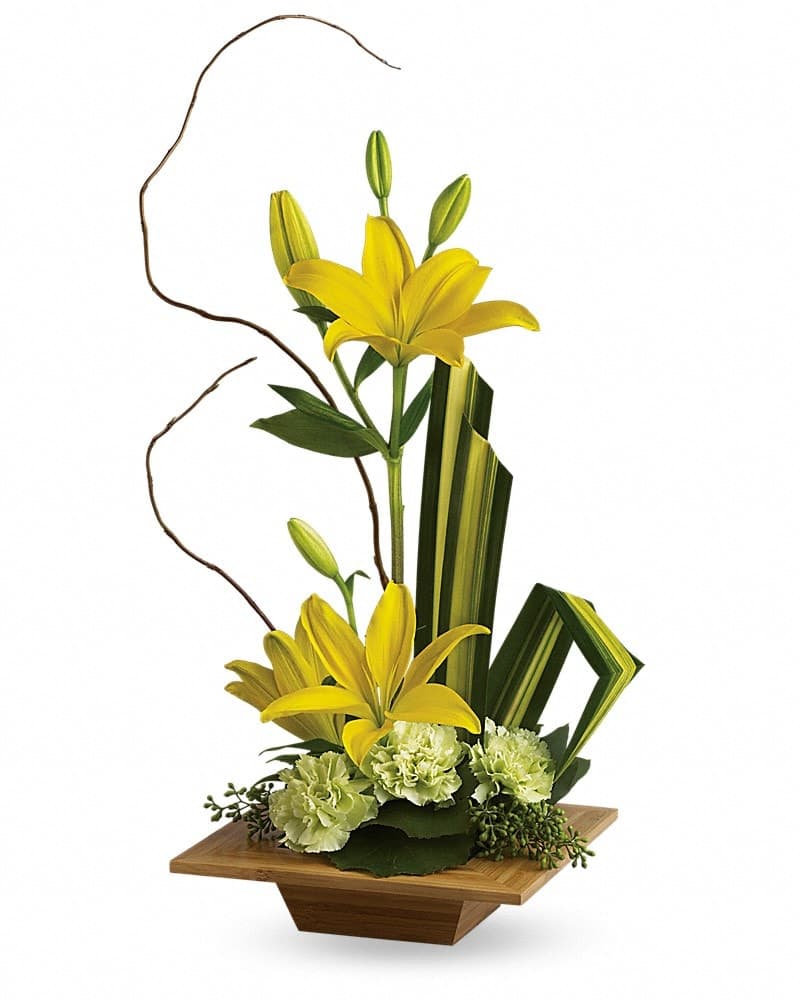
The first thing to understand about sending sympathy flowers to Clifton is that the deadline is almost never the funeral. New Jersey funeral homes run their viewings the day before the Mass or the service, and the standard shape of it here is an afternoon block and an evening block — roughly two to four and seven to nine — with the church service the following morning. Flowers that arrive during the morning service have missed the room where people actually stood and read the cards. What you are aiming at is the hour before the first viewing opens. That single fact changes the order: if somebody tells you the funeral is Thursday, the flowers need to be at the chapel by early Wednesday afternoon, which on this grid means ordering Wednesday morning at the latest and preferably Tuesday. The funeral directors will tell you the viewing schedule if you call and ask, and every shop on this grid would rather hear the viewing time than the funeral time.
Clifton has its own chapels, which is not true of every city this size. Marrocco Memorial Chapel sits on Colfax Avenue, and Bizub-Parker Funeral Home and Shook Funeral Home are both on Van Houten Avenue, the long residential spine that runs from Athenia across toward the Montclair side. Many Clifton families use those. Many others use a chapel in the town the family came from rather than the town they live in now, which is why a Clifton death routinely means a Paterson, Garfield, Passaic, Nutley, Bloomfield or Lyndhurst address on the delivery. Aloia Funeral Home in Garfield is a common one for families on the river side. None of that is a problem for this grid — the shops here work all of those towns daily — but it does mean you should never assume the chapel is in Clifton just because the family is. Ask for the funeral home name and its town, and ask whether the service and the burial are on the same day, because a graveside arrangement and a chapel arrangement are two different orders with two different deadlines.
The cemetery map matters here more than in most places, because Clifton sits on a Catholic boundary. The city is in the Diocese of Paterson, while Nutley, Belleville and Bloomfield immediately to the south are Archdiocese of Newark, so a Clifton family's burial can end up in either system depending on where the plots were bought two generations ago. East Ridgelawn Cemetery is in Clifton itself, off Main Avenue toward the Delawanna end, and is the closest graveside destination on the board. Cedar Lawn Cemetery in Paterson, the large nineteenth-century ground on the Clifton side of that city, takes a great many Clifton burials. Calvary Cemetery in Paterson is the diocesan Catholic ground north of the line; Laurel Grove Memorial Park in Totowa is the big non-sectarian option just west. South of the boundary, Holy Sepulchre Cemetery in East Orange and Gate of Heaven Cemetery in East Hanover take the Archdiocese of Newark burials, and George Washington Memorial Park in Paramus draws Bergen County families. Graveside deliveries need the cemetery office notified and a hard arrival time, because a cemetery crew will not hold an arrangement for a service that already ended.
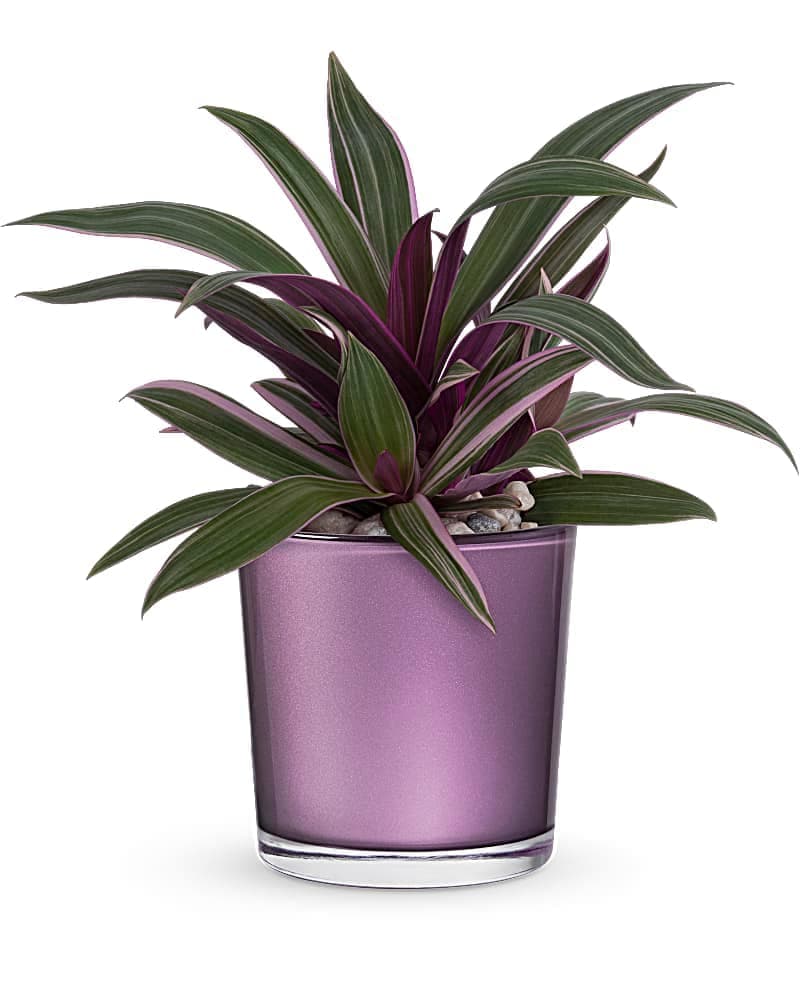
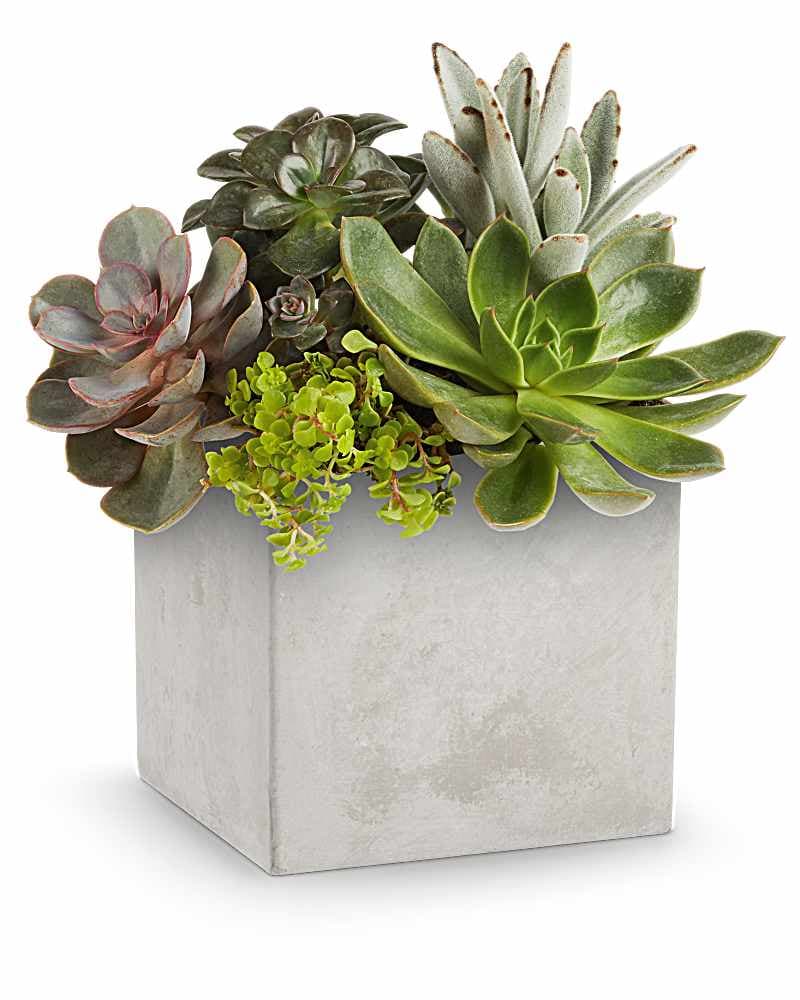
Clifton is one of the most religiously mixed cities in New Jersey, and the practical consequence is that flowers are the wrong gift about as often as they are the right one. In the Orthodox Jewish community that centers on Passaic Park and spills across Clifton's eastern streets, flowers are not part of a funeral and not sent to the chapel at all — what is sent is food to the shiva house, and if you want to send something living, a plant to the home during the shiva week is the version that fits. Ask for the shiva address rather than the chapel address and the order works. In the Muslim community — Clifton has a large Arab population, Syrian, Lebanese, Egyptian and Palestinian, alongside a substantial Turkish community, and the Islamic Center of Passaic County is minutes over the line in Paterson — burial is fast, usually within a day, and the gift that lands is food or a visit to the family rather than an arrangement at the mosque. The Catholic side is where the traditional floral vocabulary applies in full: the Polish parish heritage of Botany Village around St. John Kanty, the Italian and Irish families on the Allwood and Athenia side, and the very large Peruvian, Dominican, Colombian and Ecuadorian congregations along the Main Avenue corridor all expect standing pieces at the viewing. If you do not know the family's tradition, a plant or a basket sent to the house is the safest thing you can send anywhere in this city.