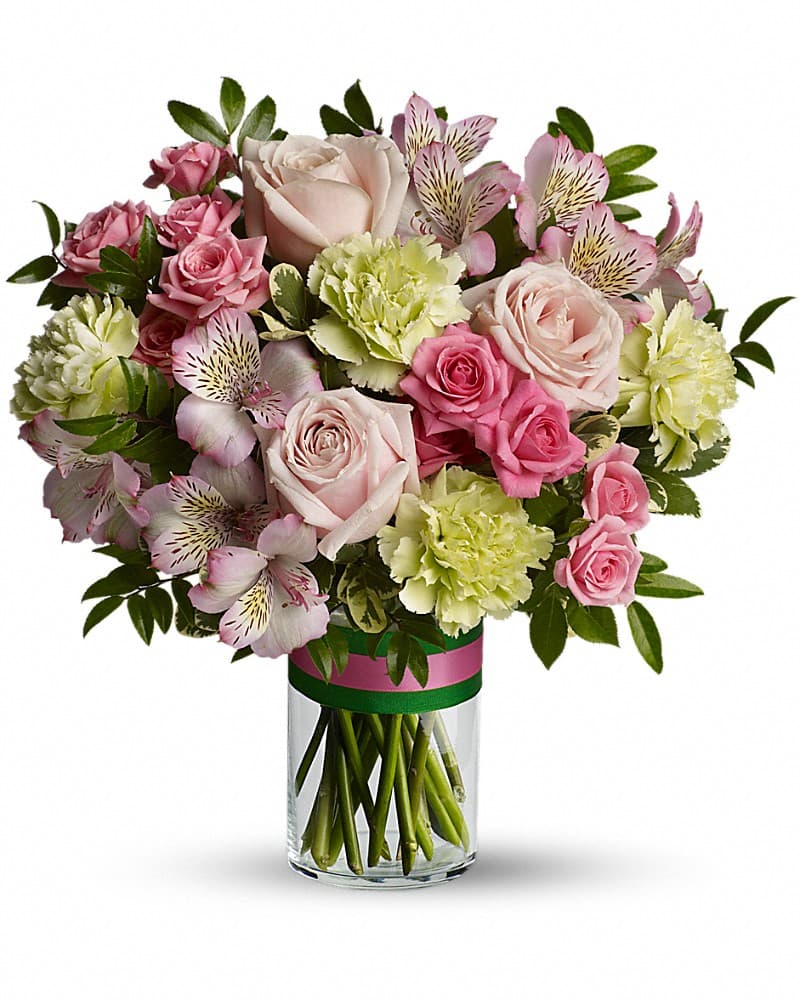
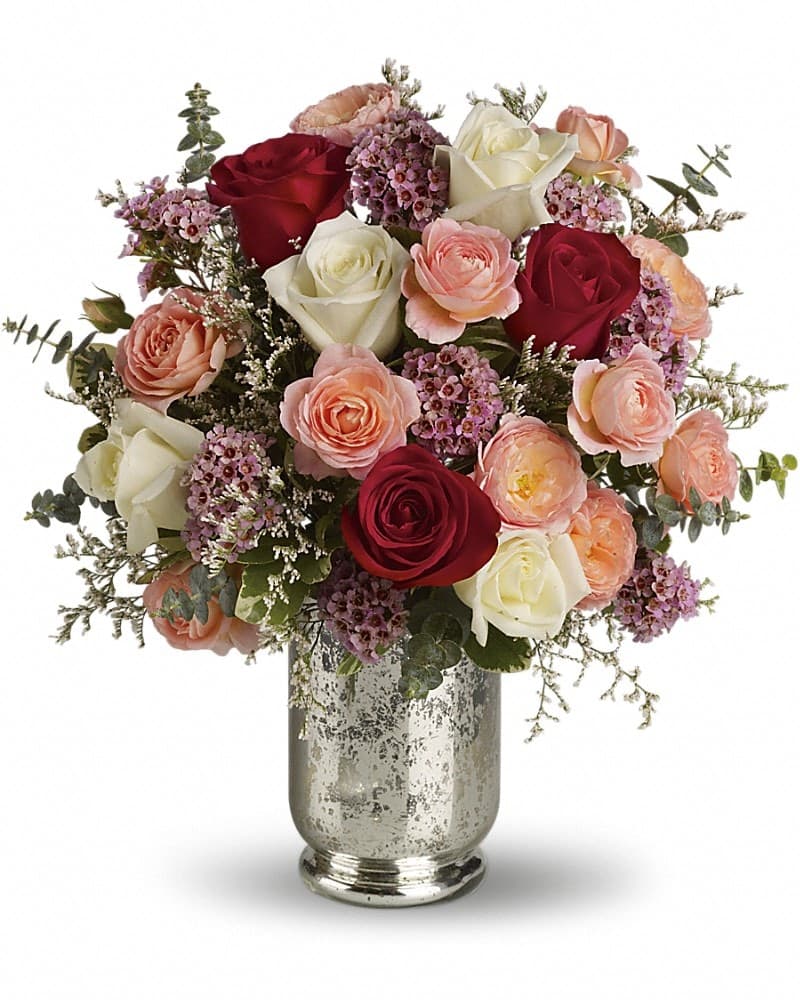
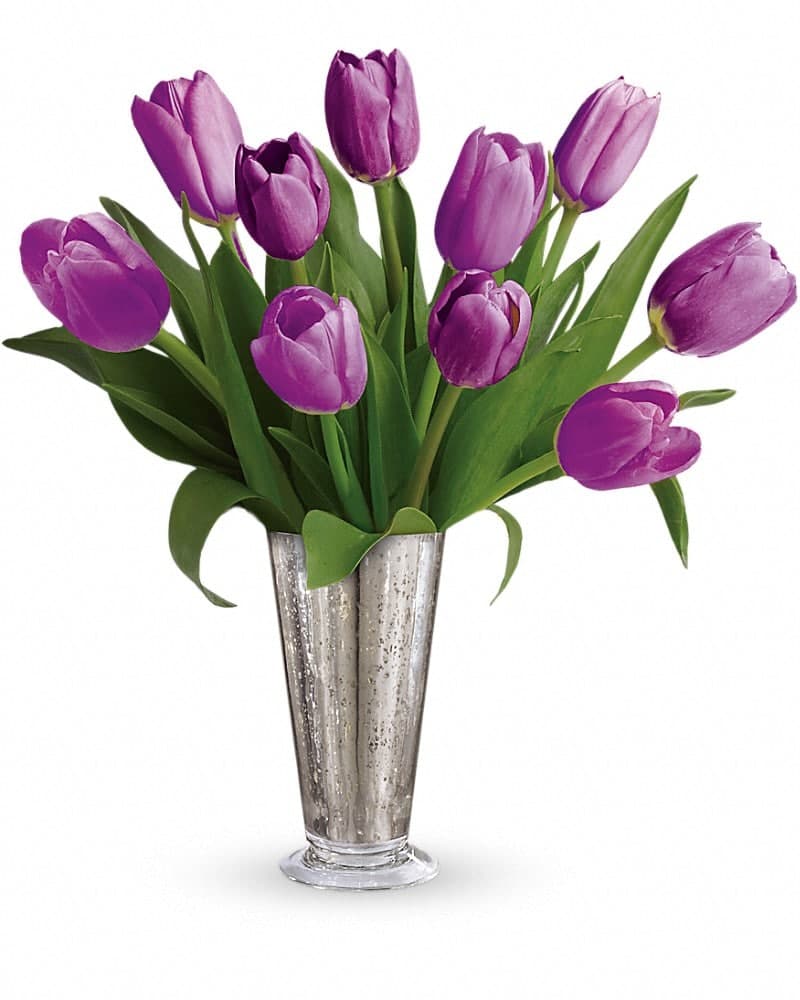
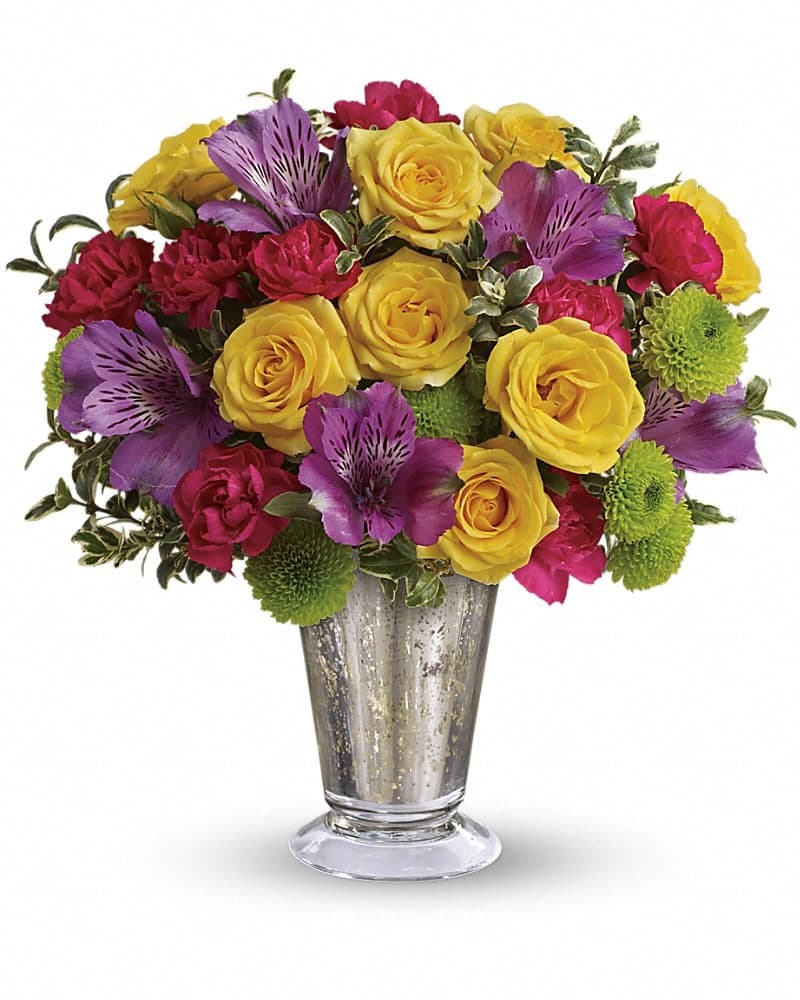
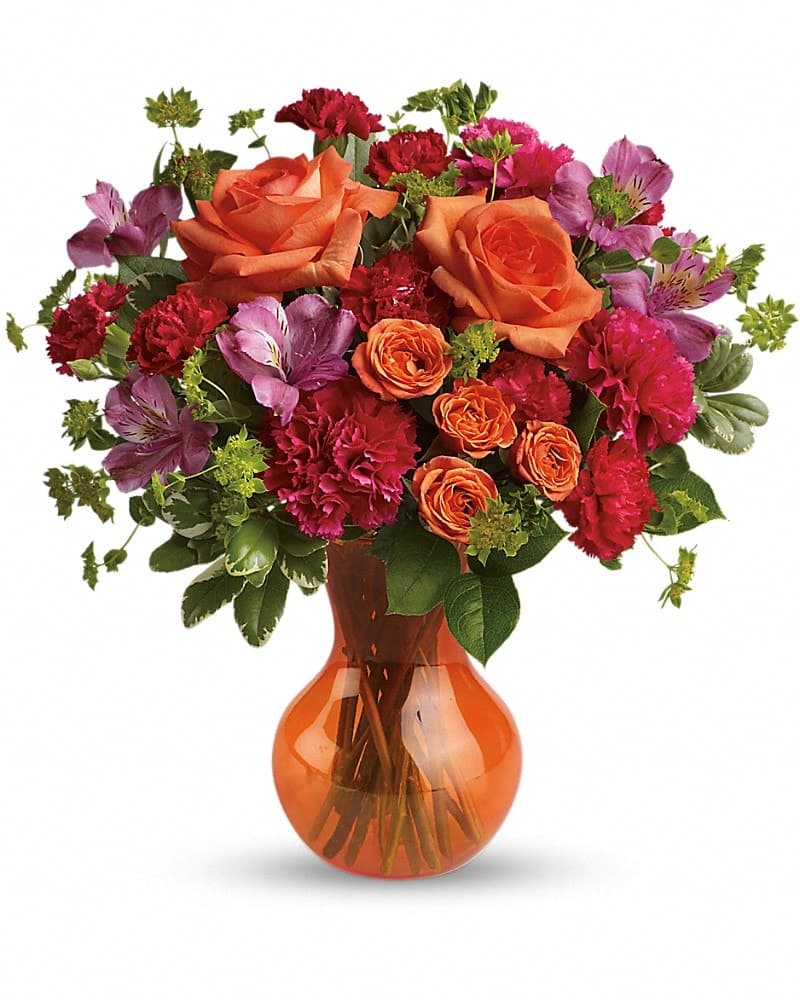
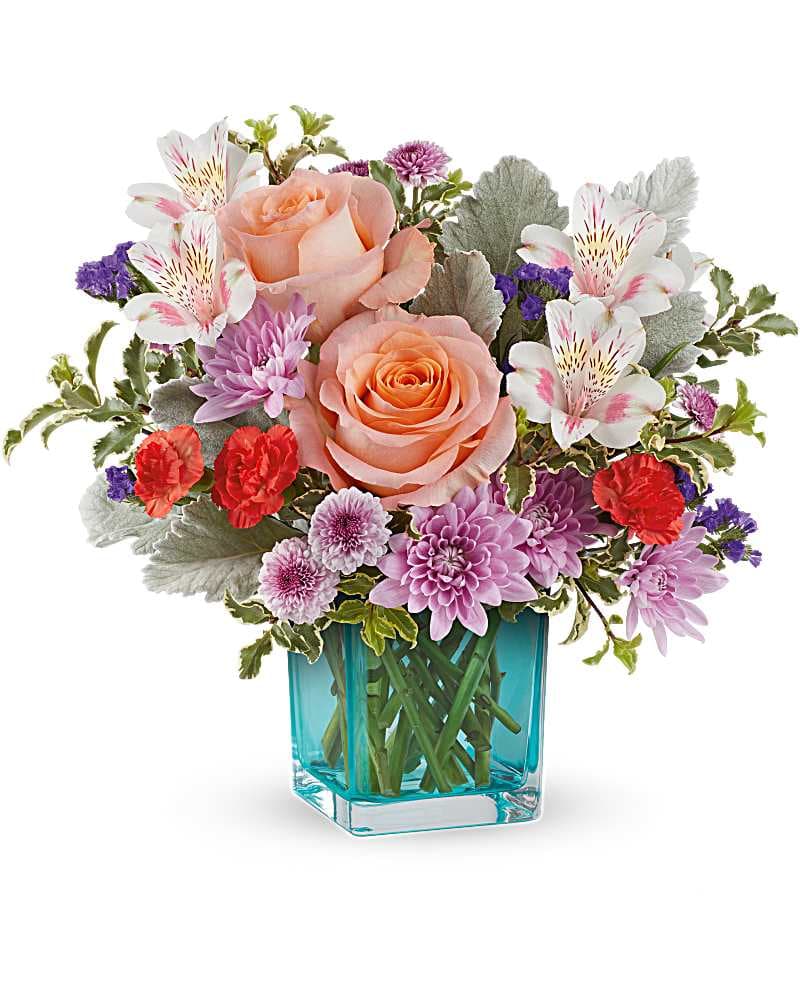
Nobody is admitted overnight inside Cliffside Park, and the closest thing to a hospital in the borough is a trap for get-well orders. Englewood Health Physician Network's Cliffside Park location is a primary care practice, not a hospital with patient rooms, and its own announcement describes it as exactly that. If you are thanking a clinician there, address the practice and name the staff member — that is a clean business delivery. But if you are supporting somebody who had an appointment in that building, remember they may be inside it for forty minutes, and flowers sitting at a reception desk after they have gone home are a gesture nobody receives. Send to the house instead. We deliver to the practice address as a business drop and claim no arrangement with the practice itself.
The real map begins at the bottom of the cliff. Straight down Route 5 and south along River Road is Palisades Medical Center at 7600 River Road in North Bergen, part of Hackensack Meridian Health and the nearest inpatient hospital to the borough by road — close enough that a morning order arrives comfortably inside the same afternoon. North and east, over the Hackensack River: Holy Name Medical Center at 718 Teaneck Road in Teaneck and Englewood Health at 350 Engle Street in Englewood. Further north-west, Hackensack University Medical Center at 30 Prospect Avenue, which is not one building but a connected block of towers and also holds the Joseph M. Sanzari Children's Hospital and the John Theurer Cancer Center on the same site; a delivery addressed only to "Hackensack hospital" lands at a central receiving point and then waits for somebody with a cart, which is how get-well flowers reach a patient the day after discharge. South across the Meadowlands sits Hudson Regional Hospital in Secaucus, and down the Hudson County ridge Christ Hospital in Jersey City; north-west at the Route 4 and Route 17 crossing, county-run Bergen New Bridge Medical Center in Paramus, where a large share of the beds are long-stay rather than short admissions — a stay measured in months wants a plant, not cut stems.
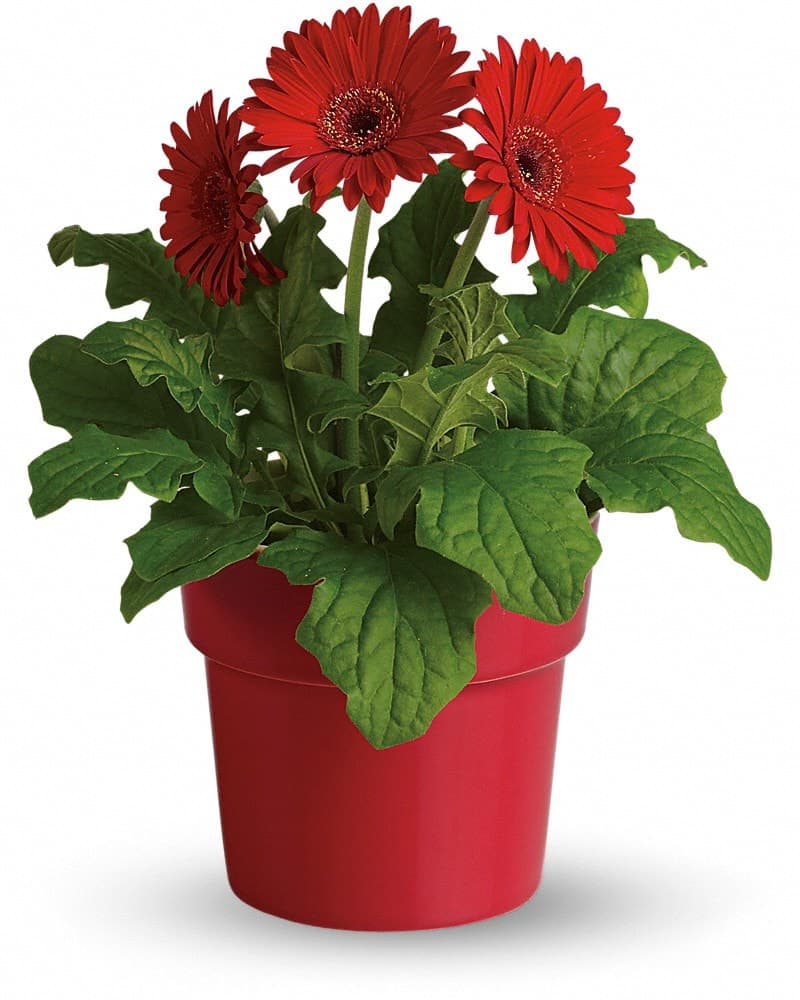
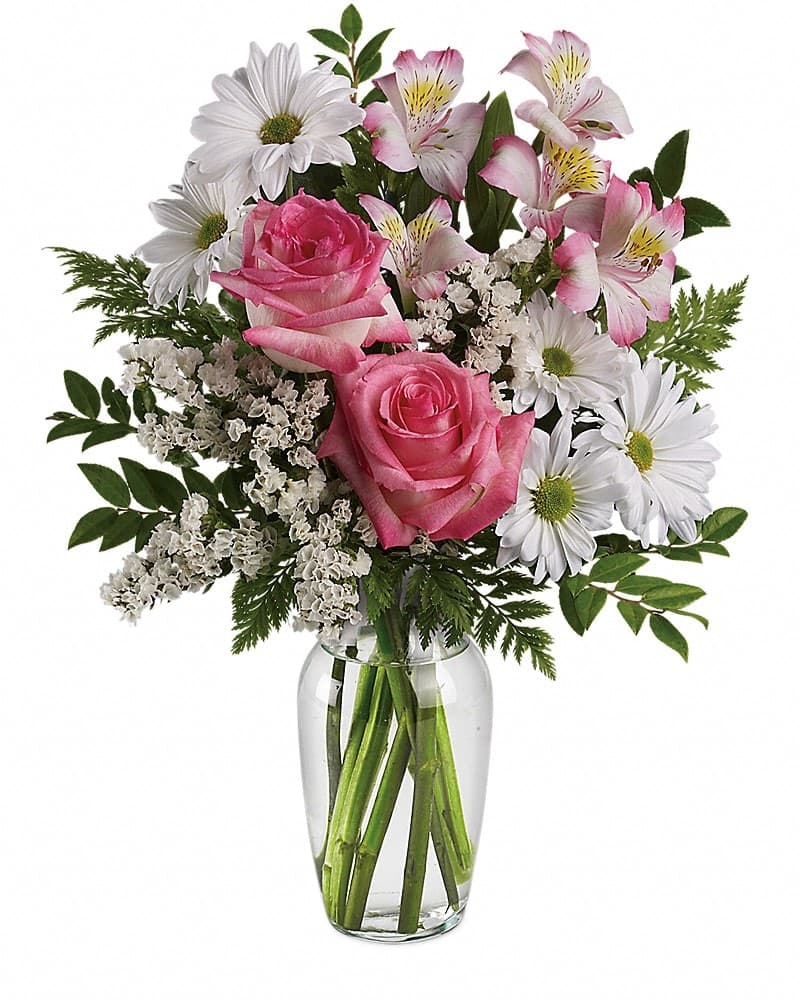
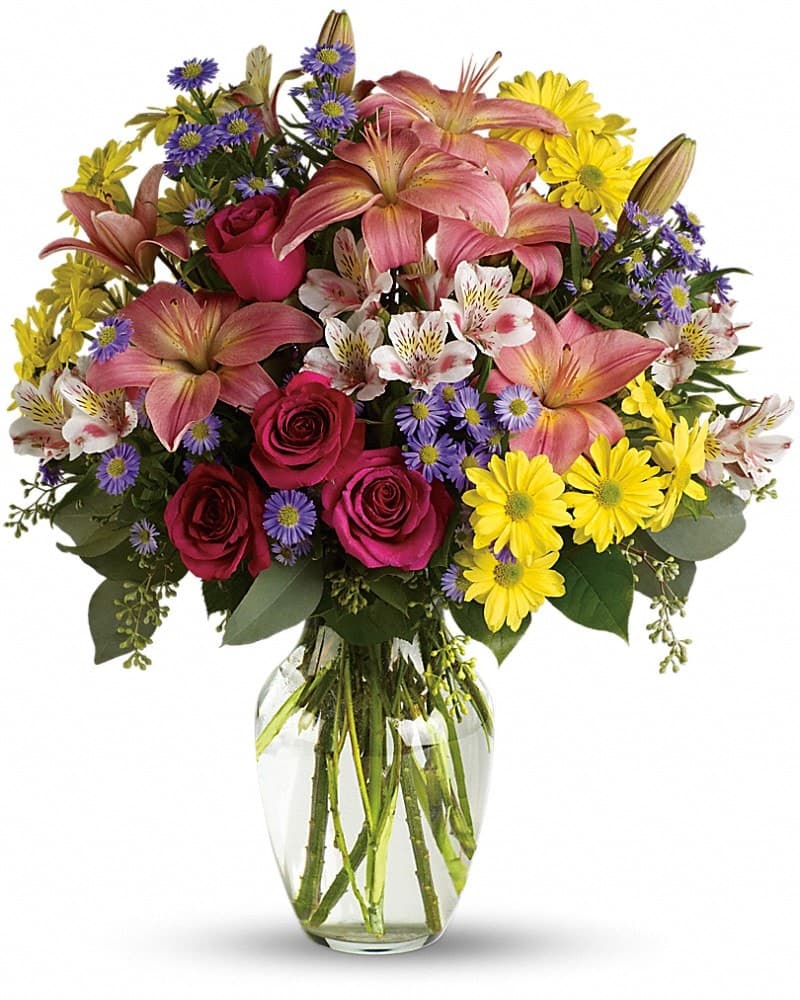
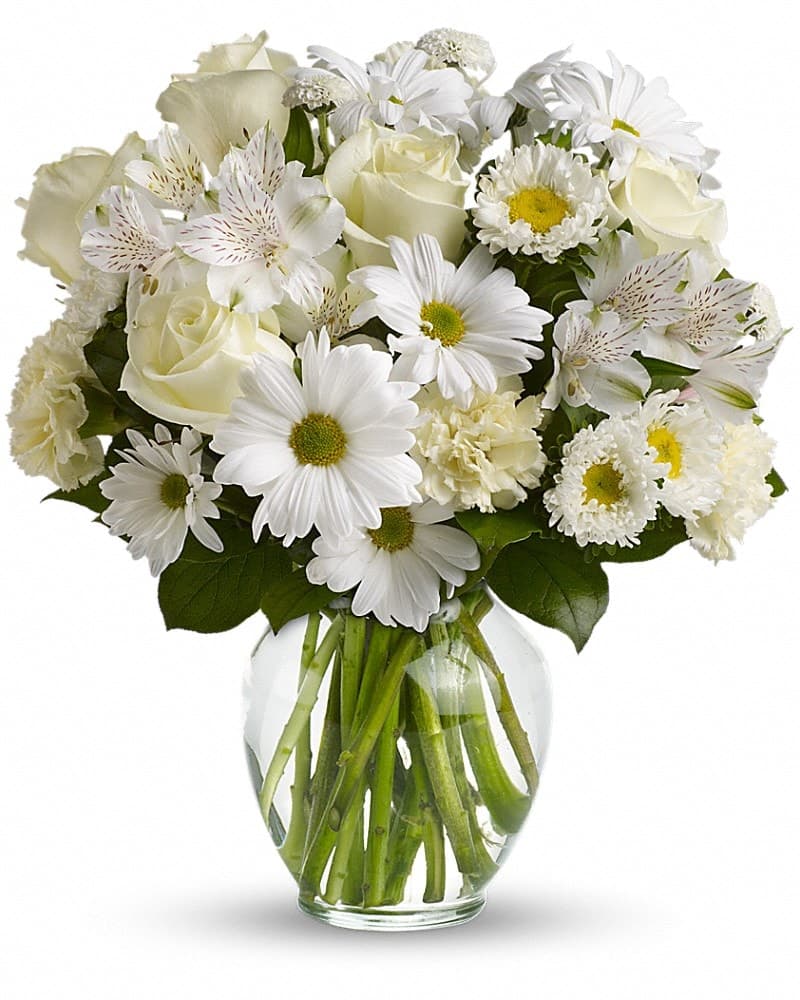
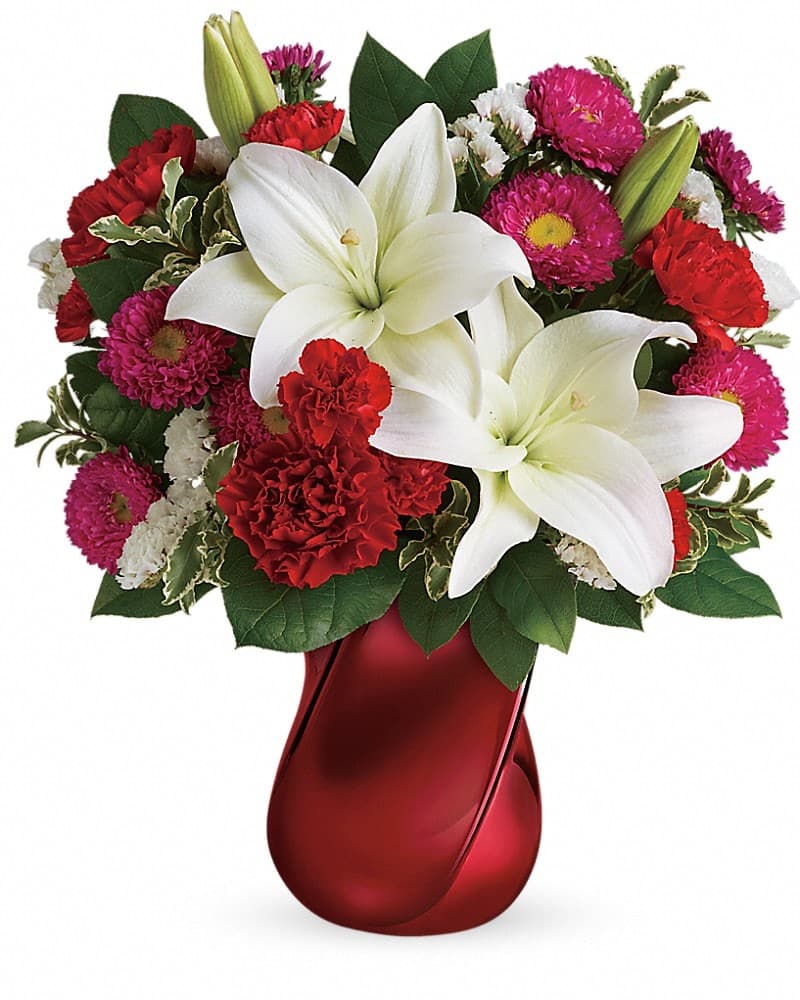
What a nursing station will actually accept is policy, not taste, and the shops that run these floors design to it rather than argue at the door. Lilies do not go out on a hospital order. The anthers shed a rust-coloured powder that marks bedding, gowns and the overbed tray, and staff with no spare minutes end up dealing with it; in a shared room the perfume is imposed on a second patient who never agreed to it. Anything bred to scent a room leaves with them — stargazers, freesia, hyacinth, heavy stock. Size is what gets an arrangement exiled to a corridor. The working surfaces in a patient room are a sill about as deep as a paperback and a tray table that has to carry a meal and a water jug, so the ceiling is roughly the height of that jug. Latex balloons are refused outright at most hospitals on allergy grounds, while mylar generally passes. Some units harden all of this into a flat no: marrow and transplant floors and cancer centres including John Theurer usually ban cut stems and potted soil alike, and the object of the ban is as much the reservoir of standing water three feet from a patient with no immune defence as it is the pollen. Intensive care and neonatal units mostly decline deliveries as standing policy rather than judging them one at a time. Write "this is a hospital" on the order, name the building, and let the shop make the call.