Two facts shape every get-well order placed in this city. The first is that there is no hospital inside its two square miles, so the delivery always crosses a municipal line. The second is that the nearest bed is named for a different Orange, which is exactly the sort of detail that sends an arrangement to the wrong front desk: East Orange General Hospital sits on Central Avenue in East Orange, about a mile and a half from the 07050 centroid, and East Orange is its own municipality. Write the hospital's town out. Two miles from downtown, still in East Orange, the VA New Jersey Health Care System campus on Tremont Avenue takes much of the region's veteran inpatient and long-stay work, and a VA ward is addressed differently from a community hospital room — use the ward or unit the family names instead of inventing a floor number. Three miles east, Newark holds the heavy end: University Hospital on Bergen Street, the Level 1 trauma centre and teaching hospital for Rutgers New Jersey Medical School; Newark Beth Israel Medical Center on Lyons Avenue, which contains the Children's Hospital of New Jersey along with its cardiac and transplant services; and Saint Michael's Medical Center on Central Avenue downtown. The wider ring fills in fast: Hackensack Meridian Mountainside Medical Center on Bay Avenue in Montclair, Clara Maass Medical Center four miles north in Belleville, Kessler Institute for Rehabilitation on Pleasant Valley Way in West Orange, Cooperman Barnabas Medical Center on Old Short Hills Road in Livingston — home to the only certified burn centre in New Jersey — then Trinitas Regional Medical Center on Williamson Street in Elizabeth and, at the outer edge of the radius, Saint Joseph's University Medical Center in Paterson. All of them are inside the live search ring, which means one board of fourteen florists covers the whole plausible destination list.
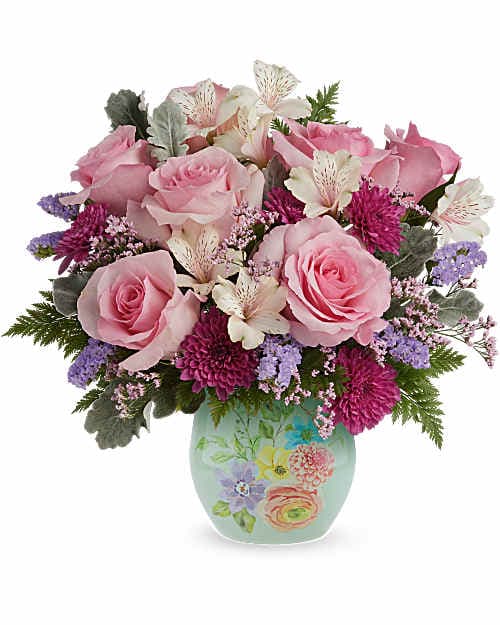
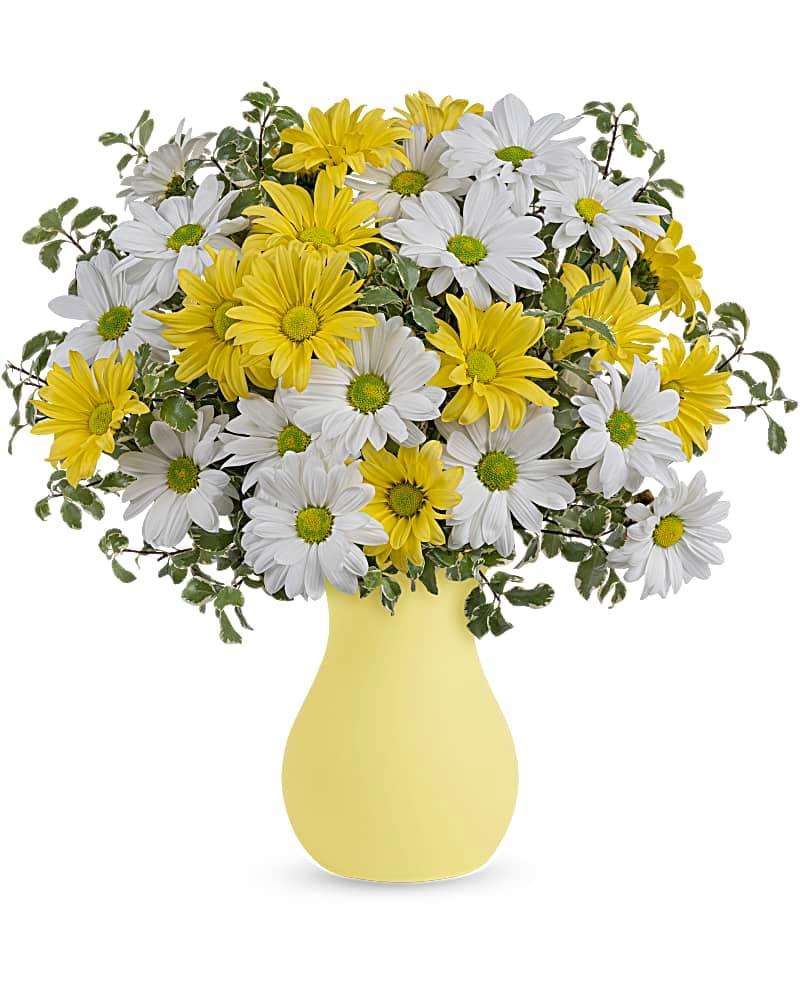
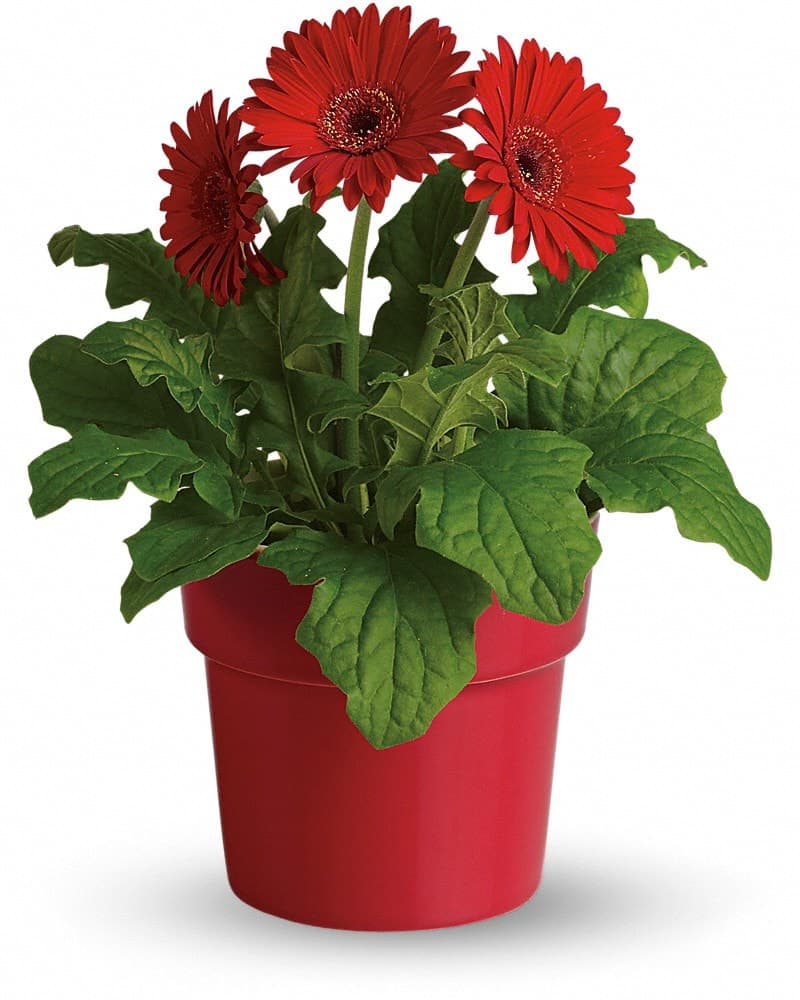
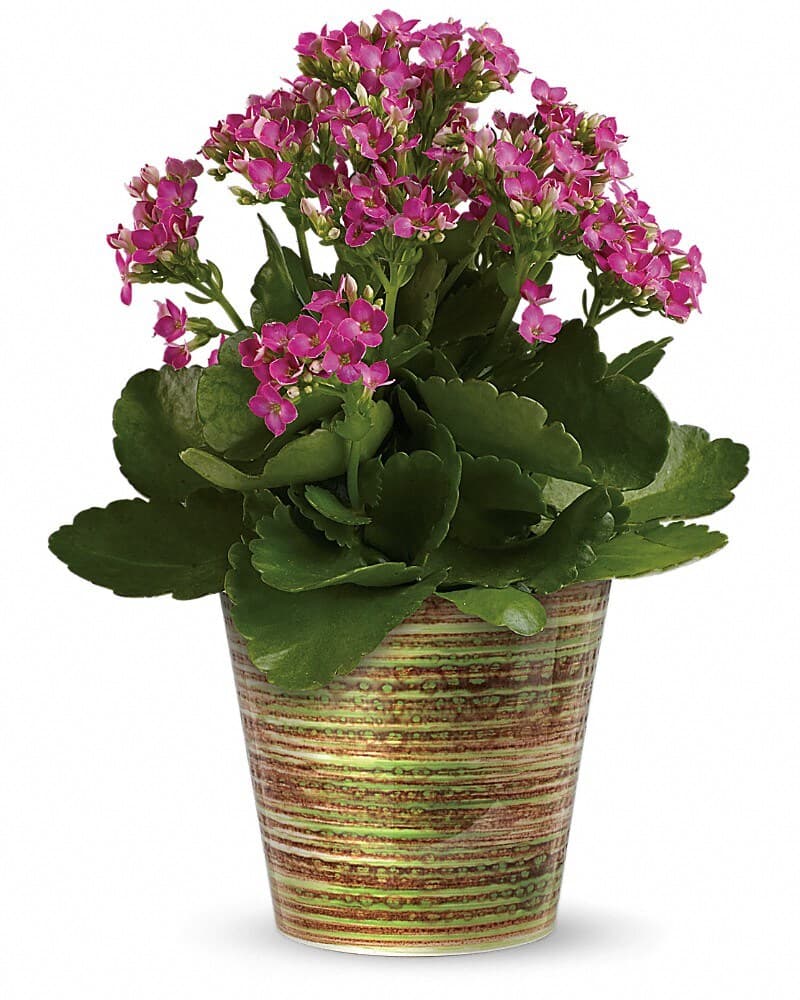
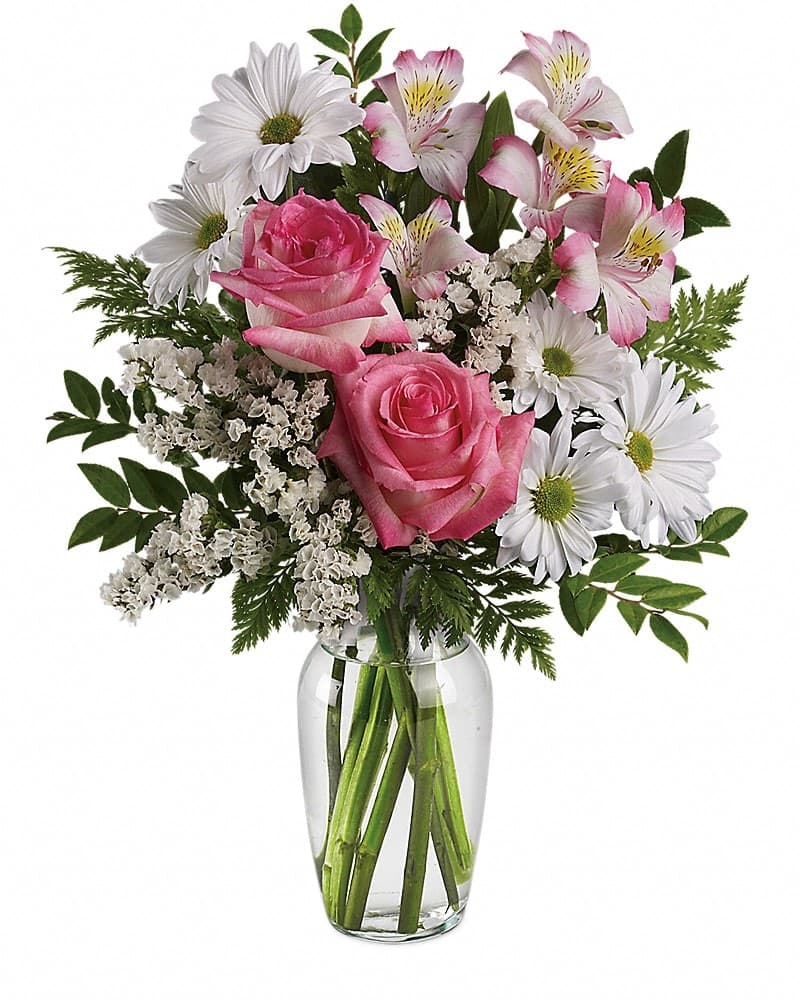
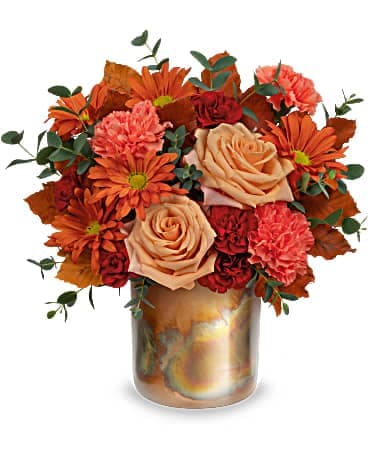
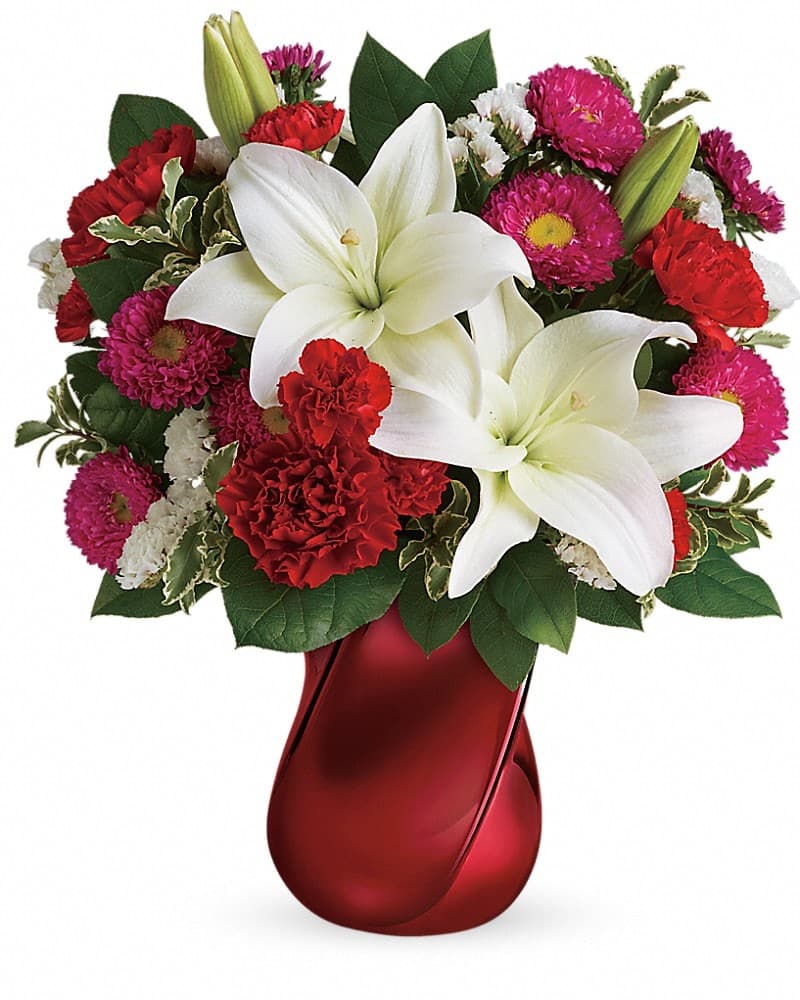
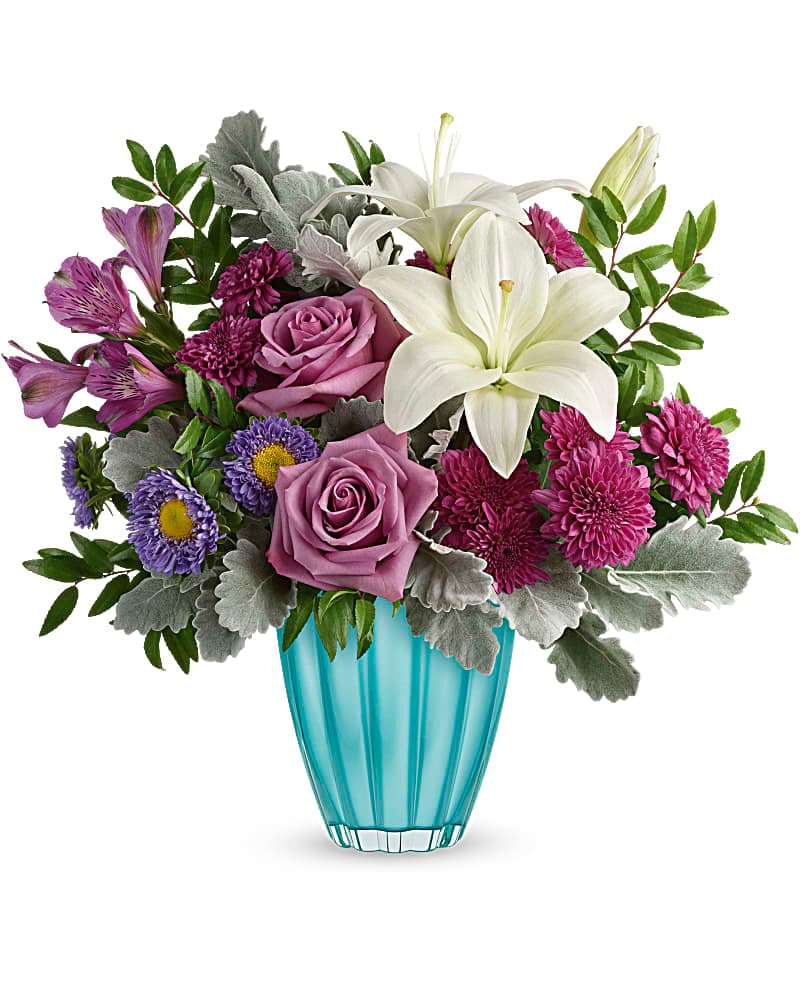
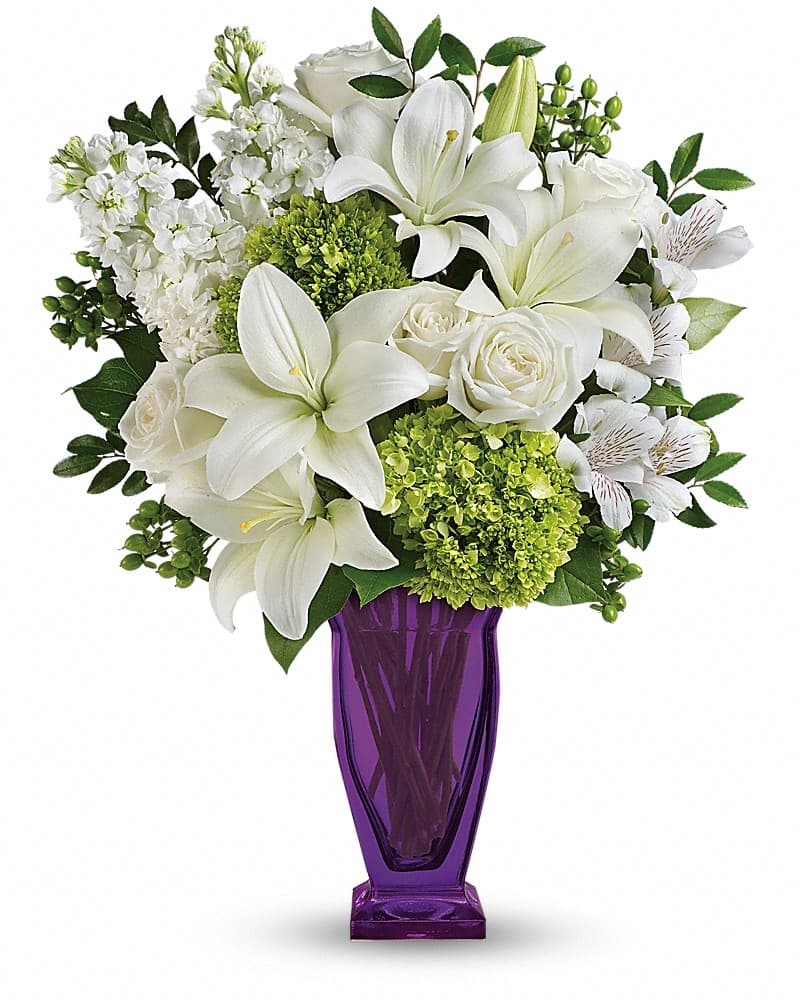
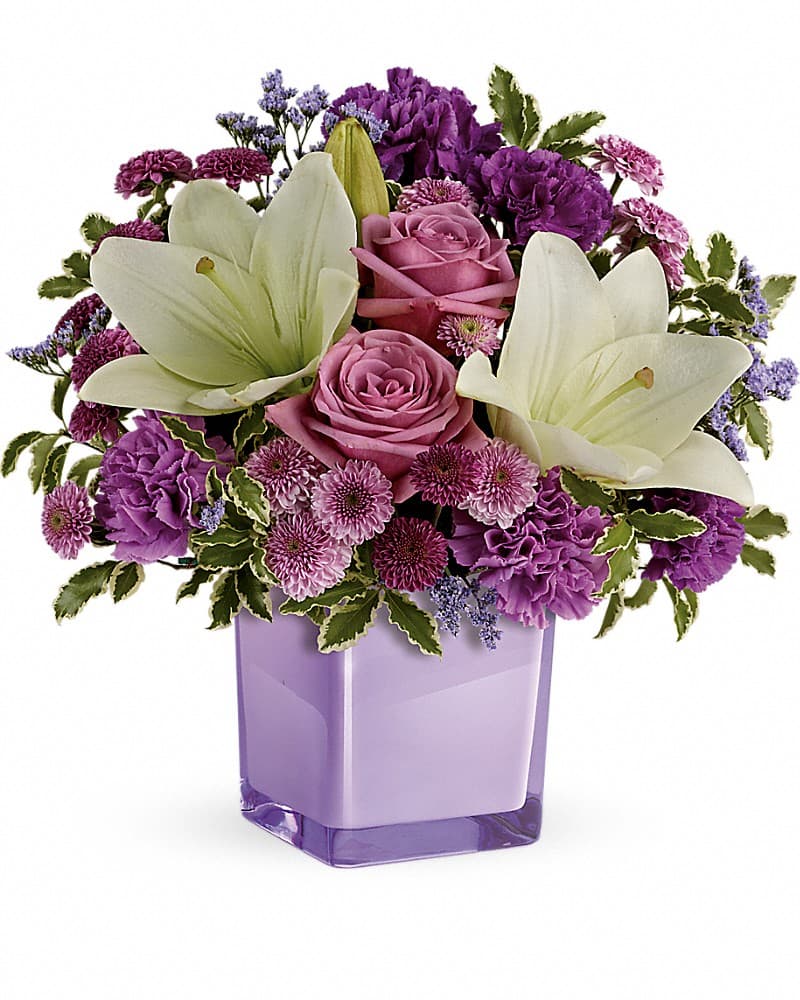
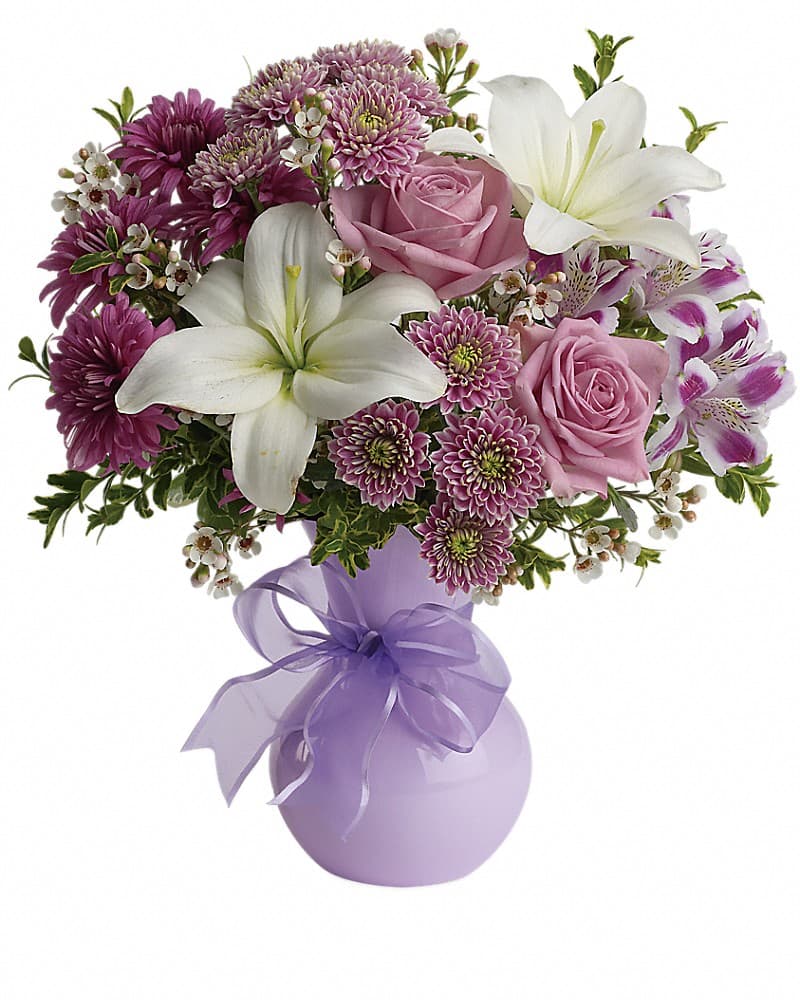
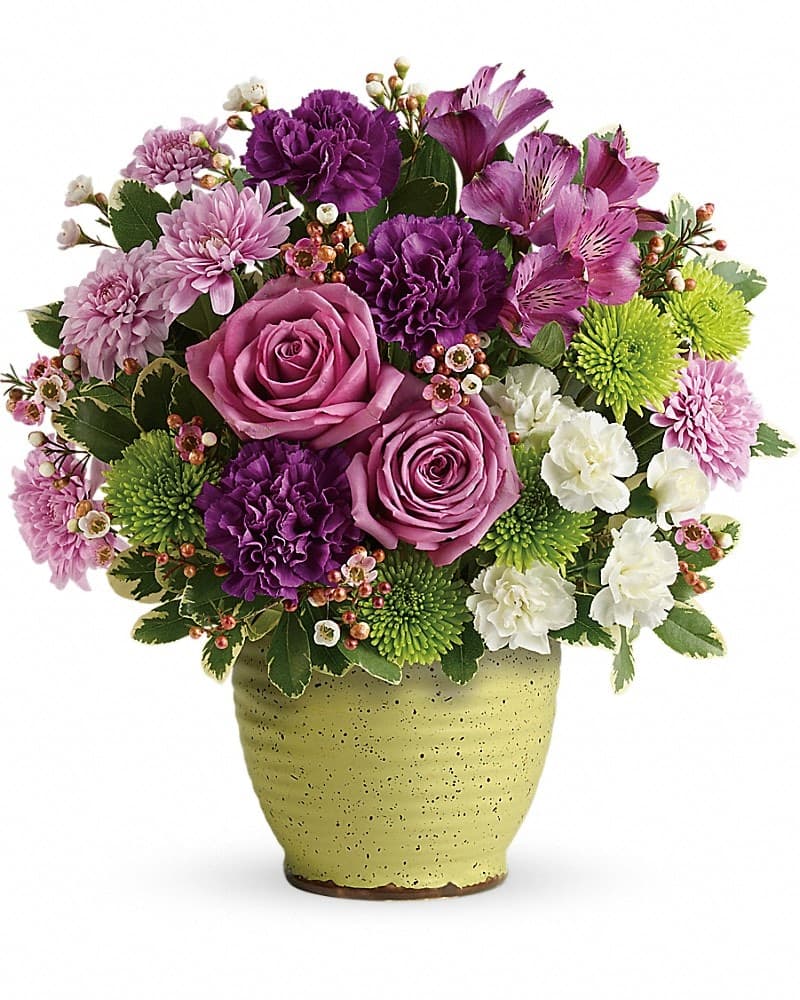
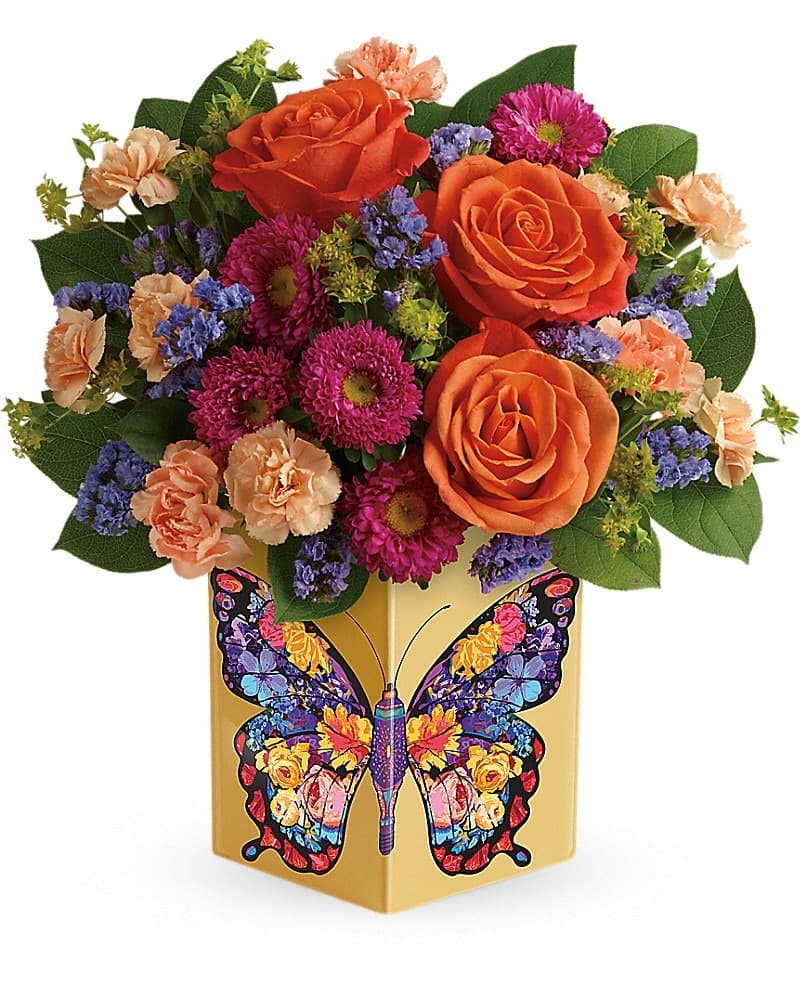
The hospital is the easy part. The floor is where orders fail, and the honest instruction is to ask before you buy: the unit's own desk will tell you in one sentence what it accepts. What tends to come back refused is soil — a pot of living plant matter is the single most commonly declined gift on the cancer and transplant units, including the ones at Newark Beth Israel and Cooperman Barnabas, because standing water and potting medium are an infection risk for a patient whose immune system has been deliberately suppressed, and some of those units decline cut stems as well. In intensive care and cardiac step-down the answer is often nothing at the bedside at all — sometimes infection control, more often that there is no clear surface to stand a vase on. The Children's Hospital of New Jersey inside Newark Beth Israel, like paediatric units generally, refuses latex balloons on allergy grounds. At the Cooperman Barnabas burn centre the answer is usually no, and the real option is a delivery to the family waiting room, where the people keeping vigil are the ones who will actually see it. Post-surgical and maternity floors are more permissive but sensitive to smell: oriental and stargazer lily, hyacinth, freesia and paperwhite narcissus are strong enough to turn a stomach already unsettled by anaesthesia, and lily pollen stains gowns, sheets and skin. Kessler Institute in West Orange is a category of its own — rehabilitation stays there run weeks rather than nights, and because Kessler draws patients from well beyond New Jersey, a get-well arrangement sent to a West Orange address is often going to someone who lives nowhere near here. For a stay that long, a second smaller delivery three weeks in lands harder than one large arrangement on the day of admission, when the room is still full of paperwork. What clears nearly every desk on this list is small, scent-light, pollen-light, lily-free and in a container that is not glass, sized for a tray table. Write that request in the delivery notes: every bench on this grid can build it, but only if asked.