Start with a question most senders skip: which building is the patient actually in? Chino Valley Medical Center on Walnut Avenue is the hospital inside this city, and Townsquare Florist at 4246 Riverside Dr is a short drive across the same side of town from it — which is convenient right up until you learn the patient was routed somewhere else. Chino's insurance and referral patterns pull a lot of care out of the city. Kaiser members generally end up at Kaiser Permanente Ontario Medical Center on South Vineyard Avenue, six miles east. Higher-acuity and oncology cases frequently land at Pomona Valley Hospital Medical Center on North Garey Avenue, the largest acute-care campus in this valley, about seven miles northwest. Rehabilitation admissions often mean Casa Colina on East Bonita Avenue in Pomona. Surgical cases from the north end of the valley sometimes go to San Antonio Regional in Upland or Montclair Hospital Medical Center. A bouquet sent to the wrong campus is a wasted order, and a hospital front desk will not tell you where someone is — so confirm the hospital name with the family before you confirm anything else.
Chino also has a facility type that most get-well pages ignore, and it changes the order completely. Canyon Ridge Hospital on G Street is a behavioral-health hospital, and units of that kind commonly restrict what can come onto the floor at all: glass vases, ribbon, wire, cellophane, staples and anything with a cord or a sharp edge are typically not permitted, and deliveries are often screened at reception rather than carried to a room. If that is where you are sending, ask for a soft-sided or unbreakable container with no wire, no ribbon and no plastic sleeve, and expect the arrangement to be handed over by staff rather than set on a bedside table. Many families find the better gift in that situation is a delivery to the home the patient is returning to, timed for discharge. Ask the unit what they accept; the answer takes one phone call and prevents an arrangement being turned away at a door you cannot see.
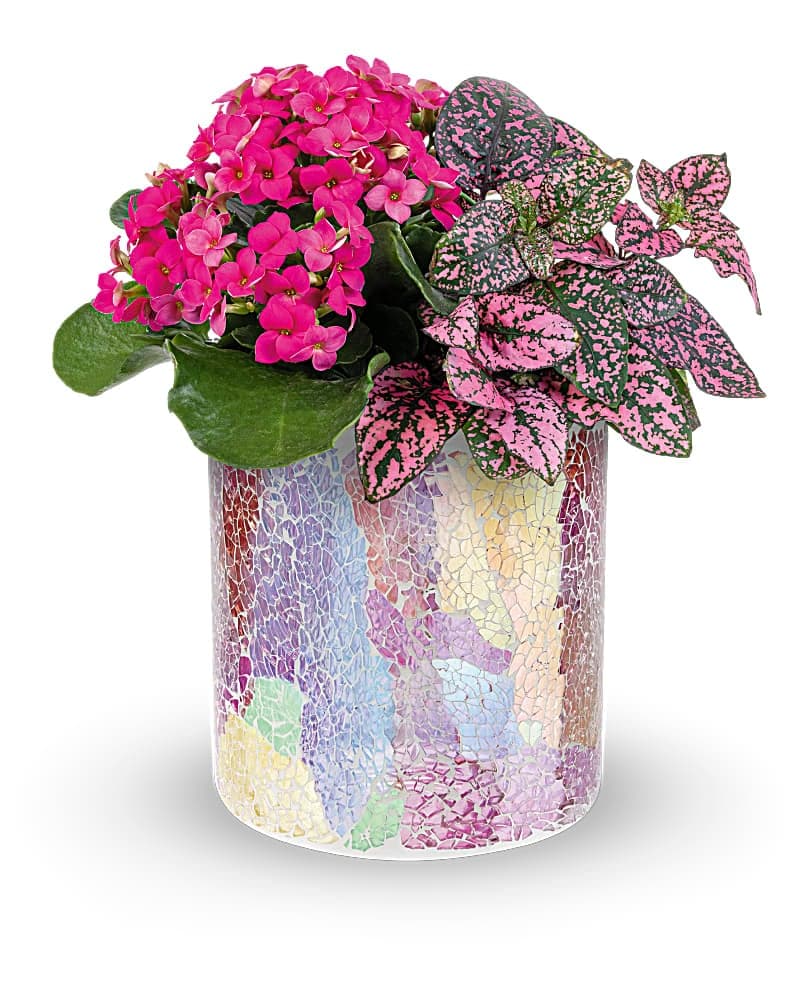
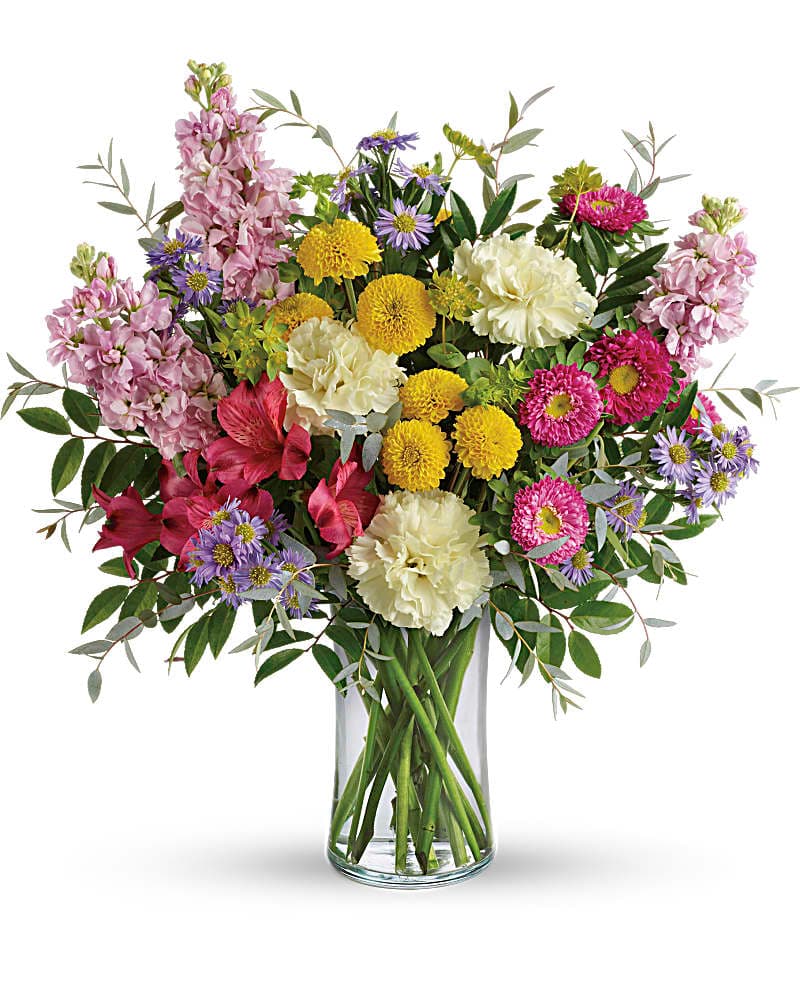
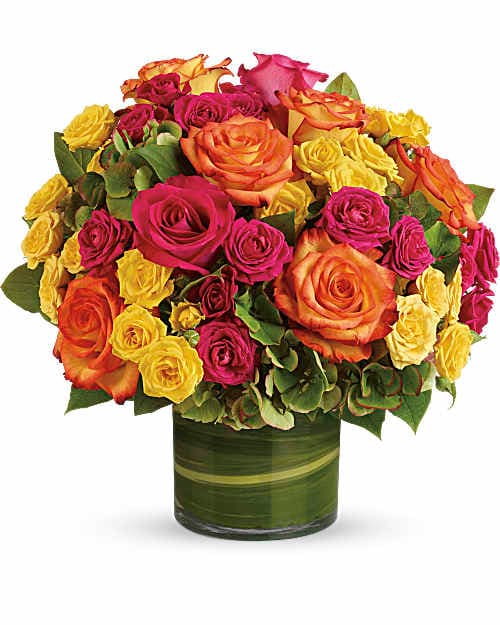
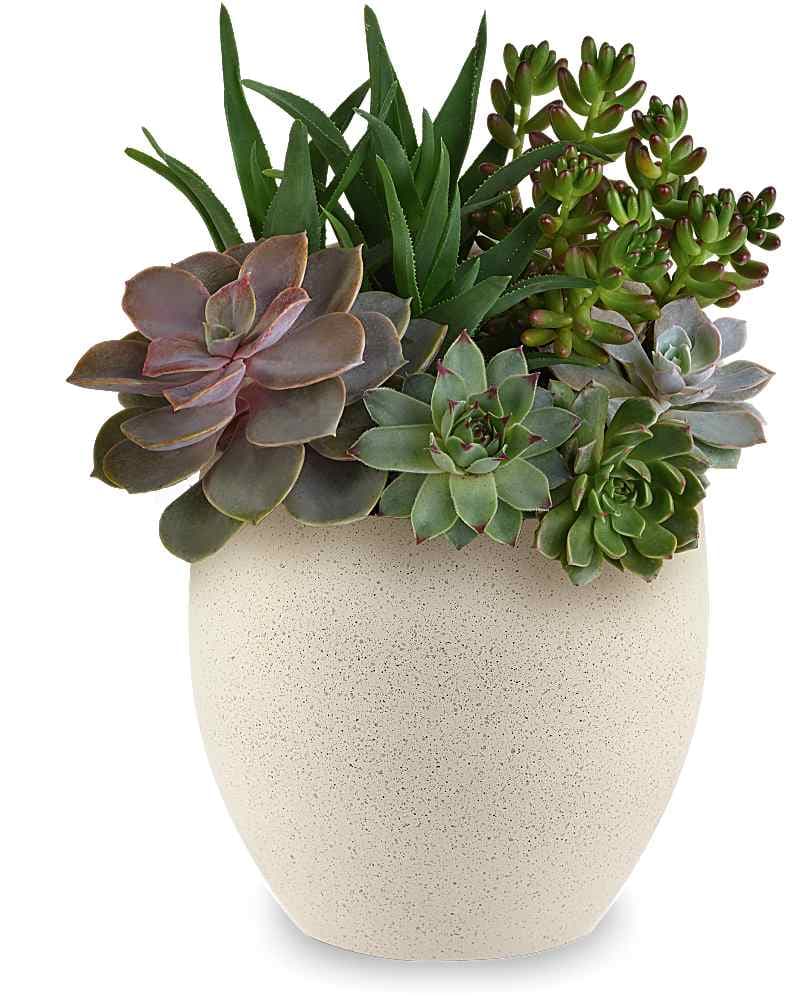
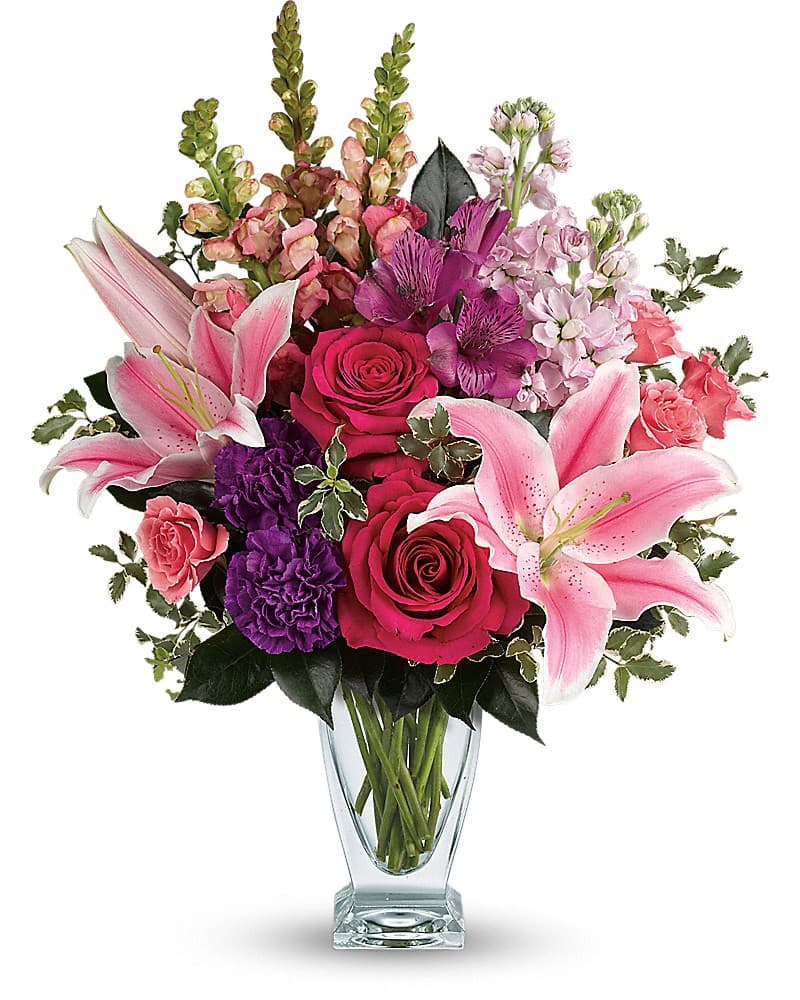
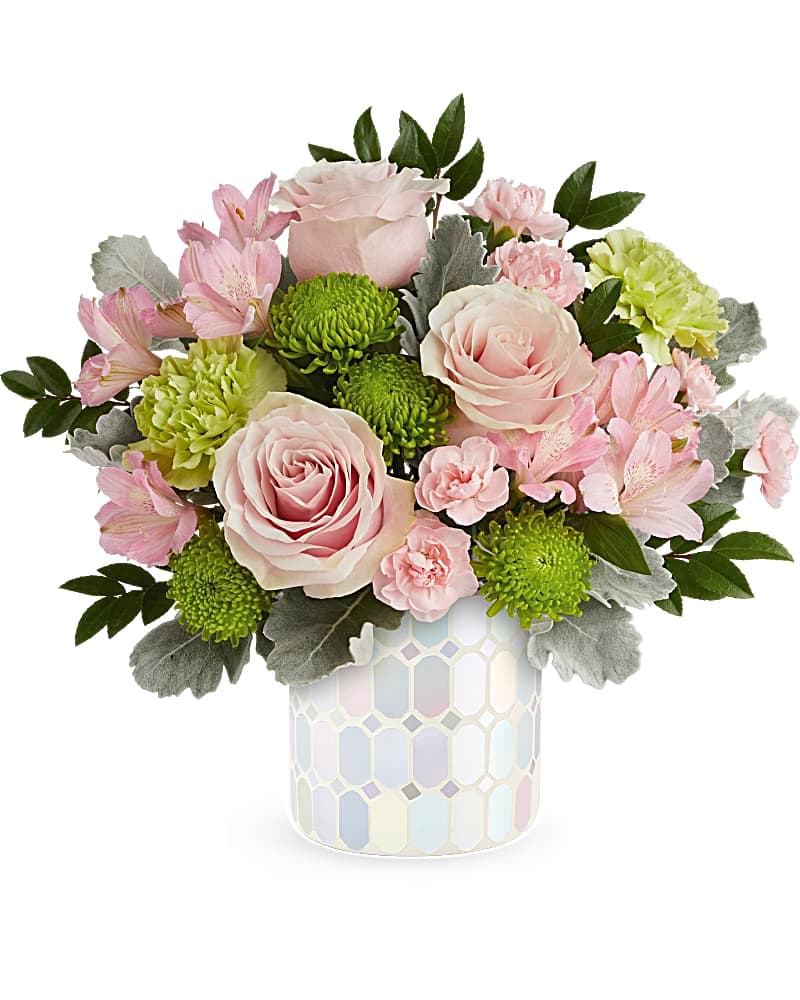
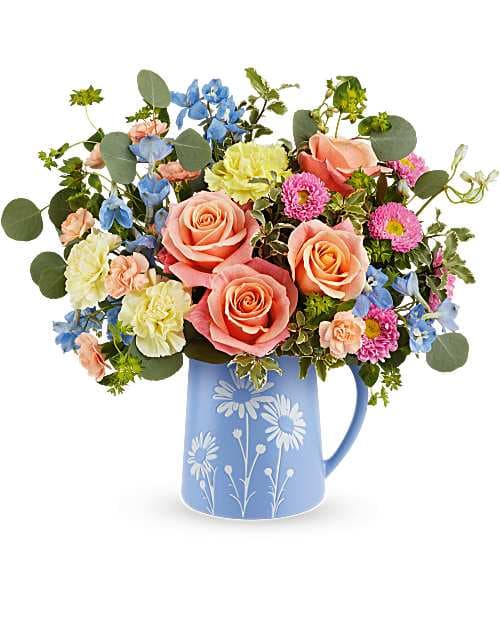
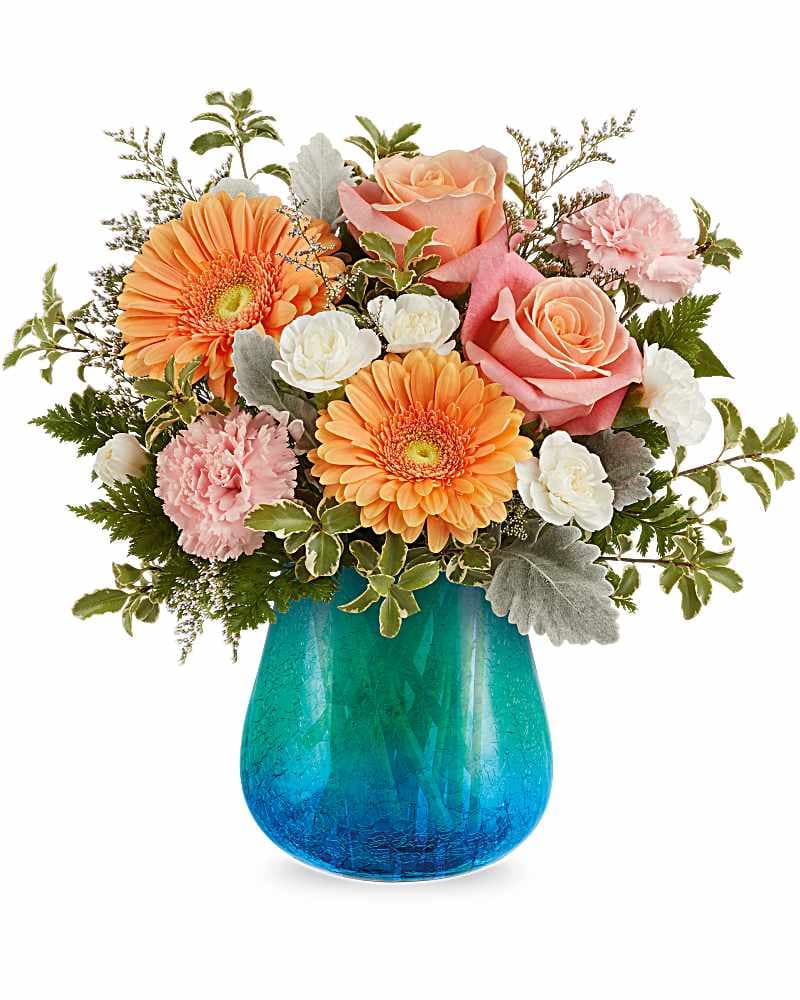
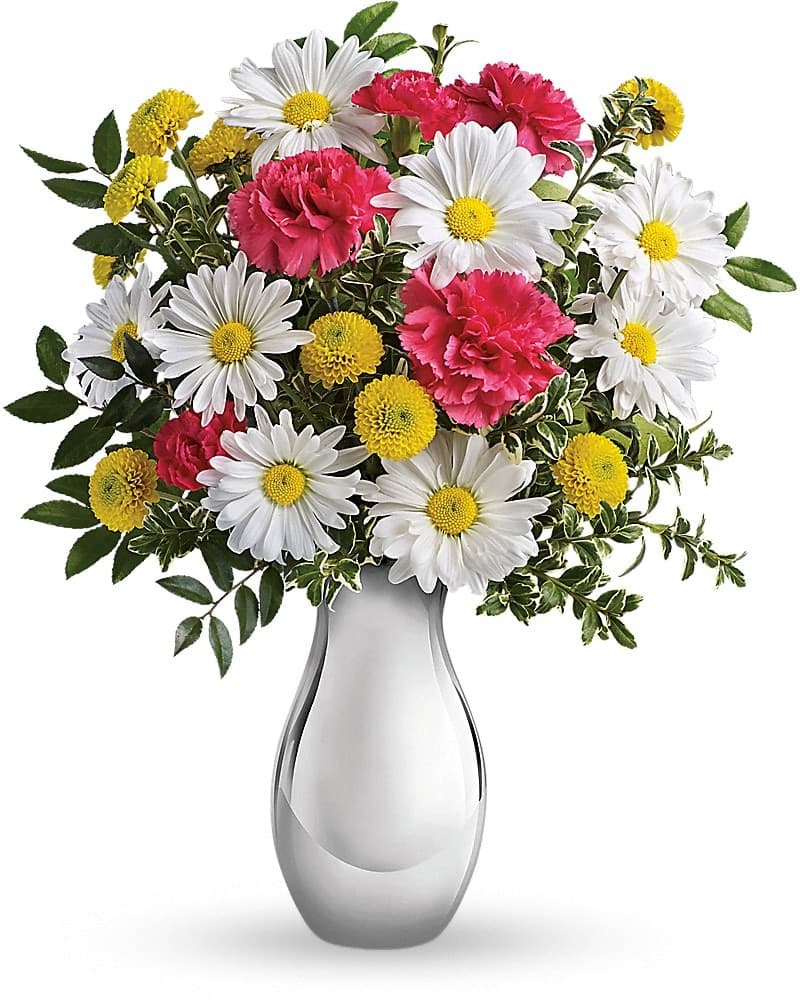
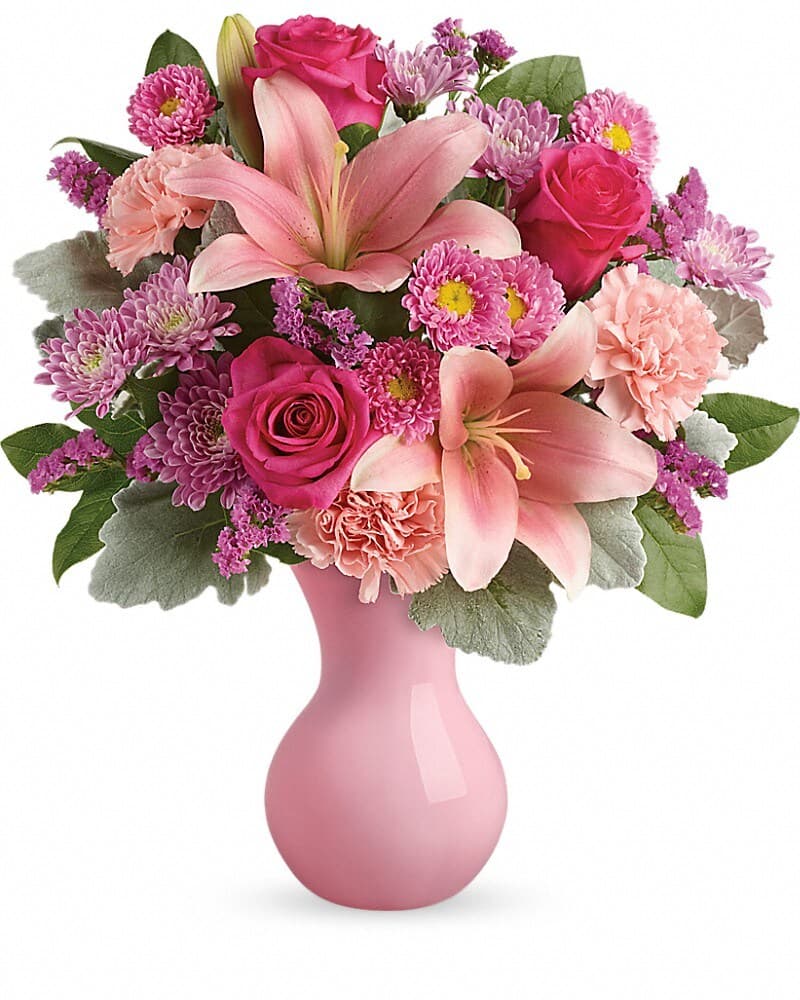
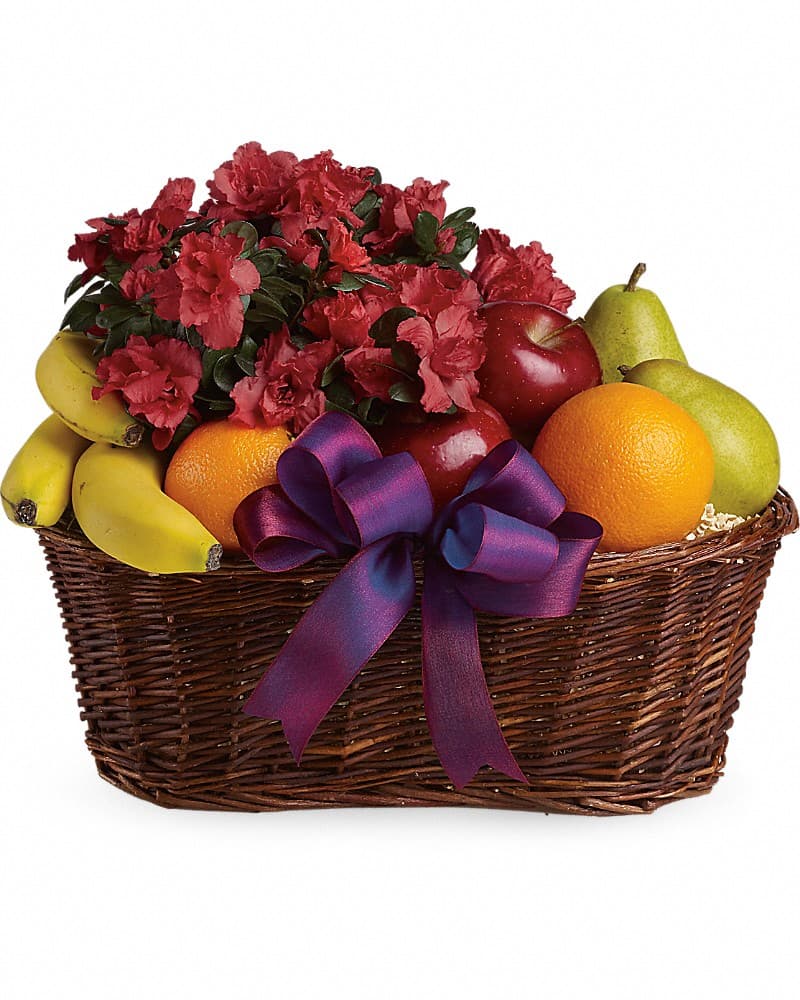
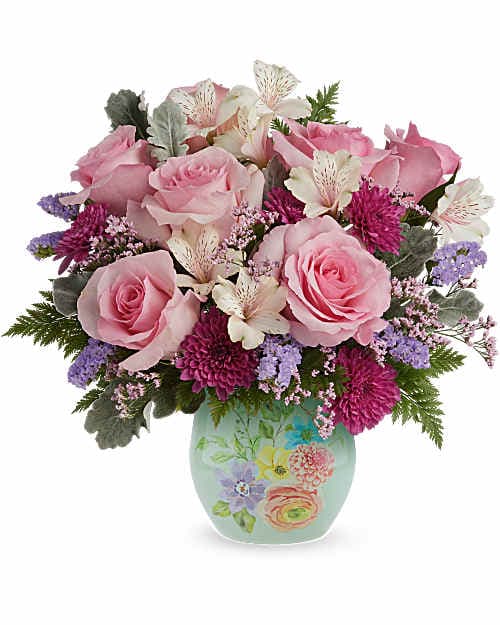
For the ordinary medical and surgical floors, the build matters more than the bouquet. Lilies are the single most common reason flowers get stopped at a nurses' station — the pollen stains everything and the scent carries down a corridor — so a get-well arrangement here is built lily-free by default. Heavy fragrance of any kind is a problem for a patient who is nauseated, and in a shared room it affects the person on the other side of the curtain as much as the patient. Potted plants in soil are frequently declined where a patient's immune system is compromised, because potting medium can carry fungal spores — which produces the counterintuitive result that the gift built to last the longest is the one most likely to be turned away, while cut stems in a sealed vase go through. Intensive care, cardiac intensive care, burn units and newborn intensive care commonly take no flowers at all. And scale is not decoration — a bedside tray table in any of these buildings is narrow and already holds a water jug and a phone, so a low compact design in a short vase gets used while a tall one gets moved to the floor or sent home with a visitor.
Pediatric and veterans' care in particular leaves this ring, so check before you order. Children needing specialty inpatient care from the Chino Valley are commonly treated at Loma Linda, roughly thirty-five miles east down the 10, or at the children's hospital in Orange, roughly twenty-five miles southwest down the 71 — both outside the 18-mile radius around 91710, and both a different order than a same-day local run. Much of the region's veterans' care also sits east at Loma Linda rather than anywhere in the valley. Where a pediatric unit does accept flowers, two extra rules apply: latex balloons are typically prohibited outright because of allergy risk, so ask for mylar or skip them, and unbreakable containers are preferred to glass. Newborn intensive care generally refuses flowers, which means a new-baby arrangement belongs at the parents' home or in the postpartum room rather than the NICU.