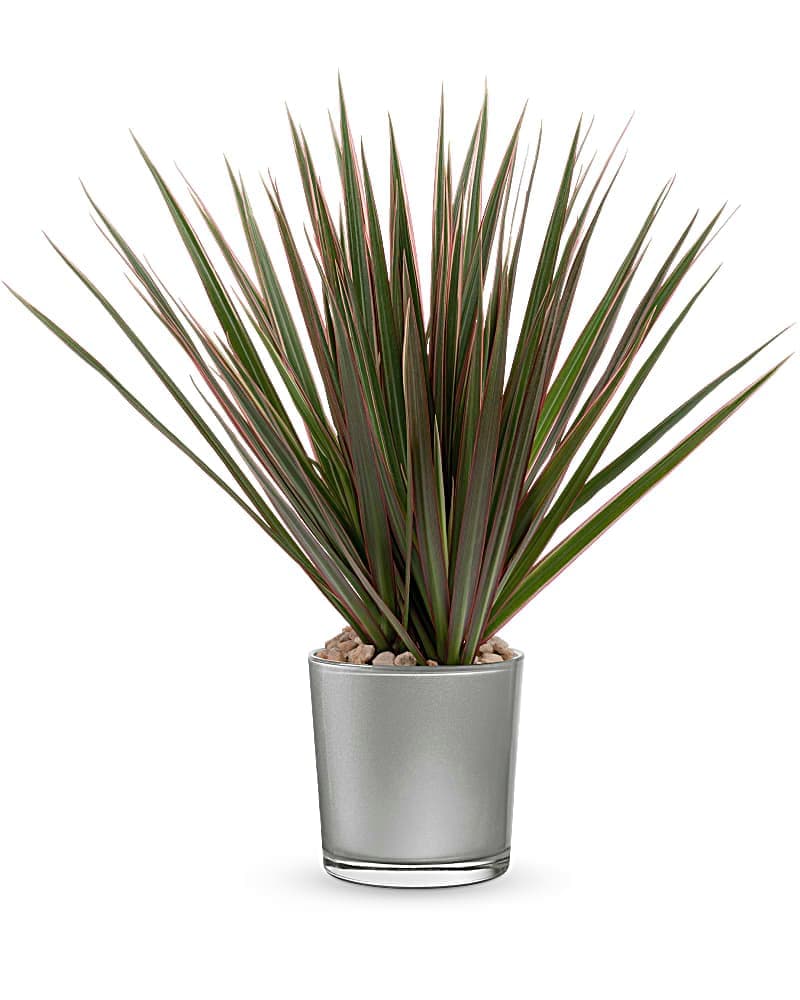
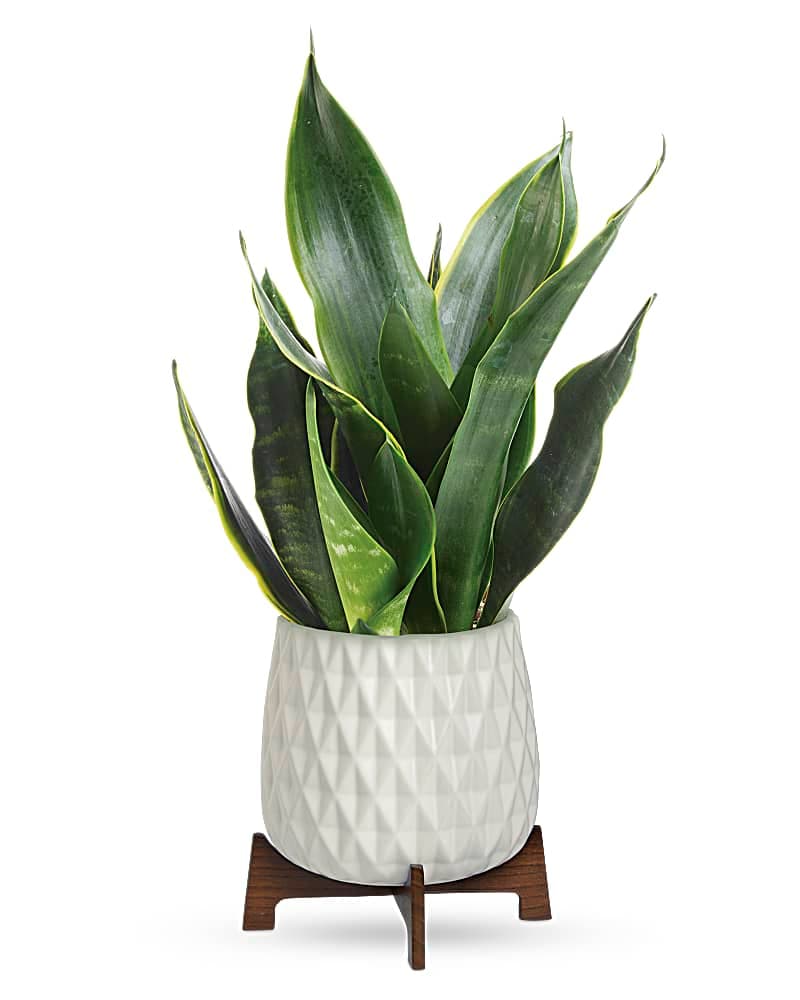
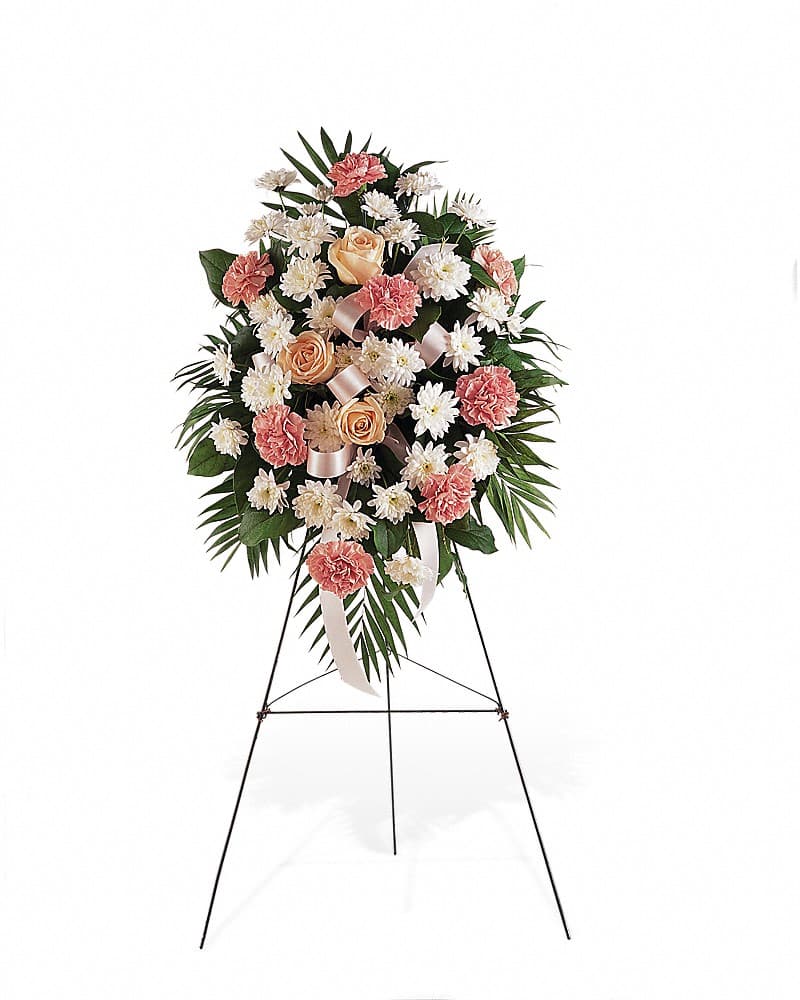
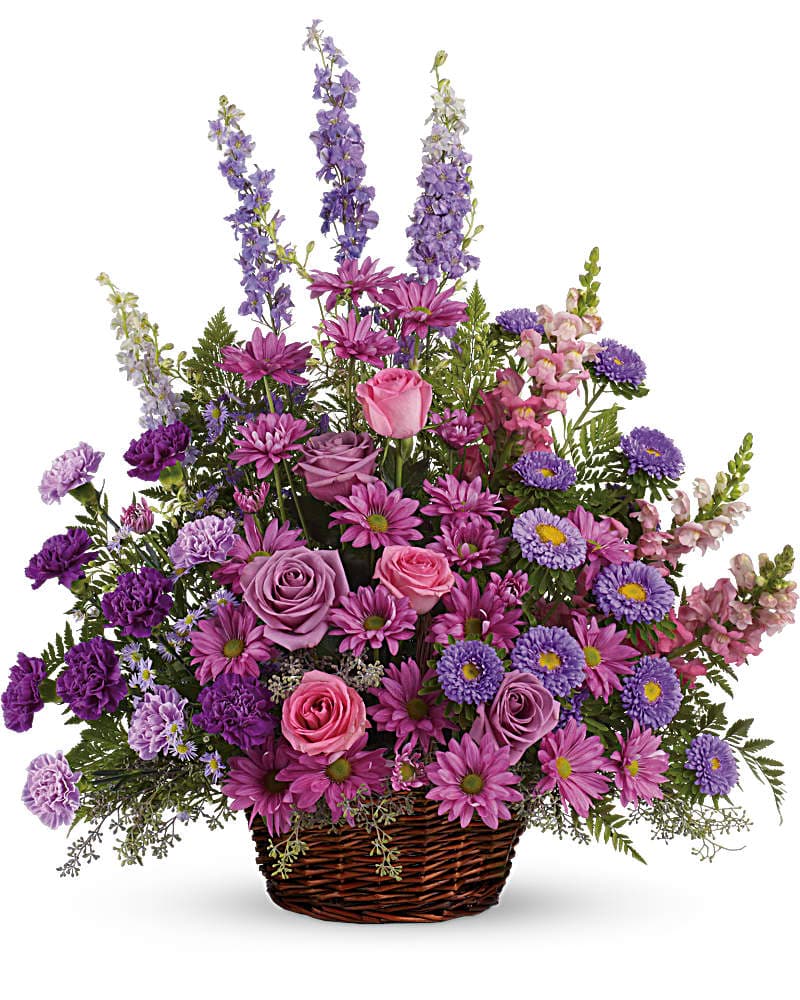
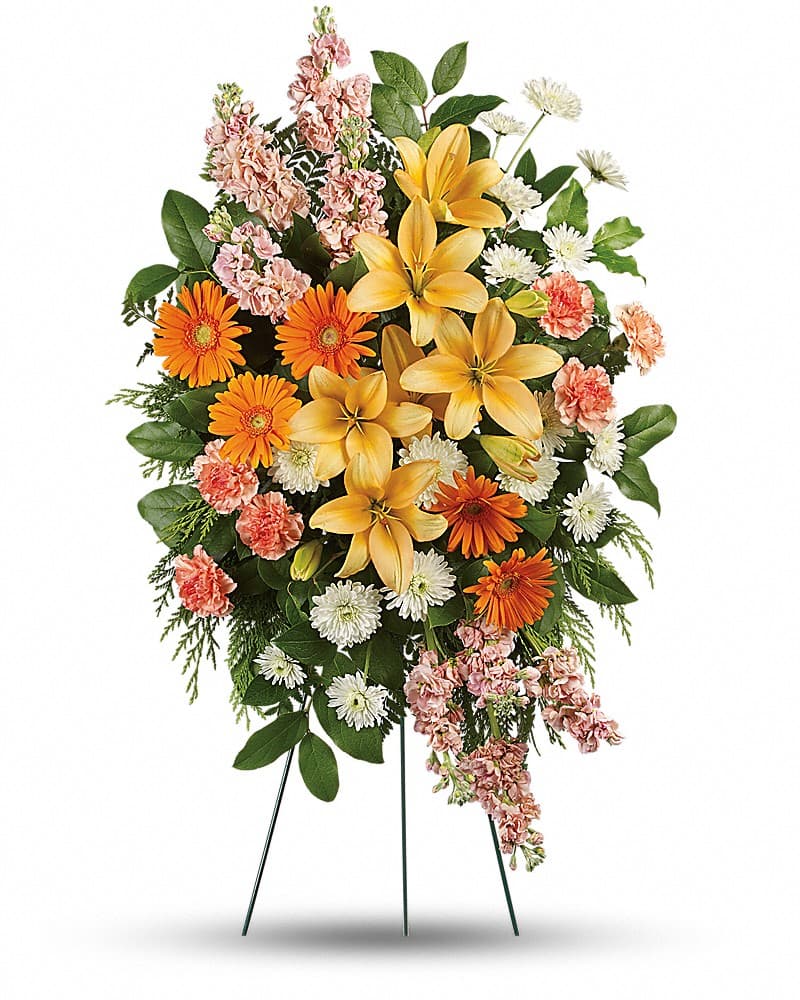
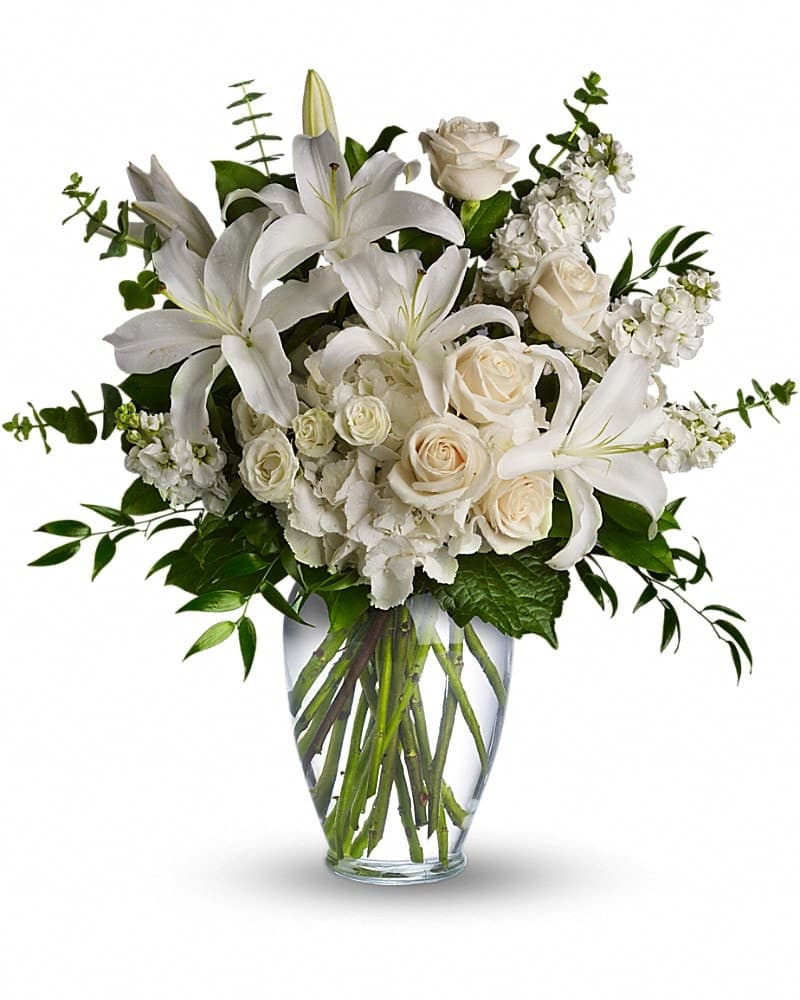
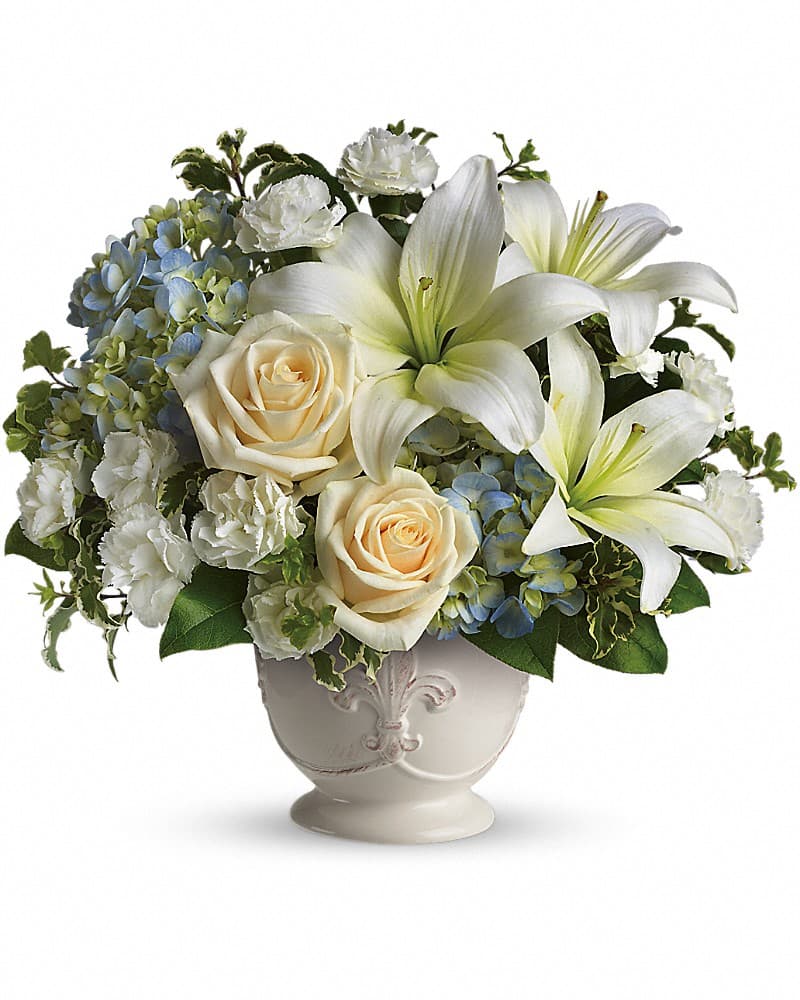
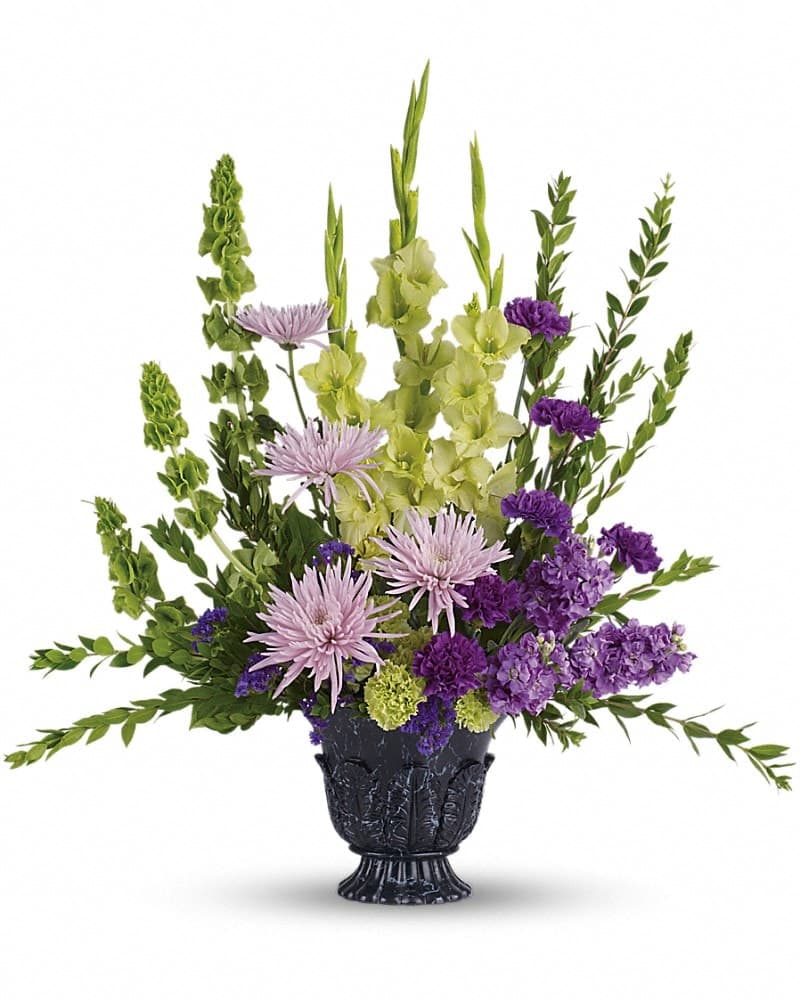
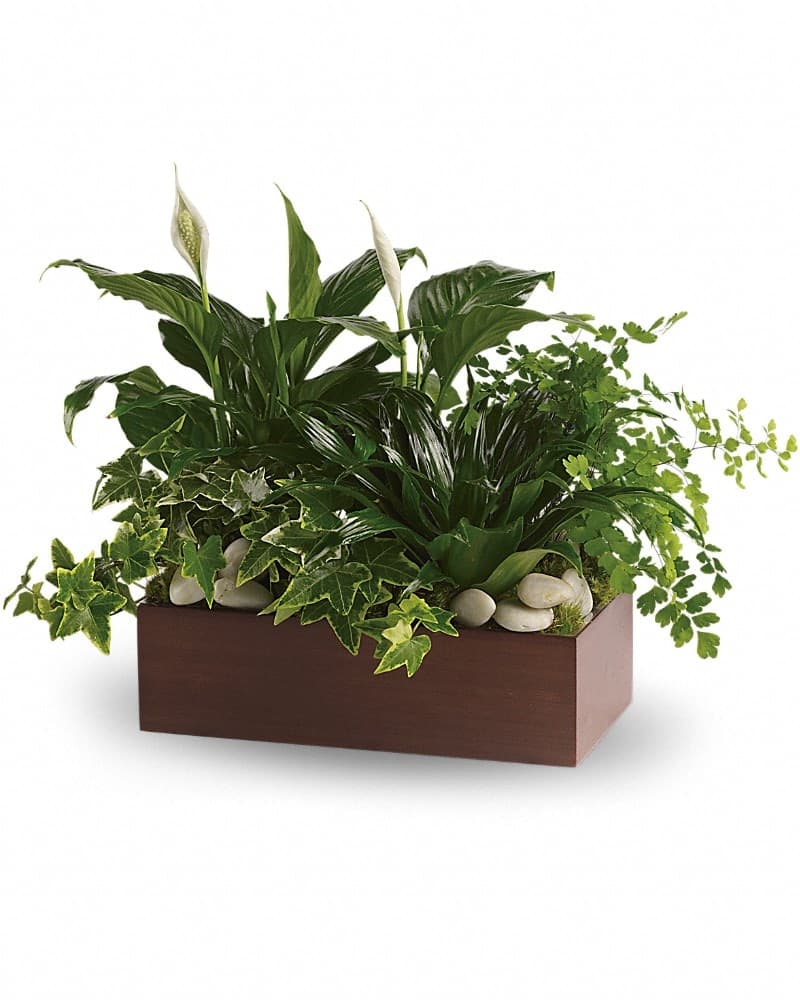
Cerritos is one of the most ethnically diverse cities in the United States, and sympathy is where that stops being a demographic note and becomes a design instruction. In Filipino Catholic families the nine nights of prayer after a death and the fortieth-day remembrance both generate flowers, often to a house rather than a chapel, and often for several evenings running. In Korean and Chinese services the convention inverts everything a birthday page would tell you: white and yellow chrysanthemums are correct and expected, standing wreaths carry a banner with the sender's name, and an arrangement that is too colorful reads as a mistake. Many Chinese and Vietnamese families also observe memorial dates weeks after the funeral, and Buddhist households in the area mark a forty-nine-day sequence - Hsi Lai Temple in Hacienda Heights, the largest Chinese Buddhist monastery in the region, is roughly thirteen miles north of the city. Hindu rites usually happen within a day or two of the death, which compresses the ordering window to hours rather than days, and marigold garlands are the expected form rather than a vased arrangement; Artesia's Little India on Pioneer Boulevard sits a quarter mile off the Cerritos line. Sikh families gather for antim ardas and bhog at a gurdwara, where the appropriate gesture is usually delivered to the home. In Muslim families burial is typically within a day and flowers are not the convention at all - the family home is the right address, and food or a donation is often the right gift. Say which tradition you are sending into when you place the order. The studios cannot infer it from a ZIP code, and it changes the arrangement completely.
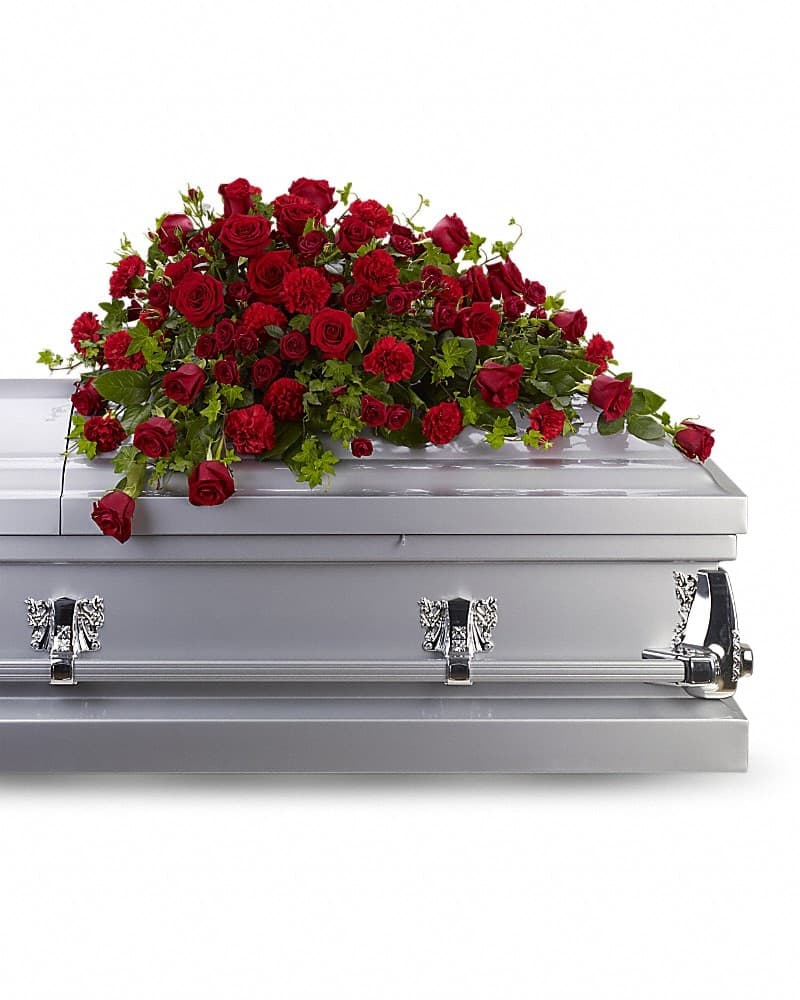
One assumption worth testing before you order is that there is a funeral this week at all. California cremates a large majority of its dead, and in practice that means a Cerritos family may hold a viewing within days and then a memorial gathering three or four weeks later, sometimes at a house or a hall rather than a chapel. Ask which one you are sending into. An urn-side piece is a different object from a casket piece: it sits on a table beside a photograph, it has to stay low enough not to hide the photograph, and a studio building to a table rather than to an easel needs to be told so. Both of the large parks compress the whole sequence into a single address, because Rose Hills and Forest Lawn Cypress each run their own mortuary operations on the grounds - the viewing, the service and the committal can carry the same street address on three different days at three different hours. Read those hours off the funeral director's sheet one at a time rather than assuming the chapel piece and the graveside piece travel together, because the two deliveries are usually hours apart and often on separate days.
Address a chapel delivery to the person who has died, not to the family. A park the size of Rose Hills has several services running at once on a weekday morning, and the label that reliably routes an arrangement to the right room or the right lawn is the decedent's full name exactly as the funeral director writes it, with the service time beside it; add the funeral home name as well when the chapel is not on park grounds. The other half of that rule is where not to send. The family home on the morning of the service is the emptiest address in the whole sequence, because everyone is at the chapel and the porch collects whatever arrives. If a piece is meant for the house, send it the day before, or two days after, or best of all the following week, once the arrangements from the service have gone over and the kitchen has gone quiet. One note on cards: a single legible line signed with a surname and how you knew the person is worth more to whoever writes the thank-you notes than a long paragraph nobody can attribute.