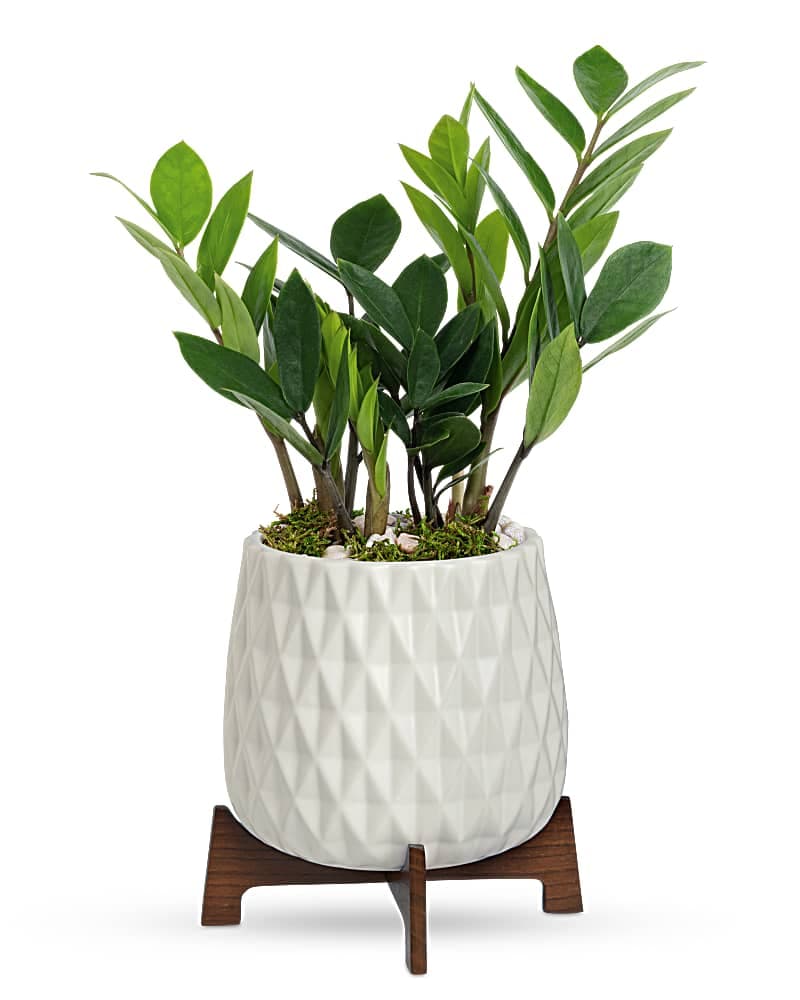
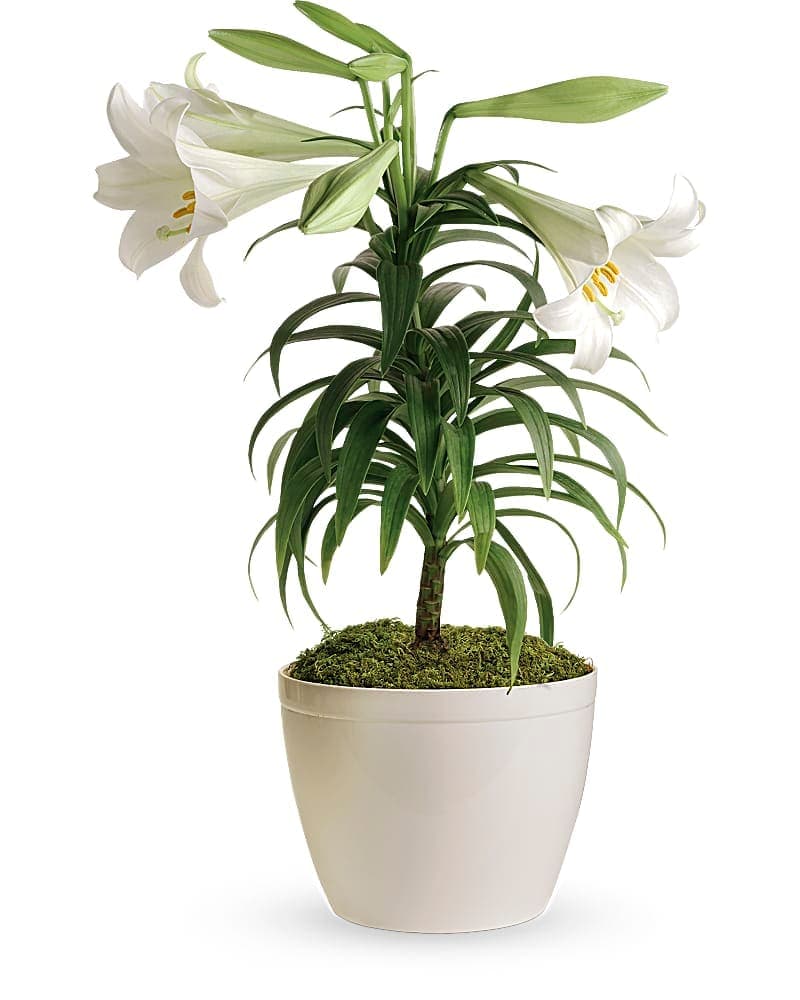
Here is what a florist actually plans around, and it is the part most senders never hear. Intensive care, cardiac intensive care and neonatal units generally do not accept flowers at all. Send a bouquet to an ICU bed at WakeMed Cary or to the NICU at UNC REX and it will be held at the unit desk or the lobby for the family to collect on the way out — which is not a wasted gift, but it is not the gift you thought you were sending. Oncology, hematology and transplant floors restrict fresh flowers and are stricter still about potted soil plants, because the soil is the infection concern rather than the petals; Duke runs one of the largest transplant programs in the country and its bone marrow transplant unit is effectively a no-flowers floor, and the UNC REX Cancer Center infusion areas have their own limits. Lilies come off the list nearly everywhere: the pollen stains linens and the scent saturates a small room where the patient next door may be nauseated from treatment. Latex balloons are banned in most hospitals for allergy reasons; mylar is usually accepted. Behavioral health units take no glass and no ribbon. What passes anywhere is a compact, low-fragrance, lily-free arrangement in a vessel a nurse can move one-handed, short enough for a crowded window ledge and light enough to ride home on a discharge day.
Most recovery does not happen in a hospital at all, and the best get-well orders in Cary reflect that. Admissions are short now — a knee replacement means six weeks in a recliner in Lochmere, not six days at WakeMed. Chemotherapy at the REX Cancer Center or the Duke Cancer Center means a cycle: a few hard days after each infusion, then a stretch of feeling human. A long illness means a spouse or an adult child who is more exhausted than the patient and whom nobody thinks to send anything, which is a particularly common situation in a town full of people who moved here specifically to be near a grown child. Three timing rules follow. Send after discharge rather than during admission, because the house is where the recovery actually happens. For someone in treatment, send between cycles rather than the day after one. And send twice if you can — week one produces a flood of casseroles and cards, week six produces nothing, and week six is when a delivery does the most work. If the recovery address is in Apex, Morrisville, Holly Springs, Garner, Fuquay-Varina or south Durham, the 18-mile radius covers it; Chapel Hill, including UNC Medical Center, sits outside that circle and is quoted separately.