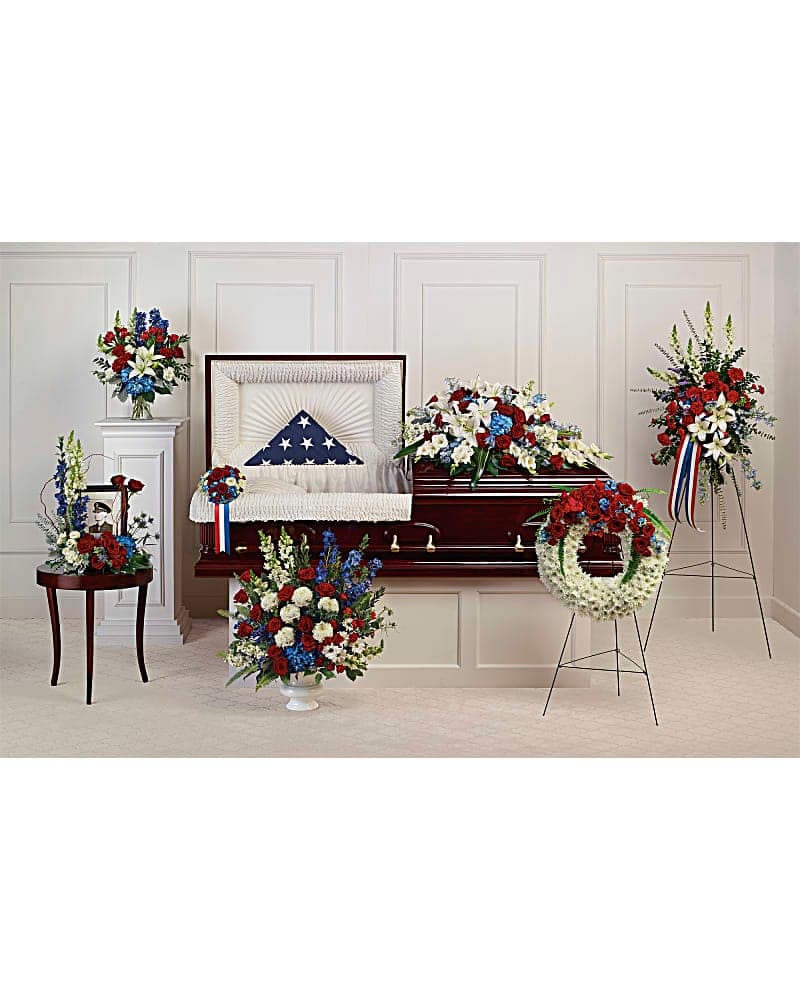
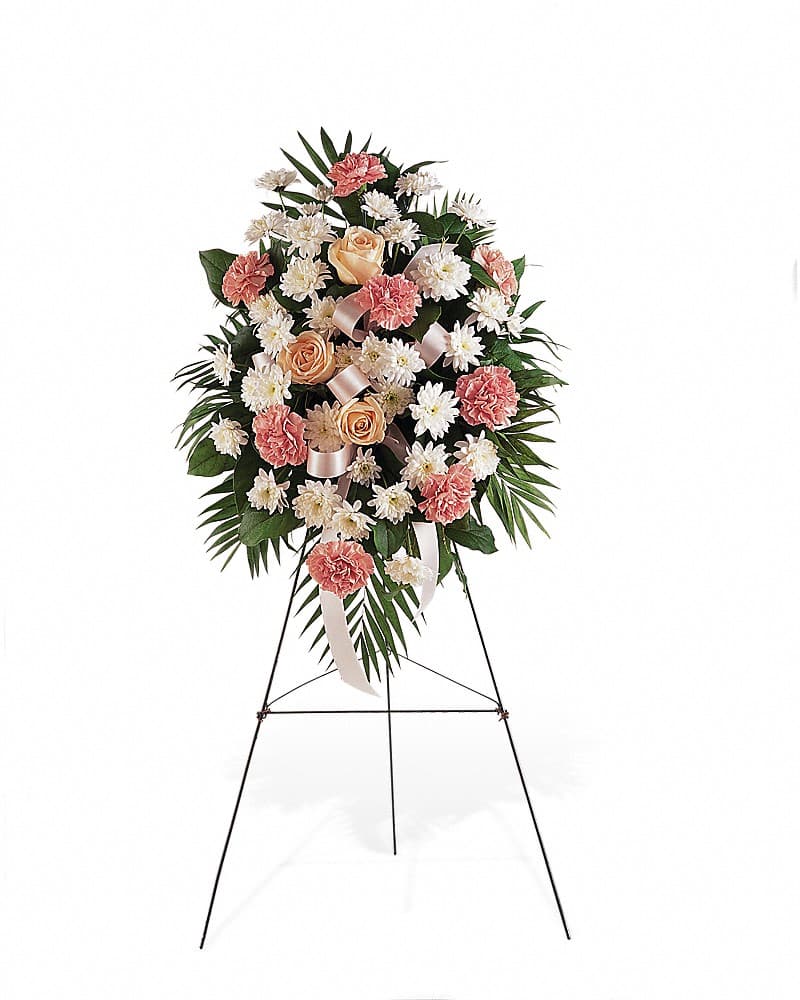
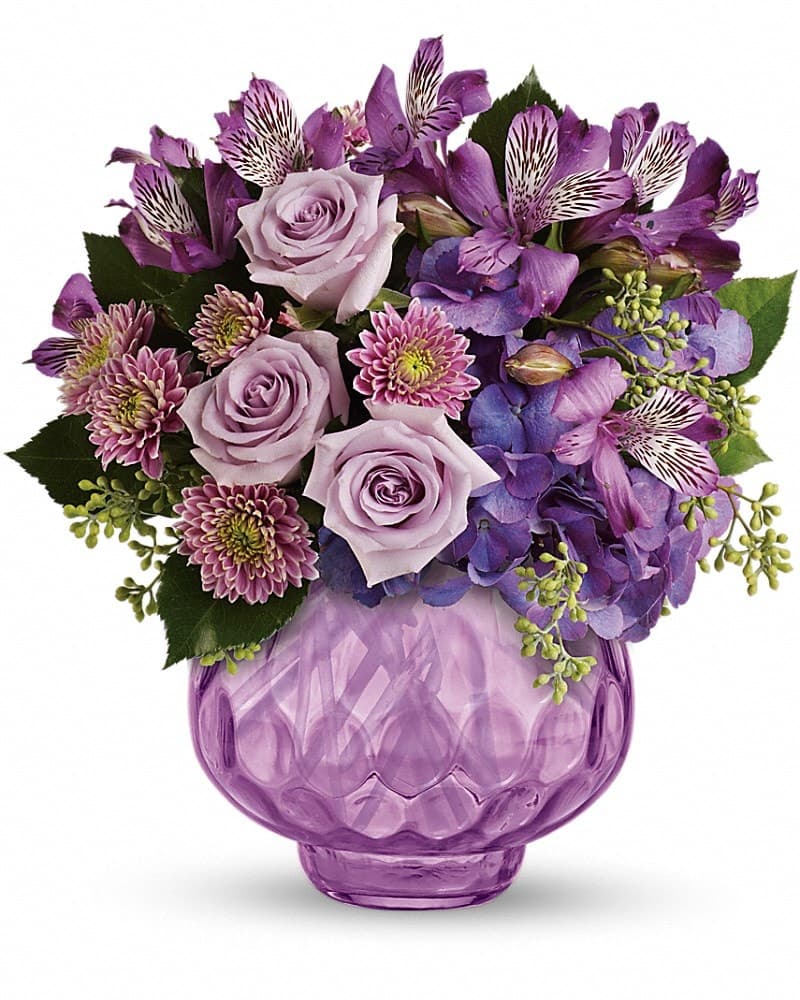
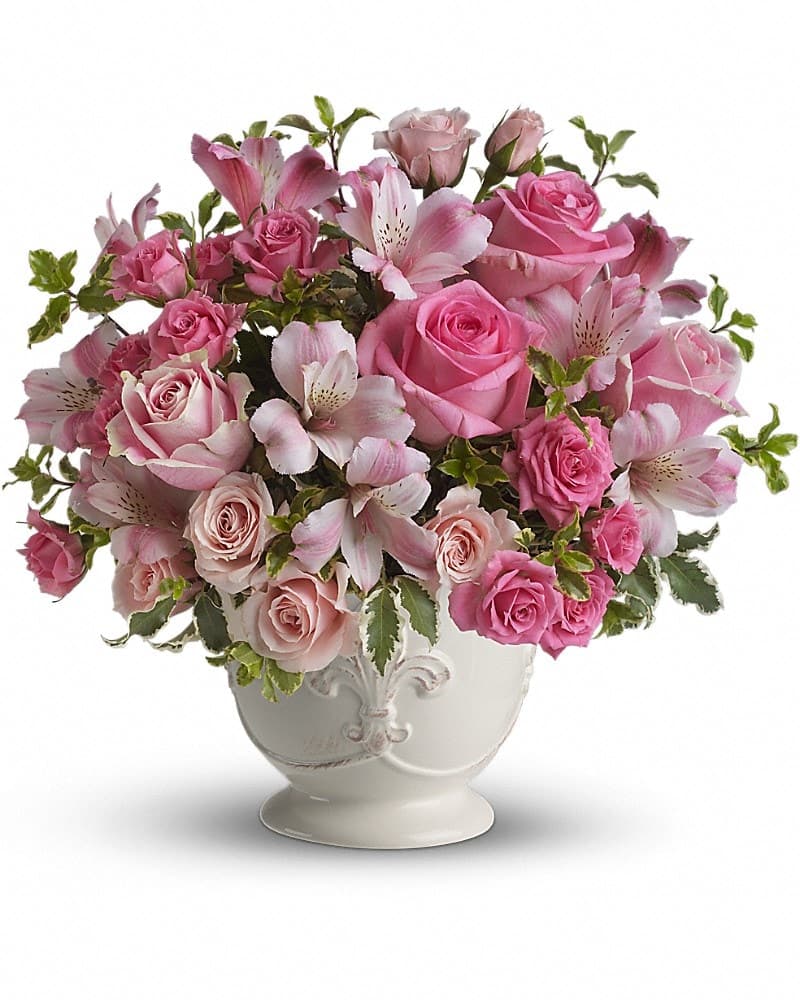
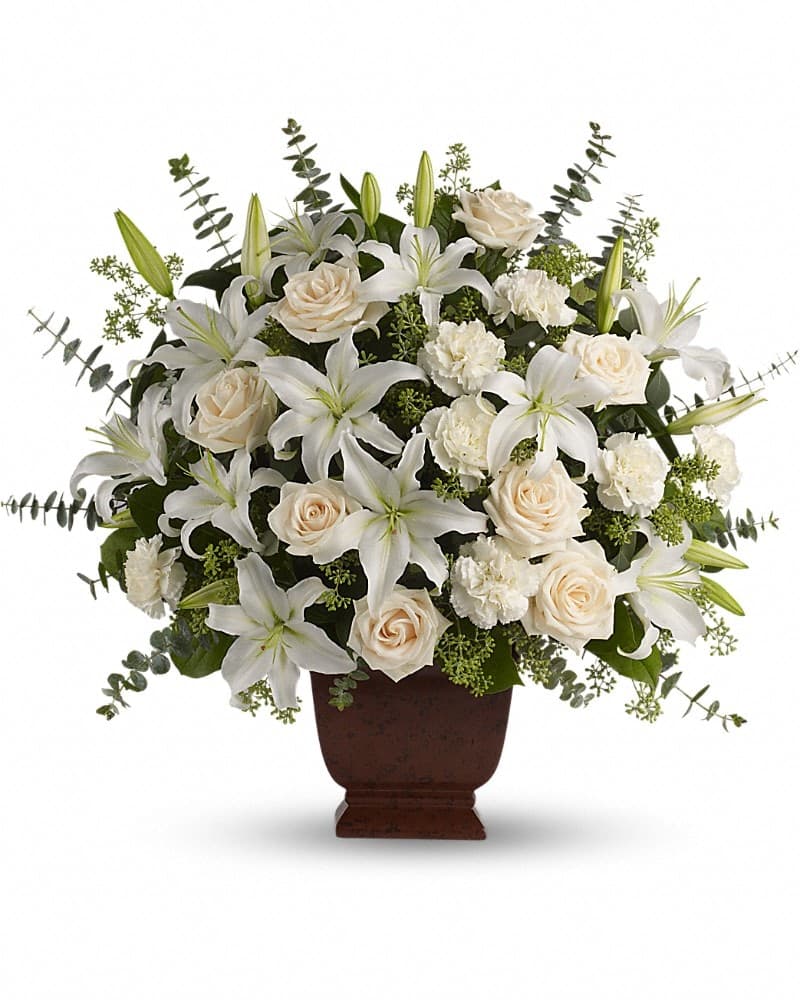
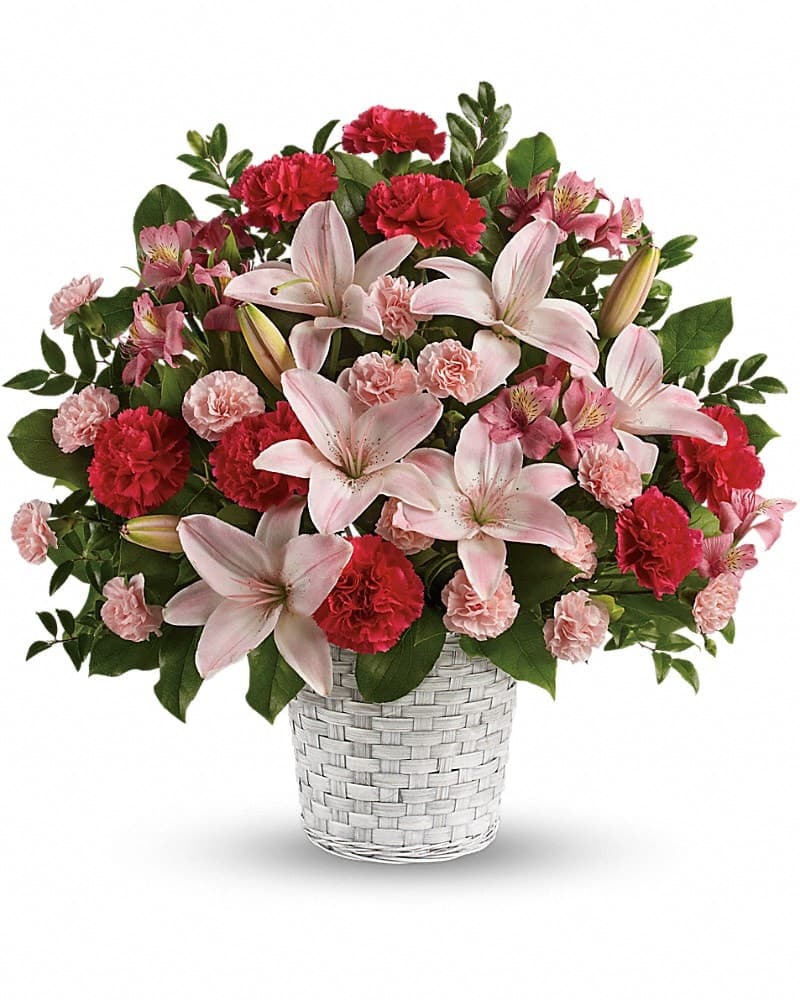
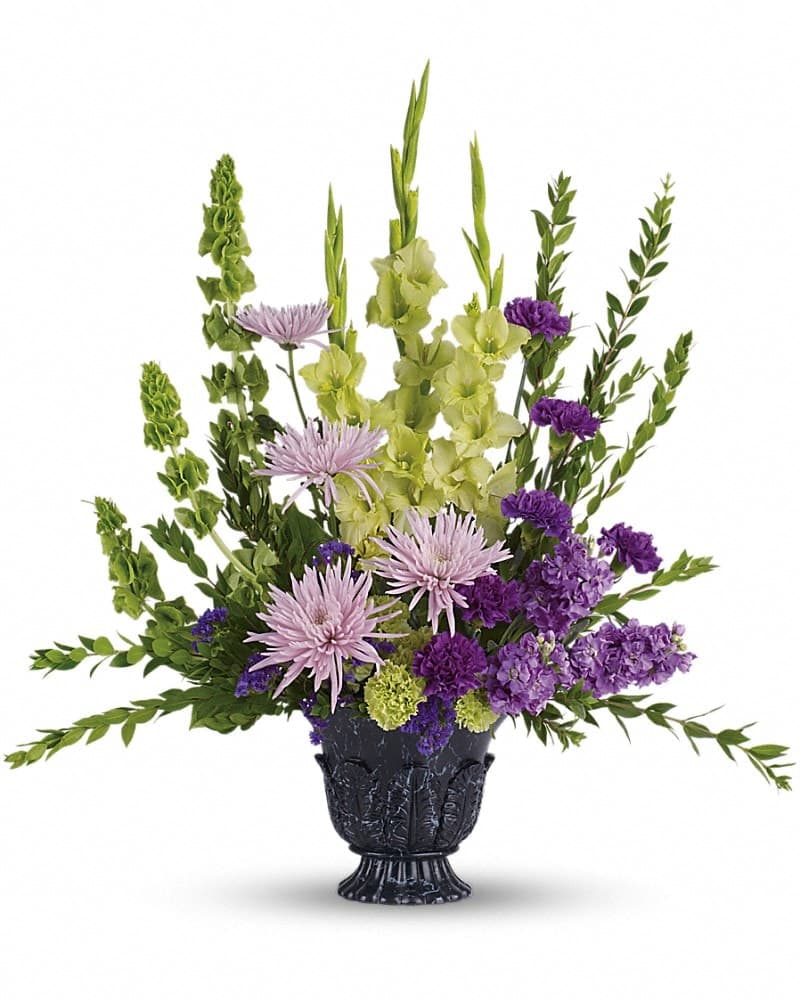
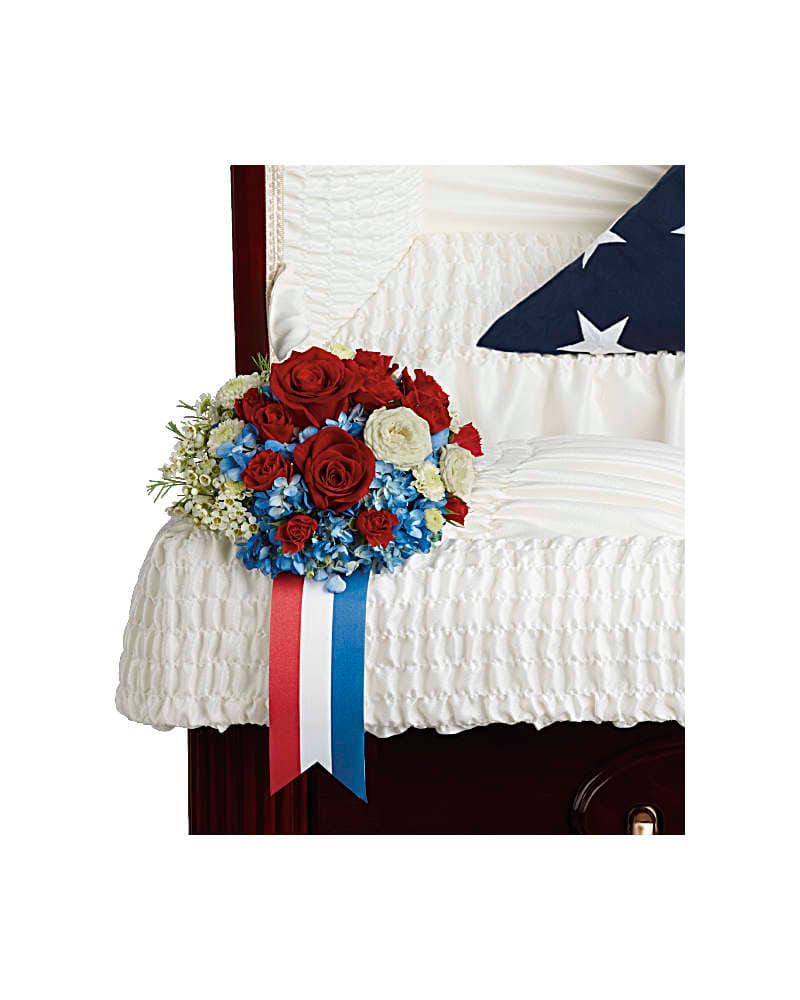
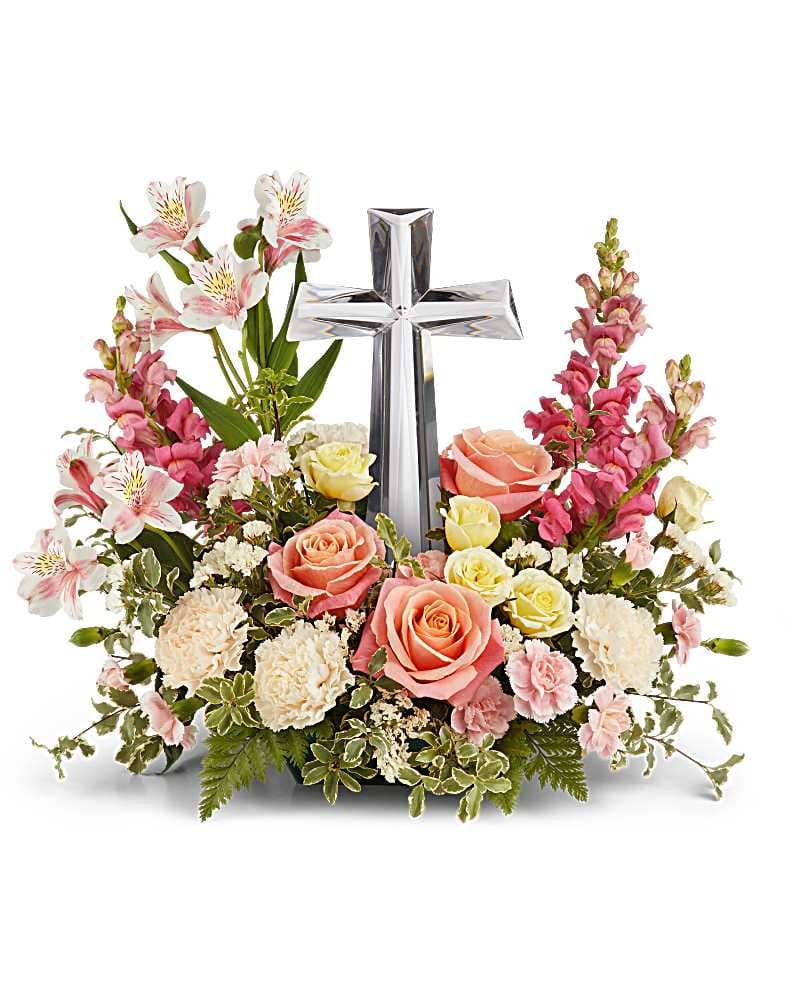
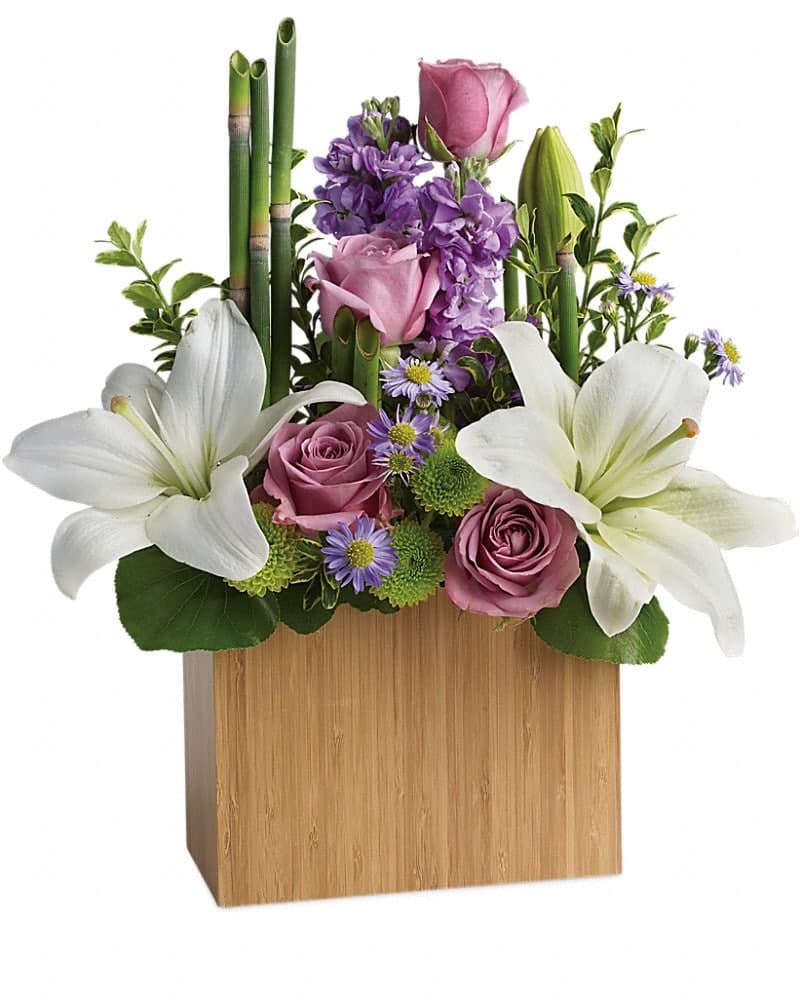
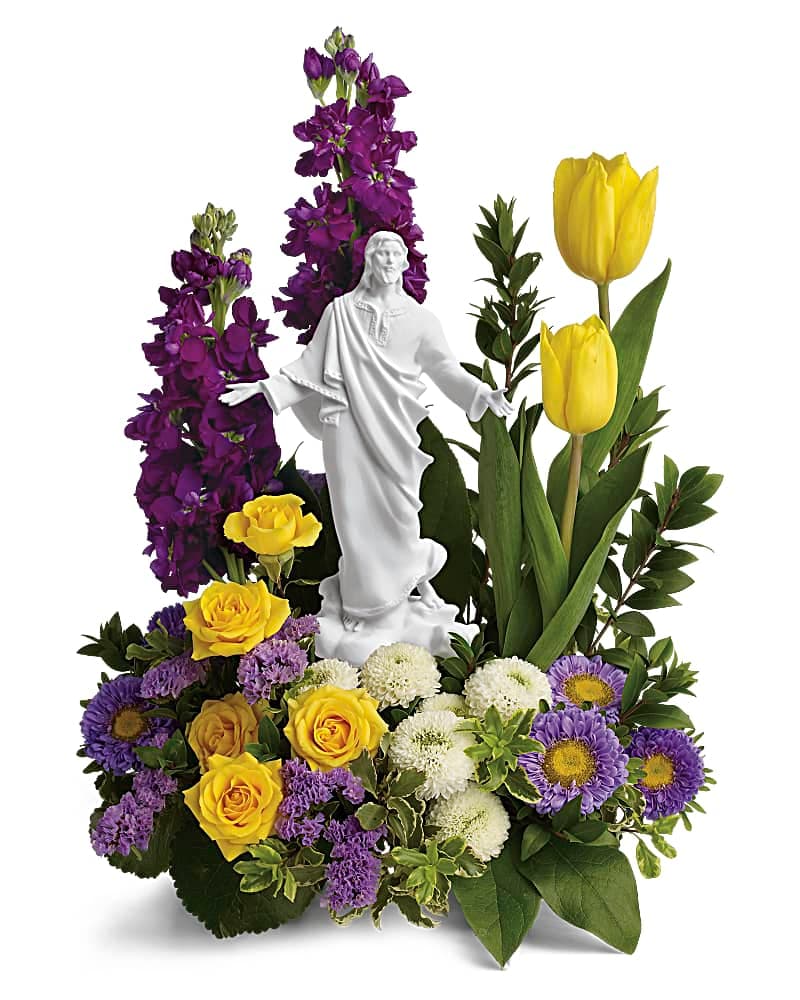
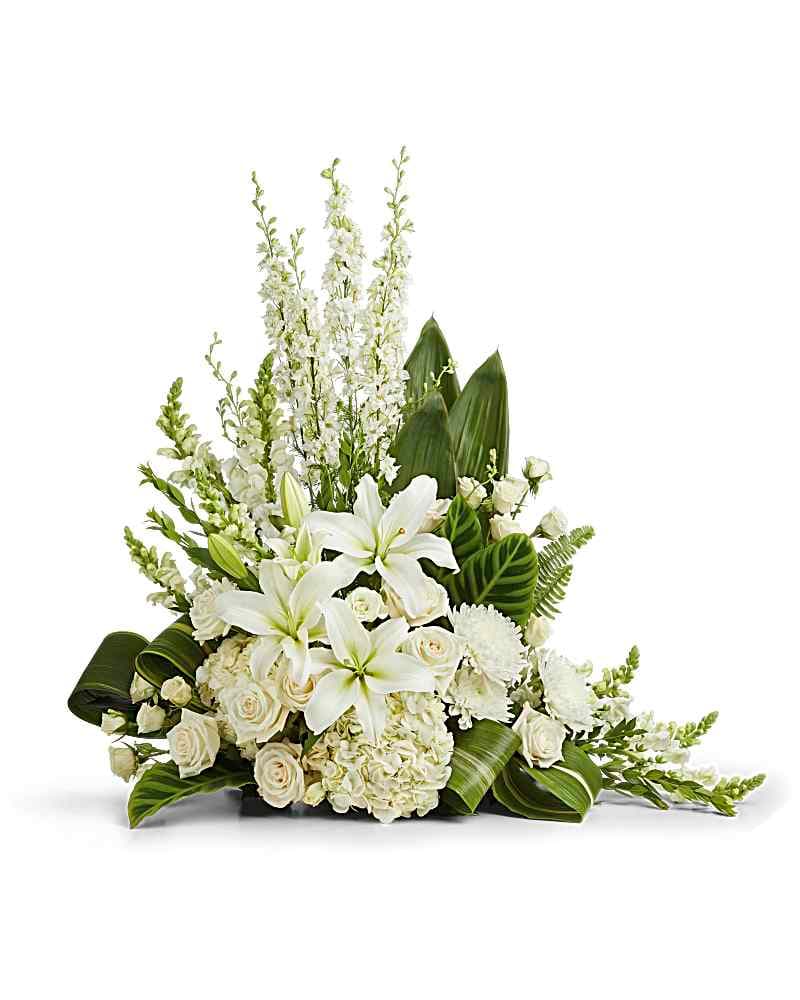
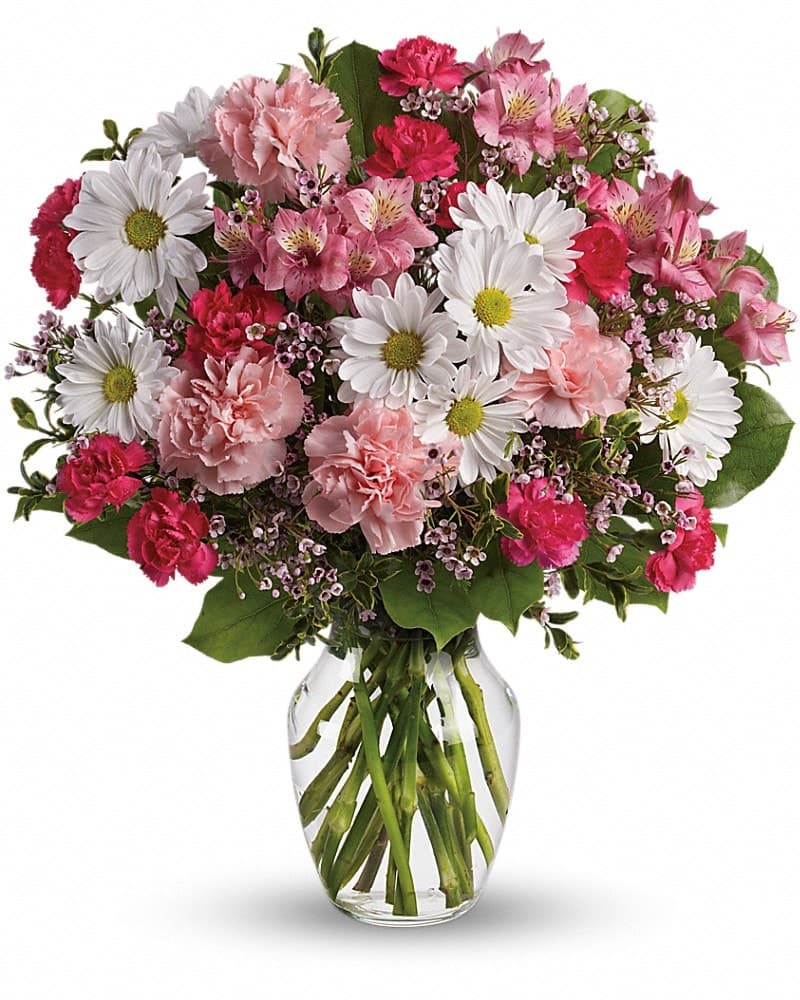
Carteret's own religious geography is narrower than its metro's and worth knowing, because the piece is built to the room. The borough sits in the Diocese of Metuchen, and St. Joseph on Roosevelt Avenue is the parish most of its Catholic funerals move through — a church service after a viewing elsewhere, then a procession out of town to a cemetery. The other anchor is St. Demetrius Ukrainian Orthodox, which reflects a century of Ukrainian, Polish, Slovak and Hungarian settlement in these streets; that heritage is still the reason a Carteret sympathy order is more likely than the county average to be a large standing piece for an open-casket viewing rather than a vase for a side table. More recently the borough's Hispanic and South Asian families have changed the mix again, and the honest note there is that flowers are not always the right gift. For a Muslim family the burial usually happens within a day and flowers have no place in it; the studios on this grid will say so rather than sell you a spray. For a Hindu family the customary piece is a garland, and not every shop here stocks marigold — ask before you order rather than after. Robert's Florals works out of Highland Park, a town with a large observant Jewish community where the convention runs to food and to a donation instead, and the people behind that counter will tell you plainly.
The burials mostly leave Carteret. The cemetery belt along St. Georges Avenue through Woodbridge and Colonia is where a large share of these services end, St. Gertrude being the Catholic anchor there and the Jewish cemeteries along the same stretch handling much of the rest. North of the borough is Rosedale and Rosehill in Linden; south is Alpine in Perth Amboy; Cloverleaf Park sits over in Woodbridge Township. And because Carteret and Staten Island have traded families across the Arthur Kill for generations, a Carteret death is quite often buried on the Island — at Moravian in New Dorp or Resurrection in Pleasant Plains — which is the one case where the six New York benches stop being a complication and become the obvious choice. The benches on Tompkins Ave, on Richmond Avenue and out by Huguenot are already parked on the same side of the water as those gates, with no crossing in either direction. Graveside delivery carries its own rule everywhere: the flowers have to beat the procession, and a cemetery office will usually not hold an arrangement from the day before. In practice the reliable version is to send to the chapel early in the morning, let the funeral director's staff move it to the grave, and say in the order notes that this is what you intend.
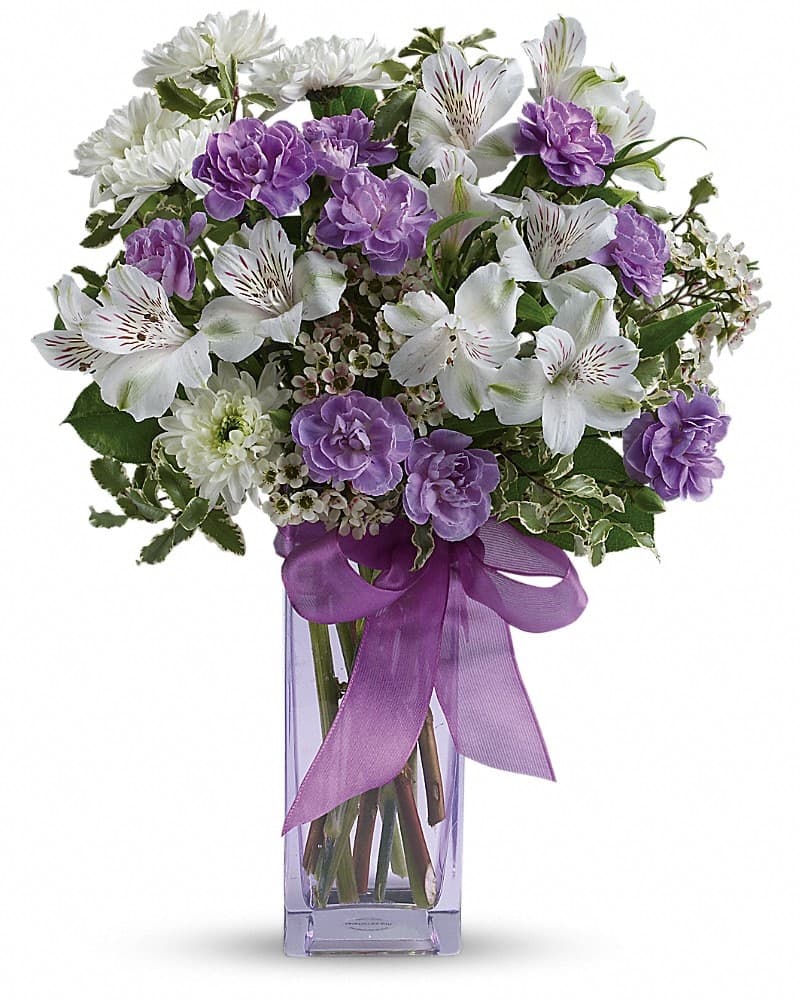
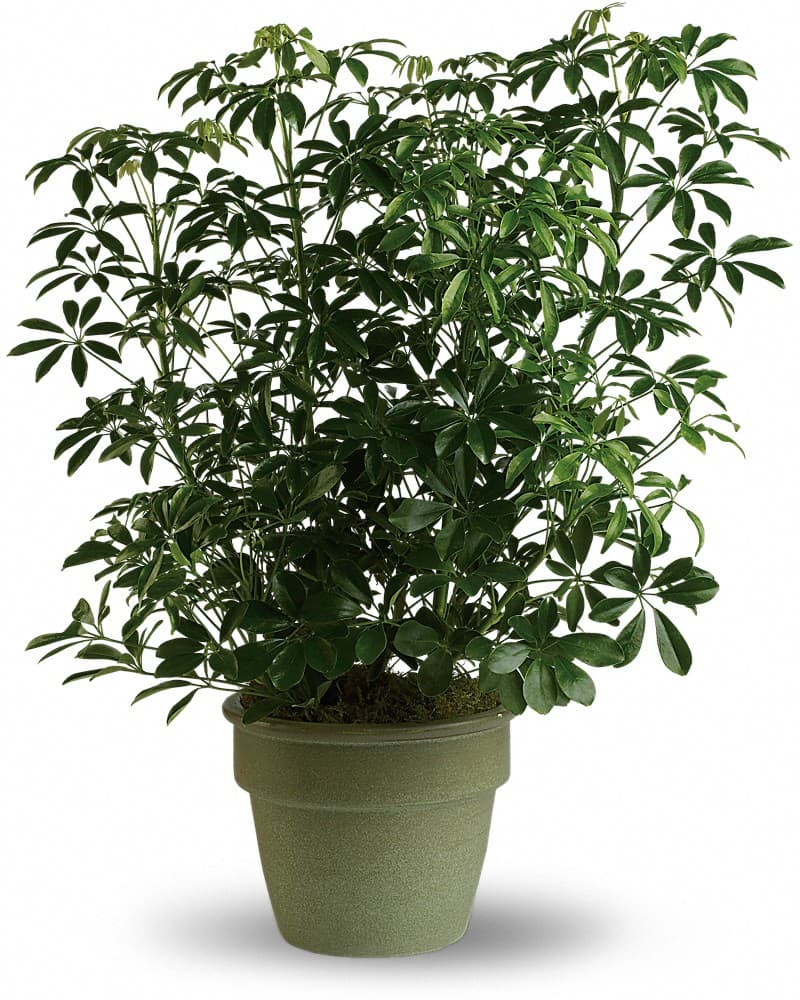
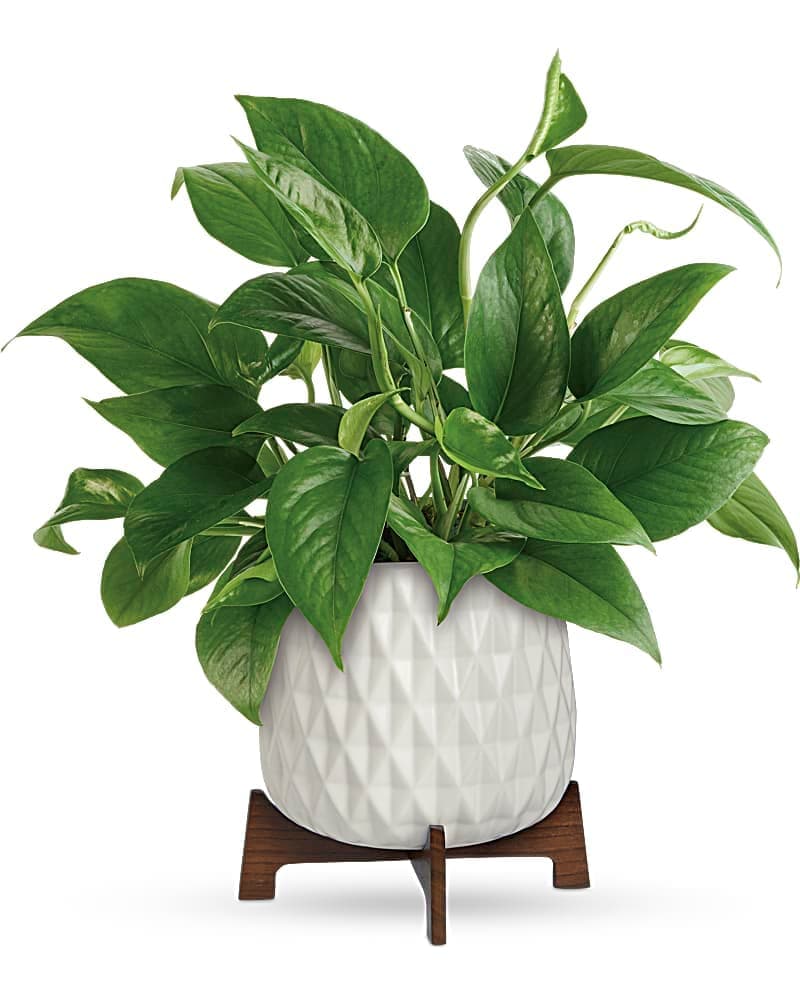
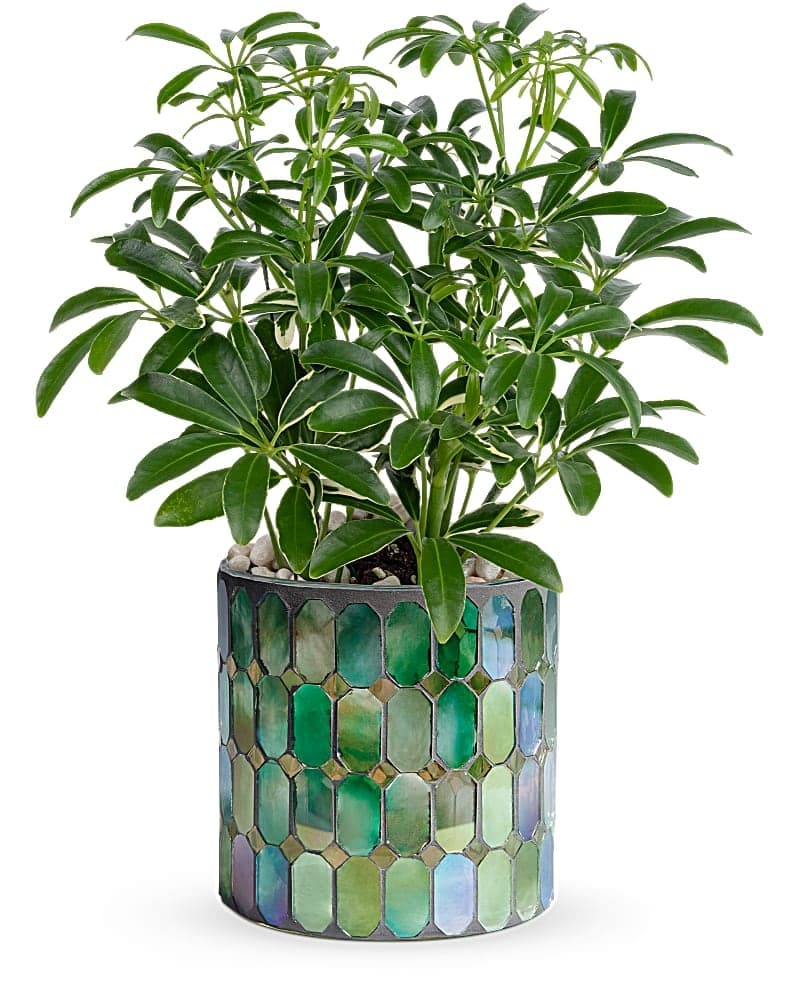
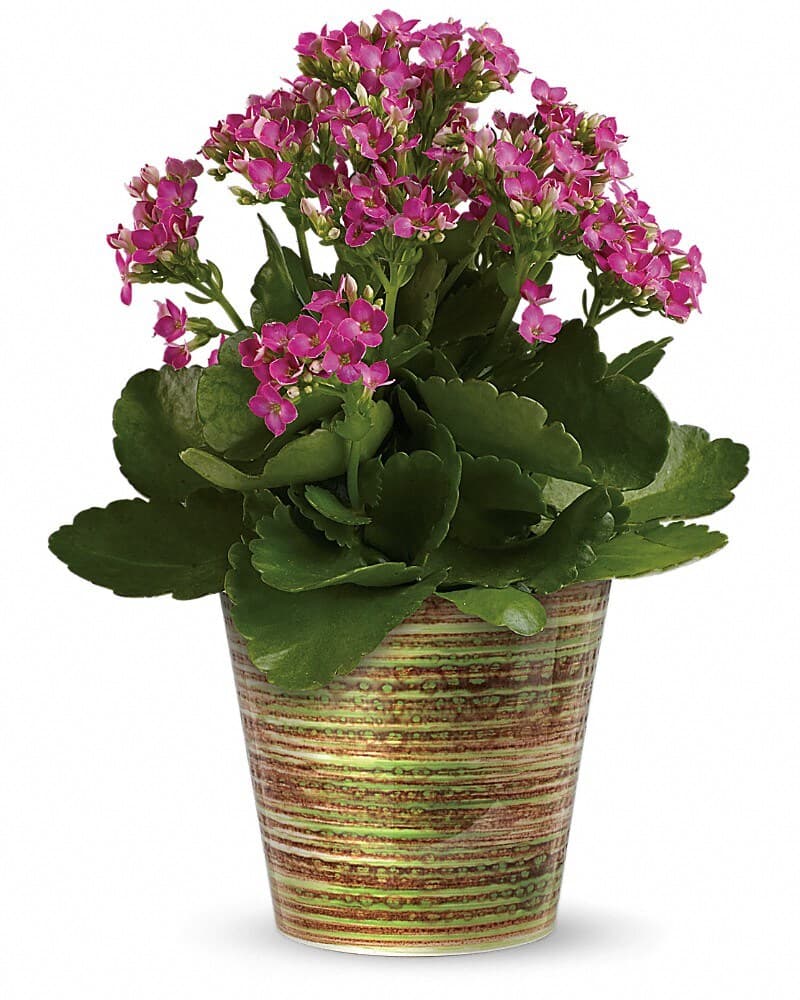
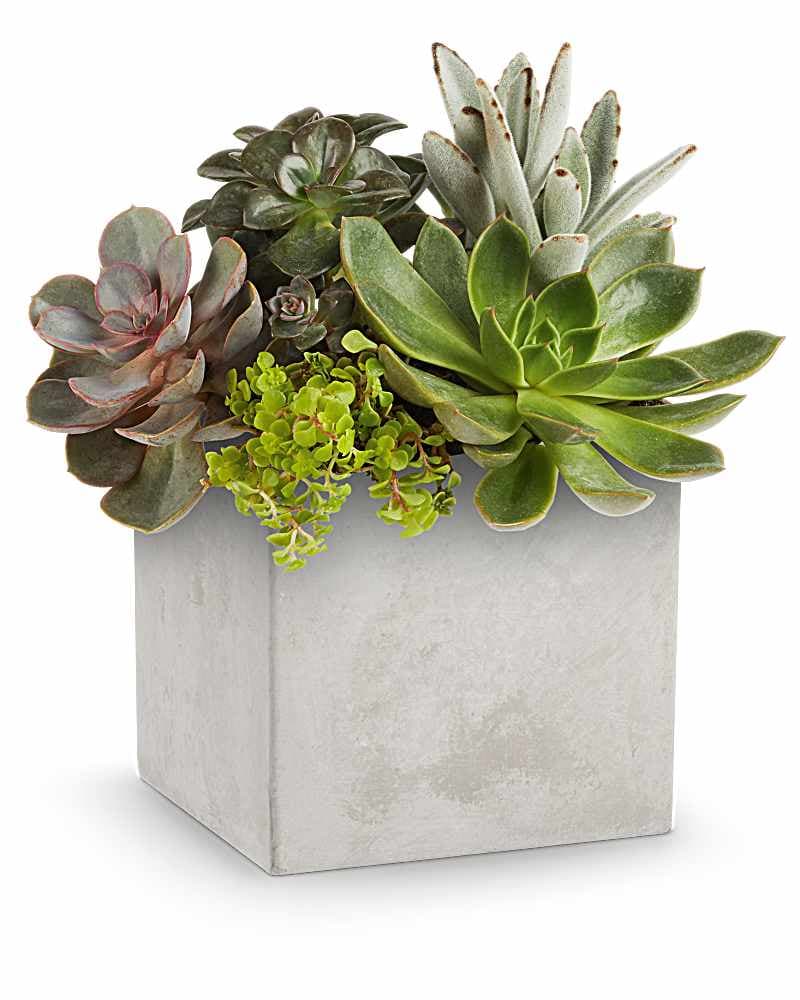
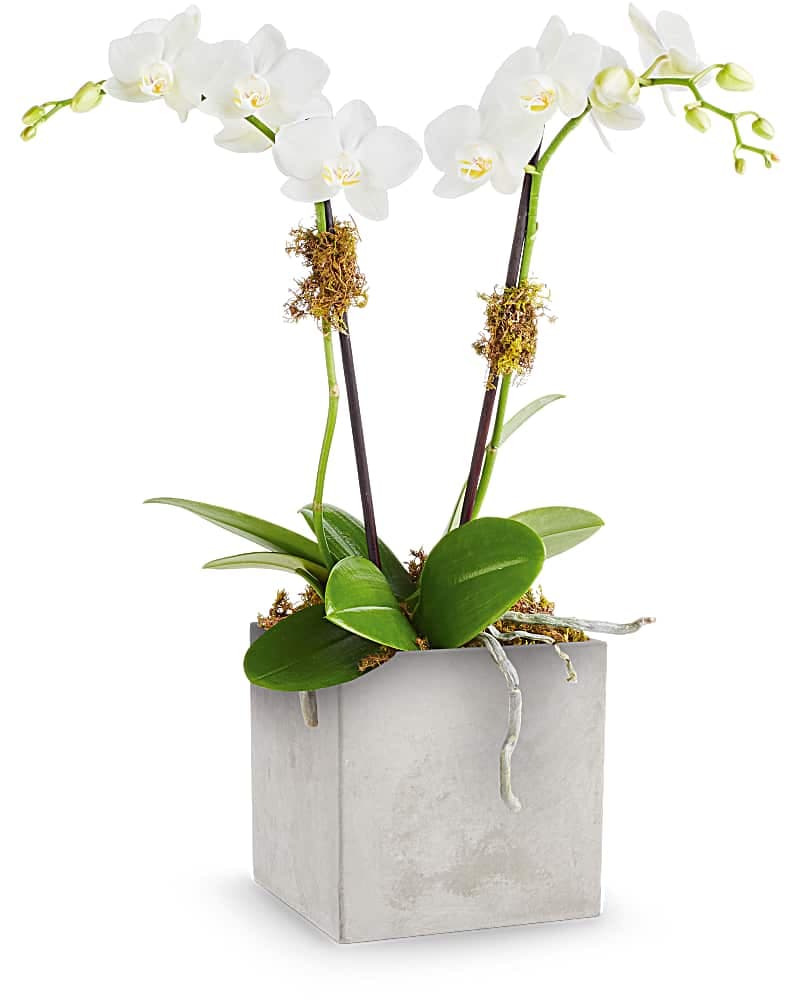
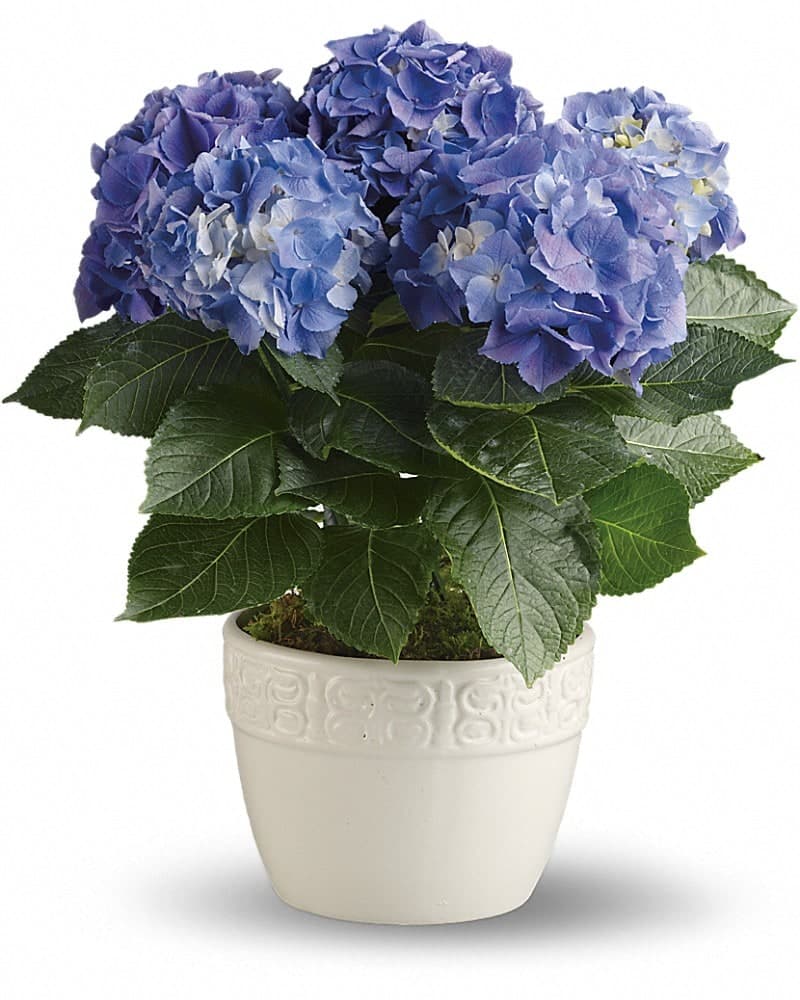
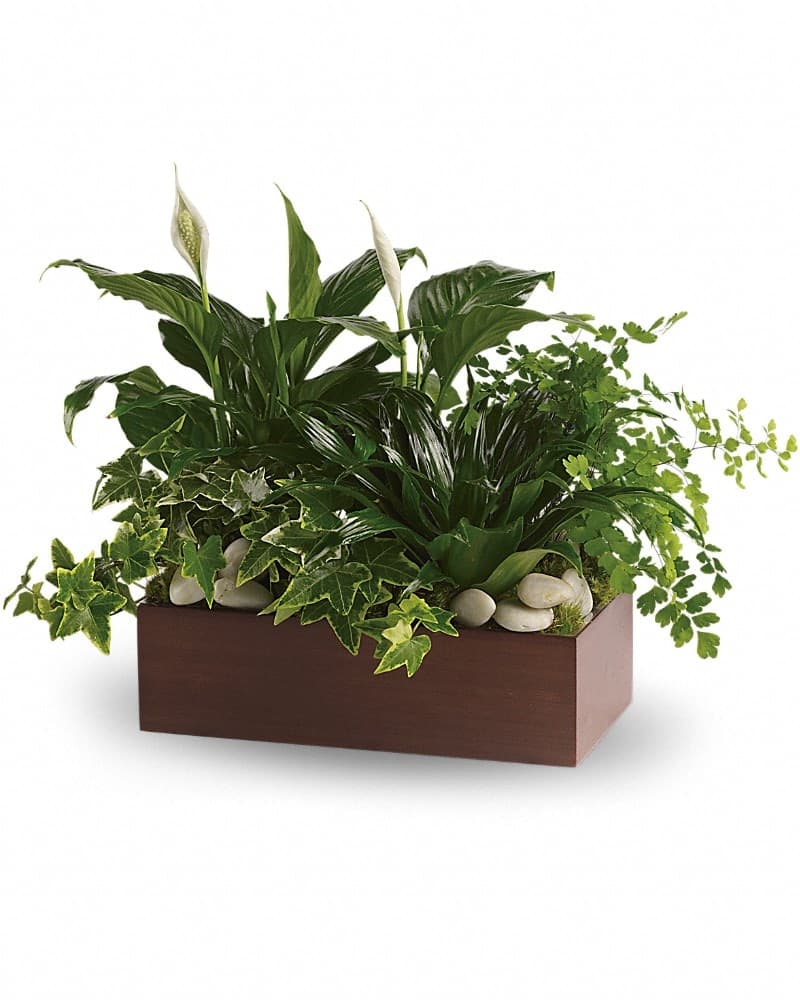
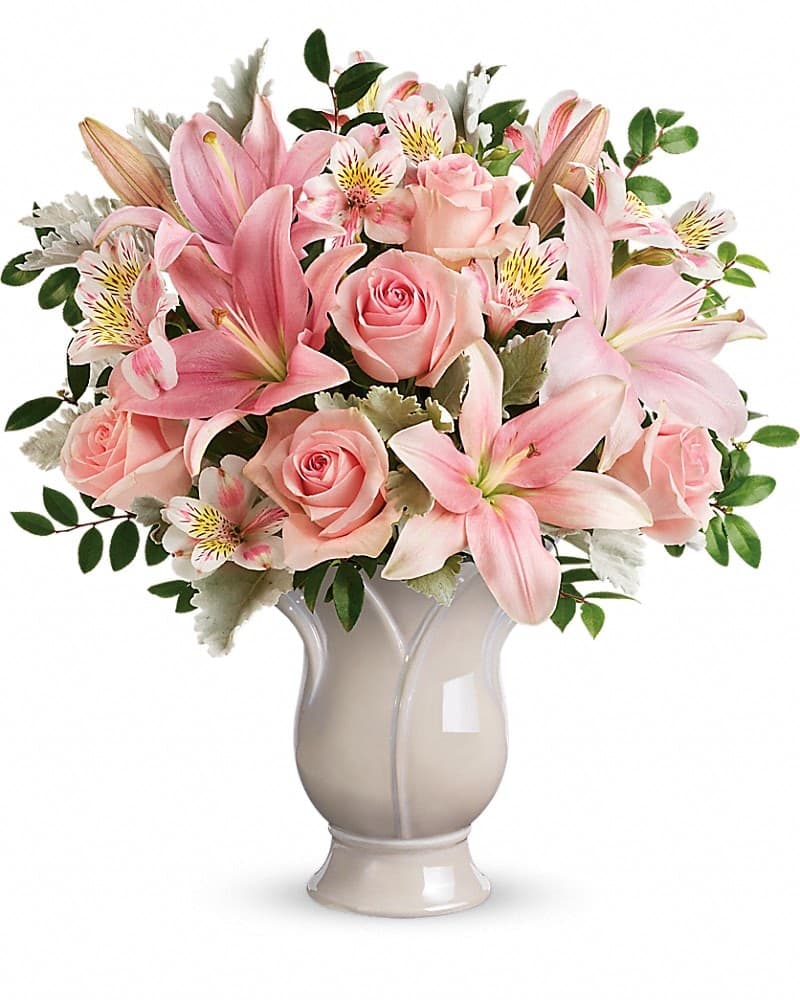
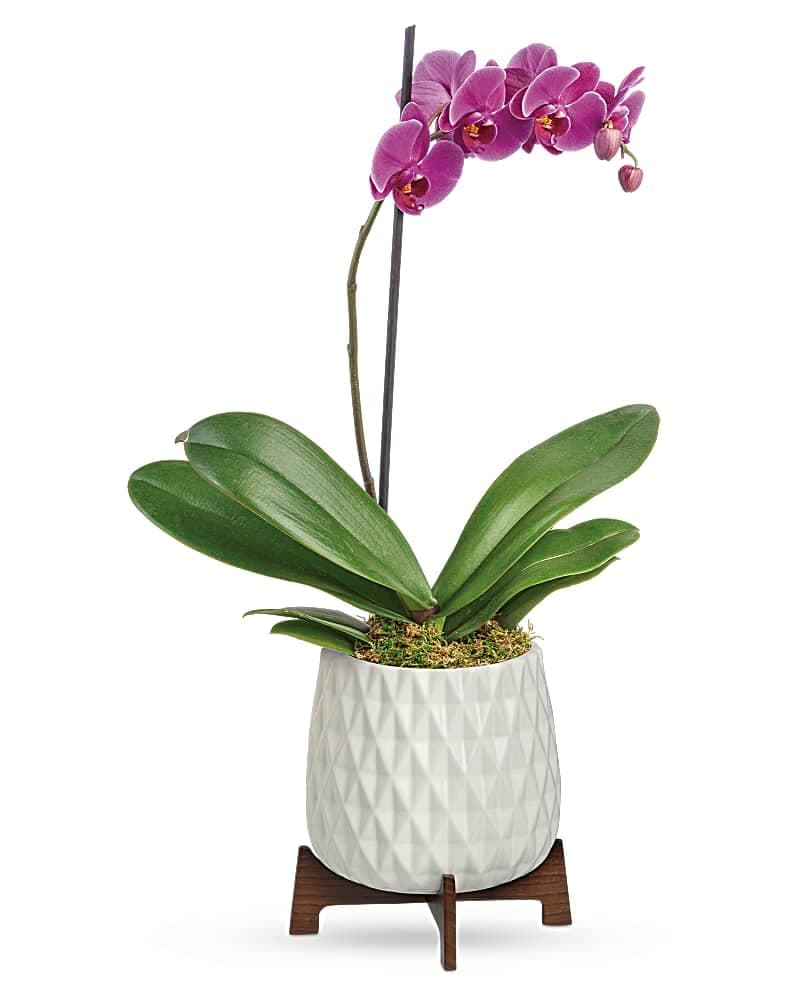
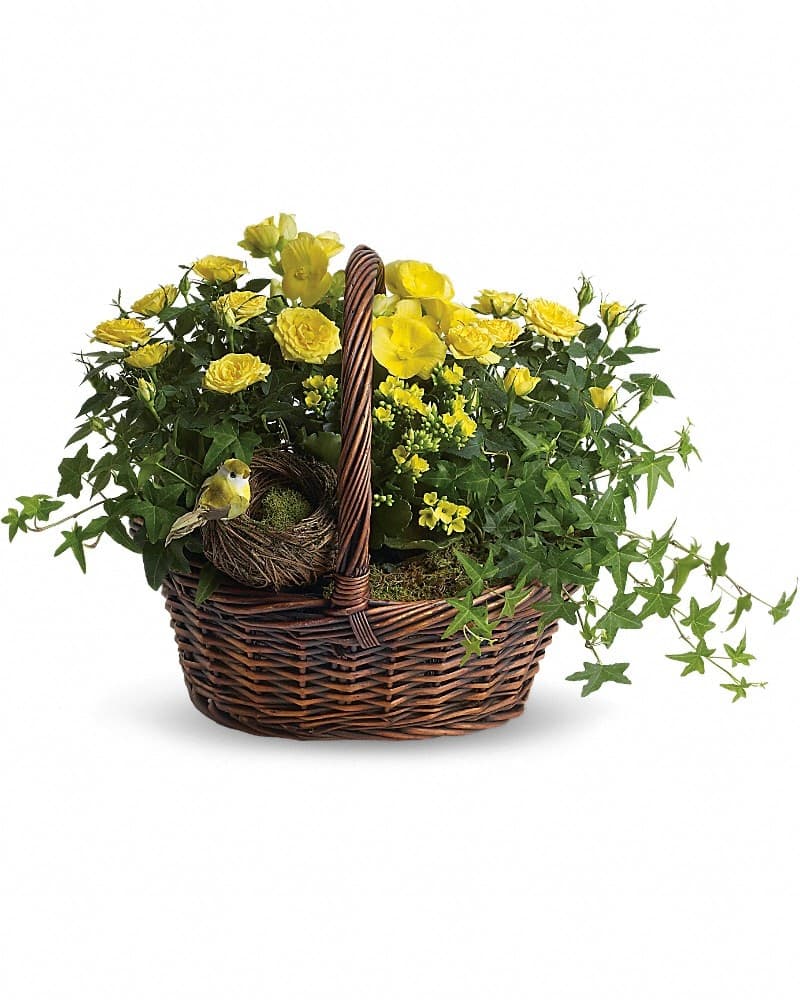
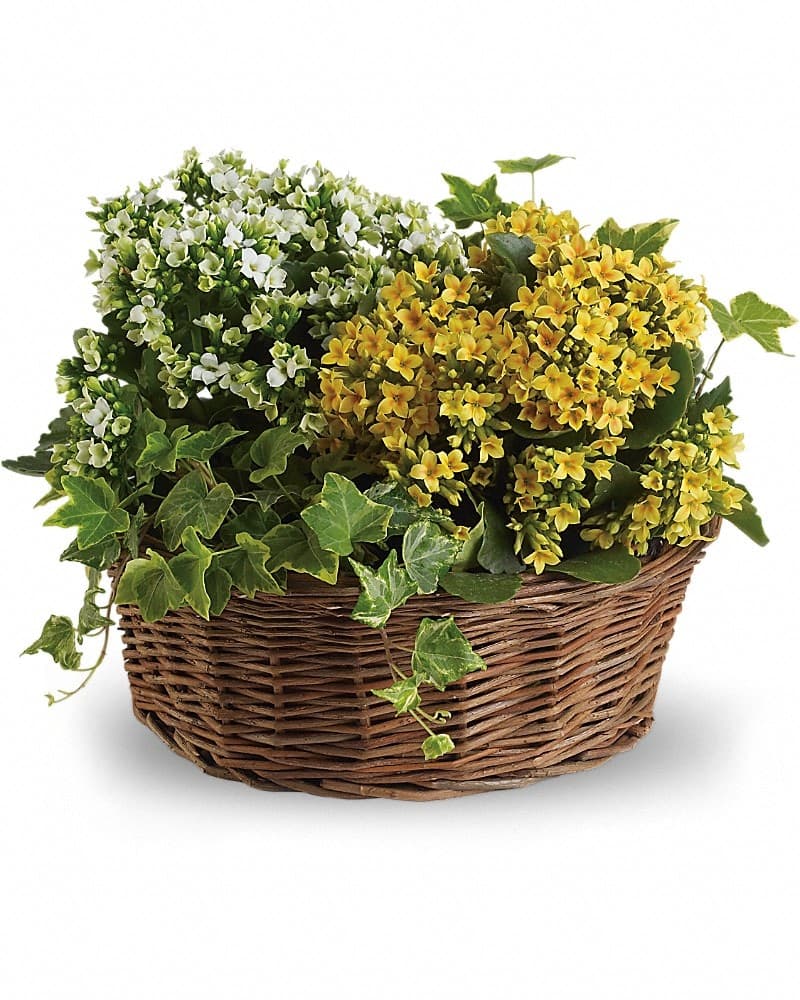
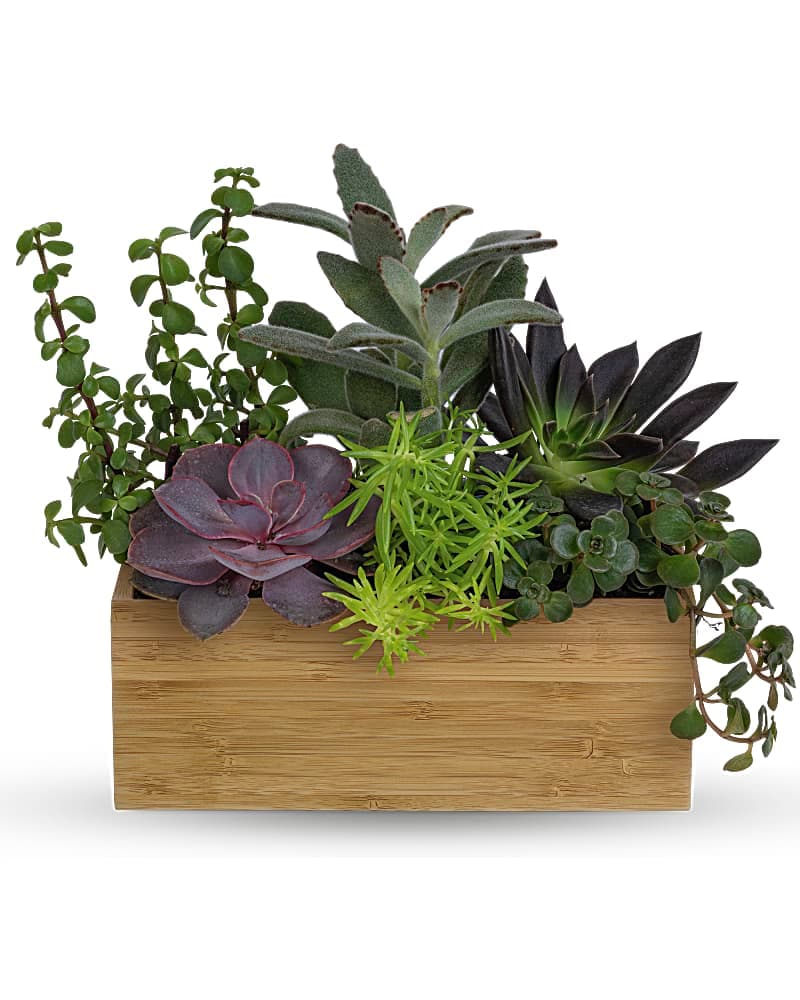
Most of Carteret's sympathy volume is not a chapel delivery at all. It goes to a house, in the week afterwards, and the house presents a different problem from the chapel: it is full of people and nobody in it is monitoring the front step. Stacked housing is the borough's default form, so one street number can mean two or three separate households with a buzzer strip that carries digits and no names — state the household on the order, upper, lower or rear, and give a number a driver can actually ring. In the cold months the step is not available at all — there is nothing between these blocks and the channel to slow a January wind — so either name a neighbour or ask for an hour when the house is certain to be full. For a house that is going to be full of people for a week, the better present is frequently not a bouquet at all but a plant in a pot, which is still alive when the fourth arrangement has gone out with the recycling and which the family keeps afterwards. And the card does more work than the flowers do. Write it out in full and let the shop letter it by hand rather than sending something generic that the recipient will read once and put face down.