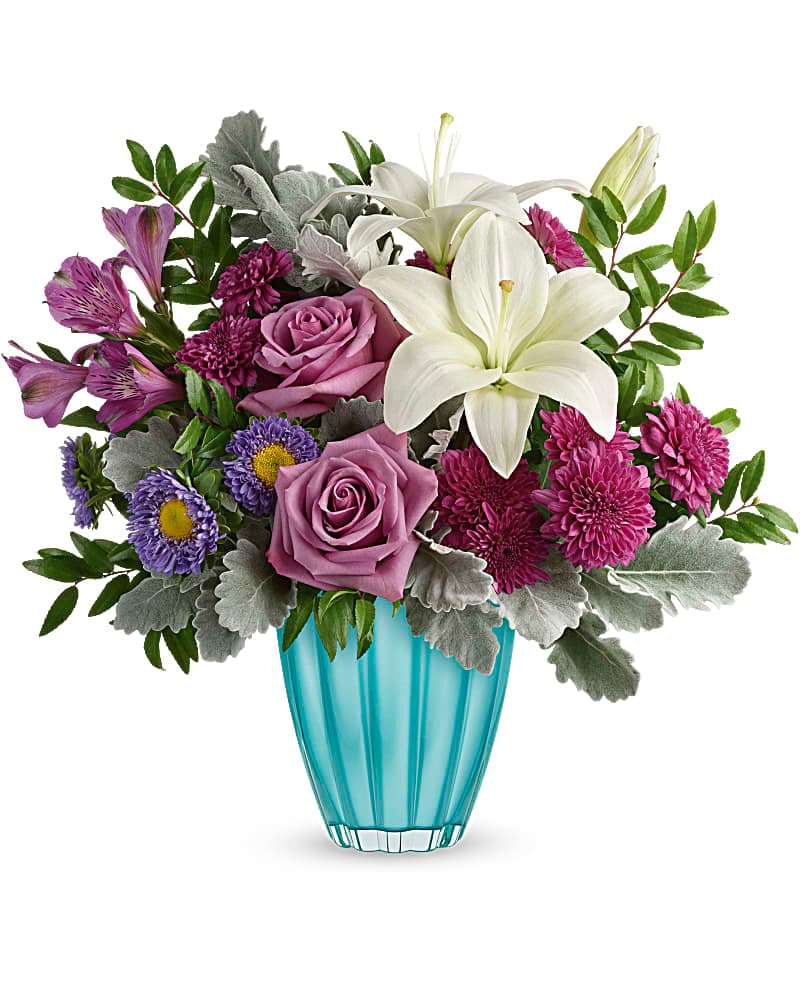
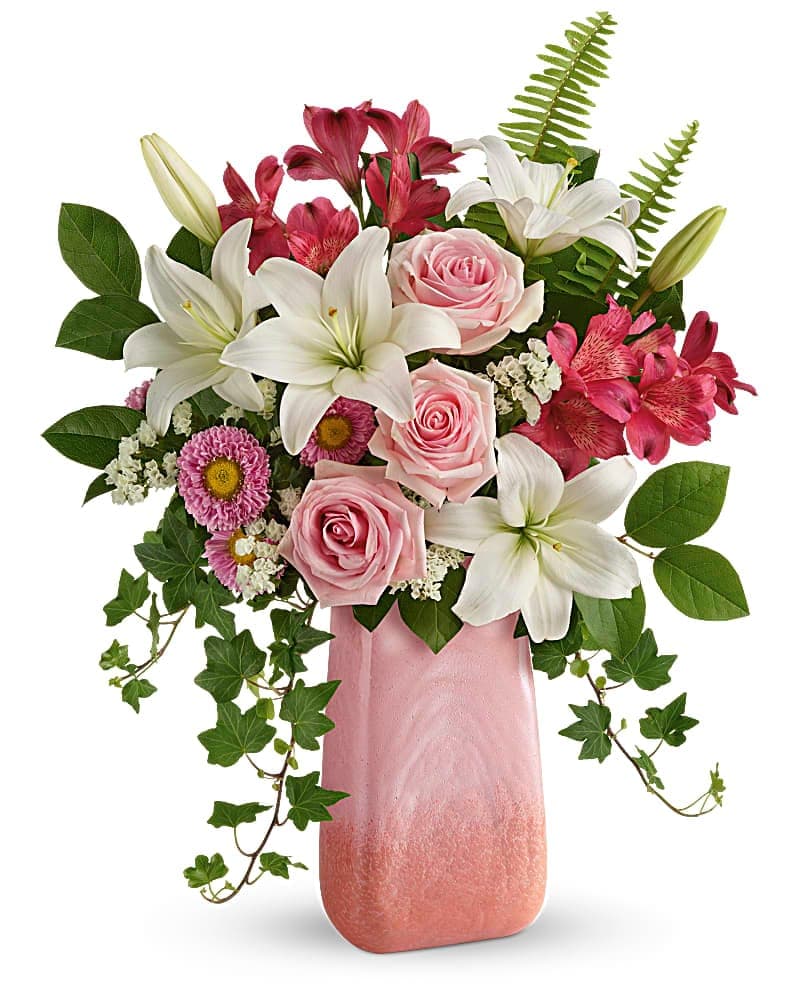
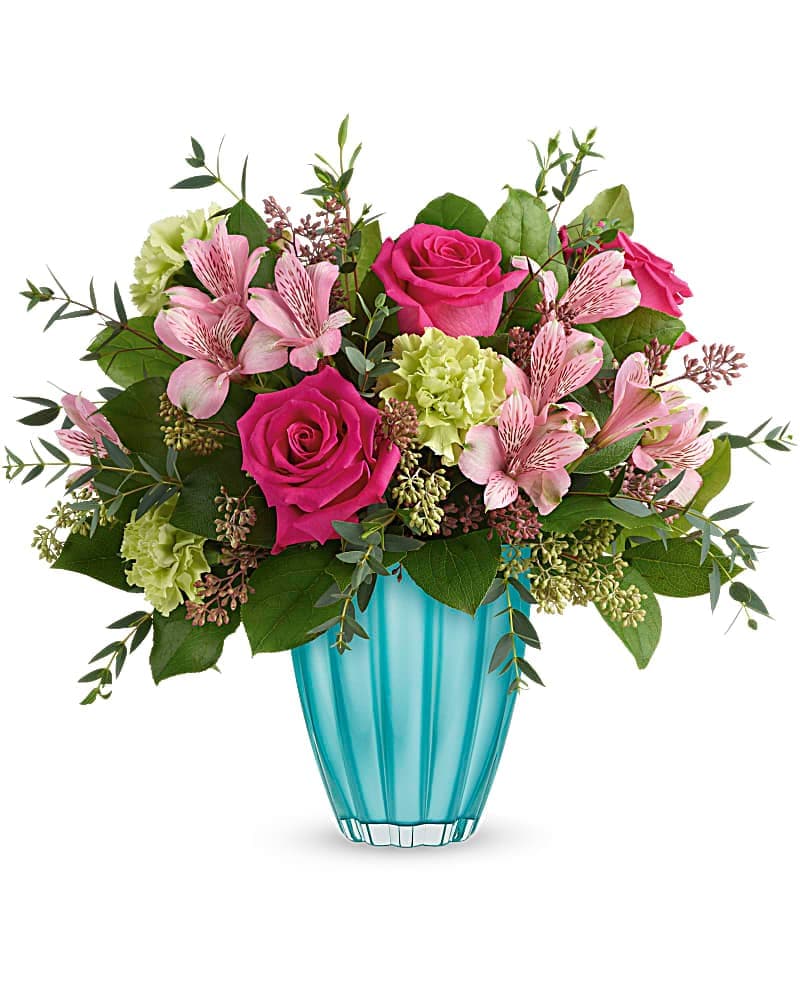
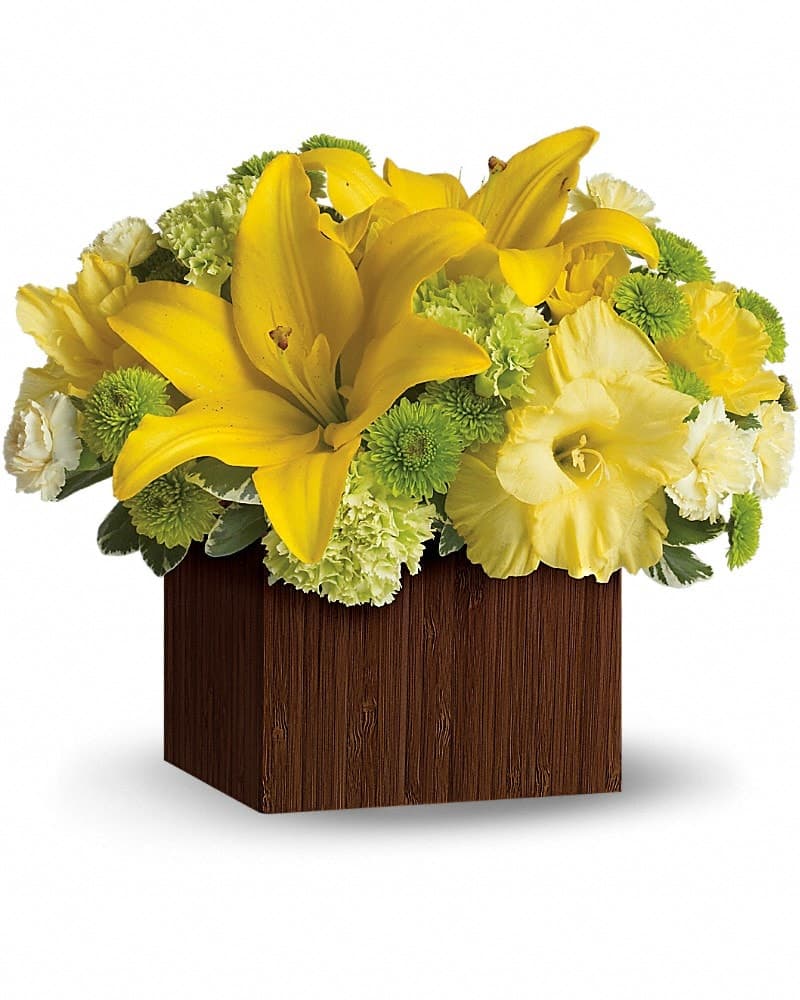
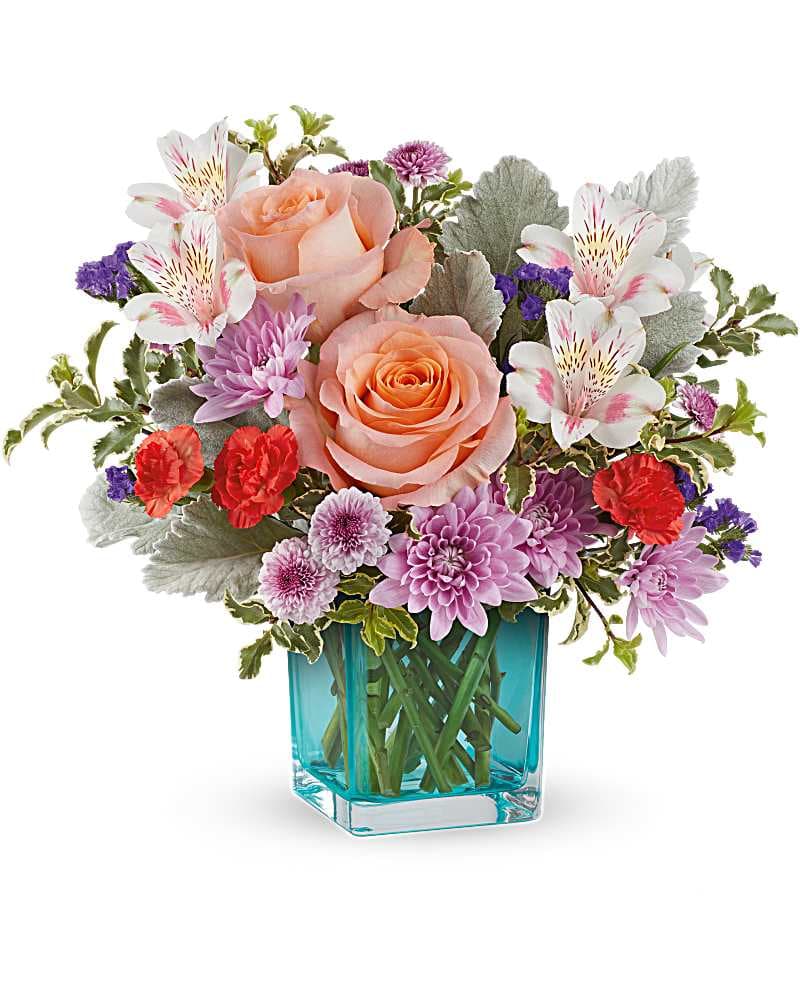
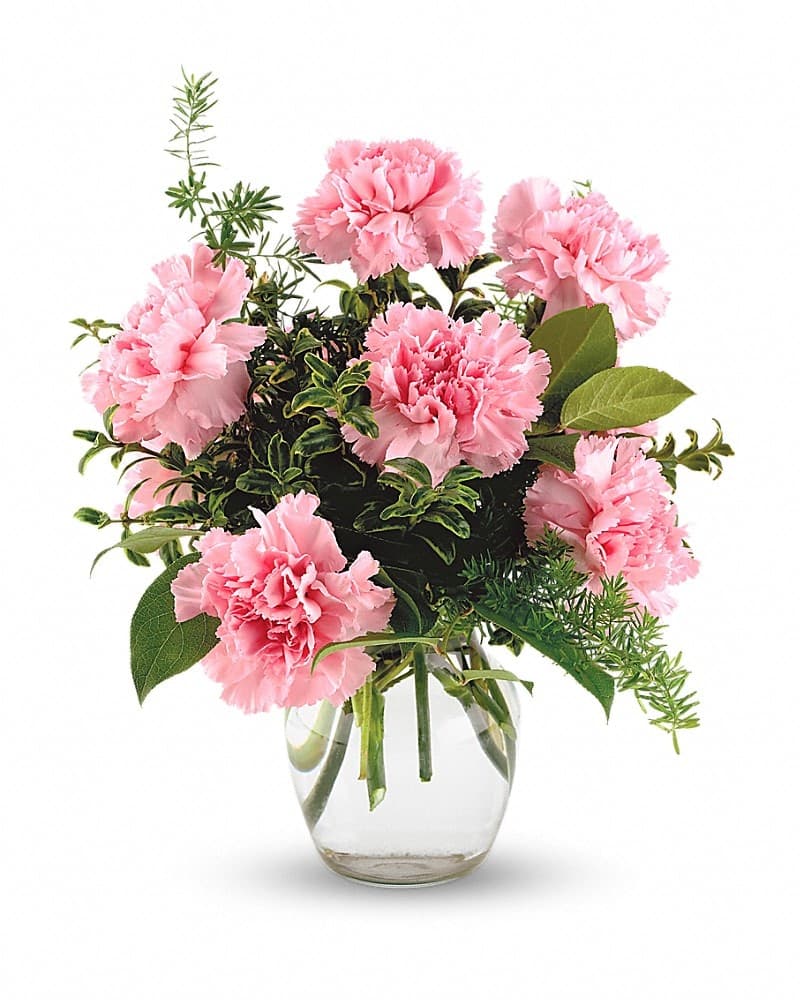
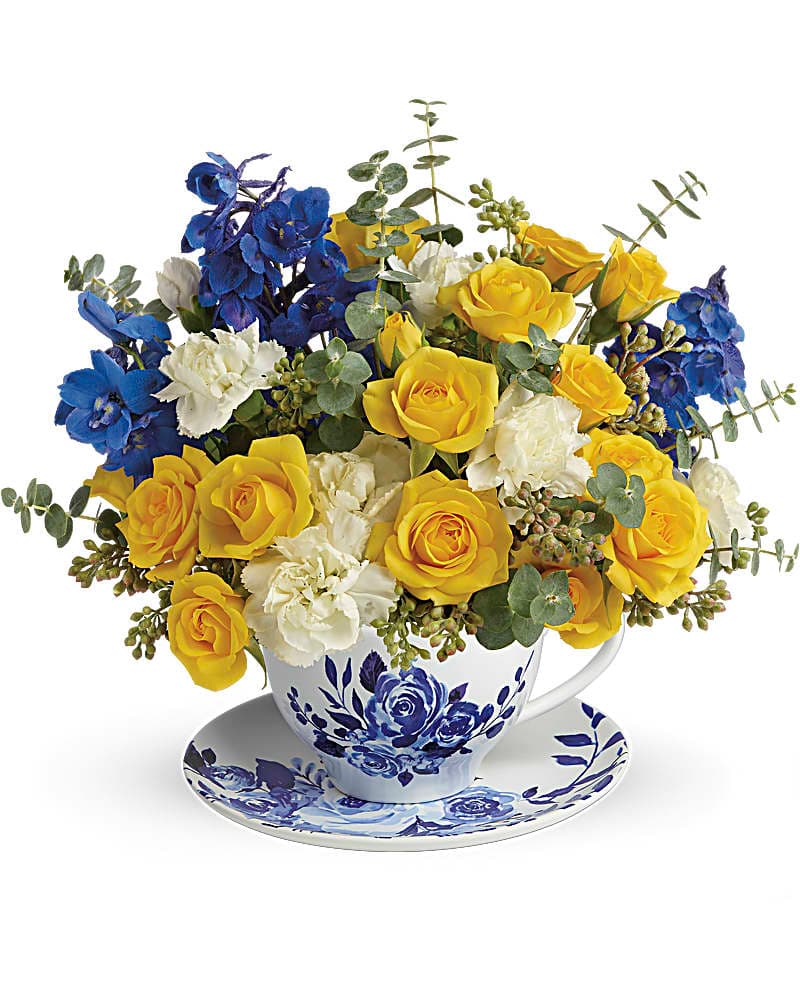
Carteret has no hospital. Nothing inside the borough line admits anyone, which means the recipient of a get-well order from this page is by definition somewhere else, and the useful way to think about the grid is as a set of rings rather than a map of the town. Ring one is RWJUH Rahway on Stone Street, close enough to the borough's north edge to be a short drive, and comfortably covered by Florist Ofwoodbridgenj at 82 N James St. and Vintagenouveau Florist at 299 Inman Ave in Colonia. Ring two is Edison and Perth Amboy — JFK University Medical Center and the JFK Johnson rehabilitation beds on James Street, and Raritan Bay, where Jacqueline's Florist at 369 Bordentown Ave in South Amboy has the shorter approach. Ring three is New Brunswick, the specialist end, and here the arithmetic inverts: Robert's Florals at 114 Raritan Avenue in Highland Park measures 11.8 miles from 07008, the furthest of all fourteen, yet Raritan Avenue runs directly to the river crossing, so it is the shortest run on this grid to RWJUH New Brunswick, Saint Peter's on Easton Avenue, Children's Specialized and the Rutgers Cancer Institute of New Jersey. Ring four is Elizabeth and Bayonne, held by Avenue Flowers Pc at 166 Elmora Avenue and Sacali's Florist at 575 Broadway. Ring five is across the water.
What can actually be built depends on the unit, and three places in these rings say no more often than the rest. The Rutgers Cancer Institute of New Jersey is the state's comprehensive cancer centre, and its floors treat soil as a hazard and pollen as an irritant: a potted plant, normally the sensible present for a treatment cycle running months, is the one thing that will be stopped at the door. What clears is small, dry of any perfume, and short enough that a nurse can move it aside when a meal tray arrives. The children's side is stricter still. Intensive-care beds inside the Bristol Myers Squibb Children's Hospital of New Jersey and the regional newborn unit at Saint Peter's take nothing living at all, and that is written policy rather than a preference, so nothing is gained by asking kindly at a desk — address the order to whichever parent is living at the hospital, at whatever address they are sleeping at, under their own full name. Trinitas in Elizabeth runs a large behavioural-health service, and there the objection is hardware rather than botany: cords, wire, ribbon, cellophane sleeves and glass all come off the permitted list, which disqualifies most of what a shop keeps ready on a shelf. An unbreakable pot left with the nurses' station gets through where a vase will not.
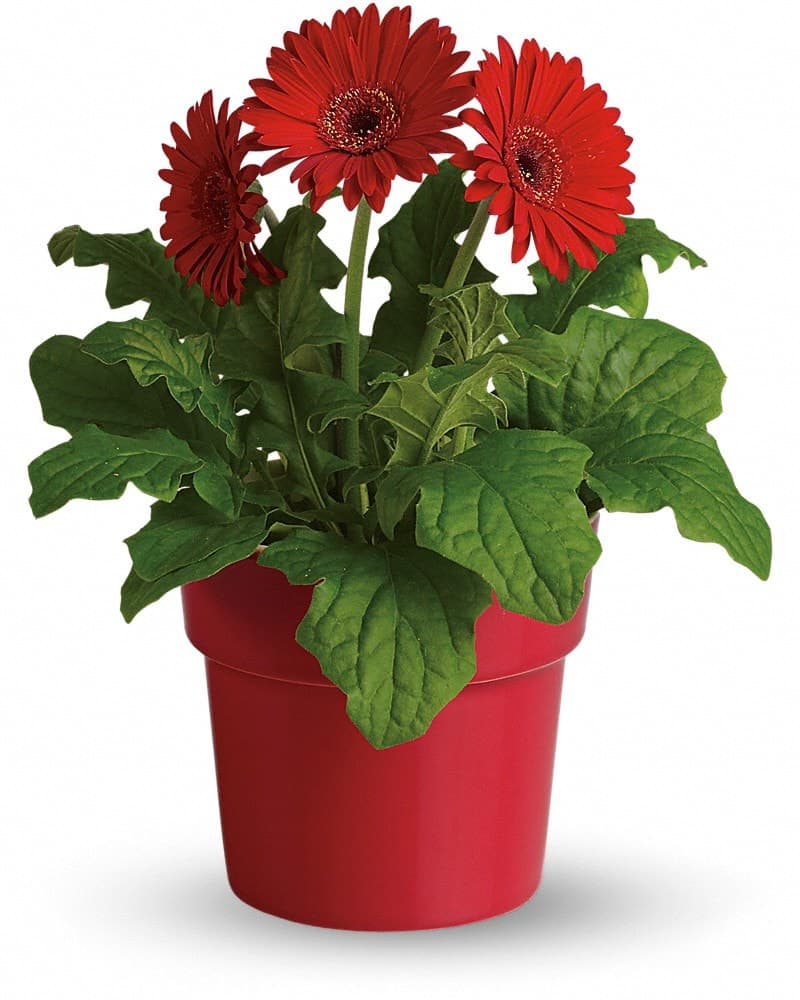
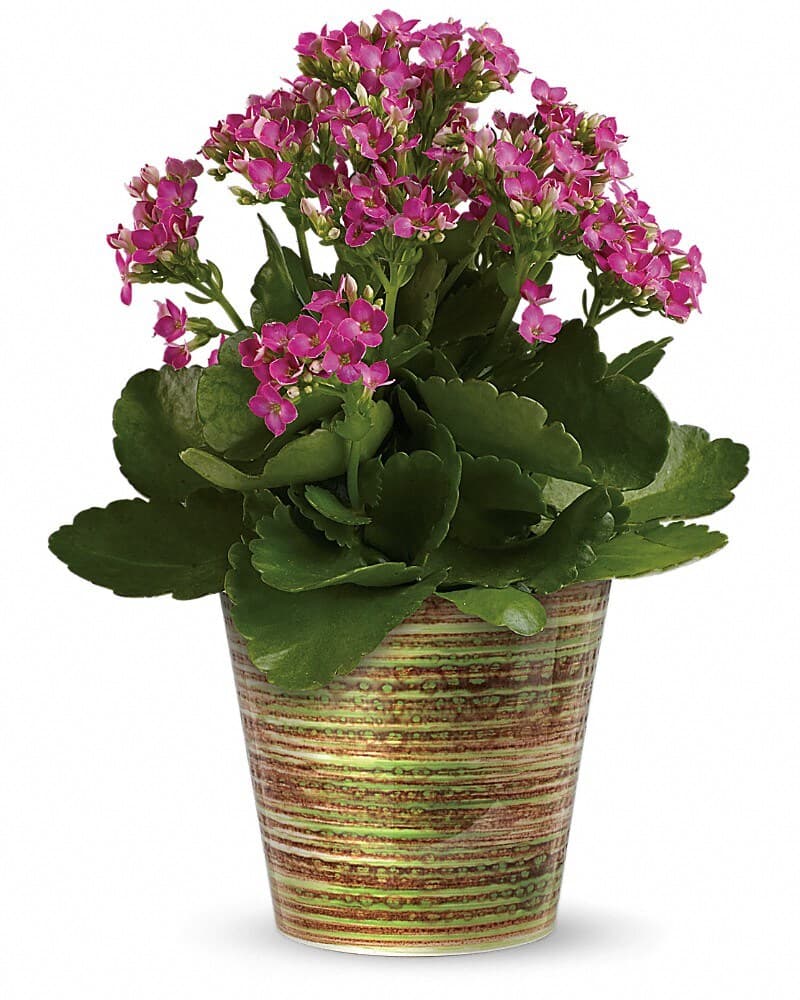
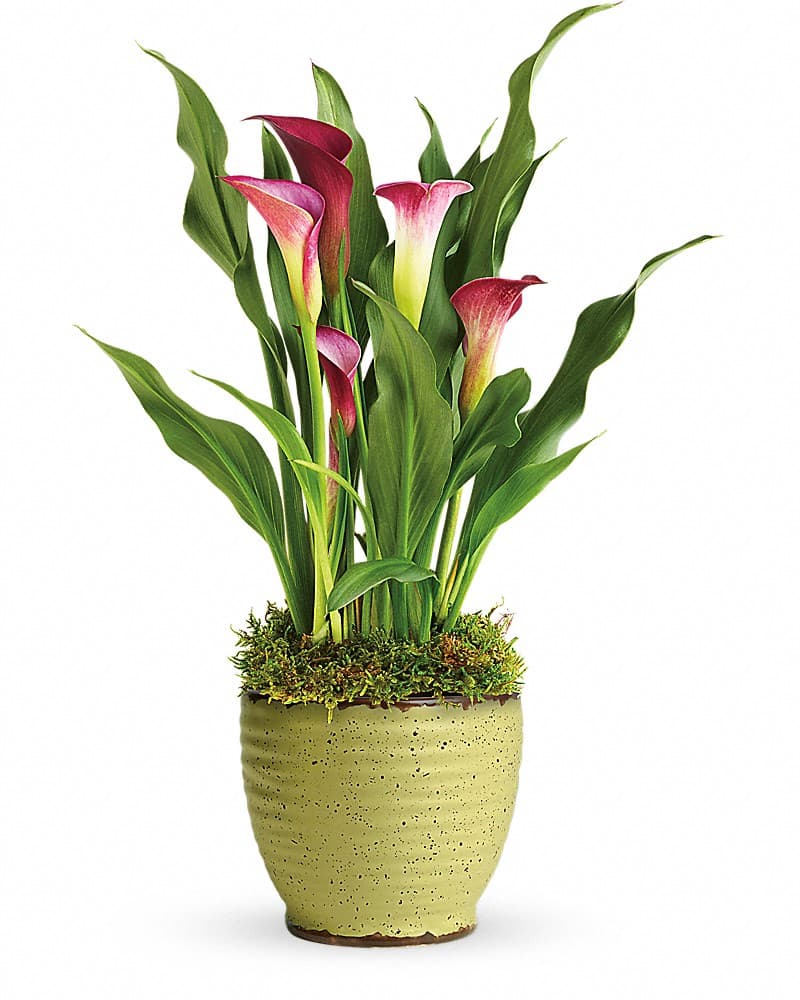
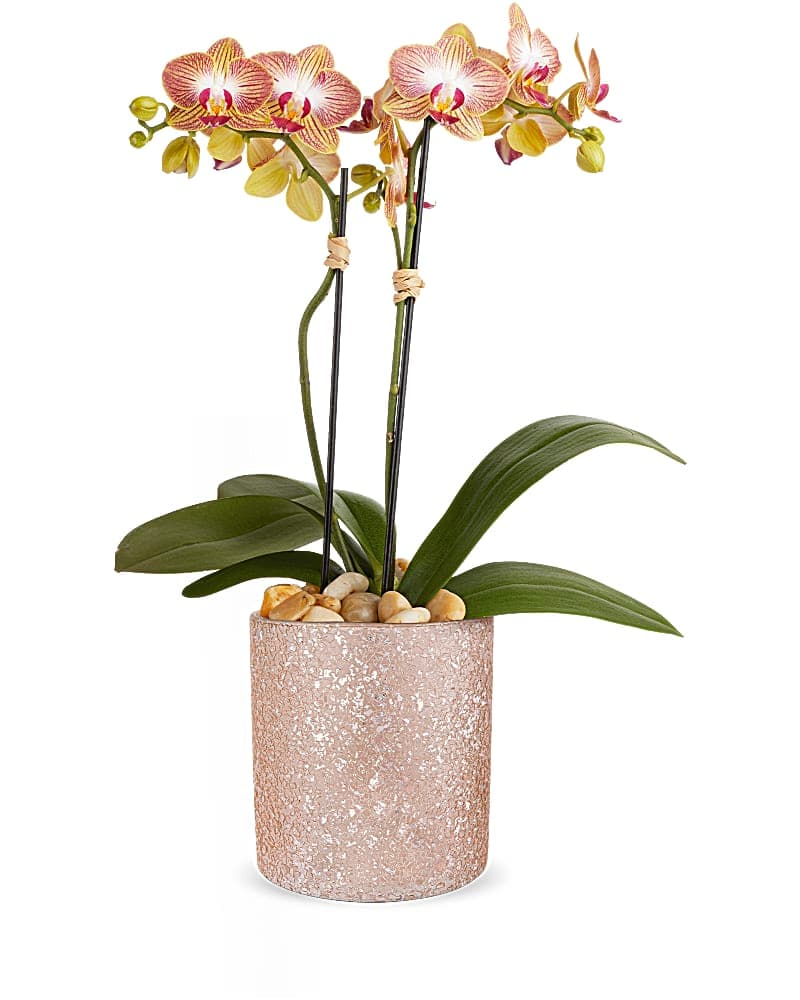
The longer half of a recovery usually happens after discharge, and that is the half worth spending on. JFK Johnson in Edison takes the strokes and the serious brain and spine injuries from this part of Middlesex County and holds people for weeks of relearning; Children's Specialized in New Brunswick measures inpatient stays in months. For a room somebody genuinely lives in, a plant is the better object by a wide margin — it survives the entire admission and then travels home in the back seat, where a fourth bouquet is just something else to carry to the car. The same logic follows the older residents of Carteret who come out of Rahway or Perth Amboy and finish healing at home on Pershing, on Carteret Avenue, on the blocks off Roosevelt Avenue. Once they are discharged the clinical questions all stop and a far more ordinary one replaces them: can anybody get to the door? A person a week past an operation moves slowly, and on these two- and three-family houses the buzzer panels are rarely labelled, so name the floor — second floor, rear, upper — and give the driver a mobile number to call. The other local warning is the cold half of the year: an exposed Carteret porch in February, with open water a few streets east and nothing between, turns a delivery into a second errand for somebody who cannot easily fetch it.