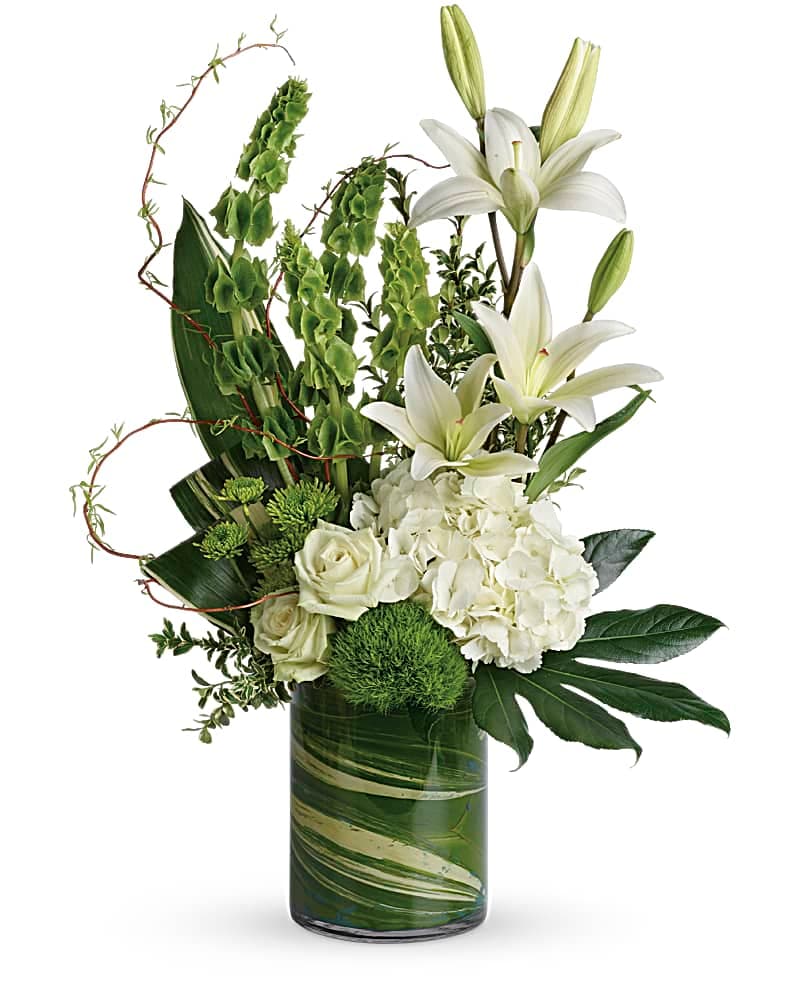
A Carrollton funeral is almost always a two-county errand, and that geography is the first thing to understand before you order. Carrollton itself straddles Dallas, Denton and Collin counties, but it has no large memorial park of its own, so the pattern repeats week after week: the visitation and the service happen in a chapel in the Metrocrest or on the North Dallas edge, and the burial happens somewhere else entirely. Restland Funeral Home and Memorial Park on Greenville Avenue in Dallas takes the largest single share of DFW interments. Sparkman/Hillcrest Funeral Home and Memorial Park on West Northwest Highway serves the Preston Hollow and North Dallas families who ring Carrollton's eastern edge. Calvary Hill Cemetery on Lombardy Lane is the Catholic Diocese of Dallas ground, which matters in a city with large Mexican-American, Filipino and Vietnamese Catholic communities. Laurel Land Memorial Park covers the south Dallas side of the family map, and Dallas-Fort Worth National Cemetery on Mountain Creek Parkway handles veterans, with its own arrival protocol and its own timing. North of Carrollton, Turrentine-Jackson-Morrow in Allen and Frisco absorbs the Collin County services. A single order frequently has to reach two of those addresses in the same 48 hours — the chapel for the service, and the house afterward.
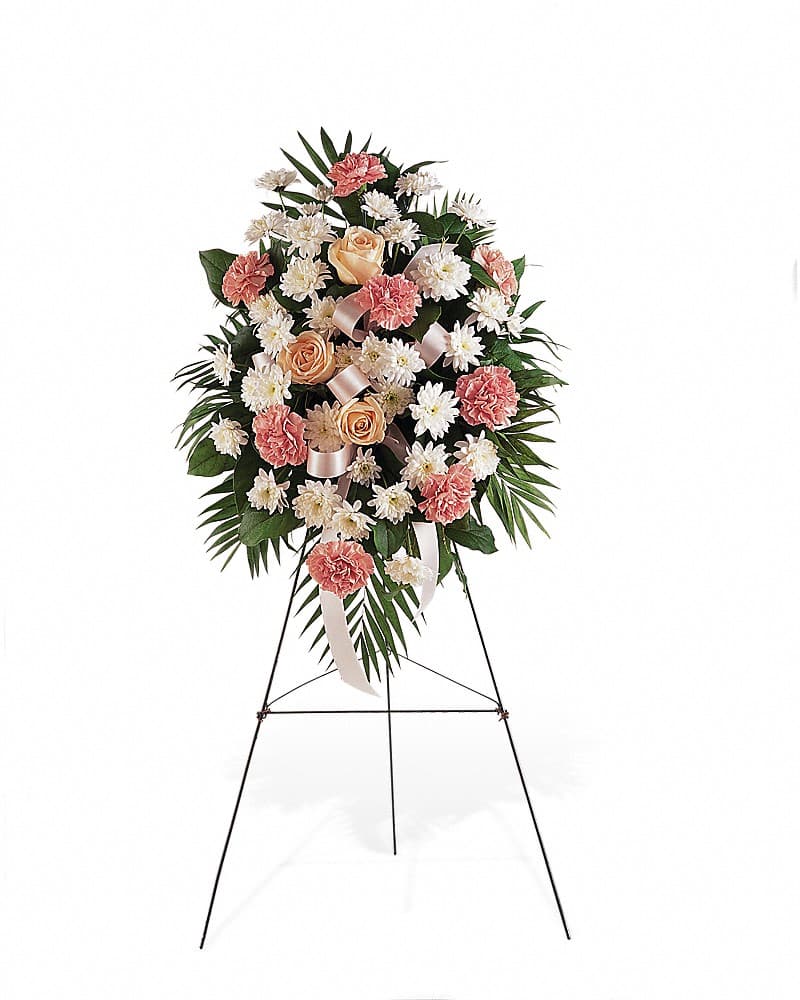
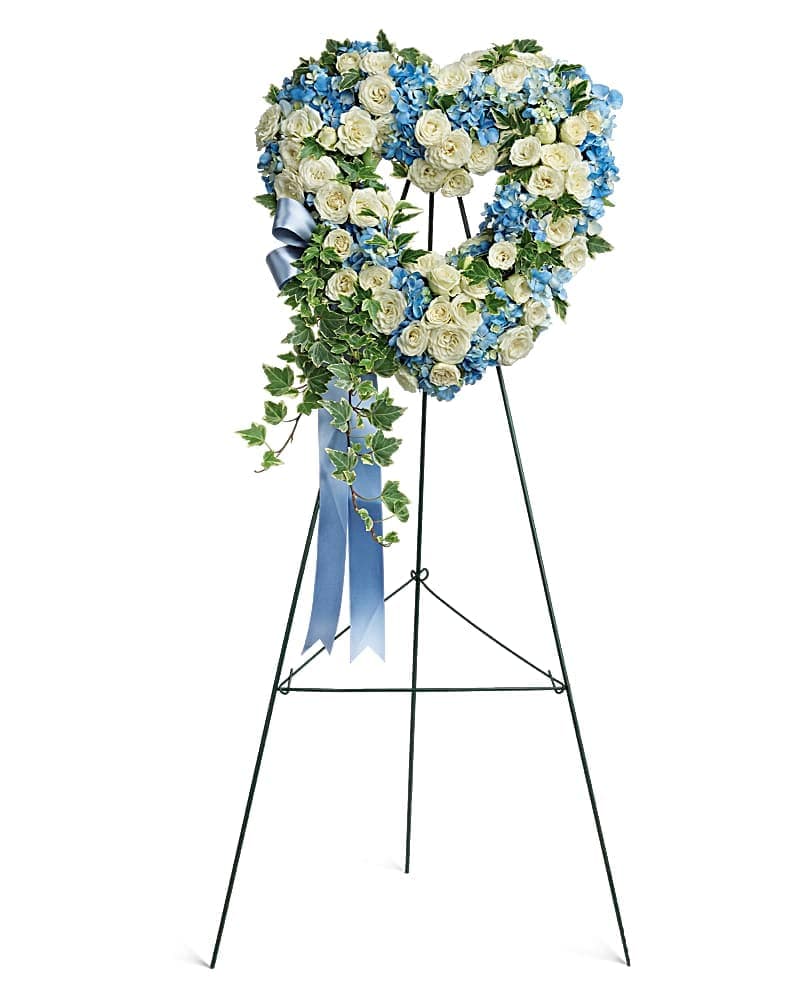
Carrollton's religious and cultural mix is unusually wide for a suburb of its size, and sympathy convention changes sharply from one household to the next. The Korean-American community concentrated along Old Denton Road and Trinity Mills follows a tradition most American florists have never been asked for: the tall standing condolence wreath, white and yellow chrysanthemum on a frame, carrying a printed sash with the sender's name or company written on it. If that is what the family expects, say so explicitly when you order and give the exact name and title to be printed — it is a built-to-order piece, not a catalogue item, and it needs a day. Vietnamese and Filipino Catholic families more often want a traditional standing spray or an easel piece at the chapel, with white and cream rather than color. Mexican-American Catholic services in the 75006 and 75007 parishes commonly pair a chapel piece with a grave blanket or a cross form at the cemetery. Hindu families across the Carrollton, Irving and Plano corridor use garlands and loose marigold and rose, and the timing is compressed — a cremation frequently happens within a day or two, so call rather than order online. Muslim families, served by the mosques in Richardson, Irving and Plano, generally do not want flowers at all; a meal delivered to the house or a donation is the appropriate gesture, and any honest florist will tell you so. Jewish families in the North Dallas corridor along Hillcrest and Preston follow the same convention — flowers are not sent to the funeral, and a plant or a food tray to the shiva house is the right answer.
Two practical Carrollton details that change whether a sympathy delivery lands. First, addresses. Chapels and cemeteries take a delivery at a service entrance or a back door, not at the front of the building where the family is arriving, and the person who signs is a funeral director rather than a receptionist. Give the funeral home name, the service date, the service time and the name of the deceased — the last one matters, because a busy Saturday chapel may be running three families at once and the arrangement has to be set in the correct room. For Dallas-Fort Worth National Cemetery, deliveries follow the cemetery's own rules and windows, so call before you order. Second, the house. Carrollton's residential streets are easy to drive but its apartment and townhome clusters along Frankford, Marsh, Midway and Josey are not; a sympathy delivery is the worst possible one to leave baking on a porch in August or sitting in an afternoon thunderstorm. Send it to the leasing office if the recipient is in a complex, name a shaded covered entry if it is a house, include a mobile number, and write the card message in the first person and in plain language. The shop hand-writes it free, and after twenty years of doing this the honest advice is that a short specific sentence about the person who died reads better than any formal phrasing you can borrow.