Cape Coral sympathy orders arrive with a particular shape, and it is worth naming it directly: the person who died usually lived here, and the person sending the flowers usually does not. This is a retirement-heavy city of well over two hundred thousand people whose adult children are in Ohio, Michigan, Indiana, Illinois, New York, New Jersey and Ontario, and a great many Cape households are seasonal — here from November through April, gone by summer. So the order often comes from a different time zone, for a chapel the sender has never seen, on a deadline set by a funeral director they have spoken to once. Everything below is written for that sender. Give us three things and the rest is routine: the funeral home or church name, the date and hour of the service or visitation, and the family surname exactly as the chapel has it on the schedule. Chapels here frequently run more than one service in a day, and the name on the card is how an arrangement finds the right room.
The geography is short and specific. Inside Cape Coral, Coral Ridge Funeral Home and Cemetery sits on Everest Parkway with a chapel and cemetery grounds on the same property, which makes it the one local address where a service and a graveside can happen without a procession leaving the city. Mullins Memorial Funeral Home and Cremation Service is on Country Club Boulevard, on the older south-central side of the Cape. Across the Caloosahatchee the county's longer-established names line Colonial Boulevard: Harvey-Engelhardt Funeral and Cremation Services, one of the oldest in Lee County, and Fort Myers Memorial Gardens, where a funeral home and a memorial park share the grounds. Further out on State Road 82, Hodges Funeral Home sits at Lee Memorial Park, the large county burial ground east of town; Gendron Funeral and Cremation Services serves the Fort Myers side as well. Lee County has no national cemetery of its own — the nearest is Sarasota National Cemetery, well outside this 18-mile ring — so veterans' committal services for Cape families are often held locally with military honors and the flowers received at a residence afterward.
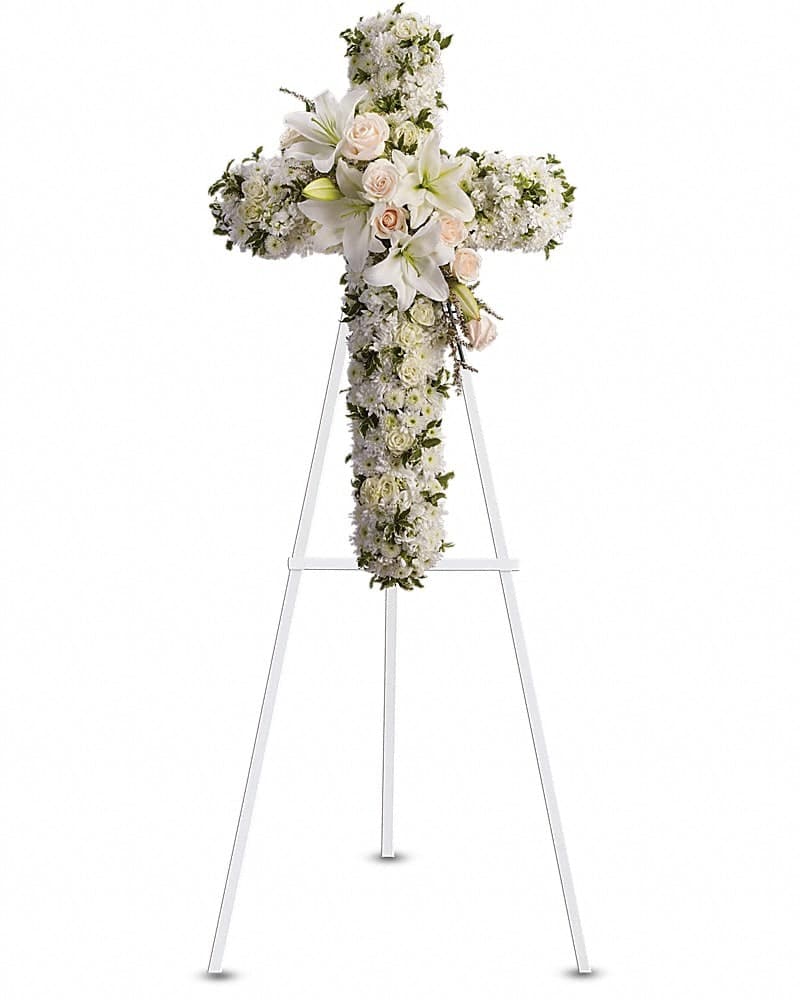
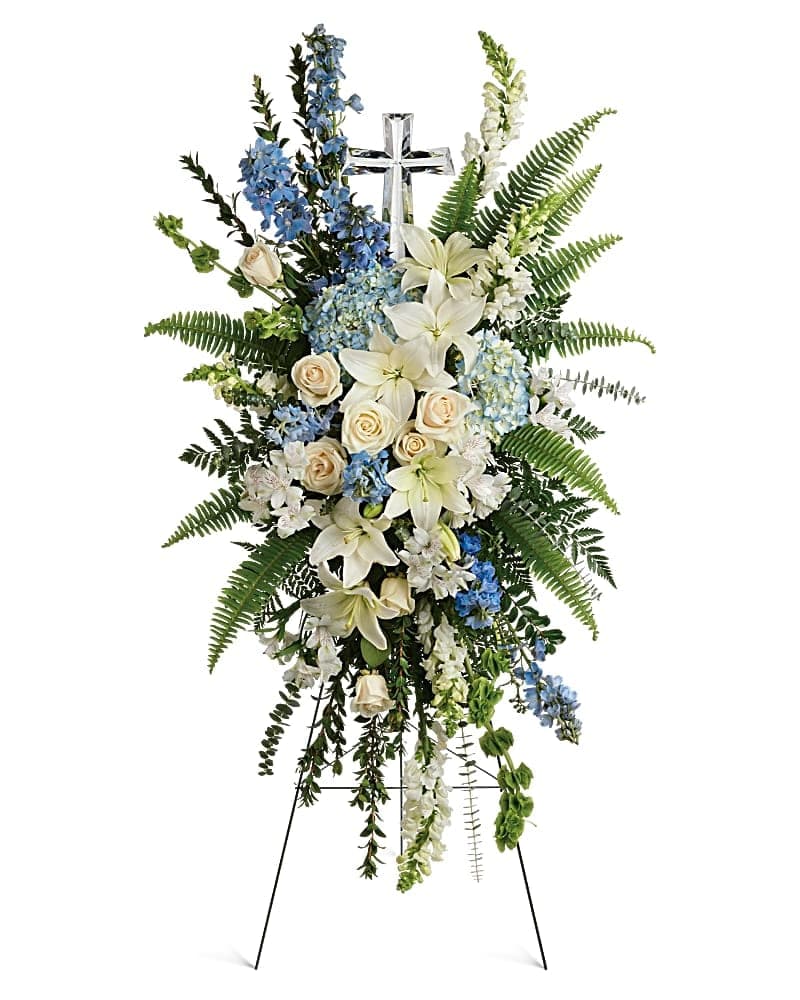
Florida changes the arithmetic of sympathy in a way northern senders rarely expect. The state has one of the highest cremation rates in the country, and in Southwest Florida that means the sequence is frequently reversed: cremation first, then a memorial gathering or celebration of life days or even weeks later, sometimes at a home on a canal, a clubhouse, a restaurant on the Cape Harbour or Tarpon Point waterfront, or a church hall — and sometimes a second service up north where the family's roots are. Flowers sent for the original date can arrive at a chapel that has no service that day. Before you order, ask the funeral director one question: is there a viewing or visitation, and if so when. If there is, the flowers belong at the chapel before it opens. If there is not, the right destination is almost always the family's house, where people will be coming and going for a week.
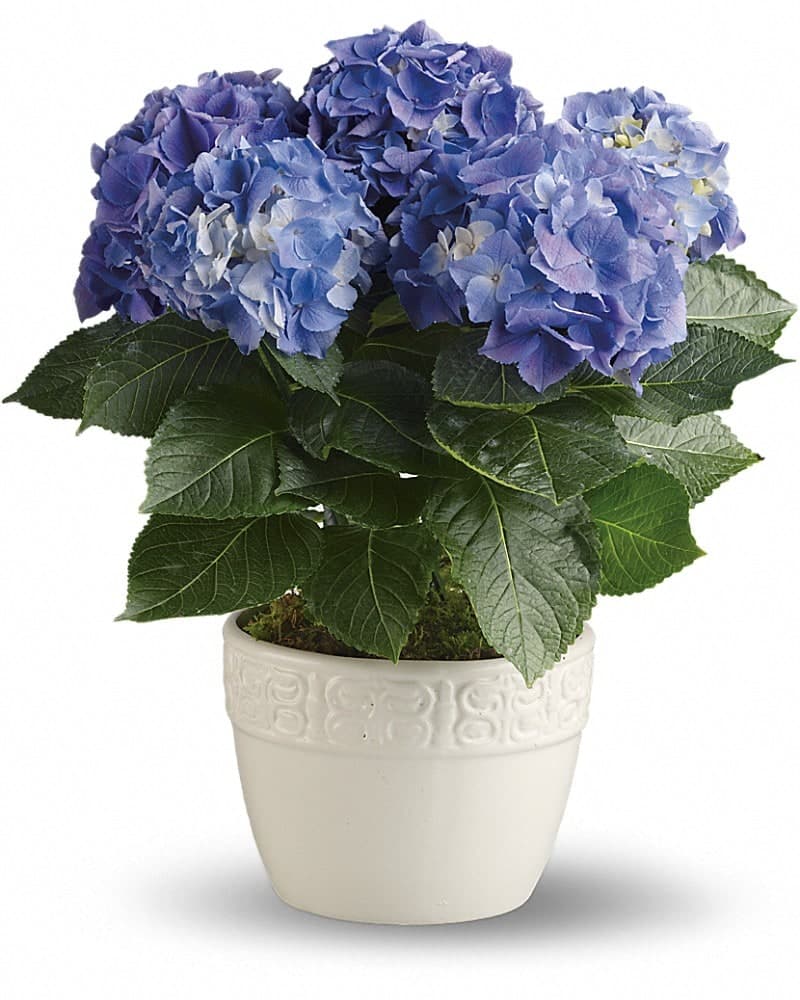
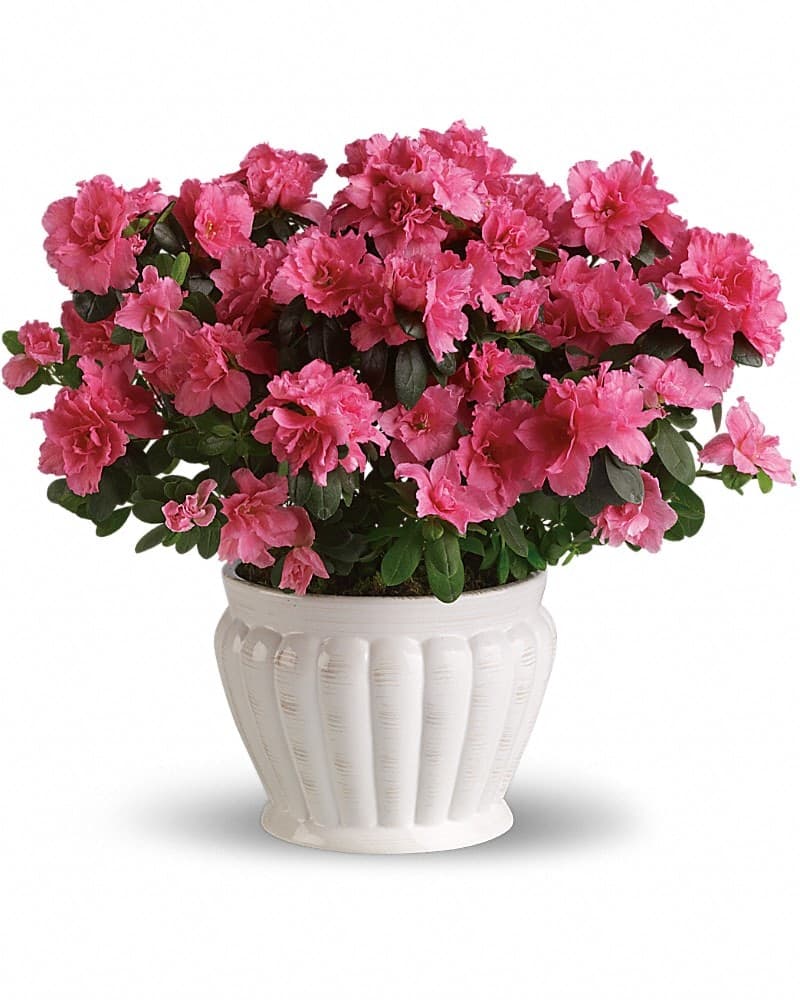
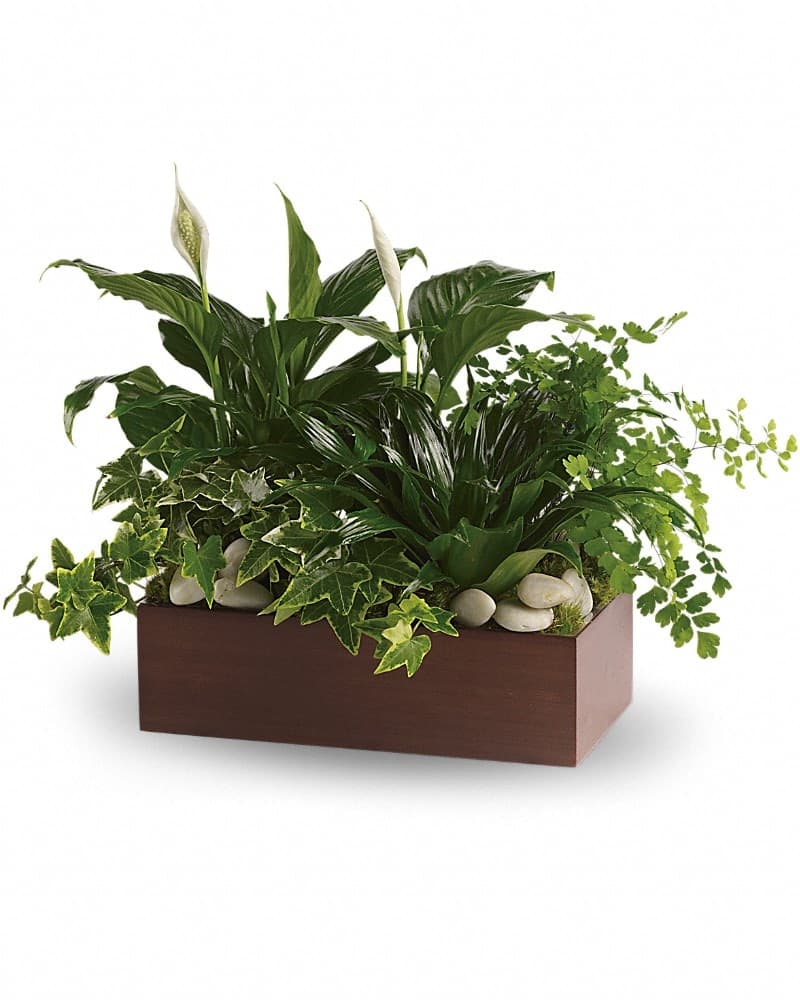
Two last practical matters, both of which senders usually ask about only after they have ordered. The card first: it is handwritten, included at no charge, and on a sympathy order it is the part that gets read aloud in a kitchen full of relatives. Sign your full name and your connection to the person who died — their neighbor two doors down on Pelican, their Tuesday golf partner, someone from their old office in Cleveland — because the family is working through dozens of cards from people they may only know through the deceased, and a first name alone leaves them guessing during the worst week of their year. Keep the message short. Nothing about this is improved by length. Second, how to get the details you do not have: Lee County services are listed in the daily obituaries of The News-Press in Fort Myers and in the Cape Coral Breeze, and the funeral home directing the service will tell you the visitation window, the chapel, whether the family has asked for donations instead of flowers, and where they would prefer flowers sent. Ask that last question outright — many Cape families want arrangements at the house rather than the chapel, particularly when cremation came first, and a director who is on the phone with them twice a day already knows. If donations have been requested in lieu of flowers, honor it, then send a plant to the residence a week or two later. After the crowd thins, when the casseroles stop arriving and the phone goes quiet, is when people notice that somebody remembered.